Lower Back Pain: Common Causes, Relief Options, and When to See a Doctor
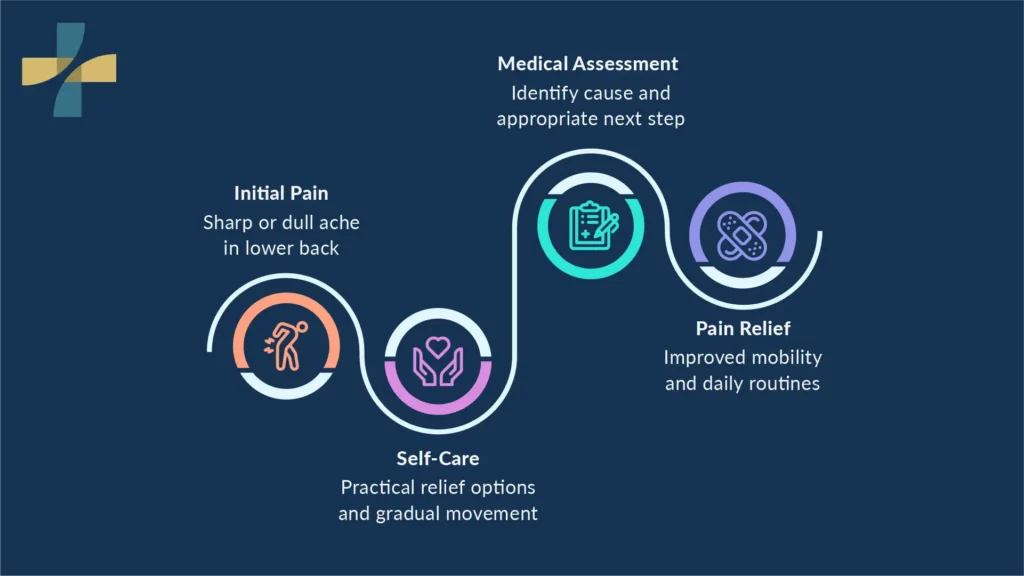
You bent down to pick up groceries, and suddenly a sharp pain shot through your lower back. Or maybe it is a dull ache that has been building for weeks, making simple activities like standing or sitting uncomfortable. Lower back pain is very common and can affect mobility, sleep, work, and daily routines. The World Health Organization (WHO) identifies low back pain as a leading cause of disability worldwide. Many cases improve over time with practical self-care and gradual movement. However, persistent, recurring, or unexplained pain may need medical assessment to help identify the appropriate next step. This guide explains common lower back pain causes, safe relief options, warning signs that need urgent attention, and when it may be helpful to see a doctor or physiotherapist. If your pain is persistent, recurring, unexplained, or affecting your daily routine, a back pain assessment can help identify the next appropriate step. What Causes Lower Back Pain? Lower back pain, also called lumbar pain, can have several possible causes. It may involve muscles, ligaments, joints, discs, nerves, or another health condition. In many cases, there is not one clear structural cause for the pain. The World Health Organization notes that most low back pain is considered non-specific, meaning a specific disease or structural problem cannot be identified. The lower part of the spine supports body weight and allows bending, twisting, and other everyday movements. This can make the area more likely to feel sore or injured after strain, repetitive activity, prolonged sitting, or sudden movement. Muscle Strain and Ligament Sprain A muscle strain or ligament sprain can happen after lifting, twisting, overuse, sports, or an awkward movement. These injuries may cause localized pain, stiffness, tenderness, or muscle spasms. Sudden lifting, twisting, injury, repetitive activity, and prolonged sitting can all contribute to back pain for some people. These factors are also recognised in HealthLink BC’s guidance on low back pain and movement. Common features may include: Pain mainly felt in the lower back Stiffness or muscle spasms Discomfort that changes with movement Symptoms that improve gradually with activity modification and time Poor Posture and Ergonomic Issues Long periods of sitting, standing, or working in one position may contribute to lower back discomfort. A poorly adjusted chair, desk, screen, or workstation can also make symptoms worse for some people. Rather than focusing on “perfect posture,” it is usually more helpful to change positions regularly, take short movement breaks, and adjust your workstation to suit your body and work tasks. Common features may include: A dull or aching feeling that builds during the day Stiffness after sitting or standing for long periods Relief after changing position or taking a short walk Neck or shoulder tension from prolonged desk work Herniated Disc and Sciatica Discs sit between the bones of the spine and help cushion movement. A disc may bulge or herniate, which can sometimes irritate or put pressure on a nearby nerve. Sciatica is a term used for pain that travels from the lower back or buttock into the leg. It may also involve tingling, numbness, or weakness, as outlined in HealthLink BC’s sciatica guide. Possible symptoms include: Sharp, burning, or electric-shock-like pain into the buttock or leg Tingling or numbness in the leg or foot Weakness in the leg or foot Pain that becomes worse with certain movements, sitting, coughing, or sneezing Not every disc change causes symptoms. A health care professional can assess whether nerve irritation may be contributing to your pain. Degenerative Conditions and Arthritis Age-related changes in the spine can include disc changes, arthritis in the spinal joints, or narrowing around the nerves. These changes may be associated with stiffness, reduced range of motion, or pain that varies with activity. However, imaging changes do not always explain a person’s symptoms. Some people have age-related changes on scans without back pain, while others have pain without a clear finding on imaging. A medical assessment considers your symptoms, movement, medical history, and any warning signs before deciding on the next step. Lower Back Pain Symptoms That Need Urgent Medical Care Most lower back pain is not caused by an emergency. However, certain symptoms may point to serious nerve problems, infection, fracture, cancer, or another condition that needs urgent assessment. Call 9-1-1 or seek emergency care now if you have: New loss of bladder or bowel control New difficulty passing urine Numbness around the groin, genitals, buttocks, or inner thighs Severe or rapidly worsening weakness in one or both legs Back pain after a major fall, vehicle collision, or other significant trauma Severe back pain with abdominal pain, fainting, or feeling very unwell Seek prompt medical assessment if you have: Fever, chills, or other signs of infection Unexplained weight loss A history of cancer with new or worsening back pain New or worsening numbness, tingling, or weakness in the legs Pain that is getting worse, not improving, or significantly limiting daily activities Severe one-sided back or side pain with urinary symptoms, vomiting, or fever These symptoms do not always mean there is a serious condition, but they should be assessed promptly. Lower Back Pain Relief: What Helps at Home? For uncomplicated lower back pain without the warning signs listed above, self-care may help reduce discomfort and support a gradual return to normal activity. Stay Active Within Your Limits Long periods of bed rest are usually not recommended for uncomplicated back pain. Gentle movement and a gradual return to everyday activity may help reduce stiffness and make it easier to stay mobile. Short walks, light daily tasks, swimming, or gentle yoga may be suitable for some people. Avoid activities that sharply increase your pain, including heavy lifting, twisting, or high-impact exercise. Apply Heat or Ice Some people find ice, heat, or a combination of both helpful for short-term relief. Use the option that feels more comfortable for your symptoms. Apply a wrapped ice pack or heating pad for short periods, with a cloth barrier to protect your skin. Do not fall asleep
Strep Throat Symptoms: Signs, Testing, and When to See a Doctor
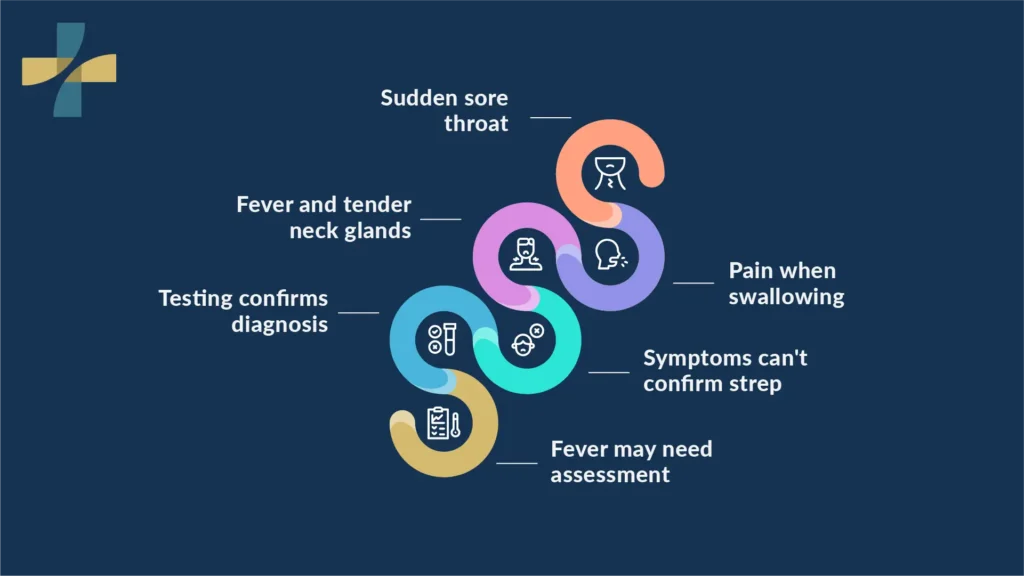
Strep throat symptoms may include a sore throat that begins suddenly, pain when swallowing, fever, tender neck glands, red or swollen tonsils, and white patches on the tonsils. However, symptoms alone cannot confirm strep throat because viral infections can cause similar signs. Strep throat is an infection of the throat and tonsils caused by group A Streptococcus bacteria. Viruses cause most sore throats. According to the Centers for Disease Control and Prevention, around 3 in 10 children and 1 in 10 adults with a sore throat have strep throat. A healthcare provider may recommend a rapid antigen test, throat culture, or another approved diagnostic test based on your symptoms, age, exposure history, and examination. Appropriate treatment for confirmed strep throat can reduce transmission, shorten symptoms, and lower the risk of some complications. If you have a sore throat with fever, a medical assessment can help determine whether testing or another form of care may be appropriate. What Are the Most Common Strep Throat Symptoms? Common strep throat symptoms include sudden throat pain, painful swallowing, fever, tender lymph nodes at the front of the neck, and red or swollen tonsils. Some people develop white patches or streaks of pus on their tonsils. Children may also have headaches, stomach pain, nausea, or vomiting. Symptoms usually develop about two to five days after exposure to group A strep bacteria. The infection is most common among children aged 5 to 15, but adults can also develop it, particularly when they have regular contact with school-aged children or people in crowded settings. Sore throat, fever, swollen lymph nodes, and tonsil changes Possible symptoms and examination findings include: A sore throat that begins quickly Pain when swallowing Fever Red and swollen tonsils White patches or streaks of pus on the tonsils Tiny red spots on the roof of the mouth Tender or swollen lymph nodes at the front of the neck Headache Body aches Reduced appetite Stomach pain, nausea, or vomiting, particularly in children A rough, red rash associated with scarlet fever These symptoms are consistent with guidance from the CDC’s clinical overview of group A strep pharyngitis and the Public Health Agency of Canada. Strep throat does not usually cause a cough, runny nose, hoarse voice, mouth ulcers, or conjunctivitis. These symptoms are more suggestive of a viral infection. Still, the absence of a cough does not prove that a person has strep throat. The combination of sudden throat pain, fever, tender neck glands, and tonsil changes may raise clinical suspicion, but a healthcare provider generally needs a diagnostic test to confirm group A strep when clear viral symptoms are absent. Strep Throat vs Sore Throat: Key Differences Strep throat is one possible cause of a sore throat. Most sore throats are caused by viruses, and symptoms often overlap. Cough, runny nose, hoarseness, conjunctivitis, and mouth ulcers point more strongly toward a viral infection, while sudden throat pain, fever, tender neck glands, and tonsil exudate may increase suspicion of strep. The comparison below can help readers understand common patterns, but it should not be used for self-diagnosis. Feature Possible Strep Throat Viral Sore Throat Onset Often sudden May be gradual Throat pain May be moderate or severe Can range from mild to severe Fever Common but not always present May or may not occur Cough Usually absent Common Runny nose Usually absent Common Hoarseness Less typical More common Tender neck glands May occur May occur Red or swollen tonsils May occur May also occur White tonsil patches May occur Can occur with other infections Testing May require a throat swab Depends on the suspected cause Antibiotics Used for confirmed group A strep Do not treat viral infections Healthcare providers may use clinical scoring systems to decide who is likely to benefit from testing. These tools consider factors such as fever, tender neck glands, tonsil findings, age, and the absence of cough. However, the Infectious Diseases Society of America notes that clinical findings alone may not reliably distinguish group A strep from other causes when obvious viral symptoms are absent. Do not start antibiotics based only on throat appearance or symptoms. White patches can occur with other conditions, including viral infections and mononucleosis. When Should You Get a Rapid Strep Test? A healthcare provider may recommend a rapid strep test when symptoms suggest possible group A strep and there are no clear signs of a viral infection. Symptoms alone cannot confirm strep throat, so testing helps prevent both missed infections and unnecessary antibiotic use. Routine clinician assessment and possible testing may be appropriate when you or your child has: A sore throat that begins suddenly Fever with throat pain Pain when swallowing Tender glands at the front of the neck Red or swollen tonsils White patches or pus on the tonsils A rough, sandpaper-like rash Recent close contact with someone who has confirmed strep throat Persistent or worsening throat symptoms without clear cold symptoms People with cough, runny nose, hoarseness, conjunctivitis, or mouth ulcers are more likely to have a viral illness and may not need group A strep testing. The final decision depends on the healthcare provider’s assessment. How rapid tests and throat cultures differ A rapid antigen detection test uses a throat swab and can provide results relatively quickly. These tests are highly specific, but their sensitivity varies. This means a positive result can confirm group A strep, but a negative rapid test may occasionally miss an infection. A throat culture takes longer because the laboratory must wait to see whether the group A strep bacteria grow from the sample. The CDC identifies throat culture as the gold-standard diagnostic test. Follow-up after a negative rapid test depends partly on age: Children and adolescents: A negative rapid antigen test may need to be followed by a throat culture. This is especially relevant for symptomatic children aged 3 years or older. Adults: A back-up throat culture after a negative rapid test is usually not required
Medical Clinic Near Me in North Vancouver: How to Choose the Right Care Option
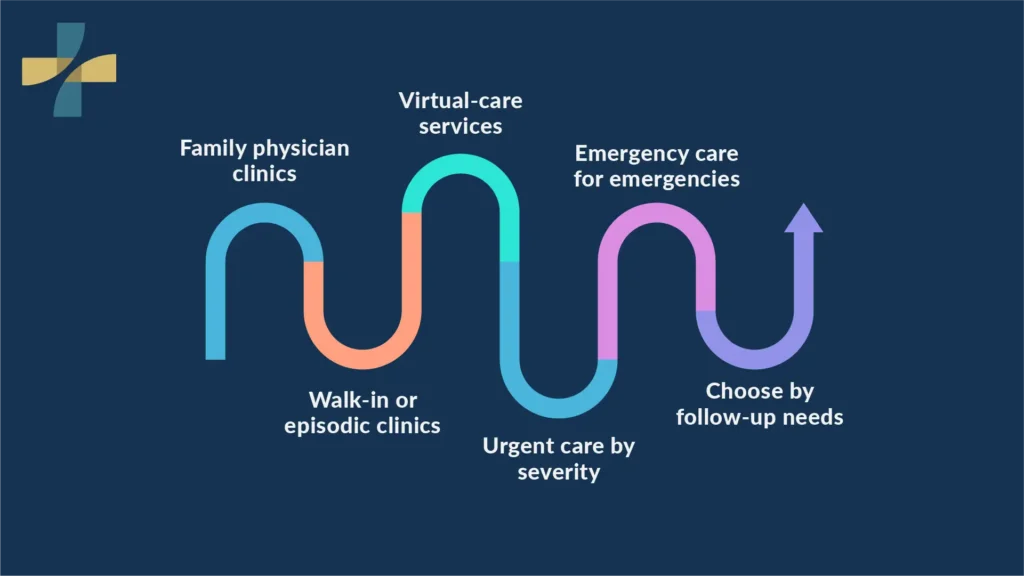
Searching for a medical clinic near me in North Vancouver can lead to several types of care. You may find family physician clinics, walk-in or episodic clinics, virtual-care services, the North Vancouver Urgent and Primary Care Centre, and hospital emergency departments. The right option depends on how urgent the concern is, whether you need a physical examination, and whether ongoing follow-up matters. This guide explains the main North Vancouver care pathways, what to check before booking, and when an online doctor visit may be appropriate. Safety note: For life-threatening symptoms or injuries, call 911 or go to the nearest emergency department. For non-emergency health advice in British Columbia, call HealthLink BC at 8-1-1. Looking for ongoing primary care? Learn more about family physician care or contact NV MedCenter to ask about current appointment availability. What Does “Clinic Near Me” Usually Mean for Patients? When people search for a clinic near them, they are often trying to solve one of several problems: They need help with a new but non-emergency health concern. They cannot get a timely appointment with their usual provider. They need ongoing care from a family doctor or primary care clinic. They want to know whether a virtual visit would be suitable. They are unsure whether their symptoms require urgent or emergency care. A family physician or primary care clinic usually supports ongoing care. This may include preventive health visits, chronic condition follow-up, children’s care, mental health discussions, prescription management, and referrals to specialists. A walk-in or episodic clinic generally focuses on short-term concerns. However, the term “walk-in” does not always mean patients can arrive without booking. Access models vary, and some North Vancouver walk-in services operate through appointments or same-day booking systems. For urgent, non-emergency concerns, North Vancouver residents may also consider the North Vancouver Urgent and Primary Care Centre (UPCC). The centre provides same-day care on a walk-in basis but does not take appointments. Patients are assessed according to urgency, and intake may close once daily capacity is reached. Medical Clinic vs Walk-In Clinic vs Urgent Care: Which One Fits Your Need? The following table compares the main care pathways available to North Vancouver patients. Care Pathway Best For Appointment Model Continuity of Care When Not to Use It Family physician or primary care clinic Ongoing health concerns, preventive care, medication management, chronic condition follow-up, children’s care, mental health discussions, and specialist referrals Usually scheduled in advance. Short-notice availability varies and should be confirmed directly with the clinic. High. Maintains ongoing medical records and coordinated long-term care. Do not use for life-threatening symptoms requiring emergency care. Walk-in or episodic clinic Short-term, non-emergency health concerns that do not require ongoing follow-up Varies by clinic. Some accept walk-ins, while others require same-day or scheduled appointments. Limited. You may see different clinicians across visits. Not suitable for emergencies or long-term chronic condition management. North Vancouver Urgent and Primary Care Centre (UPCC) Urgent, non-emergency concerns such as minor injuries, infections, sprains, wounds, skin conditions, and other same-day issues Walk-in only. Patients are seen according to urgency and daily capacity. Limited. Follow-up is typically completed through primary care. Do not use for life-threatening symptoms. Call 911 or go to an emergency department. Emergency department or 911 Life-threatening or severe symptoms such as chest pain, severe breathing difficulty, major trauma, stroke symptoms, or uncontrolled bleeding No appointment. Call 911 or go directly to the emergency department. Emergency stabilization only. Ongoing care is transferred to a primary care provider or specialist. Not intended for routine care, prescription renewals, or non-urgent conditions. The information above reflects the current Vancouver Coastal Health model for the North Vancouver UPCC. Other urgent-care and walk-in clinics may use different appointment systems or provide different services, so always confirm details with the specific clinic before visiting. When a Family Physician Appointment Is Better A family physician appointment is usually the better option when your medical history, medication use, previous test results, or long-term health plan may affect your care. Consider booking with a family doctor for: Ongoing management of diabetes, asthma, high blood pressure, or other chronic conditions Preventive health visits and screening recommendations based on your age, medical history, and risk factors Regular prescription monitoring or medication reviews Children’s health and developmental concerns Mental health discussions and follow-up Symptoms that have continued, returned, or changed over time Coordination of tests, specialist referrals, and follow-up care Screening is not the same for every patient. A clinician can recommend appropriate tests based on provincial guidance, personal risk factors, family history, previous results, and current symptoms. You can also review this guide to preventive health screening or prepare a list of questions to ask your doctor before your visit. When Same-Day Urgent Care May Be Appropriate, and When to Call 911 Same-day urgent care may be appropriate when a non-emergency health concern needs assessment before a routine family physician appointment is available. The North Vancouver Urgent and Primary Care Centre (UPCC) provides walk-in, same-day care for urgent, non-life-threatening concerns. Vancouver Coastal Health lists examples such as minor injuries, sprains and strains, infections, cuts, wounds, skin conditions, and less serious childhood illnesses. The UPCC does not take appointments, and patients are seen according to urgency. Do not use urgent care as a substitute for emergency services when symptoms may be serious or life-threatening. Severe or sudden chest pain, significant breathing difficulty, loss of consciousness, severe uncontrolled bleeding, stroke symptoms, or major trauma require immediate emergency assessment. Call 911 or go to the nearest emergency department. If you are unsure which non-emergency service is most appropriate, call HealthLink BC at 8-1-1 for guidance. What to Check Before Booking a Medical Clinic Near You Medical clinics vary in the patients they accept, the services they provide, and the way appointments are managed. Checking these details before booking can help you choose a clinic that matches your healthcare needs. Clinic Selection Checklist Confirm whether the family practice is currently accepting new patients and whether
Vitamin Deficiency Symptoms That May Require Medical Attention
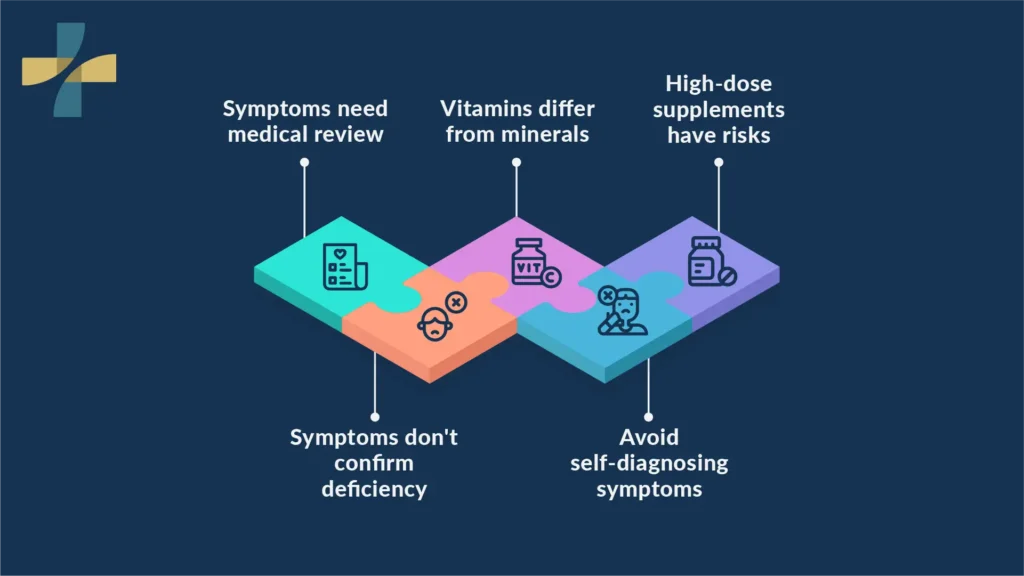
Last updated: Jun 30, 2026 Fatigue, muscle weakness, skin changes, mouth problems, numbness, or vision changes can have many possible causes. In some cases, persistent, progressive, or unexplained symptoms may be associated with a vitamin deficiency and warrant medical assessment. Symptoms alone cannot confirm that a person has low vitamin levels. A healthcare professional may need to review the person’s diet, medications, medical history, risk factors, physical findings, and laboratory results before recommending treatment. It is also important to distinguish vitamins from other nutrients. Iron, zinc, calcium, and magnesium are minerals, while essential fatty acids are dietary fats. Deficiencies involving these nutrients may cause overlapping symptoms, but they should not be described as vitamin deficiencies. This guide explains possible vitamin deficiency symptoms, when to contact a healthcare professional, and which warning signs require urgent medical care. Important: Do not use symptoms alone to diagnose a vitamin deficiency or begin high-dose supplementation. Some supplements can cause side effects, interact with medications, or interfere with laboratory tests. Why Do Vitamin Deficiency Symptoms Develop? Vitamin deficiencies can develop when a person does not consume enough of a vitamin, cannot absorb it properly, has increased nutritional needs, or takes a medication that affects nutrient absorption or metabolism. Possible causes and risk factors include: A limited or highly restrictive diet Digestive conditions that affect absorption Bariatric or gastrointestinal surgery Pregnancy or breastfeeding Older age Heavy alcohol use Chronic liver, kidney, or pancreatic disease Certain medications Limited access to varied foods Increased needs caused by illness or recovery Different vitamins perform different functions, so the symptoms and health effects vary according to the nutrient involved. A person can also have more than one nutritional deficiency at the same time. Because symptoms such as fatigue, weakness, poor concentration, and hair changes are not specific to vitamin deficiency, a clinician may need to consider other explanations before ordering targeted tests. What Are Common Vitamin Deficiency Symptoms? Possible vitamin deficiency symptoms include persistent fatigue, unexplained weakness, mouth or tongue changes, numbness, vision changes, bruising, poor wound healing, and bone or muscle discomfort. However, these symptoms can also occur with infections, thyroid disorders, anemia, sleep problems, medication effects, mental health conditions, and other medical issues. Symptoms may warrant medical assessment when they are: Persistent or progressively worsening Unexplained by changes in sleep, activity, diet, or illness Affecting work, mobility, concentration, or daily activities Accompanied by weight loss, bleeding, fever, pain, neurological changes, or other concerning symptoms Occurring in someone with significant risk factors for deficiency Persistent or Unexplained Fatigue Fatigue can occur with vitamin B12, folate, or other nutritional deficiencies. Iron deficiency can also cause fatigue, but iron is a mineral rather than a vitamin. Fatigue alone does not establish a deficiency. It may be worth discussing with a clinician when it persists despite adequate sleep, becomes progressively worse, limits daily activities, or occurs with shortness of breath, weakness, pale skin, numbness, weight loss, or other symptoms. Because ongoing tiredness can also be related to sleep disorders, thyroid conditions, anemia, infections, stress, or other health concerns, learning about the possible causes of chronic fatigue can help you understand why a proper medical evaluation may be needed. Hair, Skin, and Nail Changes Hair shedding, dry skin, rashes, mouth sores, or brittle nails are sometimes associated with nutritional problems. However, these changes can also result from genetics, hormonal conditions, stress, skin disorders, medication effects, ageing, or physical damage. Hair loss and brittle nails are not usually emergency signs on their own. Medical assessment may be appropriate when changes are sudden, extensive, persistent, unexplained, or accompanied by other symptoms. Frequent Infections or Slow Wound Healing Vitamins A, C, and D contribute to normal immune or tissue functions. Zinc also supports immune function and wound healing, but zinc is a mineral. The NIH vitamin C fact sheet for health professionals explains vitamin C’s role in collagen production, wound healing, and immune function. Frequent infections or wounds that do not heal normally require medical evaluation because diabetes, circulation problems, immune disorders, medication effects, and other health conditions may also be involved. Muscle Weakness, Bone Pain, or Cramps Vitamin D deficiency can contribute to bone pain and muscle weakness. Calcium and magnesium deficiencies may also affect muscles or bones, but both are mineral deficiencies rather than vitamin deficiencies. According to the NIH vitamin D fact sheet for health professionals, prolonged vitamin D deficiency can contribute to osteomalacia in adolescents and adults. Muscle cramps are common and do not automatically indicate a nutritional problem. Contact a healthcare professional when weakness, pain, or cramping is persistent, progressive, severe, associated with falls, or interfering with movement. What Are Possible Vitamin D Deficiency Warning Signs? Many people with low vitamin D levels have no obvious symptoms. More pronounced vitamin D deficiency can contribute to osteomalacia in adolescents and adults, which may cause bone pain and muscle weakness. Possible signs that may warrant assessment include: Persistent bone pain or tenderness Progressive muscle weakness Difficulty rising from a chair or climbing stairs Repeated falls Fractures after relatively minor trauma Risk factors for poor vitamin D intake, production, or absorption These symptoms are not specific to vitamin D deficiency. A clinician may use a blood test known as serum 25-hydroxyvitamin D when testing is clinically appropriate. Test results must be interpreted alongside the laboratory method, the person’s health history, risk factors, and current clinical guidance. There is no single symptom-based method for determining whether a person needs vitamin D treatment. People should not begin high-dose vitamin D based only on fatigue, mood changes, or muscle discomfort. What Are Possible Vitamin B12 Deficiency Warning Signs? Vitamin B12 supports red blood cell formation, neurological function, and DNA production. The NIH vitamin B12 fact sheet for health professionals explains that deficiency may cause blood-related and neurological symptoms. Possible symptoms include: Fatigue or weakness Numbness or tingling in the hands or feet Balance problems Difficulty walking A painful, smooth, or inflamed tongue Problems with
Fever in Children: When to Worry
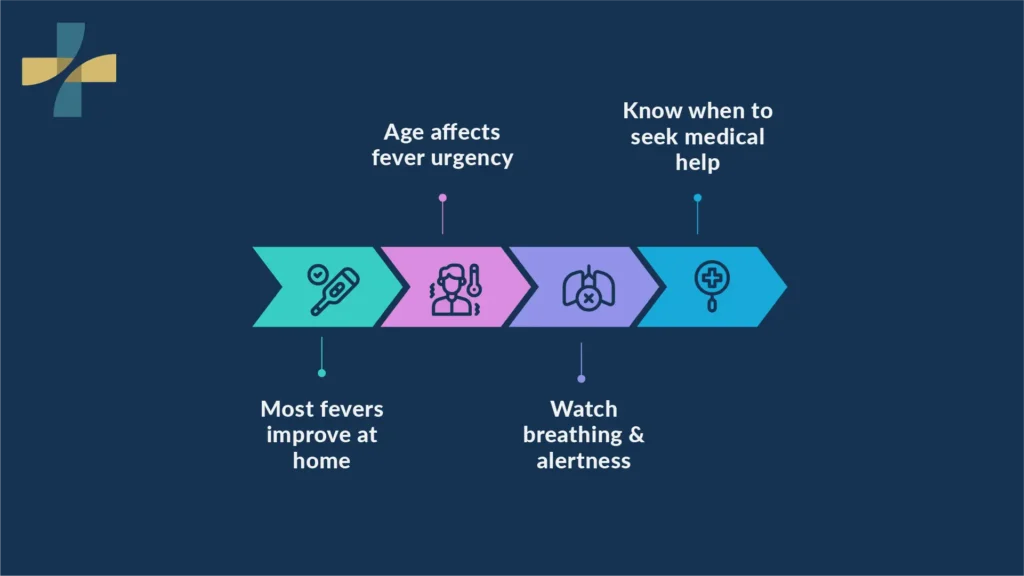
Last updated: June 25, 2026 Content developed with input from NV Med Centre’s team to reflect clinic-specific information about primary care access and healthcare navigation in British Columbia. Few things worry parents more than seeing their child develop a fever. Parents may wonder whether they should monitor their child at home, call a doctor, contact HealthLink BC, or go directly to an emergency department. Most fevers in children are caused by common infections and improve with fluids, rest, comfort care, and time. However, a fever can require urgent medical attention based on the child’s age, breathing, hydration, alertness, behaviour, medical history, and other symptoms. This guide explains fever in children, when to worry, how temperature thresholds differ based on the measurement method, and what parents can do safely at home. Medical disclaimer: This article provides general health information only. It does not diagnose illness or replace advice from a qualified healthcare professional. Call 911 for a medical emergency or HealthLink BC at 8-1-1 for non-emergency health advice in British Columbia. Quick Triage: What Should You Do About a Child’s Fever? The number on the thermometer is only one part of the decision. Use the following three action levels to decide what to do next. Call 911 or Go to the Emergency Department Now Call 911 when your child appears to have a life-threatening emergency or cannot be transported safely. Seek emergency care immediately if your child has: Severe difficulty breathing, including being unable to speak, cry, drink, or feed because of breathing problems Blue, grey, extremely pale, or mottled skin Severe sleepiness, unresponsiveness, confusion, or difficulty waking A seizure lasting longer than three minutes A seizure while younger than six months Two or more febrile seizures within 24 hours A stiff neck with severe headache, confusion, or marked light sensitivity A sudden rash with red or purple spots that do not fade when pressed Severe dehydration, such as being unable to drink, producing little or no urine, or becoming very weak and difficult to wake Signs of heatstroke, such as very hot skin, confusion, collapse, or a seizure after heat exposure After any seizure, even one that stops quickly, the child should be medically assessed. HealthLink BC provides more detailed guidance on febrile seizures and when to call 911. Contact a Doctor or HealthLink BC Today Contact your healthcare provider or call HealthLink BC at 8-1-1 for advice today if: Your baby is younger than three months and has a rectal temperature of 38°C or higher Your baby is three to six months old and has a fever Your child is drinking less or urinating less than usual Your child has repeated vomiting or diarrhoea Your child is unusually irritable, lethargic, or not acting normally The illness is getting worse rather than gradually improving The fever improves, but then returns with new or worsening symptoms The fever lasts more than five days Your child recently travelled outside Canada Your child has a significant chronic medical condition or a weakened immune system You are unsure whether your child’s symptoms require in-person care A baby younger than three months with a fever needs urgent medical assessment as soon as possible. This does not automatically mean calling 911. Call 911 only if the baby also has emergency warning signs, such as severe breathing difficulty, blue or grey skin, a seizure, unresponsiveness, or difficulty waking. If prompt assessment is not available through your regular provider, follow the advice from 8-1-1 or go to an emergency department. Monitor at Home Home monitoring may be reasonable when your child: Is older than six months Is alert, responsive, and behaving reasonably normally Is drinking and urinating Is breathing comfortably Has no emergency warning signs Has mild symptoms that are stable or improving Has had a fever for fewer than five days Continue checking your child’s breathing, hydration, alertness, behaviour, and symptoms. Seek advice sooner if anything worsens or you remain concerned. What Is Considered a Fever in Children? A fever is an increase in body temperature, usually caused by the immune system responding to an infection. The temperature that indicates fever depends on where and how it was measured. According to the Canadian Paediatric Society, normal temperature ranges differ for rectal, oral, armpit, and ear readings. Parents should always tell the healthcare provider which method they used. Measurement method Reading that can indicate a fever Use and limitations Rectal 38°C or higher Generally, the most accurate method for infants and young children Ear 38°C or higher Quick, but positioning can affect the result and readings may be too low Oral Above 37.5°C Generally more suitable for children older than five who can hold the thermometer correctly Armpit Above 37.5°C Less accurate and mainly useful for screening For babies younger than three months, HealthLink BC treats a rectal temperature of 38°C or higher as a fever requiring urgent assessment. An armpit temperature of 37.5°C or higher in this age group should also be taken seriously. Review the Canadian Paediatric Society’s guidance on fever and temperature taking and HealthLink BC’s instructions on how to take a child’s temperature. Which Temperature Method Should Parents Use? The most appropriate measurement method depends on the child’s age. Age Preferred method Possible alternative Birth to 2 years Rectal Armpit 2 to 5 years Rectal Ear or armpit Older than 5 years Oral Ear or armpit Only take a rectal temperature if you feel comfortable and a healthcare professional has shown you how to do it safely. Do not use the same thermometer for both rectal and oral readings. Ear and armpit readings can be less accurate. If the reading appears normal but your child feels hot and seems unwell, contact a healthcare provider or 8-1-1 for advice. Touching the forehead is not a reliable way to confirm a fever. Use a digital thermometer whenever possible and follow the manufacturer’s instructions. Fever in Babies Younger Than Three Months A rectal temperature
How Long Do Dermal Fillers Last and What to Expect From Your Results
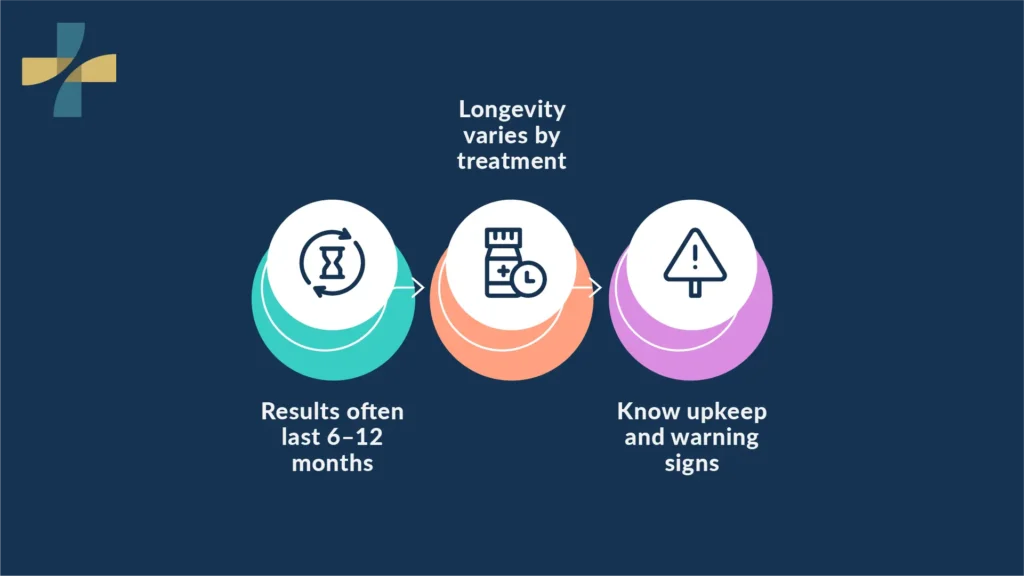
Last updated: June 25, 2026 Content developed with input from NV Med Center’s team to reflect clinic-specific information about dermal filler consultations, treatment planning, and patient guidance. If you are wondering how long dermal fillers last, many hyaluronic acid filler results remain visible for about six months to a year. Some products, treatment areas, and patients may experience results that last longer. Dermal filler duration depends on the exact product, treatment area, amount used, injection depth, technique, facial anatomy, and individual response. The result usually fades gradually rather than disappearing on one specific date. For patients in North Vancouver, understanding the expected timeline, possible side effects, maintenance needs, and urgent warning signs can support a safer and more informed treatment decision. Medical disclaimer: This article provides general educational information and does not replace medical advice. A qualified healthcare professional must assess your medical history, facial anatomy, treatment suitability, and individual risks before recommending dermal filler treatment. Quick Summary Question Direct answer How long do dermal fillers last? Many hyaluronic acid fillers last about six months to a year, although some may remain visible longer. Do all fillers last the same amount of time? No. Duration varies by product, treatment area, amount, technique, anatomy, and individual response. Do lip fillers last less than cheek fillers? They often do, but the exact timeline depends on the product and patient. When should fillers be maintained? Maintenance should follow an individual reassessment rather than a fixed schedule. Can fillers be dissolved? Hyaluronidase may be used to dissolve hyaluronic acid fillers only. Are dermal fillers risk-free? No. Temporary side effects are common, and rare but serious complications can occur. How Long Do Hyaluronic Acid Dermal Fillers Last? Hyaluronic acid fillers often remain visible for several months. Some people notice gradual fading around six months, while others continue to see results for a year or longer. These estimates should not be treated as guaranteed timelines. Current Health Canada guidance on cosmetic injections states that hyaluronic acid filler effects may last from six months to a year or more. The American Academy of Dermatology’s filler guidance provides a general estimate of four to twelve months for hyaluronic acid gel. However, the expected duration should always be discussed using the exact product recommended for the patient and treatment area. Estimated Results by Treatment Area Treatment area General expectation Lips Results often remain visible for several months. Lip movement and the use of softer formulations may contribute to a shorter result. Cheeks Results may remain visible longer than lip filler, depending on the product, injection depth, anatomy, and treatment goal. Chin and jawline Duration varies according to product selection, amount used, placement, facial structure, and level of correction. Nasolabial folds Results depend on facial movement, treatment depth, product formulation, and individual response. No general duration estimate is provided for under-eye filler. This area requires careful assessment because anatomy, skin quality, swelling, previous treatment, and product placement can affect both suitability and risk. Under-eye filler is not appropriate for every patient. What Are Dermal Fillers? Dermal fillers are injectable treatments used to restore selected areas of volume, support facial contours, and soften certain lines and folds. Many temporary facial fillers are made with hyaluronic acid, a substance naturally found in the body that attracts and retains moisture. Different formulations are designed with varying levels of firmness and flexibility to suit particular facial areas. Dermal fillers may be considered for goals such as: Adding or shaping lip volume Supporting cheek contours Improving chin or jawline definition Restoring selected areas of facial volume Softening certain facial folds Improving facial balance A filler that is suitable for the cheeks may not be suitable for the lips or another treatment area. The clinician should select the product based on the patient’s anatomy, treatment goals, medical history, and the approved use of the product. Patients can confirm whether the proposed product has an active Canadian medical device licence through Health Canada’s Medical Devices Active Licence Listing. Hyaluronic Acid Fillers and Collagen-Stimulating Treatments Are Different Hyaluronic acid fillers and collagen-stimulating injectable treatments should not be given the same results timeline. The hyaluronic acid fillers place a gel beneath the skin to add volume or support. A visible change may appear immediately, although swelling can affect the early appearance. Collagen-stimulating treatments work more gradually. Their visible effects may develop over several weeks or months as the tissues respond to treatment. They may also require a planned series of appointments rather than one immediate correction. The two categories also differ in reversibility. Hyaluronidase may be used to break down hyaluronic acid filler in selected situations, but it does not dissolve collagen-stimulating products. Because these treatments work differently, patients should ask which category is being recommended, how the result is expected to develop, and what options are available if they are unhappy with the outcome. What Affects Dermal Filler Longevity? Several connected factors influence how long dermal filler results remain visible. Even two patients treated in the same area may experience different timelines. The Exact Product Hyaluronic acid fillers vary in firmness, flexibility, concentration, and intended placement. A softer product designed for a highly mobile area may behave differently from a firmer formulation used for structural support. The Treatment Area The lips move frequently during speaking, eating, drinking, and facial expressions. The cheeks, chin, and jawline have different movement patterns and may require another formulation, placement depth, or treatment approach. Movement may influence how long the result remains noticeable, but it is only one part of the treatment timeline. Injection Depth and Technique The filler must be placed at a depth and location suited to the patient’s anatomy and treatment goal. Injector knowledge of facial anatomy and blood vessel locations also plays an important role in safety. Amount of Product Using more filler does not automatically create a longer-lasting or better result. The amount should be selected according to the treatment area, existing volume, facial
Botox for Beginners: What First-Time Patients Should Know
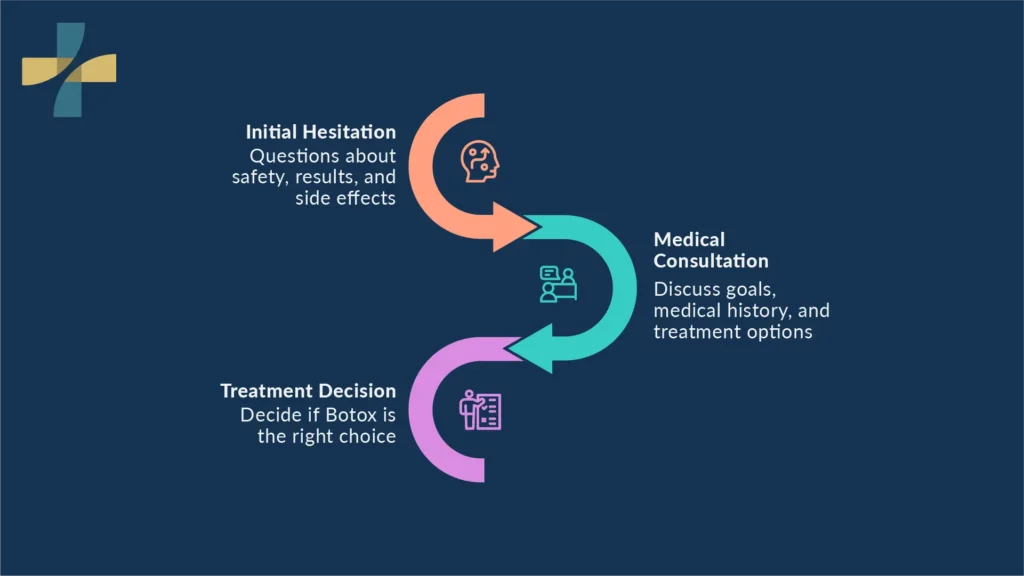
Considering Botox for the first time can feel overwhelming. Many people have questions about safety, results, side effects, and what actually happens during treatment. This Botox guide for first-time patients explains the basics in simple terms so you can feel more prepared before booking a consultation. Botox is a prescription cosmetic injection, so the safest first step is a medical consultation. At NV Med Center, first-time patients in North Vancouver can discuss their goals, medical history, facial movement, and treatment options before deciding whether Botox treatment is right for them. What Is Botox and How Does It Work? Botox Cosmetic is a brand name for an injectable medicine called onabotulinumtoxinA. It is one type of botulinum toxin product, but “Botox” is not the general name for every anti-wrinkle injectable. In Canada, injectable products should be authorized for sale by Health Canada and used under proper medical guidance. Botox works by relaxing selected facial muscles. These muscles create dynamic wrinkles, which are lines that appear or deepen when you frown, raise your eyebrows, smile, or squint. Botox is commonly used as a wrinkle treatment for: Forehead lines Frown lines between the eyebrows Crow’s feet around the eyes Botox may help soften dynamic lines and reduce repeated muscle movement in treated areas. It should not be presented as a guaranteed way to prevent wrinkles, because results vary by patient, treatment area, anatomy, and lifestyle. Understanding Botox Basics for Beginners The most important Botox basics are simple: Botox is temporary, results are gradual, and treatment should be personalized. A good first-time Botox plan focuses on your natural facial movement instead of making your face look frozen. During consultation, your provider may ask you to smile, frown, squint, or raise your eyebrows. This helps them understand how your muscles move and where cosmetic injections may be appropriate. For beginners, a conservative approach is often preferred. Units and placement are individualized based on facial anatomy, muscle activity, treatment goals, and provider assessment. Botox vs Dermal Fillers Botox and dermal fillers are both cosmetic injections, but they serve different purposes. A Botox temporarily relaxes targeted muscles that contribute to dynamic wrinkles, while dermal fillers add or restore volume in areas such as the lips, cheeks, and facial folds. The right treatment depends on your concerns, facial anatomy, and aesthetic goals. Some patients benefit from Botox alone, while others may be better candidates for fillers or a combination approach. If you are comparing both options, NV Med Center’s Botox and fillers guide explains the key differences in more detail. Who May Be Suitable for First-Time Botox? Botox may be suitable for adults who want to soften dynamic facial lines and are medically appropriate for treatment after assessment. Suitability depends on your health history, current medications, facial anatomy, treatment goals, and expectations. A consultation should include a review of: Your medical history Current medications and supplements Previous cosmetic procedures Skin or muscle concerns Whether you are pregnant or breastfeeding Desired results Questions about safety and side effects Botox may not be recommended for everyone. Your provider should review product-specific guidance if you are pregnant or breastfeeding, have certain neurological conditions, have an active skin infection near the treatment area, or have a known allergy to ingredients in the product. What Happens During Your First Botox Appointment? A first-time Botox appointment usually includes more than the injection process. The injections may be quick, but your first visit can take longer because it includes consultation, facial assessment, treatment planning, consent, and aftercare instructions. Step 1: Consultation Your provider reviews your health history, goals, medications, allergies, and previous cosmetic procedures. This is also the right time to ask questions about Botox safety info, expected results, side effects, and follow-up support. Many first-time patients feel more comfortable when they know what will happen before they arrive. If you are preparing for your first cosmetic treatment, a guide on preparing for your first skin rejuvenation appointment explains what to bring, how consultations typically work, and what questions you may want to ask during your visit. Step 2: Facial Assessment Your provider evaluates facial movement and symmetry. You may be asked to frown, smile, squint, or raise your brows. This helps identify which muscles are involved and whether Botox is appropriate for your concerns. Step 3: Treatment Planning Your treatment plan should be based on your anatomy, muscle strength, goals, and desired level of movement. First-time Botox patients often prefer subtle results, so your provider may discuss a conservative plan and explain what can be adjusted at future visits. Step 4: Injection Process The injection process usually takes only a few minutes once the plan is confirmed. Most patients describe the feeling as a quick pinch. Discomfort is usually brief, and many people return to normal daily activities after their visit. Step 5: Aftercare Instructions Before you leave, your provider should explain what to expect, what to avoid, and when to seek help. Aftercare instructions may vary based on the treatment area, product, provider technique, and your medical history. Botox Preparation Before Your Appointment Botox preparation should focus on safety and clear communication. Do not stop prescription medications, blood thinners, or supplements on your own. If you take any medication or supplement that may affect bruising or treatment safety, discuss it with your provider before making changes. Before your appointment, your provider may ask you to: Arrive with clean skin if advised Share your medication and supplement list Tell them about allergies or recent illnesses Discuss pregnancy or breastfeeding if relevant Avoid alcohol only if they recommend it Ask what results are realistic for your face Preparation is not about following a generic checklist. It is about giving your provider the right information so they can decide whether treatment is safe and appropriate. Botox Aftercare: What to Expect After Treatment Aftercare instructions should come from your provider because recommendations can vary. Some patients may
How Long Do Trigger Point Injections Last? Relief Timeline
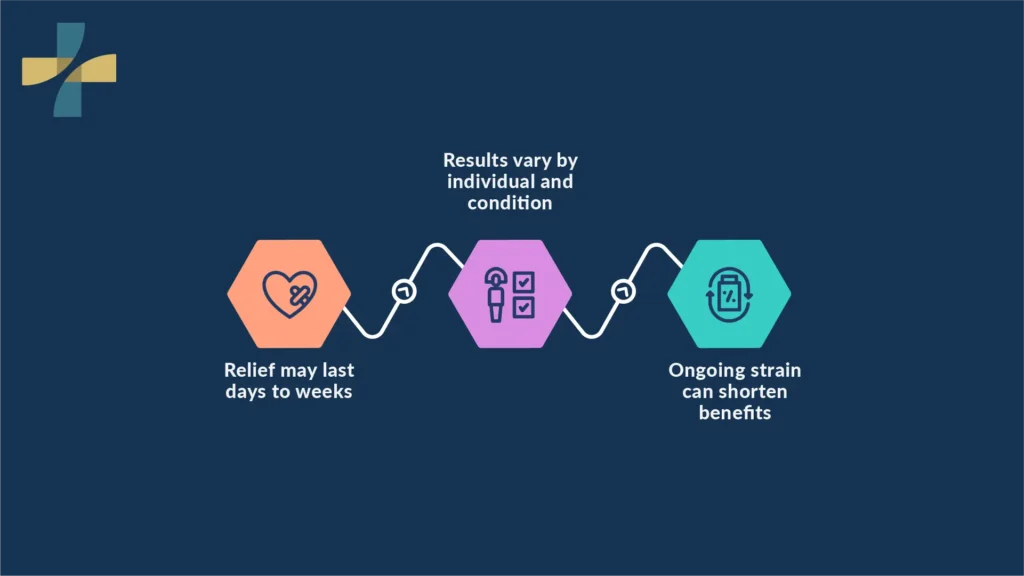
Trigger point injections typically provide pain relief lasting between 3–7 days and 2–4 weeks, with some patients experiencing longer-lasting improvement in certain cases. The exact duration depends on how long the trigger points have been present, the underlying cause of the muscle pain, and whether contributing factors such as posture, repetitive strain, or muscle overuse continue after treatment. Because trigger point injections are used to manage muscle tension rather than permanently remove its cause, results can vary significantly between individuals. What Are Trigger Point Injections? Trigger point injections are a treatment used to relieve painful muscle knots (trigger points). A small needle is inserted into the affected muscle, and the injection may contain: Local anaesthetic (such as lidocaine) Saline solution Anti-inflammatory medication (in some cases) The goal is to reduce muscle tightness, improve mobility, and interrupt pain signals from the affected area. Trigger points commonly occur in the neck, shoulders, upper back, and lower back, often linked to repetitive strain, stress, or muscle overuse. How Long Do Trigger Point Injections Last? Relief duration varies widely between individuals. Most patients experience: 1–3 days: soreness or numbness from the injection 3–7 days: early reduction in muscle tightness 1–4 weeks: noticeable pain relief in many cases Several weeks to months: longer relief in some patients The key point is that trigger point injections address muscle tension, but results depend on whether the underlying cause continues after treatment. This timeline is intended as a general guide. Actual results may vary depending on the medication used, the severity of the condition, and individual response to treatment. Muscle Injection Relief Time (What Patients Actually Feel) The muscle injection relief time has two phases: 1. Immediate Phase (0–48 hours) Local anaesthetic may temporarily reduce pain Mild soreness is common This does not reflect full treatment results 2. Recovery Phase (3 days–several weeks) Gradual reduction in muscle tightness Improved movement and flexibility More stable pain relief develops over time Why Trigger Point Injection Results Vary The same treatment can produce different outcomes because muscle pain has multiple causes. Common factors include: Duration of the trigger point Whether pain is acute or chronic Posture and movement patterns Activity levels after treatment Stress and muscle tension load Long-standing muscle knots generally take longer to respond than recent injuries. If symptoms persist, worsen, or continue to return despite treatment, it may be helpful to understand when to see a pain specialist to determine whether further diagnostic evaluation or alternative therapies are needed. What Affects Pain Relief Duration? Several clinical and lifestyle factors influence how long trigger point injection results last. These factors determine how the muscle responds after treatment and whether tension is likely to return. Underlying cause of pain If the trigger point is caused by ongoing issues such as repetitive strain, poor posture, or workplace ergonomics, symptoms may gradually return after treatment unless the root cause is addressed. Severity and duration of the trigger point Long-standing or chronic muscle knots often involve deeper tissue tightness and altered movement patterns, which can make them slower to respond and more likely to recur. Activity level after treatment Returning to high-strain or repetitive activities too soon can place stress on the treated muscle and reduce the overall duration of relief. Supportive care and rehabilitation Physiotherapy, stretching, and strengthening exercises may help improve muscle balance and reduce the likelihood of trigger points returning, which can contribute to longer-lasting results. Do Trigger Point Injections Work Immediately? Some patients feel immediate relief due to the local anaesthetic. However: This effect is temporary True improvement usually develops over days Mild soreness for 24–48 hours is normal Early relief does not always indicate a final treatment outcome. Patients who are considering treatment for the first time may also find it helpful to understand what to expect during their first trigger point injection, including how the procedure is performed and what recovery typically feels like. How Often Can Trigger Point Injections Be Repeated? There is no fixed schedule for repeat injections. A healthcare provider may consider repeating treatment based on: Symptom return Functional improvement Response to the first injection Overall treatment goals Some patients require only one session, while others may need a short series combined with rehabilitation. Are Trigger Point Injections Permanent? Trigger point injections are not usually permanent. They treat muscle tightness but not always the underlying cause, such as: Poor posture Repetitive movement Chronic muscle overload Long-term results are more likely when injections are combined with rehabilitation and movement correction. Effectiveness of Trigger Point Injections Trigger point injections are generally most effective when: Trigger points are clearly identified Pain is localised to specific muscles Conservative treatments have not worked They are less effective when: Muscle strain continues after treatment No rehabilitation plan is in place Side Effects and Safety Trigger point injections are generally considered safe when performed by a qualified healthcare provider. Most side effects are mild, temporary, and related to the needle entering the muscle tissue. Common and expected side effects These usually resolve within 24 to 48 hours and may include: Soreness at the injection site Mild bruising Temporary muscle tenderness Slight swelling or discomfort when moving the area These effects are similar to what some patients experience after deep tissue massage or muscle strain. Less common risks In rare cases, some patients may experience: Local infection at the injection site Increased or prolonged pain Allergic reaction to the medication used in the injection These complications are uncommon but may require medical evaluation if they occur. When to seek medical attention Patients should contact a healthcare provider if they experience: Severe or worsening pain after treatment Fever or chills Increasing redness or swelling Discharge or signs of infection at the injection site Prompt assessment can help rule out complications and ensure proper recovery. Who Benefits Most? Trigger point injections are
When to See a Pain Specialist: Signs, Timing, and What to Expect
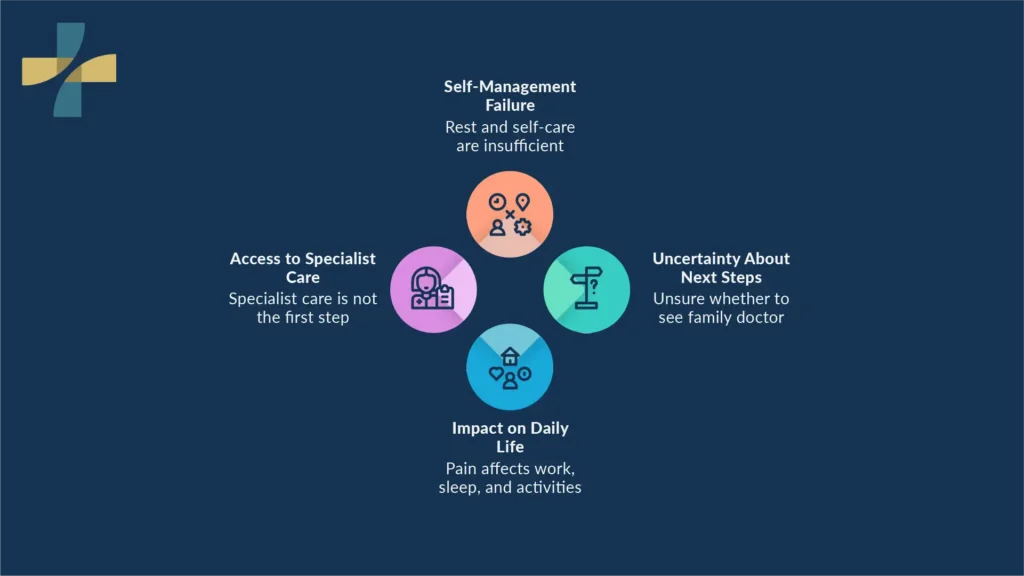
If pain lasts for weeks, keeps coming back, affects sleep, limits daily activities, or continues despite treatment, it may be time to seek medical evaluation. Knowing when to see a pain specialist can help identify possible causes, explore pain treatment options, and determine whether additional care or referral may be appropriate. Many people experience occasional pain after exercise, illness, or minor injuries. While most symptoms improve with rest and self-care, chronic pain, nerve pain, and persistent injury pain can continue longer than expected. When that happens, it may be difficult to know whether self-management is enough, whether you should see your family doctor, or whether a pain management referral should be discussed. For many people in North Vancouver, pain becomes more concerning when it begins affecting work, sleep, mobility, exercise, or everyday routines. In most cases, specialist care is not the first step. Patients typically begin with an assessment through a family doctor, nurse practitioner, or primary care provider to review symptoms, discuss treatment options, and determine whether additional testing, rehabilitation, or a pain clinic referral may be appropriate. This guide explains when to see a pain specialist, common referral signs, what happens during a pain management specialist visit, and how patients in British Columbia typically access additional pain care when needed. When Should You See a Pain Specialist? Pain that lasts longer than several weeks, continues despite treatment, affects sleep, limits mobility, or interferes with daily activities may benefit from further medical evaluation. While not every case requires specialist care, persistent symptoms often deserve attention to identify underlying causes and determine appropriate treatment options. One of the most common questions patients ask is whether they should continue self-care, book an appointment with their family doctor, or ask about specialist care. In British Columbia, most people begin with a primary care assessment. A family physician or nurse practitioner can evaluate symptoms, recommend initial treatment, and determine whether a pain management referral is appropriate based on your condition and response to care. Acute Pain vs Chronic Pain: Why the Difference Matters Acute pain usually develops suddenly and often results from an injury, illness, or medical procedure. It typically improves as the body heals. Subacute pain lasts longer than expected but has not yet reached the chronic stage. Symptoms may continue for several weeks and require additional monitoring or treatment. Chronic pain generally refers to pain that persists for three months or longer. According to the Canadian Pain Task Force, chronic pain often requires a broader management approach because symptoms may continue even after tissues have healed. HealthLink BC also notes that chronic pain can affect sleep, mood, physical activity, and overall quality of life, which is why early assessment and appropriate treatment are important. Why Waiting Too Long Can Make Recovery More Difficult Many people delay seeking care because they expect symptoms to improve on their own. While this may be reasonable for minor discomfort, ongoing pain can begin affecting sleep, mobility, physical activity, work performance, and overall quality of life. For example, someone with persistent back pain may gradually become less active to avoid discomfort. Over time, reduced movement can contribute to stiffness, weakness, and further limitations. Discussing symptoms with a healthcare provider can help determine whether continued self-care is appropriate or whether additional evaluation, treatment, or referral should be considered. What Signs May Indicate It’s Time to Seek Additional Pain Care? Many pain concerns improve with time, self-care, or initial treatment. However, certain referral signs may indicate that a more thorough medical evaluation is appropriate. Rather than focusing on pain intensity alone, it is often more helpful to consider how long symptoms have lasted, whether they are improving, and how much they affect daily life. When Should You Seek Immediate Medical Attention? Most pain concerns can be evaluated through a routine medical appointment. However, certain symptoms require urgent medical attention. Contact a healthcare provider immediately or seek emergency care if pain is accompanied by: Sudden loss of bowel or bladder control Significant weakness in an arm or leg Severe numbness that rapidly worsens Chest pain or shortness of breath Symptoms following a serious fall or accident New neurological symptoms, such as difficulty speaking or walking These symptoms may indicate conditions that require prompt medical evaluation. Patients who are unsure whether symptoms require urgent assessment can also contact HealthLink BC by calling 8-1-1 for guidance on appropriate next steps. Pain Lasts Longer Than Expected Most minor injuries improve gradually. If pain continues for several weeks without meaningful improvement, it may be time to discuss symptoms with a healthcare provider. Persistent injury pain can sometimes indicate an underlying issue that requires further assessment or treatment. Pain Is Affecting Your Sleep, Mobility, or Daily Activities Pain often becomes more concerning when it begins interfering with normal routines. Difficulty sleeping, exercising, working, walking comfortably, driving, climbing stairs, or completing household tasks may indicate that symptoms are having a broader impact on your health and quality of life. Symptoms Continue Despite Self-Care or Treatment Many people try stretching, rest, heat, ice, activity modification, over-the-counter medications, or physiotherapy before seeking additional care. If symptoms remain unchanged despite these efforts, a medical evaluation can help determine whether different pain treatment options should be considered. Numbness, Tingling, or Weakness Develops Symptoms such as burning pain, tingling, numbness, or weakness may suggest nerve involvement. In these situations, additional testing, specialist evaluation, or referral to a nerve pain specialist may be appropriate, depending on the underlying cause. Previous Treatments Have Not Provided Lasting Relief Some patients consider a pain management specialist visit after trying multiple treatment approaches without meaningful improvement. If symptoms continue affecting daily activities despite appropriate care, discussing next steps with a healthcare provider may help clarify whether further evaluation or referral is warranted. A Simple Way to Decide Your Next Step Many patients are unsure whether pain requires medical attention or whether continued self-care is appropriate. While every situation is
What Insurance Covers Primary Care in BC (MSP)

Last Updated: June 2026 MSP coverage BC is the province’s public health insurance program. For eligible residents, BC Medical Services Plan coverage generally includes medically necessary doctor visits, hospital care, specialist referrals, and many diagnostic tests. However, MSP does not typically cover services such as routine dental care, most prescription medications, glasses, contact lenses, massage therapy, or many extended health services. If you are wondering what MSP covers, the short answer is that it helps pay for essential healthcare delivered through British Columbia’s public healthcare system. Many patients are surprised to learn that MSP coverage services and private insurance often cover different parts of healthcare. Whether you recently moved to British Columbia, are new to Canada, or want to better understand your health insurance BC options, this guide explains what is covered by MSP, common exclusions, when additional coverage may be helpful, and how North Vancouver residents can access primary care. What Is Usually Covered by MSP? Many BC residents want to know whether a healthcare service will be covered by MSP or whether they may need to pay out of pocket. In general, MSP covers many medically necessary healthcare services, including doctor visits, hospital care, specialist referrals, and many diagnostic tests. However, some healthcare costs may still require private insurance or direct payment. The table below provides a quick overview of services that are usually covered, usually not covered, or may depend on medical necessity or eligibility. Usually Covered by MSP Usually Not Covered by MSP Sometimes Covered or Depends on Eligibility Family doctor visits Routine dental care Certain physiotherapy services for eligible patients Walk-in clinic visits Most prescription medications Some medically necessary eye exams Specialist visits with a referral Glasses and contact lenses Certain hospital-based dental or oral surgery procedures Hospital care Massage therapy Supplementary benefits for qualifying residents Medically necessary blood tests Acupuncture Certain vision services based on age or medical condition Many diagnostic tests and imaging Many counselling and extended health services Other services subject to provincial eligibility requirements Coverage rules can vary depending on your medical needs, eligibility, and the type of service provided. If you are unsure whether a specific service is covered, it is best to confirm with your healthcare provider or review the latest information from the BC Medical Services Plan. What Is MSP Coverage BC and How Does It Work? MSP coverage BC is the province’s public health insurance program. It helps eligible residents access medically necessary healthcare services without paying directly for most covered care at the time of their visit. This includes many family doctor appointments, specialist referrals, hospital services, and diagnostic tests. MSP, or the Medical Services Plan, is administered by the Government of British Columbia and forms the foundation of public healthcare BC residents use every day. Most healthcare providers who participate in MSP bill the program directly, so patients typically do not receive a bill for covered services. For example, if you visit a family doctor for an illness, receive a referral to a specialist, or need blood work ordered as part of your care, those services may be covered when they are medically necessary. However, MSP coverage services do not include every healthcare expense, which is why some residents also have private insurance for additional services such as prescription medications, dental care, vision care, or physiotherapy. Who Is Eligible for MSP Coverage in British Columbia? Most residents of British Columbia may qualify for MSP coverage if they make BC their primary home and meet provincial residency requirements. Eligible individuals may include: Canadian citizens Permanent residents Certain work permit holders Certain study permit holders Refugees and protected persons New residents moving to British Columbia from another province or country If you recently moved to BC, are new to Canada, or hold a temporary permit, it is important to confirm your eligibility and complete MSP enrollment as soon as possible. Coverage does not always begin immediately, and some new residents may experience a waiting period before MSP becomes active. During this period, temporary private health insurance may help cover healthcare costs until MSP coverage begins. If you are unsure whether your MSP is active, you can verify your status through the Government of British Columbia’s Medical Services Plan program. Eligibility requirements can change over time, so it is always a good idea to review the latest MSP information before relying on coverage. How Do Patients Access Healthcare Through MSP? Once enrolled in MSP, patients typically access covered healthcare services using their BC Services Card. Most participating healthcare providers bill MSP directly, so patients generally do not pay out of pocket for covered services at the time of their visit. Depending on their healthcare needs, patients may access care through: A family doctor A nurse practitioner A walk-in clinic Virtual care services Specialist referrals Hospital and emergency services For example, a patient with a persistent skin condition may first see a family doctor or nurse practitioner. If specialist care is needed, the provider can refer the patient to a dermatologist, and the referral pathway is generally covered when medically necessary. Understanding how to access care can help patients receive the right treatment sooner and avoid confusion about what services MSP may cover. What Primary Care Services Does MSP Cover? MSP coverage BC includes many primary care services that help patients manage illnesses, monitor chronic conditions, receive preventive care, and access specialist referrals when needed. For many residents, primary care is the first point of contact for healthcare concerns and ongoing health management. Does MSP Cover Family Doctor Visits? Yes. MSP generally covers medically necessary visits to a family doctor. Common reasons for a visit may include: Illness assessments Follow-up appointments Chronic disease management Prescription reviews Preventive health discussions Referrals to specialists For example, if you visit a family doctor for high blood pressure, diabetes, recurring headaches, or another medical concern, the appointment is typically covered by MSP. However, any medications prescribed during the