How to Book a Doctor Appointment in Vancouver: A Step-by-Step Guide for North Vancouver Residents

Booking a doctor appointment in Vancouver is simple once you know which option fits your situation. You can book with a family physician for ongoing care, visit a walk-in clinic for same-day needs, or access virtual care from home. Most clinics offer online booking, and many accept same-day appointments, even for new patients. Knowing where to start can make the process feel much more manageable. Whether you just moved to North Vancouver, haven’t seen a doctor in years, or are unsure whether your symptoms are serious enough to book an appointment, this guide walks you through each option clearly and without jargon. Many patients delay care simply because they do not know which type of appointment makes the most sense for their situation. What Are Your Options for Seeing a Doctor in Vancouver? In Vancouver and North Vancouver, you have four main ways to see a doctor: book with a family physician for ongoing care, visit a walk-in clinic for same-day non-urgent needs, access virtual care from home, or go to an urgent care centre for time-sensitive but non-emergency concerns. Each option serves a different purpose. Here is a simple breakdown of each: Family doctor (family physician) Your main provider for ongoing care. A family physician sees you across all stages of life, not just when something is wrong. They track your health history, manage chronic conditions like diabetes or hypertension, coordinate referrals to specialists, and run preventive screenings based on your age and risk factors. Because they know your full picture, they can spot patterns that a one-off visit would miss. If you’re managing more than one health concern, or you want a provider who understands your baseline, a family doctor is the foundation your care should be built on. Walk-in clinic No appointment required at most locations. Walk-in care works well for one-off, non-urgent concerns, such as a sinus infection, a minor skin rash, a sprained ankle, or a cold that isn’t improving. It’s also useful when your regular doctor isn’t available, and you need attention sooner than their next opening. What walk-in care does not offer is continuity. The physician you see likely has no access to your prior visits, medications, or test results unless you bring them. That’s fine for an isolated issue, but it becomes a problem when the same concern keeps coming back, and no one is tracking it over time. Virtual care (telehealth) A phone or video appointment with a licensed physician is usually bookable the same day. Virtual care covers more than people expect: prescription refills, medication reviews, mental health referrals, lab requisitions, follow-ups after a procedure, and symptom assessments for conditions that don’t require a physical exam. It is not appropriate for anything that needs hands-on assessment, such as abdominal pain, chest concerns, or a wound that may need treatment. If you’re unsure whether your concern qualifies, most clinics will tell you when you book. In BC, most virtual appointments are covered by MSP with a valid BC Services Card. Urgent care centre Sits between a walk-in clinic and a hospital emergency department. Urgent care is the right choice when your concern needs prompt attention but is not life-threatening, such as a deep cut that may need stitches, a suspected fracture, a high fever in an adult, or a urinary tract infection that has become severe. Emergency departments are designed for life-threatening situations. Going to an ED for something that an urgent care centre can handle means longer waits for you and reduced capacity for patients who need emergency intervention. In North Vancouver and the broader Vancouver area, urgent care centres are available at several locations and typically see patients faster than a hospital ED for eligible concerns. If you’re unsure which option fits your situation, the sections below break each one down. How to Book an Appointment with a Family Doctor in North Vancouver To book a family doctor appointment in North Vancouver, you can contact a clinic directly by phone or use their online booking portal. If you don’t yet have a family physician, registering on BC’s Health Connect Registry is the recommended first step to being matched with one accepting new patients in your area. If You Already Have a Family Doctor The process is straightforward. Most clinics let you book by phone during office hours or through an online portal available at any time. When you call or book online, have your BC Services Card ready. You’ll usually be asked for a brief reason for the visit so the clinic can schedule enough time or determine whether you should be seen sooner. You do not need to describe everything perfectly. Saying something like “I’ve been having recurring headaches” or “I need to review my medications” is usually enough. Many family medicine clinics in North Vancouver offer same-day or next-day appointments for urgent concerns among registered patients. During the visit itself, your physician may review your medical history, current medications, recent symptoms, lifestyle factors, and any previous testing related to your concern. If needed, they may also arrange lab work, imaging, referrals, or follow-up appointments. Some patients avoid booking because they worry their concern is “not serious enough.” In most cases, it is better to ask questions early rather than wait until symptoms become harder to manage. If You Don’t Have a Family Doctor Yet This is one of the most common challenges for people living in Vancouver. Demand for family physicians is high, and not every clinic is accepting new patients at all times. The first step is to register on the Health Connect Registry, a free provincial service that matches BC residents with family doctors and nurse practitioners accepting new patients in their area. Registration is free and keeps you in the system as openings become available. Wait times vary depending on your location and the availability of providers nearby. In the meantime, you don’t have to manage your health without support. Some integrated clinics
What Conditions Can a Walk-In Clinic Treat in North Vancouver?

A walk-in clinic in North Vancouver can usually treat common non-emergency issues such as UTIs, cold and flu symptoms, minor injuries, prescription renewals, and preventive care. Severe symptoms such as chest pain, signs of stroke, or breathing difficulties usually require emergency care instead. Walk-in clinic services in North Vancouver help patients manage many non-emergency medical concerns, including infections, minor injuries, prescription renewals, preventive care, and some mental health concerns. Many patients use walk-in care when they cannot see their regular doctor quickly, do not yet have a family physician, or need timely medical advice for a non-emergency concern. Many people are unsure whether their symptoms are serious enough for the emergency room or manageable through a walk-in clinic. That uncertainty often leads to delayed care, unnecessary ER visits, or waiting too long to seek treatment. In North Vancouver, walk-in clinics help fill that gap by providing accessible care for common health concerns without requiring a referral. Quick Guide: When a Walk-In Clinic Can Help vs. When to Go to the ER Walk-In Clinic Can Usually Help With Go to ER / Call 911 For UTI symptoms Chest pain Cold and flu symptoms Signs of stroke Strep throat Severe breathing trouble Ear infections Severe allergic reaction Pink eye Major trauma Mild rashes Severe head injury Prescription renewals High fever in infants under 3 months Minor sprains Mild burns Most walk-in clinics in North Vancouver are designed for non-emergency medical concerns that still need timely attention. If your symptoms involve infection, mild illness, minor injury, prescription concerns, or routine medical questions, a walk-in physician can often assess the issue and guide the next step. If you are ever unsure where to go, HealthLink BC’s 8-1-1 nurse line provides free guidance from registered nurses 24 hours a day. Finding a family doctor in North Vancouver remains difficult for many residents. According to the BC Ministry of Health, more than 600,000 British Columbians have been connected to a primary care provider since 2023, but many patients still rely on walk-in clinics for timely care. Patients who are still looking for ongoing family physician care often rely on walk-in clinics while waiting to establish long-term primary care access. What Is a Walk-In Clinic and How Does It Work in North Vancouver? A walk-in clinic provides medical care for non-life-threatening conditions without requiring a specialist referral or long-term physician attachment. Depending on clinic availability, patients may be seen through same-day or scheduled appointments, either in person or virtually when appropriate for the condition. Walk-in clinics are often the middle ground between a family doctor and the emergency room. They are designed for concerns that should not wait weeks for care, but also do not require emergency intervention. Patients commonly use walk-in services when: they develop symptoms that are getting worse they cannot access their regular doctor quickly they are visiting from outside the area they need a prescription review or renewal they want medical advice before symptoms become more serious Many North Vancouver patients are not always sure whether their condition deserves urgent attention. It is common for someone to delay care because they are trying to avoid the ER or hoping symptoms will improve on their own. Walk-in clinics help patients assess symptoms earlier, before infections, dehydration, pain, or mobility issues become harder to manage. At integrated clinics like NV Med Center, a visit may also lead to referrals for imaging, physiotherapy, counselling, or follow-up care when medically appropriate. If you are uncertain whether your symptoms are appropriate for a walk-in clinic, the HealthLink BC 8-1-1 nurse line can help guide your next step. What Illnesses Can Walk-In Clinic Services Treat? Walk-in clinic services commonly treat mild to moderate illnesses that need medical attention but are not considered emergencies. Physicians can assess symptoms, recommend treatment, prescribe medication when clinically appropriate, and arrange follow-up or testing if needed. Common illnesses treated at walk-in clinics include: cold and flu symptoms sinus infections sore throat and suspected strep throat ear infections urinary tract infections (UTIs) pink eye mild respiratory infections skin rashes and hives stomach illness and digestive symptoms mild fevers seasonal allergy flare-ups Many patients book a walk-in visit when symptoms begin interfering with work, sleep, hydration, or daily activities. UTIs are one of the most common reasons patients seek prompt medical assessment, especially when symptoms become painful or progressively worse. Earlier evaluation may help reduce the risk of complications. Walk-in care may also help patients decide whether further testing or escalation is needed. In some cases, physicians may recommend lab work, imaging, urgent care referral, or emergency evaluation, depending on symptom severity and medical history. What Injuries Can a Walk-In Clinic Treat? Walk-in clinics can assess many minor injuries that do not appear immediately life-threatening. This may include sprains, strains, mild burns, cuts, sports injuries, and injuries where a physician may recommend imaging or referral for further evaluation. Common injuries assessed through walk-in clinic services include: sprains and soft tissue injuries muscle strains minor sports injuries cuts and superficial wounds mild burns insect bites minor workplace injuries possible injuries requiring imaging assessment North Vancouver walk-in visits commonly increase during hiking, skiing, cycling, and recreational sports seasons when minor musculoskeletal injuries become more common. In many cases, the priority is determining whether the injury can be managed conservatively or whether imaging, urgent care, or emergency treatment may be necessary. Walk-in physicians can assess symptoms, perform a physical examination, order imaging when appropriate, and guide patients toward the right level of care. More serious injuries, unstable fractures, severe bleeding, major trauma, or injuries involving loss of consciousness usually require urgent care or emergency department evaluation instead. Patients involved in motor vehicle collisions may also require medical documentation, symptom assessment, or follow-up care. ICBC medical assessments may help support injury documentation and recovery planning after an accident. What Conditions Usually Cannot Be Treated at a Walk-In Clinic? Walk-in clinics are not designed for medical emergencies or
Best Trigger Point Injection Clinics in Vancouver (2026) + How to Choose the Right Provider
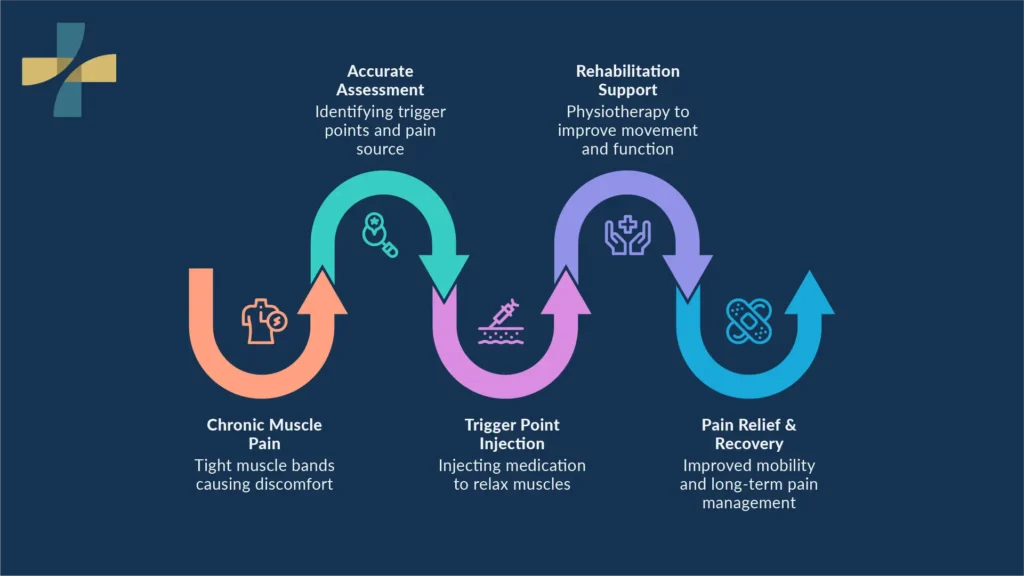
Choosing the best trigger point injection clinic in Vancouver involves more than finding a clinic that offers injections. The quality of the assessment, rehabilitation planning, and provider experience can influence not only treatment safety but also whether the underlying causes of persistent muscle tightness are properly addressed. Many patients in Vancouver and North Vancouver start researching trigger point injections after dealing with chronic neck stiffness, shoulder tension, upper back pain, or tension headaches that continue interfering with work, sleep, driving, exercise, or daily movement. Office workers often describe worsening discomfort after long hours at a desk. Tech professionals and commuters may experience chronic postural strain from prolonged sitting and screen use. Some patients seek treatment after ICBC-related injuries or repetitive gym-related muscle overload. The challenge is that not every clinic approaches trigger point injections the same way. Some clinics focus primarily on symptom relief, while others combine injections with movement assessment, physiotherapy coordination services, rehabilitation planning, and follow-up care designed to address why muscular pain developed in the first place. This matters because chronic muscle pain is rarely caused by a single issue alone. Ongoing myofascial discomfort may involve posture, movement mechanics, workstation setup, muscle imbalance, mobility restrictions, stress-related guarding, or compensation after previous injuries. The best trigger point injection clinics in Vancouver prioritize detailed assessment, rehabilitation integration, provider experience, and long-term recovery planning rather than offering injections alone. This guide explains how patients can evaluate trigger point injection clinics in Vancouver, what qualifications and treatment approaches matter most, what to expect during recovery, and why rehabilitation support often plays a major role in long-term outcomes. How to Choose the Best Trigger Point Injection Clinic in Vancouver The best trigger point injection clinics usually prioritize assessment quality, rehabilitation planning, provider qualifications, and long-term recovery support rather than treating injections as a quick, standalone procedure. This is one of the biggest differences between high-quality musculoskeletal care and injection-only treatment models. Patients dealing with chronic tension patterns often benefit most from clinics that evaluate: why pain keeps returning whether trigger point injections are appropriate whether physiotherapy or rehabilitation may also help how posture and movement patterns contribute to symptoms whether additional medical evaluation may be needed For example, a patient with chronic trapezius tightness may temporarily improve after massage therapy or injections, but symptoms may continue recurring if workstation ergonomics, neck mobility restrictions, shoulder mechanics, and muscle endurance are never addressed. Providers often see patients whose symptoms temporarily improve after massage therapy or stretching, but return within weeks once desk work, commuting, or gym activity resumes because underlying movement restrictions and muscle endurance deficits were never addressed. What Often Separates a Strong Vancouver TPI Clinic From a Generic Injection Clinic What to Look For Why It Matters Full musculoskeletal assessment Helps identify contributing factors behind recurring pain Licensed physicians or qualified medical providers with musculoskeletal assessment and injection experience Improves safety, screening, and treatment planning Differential diagnosis screening Helps rule out conditions that may require other care Rehabilitation integration Supports long-term recovery instead of short-term symptom relief Physiotherapy coordination Helps improve mobility, posture, and movement control Clear safety protocols Reduces avoidable complications Follow-up reassessment Helps monitor progress and treatment response Realistic treatment planning Avoids “quick fix” expectations Transparent consultation process Helps patients make informed decisions The best trigger point injection clinics in Vancouver usually explain not only what injections may help with, but also: when injections may not be appropriate when rehabilitation matters more why symptoms may return what long-term recovery may involve how movement retraining supports recovery Patients searching for long-term muscle pain relief often prefer clinics that combine medical treatment with rehabilitation because persistent muscular pain frequently involves workplace strain, posture issues, repetitive movement, mobility deficits, or chronic compensation patterns. Questions to Ask During a Trigger Point Injection Consultation Patients comparing Vancouver trigger point injection clinics may benefit from asking: What type of assessment is performed before injections? Who performs the injections, and what are their qualifications? How do you determine whether TPI is appropriate? Do you screen for other causes of pain before treatment? Is physiotherapy or rehabilitation recommended afterward? How do you evaluate recurring tension patterns? What happens if symptoms return after treatment? Do you coordinate care between medical providers and physiotherapy teams? What recovery expectations should patients realistically expect? These questions often help patients identify whether a clinic focuses on long-term musculoskeletal care or only short-term symptom management. Best Trigger Point Injection Clinic Checklist Before booking a consultation, patients may want to look for clinics that provide: detailed movement and posture assessment licensed providers experienced in musculoskeletal pain evidence-informed treatment planning rehabilitation and physiotherapy integration follow-up reassessment individualized recovery planning realistic discussions about treatment limitations clear explanation of risks and aftercare coordinated care for chronic or recurring pain conditions Patients with recurring neck pain, shoulder tightness, or myofascial pain often benefit from clinics that evaluate the entire movement system instead of focusing only on painful trigger points. What Are Trigger Point Injections? Trigger point injections are used to treat painful muscle knots, also called trigger points, that may develop from repetitive strain, poor posture, overuse, injury, or chronic muscular tension. The treatment involves injecting an anesthetic, saline, or another solution into tight muscle bands to help reduce pain, decrease muscular tension, and improve movement tolerance. Trigger points may contribute to: neck stiffness shoulder pain tension headaches upper back tightness lower back muscular pain restricted movement referred pain into nearby areas According to HealthLinkBC, myofascial pain syndrome may be treated with approaches such as physiotherapy, exercise, stretching, massage therapy, and trigger-point injections, depending on the patient’s condition and contributing factors. However, the best clinics generally avoid presenting trigger point injections as a permanent solution for chronic pain. Outcomes vary depending on: symptom duration rehabilitation participation workplace strain posture mobility limitations activity levels movement mechanics underlying medical conditions When comparing clinics in Vancouver, patients should ask whether trigger point injections are being recommended as part
Trigger Point Injection vs Dry Needling, Physiotherapy & RFA: Which Is Best? (Vancouver Guide)
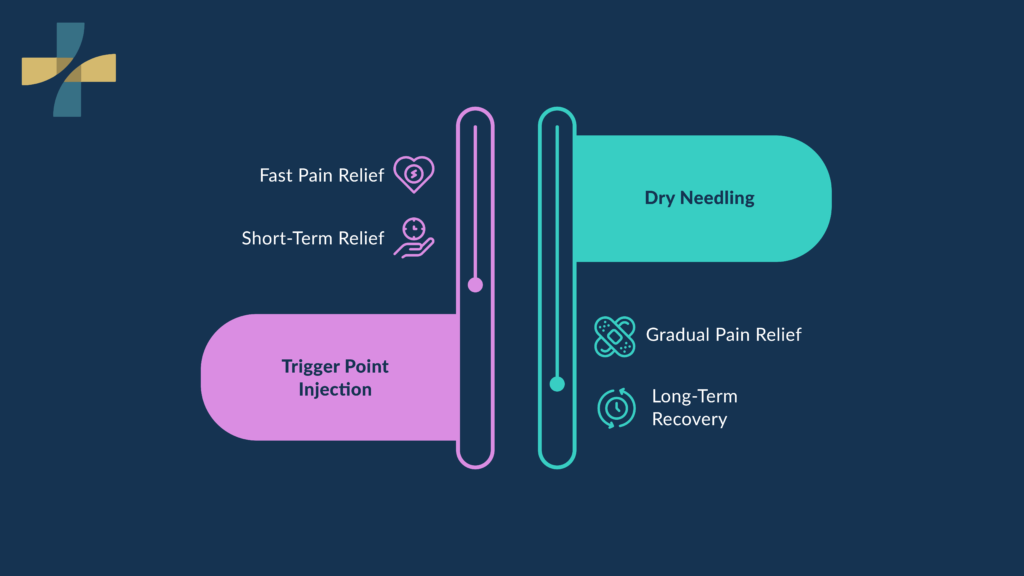
Trigger point injection vs dry needling is one of the most searched comparisons for muscle pain relief today. The right choice depends on how severe your pain is, how long you have had it, and how your body responds to treatment. Some options work fast. Others focus on long-term recovery. In Vancouver, more patients are choosing minimally invasive procedure options instead of surgery. This shift is seen in sports medicine, rehab clinics, and pain centres. Athletes like LeBron James have helped bring attention to recovery therapies like physiotherapy and dry needling. This guide explains how each option works and how to choose the best pain relief option for your condition. What Is The Difference Between Trigger Point Injection Vs Dry Needling? Trigger point injection vs dry needling differs in what is delivered into the muscle and how fast pain relief occurs. Dry needling uses a thin needle without medication. Trigger point injections use anaesthetic or anti-inflammatory medication to relax muscle knots and reduce pain more quickly. Both treatments target myofascial trigger points. These are tight muscle knots that cause local pain and referred pain. They are common in the neck, shoulders, and lower back. How each treatment works Dry needling Uses a thin needle to stimulate the muscle Causes a twitch response Helps release tension over time Trigger point injection Injects medication into the muscle Reduces inflammation and pain signals Relaxes the muscle faster Which works faster Treatment Speed of Relief Mechanism Trigger Point Injection Fast (24 to 72 hours) Chemical + mechanical Dry Needling Gradual Mechanical A common situation is a patient with shoulder pain who cannot lift their arm without sharp discomfort. They may have already tried physiotherapy exercises but stopped because the pain was too intense. In this case, a trigger point injection can reduce the pain enough to allow proper movement and make therapy effective again. When Should You Choose Trigger Point Injection Over Other Treatments? The best time to choose trigger point injection is when pain does not improve with conservative therapy such as stretching, massage, or medication. It is often used when muscle pain limits movement or blocks progress in rehabilitation. Trigger point injections are commonly used in interventional pain management for fast symptom control. Signs you may need a trigger point injection Severe muscle spasm Pain that limits movement Pain not improving with conservative therapy Difficulty participating in physiotherapy Common conditions treated Myofascial pain syndrome Tension headaches TMJ-related muscle pain For example, someone with lower back pain from poor sitting posture may feel relief after an injection, but the pain often returns if the underlying issue is not corrected. Physiotherapy helps strengthen muscles and improve posture, so the same problem does not keep coming back. Is Dry Needling Or Physiotherapy Better For Long-Term Recovery? Dry needling and physiotherapy are better for long-term recovery because they address the root cause of pain. They improve movement, posture, and muscle strength, which helps lower the recurrence rate of chronic pain conditions. These treatments are often used together. Role of physiotherapy Improves posture Builds muscle strength Corrects movement patterns Dry needling vs injection therapy Dry needling supports muscle recovery Injection therapy provides faster relief An example is an athlete with recurring shoulder pain who benefits more from physiotherapy and dry needling than repeated injections alone. How Does Radiofrequency Ablation vs Trigger Point Injection Compare? Radiofrequency ablation vs trigger point injection differs in depth and duration of pain relief. Trigger point injections treat muscle knots directly and provide short-term relief. Radiofrequency ablation targets nerve signals and offers longer-lasting results for chronic pain. RFA is used when other treatments do not provide enough relief. Key differences Treatment Target Duration Use Case Trigger Point Injection Muscle Short-term Muscle knots RFA Nerves Long-term Chronic pain When RFA is considered Chronic back or neck pain Failed response to injections Long-standing nerve pain A patient with long-term back pain may go through several steps. They may begin with physiotherapy, then try injections for faster relief. If pain keeps returning every few weeks, RFA may be considered to provide longer-lasting control. What Are The Best Trigger Point Injection Alternatives In Vancouver? Trigger point injection alternatives include dry needling, physiotherapy, massage therapy, acupuncture, and RFA. The best option depends on the cause of pain, its severity, and how your body responds to treatment. Many patients use a combination of treatments. Conservative therapy options Physiotherapy Massage therapy Stretching programs Interventional options Trigger point injection Radiofrequency ablation Botox injections TPI vs. Botox for muscle pain Botox lasts longer Trigger point injection works faster Botox is used for resistant cases A systematic review published on PubMed found that botulinum toxin may reduce muscle-related pain in some patients, though results vary depending on the condition and treatment approach. This is why Botox is not typically the first option and is often considered only after other treatments have not provided enough relief. Some patients prefer to start without injections. For example, a person with mild neck stiffness after exercise may improve with physiotherapy and stretching alone. Others with more severe pain may not get enough relief from conservative therapy and may need injection therapy earlier. Which Treatment Works Best For Chronic Muscle Pain And Spasms? The best pain relief option for chronic muscle pain depends on the cause of the condition. Most patients benefit from a personalized pain treatment plan that combines different therapies to reduce pain and improve function. A single treatment rarely solves long-term issues. Combination approach Injection for fast relief Physiotherapy for long-term recovery Dry needling for muscle maintenance Why combination work Targets both symptoms and cause Reduces recurrence rate Improves function Supporting data Research from the National Institutes of Health shows that up to 85 percent of people experience myofascial pain at some point. This highlights the need for structured treatment plans rather than one-time fixes.
First Trigger Point Injection in Vancouver: Consent, Aftercare & Driving Guidelines
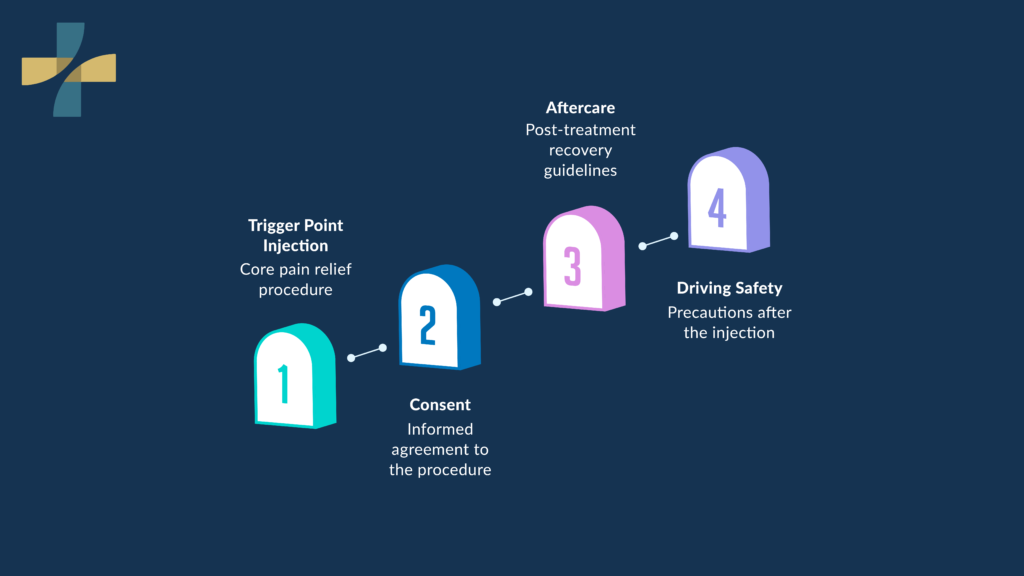
If you are preparing for your first trigger point injection appointment in Vancouver, you may feel unsure about the procedure, side effects, and recovery. Many patients ask the same questions about safety, consent, and what happens after treatment. With more people seeking non-surgical pain relief options, treatments like trigger point injections are becoming more common in Vancouver clinics. This guide explains what to expect from trigger point injection, including preparation, the consent process, aftercare, and driving safety. It provides clear steps so you can attend your appointment with confidence and plan your recovery properly. What Should You Expect At Your First Trigger Point Injection Appointment In Vancouver? A first trigger point injection appointment in Vancouver involves a short assessment, identification of muscle knots, and a targeted injection using a local anesthetic. The procedure is quick, often under 30 minutes, followed by simple aftercare and movement guidance. During your visit, a clinician reviews your symptoms and confirms areas of myofascial pain. Trigger points are located through physical examination, often by pressing on tight muscle bands. Evidence-based sources such as StatPearls: Trigger Point Injections describe this procedure as a targeted treatment that is widely used for muscle pain and performed with a strong safety profile when done correctly. Before the injection Review of symptoms and pain history Medication and allergy check Identification of trigger points through palpation During the injection A local anesthetic injection is placed into the muscle knot You may feel a brief twitch or pressure Each injection takes a few seconds After the procedure You remain for short observation Light movement is encouraged Initial pain relief planning begins Example: A patient with shoulder tension may receive injections into the trapezius muscle and then be advised to gently move the shoulder to improve range. How Do You Prepare For A Trigger Point Injection Safely? To prepare for a trigger point injection, stay hydrated, eat a light meal, review medications, and avoid intense activity before your visit. Proper muscle knot injection preparation helps reduce discomfort and supports smoother recovery. Preparation checklist Use this simple checklist to get ready for your appointment and support a smoother procedure. Step What to Do Hydration Drink water before the appointment Food Eat a light meal Clothing Wear loose, accessible clothing Activity Avoid heavy workouts Medication and health considerations Before your appointment, tell your provider about any medications you are taking, especially blood thinners, as they may affect bleeding risk. You should also mention any allergies to anesthetics and share any existing health conditions so your treatment can be planned safely. What to avoid Avoid alcohol for at least 24 hours before your injection, as it can increase sensitivity and affect recovery. Do not skip meals, since low blood sugar may make you feel unwell during the procedure. Heavy exercise should also be avoided to prevent muscle irritation before treatment. How to reduce anxiety before injection Understanding each step of the procedure can help reduce anxiety before injection. Simple breathing techniques can help you stay calm during the appointment. You can also ask questions during your visit so you feel more informed and prepared. If this is your first time visiting a clinic, understanding what happens during an appointment can help reduce stress. You can review what to expect during your first family doctor visit. Do You Need To Sign A Consent Form For A Trigger Point Injection? Yes, you must sign a trigger point injection consent form before treatment. Informed consent explains the procedure, expected benefits, possible side effects, and rare risks so you can make a clear and safe decision. Consent is a standard part of medical care. It protects both the patient and provider by confirming that you understand the procedure. What informed consent includes Description of the injection process Expected benefits Complication risk explanation Common risks explained simply These are the most common and rare risks explained in simple terms, so you know what to expect before treatment. Risk Frequency Notes Soreness Common Temporary Bruising Occasional Mild Infection Rare Prevented with sterile technique Bleeding Rare Higher risk with blood thinners Guidance from MedlinePlus on Injections notes that injection-related risks, such as infection or bleeding, are uncommon when proper medical protocols are followed. Why consent matters Consent matters because it confirms that you understand the procedure, its benefits, and possible risks before treatment begins. It supports shared decision-making between you and your provider, allowing you to take an active role in your care. It also allows you to ask questions so you feel informed and comfortable before proceeding. Before signing your consent form, it helps to prepare a few questions so you fully understand the procedure. You can also use a list of questions to ask your doctor to make sure you feel confident before treatment. What Does A Trigger Point Injection Feel Like During The Procedure? A trigger point injection feels like a quick pinch followed by pressure or a brief muscle twitch. Most patients tolerate it well, and discomfort lasts only a few seconds at each injection site. The sensation is often described as mild. The needle targets tight muscle bands, which may cause a twitch response. Common sensations Quick needle entry Pressure in the muscle Brief twitch How long does discomfort last Seconds during injection Mild soreness after Example: A patient receiving neck injections may feel a short twitch, followed by relief in muscle tension within minutes. What Is Normal After A Trigger Point Injection And What Are Side Effects? Normal trigger point injection side effects include mild soreness, stiffness, or bruising at the injection site. These symptoms are expected and usually improve within a few days as the muscle relaxes. Research such as the Trigger Point Injections Systematic Review shows that trigger point injections are generally safe for managing musculoskeletal pain, especially when combined with movement and therapy. Understanding normal vs concerning symptoms helps reduce
Pediatrician vs Family Doctor: Key Differences & When to Choose Each (Vancouver Guide)

Parents often feel unsure when choosing between a pediatrician vs family doctor. Both can care for children, but they serve different roles. The right choice depends on your child’s age, health needs, and your long-term care goals. Recent guidance from the Canadian Paediatric Society highlights that early childhood care plays a key role in development, preventive care, and long-term health outcomes. This makes choosing the best doctor for your child an important early decision. This guide explains the difference between providers, when to see a pediatrician, and how the BC healthcare system works. You will also find real-life examples to help you decide with confidence. What Is The Difference Between A Pediatrician Vs Family Doctor? A pediatrician is a child health specialist focused on infants, children, and teens, while a family doctor is a primary care provider who treats patients of all ages. The best choice depends on your child’s needs, your family setup, and long-term care preferences. What does a pediatrician do? A pediatrician focuses only on children. Their training centres on child development, preventive care, and managing pediatric-specific conditions. They typically provide: Monitoring of growth and developmental milestones Vaccination management based on age-specific schedules Diagnosis and care for chronic pediatric conditions Behavioural and developmental assessments Pediatricians act as child health specialists. They are trained to spot early signs of developmental delay and manage complex childhood conditions. What does a family doctor do? A family doctor provides primary care for children and adults. They treat a wide range of conditions across all life stages. They typically provide: Routine checkups and preventive care Treatment for common illnesses and injuries Ongoing care for families Basic child development monitoring Family doctor for child care works well for healthy children who need general care and routine follow-ups. Pediatrician vs family doctor training and expertise Area Pediatrician Family Doctor Focus Children only All ages Training Child development and pediatric conditions Broad medical training across age groups Care Type Specialised General primary care Role Child specialist General practitioner A child specialist vs general practitioner comparison shows that pediatricians focus deeper on children, while family doctors cover broader needs. When Should You See A Pediatrician For Your Child? You should see a pediatrician when your child needs specialised care related to growth, development, or complex conditions. Pediatricians are best for newborns, developmental concerns, and chronic pediatric conditions that require focused expertise. Scenario 1: Pediatrician for newborn care Newborns need frequent medical visits in their first year. A pediatrician tracks feeding, weight gain, and early development. Example: A newborn with feeding issues or slow weight gain benefits from a pediatrician’s close monitoring. Scenario 2: Developmental or behavioural concerns Pediatricians are trained to assess delays in speech, learning, or behaviour. Common concerns include: Speech delay Autism screening ADHD symptoms Early intervention improves outcomes. A 2024 study from London Health Sciences Centre Research Institute followed 449 young patients and found that early, personalised care improved functioning, reduced symptoms, and increased quality of life over one to two years. Scenario 3: Chronic or complex pediatric conditions Children with long-term conditions need specialist care. Examples include: Asthma Diabetes Congenital conditions Pediatricians coordinate care with specialists and manage long-term treatment plans. Scenario 4: Preventive care and vaccination management Pediatricians follow structured schedules for immunisations and preventive care. They monitor: Growth trends Nutritional status Developmental milestones When Is A Family Doctor The Right Choice For Child Care? A family doctor is the right choice for general child care and long-term family care. They treat common illnesses, provide preventive care, and manage health across all ages. This makes them a practical option for families who want one provider. Scenario 1: Routine checkups and common illnesses Family doctors treat everyday health issues. Examples include: Colds and flu Minor injuries Routine physical exams Scenario 2: Family-wide healthcare needs A single provider for the whole family reduces the need for multiple clinics. Benefits include: Fewer appointments across locations Consistent medical history tracking Convenience for parents Scenario 3: Long-term child healthcare planning Family doctors support long-term care across life stages. They provide: Preventive care Ongoing monitoring Continuity into adulthood Scenario 4: Teen and young adult care Older children may prefer a more mature setting. Family doctors support: Mental health discussions Lifestyle and preventive care Independent health decisions Do You Need A Pediatric Referral In Vancouver, and How Does It Work? In the BC healthcare system, most pediatricians require a referral from a primary care provider. This process helps prioritise children based on medical need and ensures access to specialist care when advanced assessment or treatment is required. How the referral process works Visit a family doctor or walk-in clinic The doctor evaluates your child Referral is sent to a pediatrician Appointment is scheduled When a pediatric referral to Vancouver is needed Referrals are common for: Developmental delays Chronic pediatric conditions Specialist assessment Can you see a pediatrician without a referral? Some private clinics allow direct booking. However, most specialist care in the BC healthcare system follows the referral process. Which Doctor Is Better For Your Child’s Long-Term Care? The best doctor for your child depends on their health needs and your family’s goals. Pediatricians provide specialised care for children, while family doctors offer continuity across life stages. Both support long-term child healthcare planning. Health needs Complex conditions → pediatrician General health → family doctor Family preference One provider → family doctor Specialised care → pediatrician Care goals Preventive care focus → both options Long-term continuity → family doctor Specialist expertise → pediatrician How Do Real-Life Situations Help You Choose Between A Pediatrician Vs Family Doctor? Real-life scenarios help parents decide faster. A pediatrician is often better for specialised needs, while a family doctor works well for routine care and convenience across the family. Scenario comparison Newborn with feeding concerns → pediatrician Healthy school-age child → family doctor
First Pediatric Appointment in Vancouver: What to Bring, Vaccines & MSP Insurance Guide
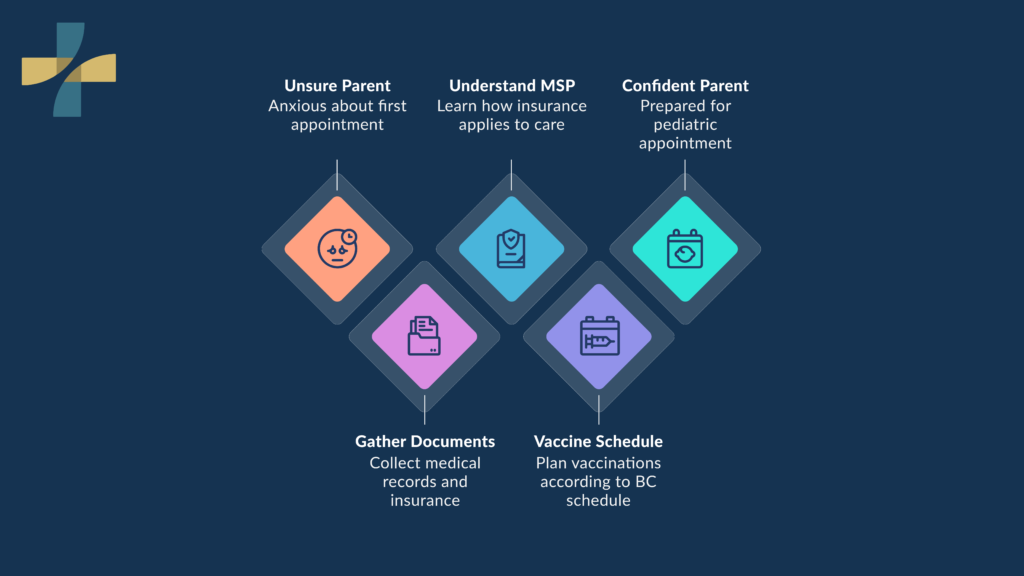
Parents preparing for a first pediatric appointment in Vancouver often feel unsure about what to expect, what documents to bring, and how MSP insurance works. Recent guidance from the Canadian Paediatric Society shows that early visits play a key role in tracking growth, development, and vaccine timing. According to the Public Health Agency of Canada, about 92% of children in Canada receive key vaccines like measles and polio by age two, showing strong trust in early pediatric care and vaccination planning. This highlights why early visits play an important role in keeping your child on track. This guide explains the full process in clear steps. You will learn what to bring, how the pediatric consultation process works, how MSP insurance applies, and how vaccines are planned under the child vaccination schedule BC. The goal is to help you prepare, reduce parent anxiety, and move forward with confidence. What Happens At A First Pediatric Appointment In Vancouver? A first pediatric appointment in Vancouver is a structured medical visit where a doctor reviews your child’s history, checks growth, and assesses development. The visit usually lasts 30 to 45 minutes and includes a full physical exam and discussion of next steps. During the pediatric consultation process, the doctor focuses on both medical and developmental factors. This ensures early identification of concerns and supports long-term child health planning. What the pediatric consultation process includes Review of medical history form Growth assessment, including weight, height, and head size Developmental milestones check Full physical examination Review of vaccination record Example scenario: A parent brings a 6-month-old infant for the baby’s first doctor appointment. The pediatrician reviews feeding patterns, sleep habits, and early motor skills such as rolling or sitting. This helps confirm development is on track. How long is the first pediatric visit Visit Type Duration Standard pediatric visit 30 to 45 minutes Developmental consultation 45+ minutes What Should You Bring To Your Child’s First Pediatric Appointment? The best way to prepare is to bring a complete pediatric appointment checklist that includes your BC health card, immunisation records, and medical history. These documents allow the pediatrician to make accurate decisions during the visit. Missing key documents can delay care or require follow-up visits. Preparing in advance helps the appointment run smoothly. Complete pediatric appointment checklist BC health card or MSP insurance details BC immunisation record or vaccination record List of medications and allergies Birth history and hospital discharge summary Previous test results or specialist reports Completed medical history form Consent forms, if required Why each document matters Document Purpose BC health card Confirms MSP insurance eligibility Immunisation record Tracks the child vaccination schedule BC Medical records Prevents repeated testing Consent forms Allows treatment or data sharing Example scenario: A parent forgets the vaccination record. The pediatrician cannot confirm vaccine timing, so follow-up is required. Bringing all documents avoids this delay. Is MSP Coverage Required For A Pediatric Visit In Vancouver? MSP insurance covers most medically necessary pediatric visits in Vancouver, including consultations, exams, and follow-ups. A valid BC health card is required, and some non-medical services may involve additional fees. This system helps families access essential care without direct payment for standard visits. What MSP pediatric visit coverage includes General pediatric consultations Growth and developmental assessments Medical evaluations and follow-ups What MSP may not cover School or camp forms Medical letters Administrative reports Example scenario: A parent requests a detailed school form during the visit. This may not fall under MSP pediatric visit coverage and could require a separate fee. Learn more about MSP pediatric visit coverage and eligibility through the Medical Services Plan (MSP) Overview. What Vaccines Are Discussed At The First Pediatric Visit In BC? A pediatrician reviews your child’s vaccination record and aligns it with the child’s vaccination schedule BC. This ensures your child receives the right vaccines at the right time and catches up if any doses were missed. Vaccines protect against common diseases and support long-term health. Overview of child vaccination schedule BC Age Common Vaccines Birth Hepatitis B 2 months DTaP, Polio, Rotavirus 4 months Booster doses 6 months Additional boosters 12 months MMR, Varicella What the pediatrician checks Accuracy of vaccination record Missed or delayed doses Future vaccine schedule Example scenario A child misses a 4-month vaccine due to illness. The pediatrician creates a catch-up plan to keep immunisation on track. You can review your child’s vaccine timing and requirements in the BC Immunisation Schedule to stay aligned with recommended guidelines. How Can You Prepare Your Child For Their First Pediatric Appointment? To prepare for a baby’s first doctor appointment, keep explanations simple, stay calm, and bring comfort items. Children respond to their environment, so a relaxed parent helps reduce stress during the visit. Preparation improves cooperation and helps the doctor complete the assessment efficiently. Simple ways to prepare your child Explain the visit using simple words Bring a favourite toy or blanket Schedule the visit around nap time Do and don’t guidance Do: Stay calm and positive Keep explanations short Don’t: Use fear-based language Over-explain medical steps Example scenario: A calm parent helps their child stay relaxed during the exam. This allows the pediatrician to complete the growth assessment without difficulty. What If Your Child Cries Or Feels Nervous During The Visit? Crying or anxiety during a pediatric visit is normal. Pediatricians are trained to manage these reactions and still complete accurate assessments. Understanding this helps reduce parent anxiety and allows you to focus on your child’s care. Why do children react this way New environment Unfamiliar people Sensory discomfort How pediatricians manage it Use simple and calm communication Perform quick, focused exams Involve parents during the process Example scenario: An infant cries during the exam but remains responsive. The pediatrician still completes the evaluation without affecting the results. Do You Need A Referral To See A
First Pain Clinic Appointment in Vancouver: What to Bring, Insurance (ICBC) & What to Expect
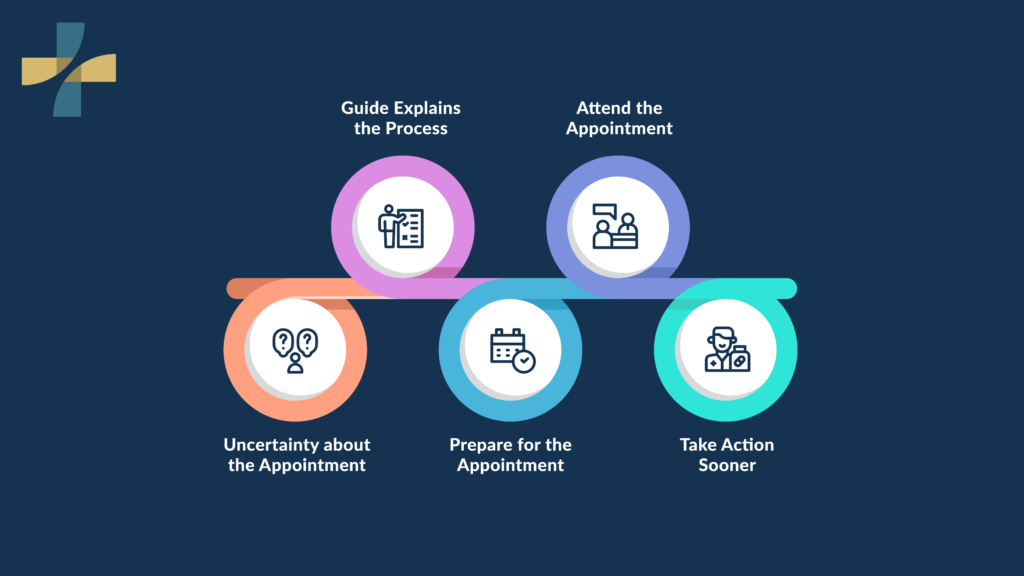
A first pain clinic appointment in Vancouver that many patients attend can feel uncertain. Many people are unsure what to bring, how the visit works, and whether ICBC insurance applies. These questions often delay care. This guide explains the full process in clear steps. You will learn what to bring to a pain clinic appointment, how the consultation works, and what happens next. The goal is to help you prepare for a medical visit with confidence and take action sooner. What Happens at Your First Pain Clinic Appointment in Vancouver? A first pain clinic appointment in Vancouver is a structured consultation that reviews your medical history, symptoms, and functional limits. The clinic uses this information to complete a chronic pain evaluation process and build a treatment plan that matches your condition and goals. Step 1: Check-in and paperwork The visit starts with registration and forms. You will provide ID, insurance coverage details, and your ICBC claim number if your injury is from a motor vehicle accident. You will complete: Consent forms Pain assessment questionnaire Intake health forms These forms help the clinic understand your condition before the assessment begins. Step 2: Medical history and symptom review The provider will review your full medical history for pain specialist evaluation. This includes past injuries, surgeries, and treatments. You will discuss: Current symptoms and pain levels Medication list, including over-the-counter drugs Previous treatments and results A clear history helps identify patterns and possible causes of pain. Step 3: Physical exam and functional assessment The provider will assess movement, posture, and pain triggers. This is part of a structured pain management consultation process. The exam may include: Range of motion testing Strength and flexibility checks Identification of functional limitations The goal is to understand how pain affects daily activity. Step 4: Diagnosis and treatment planning After the evaluation, the provider explains findings and outlines a plan. This helps you understand treatment options and expected progress. The plan may include: Therapy or rehabilitation: Targeted treatments such as physiotherapy, massage therapy, or guided movement exercises to improve mobility and reduce pain over time Lifestyle changes: Simple adjustments like posture correction, activity modification, sleep habits, or daily routines that support recovery and prevent flare-ups Pain management strategies: Non-invasive options such as stretching programs, heat or cold therapy, and education on how to manage symptoms at home Further testing (if needed): Requests for updated imaging reports or additional assessments to better understand the source of pain Follow-up visits: Scheduled appointments to monitor progress, adjust treatment, and track improvements You will leave with a clear direction for care, including next steps and what to expect moving forward. Chronic pain affects many adults and often requires structured care. The Canadian Pain Task Force reports that about one in five Canadians lives with chronic pain, making it one of the most common long-term health concerns in the country. This is why a clear pain management consultation process matters. It helps identify the cause of pain and supports a more focused treatment plan from the start. What Should You Bring to Your First Pain Clinic Appointment? To prepare for a pain clinic appointment, bring key documents that support accurate diagnosis and faster care planning. For an ICBC pain clinic visit, include your ICBC claim number and related paperwork so the clinic can coordinate your insurance coverage and treatment. Essential checklist Bring the following documents for a pain clinic appointment: Government-issued ID Insurance coverage details ICBC claim number (if applicable) Medication list Imaging reports such as X-ray, MRI, or CT scans Referral for pain clinic Vancouver (if required) Medical records Helpful but optional items These items improve the quality of your assessment: Symptom diary showing pain patterns Notes on functional limitations Questions about your condition or treatment When a patient brings complete records and a simple symptom diary, the provider can spot patterns faster and move straight into planning care. If documents are missing, the clinic may need to request records first, which can slow down diagnosis and delay treatment. Do You Need a Referral for a Pain Clinic in Vancouver? A referral for a pain clinic in Vancouver is often required for public clinics, while some private clinics allow direct booking. Checking referral requirements early helps you schedule a pain assessment at NV Med without delays. Referral pathways Family doctor referral Specialist referral Direct booking at private clinics Impact on access Type of Clinic Referral Needed Wait Time Public clinic Yes Longer Private clinic Sometimes Shorter Patients who book directly often access care faster. How does ICBC Insurance Work for a Pain Clinic Visit? An ICBC pain clinic visit may be covered if your injury is linked to a motor vehicle accident. You need an active ICBC claim number, and approval depends on your treatment plan and claim status. Clinics may also help coordinate documents to support your insurance coverage. What ICBC typically covers Initial assessments Approved treatment sessions Rehabilitation services What you need to provide ICBC claim number Accident details Supporting medical documents According to the Insurance Corporation of British Columbia, coverage is based on your claim status and approved care plan, which is why having complete documentation helps avoid delays. When you bring your records and a symptom diary, your provider can understand your condition faster and start planning care right away. If anything is missing, the clinic may need to request it later, which can slow things down. How Long Does the First Pain Clinic Appointment Take? A first pain clinic appointment usually takes 30 to 60 minutes. This allows enough time for a full pain management consultation process, including history review, physical assessment, and treatment planning. Factors that affect timing Complexity of symptoms Amount of documentation provided Need for further testing What happens during that time Structured discussion Focused physical exam Clear explanation of next steps The process is organised and not
Pain Management Clinic in Vancouver: 5 Reasons to Choose NVMed Center
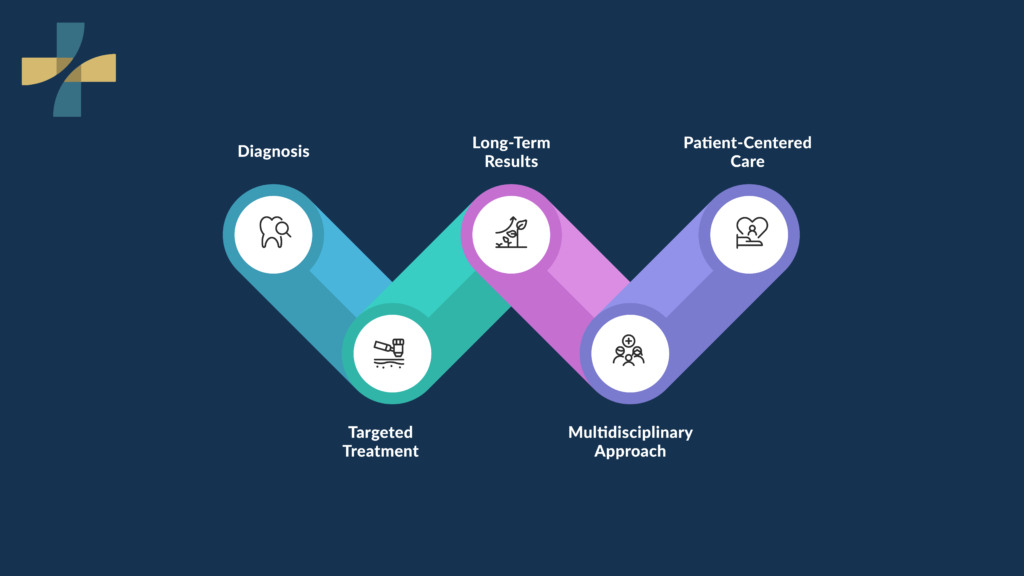
Chronic pain can limit movement, affect sleep, and reduce daily function. Many people try short-term solutions that do not last. Searches for non-surgical pain relief have increased, with more patients looking for structured care instead of medication alone. A pain management clinic in Vancouver focuses on diagnosis, targeted treatment, and long-term results. Research shows that multidisciplinary pain management programs can improve physical function and reduce pain levels, especially when treatments are tailored and combined based on the patient’s condition. This guide explains how pain management works and why NV Med Center is a trusted choice for care. What does a pain management clinic in Vancouver do? A pain management clinic in Vancouver helps diagnose and treat pain using medical care, rehabilitation, and non-surgical methods. The goal is to reduce pain, improve movement, and support daily function through a structured plan rather than relying only on medication. Pain management focuses on both cause and symptoms. Many patients start with general care but are referred when pain continues. A clinic provides a more detailed assessment and targeted treatment options. Types of pain treated Pain clinics manage a wide range of conditions: Chronic pain lasting more than 3 months Nerve pain such as sciatica Musculoskeletal pain from joints or muscles Back and neck pain Injury-related pain A back pain specialist in Vancouver often works within a team that addresses multiple causes of pain. Why multidisciplinary care matters Pain often has more than one cause. A multidisciplinary pain clinic combines: Area of Care Role in Treatment Medical care Diagnosis and medication management Rehabilitation Movement and strength recovery Therapy Pain coping and behaviour changes This approach supports long-term results instead of short-term relief. According to guidelines from the American Pain Society, multimodal pain management is recommended to improve outcomes and reduce reliance on single treatments. Why Choose a Pain Management Clinic Instead of Relying on Medication Alone? Choosing a pain management clinic instead of medication alone helps reduce long-term risks and improves outcomes. Clinics combine therapies and structured plans to manage pain while limiting dependence on opioids or temporary relief methods. Medication can help in the short term. It does not always address the cause of pain. Limitations of medication-only treatment Does not treat the underlying issue May lead to dependence over time Does not improve movement or strength The CDC highlights the risks of long-term opioid use, including opioid use disorder, overdose, and death, and recommends careful monitoring when these medications are used. It also states that non-opioid therapies are often as effective as opioids for many common pain conditions and encourages combining treatments such as therapy and rehabilitation for safer, more effective pain management. Shift toward non-surgical pain relief More patients are choosing non-surgical pain relief options. Public figures such as LeBron James have openly used rehabilitation and therapy to manage injuries without surgery. This shift reflects a broader trend toward safer and structured care. Example scenario: An office worker with neck pain treatment in Vancouver may need to take painkillers. The pain returns after work each day. A pain clinic evaluates posture, muscle strain, and nerve involvement. Treatment may include therapy, injections, and rehabilitation. What Are the 5 Reasons to Choose NV Med Center for Pain Management in Vancouver? The main reasons to choose NV Med Center include personalised care, accurate diagnosis, non-surgical treatment options, multidisciplinary support, and a focus on long-term recovery. These factors help patients improve mobility and function with a clear and structured plan. 1. Personalised treatment plans Every patient receives a personalized treatment plan based on symptoms and history. Example: An ICBC injury patient may present with neck or back pain after a car accident and requires a structured plan that includes assessment, documentation, and rehabilitation to support recovery and insurance requirements. A chronic pain patient may have ongoing nerve or musculoskeletal pain and needs long-term management with a personalised treatment plan, including therapy and targeted interventions to improve function and reduce pain. 2. Focus on identifying the source of pain Treatment starts with identifying the cause. This may include: Physical assessment Pain pattern review Movement testing This reduces the risk of repeated short-term treatments. 3. Access to non-surgical and interventional treatments NV Med Center offers interventional pain management in Vancouver for targeted relief. Examples include: Trigger point injections in Vancouver Nerve-related procedures Inflammation control treatments These methods support reduced inflammation and improved mobility. 4. Multidisciplinary care in one clinic Patients benefit from coordinated care across services: Medical providers Rehabilitation support Therapy This reduces delays between treatments and improves outcomes. 5. Focus on long-term results The goal is long-term pain relief and a better quality of life. Key outcomes include: Improved mobility Reduced inflammation Better daily function What Treatment Options are Available at a Pain Management Clinic in Vancouver? Pain management clinics offer treatments such as medication support, physical therapy, interventional procedures, and rehabilitation programs. These treatments are combined to reduce pain, restore movement, and support long-term recovery based on each patient’s condition. For example, structured rehabilitation through physiotherapy plays a key role in improving strength, mobility, and recovery outcomes. Common treatment types Treatment Type Purpose Interventional procedures Target specific pain sources Rehabilitation Improve strength and mobility Therapy Address behaviour and coping Medication Support short-term pain control Interventional treatments Interventional pain management in Vancouver clinics provides targeted options for specific pain sources. These may include trigger point injections, nerve blocks, and anti-inflammatory procedures to help reduce pain, improve movement, and support recovery. Rehabilitation and therapy Rehabilitation improves function and prevents further injury. It supports: Movement correction Strength building Recovery from injury Example patient pathway Initial assessment: Review of symptoms, medical history, and physical condition to understand the source of pain Diagnosis: Identification of the likely cause or contributing factors of the pain based on findings Personalised plan: Development of a tailored treatment plan based on the patient’s condition and goals
Lip Filler vs “Gel” Filler: What’s the Difference and What’s Best for You? (Vancouver)

Searches for lip filler vs dermal filler have increased as more people look for subtle lip enhancement instead of dramatic changes. Social media trends from public figures like Kylie Jenner have increased awareness, but they have also created confusion around terms like “gel filler.” Many patients are unsure if lip fillers are different from dermal fillers or if “gel filler” is something separate. This guide explains what these terms actually mean, how hyaluronic acid lip filler works, and how to choose the right treatment. It also covers safety, results, and what to expect so you can make a clear decision before booking a lip filler consultation in Vancouver. Is “gel filler” the same as Dermal Filler? Gel filler is not a separate treatment. It is a general term used to describe most dermal fillers, which are gel-based substances injected under the skin. In practice, lip fillers and facial fillers are both types of gel-based dermal fillers used for different areas. Most modern fillers are made as smooth gels so they can be placed precisely under the skin. This includes HA filler products used for lips, cheeks, and other areas. The term “gel filler” is often used in marketing or social media, which leads many people to think it is a different category. What “gel-based filler” actually means A soft gel substance injected under the skin Designed to add volume and shape Includes hyaluronic acid lip filler and other materials Not a different treatment type Why does the term cause confusion Used loosely in clinics and online Not a medical classification Often misunderstood by patients Clear point: all lip fillers are dermal fillers, but not all dermal fillers are used for lips. Are Lip Fillers a Type of Dermal Filler? Yes, lip fillers are a type of dermal filler designed specifically for the lips. They are usually made from hyaluronic acid and are formulated to be softer and more flexible, so they move naturally with speech and facial expression. Lip tissue moves constantly. This requires a different formulation compared to fillers used in the cheeks or jawline. Lip filler gel technology focuses on flexibility, hydration, and smooth integration into the tissue. How lip fillers are designed differently Softer consistency than other fillers Designed for movement and compression Allows subtle enhancement rather than stiffness Common goals of lip filler treatment Lip augmentation and volume Smoother lip lines Improved symmetry Better hydration and shape Many patients today prefer natural results. The goal is not oversized lips but balanced proportions that match the face. What is the Difference Between Lip Filler vs Dermal Filler? The main difference between lip filler and dermal filler is the treatment area and formulation. Lip fillers are used only for lips and are softer, while dermal fillers are used across the face and vary in thickness depending on the area. Dermal fillers are used to restore structure and support, while lip fillers focus on movement and detail. Comparison table Feature Lip Fillers Dermal Fillers Purpose Lip enhancement Volume restoration and contour Areas Lips only Cheeks, jawline, chin, folds Texture Soft and flexible Varies from soft to firm Movement High flexibility Depends on the area Duration 6–12 months 9–24 months Example scenarios Patient wants fuller lips → lip filler Patient wants cheek definition → dermal filler Patient wants both balance and volume → combination treatment This is where consultation matters. A provider chooses the right product based on anatomy, not just preference. How Does Lip Filler Gel Technology Actually Work? Lip filler gel technology uses hyaluronic acid to add volume and attract water under the skin. This allows controlled shaping while keeping the lips soft and natural in feel. Hyaluronic acid occurs naturally in the body. It binds water and supports tissue hydration. This is why HA fillers are widely used for lip augmentation. What is hyaluronic acid lip filler A naturally occurring substance Helps retain moisture Provides smooth, controlled volume Can be reversed if needed Why do different gels behave differently Cross-linking affects firmness Injection depth changes the results Product selection affects longevity One key advantage is reversibility. If needed, dissolving filler using hyaluronidase can adjust or remove the result. Which Option Gives More Natural Results and Better Longevity? Lip fillers can provide natural results when the right product and technique are used. They usually last 6 to 12 months, while dermal fillers in other areas may last longer due to thicker formulas and less movement. The lips break down filler faster because of constant movement. This is why maintenance treatments are common. What affects natural results Injector skill Product choice Amount injected Lip structure How long do lip fillers last Average: 6–12 months Faster breakdown than facial fillers Maintenance needed for consistency According to data from the American Board of Cosmetic Surgery, most HA fillers last between 6 months and 2 years, depending on location and formulation. What is the Typical Lip Filler Swelling Timeline and Recovery? Lip filler swelling usually peaks within 24 to 48 hours and improves over several days. Most patients see stable results within one to two weeks as the filler settles and integrates into the tissue. Swelling is a normal part of healing. Understanding the lip filler swelling timeline helps reduce concern during recovery. Typical timeline Day 1–2: swelling and tenderness Day 3–5: swelling reduces Day 7–14: shape settles What is normal Mild bruising, slight unevenness early on, and temporary firmness are common after lip filler treatment. These effects usually settle within one to two weeks as the filler integrates and swelling reduces. When to seek help Severe pain, skin discolouration, or unusual swelling are not typical and should be assessed as soon as possible. These signs may indicate a complication that requires prompt medical attention. What are the Safety Risks of Lip Fillers and How are They Managed? Lip filler safety risks are low