If you are preparing for your first trigger point injection appointment in Vancouver, you may feel unsure about the procedure, side effects, and recovery. Many patients ask the same questions about safety, consent, and what happens after treatment.
With more people seeking non-surgical pain relief options, treatments like trigger point injections are becoming more common in Vancouver clinics.
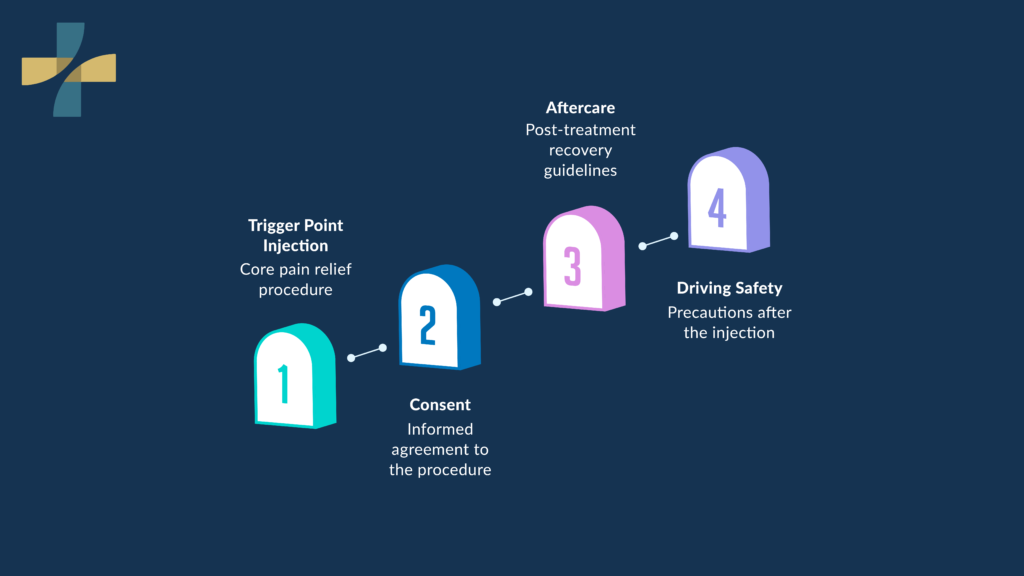
This guide explains what to expect from trigger point injection, including preparation, the consent process, aftercare, and driving safety. It provides clear steps so you can attend your appointment with confidence and plan your recovery properly.
What Should You Expect At Your First Trigger Point Injection Appointment In Vancouver?
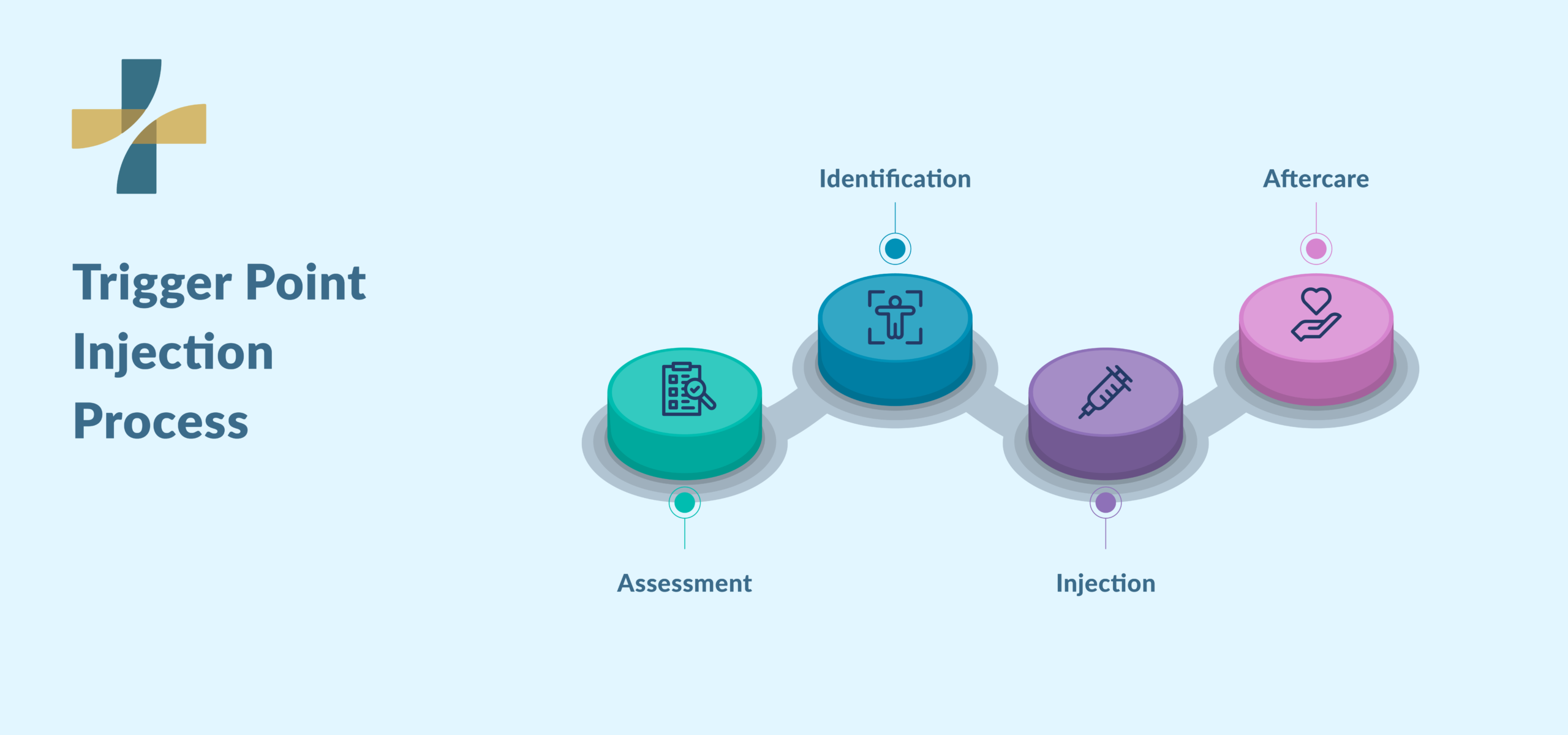
A first trigger point injection appointment in Vancouver involves a short assessment, identification of muscle knots, and a targeted injection using a local anesthetic. The procedure is quick, often under 30 minutes, followed by simple aftercare and movement guidance.
During your visit, a clinician reviews your symptoms and confirms areas of myofascial pain. Trigger points are located through physical examination, often by pressing on tight muscle bands. Evidence-based sources such as StatPearls: Trigger Point Injections describe this procedure as a targeted treatment that is widely used for muscle pain and performed with a strong safety profile when done correctly.
Before the injection
- Review of symptoms and pain history
- Medication and allergy check
- Identification of trigger points through palpation
During the injection
- A local anesthetic injection is placed into the muscle knot
- You may feel a brief twitch or pressure
- Each injection takes a few seconds
After the procedure
- You remain for short observation
- Light movement is encouraged
- Initial pain relief planning begins
Example: A patient with shoulder tension may receive injections into the trapezius muscle and then be advised to gently move the shoulder to improve range.
How Do You Prepare For A Trigger Point Injection Safely?
To prepare for a trigger point injection, stay hydrated, eat a light meal, review medications, and avoid intense activity before your visit. Proper muscle knot injection preparation helps reduce discomfort and supports smoother recovery.
Preparation checklist
Use this simple checklist to get ready for your appointment and support a smoother procedure.
| Step | What to Do |
| Hydration | Drink water before the appointment |
| Food | Eat a light meal |
| Clothing | Wear loose, accessible clothing |
| Activity | Avoid heavy workouts |
Medication and health considerations
Before your appointment, tell your provider about any medications you are taking, especially blood thinners, as they may affect bleeding risk. You should also mention any allergies to anesthetics and share any existing health conditions so your treatment can be planned safely.
What to avoid
Avoid alcohol for at least 24 hours before your injection, as it can increase sensitivity and affect recovery. Do not skip meals, since low blood sugar may make you feel unwell during the procedure. Heavy exercise should also be avoided to prevent muscle irritation before treatment.
How to reduce anxiety before injection
Understanding each step of the procedure can help reduce anxiety before injection. Simple breathing techniques can help you stay calm during the appointment. You can also ask questions during your visit so you feel more informed and prepared.
If this is your first time visiting a clinic, understanding what happens during an appointment can help reduce stress. You can review what to expect during your first family doctor visit.
Do You Need To Sign A Consent Form For A Trigger Point Injection?
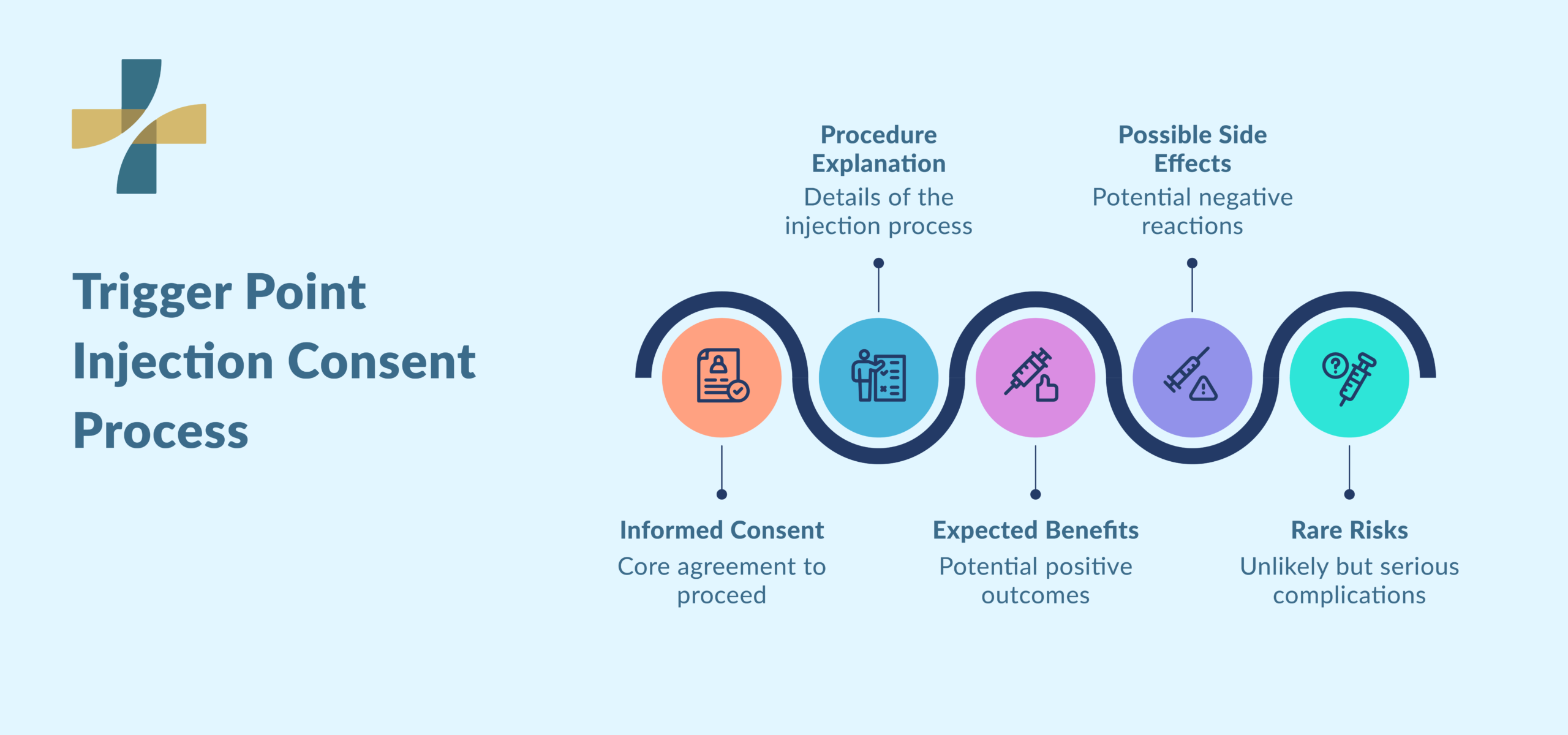
Yes, you must sign a trigger point injection consent form before treatment. Informed consent explains the procedure, expected benefits, possible side effects, and rare risks so you can make a clear and safe decision.
Consent is a standard part of medical care. It protects both the patient and provider by confirming that you understand the procedure.
What informed consent includes
- Description of the injection process
- Expected benefits
- Complication risk explanation
Common risks explained simply
These are the most common and rare risks explained in simple terms, so you know what to expect before treatment.
| Risk | Frequency | Notes |
| Soreness | Common | Temporary |
| Bruising | Occasional | Mild |
| Infection | Rare | Prevented with sterile technique |
| Bleeding | Rare | Higher risk with blood thinners |
Guidance from MedlinePlus on Injections notes that injection-related risks, such as infection or bleeding, are uncommon when proper medical protocols are followed.
Why consent matters
Consent matters because it confirms that you understand the procedure, its benefits, and possible risks before treatment begins. It supports shared decision-making between you and your provider, allowing you to take an active role in your care. It also allows you to ask questions so you feel informed and comfortable before proceeding.
Before signing your consent form, it helps to prepare a few questions so you fully understand the procedure. You can also use a list of questions to ask your doctor to make sure you feel confident before treatment.
What Does A Trigger Point Injection Feel Like During The Procedure?
A trigger point injection feels like a quick pinch followed by pressure or a brief muscle twitch. Most patients tolerate it well, and discomfort lasts only a few seconds at each injection site.
The sensation is often described as mild. The needle targets tight muscle bands, which may cause a twitch response.
Common sensations
- Quick needle entry
- Pressure in the muscle
- Brief twitch
How long does discomfort last
- Seconds during injection
- Mild soreness after
Example: A patient receiving neck injections may feel a short twitch, followed by relief in muscle tension within minutes.
What Is Normal After A Trigger Point Injection And What Are Side Effects?
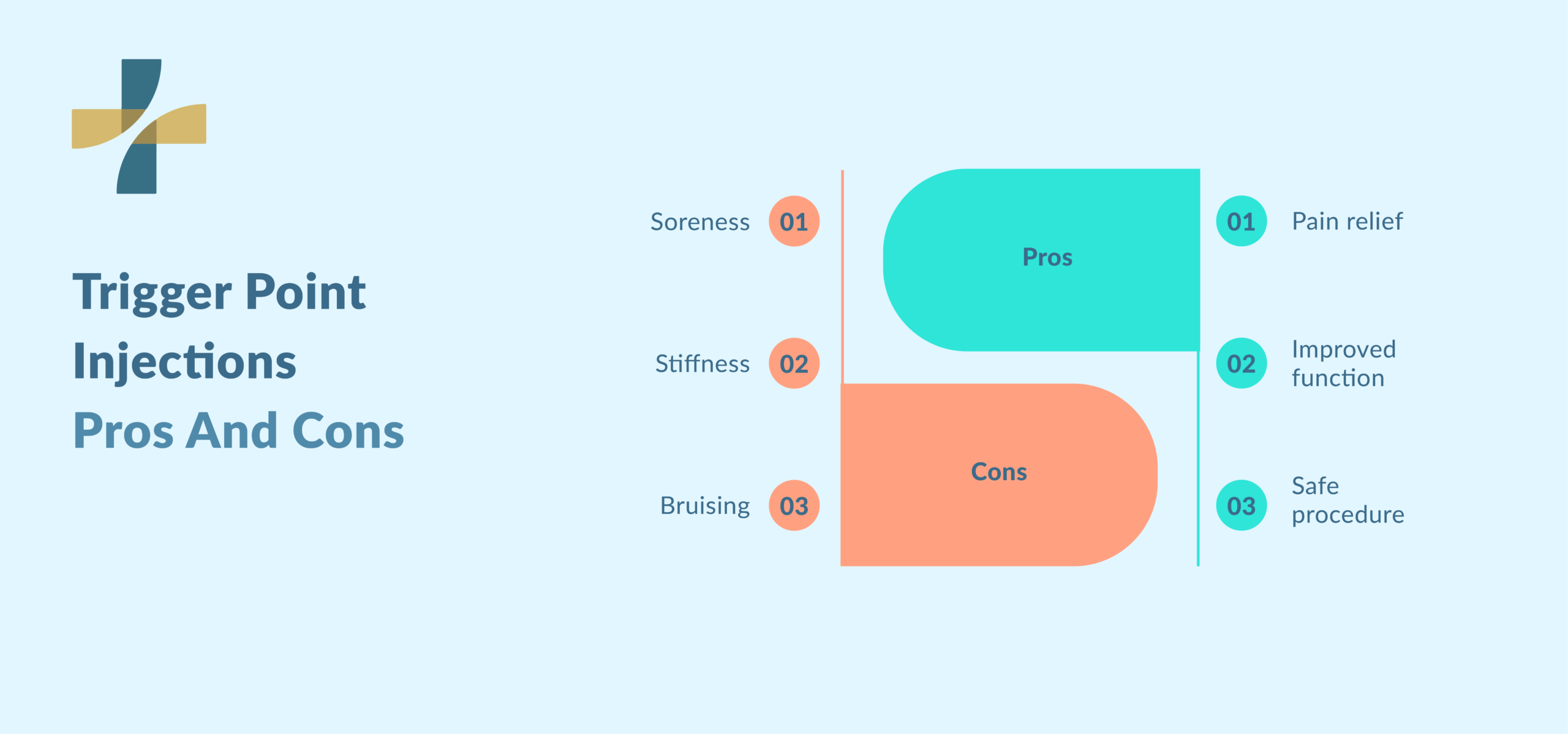
Normal trigger point injection side effects include mild soreness, stiffness, or bruising at the injection site. These symptoms are expected and usually improve within a few days as the muscle relaxes. Research such as the Trigger Point Injections Systematic Review shows that trigger point injections are generally safe for managing musculoskeletal pain, especially when combined with movement and therapy.
Understanding normal vs concerning symptoms helps reduce anxiety.
Normal post-procedure symptoms
- Post-procedure soreness
- Mild swelling
- Temporary stiffness
Less common effects
- Headache
- Fatigue
- Light bruising
Red flag symptoms
These symptoms are not typical and may require medical attention if they occur after your injection.
| Symptom | Action |
| Fever | Seek medical advice |
| Severe swelling | Contact clinic |
| Increasing pain after 3–5 days | Follow up |
According to Mayo Clinic, injection-related complications are rare when performed correctly.
What Does Trigger Point Injection Aftercare Involve?
Trigger point injection aftercare includes staying active with light movement, using ice or heat, and avoiding strenuous activity for a few days. Following aftercare steps helps reduce pain flare and improve recovery outcomes.
Aftercare is simple but affects results.
First 24 hours
During the first 24 hours after your injection, stay active with gentle movement to help the muscle relax and improve circulation. Avoid heavy lifting or strenuous activity to prevent irritation and allow the area to recover properly.
Managing soreness
Mild soreness is common after treatment and can be managed at home. You can use ice to reduce inflammation or heat to relax the muscle, depending on what feels better. Over-the-counter pain relief may also be used if needed.
Activity restrictions
You should avoid intense exercise for about 3 to 4 days after your injection to reduce the risk of a pain flare. Gradually return to your normal routine as your symptoms improve and your comfort increases.
Can You Drive After A Trigger Point Injection?
Yes, most patients can drive after a trigger point injection if they feel comfortable and have no dizziness or weakness. If the injection affects movement or causes discomfort, arranging a ride is safer.
Driving depends on how your body responds.
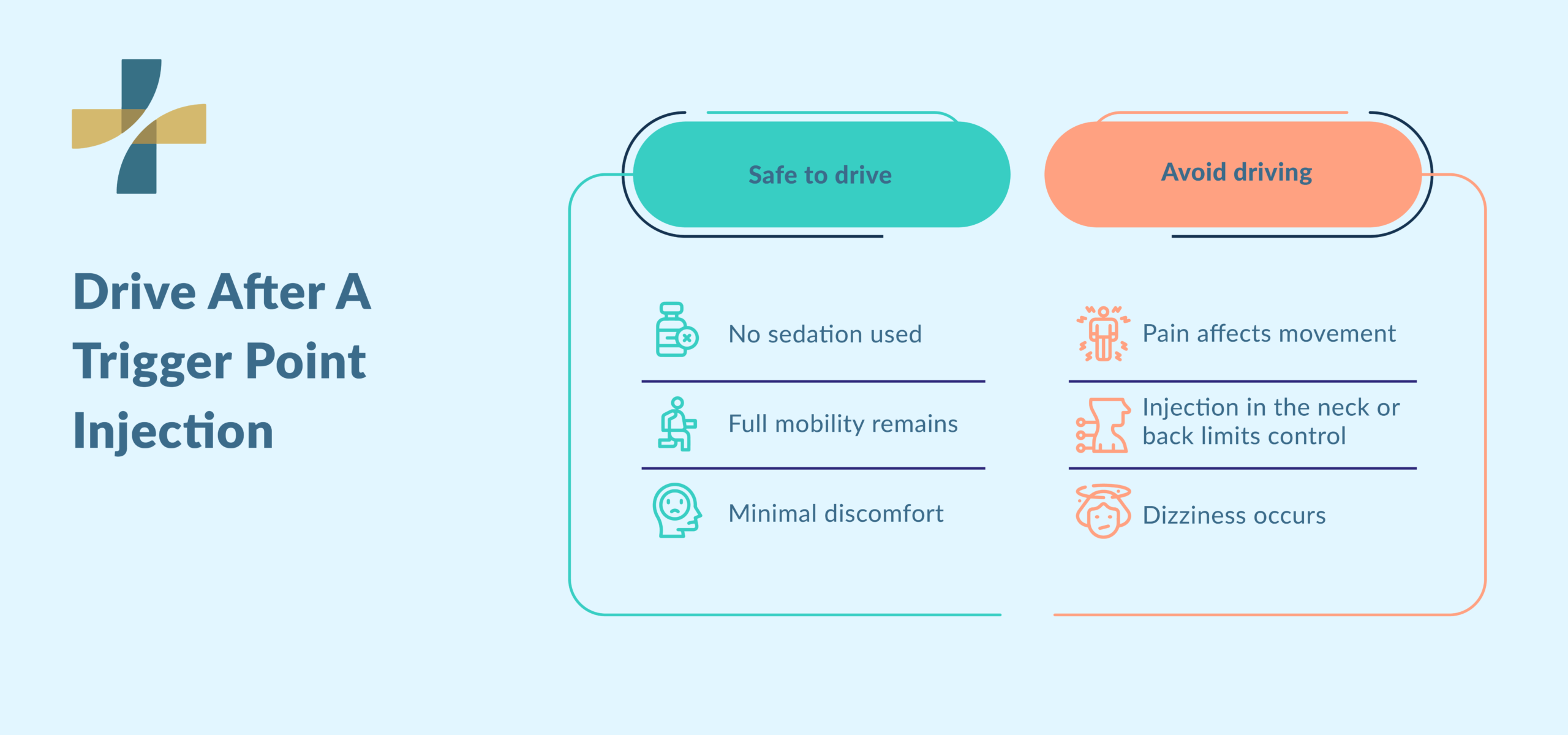
When it is safe to drive
- No sedation used
- Full mobility remains
- Minimal discomfort
When to avoid driving
- Pain affects movement
- Injection in the neck or back limits control
- Dizziness occurs
Example: A lower back injection may allow driving, while neck injections may make turning difficult.
How Long Does Recovery Take, and When Will You Feel Relief?
TPI recovery time is short, and most patients feel improvement within a few days to one week. Relief may last weeks or months, depending on the condition and adherence to aftercare.
Typical recovery timeline
This timeline shows what most patients experience after treatment, so you can plan your recovery expectations.
| Timeframe | What to Expect |
| Day 1–2 | Soreness |
| Day 3–7 | Pain relief begins |
| Weeks | Sustained improvement |
Factors affecting recovery
- Severity of myofascial pain
- Number of injections
- Adherence to aftercare
When Should You Book A Trigger Point Injection Consultation In Vancouver?
You should book a trigger point injection in Vancouver if muscle pain, tightness, or headaches persist despite rest, stretching, or therapy. Early assessment helps confirm diagnosis and guide safe treatment.
Signs you may benefit
- Chronic muscle knots
- Limited mobility
- Persistent tension pain
What happens during a consultation
- Assessment of symptoms
- Diagnosis confirmation
- Treatment plan
If your muscle pain continues over time, it may be part of a broader condition that requires ongoing care. Patients with long-term symptoms can benefit from chronic care management to support consistent monitoring and treatment planning.
How Can You Plan For Better Pain Relief After Your First Injection?
The best way to improve results is to combine injections with stretching, therapy, and lifestyle changes. Structured pain relief planning reduces recurrence and supports long-term recovery.
Strategies for better outcomes
- Physiotherapy
- Regular stretching
- Activity modification
Preventing pain flare
- Avoid overuse
- Maintain consistent movement
- Follow provider guidance
How NV Med Center Helps With Your First Trigger Point Injection Appointment In Vancouver
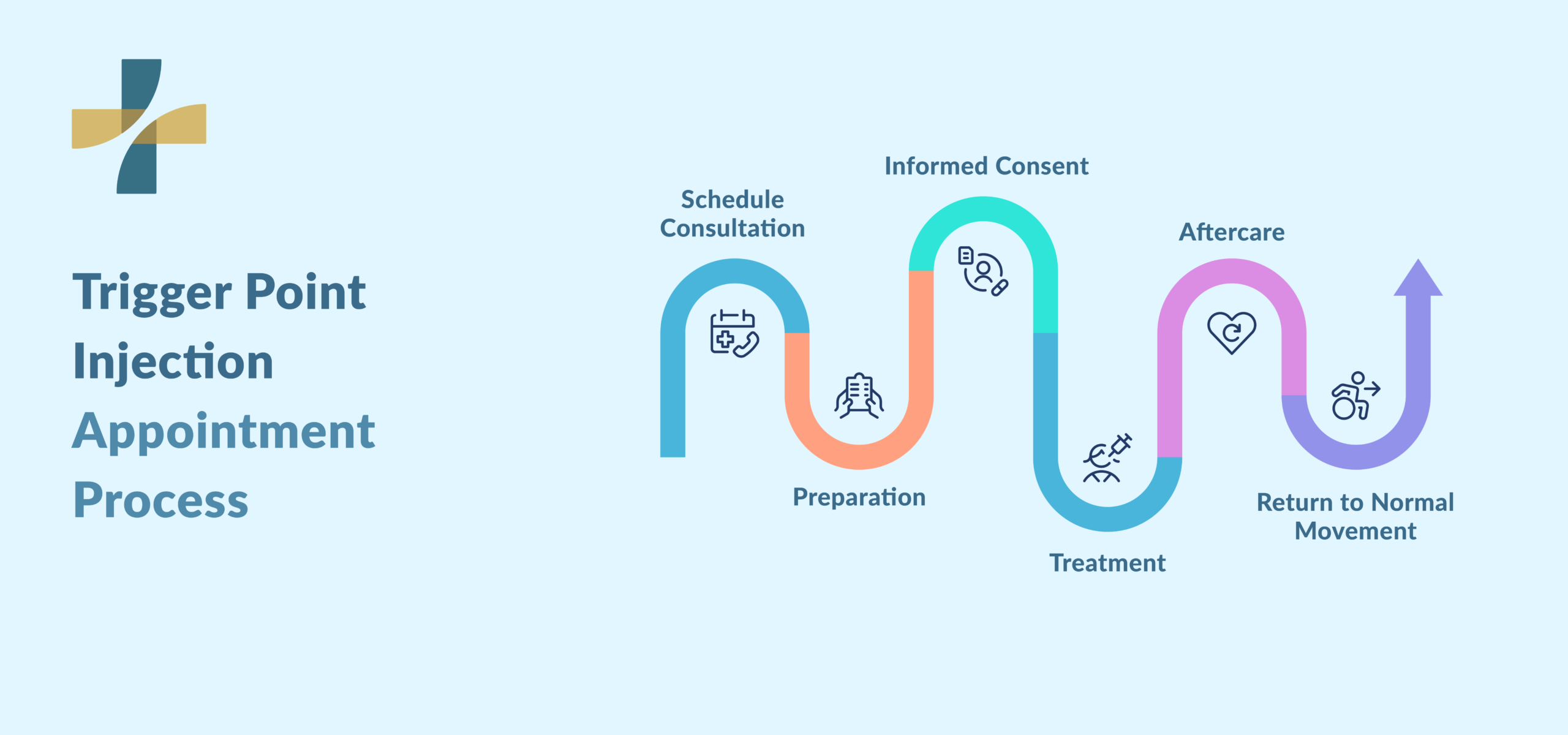
Your first trigger point injection appointment in Vancouver should feel clear, safe, and structured. Preparation, informed consent, and proper aftercare all support better recovery and reduce anxiety. Knowing what to expect helps you manage soreness, plan activity, and return to normal movement with confidence.
At NV Med Center, care is focused on clear guidance, safe treatment, and practical recovery support. The team provides step-by-step preparation, explains consent clearly, and offers aftercare plans tailored to your needs. You can schedule a TPI consultation with NV Med and receive coordinated care in one clinic. Book your trigger point injection consultation today.
FAQs
What should I do before my first trigger point injection?
You should hydrate, eat a light meal, and review medications before your visit. Wear loose clothing for easy access to the treatment area. Avoid alcohol and heavy exercise the day before to reduce discomfort.
Do I need to sign a consent form for TPI?
Yes, a trigger point injection consent form is required before treatment. It explains risks, benefits, and the procedure in clear terms. This allows you to ask questions and make an informed decision.
Can you drive after a trigger point injection?
Most patients can drive if they feel comfortable and have no side effects. If pain affects movement or you feel unwell, arrange transport instead. Safety depends on your individual response.
What side effects are normal after TPI?
Mild soreness, stiffness, and bruising are common. These usually improve within a few days. Severe pain, swelling, or fever should be checked by a clinician.
How long does it take to feel relief?
Relief often begins within a few days and may continue to improve over a week. Results vary based on the condition and treatment plan. Some patients need repeat sessions for longer relief.