Weight Management and Prescription Options Offered by Family Doctor Services
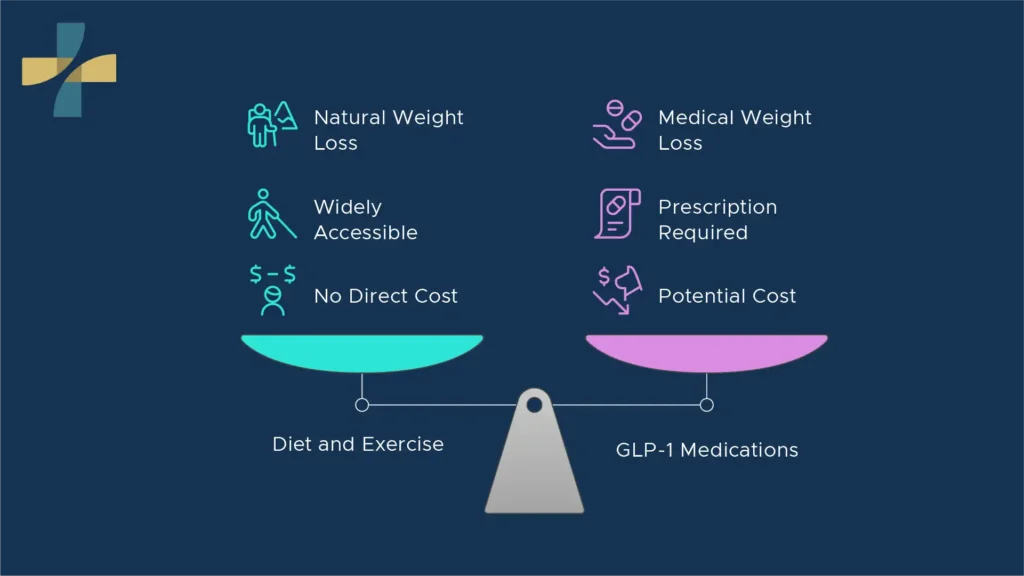
If you have struggled to lose weight through diet and exercise alone, you are not alone, and you are not without options. Many British Columbians are now turning to primary care for a weight loss prescription, as GLP-1 medications like Ozempic, Wegovy, and Mounjaro become more widely understood and accessible. These medications have changed the conversation around obesity management. But knowing whether your primary care provider can prescribe them, whether you qualify, and whether your provincial health plan will help cover the cost can feel confusing without clear guidance. Ask about weight management options or book a weight loss consultation with a BC primary care provider today. Can a Family Doctor Prescribe Weight-Loss Medication? Yes. Family doctors in BC are fully licensed to assess, diagnose, and prescribe medical therapies for weight management, including GLP-1 receptor agonists. You do not need a referral to an endocrinologist or specialist clinic in most cases. Your family physician will typically review your medical history, current medications, and any related conditions such as type 2 diabetes or high blood pressure before issuing a weight loss prescription. This ensures the treatment plan is safe, effective, and tailored to your specific health profile. Example Case: A 42-year-old Vancouver patient with a BMI of 31 and pre-diabetes met with her physician to discuss clinical options. After reviewing her lab work and weight history, the doctor provided a weight loss prescription alongside a structured lifestyle and nutrition plan. Initial consultation included bloodwork and BMI calculation Follow-up scheduled at four weeks to monitor tolerance and side effects Ozempic, Wegovy, and Mounjaro: What’s the Difference? These three medications are often mentioned together, but they are not identical. Understanding the difference helps you have a more informed conversation when exploring a weight loss prescription with your healthcare team. Ozempic contains semaglutide and is officially approved in Canada for managing type 2 diabetes, though it is frequently prescribed off-label for weight management. Wegovy also contains semaglutide but is specifically approved and dosed for chronic weight management. Mounjaro contains tirzepatide, a dual-action medication that works on two hormone pathways instead of one, which some patients find leads to greater weight loss results. Example Case: A patient with diabetes and a higher BMI may be prescribed Ozempic first, since it addresses blood sugar control while supporting weight loss. Someone without diabetes seeking a weight loss prescription Vancouver option focused purely on weight may instead be guided toward Wegovy. Semaglutide (Ozempic, Wegovy) suppresses appetite and slows digestion Tirzepatide (Mounjaro) targets two gut hormone receptors for enhanced effect Are You Eligible for GLP-1 Medication? Eligibility is based on established clinical criteria, not personal preference alone. Generally, candidates fall into two main categories under GLP-1 eligibility criteria bc guidelines. You may qualify if you have a BMI of 30 or higher, or a BMI of 27 or higher combined with a weight-related condition such as type 2 diabetes, high cholesterol, hypertension, or sleep apnea. Your doctor will also review past weight loss attempts, metabolic markers, and any medical contraindications. Example Case: A 55-year-old man with a BMI of 28 and diagnosed sleep apnea qualifies for GLP-1 treatment because his weight-related condition meets the secondary threshold, even without meeting the BMI 30 cutoff on its own. BMI 30+ alone qualifies most patients BMI 27+ with a comorbidity may also qualify Is It Covered by MSP or PharmaCare? This is one of the most common questions patients ask, and the answer depends on the specific medication and your individual health profile. Medical Services Plan (MSP) covers physician consultation fees, but it does not cover the cost of the prescription drugs themselves. BC PharmaCare Special Authority may provide coverage for certain GLP-1 medications, but usually only when prescribed for type 2 diabetes management rather than weight loss alone. Wegovy, used specifically for weight management, is generally not covered by public plans and is paid out of pocket or through private insurance. Example Case: A patient using Ozempic for diagnosed type 2 diabetes applied through PharmaCare Special Authority and received partial coverage, while a neighbor using Wegovy purely for weight loss paid the full retail cost or submitted claims through private coverage. Check with your pharmacist about current PharmaCare Special Authority requirements Private extended health plans sometimes offer partial reimbursement What a Weight Management Assessment Involves Receiving a doctor-prescribed weight management plan involves more than just picking up a script at the pharmacy. A comprehensive medical assessment ensures your treatment is safe, sustainable, and supported by a broad team of healthcare professionals. During your initial evaluation, your family doctor will walk you through several key diagnostic steps: Medical History & Physical Evaluation: Your doctor evaluates your BMI, blood pressure, and historical weight changes to establish a baseline. Preventative Lab Work: Screening for underlying metabolic issues is essential. Understanding annual physical exam blood tests like fasting glucose, HbA1c, lipid panels, and thyroid function helps rule out secondary causes of weight gain. Cardiovascular & Chronic Disease Risk Check: If you have a history of irregular heart rhythms or hypertension, your doctor may recommend further diagnostics, such as holter monitoring for arrhythmia, before introducing new medications. Lifestyle & Integrative Support: Sustainable weight management often combines medical therapy with allied healthcare. Incorporating physiotherapy for safe exercise routines, kinesiology for movement coaching, or acupuncture can improve overall success. Ongoing Clinical Monitoring: Regular check-ins available through in-person clinic appointments or convenient online visits allow your physician to monitor side effects, adjust dosages, and celebrate progress. FAQs 1. Why does my family doctor need to do blood work before prescribing weight loss medication? Blood tests help rule out underlying conditions like hypothyroidism or liver dysfunction and ensure your kidney function and blood sugar levels are safe for GLP-1 medications. 2. Can I get a weight loss prescription through a virtual doctor appointment in BC? Yes, many physicians can conduct initial assessments and follow-ups via virtual care, though in-person visits may still be required for physical measurements and blood
Missed Childhood Vaccines in BC: What Parents Should Bring to a Pediatric Appointment
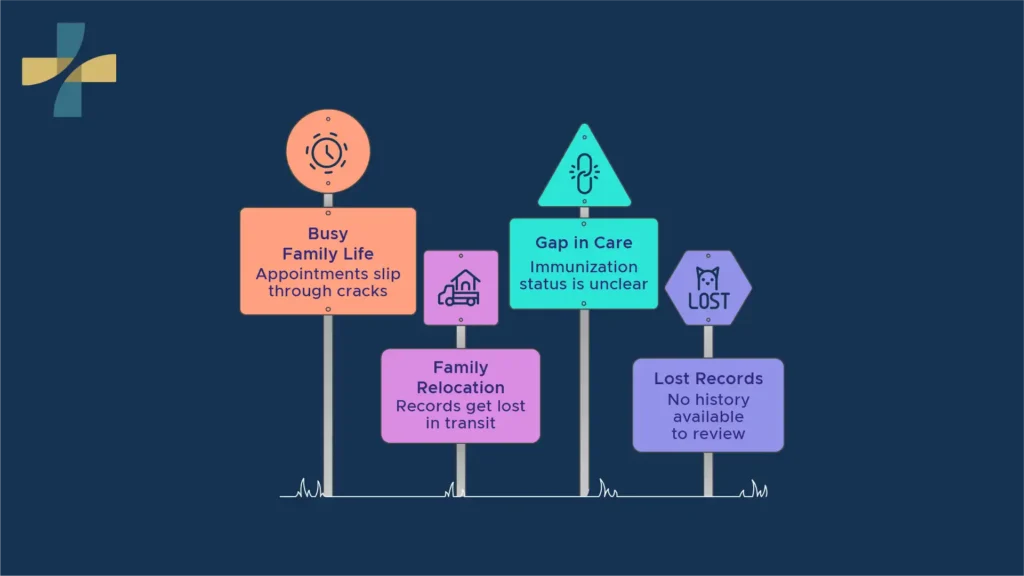
Life gets busy, families move, and sometimes a vaccine appointment slips through the cracks. If you’re worried about missed childhood vaccines BC families often face after a move, a gap in care, or simply a lost record, you are not alone, and it’s fixable. Many parents arrive at a pediatric visit unsure of what their child has already received. The good news is that a missed dose or two rarely means starting over. With the right information in hand, your child’s care team can quickly assess where things stand and build a safe, personalized catch-up plan. When catching up on immunization, having a dedicated pediatric appointment for immunization review is the safest way to ensure your child receives the exact vaccines they need without unnecessary duplicate doses. This guide walks you through why records get confusing, where to find them in BC, and exactly what to bring to your next pediatric appointment vaccines BC visit so nothing gets missed twice. Not sure where your child’s vaccine history stands? You can bring your child’s vaccine records to a doctor appointment to review your child’s immunization status today. Why vaccine records can be incomplete or confusing Vaccine records go missing or become fragmented for very ordinary reasons. Families relocate between provinces or countries, children switch doctors, and paper records get misplaced during a move or a busy school year. BC’s immunization system also involves multiple record-keepers. Public health units, family doctors, pharmacies, and schools may each hold a piece of the puzzle, but not always the full picture. Example Case: A family moves from Ontario to North Vancouver mid-school-year. Their son’s vaccine records were tracked by a public health nurse back home, but the paperwork never transferred automatically to BC’s system. Records may exist in another province’s registry, not BC’s Provincial Immunization Registry. Daycare or school forms may only reflect self-reported information, not confirmed doses. Paper booklets from early childhood are easy to lose after multiple moves or caregivers. Where parents can look for immunization records in BC Before your appointment, it’s worth checking a few key sources, since immunization details are often scattered rather than missing entirely. Start with Health Gateway, BC’s online portal that lets residents view certain health records, including some immunization history, linked to their Personal Health Number. Example Case: A parent logs into Health Gateway immunization record access before a pediatric visit and finds most vaccines listed, but notices the two-year vaccines are missing, likely because they were given at a walk-in clinic outside BC. Health Gateway – view select immunization records tied to your child’s PHN. Local public health unit – contact for records from community immunization clinics. Previous family doctor or pediatrician – request a transfer of the child’s medical file. If you are unsure whether you need a specialist or general clinic for this, reading about pediatrician vs family doctor differences can help clarify your options. School or daycare – may have a copy of forms submitted at registration. Child Health Passport – a paper booklet given at birth, often used to track early vaccines. What to bring to the appointment Bringing organized information, even if incomplete, helps your pediatric team build an accurate picture faster than starting from scratch. When preparing for your first pediatric appointment in Vancouver, having these documents handy saves time and reduces stress. Paper records, Health Gateway, school letters, and out-of-province records Gather whatever documentation exists; even partial records are genuinely useful. Do not worry about having a perfect, complete history before your visit. Bring these items if available: The Child Health Passport or any paper immunization booklet A printed or digital copy of the Health Gateway immunization record Any school vaccine record, BC letters or registration forms Records from another province or country (translated if not in English) Contact information for your child’s previous doctor or clinic Medical history, allergies, and previous reactions Vaccine planning also depends on your child’s broader health picture, not just which shots they’ve had. Be ready to discuss: Any allergies, especially to eggs, latex, or specific medications Previous reactions to vaccines, such as high fever or severe soreness. (If your child frequently spikes temperatures post-vaccination, knowing when fever in children requires medical advice can give you extra peace of mind). Chronic conditions or medications the child currently takes Whether the child is immunocompromised or has a weakened immune system Upcoming travel plans that might require additional or earlier vaccines Questions to ask about catch-up planning A pediatric appointment is the right time to ask direct questions so you leave with a clear plan rather than more uncertainty. Consider asking: Which missed childhood vaccines BC schedule recommend for my child’s age group? Can multiple vaccines be given in one visit safely? How many appointments will full catch-up likely require? Are there any vaccines that need extra spacing due to my child’s health history? Will this information be added to BC’s official immunization registry going forward? According to the BC Centre for Disease Control (BCCDC), catch-up immunization schedules are individualized by age and vaccine history, which is exactly why a documented review during a pediatric visit matters more than guessing at home. Example Case: A four-year-old who missed her 18-month vaccines does not need to restart the entire series. Instead, her doctor reviews her records, identifies the missing routine booster and kindergarten entry shots, and aligns them into a single, safe two-visit schedule. How pediatric and family care can support preventive health Addressing missed childhood vaccines BC parents worry about is just one part of a comprehensive preventive care routine. Having access to trusted paediatric care in North Vancouver ensures your child stays on track with routine growth checks, developmental milestones, and timely booster shots as they grow. A long-term care relationship allows your doctor to maintain accurate digital health records, reducing the chance of lost documentation in the future. Whether you require specialized pediatric evaluations or general family physician care for children, regular
Sleep Apnea Symptoms: When to See a Doctor About Your Chronic Fatigue
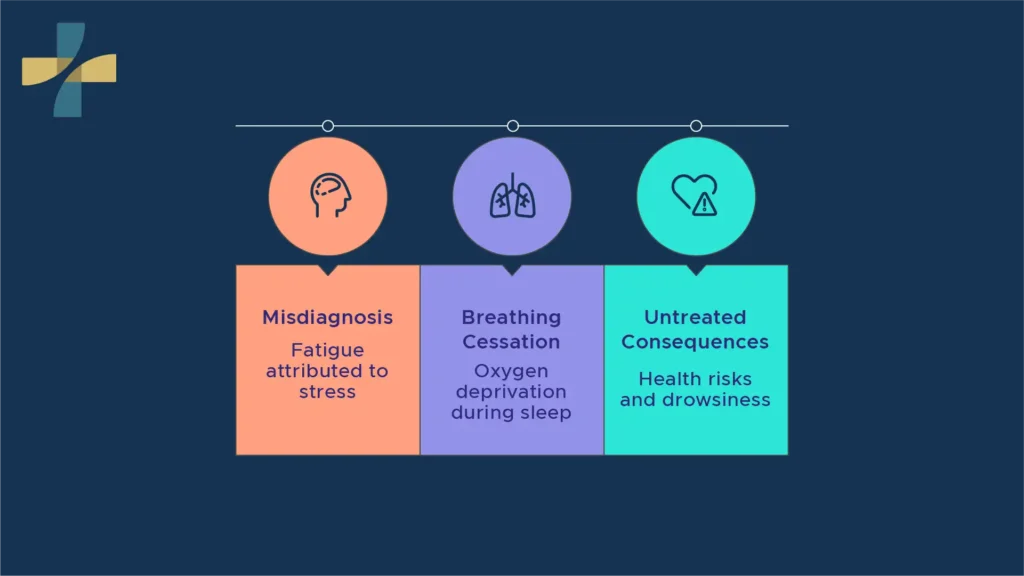
If you’re waking up exhausted no matter how many hours you sleep, you’re not alone. Many people search for answers about sleep apnea symptoms, only to be told their fatigue is “just stress” or “normal aging.” But persistent exhaustion, loud snoring, and morning headaches can point to something more serious: obstructive sleep apnea. Sleep apnea is more than an annoying snoring problem. It’s a condition where breathing repeatedly stops and starts during sleep, starving your brain and body of oxygen. Left untreated, it can lead to high blood pressure, heart disease, and dangerous daytime drowsiness. The good news is that trusted family physician care can help identify the signs of sleep apnea, including for BC residents, and guide you toward proper testing and treatment. Not sure if your fatigue is normal tiredness or something more? Book an appointment with a family doctor to discuss your symptoms. Warning Signs of Sleep Apnea Sleep apnea doesn’t always look the way people expect. It’s not just about snoring; it’s about how your body and mind function during the day. Common warning signs include: Loud, chronic snoring, especially with gasping or choking sounds Waking up with a dry mouth or headache Excessive daytime sleepiness, even after a full night’s sleep Difficulty concentrating or memory issues Irritability or mood changes Waking up multiple times during the night Example Case: David, a 42-year-old warehouse supervisor in Surrey, noticed he was falling asleep during afternoon meetings despite sleeping eight hours a night. His wife mentioned he snored loudly and sometimes seemed to stop breathing. These were classic signs of sleep apnea, BC sleep specialists later confirmed, after his family doctor referred him for testing. Snoring and fatigue doctor visits often start with a partner noticing symptoms first (learn more in our guide on What to Expect at Your First Family Physician Visit) Daytime sleepiness is frequently dismissed as unrelated to sleep quality Is Your Fatigue Something More? Everyone feels tired sometimes, but chronic fatigue that doesn’t improve with rest deserves attention. Understanding excessive daytime sleepiness causes can help you decide if it’s time to see a doctor. According to the Public Health Agency of Canada, sleep apnea affects an estimated 6.4% of Canadian adults, and many cases go undiagnosed for years. Fatigue caused by sleep apnea is different from ordinary tiredness. It’s a deep, persistent exhaustion that interferes with driving, working, and daily life. Example Case: Maria, a 35-year-old accountant, assumed her fatigue was from overwork and poor diet. After months of feeling “always tired,” she brought it up during a routine visit with her doctor in Vancouver. A few targeted questions revealed a pattern consistent with Chronic Fatigue Causes: When Is It a Medical Condition?, prompting a referral for a sleep study. If you find yourself relying on caffeine just to get through the day, or falling asleep at inappropriate times, it may be more than lifestyle-related fatigue. This is when consulting an always tired doctor in Vancouver or your local GP becomes essential. How a Family Doctor Diagnoses or Refers You Your family doctor is typically the first step in identifying sleep apnea. During your visit, they’ll review your symptoms, medical history, and risk factors such as weight, neck circumference, and family history. Doctors often use screening tools like the Epworth Sleepiness Scale or STOP-BANG questionnaire to assess your risk level. Based on your results, they may recommend a sleep study referral in BC to a certified sleep clinic. If underlying physical tension or posture strains are worsening your overall rest and muscle recovery, incorporating physiotherapy or targeted massage therapy can also support your wellness journey. Example Case: A 50-year-old teacher visited his family doctor complaining of morning headaches and poor concentration. After a physical exam and symptom questionnaire, his doctor identified several red flags and submitted a family doctor sleep apnea referral for further testing. Doctors assess BMI, neck size, and blood pressure as contributing factors (read more about High Blood Pressure Symptoms: Early Warning Signs You Shouldn’t Ignore) Referrals are typically covered under BC’s provincial health plan What Happens During a Sleep Study Once referred, most patients undergo a polysomnography test, either at a sleep clinic or through a home-based sleep apnea test in BC. This test monitors breathing patterns, oxygen levels, heart rate, and brain activity throughout the night. During an in-lab study, sensors are placed on your scalp, face, chest, and legs to track your body’s response while you sleep. Home sleep tests are simpler, using a portable device to measure oxygen saturation and airflow. Example Case: After his referral, David completed an overnight diagnostic examination, which confirmed moderate obstructive sleep apnea, allowing his medical team to map out an effective intervention plan. Treatment Options After Diagnosis Treating sleep apnea effectively usually involves a multi-pronged approach tailored to the severity of the obstruction. The gold standard for moderate-to-severe cases is Continuous Positive Airway Pressure (CPAP) therapy, which keeps your airway open using a steady stream of air. For milder cases or positional apnea, lifestyle adjustments such as weight management support through weight-loss programs, positional therapy, or oral appliance therapy fitted by a specialist can make a remarkable difference. In addition, addressing chronic stress or sleep anxiety through professional clinical counselling helps many patients stick to their long-term treatment routines and improve overall sleep hygiene. FAQ 1. What are the most common early indicators of sleep apnea? Common signs include loud chronic snoring, gasping or choking sensations during sleep, morning dry mouth, severe daytime fatigue, and irritability. If you notice these patterns, schedule a consultation via our online visits portal. 2. How does a family physician initiate a sleep study in British Columbia? Your family doctor will review your medical history, perform a physical assessment, and utilize screening questionnaires like STOP-BANG. If risk criteria are met, they submit a formal referral to a provincial sleep clinic or arrange for a home sleep monitoring kit. 3. Is sleep apnea testing
How Your General Practitioner Assists with Medical Notes and Absence Forms in BC
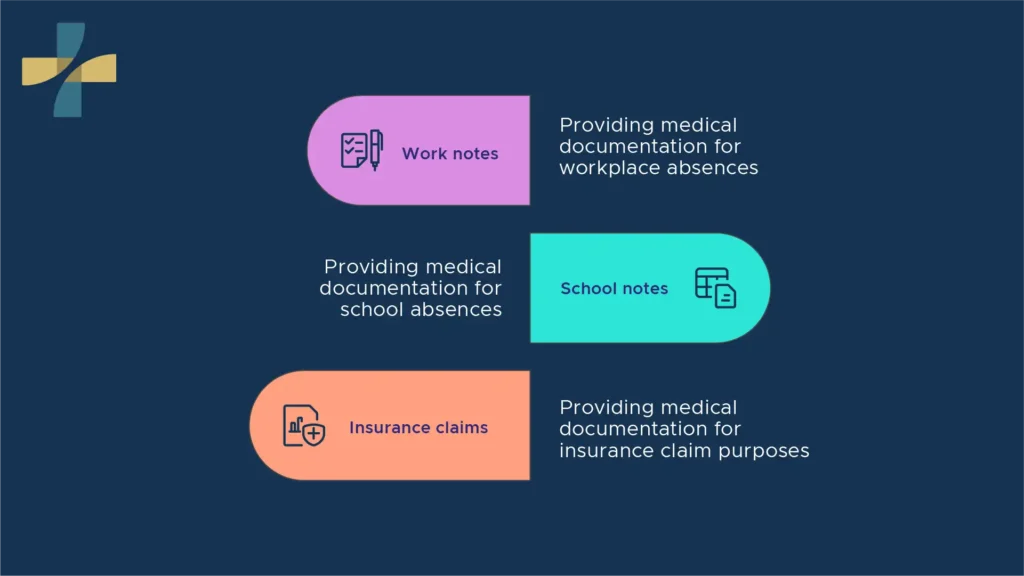
If you’ve ever called in sick and then worried about whether your employer would demand proof, you’re not alone. Understanding the doctor’s note BC rules 2026 is essential for every working British Columbian, especially with recent changes to how and when employers can request a medical note bc. Many employees still believe a sick note is mandatory for a single day off. In reality, BC’s Employment Standards Act has specific limitations designed to reduce unnecessary doctor visits and protect both workers and the healthcare system. Whether you need to request a doctor’s note or absence form or simply want to learn about your rights, your general practitioner plays a key role in this process, whether you need a note for work, school, or an insurance claim. To understand the broader scope of primary care, read What Services Does a Family Doctor Actually Provide? A Complete Guide to Primary Care in BC. Not sure if you need a note for your next sick day? Learn about BC’s sick note rules or book a same-week appointment with a Vancouver family physician care team to get clarity fast. BC’s New Rules on Sick Notes (2025/2026 Update) BC updated its approach to medical documentation to ease pressure on walk-in clinics and family doctors. According to official updates from BC Employment Standards Act amendments (2025), the changes clarify when documentation is truly necessary and aim to prevent employers from demanding notes for short, routine absences. Under the Employment Standards Act, employees are entitled to unpaid job-protected leave for illness or injury. Employers still have some rights to request reasonable proof, but the rules now emphasize flexibility rather than automatic paperwork for every sick day. Example Case: Sarah works in retail in Burnaby and took two sick days for the flu. Her employer initially asked for a doctor’s note, but under the updated guidance, a text message or verbal confirmation was accepted as reasonable proof instead. If you are unsure whether your situation requires a clinic visit, check our guide on General Practitioner vs Walk-in Clinic: Which One Should You Visit? Employers cannot arbitrarily demand a note for every single absence. “Reasonable” proof may include a signed statement, not always a formal medical certificate. Longer absences (5+ days) more commonly require formal documentation. When Can Your Employer Actually Request One? Employers in BC can ask for reasonable proof of illness, but this doesn’t always mean a formal doctor’s note. The Employment Standards Act gives employers the right to request documentation, but it must be practical and not create unnecessary barriers. Guidance reported by CBC News highlights that many employment lawyers now advise companies to accept alternative proof for short absences, reserving formal medical certificates for extended leave or recurring patterns of absence. Example Case: A Vancouver tech company updated its HR policy in 2025 to only request a medical absence form BC documentation after three consecutive sick days, reducing walk-in clinic congestion and improving employee trust. For workplace injuries, specific forms apply; learn more in our detailed article on Everything You Need to Know About WorkSafeBC Forms in Vancouver. Short-term absences (1-2 days): A note is not usually required. Extended absences: Formal documentation is standard. Repeated absences: Employer may request a pattern review, sometimes involving HR and a medical note bc. How to Get a Doctor’s Note in Vancouver Getting a sick note from a family doctor bc visit is straightforward if you know where to go. Most walk-in clinics and family practices in Vancouver offer same-day or next-day appointments specifically for absence documentation. Booking with your regular GP is ideal since they already have your medical history, making the process faster and more accurate for insurance or HR purposes. If you need assistance beyond a basic note, such as physical rehabilitation after an injury, explore our physiotherapy and kinesiology services. Example Case: James, a Vancouver-based marketing professional, needed a doctor’s note for school for his teenage daughter after a week-long illness. His family clinic provided both a medical note and a return-to-school clearance in a single 15-minute appointment. Steps to get your note: Call ahead or book online with your GP or a local walk-in clinic (or schedule via online visits for convenience). Explain the reason for the visit (work, school, or insurance). Request the specific form required by your employer or institution. Ask for a copy for your own records. Cost of Medical Notes and Absence Forms The sick note cost bc can vary depending on whether you’re a Medical Services Plan (MSP) enrolled patient and what type of documentation you need. MSP does not typically cover the cost of writing a sick note, since it’s considered a non-insured service under guidelines established by BC Family Doctors. Most Vancouver clinics charge a flat fee for standard notes, though complex forms (like disability or insurance forms) can cost more due to the additional time required. Example Case: A downtown Vancouver clinic charges $25 to $40 for a basic medical note bc, while a detailed medical certificate for work absence documentation involving multiple health assessments can range from $50 to $100. Final Thoughts on BC Sick Note Rules Staying informed about the doctor’s note BC rules 2026 helps you avoid unnecessary clinic visits, understand your rights as an employee, and know exactly what to expect when documentation is truly required. Whether you need a simple medical note bc for a short absence or a formal medical absence form BC for extended leave, your family doctor is your best resource for accurate, timely paperwork. Navigating workplace forms, routine health check-ups, or specialized care doesn’t have to be stressful. If you are looking for dedicated primary care or need help securing your medical documentation, contact us today to book an appointment with our experienced medical team. Frequently Asked Questions 1-Can my employer ask for a sick note in BC even for one day off? Technically, yes, under the Employment Standards Act, employers retain the right to request
Essential Family Doctor Services for Mental Health and Anxiety Support
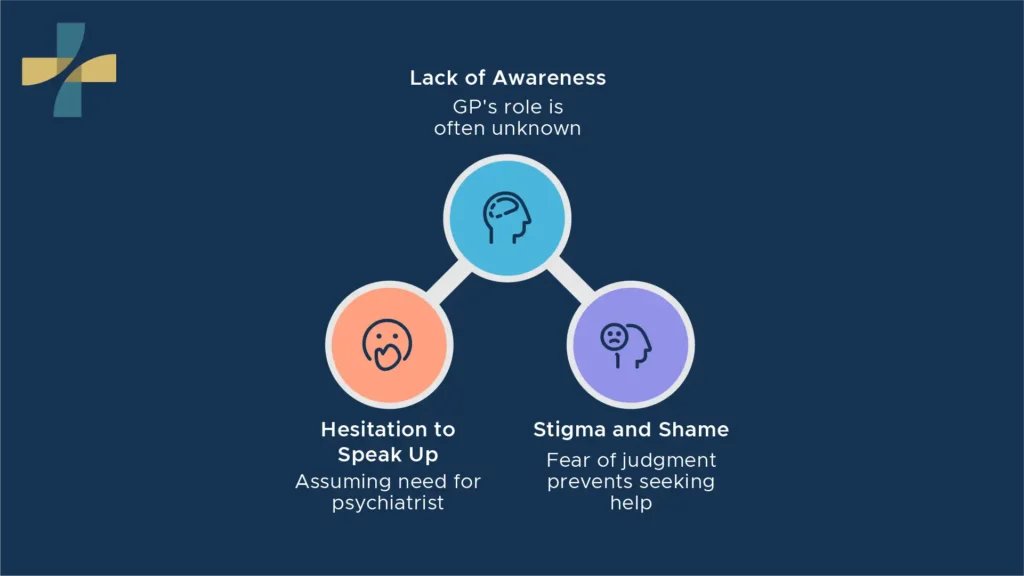
If you have been lying awake at night with racing thoughts, feeling constantly on edge, or noticing that worry is creeping into every part of your day, you may be wondering who to turn to first. Finding a family doctor for anxiety and mental health bc residents already trust can be the most effective and reassuring step toward regaining control over your life. Anxiety is one of the most common reasons Canadians visit their primary care provider, yet many hesitate to speak up because they assume they must see a psychiatrist right away. In reality, your GP is fully trained to screen, diagnose, and manage primary care mental health needs, guiding you through a personalized treatment plan that feels manageable and supportive. If anxiety is impacting your everyday well-being, book a mental health check-in or schedule an online visit with our team at NVMed Center today. Can a Family Doctor Help With Anxiety? Yes, absolutely. A family doctor for anxiety and mental health bc patients’ visits are often the ideal first point of contact for generalized anxiety, panic attacks, depression, and stress management. They offer a holistic approach, evaluating your physical health to rule out underlying issues like thyroid imbalances while addressing your emotional well-being. Can a family doctor help with anxiety? They certainly can. Many individuals find it far less overwhelming to talk to a family doctor about anxiety in a familiar setting rather than navigating an unfamiliar specialist network on their own. Example Case: Sarah, a 34-year-old marketing professional in Vancouver, began experiencing chest tightness and constant worry before important meetings. Instead of waiting months for a specialist, she discussed her symptoms during a routine checkup at NVMed Center. Her GP performed a quick physical check, conducted a structured screening, and built an actionable coping plan with a two-week follow-up. This step-by-step approach reflects the quality mental health support Vancouver clinics provide to help patients step back into daily life with confidence. What to Expect at a Mental Health Appointment Talking to a doctor about anxiety for the first time might feel daunting, but the conversation is structured to be private, gentle, and judgment-free. Your doctor will listen to your concerns, discuss how long you’ve been experiencing symptoms, and evaluate how they affect your work, relationships, and routine. To get an accurate baseline, your physician may use validated medical assessments, such as the GAD-7 anxiety scale or the PHQ-9 depression screening tool. Example Case: A first-time patient visiting our clinic for sudden panic symptoms can expect: A warm, private conversation about personal history and lifestyle triggers. Completion of a brief standardized screening form. A review of contributing factors like sleep habits, work stress, and physical health. A tailored care plan that may blend medical guidance with a counselling referral bc. If you’re unsure where to begin, What to Expect at Your First Family Physician Visit offers a helpful walkthrough. You don’t need a perfectly rehearsed explanation; simply stating “I’ve been feeling overwhelmed lately” is enough for your physician to take the lead. Medication and Treatment Options A primary care physician can evaluate whether pharmaceuticals are appropriate for your care. GPs prescribe anxiety medication options such as SSRIs, SNRIs, or short-term anti-anxiety treatments based on your specific health history and symptom severity. Beyond medication, primary care focuses heavily on integrative treatment strategies. Research from the Canadian Mental Health Association (CMHA) highlights that most people with mild-to-moderate anxiety thrive through a combination of primary care oversight, cognitive strategies, and targeted therapeutic support. Example Case: A patient dealing with moderate anxiety might begin with a stepped-care strategy: Lifestyle modifications combined with professional therapy through our clinical counselling services. Incorporating complementary treatments like acupuncture or physiotherapy to relieve stress-induced muscle tension. A 4-to-6-week progress check to determine if low-dose medication is needed. This adaptable care pathway ensures you receive consistent support without jumping straight into complex interventions. When You’ll Be Referred to a Specialist While a family doctor for anxiety and mental health bc provider can manage the majority of anxiety cases, certain circumstances benefit from specialized care. If symptoms are severe, complex, or unresponsive to initial treatments, your GP will coordinate a referral to a psychiatrist or clinical psychologist. Understanding when to see a psychiatrist vs. a family doctor helps maintain realistic expectations: Family Physician: Handles initial diagnoses, lab work, continuous care management, lifestyle guidance, and standard medication prescriptions. Psychiatrist: Focuses on severe, treatment-resistant conditions, complex medication adjustments, or specialized psychiatric evaluations. Even when a referral is made, your family doctor remains your primary health advocate, managing ongoing routine care and monitoring your overall progress. Is Mental Health Care Covered by MSP? In British Columbia, diagnostic evaluations, mental health assessments, and ongoing management provided by your family doctor are fully covered under the Medical Services Plan (MSP). This ensures that speaking with your doctor, adjusting medications, and obtaining specialist referrals incur no out-of-pocket costs. However, private clinical counselling or psychotherapy sessions are generally not covered directly by MSP. Many patients bridge this gap using extended health benefits, workplace insurance, or dedicated coverage plans. If your anxiety stems from an auto accident or physical injury, specialized programs like our ICBC medical assessment services can help cover rehabilitation and mental recovery care. For a deeper breakdown of provincial coverage, read our guide on What Insurance Covers Primary Care in BC (MSP). Frequently Asked Questions 1. Can a family doctor diagnose anxiety and depression in BC? Yes. Family doctors in British Columbia are fully qualified to assess, diagnose, and treat both anxiety and depression using standardized clinical tools like GAD-7 and PHQ-9. They can also order blood tests to rule out underlying physical causes like thyroid disorders or vitamin deficiencies. 2. How do I ask my family doctor for mental health help? You can simply book a standard appointment and let the receptionist or doctor know you’d like to discuss your mental health. Starting with a simple sentence like “I’ve been feeling extremely
How Often Should You See Your General Practitioner for Routine Checkups?
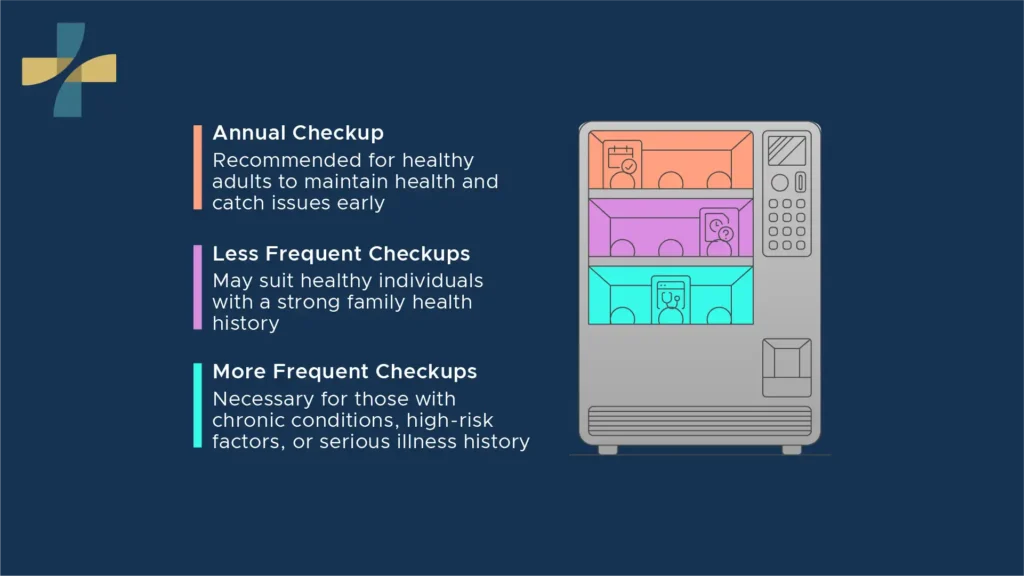
If you’re asking how often should you see your doctor for checkups, you’re not alone. Many healthy adults assume they only need to visit their GP when something feels wrong, while others believe an annual checkup frequency in BC is non-negotiable. The truth sits somewhere in between, and it depends on your age, health history, and personal risk factors. Routine checkups aren’t just about catching illness early. They’re about building a relationship with a doctor who understands your baseline health, so subtle changes get noticed before they become serious problems. Getting the routine physical exam frequency right means you’re not overloading the healthcare system unnecessarily, but you’re also not missing important preventive care windows. Not sure when your last checkup was due? Book your routine checkup with a GP near you and get back on track. Do Healthy Adults Need Annual Checkups? The idea of a mandatory yearly physical is actually a bit outdated. Research, including preventive care schedule guidelines referenced by Canadian health authorities like HealthLink BC, shows that healthy adults with no chronic conditions don’t necessarily need a full annual exam. Instead, most guidelines now recommend a tailored approach based on age, lifestyle, and screening needs rather than a blanket “once a year” rule. That said, “no annual checkup needed” doesn’t mean “no checkups at all.” Preventive visits still matter for blood pressure monitoring, vaccination updates, and screening reminders. To learn more about what tests are recommended at your stage of life, read our guide on Preventative Health Screenings Recommended by Family Physicians. Example Case: A healthy 32-year-old with no family history of chronic disease may only need a GP visit every 1–2 years, supplemented by specific screenings like blood pressure checks or dental and vision exams on their own separate schedules. Low-risk adults (18–39): every 1–3 years, depending on screening needs Adults with any chronic condition: annually at minimum, often more frequently Checkup Frequency by Age and Risk Factors Checkup frequency isn’t one-size-fits-all. As you age, or if you develop risk factors like high blood pressure, diabetes, or a family history of certain cancers, your GP visit schedule should adjust accordingly. According to preventive care schedules used by many clinics, here’s a general framework for checkup frequency across Canada: Example Case: A 55-year-old with borderline high cholesterol and a family history of heart disease may be advised to see their Family Physician Care provider every 6 months for bloodwork and blood pressure monitoring, rather than a standard annual visit. Ages 18–39 (low risk): every 1–3 years Ages 40–64: annually, or more often with risk factors (such as Men’s Health Screening Over 40 or Women’s Preventive Health Screening) Ages 65+: preventive care becomes increasingly important, with visit frequency and screening needs tailored to your health, medications, risk factors, and age-appropriate recommendations. Senior Drivers in BC may also require dedicated assessments. People with chronic conditions such as diabetes, hypertension, or heart disease may need GP visits every 3–6 months or at other intervals, depending on disease control, treatment, and individual risk factors. You can learn how continuous medical support helps in our article on How General Practitioners Help Manage Chronic Conditions. What a Routine Checkup Includes Knowing how often you should book a physical exam is only half the picture. Understanding what actually happens during the visit helps you get the most value out of it. If you’re visiting a new clinic, check our overview on What to Expect at Your First Family Physician Visit. A standard wellness exam schedule typically includes a review of your medical history, vital signs, and a physical assessment tailored to your age and risk profile. Routine bloodwork frequency also varies. Most healthy adults have bloodwork done every 1–2 years, while those managing chronic conditions may need it every 3–6 months. To see which blood tests are typically ordered, review our breakdown on Annual Physical Exam: What Blood Tests Are Included and Why They Matter. Example Case: During a routine physical exam, a 45-year-old patient might receive a blood pressure check, cholesterol panel, blood sugar test, and a discussion about updating vaccinations, all within a single 30-minute appointment. Medical history review and lifestyle discussion Blood pressure, heart rate, and weight check Bloodwork (cholesterol, glucose, thyroid, as needed) Cancer screenings appropriate to age and gender Vaccination status review Mental health and lifestyle check-in When You Should See Your GP More Often Certain life circumstances call for more frequent visits, regardless of your age or general health status. Pregnancy, new chronic diagnoses, medication changes, and post-surgical recovery all warrant closer monitoring. If you notice persistent symptoms such as Palpitations and Irregular Heartbeat, unexplained fatigue, or ongoing joint pain—don’t wait for your next scheduled checkup. In cases of potential cardiac arrhythmias, your doctor might recommend specialized diagnostic tools like Holter Monitoring Assessments. For musculoskeletal issues, integrating Physiotherapy or holistic pain relief options like Acupuncture into your care plan can speed up recovery. Example Case: Someone recently diagnosed with type 2 diabetes may need to see their GP every 3 months initially to monitor blood sugar levels and adjust medication, tapering to less frequent visits once stable. Newly diagnosed chronic conditions Pregnancy and postpartum care Starting or adjusting medications Family history of serious illness (cancer, heart disease) Mental health concerns requiring monitoring or specialized Clinical Counselling Finding Your Optimal Checkup Schedule So, how often should you see your doctor for checkups? For most healthy adults, how often should you see your doctor for checkups comes down to your personal baseline: low-risk individuals typically require a visit every 1–3 years, while those managing chronic conditions, unique health risks, or requiring routine screening need annual or quarterly checkups. Staying proactive with your primary care team ensures catchable health issues are identified early. Schedule your annual physical today at NV MedCenter to personalize your health schedule. FAQ 1-How often should you see your doctor for checkups if you feel completely healthy? If you are under 40 and have no underlying
Can You Have a Family Doctor and Still Use Walk-In Clinics in Vancouver?
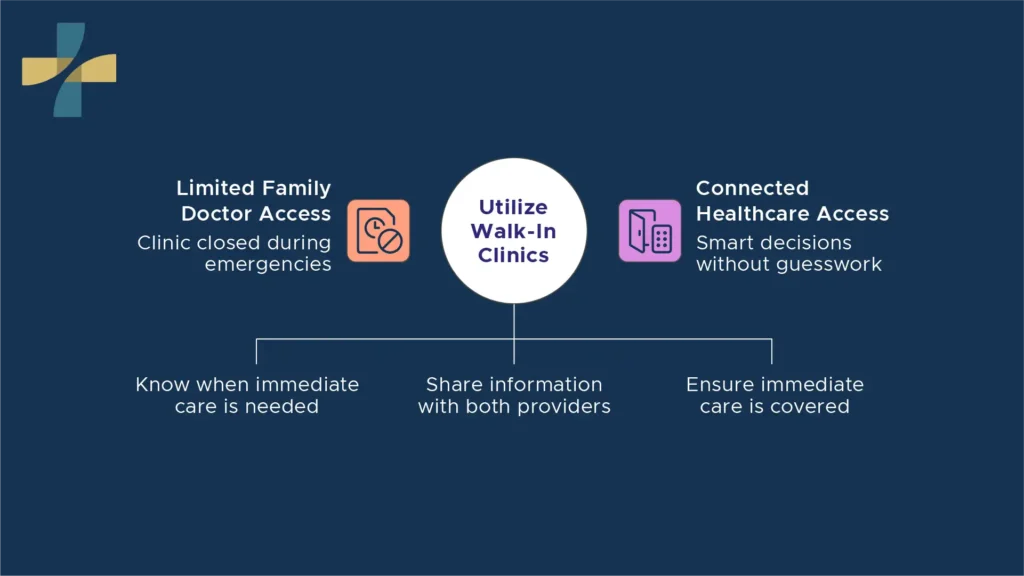
You finally landed a family doctor in Vancouver no small feat, given the current healthcare shortage. But then your child spikes a fever on a Sunday, or you tweak your back the night before a big presentation, and your clinic is closed. Naturally, the question pops up: can I use a walk-in clinic if I have a family doctor, or does that somehow break the rules of primary care in British Columbia? The short answer is yes, you absolutely can use both. There is no policy in BC that locks you into a single provider or revokes your roster spot for seeking immediate help elsewhere. What matters is knowing when a walk-in visit makes sense, how to keep your medical care connected, and whether your Medical Services Plan (MSP) still covers you. This guide breaks it all down so you can make smart decisions without the guesswork. Not sure if your situation needs a walk-in visit or a same-day appointment with your own doctor? Book with your family doctor first or learn how to use walk-in care alongside your GP to ensure seamless care. Is It Okay to Use Both? Yes, it is completely okay, and it is far more common than most people realize. Family physicians in Vancouver often have limited clinic hours, and many do not offer evening or weekend slots. Walk-in clinics exist specifically to fill those gap periods. They are not designed to replace your Family Physician Care; rather, they complement it when timing or urgency does not line up. If you are asking yourself, “Can I use a walk-in clinic if I have a family doctor?” the answer remains a reassuring yes, especially when speed is top priority. Example Case: Maria has a family doctor in East Vancouver whom she sees for routine checkups, prescription renewals, and managing long-term health issues. When her son developed sudden ear infection symptoms on a Friday evening, she couldn’t wait until Monday. She brought him to a local walk-in clinic, while keeping her ongoing consultations with her primary doctor completely safe. Her primary doctor relationship stayed 100% intact. The walk-in visit addressed an immediate, time-sensitive issue (and her doctor was updated later). Using a walk-in clinic and family doctor together bc created zero coverage conflicts or penalties. Using a walk-in clinic and family doctor together is a standard, recognized approach within the provincial health system, particularly in a fast-paced city where same-day appointments with your primary GP aren’t always guaranteed. When a Walk-In Visit Makes Sense Walk-in medical facilities are ideal for urgent conditions that cannot wait days for an open slot, yet aren’t critical enough to warrant an emergency department visit. Knowing when to use a walk-in clinic instead of a family doctor helps you avoid unnecessary stress, long hospital waits, and system overload. Good reasons to choose a walk-in clinic or an Online Visit include: Your regular GP is fully booked for days or weeks. You require after-hours care in Vancouver or over the weekend. You are dealing with a minor injury, sudden rash, or acute sinus infection symptoms. You need rapid assessment for a minor pediatric illness, such as fever in children (if your regular Paediatrics provider is off-duty). You are traveling away from your primary neighborhood clinic. You require urgent evaluation for acute mechanical issues like lower back pain where immediate advice or a referral to Physiotherapy is needed. Example Case: James, a downtown resident, sprained his ankle on a Saturday afternoon. With his primary clinic closed, he visited a walk-in center, received an assessment, and was given direct advice on recovery. While walk-in care is great for minor issues, remember that severe chest pain, major trauma, or sudden neurological deficits require an urgent primary care centre or immediate ER visit. According to guidelines from the Canadian Medical Association, choosing the appropriate care setting ensures resources remain available for severe emergencies. How to Keep Your Family Doctor in the Loop Maintaining continuity of care is essential for long-term wellness. Your family doctor builds a comprehensive understanding of your medical history over time. Unrecorded walk-in visits can lead to redundant diagnostic tests, dangerous prescription interactions, or split care plans. Here is how to ensure smooth continuity of care in family doctor workflows when utilizing both options: Tell the walk-in doctor about your family doctor: Always tell the walk-in doctor about your family doctor. Most clinic software in BC can automatically send consultation summaries to your primary physician if you provide their name and clinic location. Request shared medical records: Make sure to confirm that notes, lab requisitions, or imaging reports are transmitted to your primary file. Protecting your shared records prevents missing pieces in your health record. Follow up during your next regular visit: Whenever you book a routine appointment or discuss broader topics such as Preventative Health Screenings Recommended by Family Physicians, mention any recent walk-in visits so your chart stays up to date. Still wondering, “Can I use a walk-in clinic if I have a family doctor without losing my continuity of care?” Absolutely, as long as you keep communication open between both providers. Does This Affect Your MSP Coverage? This is where a lot of confusion arises, and getting the facts straight matters for your peace of mind. Is a walk-in clinic covered by MSP if I have a family doctor? Yes, as long as the walk-in clinic doctor is enrolled with the Medical Services Plan (MSP) and you hold active BC MSP coverage, your visit is fully covered. You will not receive a surprise bill, nor will you be penalized for seeking necessary episodic care outside your regular clinic. Under BC’s healthcare model, physicians bill MSP directly for the services provided. While your family physician manages your longitudinal care, visiting a walk-in clinic simply registers as an episodic visit. Neither your coverage nor your enrollment status with your primary clinic is cancelled simply because you sought urgent care elsewhere. Knowing what
When Should Your General Doctor Refer You to a Specialist in BC?
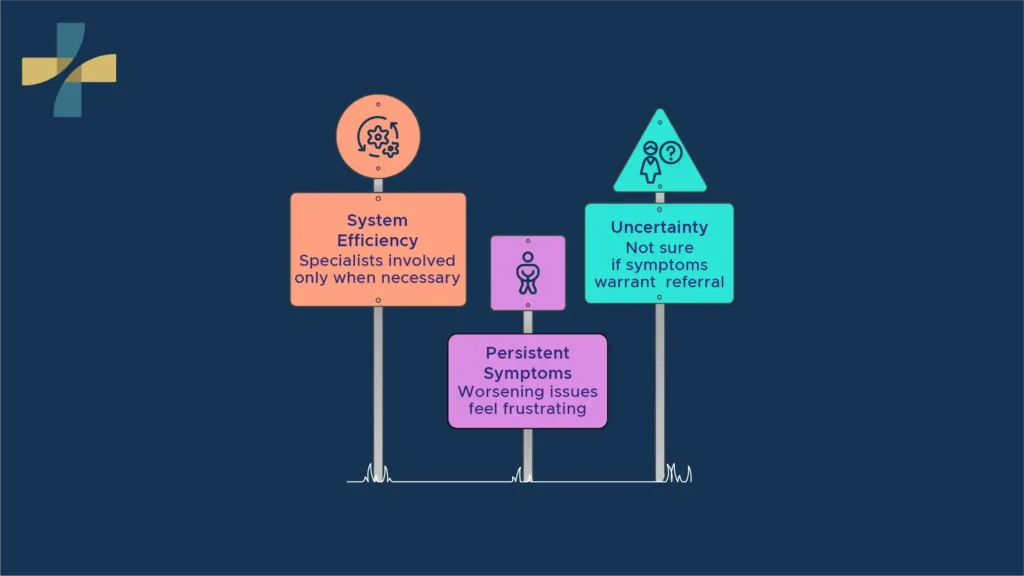
If you’ve ever left a primary care appointment wondering why you weren’t sent straight to a specialist, you’re not alone. Understanding when does a family doctor refer to a specialist in British Columbia can help you set realistic expectations and empower you to advocate for your own care. British Columbia’s healthcare system relies on family physicians to manage most day-to-day health concerns and only involve specialists when truly necessary. This model keeps the system efficient, but it can feel frustrating if you’re dealing with a persistent or worsening issue. Knowing how the referral process actually works puts you in a better position to navigate it. If you are currently experiencing new or changing symptoms, learning what to expect at your first family physician visit is a great starting point. Need Clarity on Your Care Pathway? Not sure if your symptoms warrant a specialist? Ask about a specialist referral or learn how our referral process works by booking a consultation with our primary care team today. The Family Doctor’s Role as Gatekeeper In BC, family doctors act as the entry point to the entire healthcare system. This is often referred to as the gatekeeper model, designed to ensure that specialists focus their time on complex cases that strictly require advanced expertise. Your GP is comprehensive in their approach, trained to evaluate, diagnose, and treat the vast majority of health issues. Only when a condition falls outside their clinical scope, requires specialized testing, or isn’t responding to standard care will they initiate a referral. Example Case: A patient visits their primary care provider with ongoing joint pain: The physician first orders targeted bloodwork and an X-ray to rule out common mechanical or inflammatory causes. If diagnostic results point toward a systemic autoimmune condition like rheumatoid arthritis, the doctor refers the patient to a specialist rheumatologist. This gatekeeper role isn’t about creating unnecessary hurdles. It guarantees continuity of care and prevents specialist clinics from becoming overloaded with conditions that can be safely managed through family physician care. Common Reasons for a Specialist Referral To understand when does a family doctor refer to a specialist, it helps to look at the clinical triggers that prompt a formal referral letter. Physicians typically initiate a specialist consultation when a diagnosis remains unclear after baseline testing, when a condition requires advanced procedural intervention, or when first-line management plans stall. Example Case: A patient presents with severe, recurrent headaches: Initial Care: Trialling evidence-based medications and lifestyle modifications over 8–12 weeks. Referral Trigger: Minimal symptom relief, prompting a referral to a neurologist to rule out complex neurological disorders. Urgent Escalation: Sudden abnormal neurological findings that mandate specialized diagnostic imaging. Other clear triggers include suspected oncology cases requiring immediate specialized input, severe complex mental health concerns needing psychiatric evaluation (though many mild-to-moderate mental health challenges are managed via clinical counselling), and chronic conditions like uncontrolled diabetes or severe cardiovascular issues. For example, if you experience sudden chest fluttering or an irregular heartbeat, your physician might coordinate initial diagnostics like holter monitoring for arrhythmia before deciding if a cardiologist referral is necessary. How Long Referrals Take in BC Specialist wait times across BC vary significantly depending on the medical specialty and the clinical urgency assigned to the case. While critical cases move quickly, routine consultations can involve a waiting period. According to official guidelines on government BC referral pathways, urgent conditions such as suspected malignancies are prioritized to ensure patients are evaluated within days or weeks. Conversely, non-urgent referrals for elective procedures or stable chronic conditions in fields like orthopedics or dermatology can take several months. Example Case: A patient seeking a routine dermatology consult for mild eczema may wait 3 to 6 months. A patient presenting with a suspicious, rapidly changing skin lesion flagged as urgent by their GP is typically seen within 1 to 2 weeks. Your family doctor’s initial submission is critical here. A comprehensive referral letter that explicitly outlines key symptoms, preliminary lab results, and triage urgency directly influences how specialist triage nurses prioritize your appointment. Is a Referral Covered by MSP? Many patients worry about whether specialist care involves out-of-pocket costs. Does MSP cover specialist referral services in BC? Yes. As long as your specialist is enrolled with the Medical Services Plan (MSP) and the consultation is deemed medically necessary, the visit is fully covered under MSP primary care coverage. You will not be charged for the referral letter generated by your family doctor, nor will you pay out-of-pocket for the specialist’s initial assessment. Example Case: A patient referred to a cardiologist for persistent chest tightness. He pays $0 for the consultation, provided the specialist bills MSP directly and the assessment is medically grounded. Note: Elective cosmetic interventions, non-covered therapies, or certain private assessments fall outside MSP coverage. However, many allied healthcare services such as rehabilitative physiotherapy, structured kinesiology, targeted acupuncture, or therapeutic massage therapy can be accessed directly, often covered by extended health plans or specialized coverage like an ICBC medical assessment. Can You See a Specialist Without One? Patients frequently ask: Can I see a specialist without a referral in BC? The short answer depends entirely on the stream of care you are seeking: public vs. private. Within the public MSP-funded system, you cannot see a specialist without a referral from a licensed family physician or nurse practitioner. MSP will not cover specialist fees without a formal referral on file. However, within the private sector, certain practitioners such as private psychiatrists, dermatologists offering non-insured services, or allied health providers do accept direct patient bookings without a GP referral. Example Case: A patient seeking a private specialist outside the public MSP system can self-refer directly to a private clinic for accelerated access, though services must be paid out-of-pocket or via third-party insurance. If you are unsure whether your health concerns require a specialist or can be effectively treated in a primary care setting, exploring what services a family doctor actually provides can help you
How to Transfer Your Medical Records to a New General Doctor in BC
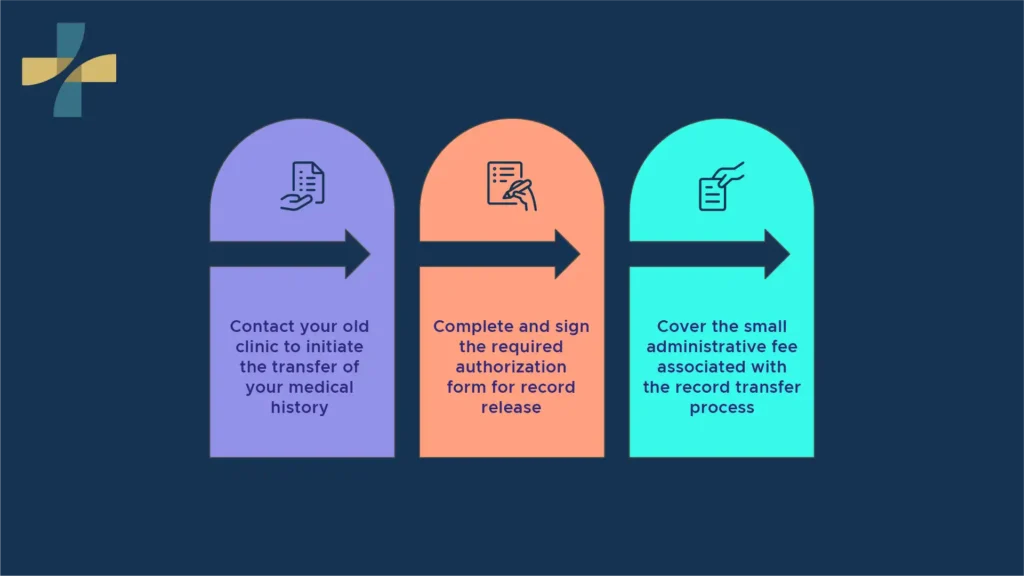
Switching family doctors can feel overwhelming, especially when you’re not sure what happens to years of medical history sitting in your old clinic’s files. If you’re trying to figure out how to transfer medical records to a new doctor bc, you’re not alone. Thousands of British Columbians change doctors every year due to relocation, retirement, or simply needing a better fit for their personal health journey. The good news is that transferring your medical records is a fairly straightforward process once you know the steps. It typically involves requesting your file, signing a consent form, and sometimes paying a small administrative fee. Whether you are transitioning to learn how to transfer your medical records to us or setting up care at a new facility, this guide walks you through exactly what to expect so your new physician has everything they need to continue your care without gaps. Already found a new clinic? Make sure your first appointment goes smoothly by having your records ready. Learn how to switch your family doctor to NV Med Center today. When You’d Need to Transfer Medical Records Not every doctor change requires a full file transfer, but most do. If you’re establishing ongoing care with a new general practitioner, your complete medical history helps them make informed decisions from day one. Common situations where a transfer is necessary: Example Case: Sarah relocated from Ontario to Vancouver for work. She found a new clinic that offered ongoing primary care, but the clinic had no record of her past diagnoses, medications, or allergies. Moving to a new city or province within BC Your family doctor has retired or closed their practice You’re unhappy with your current care provider and want a new one You need specialist referrals or ICBC Medical Assessments that require accurate medical history You are navigating the process of moving to bc medical records and need to establish long-term care Without your records, your new doctor may have to repeat tests, ask you to recall medication histories from memory, or miss important context about chronic conditions. Transferring your file protects continuity of care and avoids unnecessary delays. If you are wondering what happens during your initial consultation, read our guide on what to expect at your first family physician visit. Step 1 | Request Records From Your Old Doctor The first step is contacting your previous clinic directly, either by phone, email, or in person. Most clinics have a standard process for handling these requests. When you request records from your old doctor’s office, be prepared to provide identifying information such as your full name, date of birth, personal health number (PHN), and the address of the new clinic where records should be sent. Understanding what services does a family doctor actually provide will help you know which specific diagnostic files or history charts are most important to request. Example Case: James switched clinics after his doctor moved practices. He called the old clinic’s front desk, requested a transfer, and was told to complete a records release form before anything could be sent. Ask whether the clinic sends records directly to your new doctor or gives them to you Confirm what format they use (paper copies, secure fax, or electronic medical record/EMR export) Request a summary of your health history if a full chart isn’t necessary Some clinics require you to formally submit a medical file transfer form bc through your new doctor’s office instead, so it’s wise to clarify the exact workflow with both reception desks. Step 2 | Sign a Consent Form Privacy laws in BC require your explicit written permission before any medical facility releases your personal health information. This is where a patient consent form for medical records authorization becomes essential. This document legally authorizes your old doctor to release your chart and grants your new doctor permission to receive it. Without this signed consent, clinics are strictly prohibited from transferring any part of your chart under provincial privacy regulations. Most clinics provide their own version of this form, though the general information required stays consistent across BC: Your full legal name, date of birth, and Personal Health Number (PHN) The name and contact details of your previous doctor or clinic The name and contact details of your new doctor or clinic Your signature and the date Once signed, the form is sent to your old clinic to process the release. If you are managing long-term conditions like hypertension or diabetes, ensure your records transfer quickly so your new provider can seamlessly continue your Chronic Care Management. Costs and Timelines for Record Transfers One of the most common questions patients ask is about the medical records transfer fee bc clinics charge. Since family doctors in BC operate as independent practitioners, administrative transfer fees are not standardized or covered by the Medical Services Plan (MSP). Most clinics charge somewhere between $25 and $75 for a full records transfer, though simple chart summaries may cost less. This fee covers administrative overhead, secure file retrieval, printing, and encrypted transmission. According to the official guidelines from the College of Physicians and Surgeons of BC, physicians are permitted to charge a reasonable administrative fee for reproducing and transferring medical records, as chart transfers fall outside of publicly funded MSP care. Example Case: When Priya switched clinics in Kelowna, her old doctor’s office charged her $40 for a complete file transfer, which was processed and sent electronically within 10 business days. Typical timelines look like this: Digital EMR transfers: often completed within 5 to 10 business days Paper file requests: can take 2 to 4 weeks depending on clinic staffing and archive storage Urgent transfers: some clinics offer expedited processing if required for immediate treatment If you have an upcoming appointment, start the request at least three weeks in advance to avoid delays. If you need immediate care while waiting for your transfer to complete, you can utilize an Online Visit or consult our guide on general
What Is the Difference Between a Family Doctor and a General Practitioner?
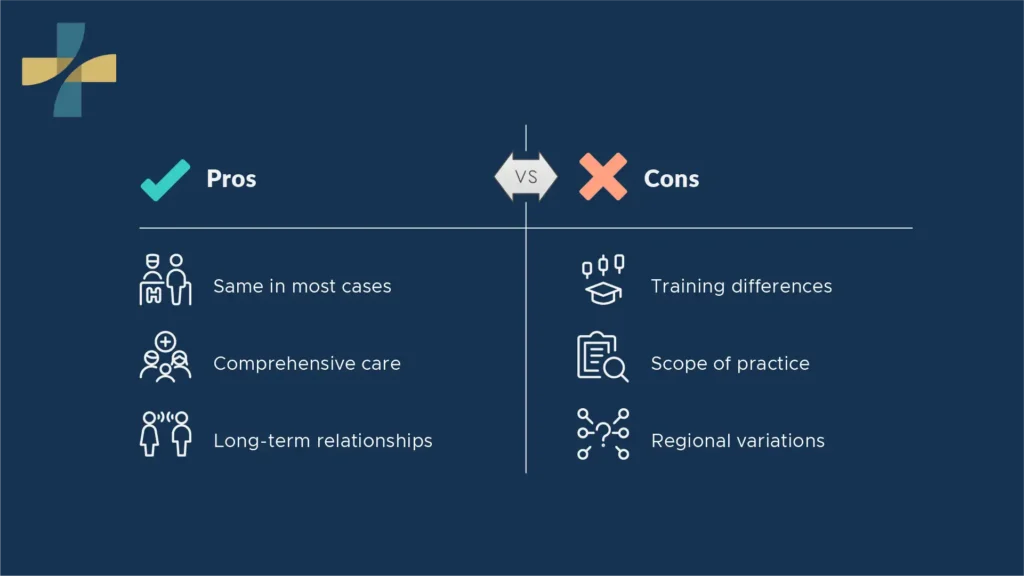
You’re booking a checkup, filling out a form, or searching for a clinic near me, and suddenly you’re stuck on one word: should you be looking for a family doctor or a general practitioner? If you’ve ever paused and wondered if a GP is the same as a family doctor, you’re not alone. The confusion around family doctor vs general practitioner trips up patients across Canada and beyond, especially when clinic websites, insurance forms, and referral letters all seem to use different labels. Here’s the good news: in most everyday situations, these terms describe the same type of medical professional. But there are subtle distinctions worth understanding, especially when it comes to training, general practitioner scope of practice, and how the family doctor terminology in Canada shifts depending on where you live. This article breaks it all down in plain language so you can walk into your next appointment with confidence. Not sure what a primary care provider is or who yours actually is? Learn more about our family doctors at NV MedCenter to clear up the confusion once and for all. Family Doctor vs General Practitioner: Are They the Same? In practical terms, yes, when comparing family doctor vs general practitioner, they are almost always the same person wearing two different name tags. Both refer to a medical doctor (MD) who provides broad, ongoing healthcare rather than specializing in one body system or condition. The difference lies mostly in emphasis. “General practitioner” highlights the breadth of medical knowledge, while “family physician” or “family doctor” emphasizes continuity of care across a patient’s entire family and lifespan. Understanding the true difference between GP and family physician helps patients navigate primary care, general practice, and family medicine more effectively. Example Case: Sarah, a 34-year-old mother of two, sees the same doctor for her annual physical, her son’s vaccinations, and her husband’s blood pressure management. Her clinic’s sign says “Family Medicine Clinic” Her insurance paperwork refers to the same doctor as her “GP” Both terms describe the identical physician and scope of care What Does “GP” Actually Mean? If you’ve ever wondered what GP stand for in medicine, GP stands for General Practitioner. This is a medical doctor trained to diagnose and treat a wide range of health conditions without specializing solely in one specific area like cardiology or dermatology. The term originated in the UK and Commonwealth healthcare systems, including Canada, where it’s used almost interchangeably with “family doctor” in casual conversation and official documentation alike. Whether managing chronic care or helping patients choose between a general practitioner vs walk-in clinic, GPs serve as the bedrock of everyday medicine. According to the College of Family Physicians of Canada, family physicians complete additional residency training specifically focused on comprehensive, patient-centered, lifelong care, which is technically what separates the modern family medicine specialist designation from the older, broader “GP” label. Organizations like the BC College of Family Physicians and the Vancouver Medical Association emphasize this ongoing training for primary care doctors. Example Case: A patient searching “what is a general practitioner” online will typically find that GPs handle everything from cold symptoms to long-term health, referring patients to specialists only when necessary. If you’d like to meet our general practitioners, you can explore how our medical team supports your ongoing health needs. What About Primary Care Providers and Nurse Practitioners? Primary care provider vs family doctor is another common source of confusion. Primary care provider is an umbrella term that includes family doctors, general practitioners, and increasingly, nurse practitioners (NPs). Knowing what a primary care provider is essential as modern healthcare networks expand. A nurse practitioner is not a medical doctor but holds advanced nursing training that allows them to diagnose conditions, prescribe medications, and manage ongoing care. Whether you need specialized Paediatrics support for your children or a convenient Online Visit for routine concerns, primary care teams offer flexible options tailored to your family. Example Case: In many Canadian provinces, patients without an assigned family doctor are matched with a nurse practitioner at a community health clinic who becomes their long-term primary care provider, handling everything from prescriptions to preventative health screenings recommended by family physicians. Family doctor / GP: Medical doctor (MD), broad training, specialized in family physician definition standards and comprehensive care. Nurse practitioner: Advanced practice nurse, overlapping scope, works independently or alongside physicians. Primary care provider: Umbrella term covering both roles. Which Term Should You Use? Honestly, when evaluating family doctor vs general practitioner, the phrase you choose depends on your audience, not medical accuracy. Use “family doctor” in casual conversation, especially with family members. Use “general practitioner” or “GP” in more clinical, insurance, or international contexts. If precision matters, such as in medical records or referral documentation, family physician is the most formally accurate term in Canada today. If you are currently searching for a new physician, reading our guide on how to choose the best family physician for your family can help you make an informed decision. Additionally, if you experience sudden symptoms like irregular heartbeats, a primary doctor can arrange specialized tests such as Holter Monitoring Assessments right away. Finding the Right Healthcare Partner for Your Family At the end of the day, the family doctor vs general practitioner debate is more about language than medicine. Whether your clinic calls itself a “family practice” or a “general practice,” you’re getting the same foundational, whole-person healthcare. What matters most isn’t the label on the door; it’s finding a provider you trust who knows your medical history. If you’re looking for personalized care, don’t hesitate to contact NV MedCenter today. Frequently Asked Questions 1-Are family doctors and GPs the same thing? Yes. In everyday Canadian healthcare, “family doctor” and “GP” (General Practitioner) are used interchangeably to describe a primary care physician who manages your overall health. 2-What does GP stand for in healthcare? GP stands for General Practitioner. It refers to a doctor who treats acute and chronic