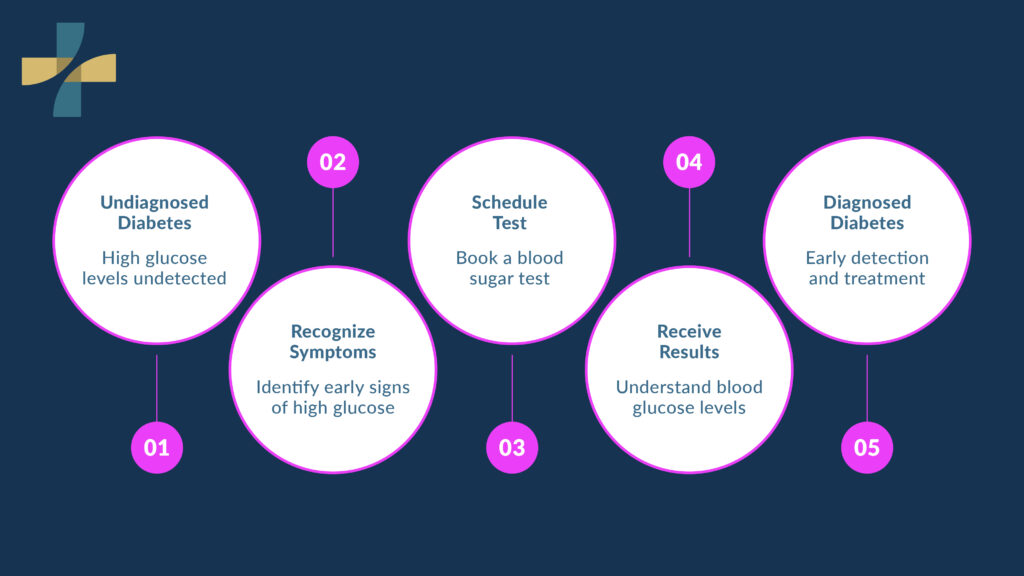
A blood sugar test measures how much glucose is in your blood and helps detect diabetes or prediabetes early. Many people experience symptoms of high glucose for months or years before diagnosis. Early testing helps doctors detect abnormal blood sugar levels before complications develop.
Diabetes is a growing health concern. According to the Public Health Agency of Canada, about 3.9 million Canadians were living with diagnosed diabetes in 2023–2024, and around 1.9% of adults may have undiagnosed diabetes. Screening through a blood glucose test can detect problems early and guide treatment.
This article explains the early signs of high glucose, when to check blood sugar, the types of diabetes screening tests available, diabetes risk factors in Vancouver, and how to book a pathology appointment.
By the end, you will understand when to schedule a blood sugar test and how testing can help protect long-term health.
What Is a Blood Sugar Test and Why Do Doctors Use It?
A blood sugar test measures the level of glucose circulating in your bloodstream. Doctors use this test to detect diabetes, monitor blood sugar levels, and identify prediabetes before symptoms worsen. Early screening allows doctors to detect abnormal glucose levels before complications affect the heart, nerves, kidneys, or eyes.
Glucose is the main source of energy for the body. It comes from carbohydrate foods such as bread, rice, fruit, and sweets. When glucose enters the bloodstream, the pancreas releases insulin to move sugar into cells, where it is used for energy.
When insulin does not work properly, blood glucose levels increase. This condition is known as hyperglycaemia. Over time, high blood sugar can damage blood vessels and organs.
Doctors recommend blood glucose testing in Vancouver for several reasons:
- Detect diabetes
- Identify prediabetes
- Monitor treatment for diabetes
- Evaluate symptoms of high blood sugar
- Monitor medications that affect glucose levels
A random blood sugar test may be used when symptoms appear suddenly. A routine blood panel may also include glucose measurement.
Mini scenario:
A Vancouver office worker experiencing fatigue and frequent thirst may assume stress or dehydration. A simple blood sugar test during a routine exam can reveal whether glucose levels are elevated.
According to the World Health Organization, about 14% of adults worldwide were living with diabetes in 2022, and early screening through blood tests helps detect the condition before serious complications develop.
What Are the Early Signs You May Need a Blood Sugar Test?
Early signs of high glucose often appear gradually and may be mistaken for everyday fatigue or dehydration. Symptoms may include frequent urination, increased thirst, fatigue, blurred vision, and slow wound healing. A blood sugar test can confirm whether these symptoms are linked to high glucose levels.
Common early signs of high glucose include:
- frequent urination
- excessive thirst
- unexplained weight loss
- fatigue or low energy
- blurry vision
- slow-healing cuts or infections
- numbness or tingling in hands or feet
These symptoms can occur when glucose builds up in the bloodstream instead of entering cells.
For example, someone who wakes several times during the night to urinate may assume they are drinking too much water. In reality, this can be a sign of high blood sugar.
According to the Centers for Disease Control and Prevention, type 2 diabetes symptoms often take several years to develop, and some people may not notice any symptoms at all.
Subtle prediabetes symptoms may include:
- mild fatigue
- increased hunger
- difficulty concentrating
- dark patches of skin around the neck or armpits
These changes may signal insulin resistance. Recognising these signs can help people seek testing earlier.
When Should Adults Get a Blood Sugar Test?
Adults should consider a blood sugar test starting at age 40 or earlier if they have diabetes risk factors. Medical guidelines recommend screening every three years for healthy adults and more frequently for those at higher risk. Early screening allows doctors to detect prediabetes before it develops into diabetes.
When to check blood sugar often depends on personal risk factors.
Common diabetes risk factors Vancouver residents should know include:
- age over 40
- family history of diabetes
- overweight or obesity
- high blood pressure
- sedentary lifestyle
- history of gestational diabetes
- high cholesterol
People with these risk factors may need testing earlier.
Example scenario:
A 38-year-old patient with a family history of diabetes and weight gain may benefit from preventive blood glucose testing, even before age 40.
Younger adults may also need screening if they have:
- Polycystic ovary syndrome
- sleep apnoea
- high triglycerides
- history of steroid medication use
Doctors may recommend regular screening as part of routine care with a diabetes check gp visit.
What Types of Blood Sugar Tests Are Available?
Several tests measure glucose levels in the blood. Each test provides different information about how the body processes sugar. Doctors often use fasting glucose tests, HbA1c tests, or random blood sugar tests to diagnose diabetes or monitor blood sugar control.
Below is a comparison of common tests used in diabetes screening.
| Test | What it measures | When it is used |
| Fasting glucose test | Blood sugar after 8 hours of fasting | Diabetes screening |
| HbA1c blood test | Average glucose over 2–3 months | Diagnosis and monitoring |
| Random blood sugar test | Blood sugar at any time | Evaluate symptoms |
| Oral glucose tolerance test | Body response to a glucose drink | Gestational diabetes |
Fasting for glucose test
A fasting glucose test in Vancouver measures blood sugar after at least eight hours without food. This test shows baseline glucose levels.
Doctors commonly use fasting tests for routine screening.
HbA1c blood test
An HbA1c blood test measures average blood glucose levels over the previous two to three months. This test provides a longer view of glucose control and helps confirm diabetes.
Many doctors order HbA1c tests together with fasting glucose tests.
Random blood sugar test
A random blood sugar test measures glucose regardless of when you last ate. Doctors may use this test when symptoms appear suddenly.
These tests are commonly available through local blood collection centres or diagnostic laboratories.
How Do You Prepare for a Blood Sugar Test?
Preparation depends on the type of blood sugar test ordered. Fasting glucose tests require avoiding food for eight to twelve hours before the test. HbA1c tests and random blood sugar tests usually require no preparation.
Preparation instructions for fasting glucose test in Vancouver:
- avoid food for at least eight hours
- drink only water
- avoid sugary drinks
- avoid alcohol before testing
During the test, a healthcare professional collects a blood sample from a vein in your arm. The process usually takes a few minutes.
Most pathology clinics process samples within one to two days. Results are sent to your doctor for review.
Many clinics offering pathology services in Vancouver follow similar blood collection processes. Modern pathology labs analyse samples using automated systems to produce accurate results.
Patients may visit a local blood collection centre or attend a clinic appointment arranged by their doctor.
What Do Blood Sugar Test Results Mean?
Blood sugar test results show whether glucose levels fall within a normal range or indicate prediabetes or diabetes. Doctors interpret results using established thresholds based on fasting glucose or HbA1c values. Abnormal results usually require repeat testing before diagnosis.
Typical fasting glucose ranges:
| Result | Fasting glucose level |
| Normal | 70 to 99 mg/dL |
| Prediabetes | 100 to 125 mg/dL |
| Diabetes | 126 mg/dL or higher |
These ranges are widely used in clinical guidelines.
If results fall within the prediabetes range, lifestyle changes such as improved diet, exercise, and weight management may prevent progression to diabetes.
Doctors may order additional tests, including:
- Repeat fasting glucose
- HbA1c test
- oral glucose tolerance test
Repeat testing confirms the diagnosis.
Early treatment helps prevent complications affecting:
- heart health
- kidney function
- nerve function
- vision
Where Can You Get a Blood Sugar Test in Vancouver?
A blood sugar test in Vancouver can be arranged through a doctor referral or by booking a pathology appointment at a diagnostic clinic. Many clinics offer fasting glucose tests, HbA1c testing, and routine blood panels as part of preventive health screening.
Most patients begin with a general practitioner (GP) blood test referral, which Vancouver clinics provide during a consultation.
Typical process:
- Visit a doctor for symptoms or screening.
- The doctor provides a referral for blood testing.
- Visit a pathology clinic or blood collection centre near me.
- Results are reviewed with your doctor.
Some patients ask whether routine blood tests are covered by their healthcare plan. This depends on whether a test is medically required and ordered by a doctor.
Patients may also book a pathology appointment directly through certain diagnostic clinics for preventive screening.
Why Early Diabetes Screening Matters More Than Ever
Early screening identifies rising blood sugar levels before diabetes develops. Detecting prediabetes allows lifestyle changes that can delay or prevent type 2 diabetes and reduce the risk of cardiovascular disease, kidney disease, and nerve damage.
Diabetes often develops silently. According to Diabetes Canada clinical guidelines, the onset of type 2 diabetes may occur about 4 to 7 years before it is clinically diagnosed, meaning many people may have elevated blood glucose levels long before diagnosis.
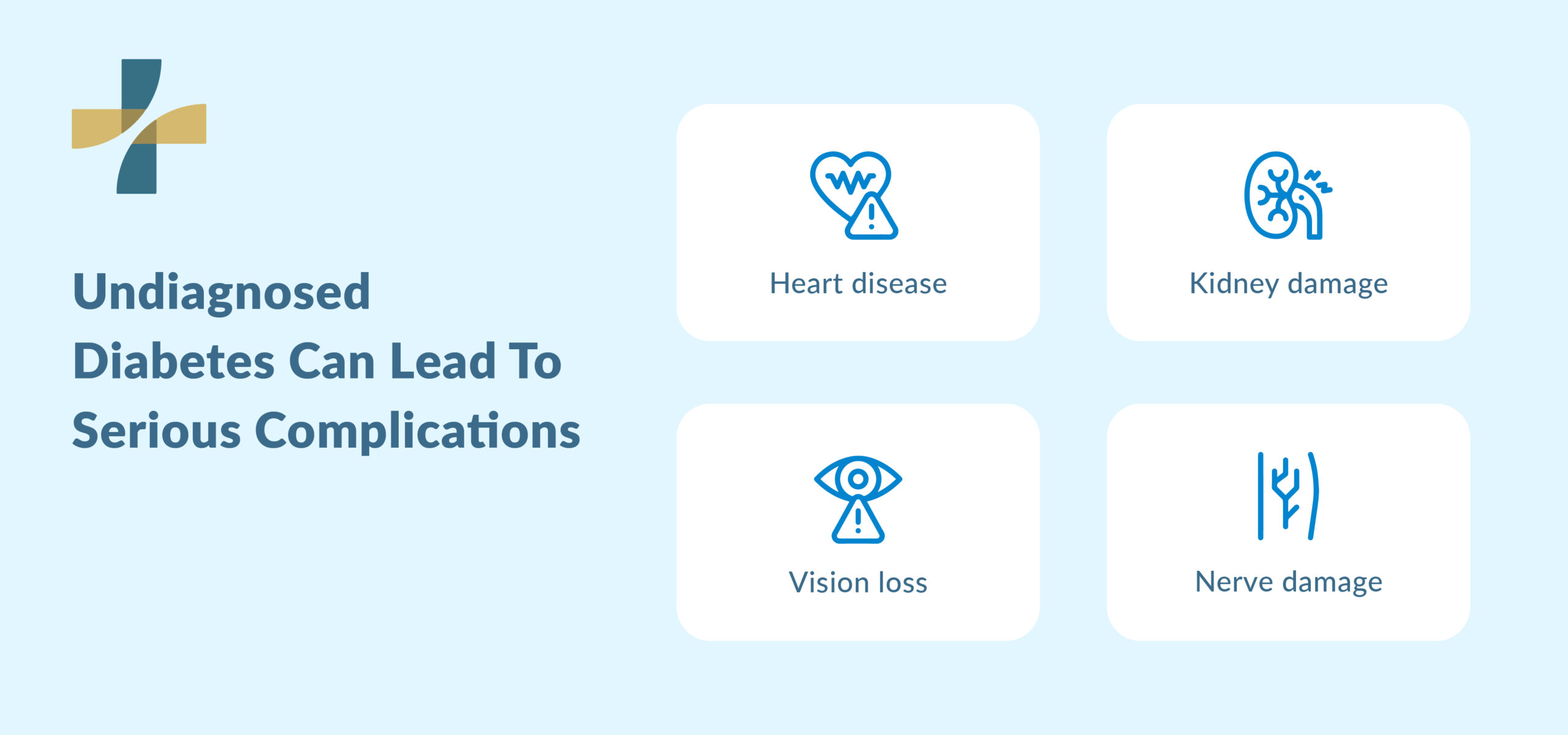
Undiagnosed diabetes can lead to serious complications:
- heart disease
- kidney damage
- vision loss
- nerve damage
Early screening allows doctors to intervene sooner.
Example: A patient experiencing fatigue receives a blood sugar test during a routine check. Results show prediabetes. With diet changes and exercise, glucose levels return to normal within a year.
Preventive screening remains one of the most effective tools for reducing diabetes risk.
How NV Med Center Helps With Blood Sugar Testing
A blood sugar test helps detect diabetes early and identify prediabetes before serious complications develop. Symptoms such as fatigue, thirst, and weight changes often appear gradually and may be ignored. Screening allows doctors to detect abnormal glucose levels and guide early treatment.
At NV Med Center, patients receive personalised care for diabetes screening and preventive health testing. We offer glucose testing, fasting glucose screening, and HbA1c blood test evaluation to monitor blood sugar levels. Our team reviews symptoms, risk factors, and test results to guide next steps.
Book your appointment today to schedule a blood sugar test and protect your long-term health.
FAQs
What are the signs of high blood sugar?
Common signs of high blood sugar include frequent urination, increased thirst, fatigue, blurred vision, and slow-healing wounds. Some people experience numbness in the hands or feet. A blood sugar test confirms whether these symptoms are caused by high glucose.
How do I get a blood sugar test in Vancouver?
Most patients receive a referral from a doctor for a glucose test, which Vancouver clinics provide. After receiving the referral, you can visit a blood collection centre for testing. Results are reviewed with your doctor.
Is HbA1c better than fasting glucose?
An HbA1c blood test measures average glucose levels over three months. A fasting glucose test measures sugar levels at a single point in time. Doctors often use both tests together for an accurate diagnosis.
Is a blood sugar test covered by public healthcare in Vancouver?
Coverage depends on the reason for testing and whether a doctor orders the test. In British Columbia, many medically necessary blood tests are covered under the provincial healthcare system. Patients should confirm coverage with their healthcare provider or diagnostic laboratory.