Positive FIT Test in BC: What Happens Next and When Should You See a Family Doctor?
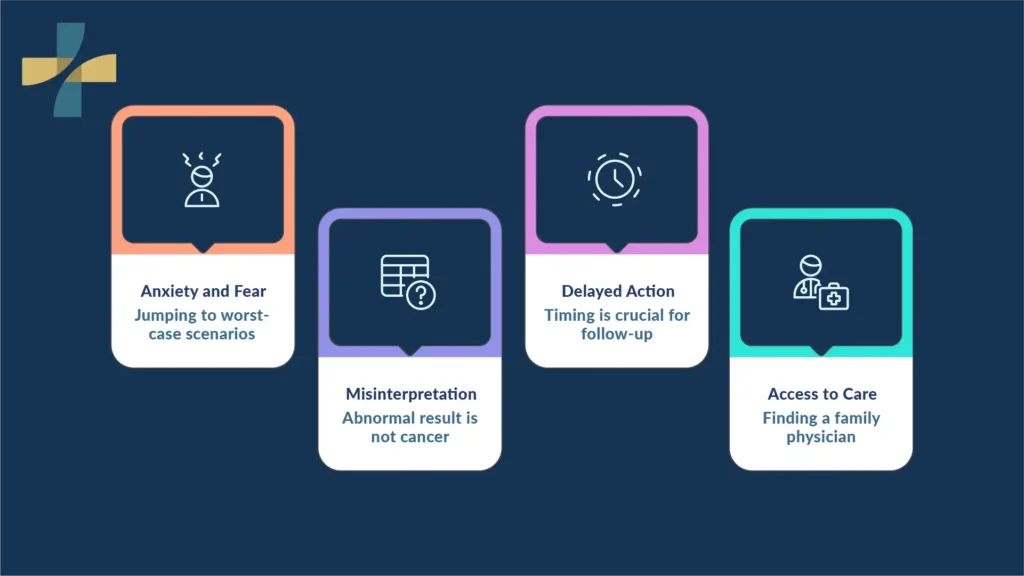
Opening an envelope or logging into Health Gateway to find a positive FIT test BC result can instantly make your heart sink. Your mind may jump straight to worst-case scenarios, but take a deep breath: an abnormal result does not mean you have colorectal cancer. It simply means the test found trace amounts of blood in your stool that need a closer look. The good news is that this is exactly what the FIT screening program is designed to catch. A positive result is a signal to act, not a diagnosis. Understanding what happens next and why timing matters can help you move forward calmly and ensure you get the right follow-up care without unnecessary delay. If you’ve received an abnormal FIT result and need a Family Physician to guide your next steps, our team of experienced physicians at NVMed Centre is here to provide comprehensive care. You can easily book an appointment to get timely, thorough follow-up care. What a FIT test checks and what a positive result means The Fecal Immunochemical Test (FIT) is a simple, at-home screening tool used across BC’s colon screening program. It checks for hidden (occult) blood in your stool, which can be an early warning sign of polyps or colorectal cancer. A positive or abnormal FIT result means blood was detected. It does not confirm cancer, and it doesn’t tell you where the bleeding is coming from. In fact, many everyday gastrointestinal issues can cause blood in stool, including hemorrhoids, small tears, ulcers, or mild intestinal inflammation. Case Example: A 58-year-old woman in Kelowna received a positive FIT result through the BC Cancer screening program. She had no obvious symptoms and felt fine, as is common with many women’s preventive health screening tests, but the test still flagged microscopic blood invisible to the naked eye. FIT detects blood you cannot see or feel A positive result appears in roughly 1 in 13 people screened Most positive results are not caused by cancer, but all require follow-up Why an abnormal FIT usually needs follow-up An abnormal FIT result is considered incomplete on its own. It tells you something is happening, but not what. That’s why BC’s screening guidelines recommend a colonoscopy after positive FIT results, so a specialist can directly examine the colon lining. A colonoscopy allows doctors to locate the source of bleeding, remove polyps if found, and take biopsies when necessary. Skipping this step leaves the underlying cause unaddressed, which can delay diagnosis of treatable conditions. Real-world scenario: A man in Surrey assumed his positive FIT was due to hemorrhoids. Regular monitoring through men’s health screening over 40 can help detect these issues earlier. But he waited eight months before booking a doctor’s visit. When he finally followed up, doctors found a polyp that had grown large enough to require closer monitoring, something that likely would have been simpler to manage if caught earlier. Colonoscopy is the standard next step after an abnormal FIT Early follow-up increases the chance of finding treatable, non-cancerous causes Delaying follow-up can allow small issues to progress Why repeating the FIT is not the right next step It might feel tempting to simply take another FIT test to “double-check” the result, but this is not recommended. Repeating the FIT after an abnormal result can create a false sense of reassurance and delay proper diagnosis. The FIT test is a screening tool, not a diagnostic one. Once it flags a concern, the next appropriate step is a clinical evaluation and colonoscopy referral BC pathway, not another round of stool testing. Example Case: A patient in Victoria took a second FIT kit hoping for a clearer answer. The second test came back negative, so she assumed everything was fine. Months later, ongoing symptoms led her back to her doctor, who explained that a negative second FIT doesn’t cancel out the first abnormal result; the follow-up should have happened regardless. A negative repeat FIT does not undo a prior positive result Guidelines from BC Cancer explicitly advise against retesting The right next step is a family doctor FIT result review, not self-testing When to book a family doctor appointment As soon as you receive a positive FIT test BC notification, it is best to book an appointment with your family doctor. Don’t wait for symptoms to appear or worsen, since many people with abnormal FIT results feel completely normal. Your family doctor will review your result, discuss your health history, and determine whether a colonoscopy referral is needed. To learn more about how the referral process works in BC, read our guide on whether you need referrals for specialist visits. In BC, this referral is typically the standard next step following any abnormal FIT result. If you don’t currently have a regular clinic, you can connect with trusted doctors at our clinic to guide you through the process. Symptoms to mention while waiting for follow-up While you wait for your appointment, keep track of anything unusual, even if it seems minor or unrelated. This helps your doctor assess urgency and prioritise your referral appropriately. Mention any of the following if present: Visible blood in stool or on toilet paper Changes in bowel habits lasting more than a few weeks (such as unexplained diarrhea or constipation) Unexplained abdominal pain, cramping, or bloating Unintentional weight loss or sudden decrease in appetite Persistent fatigue, weakness, or feeling unusually run down Sharing these details gives your care team a complete picture of your gastrointestinal health, ensuring your referral is processed with the right priority level. Questions to ask about referral and timing When you meet with your doctor to review an abnormal FIT result, having a few key questions ready can help clear up uncertainty. Consider asking: What is the expected wait time for a colonoscopy referral in our health region? Are there any specific symptoms I should watch for while waiting for my procedure? Do I need to pause or adjust any current medications (like blood thinners)
HPV Self-Screening Results in BC: When Should You Book a Doctor’s Appointment?
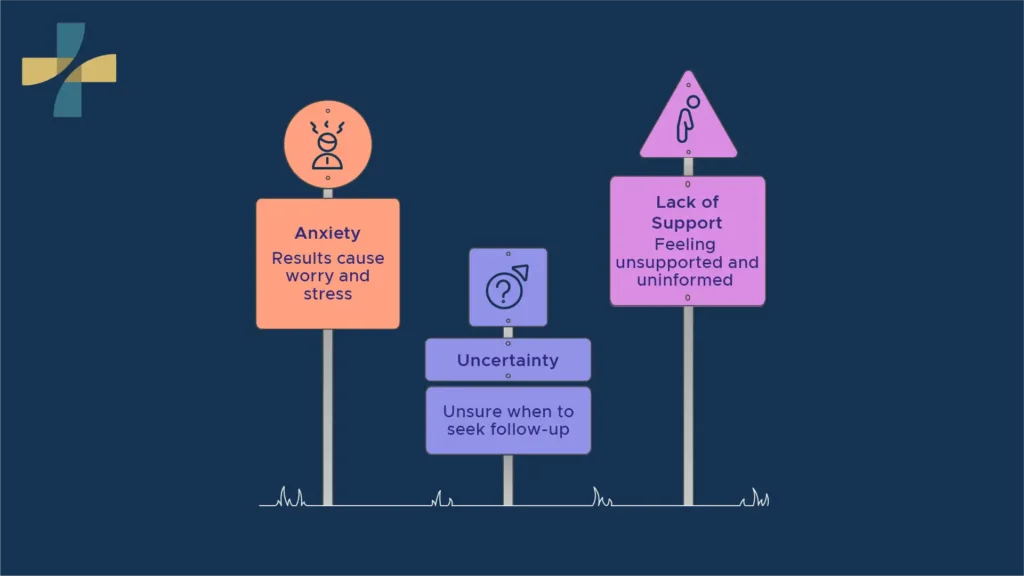
You did the responsible thing and completed your cervical screening kit at home. Now you’re sitting in front of your screen, looking at your HPV self screening results BC profile on your portal, and trying to decode what all this medical terminology actually means for your day-to-day health. Is this normal? Do you need to panic? Should you be calling a medical clinic right now? Take a deep breath. Most outcomes are very straightforward, and the BC Cancer screening initiative was designed to make cervical cancer prevention simple, accessible, and low-stress, not a source of anxiety. However, understanding when a notification requires a basic note-to-self versus an actual cervical self-screening follow up with a healthcare provider is where many people feel unsure. This guide breaks down exactly what your Health Gateway screening results mean, when a doctor’s appointment after an HPV result is recommended, and how to approach your follow-up feeling completely supported and informed. Already looking at a confusing test notification? Skip directly to “Result situations that may need follow-up” to find out your next steps. What BC cervix self-screening is designed to check The BC cervix self-screening program specifically looks for high-risk strains of human papillomavirus (HPV), which is the underlying cause of nearly all cervical cancer cases. Unlike a traditional Pap test that looks directly for cellular changes, this primary screening checks for the presence of the virus itself. The idea is simple: catch HPV early, before it has a chance to cause cell changes that could develop into cancer over many years. It is an essential component of women’s preventive health screening, a tool for prevention, not a diagnosis of illness. This difference matters because of how you read your results. Receiving a positive HPV result or BC status does not mean you have cancer. It simply indicates that the virus was detected, and that your care team should take a closer look, usually through a targeted Pap test after self screening BC or a quick primary care consultation. Example Case: Sarah, 34, used her self-screening kit at home after receiving a routine reminder. When she checked her portal, she saw “HPV detected result BC” and panicked. After speaking with a clinician during a routine checkup, she learned that virus detection is extremely common, easily monitored, and highly manageable when caught early. Tests for high-risk HPV strains, not cell abnormalities directly Replaces the need for as-frequent Pap tests for many patients Available through participating BC clinics and mail-in kit programs How and when results are usually shared Most people can access their HPV self-screening results BC directly through their online portal account, usually within a few weeks of mailing back their sample. In certain cases, your health clinic may also contact you by phone or issue an official follow-up letter. Processing times vary depending on lab volumes and regional submission methods. If six weeks have passed without an update, it is completely reasonable to contact your primary care office or check with BC CDC guidelines rather than wondering about your status. Because notifications arrive through different channels, it helps to know where to look: Health Gateway account notifications (the standard BC portal where lab reports are posted). A phone call or follow-up letter from BC Cancer or your screening provider. Need help understanding your report or taking the next step? If your results are ready or if you’re feeling unsure about what they mean, you don’t have to navigate them alone. You can book an online visit with NV Med Center or schedule a consultation with our experienced physicians to review your results and get personalized guidance on your next steps. Result situations that may need follow-up Not every report requires the same next step. Here is a clear breakdown of the three most common outcomes and what they mean for your routine sexual health care. HPV not found This is the most frequent and reassuring outcome. It means no high-risk virus strains were found in your sample. In this scenario, no clinic visit is required. You will simply be placed back on the standard routine checkup timeline, which generally means re-screening in five years for most eligible individuals in British Columbia. HPV found and follow-up recommended A positive HPV result in BC means that high-risk viral DNA was detected. It is important to remember that for many people, the immune system naturally clears the virus on its own within 12 to 24 months. However, to ensure long-term safety, your provider will recommend the next steps. This often involves a secondary clinic visit for a sample check, or in specific cases, a colposcopy referral BC. This is the exact moment when booking a follow-up appointment with a family doctor becomes an important priority. If you have immediate questions about what your report means, you can also schedule an online doctor visit for screening follow-up questions to discuss your cervical screening result with a doctor without delay. Clinics like NV Med Center offer comprehensive care to help guide you through these next steps smoothly. Unclear, delayed, or confusing results Occasionally, a test report comes back as inconclusive, often because there wasn’t enough sample material on the swab. A delay or unclear status does not mean something is wrong; it simply means the lab needs a fresh sample to give you an accurate answer. If your portal displays an inconclusive note after several weeks, reach out to your provider to request a simple repeat kit. Example Case: Mei received an “inconclusive” notification after her first home swab. Instead of worrying, she reached out to experienced physicians who explained that the swab simply needed a slightly larger sample. She completed a quick repeat test without any hassle. What to bring to a doctor appointment Walking into your appointment prepared makes the conversation faster and less stressful. A little organization goes a long way toward getting clear answers. If you do need a cervical screening appointment for a follow-up exam, coming prepared will help you
24-Hour Holter Monitor Test: What to Expect Before, During and After Your Appointment
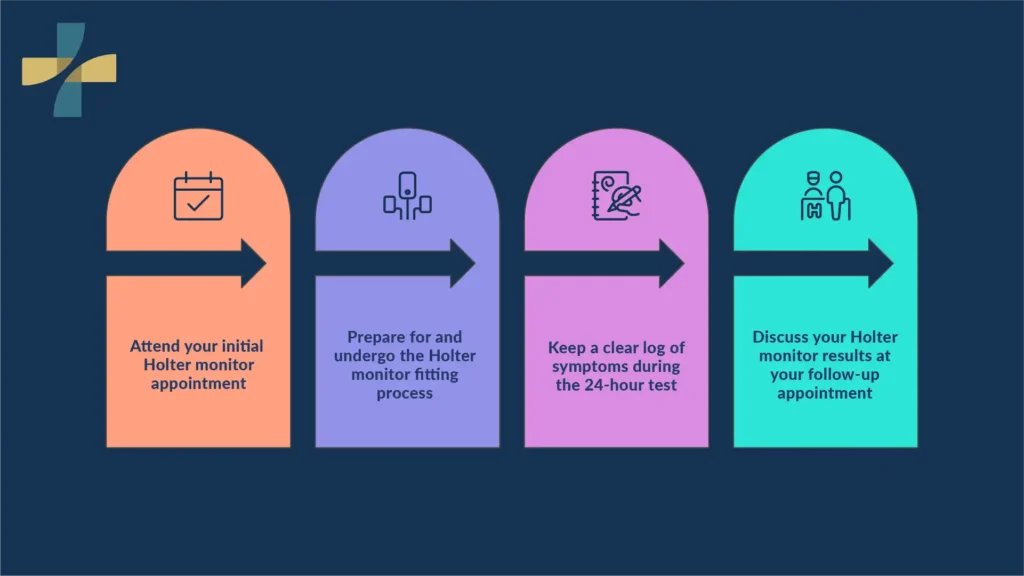
If your doctor recently recommended a heart rhythm assessment, it is completely natural to feel a bit uneasy and have questions. Knowing what to expect during Holter monitor test day, learning how to prepare for Holter monitor fittings, understanding whether you can shower, and figuring out what those results mean for your heart health are common, everyday concerns for first-time patients. The reassuring news is that a 24 hour heart monitor test is entirely painless, non-invasive, and remains one of the most reliable diagnostic tools cardiologists rely on to catch irregular heartbeats that slip through during a brief office checkup. This comprehensive guide walks you through the entire experience from your initial Holter monitor appointment to the follow-up conversation about your Holter monitor results appointment so you can step into our clinic feeling confident, informed, and completely at ease. Already have your appointment scheduled? Keep this guide handy so you know exactly what to bring, how to keep a clear symptom log, and what questions to ask your doctor. Why your doctor may order a Holter monitor A standard in-office electrocardiogram (ECG) only captures a few seconds of your heart’s electrical activity. Because many arrhythmias, fluttering palpitations, or sudden dizzy spells come and go unpredictably, they are easily missed during a routine consultation. A Holter monitor bridges this diagnostic gap by continuously recording your heart’s electrical activity over a full 24-hour or 48-hour monitoring window while you carry out your normal daily routine. According to the American Heart Association, continuous ambulatory ECG monitoring is essential for detecting intermittent cardiac events. Whether you consult a general doctor or a family practitioner, physicians typically order a 24 hour Holter monitor test when patients experience: Unexplained palpitations, skipped beats, or a racing heart Dizziness, lightheadedness, or fainting episodes Unexplained fatigue or shortness of breath Monitoring existing arrhythmias or checking how well heart medication is working Example Case: A 52-year-old patient experiencing occasional dizziness during her morning walks had a completely normal five-minute ECG at her clinic. Her physician recommended a Holter monitoring assessment at NV Med Center, which successfully captured a brief, hidden episode of atrial fibrillation during her routine walk, something a quick resting ECG would have missed entirely. Uncontrolled hypertension can also trigger irregular heart rhythms. If you are experiencing symptoms alongside cardiac fluttering, read our guide on high blood pressure symptoms and when to see a general practitioner. What happens before the monitor is attached Understanding Holter monitor preparation is straightforward, and there is very little you need to worry about beforehand. While our clinical staff will provide specific guidance, here is what typically happens on the day of your visit. We recommend wearing a comfortable, loose-fitting, two-piece outfit to your Holter monitoring clinic appointment, as your chest area needs to be easily accessible. Please avoid applying chest lotions, body oils, or powders on the day of your appointment, as these create a barrier that stops the Holter monitor electrodes from adhering securely to your skin. During your Holter monitor before, during, and after process, a qualified technician will: Clean and, if needed, lightly shave small areas of your chest for better electrode contact Attach 3 to 7 small adhesive electrodes to your chest Connect the electrodes to a small recording device, usually worn on a belt, in a pouch, or around your neck Confirm the device is recording properly before you leave Example Case: A first-time patient was nervous about the shaving step, worried it would be uncomfortable. In reality, only small coin-sized patches of chest hair were trimmed, and the entire attachment process took less than 10 minutes with zero discomfort. Patient Tip: Wear a front button-up shirt to make your Holter monitor test setup smoother, and feel free to ask your technician to show you how to reattach a patch if an electrode happens to peel loose at home. What wearing the monitor feels like during the day Most patients are surprised by how quickly they forget they’re wearing a Holter monitor. The device is lightweight, roughly the size of a small smartphone or deck of cards, and the wires are typically taped down to prevent tugging. You may notice a slight pulling sensation on your skin, especially around the electrodes, but this fades within the first hour or two. The goal of the test is to capture your normal daily activity, so you’re encouraged to go about your routine as closely as possible. Clothing, skin, showering, exercise, and sleep To clear up any confusion regarding wearing a Holter monitor, let’s break down the practical rules for daily living: Clothing: Stick with loose, breathable tops that will not snag or press against the wires. Avoid tight sports bras or stiff waistbands that compress the chest unit. Skin Care: A subtle itch or minor skin redness beneath the adhesive pads can happen. Avoid scratching or pulling at the edges of the electrodes. Showering Restrictions: Can you shower with Holter monitor equipment attached? For standard devices, the answer is no. Traditional monitors and chest leads are not waterproof, so you must avoid showering, taking baths, or swimming during the test period. Instead, opt for a careful sponge bath, keeping the unit and chest wires completely dry. Exercise & Sweat: Light walking and routine household errands are great because your doctor wants to see how your heart responds to mild exertion. However, avoid intense workouts that cause heavy sweating, as moisture can loosen the electrodes. Sleep Routine: You can sleep in your usual position. Side sleepers often find it most comfortable to rest on their back or opposite side to prevent direct pressure on the chest monitor. What to write in your symptom diary Your Holter monitor symptom diary is just as critical as the electronic recording itself. While the unit logs every heartbeat, your written journal gives those numbers real-world clinical context. Whenever you feel a physical symptom, whether it is a flutter, chest tightness, skipped beat, or lightheadedness, write down: The exact
Palpitations and Irregular Heartbeat: When Might You Need a Holter Monitor in North Vancouver?

A racing heart, a sudden skipped beat, or a fluttering sensation in your chest can be unsettling, especially when it happens without warning and disappears just as quickly. Many people searching for a Holter monitor for palpitations in North Vancouver are trying to make sense of symptoms that felt very real at home but seemed to vanish the moment they sat down in a doctor’s office. This gap between what you experience and what a doctor can observe during a short appointment is exactly why longer-term heart rhythm monitoring exists. A Holter monitor gives your heart the chance to “speak” over a full day or two, rather than during the few brief minutes of a clinical exam. If you’re currently experiencing unexplained palpitations, our North Vancouver clinic can help determine whether monitoring is the right next step. Speak with a family doctor about palpitations today at NV Med Center. Why palpitations can be hard to assess in a short appointment Palpitations are notoriously unpredictable. They may last only a few seconds, occur once a week, or appear only during specific activities like climbing stairs or lying down at night. A standard office visit typically includes a brief physical exam and sometimes a resting ECG, which only captures a snapshot of your heart’s electrical activity. If your irregular heartbeat isn’t happening at that exact moment, the test can come back completely normal, even though your symptoms are genuine. This is one of the most common frustrations patients describe when searching for an irregular heartbeat assessment. You know something feels wrong, but a single test doesn’t confirm it. Example Case: A 42-year-old North Vancouver resident visits her family doctor after several episodes of heart fluttering during her morning commute. Her in-office ECG appears normal, but her doctor notes the pattern of episodes and recommends extended monitoring. A single ECG only reflects a few seconds of heart activity Palpitations often occur outside clinical settings, such as during stress, exercise, or rest What a Holter monitor records over 24 to 48 hours A Holter monitor is a small, portable device connected to your chest through several electrodes. It continuously records your heart rhythm and electrical activity as you go about your normal day, including work, exercise, sleep, and rest. Unlike a one-time EKG, this extended window allows your doctor to see patterns that only appear intermittently. This is often described as the key difference in the EKG vs Holter monitor comparison that many patients ask about. During the monitoring period, you will keep a symptom diary, noting when you feel palpitations, dizziness, or other sensations. This diary is later matched against the arrhythmia monitoring data to identify what was happening internally at that exact moment. When intermittent symptoms require extended evaluation, getting Holter monitoring assessments for irregular heartbeat concerns through dedicated heart rhythm monitoring in North Vancouver ensures your doctor receives comprehensive data to guide your care [INLINE IMAGE 1 HERE] Example Case: A 55-year-old patient wears a 24-hour Holter monitor, which was provided by the North Vancouver clinic after reporting occasional dizziness. The device captures two brief episodes of irregular rhythm that did not occur during his in-office visit, giving his doctor clear diagnostic evidence. Symptoms that may lead a doctor to recommend monitoring Not every palpitation requires extended testing, but certain patterns raise the likelihood that a doctor will suggest a heart rhythm monitor in North Vancouver rather than relying on a single ECG. Palpitations with dizziness, fainting, chest pain, or shortness of breath When palpitations are paired with additional symptoms, doctors tend to take a more thorough diagnostic approach. These combinations may indicate that the heart’s rhythm is affecting blood flow or oxygen delivery, which is important to document clearly. Dizziness or lightheadedness during or after palpitations Fainting or near-fainting episodes Chest discomfort, pain, or pressure Unexplained shortness of breath, even at rest Symptoms that come and go during normal daily activity Some patients experience palpitations that are brief, unpredictable, and seemingly tied to daily triggers like caffeine, stress, poor sleep, or physical activity. Because these episodes are inconsistent, a longer recording period is often the only reliable way to catch them. This pattern is one of the most frequent reasons patients search for an irregular heartbeat test near me, since they want documented proof of what they’re feeling. What to prepare before speaking with a family doctor Walking into an appointment with your family doctor, general practitioner, or general doctor with clear, organized information can significantly speed up the diagnostic process. Primary care physicians rely heavily on patient-reported patterns to determine whether Holter monitoring is appropriate. Helpful details to prepare include: Timing & Frequency: When the palpitations started and how often they occur. Triggers & Context: What you were doing when they happened (resting, exercising, drinking coffee). Accompanying Symptoms: Whether you felt dizziness after palpitations, fainting, or chest discomfort. Family History: Any known arrhythmia or cardiovascular symptoms in your family history. Having a detailed log allows your physician to decide whether a Holter monitor referral in North Vancouver or an in-office heart health check is the best next step. You can also read more patient guides on our NV Med Center Health Blog to prepare for your visit. When should symptoms be treated as urgent? While many palpitations turn out to be benign, certain cardiovascular symptoms require immediate medical evaluation rather than waiting for a routine family doctor appointment. According to guidance from the Heart and Stroke Foundation of Canada, you should seek emergency medical attention if your irregular heartbeat is accompanied by: Sudden chest pain, pressure, or squeezing in your chest Fainting (syncope) or sudden loss of consciousness Severe, crushing shortness of breath Pain radiating to your jaw, neck, back, or arm Sudden weakness, numbness, or difficulty speaking According to clinical resources, combining continuous arrhythmia monitoring with prompt emergency assessment for severe symptoms provides the safest pathway to diagnosing underlying conditions early. If you are unsure about the severity of your symptoms, always err
Ear Infection Symptoms: Signs in Adults, Children, and When to See a Doctor
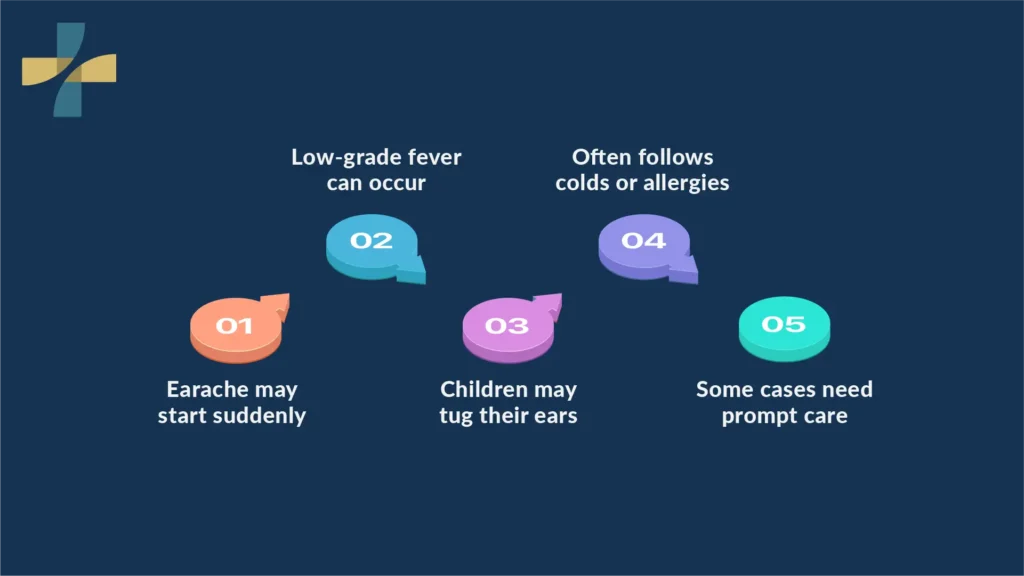
A sudden earache, a low-grade fever, or a child tugging at their ear can leave you wondering what’s really going on. Recognizing ear infection symptoms early helps you decide whether home care is enough or whether it’s time to call a doctor. Ear infections, medically known as otitis media, are one of the most common reasons people of all ages visit a doctor or urgent care clinic. They often develop after a cold or flu, sinus congestion, or allergies, and while many mild cases resolve on their own, others need prompt treatment to prevent complications like hearing loss or a ruptured eardrum. If you or your child are dealing with ear pain right now, NV Med Center offers same-day evaluations to identify the cause and get you relief fast. What Are the Most Common Ear Infection Symptoms? Ear infections typically develop in the middle ear, behind the eardrum, often after fluid builds up due to a cold, sinus infection, or allergies. The symptoms of ear infection can range from mild discomfort to intense, disruptive pain. The four hallmark middle ear infection symptoms to watch for are ear pain, fever, fluid drainage, and trouble hearing. These symptoms may appear alone or together, and their severity often reflects how advanced the bacterial infection has become. Ear pain, fever, drainage, and hearing changes Ear pain is usually the first and most noticeable symptom. It can range from a dull ache to a sharp, throbbing pain that worsens when lying down. Fever in the ear infection often accompanies a middle ear infection, especially in children, signaling that the body is actively fighting off the infection. Fluid draining from ear canals or pus discharge may indicate a ruptured eardrum, which sounds alarming but often relieves pressure and reduces pain. Hearing loss ear infection signs, Trouble hearing, or a feeling of fullness in the ear happen when fluid buildup blocks normal sound transmission through the middle ear. Example Case: A 34-year-old patient noticed muffled hearing and mild ear pain after a week-long cold. Within two days, a low-grade fever and slight drainage appeared, prompting a same-day clinic visit for evaluation and treatment. Persistent earache lasting more than a day Fever pain and fever above 100.4°F (38°C) Yellow, cloudy, or bloody fluid from the ear canal Sudden hearing changes or ear fullness Ear Infection Symptoms in Adults vs Children While the underlying cause of otitis media symptoms is similar across age groups, how symptoms present can differ significantly. Recognizing these differences helps caregivers and adults respond quickly and appropriately. In ear infection symptoms in adults, signs tend to be more localized and easier to describe, such as sharp ear pain, temporary hearing loss, or a feeling of pressure deep in the ear. Adults may also experience dizziness or balance issues if the inner ear becomes involved. In ear infection symptom in children, especially infants and toddlers, who can’t verbalize pain ear infection symptoms in kids present as behavioral changes. Common indicators include tugging ear or pulling at the ear, excessive crying, trouble sleeping, fussiness, and reduced appetite. Example Case: A 3-year-old was repeatedly pulling at her right ear and refusing to lie down at bedtime. Her pediatrician diagnosed acute otitis media based on eardrum inflammation and visible fluid buildup seen through an otoscope. Adults: sharp pain, muffled hearing, dizziness, ear fullness Children: tugging ear, irritability, fever, poor sleep, balance issues, pediatric care needs Ear Infection vs Sinus Infection: Overlapping Symptoms Ear infections and sinus infections often occur together because they share a connected drainage system through the Eustachian tube. This overlap makes it tricky to tell the two apart without a proper exam. Both conditions can cause facial pressure, headache, and fatigue. However, ear infections more specifically cause ear pain, hearing changes, and sometimes drainage from the ear canal, while sinus infections tend to bring nasal congestion, thick postnasal drip, and pain across the cheeks or forehead. If you are experiencing facial pain without ear discomfort, exploring sinus infection symptoms can help clarify your condition, just as checking strep throat symptoms is essential if severe throat pain accompanies your illness. According to clinical research from the American Academy of Otolaryngology, a large majority of sinus infections involve some degree of Eustachian tube dysfunction, which explains why ear symptoms so often tag along with sinus issues. Example Case: A patient with a week-long sinus infection developed sudden ear pressure and mild hearing loss. An exam revealed fluid buildup behind the eardrum secondary to blocked Eustachian tubes from sinus congestion, rather than a separate ear infection. How Doctors Diagnose an Ear Infection Diagnosing an ear infection starts with a physical exam using an otoscope, a specialized lighted instrument that allows a doctor to look directly at the eardrum. During the exam, a healthcare professional looks for signs of inflammation, redness, or a bulging eardrum, which indicates fluid pressure in the middle ear. In some cases, a pneumatic otoscope is used to puff a small amount of air against the eardrum to see if it moves normally. If fluid has accumulated, the eardrum will remain stiff. This precise evaluation ensures you receive the correct treatment, whether that involves antibiotics for a bacterial issue or a period of watchful waiting and pain relief for a viral clearance. When Ear Infection Symptoms Need Medical Care While some mild ear aches clear up through viral watchful waiting, certain urgent symptoms require professional assessment. You should know when to see a doctor for ear infection clearance to avoid long-term complications. Medical care is necessary if symptoms last more than 48 hours, if the pain becomes severe, or if you notice fluid or pus draining from the ear canal. For infants under six months old, any sign of an ear infection requires immediate pediatric care. Adults experiencing severe dizziness, total hearing loss, or swelling behind the ear should also seek prompt medical attention. If you are uncertain about the severity of your condition, consulting a doctor for ear pain ensures you
Pediatrician vs Family Doctor: Key Differences & When to Choose Each (Vancouver Guide)
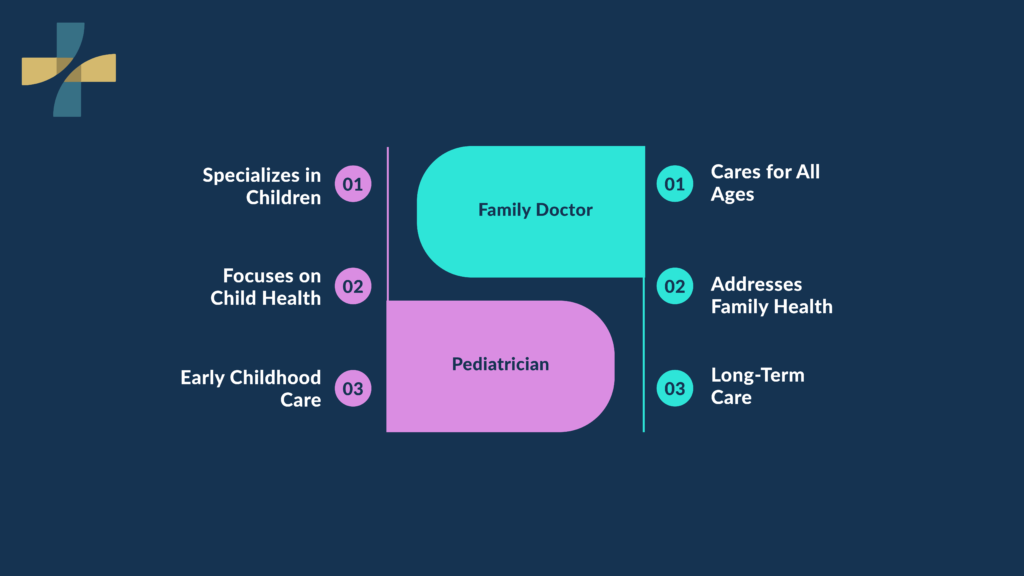
Parents often feel unsure when choosing between a pediatrician vs family doctor. Both can care for children, but they serve different roles. The right choice depends on your child’s age, health needs, and your long-term care goals. Recent guidance from the Canadian Paediatric Society highlights that early childhood care plays a key role in development, preventive care, and long-term health outcomes. This makes choosing the best doctor for your child an important early decision. This guide explains the difference between providers, when to see a pediatrician, and how the BC healthcare system works. You will also find real-life examples to help you decide with confidence. What Is The Difference Between A Pediatrician Vs Family Doctor? A pediatrician is a child health specialist focused on infants, children, and teens, while a family doctor is a primary care provider who treats patients of all ages. The best choice depends on your child’s needs, your family setup, and long-term care preferences. What does a pediatrician do? A pediatrician focuses only on children. Their training centres on child development, preventive care, and managing pediatric-specific conditions. They typically provide: Monitoring of growth and developmental milestones Vaccination management based on age-specific schedules Diagnosis and care for chronic pediatric conditions Behavioural and developmental assessments Pediatricians act as child health specialists. They are trained to spot early signs of developmental delay and manage complex childhood conditions. What does a family doctor do? A family doctor provides primary care for children and adults. They treat a wide range of conditions across all life stages. They typically provide: Routine checkups and preventive care Treatment for common illnesses and injuries Ongoing care for families Basic child development monitoring Family doctor for child care works well for healthy children who need general care and routine follow-ups. Pediatrician vs family doctor training and expertise Area Pediatrician Family Doctor Focus Children only All ages Training Child development and pediatric conditions Broad medical training across age groups Care Type Specialised General primary care Role Child specialist General practitioner A child specialist vs general practitioner comparison shows that pediatricians focus deeper on children, while family doctors cover broader needs. When Should You See A Pediatrician For Your Child? You should see a pediatrician when your child needs specialised care related to growth, development, or complex conditions. Pediatricians are best for newborns, developmental concerns, and chronic pediatric conditions that require focused expertise. Scenario 1: Pediatrician for newborn care Newborns need frequent medical visits in their first year. A pediatrician tracks feeding, weight gain, and early development. Example: A newborn with feeding issues or slow weight gain benefits from a pediatrician’s close monitoring. Scenario 2: Developmental or behavioural concerns Pediatricians are trained to assess delays in speech, learning, or behaviour. Common concerns include: Speech delay Autism screening ADHD symptoms Early intervention improves outcomes. A 2024 study from London Health Sciences Centre Research Institute followed 449 young patients and found that early, personalised care improved functioning, reduced symptoms, and increased quality of life over one to two years. Scenario 3: Chronic or complex pediatric conditions Children with long-term conditions need specialist care. Examples include: Asthma Diabetes Congenital conditions Pediatricians coordinate care with specialists and manage long-term treatment plans. Scenario 4: Preventive care and vaccination management Pediatricians follow structured schedules for immunisations and preventive care. They monitor: Growth trends Nutritional status Developmental milestones When Is A Family Doctor The Right Choice For Child Care? A family doctor is the right choice for general child care and long-term family care. They treat common illnesses, provide preventive care, and manage health across all ages. This makes them a practical option for families who want one provider. Scenario 1: Routine checkups and common illnesses Family doctors treat everyday health issues. Examples include: Colds and flu Minor injuries Routine physical exams Scenario 2: Family-wide healthcare needs A single provider for the whole family reduces the need for multiple clinics. Benefits include: Fewer appointments across locations Consistent medical history tracking Convenience for parents Scenario 3: Long-term child healthcare planning Family doctors support long-term care across life stages. They provide: Preventive care Ongoing monitoring Continuity into adulthood Scenario 4: Teen and young adult care Older children may prefer a more mature setting. Family doctors support: Mental health discussions Lifestyle and preventive care Independent health decisions Do You Need A Pediatric Referral In Vancouver, and How Does It Work? In the BC healthcare system, most pediatricians require a referral from a primary care provider. This process helps prioritise children based on medical need and ensures access to specialist care when advanced assessment or treatment is required. How the referral process works Visit a family doctor or walk-in clinic The doctor evaluates your child Referral is sent to a pediatrician Appointment is scheduled When a pediatric referral to Vancouver is needed Referrals are common for: Developmental delays Chronic pediatric conditions Specialist assessment Can you see a pediatrician without a referral? Some private clinics allow direct booking. However, most specialist care in the BC healthcare system follows the referral process. Which Doctor Is Better For Your Child’s Long-Term Care? The best doctor for your child depends on their health needs and your family’s goals. Pediatricians provide specialised care for children, while family doctors offer continuity across life stages. Both support long-term child healthcare planning. Health needs Complex conditions → pediatrician General health → family doctor Family preference One provider → family doctor Specialised care → pediatrician Care goals Preventive care focus → both options Long-term continuity → family doctor Specialist expertise → pediatrician How Do Real-Life Situations Help You Choose Between A Pediatrician Vs Family Doctor? Real-life scenarios help parents decide faster. A pediatrician is often better for specialised needs, while a family doctor works well for routine care and convenience across the family. Scenario comparison Newborn with feeding concerns → pediatrician Healthy school-age child → family doctor
First Pediatric Appointment in Vancouver: What to Bring, Vaccines & MSP Insurance Guide
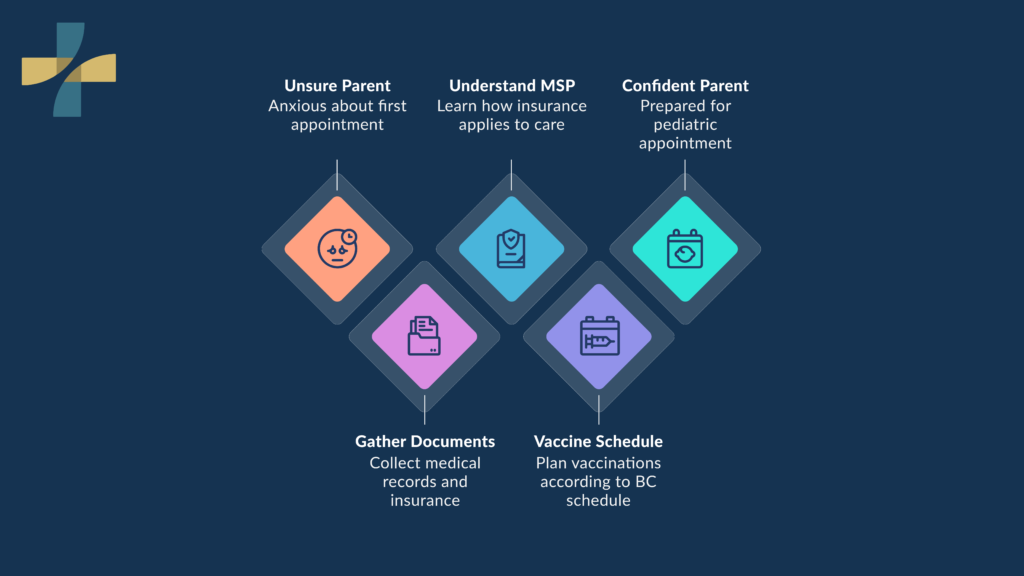
Parents preparing for a first pediatric appointment in Vancouver often feel unsure about what to expect, what documents to bring, and how MSP insurance works. Recent guidance from the Canadian Paediatric Society shows that early visits play a key role in tracking growth, development, and vaccine timing. According to the Public Health Agency of Canada, about 92% of children in Canada receive key vaccines like measles and polio by age two, showing strong trust in early pediatric care and vaccination planning. This highlights why early visits play an important role in keeping your child on track. This guide explains the full process in clear steps. You will learn what to bring, how the pediatric consultation process works, how MSP insurance applies, and how vaccines are planned under the child vaccination schedule BC. The goal is to help you prepare, reduce parent anxiety, and move forward with confidence. What Happens At A First Pediatric Appointment In Vancouver? A first pediatric appointment in Vancouver is a structured medical visit where a doctor reviews your child’s history, checks growth, and assesses development. The visit usually lasts 30 to 45 minutes and includes a full physical exam and discussion of next steps. During the pediatric consultation process, the doctor focuses on both medical and developmental factors. This ensures early identification of concerns and supports long-term child health planning. What the pediatric consultation process includes Review of medical history form Growth assessment, including weight, height, and head size Developmental milestones check Full physical examination Review of vaccination record Example scenario: A parent brings a 6-month-old infant for the baby’s first doctor appointment. The pediatrician reviews feeding patterns, sleep habits, and early motor skills such as rolling or sitting. This helps confirm development is on track. How long is the first pediatric visit Visit Type Duration Standard pediatric visit 30 to 45 minutes Developmental consultation 45+ minutes What Should You Bring To Your Child’s First Pediatric Appointment? The best way to prepare is to bring a complete pediatric appointment checklist that includes your BC health card, immunisation records, and medical history. These documents allow the pediatrician to make accurate decisions during the visit. Missing key documents can delay care or require follow-up visits. Preparing in advance helps the appointment run smoothly. Complete pediatric appointment checklist BC health card or MSP insurance details BC immunisation record or vaccination record List of medications and allergies Birth history and hospital discharge summary Previous test results or specialist reports Completed medical history form Consent forms, if required Why each document matters Document Purpose BC health card Confirms MSP insurance eligibility Immunisation record Tracks the child vaccination schedule BC Medical records Prevents repeated testing Consent forms Allows treatment or data sharing Example scenario: A parent forgets the vaccination record. The pediatrician cannot confirm vaccine timing, so follow-up is required. Bringing all documents avoids this delay. Is MSP Coverage Required For A Pediatric Visit In Vancouver? MSP insurance covers most medically necessary pediatric visits in Vancouver, including consultations, exams, and follow-ups. A valid BC health card is required, and some non-medical services may involve additional fees. This system helps families access essential care without direct payment for standard visits. What MSP pediatric visit coverage includes General pediatric consultations Growth and developmental assessments Medical evaluations and follow-ups What MSP may not cover School or camp forms Medical letters Administrative reports Example scenario: A parent requests a detailed school form during the visit. This may not fall under MSP pediatric visit coverage and could require a separate fee. Learn more about MSP pediatric visit coverage and eligibility through the Medical Services Plan (MSP) Overview. What Vaccines Are Discussed At The First Pediatric Visit In BC? A pediatrician reviews your child’s vaccination record and aligns it with the child’s vaccination schedule BC. This ensures your child receives the right vaccines at the right time and catches up if any doses were missed. Vaccines protect against common diseases and support long-term health. Overview of child vaccination schedule BC Age Common Vaccines Birth Hepatitis B 2 months DTaP, Polio, Rotavirus 4 months Booster doses 6 months Additional boosters 12 months MMR, Varicella What the pediatrician checks Accuracy of vaccination record Missed or delayed doses Future vaccine schedule Example scenario A child misses a 4-month vaccine due to illness. The pediatrician creates a catch-up plan to keep immunisation on track. You can review your child’s vaccine timing and requirements in the BC Immunisation Schedule to stay aligned with recommended guidelines. How Can You Prepare Your Child For Their First Pediatric Appointment? To prepare for a baby’s first doctor appointment, keep explanations simple, stay calm, and bring comfort items. Children respond to their environment, so a relaxed parent helps reduce stress during the visit. Preparation improves cooperation and helps the doctor complete the assessment efficiently. Simple ways to prepare your child Explain the visit using simple words Bring a favourite toy or blanket Schedule the visit around nap time Do and don’t guidance Do: Stay calm and positive Keep explanations short Don’t: Use fear-based language Over-explain medical steps Example scenario: A calm parent helps their child stay relaxed during the exam. This allows the pediatrician to complete the growth assessment without difficulty. What If Your Child Cries Or Feels Nervous During The Visit? Crying or anxiety during a pediatric visit is normal. Pediatricians are trained to manage these reactions and still complete accurate assessments. Understanding this helps reduce parent anxiety and allows you to focus on your child’s care. Why do children react this way New environment Unfamiliar people Sensory discomfort How pediatricians manage it Use simple and calm communication Perform quick, focused exams Involve parents during the process Example scenario: An infant cries during the exam but remains responsive. The pediatrician still completes the evaluation without affecting the results. Do You Need A Referral To See A Pediatrician In
First Pain Clinic Appointment in Vancouver: What to Bring, Insurance (ICBC) & What to Expect
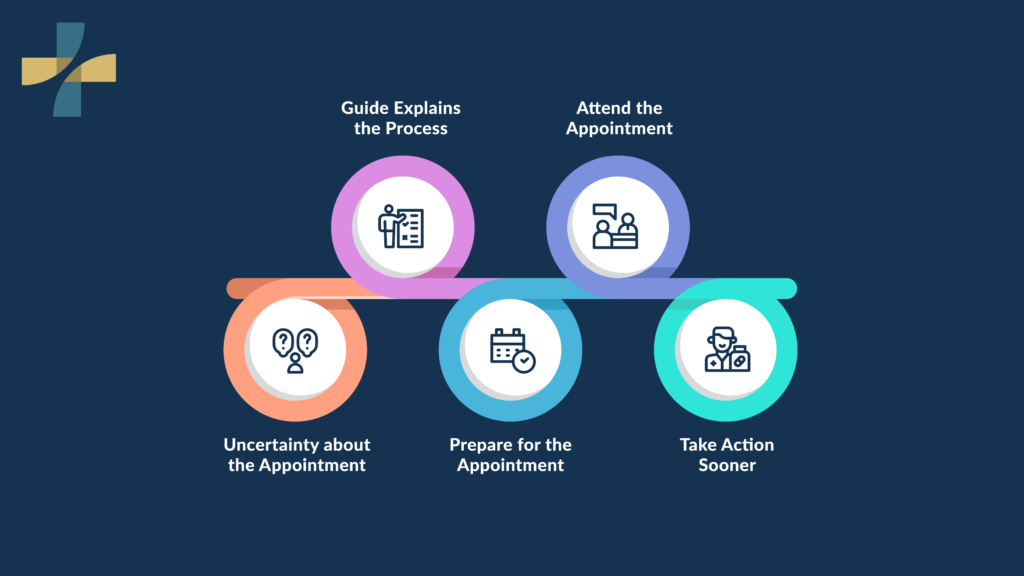
A first pain clinic appointment in Vancouver that many patients attend can feel uncertain. Many people are unsure what to bring, how the visit works, and whether ICBC insurance applies. These questions often delay care. This guide explains the full process in clear steps. You will learn what to bring to a pain clinic appointment, how the consultation works, and what happens next. The goal is to help you prepare for a medical visit with confidence and take action sooner. What Happens at Your First Pain Clinic Appointment in Vancouver? A first pain clinic appointment in Vancouver is a structured consultation that reviews your medical history, symptoms, and functional limits. The clinic uses this information to complete a chronic pain evaluation process and build a treatment plan that matches your condition and goals. Step 1: Check-in and paperwork The visit starts with registration and forms. You will provide ID, insurance coverage details, and your ICBC claim number if your injury is from a motor vehicle accident. You will complete: Consent forms Pain assessment questionnaire Intake health forms These forms help the clinic understand your condition before the assessment begins. Step 2: Medical history and symptom review The provider will review your full medical history for pain specialist evaluation. This includes past injuries, surgeries, and treatments. You will discuss: Current symptoms and pain levels Medication list, including over-the-counter drugs Previous treatments and results A clear history helps identify patterns and possible causes of pain. Step 3: Physical exam and functional assessment The provider will assess movement, posture, and pain triggers. This is part of a structured pain management consultation process. The exam may include: Range of motion testing Strength and flexibility checks Identification of functional limitations The goal is to understand how pain affects daily activity. Step 4: Diagnosis and treatment planning After the evaluation, the provider explains findings and outlines a plan. This helps you understand treatment options and expected progress. The plan may include: Therapy or rehabilitation: Targeted treatments such as physiotherapy, massage therapy, or guided movement exercises to improve mobility and reduce pain over time Lifestyle changes: Simple adjustments like posture correction, activity modification, sleep habits, or daily routines that support recovery and prevent flare-ups Pain management strategies: Non-invasive options such as stretching programs, heat or cold therapy, and education on how to manage symptoms at home Further testing (if needed): Requests for updated imaging reports or additional assessments to better understand the source of pain Follow-up visits: Scheduled appointments to monitor progress, adjust treatment, and track improvements You will leave with a clear direction for care, including next steps and what to expect moving forward. Chronic pain affects many adults and often requires structured care. The Canadian Pain Task Force reports that about one in five Canadians lives with chronic pain, making it one of the most common long-term health concerns in the country. This is why a clear pain management consultation process matters. It helps identify the cause of pain and supports a more focused treatment plan from the start. What Should You Bring to Your First Pain Clinic Appointment? To prepare for a pain clinic appointment, bring key documents that support accurate diagnosis and faster care planning. For an ICBC pain clinic visit, include your ICBC claim number and related paperwork so the clinic can coordinate your insurance coverage and treatment. Essential checklist Bring the following documents for a pain clinic appointment: Government-issued ID Insurance coverage details ICBC claim number (if applicable) Medication list Imaging reports such as X-ray, MRI, or CT scans Referral for pain clinic Vancouver (if required) Medical records Helpful but optional items These items improve the quality of your assessment: Symptom diary showing pain patterns Notes on functional limitations Questions about your condition or treatment When a patient brings complete records and a simple symptom diary, the provider can spot patterns faster and move straight into planning care. If documents are missing, the clinic may need to request records first, which can slow down diagnosis and delay treatment. Do You Need a Referral for a Pain Clinic in Vancouver? A referral for a pain clinic in Vancouver is often required for public clinics, while some private clinics allow direct booking. Checking referral requirements early helps you schedule a pain assessment at NV Med without delays. Referral pathways Family doctor referral Specialist referral Direct booking at private clinics Impact on access Type of Clinic Referral Needed Wait Time Public clinic Yes Longer Private clinic Sometimes Shorter Patients who book directly often access care faster. How does ICBC Insurance Work for a Pain Clinic Visit? An ICBC pain clinic visit may be covered if your injury is linked to a motor vehicle accident. You need an active ICBC claim number, and approval depends on your treatment plan and claim status. Clinics may also help coordinate documents to support your insurance coverage. What ICBC typically covers Initial assessments Approved treatment sessions Rehabilitation services What you need to provide ICBC claim number Accident details Supporting medical documents According to the Insurance Corporation of British Columbia, coverage is based on your claim status and approved care plan, which is why having complete documentation helps avoid delays. When you bring your records and a symptom diary, your provider can understand your condition faster and start planning care right away. If anything is missing, the clinic may need to request it later, which can slow things down. How Long Does the First Pain Clinic Appointment Take? A first pain clinic appointment usually takes 30 to 60 minutes. This allows enough time for a full pain management consultation process, including history review, physical assessment, and treatment planning. Factors that affect timing Complexity of symptoms Amount of documentation provided Need for further testing What happens during that time Structured discussion Focused physical exam Clear explanation of next steps The process is organised and not
Blood Sugar Test in Vancouver: Signs You May Need One Sooner Than You Think (2026)
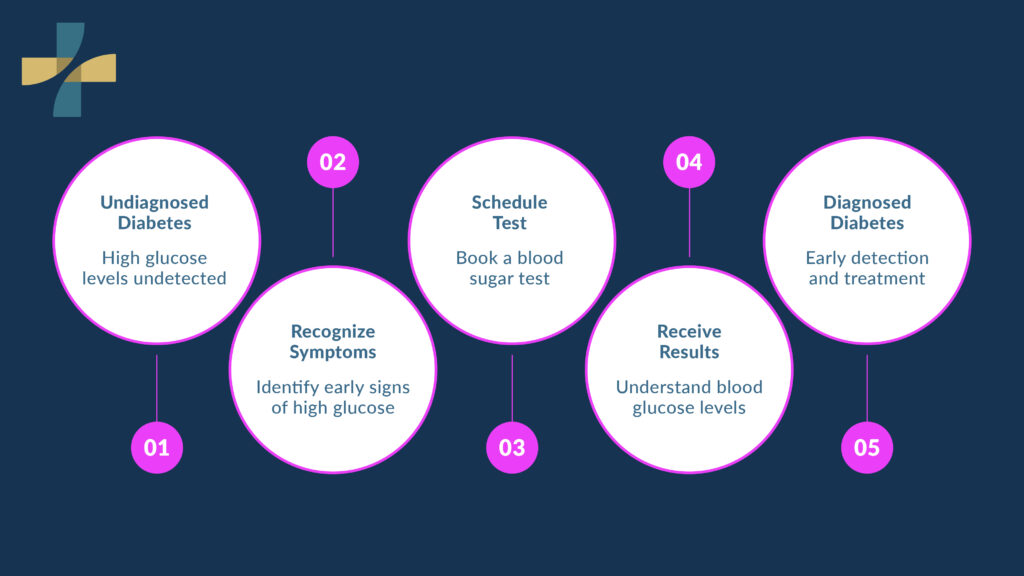
A blood sugar test measures how much glucose is in your blood and helps detect diabetes or prediabetes early. Many people experience symptoms of high glucose for months or years before diagnosis. Early testing helps doctors detect abnormal blood sugar levels before complications develop. Diabetes is a growing health concern. According to the Public Health Agency of Canada, about 3.9 million Canadians were living with diagnosed diabetes in 2023–2024, and around 1.9% of adults may have undiagnosed diabetes. Screening through a blood glucose test can detect problems early and guide treatment. This article explains the early signs of high glucose, when to check blood sugar, the types of diabetes screening tests available, diabetes risk factors in Vancouver, and how to book a pathology appointment. By the end, you will understand when to schedule a blood sugar test and how testing can help protect long-term health. What Is a Blood Sugar Test and Why Do Doctors Use It? A blood sugar test measures the level of glucose circulating in your bloodstream. Doctors use this test to detect diabetes, monitor blood sugar levels, and identify prediabetes before symptoms worsen. Early screening allows doctors to detect abnormal glucose levels before complications affect the heart, nerves, kidneys, or eyes. Glucose is the main source of energy for the body. It comes from carbohydrate foods such as bread, rice, fruit, and sweets. When glucose enters the bloodstream, the pancreas releases insulin to move sugar into cells, where it is used for energy. When insulin does not work properly, blood glucose levels increase. This condition is known as hyperglycaemia. Over time, high blood sugar can damage blood vessels and organs. Doctors recommend blood glucose testing in Vancouver for several reasons: Detect diabetes Identify prediabetes Monitor treatment for diabetes Evaluate symptoms of high blood sugar Monitor medications that affect glucose levels A random blood sugar test may be used when symptoms appear suddenly. A routine blood panel may also include glucose measurement. Mini scenario: A Vancouver office worker experiencing fatigue and frequent thirst may assume stress or dehydration. A simple blood sugar test during a routine exam can reveal whether glucose levels are elevated. According to the World Health Organization, about 14% of adults worldwide were living with diabetes in 2022, and early screening through blood tests helps detect the condition before serious complications develop. What Are the Early Signs You May Need a Blood Sugar Test? Early signs of high glucose often appear gradually and may be mistaken for everyday fatigue or dehydration. Symptoms may include frequent urination, increased thirst, fatigue, blurred vision, and slow wound healing. A blood sugar test can confirm whether these symptoms are linked to high glucose levels. Common early signs of high glucose include: frequent urination excessive thirst unexplained weight loss fatigue or low energy blurry vision slow-healing cuts or infections numbness or tingling in hands or feet These symptoms can occur when glucose builds up in the bloodstream instead of entering cells. For example, someone who wakes several times during the night to urinate may assume they are drinking too much water. In reality, this can be a sign of high blood sugar. According to the Centers for Disease Control and Prevention, type 2 diabetes symptoms often take several years to develop, and some people may not notice any symptoms at all. Subtle prediabetes symptoms may include: mild fatigue increased hunger difficulty concentrating dark patches of skin around the neck or armpits These changes may signal insulin resistance. Recognising these signs can help people seek testing earlier. When Should Adults Get a Blood Sugar Test? Adults should consider a blood sugar test starting at age 40 or earlier if they have diabetes risk factors. Medical guidelines recommend screening every three years for healthy adults and more frequently for those at higher risk. Early screening allows doctors to detect prediabetes before it develops into diabetes. When to check blood sugar often depends on personal risk factors. Common diabetes risk factors Vancouver residents should know include: age over 40 family history of diabetes overweight or obesity high blood pressure sedentary lifestyle history of gestational diabetes high cholesterol People with these risk factors may need testing earlier. Example scenario: A 38-year-old patient with a family history of diabetes and weight gain may benefit from preventive blood glucose testing, even before age 40. Younger adults may also need screening if they have: Polycystic ovary syndrome sleep apnoea high triglycerides history of steroid medication use Doctors may recommend regular screening as part of routine care with a diabetes check gp visit. What Types of Blood Sugar Tests Are Available? Several tests measure glucose levels in the blood. Each test provides different information about how the body processes sugar. Doctors often use fasting glucose tests, HbA1c tests, or random blood sugar tests to diagnose diabetes or monitor blood sugar control. Below is a comparison of common tests used in diabetes screening. Test What it measures When it is used Fasting glucose test Blood sugar after 8 hours of fasting Diabetes screening HbA1c blood test Average glucose over 2–3 months Diagnosis and monitoring Random blood sugar test Blood sugar at any time Evaluate symptoms Oral glucose tolerance test Body response to a glucose drink Gestational diabetes Fasting for glucose test A fasting glucose test in Vancouver measures blood sugar after at least eight hours without food. This test shows baseline glucose levels. Doctors commonly use fasting tests for routine screening. HbA1c blood test An HbA1c blood test measures average blood glucose levels over the previous two to three months. This test provides a longer view of glucose control and helps confirm diabetes. Many doctors order HbA1c tests together with fasting glucose tests. Random blood sugar test A random blood sugar test measures glucose regardless of when you last ate. Doctors may use this test when symptoms appear suddenly. These tests are commonly available through local blood collection centres or diagnostic laboratories.
Women’s Preventive Health Screening in Vancouver: Essential Tests You Shouldn’t Skip (2026 Guide)
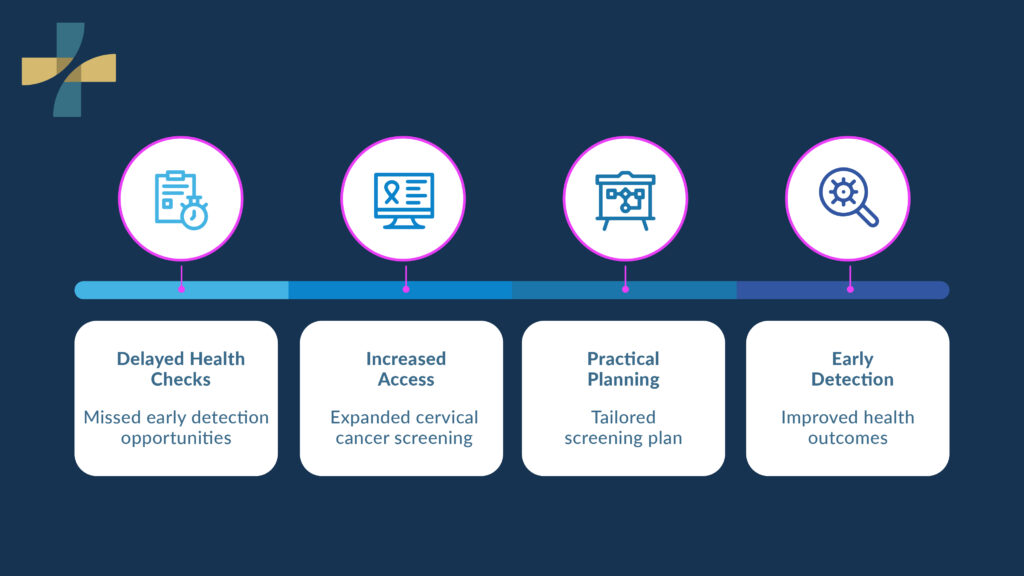
Women’s Preventive Health Screening helps detect medical conditions early, often before symptoms appear. Many health problems such as cancer, thyroid disease, iron deficiency, and heart disease develop gradually. Routine screening tests help doctors detect these issues earlier and guide treatment decisions. Many women delay routine health checks because they feel well or are busy with work and family responsibilities. Health checks at Vancouver clinics help identify risks early and create a practical screening plan. Recent health policy changes in British Columbia have expanded access to cervical cancer screening. According to the Canadian Partnership Against Cancer, British Columbia launched Canada’s first HPV self-screening program in January 2024, allowing eligible individuals to collect their own screening sample at home as part of the Cervical Screening BC program. These initiatives aim to increase screening participation and support early detection of cervical cancer. This guide explains essential health tests for women and when they should be performed according to preventive care guidelines Vancouver healthcare providers follow. Why Is Women’s Preventive Health Screening Important? Women’s preventive health screening is the process of identifying disease risk before symptoms appear. Preventive tests for women detect conditions such as cancer, heart disease, anemia, and hormone disorders early. Early detection improves treatment success and supports long term health through routine health checks. Many diseases develop without clear symptoms in early stages. A woman may feel healthy even when conditions such as high cholesterol or thyroid imbalance are present. Routine screening helps doctors monitor risk factors and recommend treatment before health problems worsen. Preventive screening also helps detect common health issues affecting women: breast cancer cervical cancer iron deficiency women thyroid disorders osteoporosis cardiovascular disease A large cancer mortality analysis published in JAMA Oncology estimated that 5.94 million cancer deaths were averted between 1975 and 2020 through prevention, screening, and treatment advances, with prevention and screening accounting for most of these reductions. Screening allows doctors to detect abnormal changes before disease progresses. Regular screening also helps doctors track long term health patterns such as weight changes, blood pressure, and cholesterol levels. What Preventive Health Tests Should Women Have Regularly? Essential health tests for women include cervical screening, breast cancer screening, blood pressure checks, cholesterol testing, thyroid testing, iron level testing, and bone density testing. These preventive tests for women detect cancer, hormone disorders, cardiovascular disease, and bone loss earlier. Doctors recommend a group of core preventive tests during routine health visits. Screening Test Purpose Typical Age to Start Cervical screening test Vancouver Detects abnormal cervical cells 25 Breast cancer screening Vancouver Detects breast tumors 40–50 Blood pressure test Identifies hypertension Adult Cholesterol test Assesses heart health Adult Thyroid test women Detects hormone imbalance Adult Iron deficiency screening Detects anemia Adult Bone density test Vancouver Detects osteoporosis 50+ These essential health tests for women are often reviewed during an annual health check women appointment. The exact schedule depends on age, family history, lifestyle factors, and medical history. A general practitioner or gp doctor for women’s health in Vancouver may adjust screening frequency when risk factors exist such as family history of cancer or metabolic disease When Should Women Start Preventive Health Screenings? Most women begin preventive health screening in their early twenties with cervical screening and routine medical exams. Additional screenings such as breast cancer screening Vancouver programs, heart health assessments, and bone density testing are introduced later based on age and risk factors. Preventive screening is usually organized by age group. Screening in Your 20s and 30s In early adulthood, doctors focus on reproductive health, hormone balance, and basic preventive care. Common screenings include: cervical screening program and testing in BC sexual health testing thyroid test or screening for women iron deficiency test for women blood pressure monitoring Iron deficiency can begin earlier in life. According to a 2025 PLOS One study, iron deficiency is common in adolescent girls because iron needs increase during puberty and menstrual blood loss can lower iron stores, especially in those with heavy periods. A simple blood test during routine health checks can detect anemia early. Screening in Your 40s and 50s During midlife, additional screening tests become important. Recommended screenings may include: breast cancer screening Vancouver mammography cholesterol testing for heart health monitoring for women in Vancouver diabetes screening colon cancer screening hormone testing when symptoms occur Breast cancer risk increases with age. Mammograms allow doctors to detect tumors before symptoms develop. Screening After Age 60 Older women benefit from additional screening tests that focus on aging related health risks. These screenings may include: bone density test and scans in Vancouver vision and hearing tests cognitive health screening Bone density testing detects osteoporosis before fractures occur. What Is Included in a Women’s Annual Health Check? An annual health check women appointment reviews overall health, lifestyle habits, and preventive screening needs. Doctors measure blood pressure, weight, and heart health indicators while reviewing medical history. This appointment helps determine which preventive tests for women should be scheduled. A routine health check often includes several evaluations. Typical assessments include: blood pressure check cholesterol blood test thyroid hormone test iron deficiency screening diabetes blood test reproductive health review Many conditions are first identified during routine blood work. Example scenario: A patient visits a clinic for a routine health exam. Blood tests reveal elevated thyroid stimulating hormone levels. The doctor orders further testing and diagnoses hypothyroidism early before severe symptoms appear. Routine exams also help doctors monitor long term trends such as weight change, metabolic health, and cardiovascular risk. How Do Cervical Screening Tests Work? A cervical screening test checks the cervix for changes linked to human papillomavirus, or HPV. In Vancouver, regular screening helps detect abnormal cells before they develop into cancer. The cervical screening program in BC recommends regular testing between ages 25 and 65. Two primary screening tests are used. Test Type Purpose Pap Test Identifies abnormal cervical cells HPV Test Detects virus linked to cervical cancer HPV