How to Find a Family Doctor Accepting New Patients in Vancouver
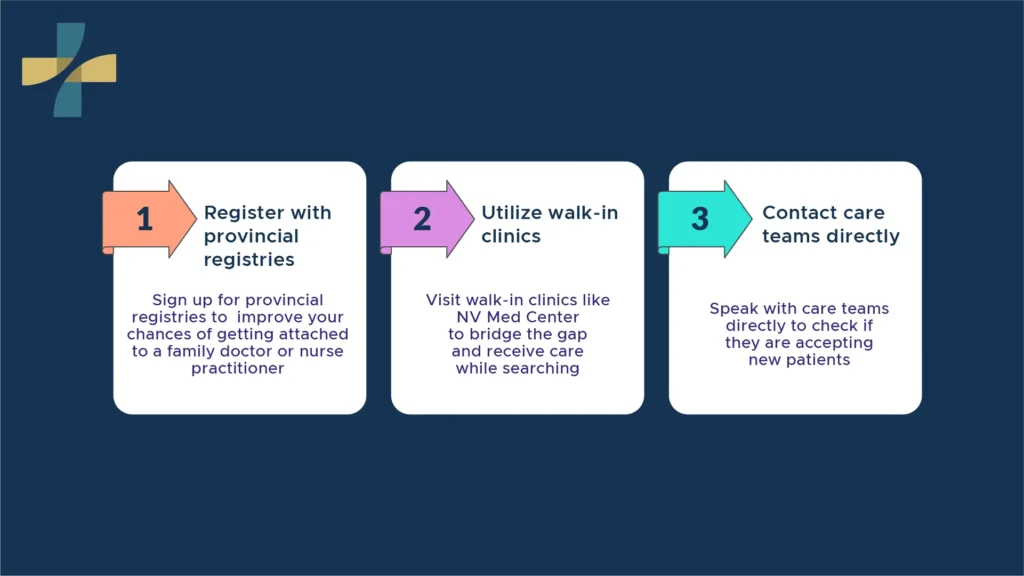
If you’ve spent hours searching online for a family doctor accepting new patients in vancouver only to hit dead end after dead end, you are far from alone. Thousands of Vancouver residents are currently without a regular primary care provider, and the search can feel overwhelming, frustrating, and even a little scary if you have ongoing health needs. The good news is that there are real, practical steps you can take right now to improve your chances of getting attached to a family doctor or nurse practitioner. From provincial registries to walk-in clinics that bridge the gap, this guide breaks down exactly what to do, in what order, so you’re not left guessing. While you work through these steps, NV Med Center offers walk-in care, so you’re never without support in the meantime. You can check if we’re accepting new patients or speak with our care team directly. Why It’s Hard to Find a Family Doctor in Vancouver British Columbia is in the middle of a well-documented family doctor shortage bc, and Vancouver has felt this strain acutely. Many long-practicing physicians are retiring, while fewer new doctors are choosing family medicine due to historical funding models that made it financially difficult to run a traditional practice. At the same time, the city’s population continues to grow, which means demand for primary care keeps rising even as the number of available doctors shrinks. The result is a large pool of unattached patients bc, the official term for people without a regular family doctor. Example Case: Maria moved to Vancouver for work and assumed finding a family doctor would take a few phone calls. After contacting over 15 clinics with no openings, she realized she needed a more strategic approach to navigate the family doctor waitlist vancouver. Over 900,000 British Columbians are currently unattached to a family doctor. Vancouver has one of the highest concentrations of unattached patients in the province. New payment models introduced in recent years have helped, but demand still outpaces supply. How to Register on the Health Connect Registry The single most important step for anyone searching for a family doctor accepting new patients vancouver is registering with the Health Connect Registry bc. This is the provincial government’s official tool for matching unattached patients with available family doctors and nurse practitioners. You can register directly on the official HealthLink BC Health Connect Registry portal. Registration takes about five to ten minutes and can be completed entirely online, or by calling 811 if you prefer to register by phone. Once registered, you’ll be placed in a queue based on your health needs and location, and the registry will contact you when a suitable provider becomes available. Example Case: After registering on the Health Connect Registry bc, James received a call within four months connecting him with a nurse practitioner accepting patients vancouver in his neighborhood, far faster than his solo clinic-calling attempts. Visit the HealthLink BC website or call 811 to register for a family doctor bc. Have your Personal Health Number (PHN) ready. Update your contact information regularly so you don’t miss a match. Other Ways to Find a Family Doctor Accepting New Patients While the Health Connect Registry should be your first step, it shouldn’t be your only one. Combining multiple strategies significantly increases your odds of getting attached sooner. The Pathways directory, used mainly by healthcare providers, can sometimes be accessed through walk-in clinics or referrals to identify doctors currently accepting patients. Your local Division of Family Practice also maintains community-specific resources and sometimes runs its own patient attachment initiatives. To learn more about regional initiatives, check out the resources provided by Doctors of BC. It’s also worth checking FindADoctorBC, a public-facing directory that lists physicians across the province, including some accepting new patients in the Vancouver area. Example Case: Priya used a combination of FindADoctorBC and calls to her local Division of Family Practice office, discovering a nurse practitioner clinic that had just opened its books to new patients that week. Check FindADoctorBC listings regularly, as availability changes frequently. Ask your local Division of Family Practice about attachment events or open clinics. Consider nurse practitioners, who can provide the same comprehensive primary care as family doctors. What to Do While You Wait Being on a waitlist doesn’t mean you have to go without care. Walk-in clinics, urgent primary care centres, and virtual care options can cover your needs for prescriptions, minor illnesses, and ongoing management while you wait for attachment. It’s also smart to keep a personal health record, including medications, allergies, and past diagnoses, so any clinician you see can quickly understand your history. If you are experiencing symptoms or need ongoing monitoring for long-term health concerns, learn more about how our team assists with Chronic Care Management: How a Medical Center Can Help. Example Case: While waiting on the Health Connect Registry, Tom used a walk-in clinic for a recurring prescription refill and kept a simple health summary on his phone to share with each new provider he saw. Use walk-in clinics or urgent primary care centres for immediate, non-emergency needs. Keep a personal file of medications, allergies, and medical history. Use 811 or HealthLink BC for health advice when you’re unsure whether a visit is needed. How NV Med Center Can Help NV Med Center understands how stressful it is to navigate the healthcare system when searching for a family doctor accepting new patients in Vancouver. While waiting for long-term primary care attachment, you do not have to delay your essential medical needs. Our clinic provides reliable, accessible healthcare services to bridge the gap. Whether you require routine check-ups, preventive screenings, or assistance with specialized paperwork, our medical team is here to support you. You can easily access our comprehensive Clinical Counselling for mental health support, or book a consultation through our Paediatrics services for your children’s health needs. Next Steps to Secure Your Primary Care Provider in BC Taking proactive
What Services Does a Family Doctor Actually Provide? A Complete Guide to Primary Care in BC
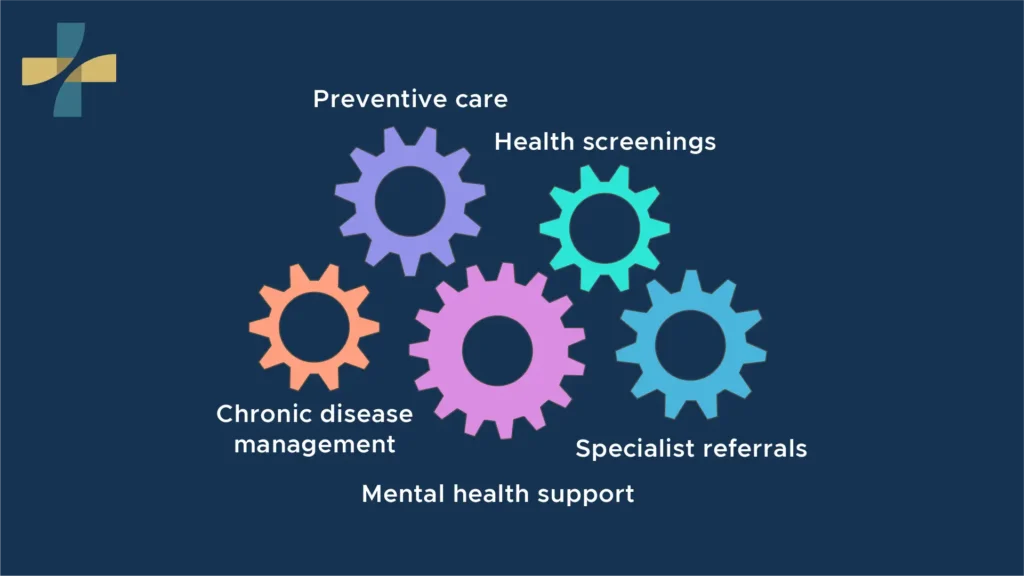
If you have ever left a doctor’s appointment wondering, “What does a family doctor do bc clinics actually offer more than a quick checkup,” you are not alone. Many British Columbians only think of their family doctor when they are sick, but the scope of family medicine bc physicians provide is far broader than most people realize. Understanding the full family doctor services list can help you get more value from your medical visits, catch potential health issues early, and build a long-term, trusting relationship with a healthcare professional who knows your medical history inside out. Whether you want to learn what our GPs can help with or are wondering how to choose the best family physician for your family, this complete guide breaks down everything from preventive care and screenings to chronic disease management, mental health support, and specialist referrals. Looking for comprehensive, patient-centred care in British Columbia? You can see the full range of our family doctor services or book an Online Visit to connect with our care team today. What Does a Family Doctor Do in BC? A family doctor, also referred to as a general practitioner (GP) or primary care physician, is trained to evaluate, diagnose, and treat individuals of all ages across every stage of life. They serve as your central healthcare manager and main guide through the medical system. In British Columbia, if you ask most patients what a family doctor does bc-wide, they might mention treating flu symptoms or prescribing antibiotics. However, according to guidance from the BC College of Family Physicians, their scope encompasses comprehensive lifecycle care, continuous health monitoring, emergency triaging, and guiding you on what to expect at your first family physician visit. Example Case: Sarah, a 34-year-old teacher in Kelowna, sees her family doctor for a routine checkup. During that single visit, her doctor updates her vaccinations, screens her cholesterol, discusses her recent anxiety, and reviews her asthma action plan. Diagnosing and treating acute illnesses (infections, injuries, sudden seasonal ailments). Managing long-term health conditions through personalized treatment plans. Providing preventive screenings and routine immunizations for children and adults. Offering structured mental health support and clinical counseling guidance. Coordinating specialist referrals and diagnostic testing when advanced care is necessary. Preventive Care and Checkups Preventive care is a cornerstone of family doctor preventive care services, yet many patients delay these visits until symptoms become severe. Routine wellness checks make it possible to identify subtle health changes before they develop into major illnesses. Family doctors in BC provide routine physicals, blood pressure checks, cancer screenings, and specialized age-based assessments. For instance, adult men can benefit from men’s health screening over 40, while women receive tailored care including women’s preventive health screening. Furthermore, families can access dedicated Paediatrics services to monitor children’s growth and immunizations. Example Case: A 50-year-old patient schedules an annual physical exam. Based on provincial screening guidelines, his physician orders routine laboratory work and a routine colonoscopy referral, catching and removing a precancerous polyp early. Annual physical exams and comprehensive wellness evaluations Routine immunizations (flu shots, boosters, and travel vaccines) Targeted cancer screenings (Pap tests, mammograms, prostate evaluations) Cardiovascular and metabolic risk assessments Chronic Disease Management Effective family doctor chronic disease management is a vital component of comprehensive primary care services bc families rely on. Long-term health conditions like type 2 diabetes, hypertension, and persistent respiratory issues demand ongoing oversight rather than quick, one-off treatments. According to health data published on HealthLink BC, proactive primary care dramatically reduces emergency room visits for patients with chronic illnesses. Regular monitoring helps balance medications, prevent complications, and maintain daily quality of life. When addressing what conditions does a family doctor treat, chronic illness oversight remains at the top of the list. Real-World Example: A patient managing hypertension works closely with their GP to monitor blood pressure trends and adjust prescriptions, avoiding emergency hospitalization. Diabetes screening test and long-term blood sugar management High blood pressure symptoms monitoring and cardiovascular support Asthma and COPD action planning Comprehensive medication reviews and integrative therapies (including Acupuncture, Physiotherapy, or Massage Therapy for chronic physical discomfort) Mental Health Support Many patients ask, can family doctor treat mental health? The answer is a resounding yes. Family physicians serve as a primary compassionate gateway for patients experiencing psychological distress, stress, anxiety, or mood changes. Your family doctor can perform clinical assessments, prescribe and manage psychiatric medications, and connect you with ongoing therapeutic support. In addition to medical intervention, patients often benefit from integrated Clinical Counselling to build long-term emotional resilience. Real-World Example: A university student struggling with burnout and severe anxiety meets with her family doctor. The physician conducts an initial assessment, outlines a management plan, and links her with professional counselling options covered under BC health resources. Initial diagnostic evaluations for anxiety, depression, and stress Prescription management and routine follow-up care Referrals to specialized psychologists, psychiatrists, or therapists Integrated wellness strategies combining physical and mental health When a Family Doctor Refers You to a Specialist Understanding the family doctor vs specialist scope allows patients to navigate their healthcare journey with clarity. While general practitioners manage roughly 80–90% of everyday medical concerns, complex conditions require focused expertise. If you are unsure whether your situation requires a specialist, read our guide on whether you need referrals for specialist visits. When advanced imaging, surgical evaluation, or targeted therapies are needed, your family physician coordinates the referral while remaining your primary advocate throughout treatment. Real-World Example: A patient suffering from persistent knee pain visits their GP. After initial X-rays show structural joint damage, the family doctor coordinates a referral to an orthopedic surgeon while arranging interim Physiotherapy to maintain joint mobility. Frequently Asked Questions 1-Does a family doctor handle mental health as well as physical health? Yes, family doctors in BC are fully qualified to evaluate, diagnose, and treat common mental health conditions like anxiety and depression. They can prescribe medications, recommend lifestyle adjustments, and refer you to dedicated Clinical Counselling for specialized therapy.
Commercial Driver Medical Requirements in BC: Class 1 to 4 Explained

If you drive for a living or plan to start soon, there is one critical health form standing between you and your career: the commercial driver medical exam bc authorities mandate before approving or renewing your driving credentials. It is not an optional checkup, nor is it handled like a routine visit to your family doctor. Whether you operate a heavy tractor-trailer, a local delivery truck, a taxi, or a passenger bus, ICBC and RoadSafetyBC require clear physical proof that you can operate a commercial vehicle safely. Because requirements vary significantly depending on your specific licence class, letting a deadline slip can freeze your commercial licence and disrupt your livelihood. Below, we break down what is required for Class 1 through 4 commercial drivers, how often you must re-certify, and how to prepare for your clinical appointment. Need Clarification? Not sure which licence class applies to your career goals? Before scheduling your visit, learn about Class 1-4 medical requirements to ensure you bring the right paperwork. What Is a Commercial Driver Medical Exam? A commercial driver medical exam bc assessment is a comprehensive, regulated physical evaluation designed to verify that a professional driver meets British Columbia’s physical and cognitive safety standards. Across BC, these clinical assessments adhere strictly to the CCMTA (Canadian Council of Motor Transport Administrators) Medical Standards for Drivers, ensuring consistent driving fitness evaluations nationwide. Unlike a basic checkup, this exam is built explicitly around occupational driving medical fitness. Your physician evaluates specific medical risks that could affect your alertness, hand-eye coordination, reaction speed, or physical control behind the wheel of a heavy or passenger-carrying vehicle. During your appointment, your physician will evaluate key physical factors, including: Vision and hearing sharpness Cardiovascular health and blood pressure baseline (If irregular heart rhythms are detected, further testing such as Holter Monitoring Assessments may be recommended) Active prescription medications and chronic disease balance Cognitive alertness, reflexes, and neurological function Many commercial operators refer to this evaluation as a DOT-style medical exam bc trucking assessment because its rigorous physical standards assessment that parallels the requirements enforced by the U.S. Department of Transportation. Example Case: A 52-year-old long-haul trucker scheduling his class 1 driver medical requirements bc assessment was flagged for unmanaged sleep apnea and elevated blood sugar. Our clinic ordered a targeted Diabetes Screening Test and guided him through sleep therapy protocols. Once his health metrics stabilized, his medical clearance was granted without compromising his professional schedule. Medical Requirements by Licence Class Medical standards scale directly with vehicle weight, passenger liability, and overall road risk. Here is how BC categorizes Class 1 through 4 medical standards: Class 1 & 2 (Heavy Trucking & Highway Buses) The class 1 driver medical requirements bc standards represent the most stringent medical criteria in the province, as these drivers command multi-axle tractor-trailers and articulated loads. Class 2 covers large passenger buses, carrying equal responsibility. Physicians rigorously evaluate visual acuity, peripheral vision, cardiovascular stability, and conditions causing sudden fatigue. If you have a history of heart condition concerns, your doctor may coordinate with our Family Physician Care team to clear your driving record safely. Example Case: A Class 1 operator with a cardiac pacemaker submitted a detailed cardiologist report alongside his commercial driver medical exam bc form. Because his condition was stabilized and monitored, RoadSafetyBC issued his medical clearance without delay. Class 3 (Medium Trucks & Specialized Equipment) The class 3 driver medical bc guidelines govern operators driving single-axle trucks, dump trucks, or heavy construction vehicles with smaller trailers. While slightly less complex than Class 1 requirements, drivers must still demonstrate complete physical mobility, clear visual field standards, and stable blood pressure management. Class 4 (Taxis, Ambulances, Rideshares & Small Buses) The class 4 driver medical bc taxi bus rules apply to drivers carrying up to 24 passengers or operating emergency service vehicles. Passenger safety in high-density urban traffic depends on fast reaction times. Because of this, physicians focus heavily on sudden-incapacitation risk factors. They also closely evaluate neurological health and unmanaged chronic conditions. Example Case: A taxi driver renewing his Class 4 licence disclosed a history of seizure events. By providing complete medical logs through our walk-in clinic primary care services, his physician verified a long multi-year seizure-free milestone under controlled treatment, successfully clearing his medical file according to RoadSafetyBC medical guidelines. How Often You Need to Renew Your Commercial Medical Commercial drivers in British Columbia must complete a medical exam at set age intervals, or whenever RoadSafetyBC issues a formal Driver Medical Examination Report (DMER) request. Under normal conditions, commercial drivers must submit a new medical report based on the following schedule: Under Age 45: Typically required every 5 years. Ages 45 to 65: Required every 3 years. Over Age 65: Required annually to maintain active commercial driving privileges. If you have an existing condition such as hypertension, diabetes, or a past cardiovascular event, RoadSafetyBC may request more frequent annual re-evaluations regardless of your age. Failing to submit your DMER by the deadline listed on your notice will lead to an automatic downgrade of your commercial licence to a standard Class 5. Cost and What to Expect at Your Appointment Because commercial driver medical exams are considered an occupational licensing requirement, they are not covered under BC’s Medical Services Plan (MSP). Drivers or their employers are responsible for paying the clinical examination fee at the time of the visit. How Much Does it Cost? If you are wondering about the commercial driver medical exam cost vancouver drivers typically encounter, clinic fees across the Greater Vancouver area generally range between $120 and $200, depending on whether additional diagnostic screenings (such as specialized ECGs or detailed vision forms) are required. What Happens During Your Appointment? When you arrive at NVMed Center for your exam, the clinical process is straightforward and efficient: Form Verification: Bring your official Driver Medical Examination Report (DMER) form issued by RoadSafetyBC, along with valid photo ID and your current driver’s licence. Health History Review: The physician
Senior Driver Medical Exam BC: What to Expect at Your 80+ Licence Renewal
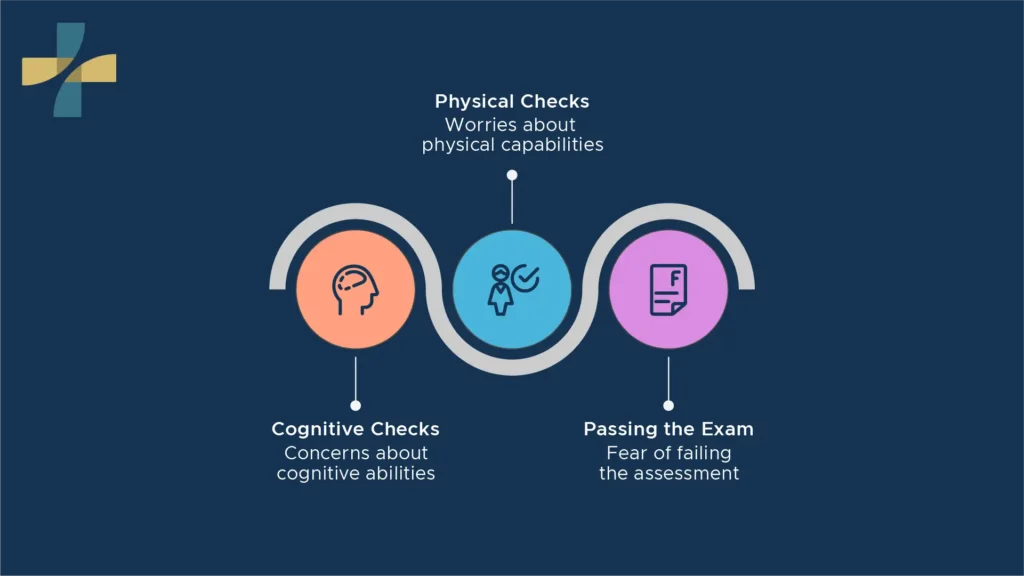
Turning 80 doesn’t mean the end of your driving days in British Columbia, but it does mean a trip to your doctor’s office. Whether you are approaching this milestone yourself or are an adult child helping an elderly parent navigate the driver’s licence renewal at 80 bc, it is completely normal to feel uncertain about what lies ahead. Most people naturally wonder what the senior driver medical exam bc requires, how the cognitive and physical checks work, and whether they will pass. The good news is that most seniors continue driving safely well into their later years. The exam isn’t designed to take your keys away. It’s designed to confirm you can still drive safely, and to catch any health changes that might affect your reaction time, vision, or judgment on the road. If you are ready to complete your required assessment, you can book a senior driving medical assessment with our primary care team today, or skip ahead to learn more about scheduling a driving medical assessment for seniors in Vancouver. Who Needs a Senior Driver Medical Exam in BC? In British Columbia, completing a senior driver medical exam bc is mandatory once a driver turns 80, with follow-up safety screenings required every two years thereafter. This requirement applies across all licence classes, whether you drive a personal sedan, motorcycle, or commercial vehicle. According to official guidelines from RoadSafetyBC, the provincial licensing authority may also request a driving safety screening for drivers of any age if a doctor, family member, or police officer flags a health concern. So while age 80 is the official trigger point, younger drivers with conditions such as a stroke history, seizures, or vision impairments may also be required to undergo assessment. If you have broader questions about how provincial coverage applies to these visits, review our guide on what insurance covers primary care in BC (MSP). Example Case: Margaret, a 79-year-old Vancouver resident, receives a letter from RoadSafetyBC two months before her 80th birthday reminding her to book a medical exam. She has no major health issues, but the checkup remains mandatory to maintain her driving privileges. Applies to all drivers turning 80, regardless of driving record Can also be triggered earlier due to reported medical conditions or cognitive screening flags Required for renewal of any licence class What Happens During the 80+ Medical Licence Renewal The exam itself is straightforward and usually takes about 30 minutes. Your family doctor or a physician at a walk-in clinic completes a standardized form called the Driver’s Medical Examination Report (DMER), which is then submitted directly to RoadSafetyBC for evaluation. To learn more about BC’s senior driver renewal process and general ICBC medical standards, it helps to understand how health and driving safety intersect. The exam focuses on specific physical and mental functions vital for safe driving rather than just your age on paper. If it has been a while since your last full checkup, you might also be interested in our guide to annual physical exams in Canada and essential blood tests. Cognitive Screening During the cognitive screening portion, doctors carefully evaluate memory, spatial awareness, and decision-making capabilities. This is typically conducted through natural conversation and brief, validated assessment tools to detect early signs of confusion or dementia. This isn’t a pass-or-fail memory quiz in the way people imagine. It’s a general assessment of mental sharpness, awareness, and reasoning under normal road circumstances. Vision and Physical Checks Your doctor will test visual acuity and peripheral vision, since both are critical for safe driving. They’ll also check for physical limitations such as joint stiffness, muscle weakness, or slowed reflexes that could affect braking or steering. For male seniors preparing for these comprehensive appointments, combining this evaluation with a broader men’s health screening over 40 in Vancouver can be an efficient way to manage overall wellness. Blood pressure, hearing, and any medications that cause drowsiness or dizziness are typically reviewed as well. Example Case: An 81-year-old man in Surrey has early-stage arthritis in his neck, limiting his ability to check blind spots. His doctor notes this on the form, and RoadSafetyBC requests an additional practical road assessment before renewing his licence. How Often Do Seniors Need to Renew? After your initial senior driver medical exam bc at age 80, RoadSafetyBC mandates a new medical evaluation every two years. This two-year cycle operates independently from standard driver’s licence card renewals, which occur every five years. Medical professionals and licensing officers emphasize that health conditions can evolve rapidly in later decades. A driver who demonstrates full functional capacity at 80 may develop vision changes, cardiovascular issues, or joint mobility limitations by age 82 that warrant closer monitoring. Example Case: An 84-year-old woman in Richmond passed her exam at 80 with no issues. Two years later, her renewal exam flags early cataracts, prompting a referral to an ophthalmologist before her licence is confirmed. What If You Don’t Pass the Assessment? Not passing doesn’t automatically mean losing your licence. In many cases, RoadSafetyBC will ask for more information, such as a specialist’s report, an occupational therapy driving evaluation, or a formal road test. If a serious medical concern is confirmed, RoadSafetyBC may issue a restricted licence instead of a full cancellation. This could mean daytime-only driving, no highway driving, or a requirement for corrective lenses. In cases involving significant cognitive decline or unmanaged medical conditions, a licence may be suspended. Drivers and their families have the right to appeal a licensing decision and can request a reassessment once their medical status is clarified or stabilized. Example Case: A senior driver in Burnaby is flagged for slower reaction times during his cognitive and physical check. Rather than revoking his licence immediately, RoadSafetyBC requests an occupational therapy driving assessment to test his real-world skills before making a final determination. Booking Your Senior Driver Medical Exam in Vancouver When your RoadSafetyBC renewal notice arrives in the mail, booking your appointment promptly ensures you avoid any gap in your
Swollen Lymph Nodes: Common Causes, Symptoms, and When to See a Doctor
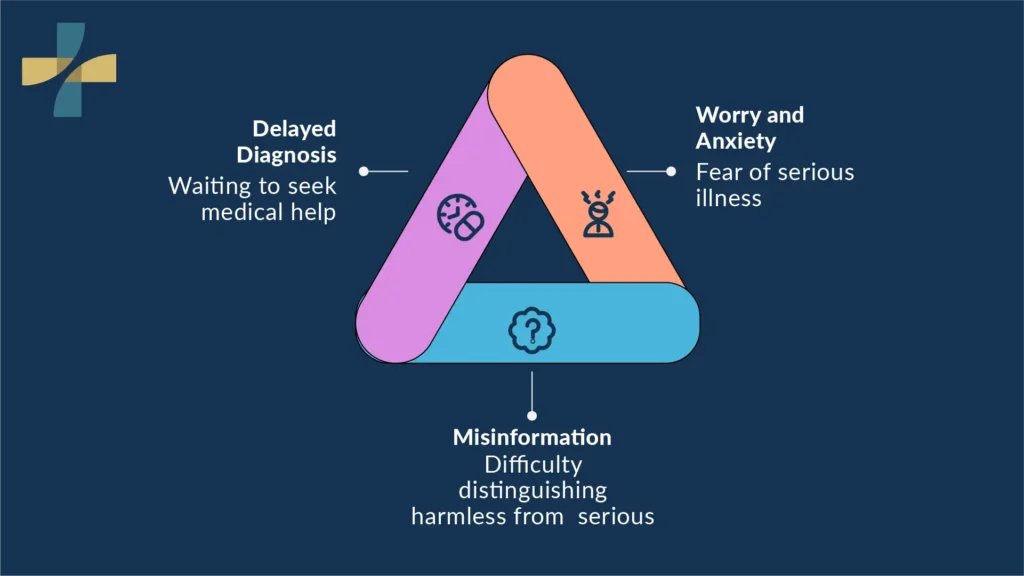
Noticing a tender lump on your neck, under your jaw, or in your armpit can be unsettling. Swollen lymph nodes are one of the most common reasons people search for answers online, often late at night, worried about what the bump might mean. The good news is that in the vast majority of cases, swollen lymph nodes are a sign your immune system is doing exactly what it’s supposed to do: fighting off an infection. Still, understanding the difference between a harmless reaction and something that needs medical attention is important for your peace of mind and your health. This guide breaks down what swollen lymph nodes are, why they happen, and when it’s time to get checked out by a professiona If you’re currently dealing with a painful, persistent, or painful swollen lymph nodes situation, our team at NV Med Center can help you get answers quickly. You can easily book a doctor appointment for swollen lymph nodes directly through our clinic to ensure accurate diagnostic oversight. What Are Swollen Lymph Nodes? Lymph nodes are small, bean-shaped structures that are part of your lymphatic system, which plays a key role in your body’s immune defense. You have hundreds of them located throughout your body, including clusters in your neck, under your jaw, in your armpits, and in your groin. When your body detects an infection, injury, or illness nearby, these nodes can swell as they produce more white blood cells to fight it off. This swelling, medically known as lymphadenopathy, is essentially a visible sign of your immune system at work. Most swollen lymph nodes are soft, movable, and tender to the touch, and these neck lumps typically shrink back to normal size within two to three weeks once the underlying cause resolves. Example Case: A 28-year-old with a sore throat and fever notices a tender lump nodes under the jaw swollen cluster. Her doctor confirms it is a reactive node responding to standard strep throat symptoms, and it resolves within a week of antibiotic treatment. Lymph nodes act as filters, trapping bacteria, viruses, and abnormal cells. Swelling near the affected area often points directly to the primary cause. Common Causes of Swollen Lymph Nodes in the Neck, Armpit, or Groin The location of your swollen lymph nodes often gives clues about what’s causing them. Neck and jaw swelling is frequently linked to throat, ear, or dental infections. Armpit nodes swelling can relate to arm or hand infections, while groin nodes swelling often connects to lower body or genital infections. Viral infections, bacterial infections, and local inflammation Viral causes: Viral infections such as the common cold, flu, mononucleosis, or COVID-19 are among the most frequent triggers of swollen glands. These infections cause widespread, mild swelling that typically resolves on its own. Bacterial causes: Bacterial infections, including strep throat, skin infections, or dental abscesses, often cause more localized, painful lymph nodes near the infection site. These may require antibiotics to fully clear. Inflammatory causes: Local inflammation from cuts, insect bites, or skin irritation near a node cluster can also trigger swollen lymph nodes, as the body responds to the localized injury. Example Case: A construction worker develops a cut on his hand that becomes infected. Within days, he notices swollen, painful lymph nodes under his armpit, a direct response to the spreading infection. Viral causes: colds, flu, mono, COVID-19 Bacterial causes: strep throat, skin infections, dental infections Inflammatory causes: cuts, bites, localized skin irritation Swollen Lymph Nodes and Sore Throat, Ear Infection, or Sinus Symptoms It’s extremely common for swollen lymph nodes under the jaw or in the neck to appear alongside a sore throat, ear infection, or sinus infection. This happens because these areas share nearby lymphatic drainage pathways. If you have a sore throat with swollen glands, strep throat, or a viral pharyngitis, it is often the culprit. An ear infection, particularly in children, can cause tender nodes just behind the ear or along the jawline. Similarly, sinus infection symptoms may lead to mild swelling in the upper neck as the body actively responds to congestion and localized inflammation. In most of these cases, the swelling subsides as the primary infection clears, usually within one to two weeks, especially with appropriate treatment such as rest, fluids, or antibiotics when necessary. When Should You Worry About Swollen Lymph Nodes? While most instances of lymphadenopathy symptoms are entirely harmless, certain clinical signs warrant closer medical evaluation. According to leading healthcare guidelines, lymph nodes that are hard, fixed in place, rapidly growing, or persist longer than two to four weeks should be checked by a physician. Other warning signs include: Swelling without any obvious signs of a cold or respiratory infection. Unexplained weight loss occurs alongside the swelling. Persistent, drenching night sweats. A prolonged, low-grade fever that does not break. Nodes that feel completely hard, rubbery, or immovable under the skin. While these signs can sometimes indicate an underlying autoimmune disease, a severe chronic condition, or a potential cancer risk, an accurate diagnostic confirmation can only be determined through a professional medical evaluation. How Doctors Evaluate Swollen Lymph Nodes When you present with an unexplained neck lump or chronic swelling, a medical provider will perform a systematic clinical review. The process typically includes: Medical History Review: Your doctor will ask about the duration of the swelling, whether you have had a recent virus or bacterial issue, and check for systemic symptoms like fever or fatigue. Physical Examination: The physician will gently palpate the nodes to check their size, texture, mobility, and level of tenderness. Diagnostic Testing: If the underlying swollen lymph nodes causes remain unclear, your care team may order blood tests, imaging studies (such as an ultrasound), or recommend a specialized biopsy to examine the tissue cells directly under a microscope. How NV Med Center Can Help With Persistent Swelling If you are experiencing prolonged swelling or are unsure about a new lump, you do not have to guess the cause. At NV Med Center,
Strep Throat Symptoms: Signs, Testing, and When to See a Doctor
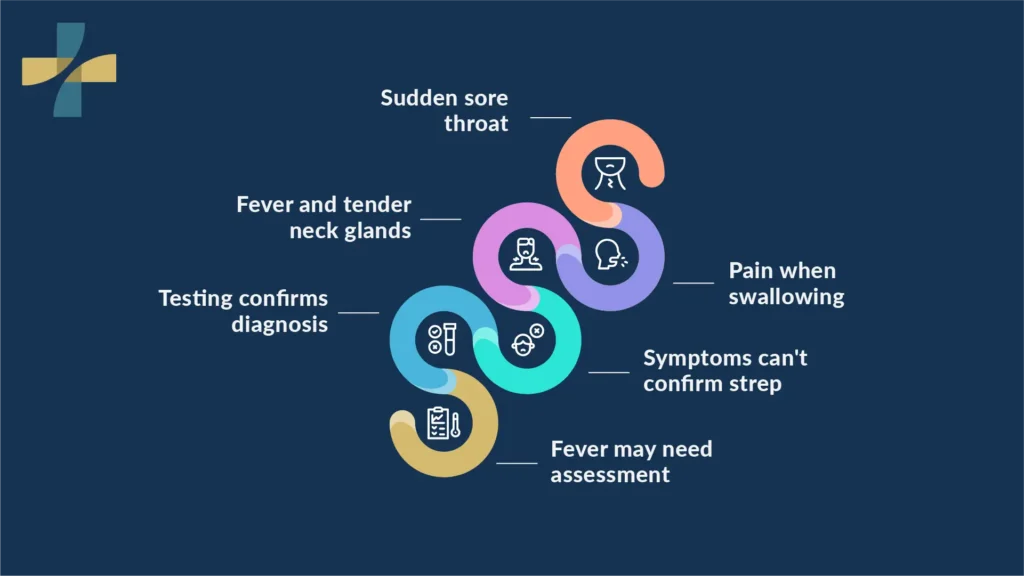
Strep throat symptoms may include a sore throat that begins suddenly, pain when swallowing, fever, tender neck glands, red or swollen tonsils, and white patches on the tonsils. However, symptoms alone cannot confirm strep throat because viral infections can cause similar signs. Strep throat is an infection of the throat and tonsils caused by group A Streptococcus bacteria. Viruses cause most sore throats. According to the Centers for Disease Control and Prevention, around 3 in 10 children and 1 in 10 adults with a sore throat have strep throat. A healthcare provider may recommend a rapid antigen test, throat culture, or another approved diagnostic test based on your symptoms, age, exposure history, and examination. Appropriate treatment for confirmed strep throat can reduce transmission, shorten symptoms, and lower the risk of some complications. If you have a sore throat with fever, a medical assessment can help determine whether testing or another form of care may be appropriate. What Are the Most Common Strep Throat Symptoms? Common strep throat symptoms include sudden throat pain, painful swallowing, fever, tender lymph nodes at the front of the neck, and red or swollen tonsils. Some people develop white patches or streaks of pus on their tonsils. Children may also have headaches, stomach pain, nausea, or vomiting. Symptoms usually develop about two to five days after exposure to group A strep bacteria. The infection is most common among children aged 5 to 15, but adults can also develop it, particularly when they have regular contact with school-aged children or people in crowded settings. Sore throat, fever, swollen lymph nodes, and tonsil changes Possible symptoms and examination findings include: A sore throat that begins quickly Pain when swallowing Fever Red and swollen tonsils White patches or streaks of pus on the tonsils Tiny red spots on the roof of the mouth Tender or swollen lymph nodes at the front of the neck Headache Body aches Reduced appetite Stomach pain, nausea, or vomiting, particularly in children A rough, red rash associated with scarlet fever These symptoms are consistent with guidance from the CDC’s clinical overview of group A strep pharyngitis and the Public Health Agency of Canada. Strep throat does not usually cause a cough, runny nose, hoarse voice, mouth ulcers, or conjunctivitis. These symptoms are more suggestive of a viral infection. Still, the absence of a cough does not prove that a person has strep throat. The combination of sudden throat pain, fever, tender neck glands, and tonsil changes may raise clinical suspicion, but a healthcare provider generally needs a diagnostic test to confirm group A strep when clear viral symptoms are absent. Strep Throat vs Sore Throat: Key Differences Strep throat is one possible cause of a sore throat. Most sore throats are caused by viruses, and symptoms often overlap. Cough, runny nose, hoarseness, conjunctivitis, and mouth ulcers point more strongly toward a viral infection, while sudden throat pain, fever, tender neck glands, and tonsil exudate may increase suspicion of strep. The comparison below can help readers understand common patterns, but it should not be used for self-diagnosis. Feature Possible Strep Throat Viral Sore Throat Onset Often sudden May be gradual Throat pain May be moderate or severe Can range from mild to severe Fever Common but not always present May or may not occur Cough Usually absent Common Runny nose Usually absent Common Hoarseness Less typical More common Tender neck glands May occur May occur Red or swollen tonsils May occur May also occur White tonsil patches May occur Can occur with other infections Testing May require a throat swab Depends on the suspected cause Antibiotics Used for confirmed group A strep Do not treat viral infections Healthcare providers may use clinical scoring systems to decide who is likely to benefit from testing. These tools consider factors such as fever, tender neck glands, tonsil findings, age, and the absence of cough. However, the Infectious Diseases Society of America notes that clinical findings alone may not reliably distinguish group A strep from other causes when obvious viral symptoms are absent. Do not start antibiotics based only on throat appearance or symptoms. White patches can occur with other conditions, including viral infections and mononucleosis. When Should You Get a Rapid Strep Test? A healthcare provider may recommend a rapid strep test when symptoms suggest possible group A strep and there are no clear signs of a viral infection. Symptoms alone cannot confirm strep throat, so testing helps prevent both missed infections and unnecessary antibiotic use. Routine clinician assessment and possible testing may be appropriate when you or your child has: A sore throat that begins suddenly Fever with throat pain Pain when swallowing Tender glands at the front of the neck Red or swollen tonsils White patches or pus on the tonsils A rough, sandpaper-like rash Recent close contact with someone who has confirmed strep throat Persistent or worsening throat symptoms without clear cold symptoms People with cough, runny nose, hoarseness, conjunctivitis, or mouth ulcers are more likely to have a viral illness and may not need group A strep testing. The final decision depends on the healthcare provider’s assessment. How rapid tests and throat cultures differ A rapid antigen detection test uses a throat swab and can provide results relatively quickly. These tests are highly specific, but their sensitivity varies. This means a positive result can confirm group A strep, but a negative rapid test may occasionally miss an infection. A throat culture takes longer because the laboratory must wait to see whether the group A strep bacteria grow from the sample. The CDC identifies throat culture as the gold-standard diagnostic test. Follow-up after a negative rapid test depends partly on age: Children and adolescents: A negative rapid antigen test may need to be followed by a throat culture. This is especially relevant for symptomatic children aged 3 years or older. Adults: A back-up throat culture after a negative rapid test is usually not required
Medical Clinic Near Me in North Vancouver: How to Choose the Right Care Option
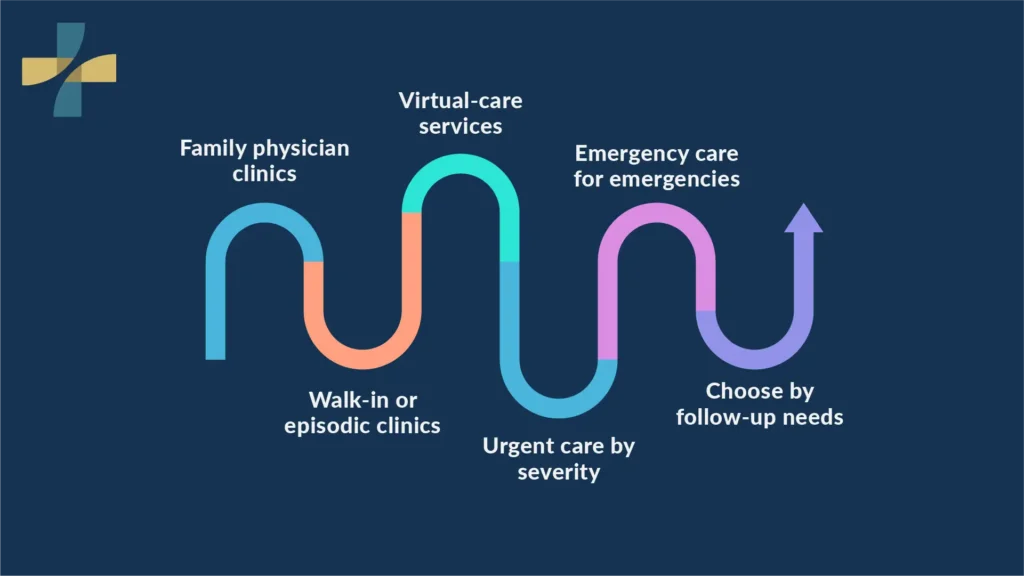
Searching for a medical clinic near me in North Vancouver can lead to several types of care. You may find family physician clinics, walk-in or episodic clinics, virtual-care services, the North Vancouver Urgent and Primary Care Centre, and hospital emergency departments. The right option depends on how urgent the concern is, whether you need a physical examination, and whether ongoing follow-up matters. This guide explains the main North Vancouver care pathways, what to check before booking, and when an online doctor visit may be appropriate. Safety note: For life-threatening symptoms or injuries, call 911 or go to the nearest emergency department. For non-emergency health advice in British Columbia, call HealthLink BC at 8-1-1. Looking for ongoing primary care? Learn more about family physician care or contact NV MedCenter to ask about current appointment availability. What Does “Clinic Near Me” Usually Mean for Patients? When people search for a clinic near them, they are often trying to solve one of several problems: They need help with a new but non-emergency health concern. They cannot get a timely appointment with their usual provider. They need ongoing care from a family doctor or primary care clinic. They want to know whether a virtual visit would be suitable. They are unsure whether their symptoms require urgent or emergency care. A family physician or primary care clinic usually supports ongoing care. This may include preventive health visits, chronic condition follow-up, children’s care, mental health discussions, prescription management, and referrals to specialists. A walk-in or episodic clinic generally focuses on short-term concerns. However, the term “walk-in” does not always mean patients can arrive without booking. Access models vary, and some North Vancouver walk-in services operate through appointments or same-day booking systems. For urgent, non-emergency concerns, North Vancouver residents may also consider the North Vancouver Urgent and Primary Care Centre (UPCC). The centre provides same-day care on a walk-in basis but does not take appointments. Patients are assessed according to urgency, and intake may close once daily capacity is reached. Medical Clinic vs Walk-In Clinic vs Urgent Care: Which One Fits Your Need? The following table compares the main care pathways available to North Vancouver patients. Care Pathway Best For Appointment Model Continuity of Care When Not to Use It Family physician or primary care clinic Ongoing health concerns, preventive care, medication management, chronic condition follow-up, children’s care, mental health discussions, and specialist referrals Usually scheduled in advance. Short-notice availability varies and should be confirmed directly with the clinic. High. Maintains ongoing medical records and coordinated long-term care. Do not use for life-threatening symptoms requiring emergency care. Walk-in or episodic clinic Short-term, non-emergency health concerns that do not require ongoing follow-up Varies by clinic. Some accept walk-ins, while others require same-day or scheduled appointments. Limited. You may see different clinicians across visits. Not suitable for emergencies or long-term chronic condition management. North Vancouver Urgent and Primary Care Centre (UPCC) Urgent, non-emergency concerns such as minor injuries, infections, sprains, wounds, skin conditions, and other same-day issues Walk-in only. Patients are seen according to urgency and daily capacity. Limited. Follow-up is typically completed through primary care. Do not use for life-threatening symptoms. Call 911 or go to an emergency department. Emergency department or 911 Life-threatening or severe symptoms such as chest pain, severe breathing difficulty, major trauma, stroke symptoms, or uncontrolled bleeding No appointment. Call 911 or go directly to the emergency department. Emergency stabilization only. Ongoing care is transferred to a primary care provider or specialist. Not intended for routine care, prescription renewals, or non-urgent conditions. The information above reflects the current Vancouver Coastal Health model for the North Vancouver UPCC. Other urgent-care and walk-in clinics may use different appointment systems or provide different services, so always confirm details with the specific clinic before visiting. When a Family Physician Appointment Is Better A family physician appointment is usually the better option when your medical history, medication use, previous test results, or long-term health plan may affect your care. Consider booking with a family doctor for: Ongoing management of diabetes, asthma, high blood pressure, or other chronic conditions Preventive health visits and screening recommendations based on your age, medical history, and risk factors Regular prescription monitoring or medication reviews Children’s health and developmental concerns Mental health discussions and follow-up Symptoms that have continued, returned, or changed over time Coordination of tests, specialist referrals, and follow-up care Screening is not the same for every patient. A clinician can recommend appropriate tests based on provincial guidance, personal risk factors, family history, previous results, and current symptoms. You can also review this guide to preventive health screening or prepare a list of questions to ask your doctor before your visit. When Same-Day Urgent Care May Be Appropriate, and When to Call 911 Same-day urgent care may be appropriate when a non-emergency health concern needs assessment before a routine family physician appointment is available. The North Vancouver Urgent and Primary Care Centre (UPCC) provides walk-in, same-day care for urgent, non-life-threatening concerns. Vancouver Coastal Health lists examples such as minor injuries, sprains and strains, infections, cuts, wounds, skin conditions, and less serious childhood illnesses. The UPCC does not take appointments, and patients are seen according to urgency. Do not use urgent care as a substitute for emergency services when symptoms may be serious or life-threatening. Severe or sudden chest pain, significant breathing difficulty, loss of consciousness, severe uncontrolled bleeding, stroke symptoms, or major trauma require immediate emergency assessment. Call 911 or go to the nearest emergency department. If you are unsure which non-emergency service is most appropriate, call HealthLink BC at 8-1-1 for guidance. What to Check Before Booking a Medical Clinic Near You Medical clinics vary in the patients they accept, the services they provide, and the way appointments are managed. Checking these details before booking can help you choose a clinic that matches your healthcare needs. Clinic Selection Checklist Confirm whether the family practice is currently accepting new patients and whether
Fever in Children: When to Worry
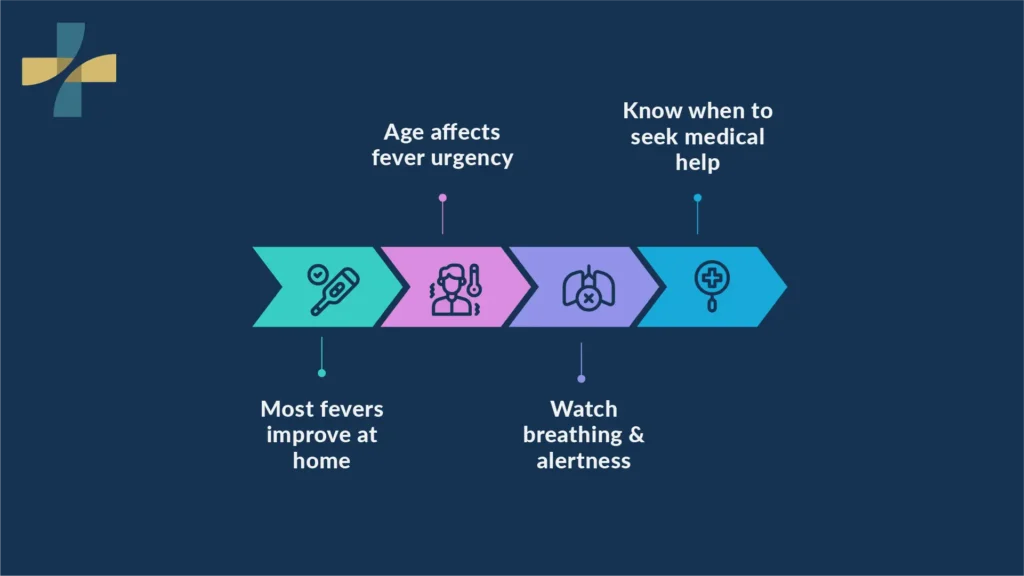
Last updated: June 25, 2026 Content developed with input from NV Med Centre’s team to reflect clinic-specific information about primary care access and healthcare navigation in British Columbia. Few things worry parents more than seeing their child develop a fever. Parents may wonder whether they should monitor their child at home, call a doctor, contact HealthLink BC, or go directly to an emergency department. Most fevers in children are caused by common infections and improve with fluids, rest, comfort care, and time. However, a fever can require urgent medical attention based on the child’s age, breathing, hydration, alertness, behaviour, medical history, and other symptoms. This guide explains fever in children, when to worry, how temperature thresholds differ based on the measurement method, and what parents can do safely at home. Medical disclaimer: This article provides general health information only. It does not diagnose illness or replace advice from a qualified healthcare professional. Call 911 for a medical emergency or HealthLink BC at 8-1-1 for non-emergency health advice in British Columbia. Quick Triage: What Should You Do About a Child’s Fever? The number on the thermometer is only one part of the decision. Use the following three action levels to decide what to do next. Call 911 or Go to the Emergency Department Now Call 911 when your child appears to have a life-threatening emergency or cannot be transported safely. Seek emergency care immediately if your child has: Severe difficulty breathing, including being unable to speak, cry, drink, or feed because of breathing problems Blue, grey, extremely pale, or mottled skin Severe sleepiness, unresponsiveness, confusion, or difficulty waking A seizure lasting longer than three minutes A seizure while younger than six months Two or more febrile seizures within 24 hours A stiff neck with severe headache, confusion, or marked light sensitivity A sudden rash with red or purple spots that do not fade when pressed Severe dehydration, such as being unable to drink, producing little or no urine, or becoming very weak and difficult to wake Signs of heatstroke, such as very hot skin, confusion, collapse, or a seizure after heat exposure After any seizure, even one that stops quickly, the child should be medically assessed. HealthLink BC provides more detailed guidance on febrile seizures and when to call 911. Contact a Doctor or HealthLink BC Today Contact your healthcare provider or call HealthLink BC at 8-1-1 for advice today if: Your baby is younger than three months and has a rectal temperature of 38°C or higher Your baby is three to six months old and has a fever Your child is drinking less or urinating less than usual Your child has repeated vomiting or diarrhoea Your child is unusually irritable, lethargic, or not acting normally The illness is getting worse rather than gradually improving The fever improves, but then returns with new or worsening symptoms The fever lasts more than five days Your child recently travelled outside Canada Your child has a significant chronic medical condition or a weakened immune system You are unsure whether your child’s symptoms require in-person care A baby younger than three months with a fever needs urgent medical assessment as soon as possible. This does not automatically mean calling 911. Call 911 only if the baby also has emergency warning signs, such as severe breathing difficulty, blue or grey skin, a seizure, unresponsiveness, or difficulty waking. If prompt assessment is not available through your regular provider, follow the advice from 8-1-1 or go to an emergency department. Monitor at Home Home monitoring may be reasonable when your child: Is older than six months Is alert, responsive, and behaving reasonably normally Is drinking and urinating Is breathing comfortably Has no emergency warning signs Has mild symptoms that are stable or improving Has had a fever for fewer than five days Continue checking your child’s breathing, hydration, alertness, behaviour, and symptoms. Seek advice sooner if anything worsens or you remain concerned. What Is Considered a Fever in Children? A fever is an increase in body temperature, usually caused by the immune system responding to an infection. The temperature that indicates fever depends on where and how it was measured. According to the Canadian Paediatric Society, normal temperature ranges differ for rectal, oral, armpit, and ear readings. Parents should always tell the healthcare provider which method they used. Measurement method Reading that can indicate a fever Use and limitations Rectal 38°C or higher Generally, the most accurate method for infants and young children Ear 38°C or higher Quick, but positioning can affect the result and readings may be too low Oral Above 37.5°C Generally more suitable for children older than five who can hold the thermometer correctly Armpit Above 37.5°C Less accurate and mainly useful for screening For babies younger than three months, HealthLink BC treats a rectal temperature of 38°C or higher as a fever requiring urgent assessment. An armpit temperature of 37.5°C or higher in this age group should also be taken seriously. Review the Canadian Paediatric Society’s guidance on fever and temperature taking and HealthLink BC’s instructions on how to take a child’s temperature. Which Temperature Method Should Parents Use? The most appropriate measurement method depends on the child’s age. Age Preferred method Possible alternative Birth to 2 years Rectal Armpit 2 to 5 years Rectal Ear or armpit Older than 5 years Oral Ear or armpit Only take a rectal temperature if you feel comfortable and a healthcare professional has shown you how to do it safely. Do not use the same thermometer for both rectal and oral readings. Ear and armpit readings can be less accurate. If the reading appears normal but your child feels hot and seems unwell, contact a healthcare provider or 8-1-1 for advice. Touching the forehead is not a reliable way to confirm a fever. Use a digital thermometer whenever possible and follow the manufacturer’s instructions. Fever in Babies Younger Than Three Months A rectal temperature
How Long Do Trigger Point Injections Last? Relief Timeline
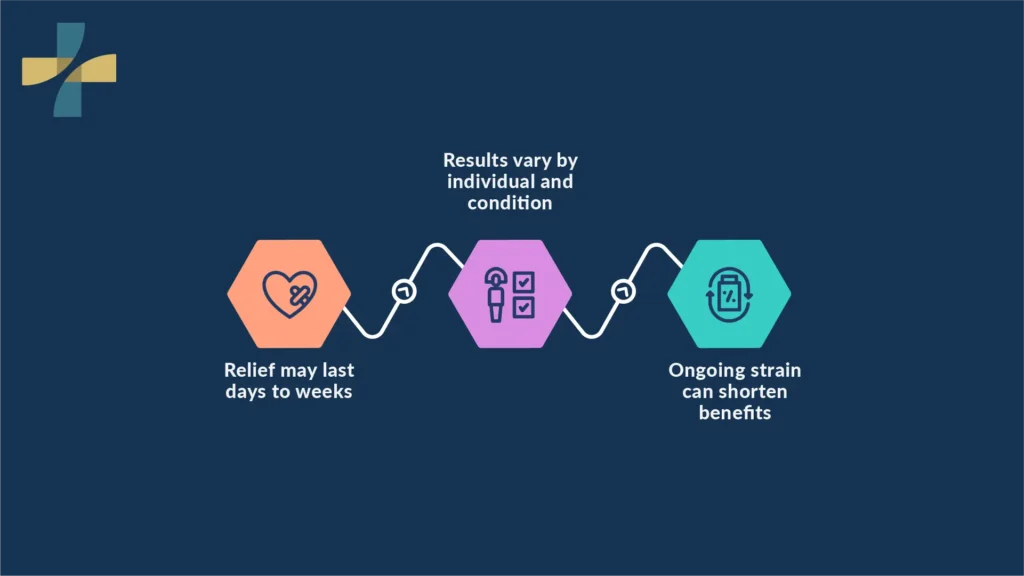
Trigger point injections typically provide pain relief lasting between 3–7 days and 2–4 weeks, with some patients experiencing longer-lasting improvement in certain cases. The exact duration depends on how long the trigger points have been present, the underlying cause of the muscle pain, and whether contributing factors such as posture, repetitive strain, or muscle overuse continue after treatment. Because trigger point injections are used to manage muscle tension rather than permanently remove its cause, results can vary significantly between individuals. What Are Trigger Point Injections? Trigger point injections are a treatment used to relieve painful muscle knots (trigger points). A small needle is inserted into the affected muscle, and the injection may contain: Local anaesthetic (such as lidocaine) Saline solution Anti-inflammatory medication (in some cases) The goal is to reduce muscle tightness, improve mobility, and interrupt pain signals from the affected area. Trigger points commonly occur in the neck, shoulders, upper back, and lower back, often linked to repetitive strain, stress, or muscle overuse. How Long Do Trigger Point Injections Last? Relief duration varies widely between individuals. Most patients experience: 1–3 days: soreness or numbness from the injection 3–7 days: early reduction in muscle tightness 1–4 weeks: noticeable pain relief in many cases Several weeks to months: longer relief in some patients The key point is that trigger point injections address muscle tension, but results depend on whether the underlying cause continues after treatment. This timeline is intended as a general guide. Actual results may vary depending on the medication used, the severity of the condition, and individual response to treatment. Muscle Injection Relief Time (What Patients Actually Feel) The muscle injection relief time has two phases: 1. Immediate Phase (0–48 hours) Local anaesthetic may temporarily reduce pain Mild soreness is common This does not reflect full treatment results 2. Recovery Phase (3 days–several weeks) Gradual reduction in muscle tightness Improved movement and flexibility More stable pain relief develops over time Why Trigger Point Injection Results Vary The same treatment can produce different outcomes because muscle pain has multiple causes. Common factors include: Duration of the trigger point Whether pain is acute or chronic Posture and movement patterns Activity levels after treatment Stress and muscle tension load Long-standing muscle knots generally take longer to respond than recent injuries. If symptoms persist, worsen, or continue to return despite treatment, it may be helpful to understand when to see a pain specialist to determine whether further diagnostic evaluation or alternative therapies are needed. What Affects Pain Relief Duration? Several clinical and lifestyle factors influence how long trigger point injection results last. These factors determine how the muscle responds after treatment and whether tension is likely to return. Underlying cause of pain If the trigger point is caused by ongoing issues such as repetitive strain, poor posture, or workplace ergonomics, symptoms may gradually return after treatment unless the root cause is addressed. Severity and duration of the trigger point Long-standing or chronic muscle knots often involve deeper tissue tightness and altered movement patterns, which can make them slower to respond and more likely to recur. Activity level after treatment Returning to high-strain or repetitive activities too soon can place stress on the treated muscle and reduce the overall duration of relief. Supportive care and rehabilitation Physiotherapy, stretching, and strengthening exercises may help improve muscle balance and reduce the likelihood of trigger points returning, which can contribute to longer-lasting results. Do Trigger Point Injections Work Immediately? Some patients feel immediate relief due to the local anaesthetic. However: This effect is temporary True improvement usually develops over days Mild soreness for 24–48 hours is normal Early relief does not always indicate a final treatment outcome. Patients who are considering treatment for the first time may also find it helpful to understand what to expect during their first trigger point injection, including how the procedure is performed and what recovery typically feels like. How Often Can Trigger Point Injections Be Repeated? There is no fixed schedule for repeat injections. A healthcare provider may consider repeating treatment based on: Symptom return Functional improvement Response to the first injection Overall treatment goals Some patients require only one session, while others may need a short series combined with rehabilitation. Are Trigger Point Injections Permanent? Trigger point injections are not usually permanent. They treat muscle tightness but not always the underlying cause, such as: Poor posture Repetitive movement Chronic muscle overload Long-term results are more likely when injections are combined with rehabilitation and movement correction. Effectiveness of Trigger Point Injections Trigger point injections are generally most effective when: Trigger points are clearly identified Pain is localised to specific muscles Conservative treatments have not worked They are less effective when: Muscle strain continues after treatment No rehabilitation plan is in place Side Effects and Safety Trigger point injections are generally considered safe when performed by a qualified healthcare provider. Most side effects are mild, temporary, and related to the needle entering the muscle tissue. Common and expected side effects These usually resolve within 24 to 48 hours and may include: Soreness at the injection site Mild bruising Temporary muscle tenderness Slight swelling or discomfort when moving the area These effects are similar to what some patients experience after deep tissue massage or muscle strain. Less common risks In rare cases, some patients may experience: Local infection at the injection site Increased or prolonged pain Allergic reaction to the medication used in the injection These complications are uncommon but may require medical evaluation if they occur. When to seek medical attention Patients should contact a healthcare provider if they experience: Severe or worsening pain after treatment Fever or chills Increasing redness or swelling Discharge or signs of infection at the injection site Prompt assessment can help rule out complications and ensure proper recovery. Who Benefits Most? Trigger point injections are most appropriate
When to See a Pain Specialist: Signs, Timing, and What to Expect
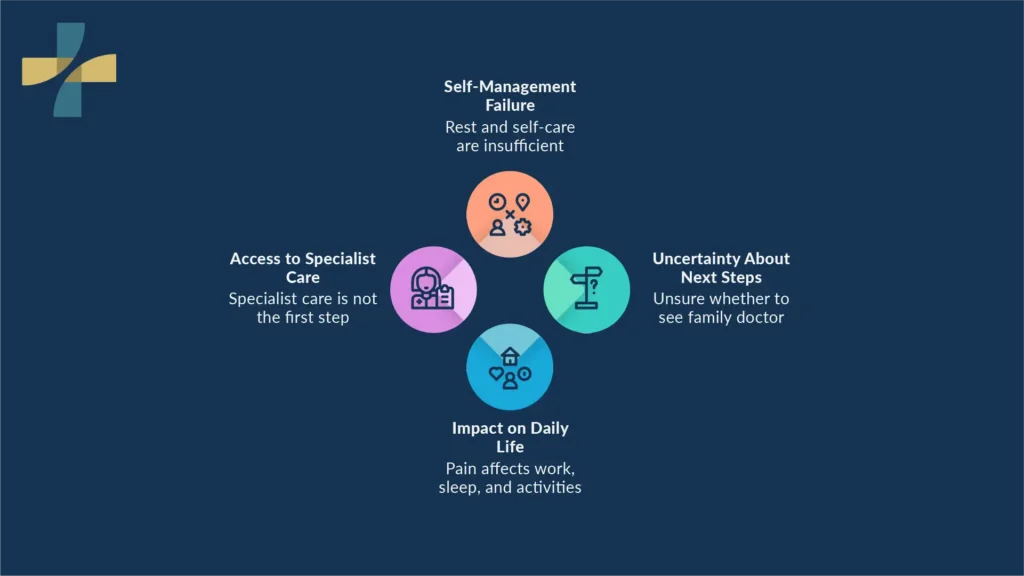
If pain lasts for weeks, keeps coming back, affects sleep, limits daily activities, or continues despite treatment, it may be time to seek medical evaluation. Knowing when to see a pain specialist can help identify possible causes, explore pain treatment options, and determine whether additional care or referral may be appropriate. Many people experience occasional pain after exercise, illness, or minor injuries. While most symptoms improve with rest and self-care, chronic pain, nerve pain, and persistent injury pain can continue longer than expected. When that happens, it may be difficult to know whether self-management is enough, whether you should see your family doctor, or whether a pain management referral should be discussed. For many people in North Vancouver, pain becomes more concerning when it begins affecting work, sleep, mobility, exercise, or everyday routines. In most cases, specialist care is not the first step. Patients typically begin with an assessment through a family doctor, nurse practitioner, or primary care provider to review symptoms, discuss treatment options, and determine whether additional testing, rehabilitation, or a pain clinic referral may be appropriate. This guide explains when to see a pain specialist, common referral signs, what happens during a pain management specialist visit, and how patients in British Columbia typically access additional pain care when needed. When Should You See a Pain Specialist? Pain that lasts longer than several weeks, continues despite treatment, affects sleep, limits mobility, or interferes with daily activities may benefit from further medical evaluation. While not every case requires specialist care, persistent symptoms often deserve attention to identify underlying causes and determine appropriate treatment options. One of the most common questions patients ask is whether they should continue self-care, book an appointment with their family doctor, or ask about specialist care. In British Columbia, most people begin with a primary care assessment. A family physician or nurse practitioner can evaluate symptoms, recommend initial treatment, and determine whether a pain management referral is appropriate based on your condition and response to care. Acute Pain vs Chronic Pain: Why the Difference Matters Acute pain usually develops suddenly and often results from an injury, illness, or medical procedure. It typically improves as the body heals. Subacute pain lasts longer than expected but has not yet reached the chronic stage. Symptoms may continue for several weeks and require additional monitoring or treatment. Chronic pain generally refers to pain that persists for three months or longer. According to the Canadian Pain Task Force, chronic pain often requires a broader management approach because symptoms may continue even after tissues have healed. HealthLink BC also notes that chronic pain can affect sleep, mood, physical activity, and overall quality of life, which is why early assessment and appropriate treatment are important. Why Waiting Too Long Can Make Recovery More Difficult Many people delay seeking care because they expect symptoms to improve on their own. While this may be reasonable for minor discomfort, ongoing pain can begin affecting sleep, mobility, physical activity, work performance, and overall quality of life. For example, someone with persistent back pain may gradually become less active to avoid discomfort. Over time, reduced movement can contribute to stiffness, weakness, and further limitations. Discussing symptoms with a healthcare provider can help determine whether continued self-care is appropriate or whether additional evaluation, treatment, or referral should be considered. What Signs May Indicate It’s Time to Seek Additional Pain Care? Many pain concerns improve with time, self-care, or initial treatment. However, certain referral signs may indicate that a more thorough medical evaluation is appropriate. Rather than focusing on pain intensity alone, it is often more helpful to consider how long symptoms have lasted, whether they are improving, and how much they affect daily life. When Should You Seek Immediate Medical Attention? Most pain concerns can be evaluated through a routine medical appointment. However, certain symptoms require urgent medical attention. Contact a healthcare provider immediately or seek emergency care if pain is accompanied by: Sudden loss of bowel or bladder control Significant weakness in an arm or leg Severe numbness that rapidly worsens Chest pain or shortness of breath Symptoms following a serious fall or accident New neurological symptoms, such as difficulty speaking or walking These symptoms may indicate conditions that require prompt medical evaluation. Patients who are unsure whether symptoms require urgent assessment can also contact HealthLink BC by calling 8-1-1 for guidance on appropriate next steps. Pain Lasts Longer Than Expected Most minor injuries improve gradually. If pain continues for several weeks without meaningful improvement, it may be time to discuss symptoms with a healthcare provider. Persistent injury pain can sometimes indicate an underlying issue that requires further assessment or treatment. Pain Is Affecting Your Sleep, Mobility, or Daily Activities Pain often becomes more concerning when it begins interfering with normal routines. Difficulty sleeping, exercising, working, walking comfortably, driving, climbing stairs, or completing household tasks may indicate that symptoms are having a broader impact on your health and quality of life. Symptoms Continue Despite Self-Care or Treatment Many people try stretching, rest, heat, ice, activity modification, over-the-counter medications, or physiotherapy before seeking additional care. If symptoms remain unchanged despite these efforts, a medical evaluation can help determine whether different pain treatment options should be considered. Numbness, Tingling, or Weakness Develops Symptoms such as burning pain, tingling, numbness, or weakness may suggest nerve involvement. In these situations, additional testing, specialist evaluation, or referral to a nerve pain specialist may be appropriate, depending on the underlying cause. Previous Treatments Have Not Provided Lasting Relief Some patients consider a pain management specialist visit after trying multiple treatment approaches without meaningful improvement. If symptoms continue affecting daily activities despite appropriate care, discussing next steps with a healthcare provider may help clarify whether further evaluation or referral is warranted. A Simple Way to Decide Your Next Step Many patients are unsure whether pain requires medical attention or whether continued self-care is appropriate. While every situation is different, the