Many people ask: Can family doctors treat mental health concerns safely and effectively?
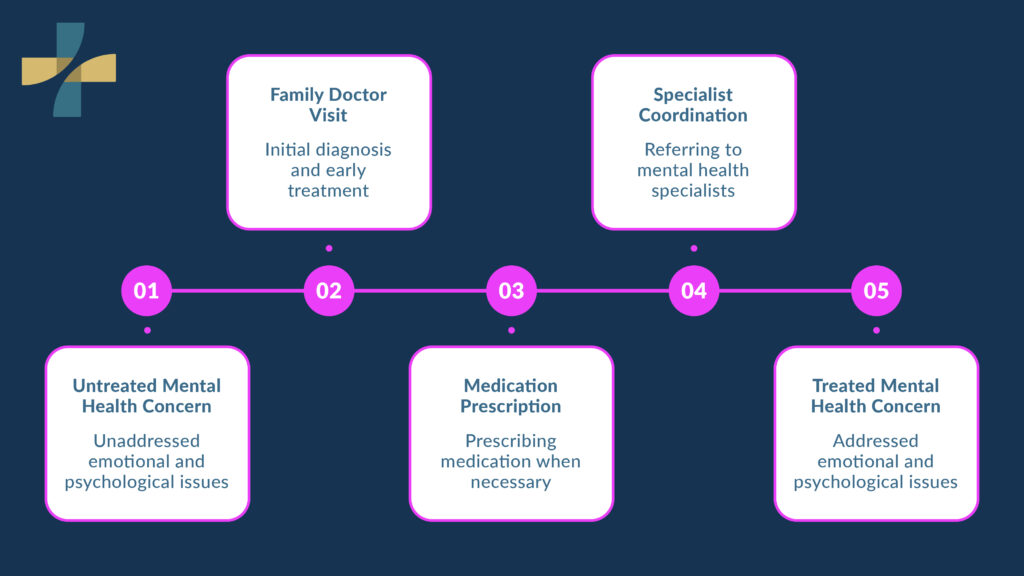
For many people, the first step in care happens in mental health primary care settings. Family doctors routinely diagnose anxiety, depression, stress disorders, and emotional burnout. They provide early treatment, prescribe medication when needed, and coordinate care with mental health specialists.
Mental health needs are increasing across Canada and globally. The World Health Organization reports that anxiety and depression affect more than 300 million people worldwide. As a result, the family doctor in mental health care has become an important entry point for early treatment.
This guide explains how general practitioners’ (GPs) mental health treatment works, what family doctors can treat, when referrals are recommended, and how NV Med Center supports patients through integrated primary care mental health services.
Can a Family Doctor Treat Mental Health Conditions?
Yes. Family doctors diagnose and treat many mental health conditions, including anxiety and depression. Primary care doctors are trained to evaluate both physical and emotional health during routine medical visits. They are trained to identify symptoms, provide early treatment, prescribe medication, and refer patients to specialists when advanced psychiatric care is required.
Family doctors play a central role in mental health in primary care. Many patients speak with their GP before contacting a psychiatrist or therapist. According to research from the American Academy of Family Physicians, approximately 40% of office visits for mental health concerns (e.g., depression, anxiety) occur in primary care offices, and 47% of prescriptions for any mental illness are written by primary care physicians.
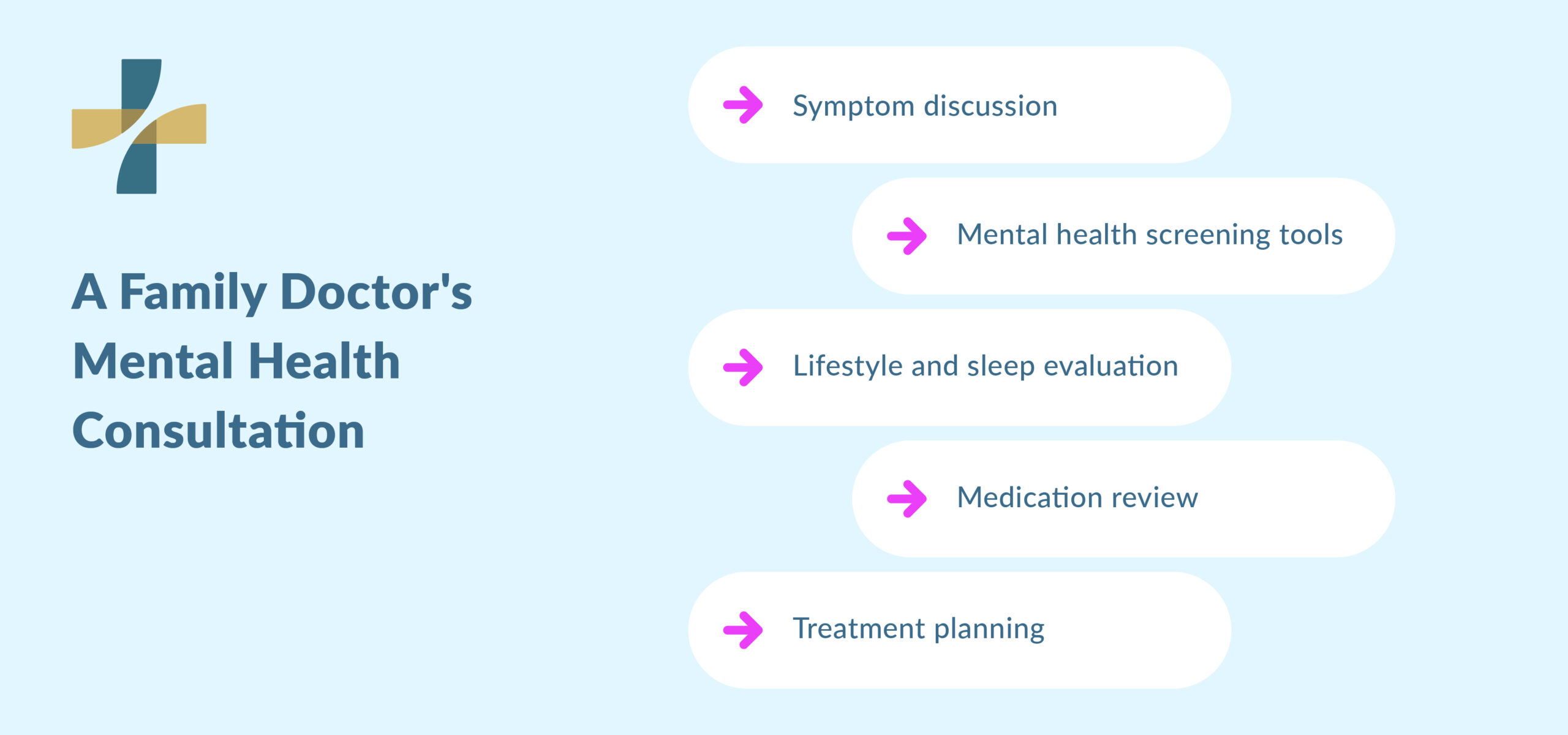
A family doctor’s mental health consultation usually includes:
- Symptom discussion
- Mental health screening tools
- Lifestyle and sleep evaluation
- Medication review
- Treatment planning
Example scenario:
A patient books a routine appointment with their general practitioner (GP) after several weeks of poor sleep, ongoing worry, and difficulty concentrating at work. During the visit, the doctor asks about mood, stress levels, and daily functioning. The GP may use a short screening questionnaire such as the GAD-7 to check for anxiety symptoms. Based on the results, the doctor discusses treatment options, which may include counseling referral, lifestyle strategies, and a follow-up visit to monitor progress.
Family doctors often serve as the first point of contact for mental health support.
Why Do Many People Start Mental Health Care With Their Family Doctor?
Many people start mental health care with a family doctor because primary care is accessible, familiar, and confidential. Patients often feel comfortable discussing emotional health with a general practitioner (GP) who already understands their medical history.
Primary care clinics are also easier to access than specialist mental health services. In many regions, psychiatrist appointments may require long wait times.
Reasons patients choose primary care mental health services include:
| Reason | Explanation |
| Familiar doctor | Patients trust doctors who know their health history |
| Faster appointments | GP visits are easier to schedule |
| Whole-person care | Mental and physical health are treated together |
| Lower stigma | Talking to a GP may feel less intimidating |
Can a General Practitioner (GP) Treat Anxiety or Depression?
Yes. GPs frequently treat anxiety and depression, especially mild to moderate cases. Treatment may include counseling guidance, medication when appropriate, lifestyle support, and referrals to therapists.
Anxiety and depression are among the most common concerns seen in family doctor mental health care.
Common anxiety symptoms include:
- persistent worry
- restlessness
- increased heart rate
- sleep difficulties
- muscle tension
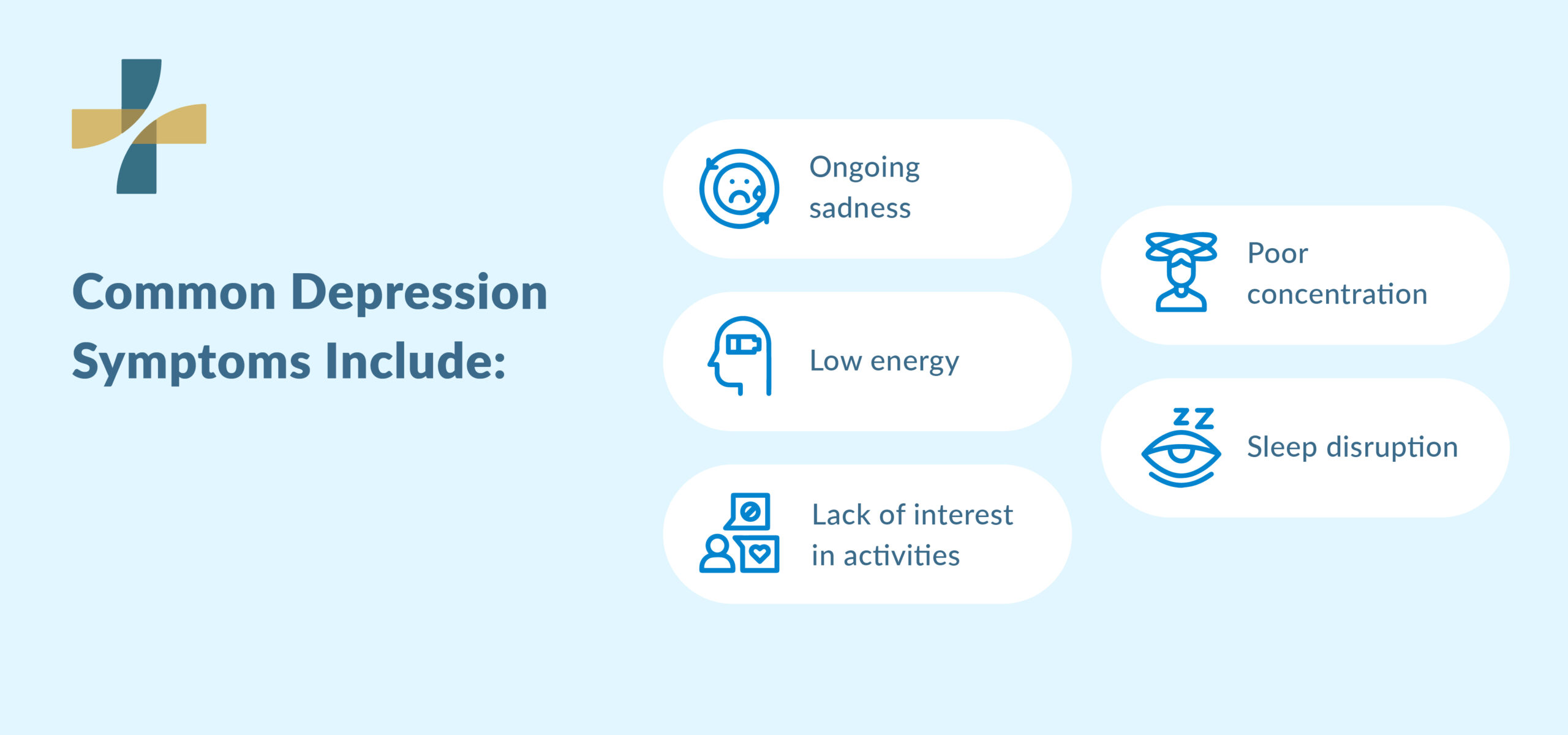
Common depression symptoms include:
- ongoing sadness
- low energy
- lack of interest in activities
- poor concentration
- sleep disruption
Example scenario:
A patient mentions ongoing sleep problems and feeling overwhelmed during a regular GP visit. They explain that work stress has been affecting their sleep and concentration for several weeks. The GP asks a few questions about mood, stress, and daily functioning, and may use a short anxiety screening tool. Based on the discussion, the doctor may suggest options such as counseling referral, sleep habits guidance, and a follow-up visit to review symptoms and decide if further treatment is needed.
Early treatment can reduce long-term complications.
How Do Family Doctors Diagnose Mental Health Conditions?
Family doctors diagnose mental health conditions through clinical interviews, medical history review, and screening questionnaires. Standardised tools help doctors measure anxiety and depression symptoms and determine appropriate treatment options.
Two widely used screening tools in mental health primary care include:
| Screening Tool | Purpose |
| PHQ-9 | Measures the severity of depression |
| GAD-7 | Measures the severity of anxiety |
These tools allow doctors to:
- Detect mental health symptoms early
- Measure symptom severity
- Track treatment progress
- Decide if specialist care is required
Screening tools help doctors provide structured mental health evaluations.
Can a Family Doctor Prescribe Antidepressants?
Yes. Family doctors can prescribe antidepressants when symptoms of depression or anxiety require medication. Medication management is a common part of family doctor mental health treatment in primary care settings.
Antidepressants are often prescribed when symptoms affect daily life, work performance, or sleep.
Common medication types include:
| Medication Type | Used For |
| SSRIs | Depression and anxiety |
| SNRIs | Depression and panic disorders |
| Atypical antidepressants | Depression with fatigue or sleep issues |
For example, a patient visits their general practitioner (GP) after several weeks of persistent low mood, low energy, and difficulty concentrating. After discussing symptoms and completing a depression screening questionnaire such as the PHQ-9, the GP may diagnose moderate depression. The doctor may recommend treatment that includes antidepressant medication, along with regular follow-up visits to monitor symptoms, check for side effects, and adjust treatment if needed.
Many patients ask whether their family doctor can prescribe antidepressants safely. In many cases, the answer is yes. Primary care doctors are trained to monitor these medications and adjust treatment plans when necessary.
What Mental Health Conditions Are Usually Treated in Primary Care?
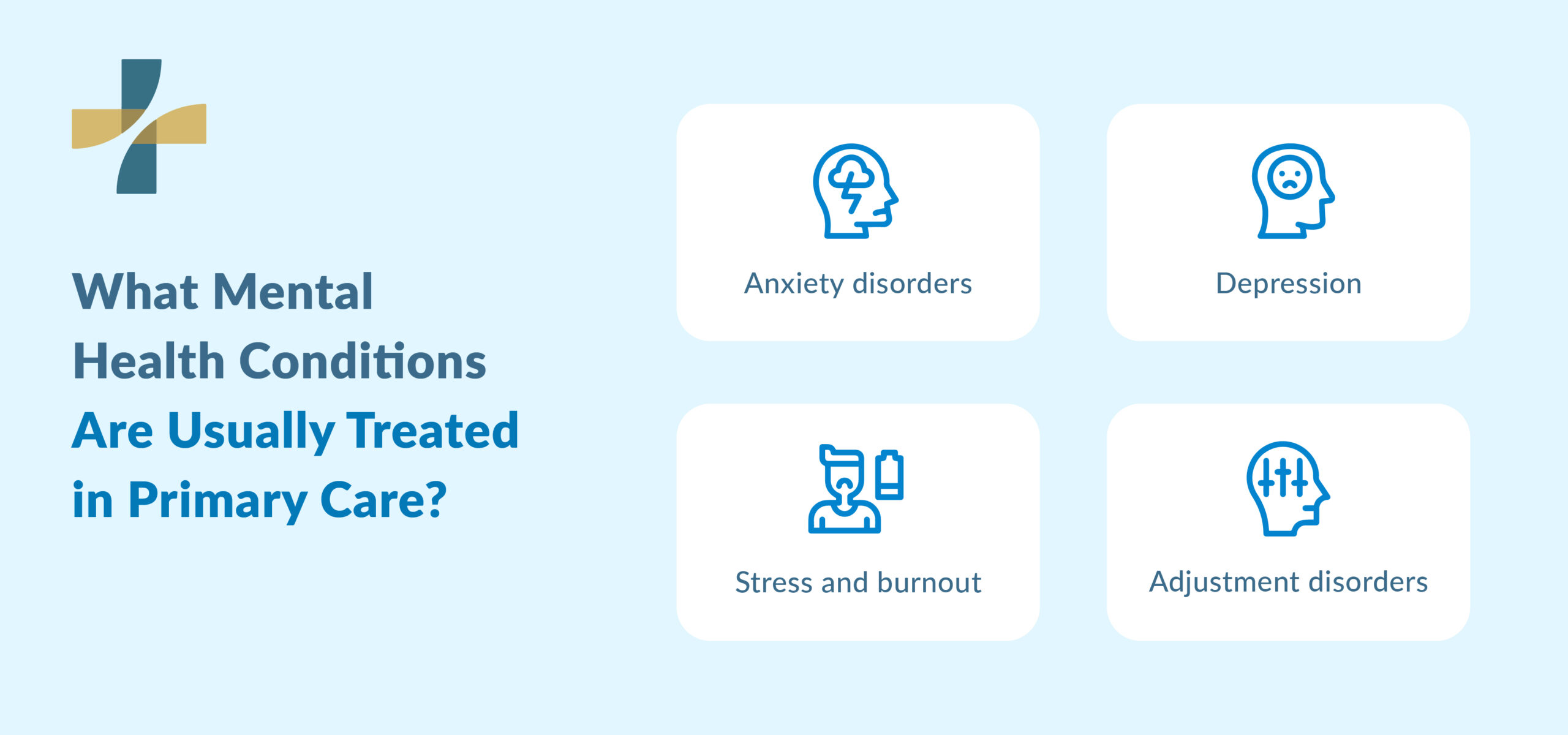
Primary care doctors treat several common mental health conditions. These include anxiety disorders, depression, stress-related conditions, and adjustment difficulties. Complex psychiatric disorders may require specialist care.
Common conditions managed through GP mental health services include:
Anxiety disorders
Family doctors often treat common anxiety disorders such as generalised anxiety, panic symptoms, and stress related to work or daily life. Patients may report constant worry, restlessness, sleep problems, or physical symptoms like headaches or muscle tension.
Depression
Depression is one of the most common conditions treated in mental health primary care. Patients may experience persistent low mood, fatigue, loss of interest in activities, and difficulty concentrating for several weeks or longer.
Stress and burnout
Chronic stress and burnout can affect both mental and physical health. Patients often report emotional exhaustion, poor sleep, irritability, and difficulty managing work or personal responsibilities.
Adjustment disorders
Adjustment disorders occur when someone has difficulty coping with a major life change. Examples include relocation, job loss, relationship changes, or major family events that lead to anxiety, sadness, or stress.
When Should a Family Doctor Refer You to a Psychiatrist or Therapist?
Family doctors refer patients to specialists when mental health conditions require advanced treatment, specialised therapy, or complex medication management. Referral ensures patients receive the right level of care.
Situations where referral may be recommended include:
- bipolar disorder
- schizophrenia
- severe depression
- suicidal thoughts
- treatment-resistant anxiety
Example scenario:
A patient reports ongoing mood changes that do not improve with initial treatment. During follow-up visits, the GP may recommend a referral to a psychiatrist for further evaluation and specialised care. The family doctor usually continues to monitor the patient’s overall health and coordinate care alongside the specialist.
This collaborative approach allows primary care and specialist care to work together.
How Does Mental Health Care Work in a Primary Care Clinic?
Mental health care in primary care uses an integrated care model. Doctors screen symptoms, begin treatment, monitor progress, and coordinate support with psychologists or psychiatrists when necessary.
Typical primary care mental health services include:
- symptom screening
- medication management
- therapy referrals
- follow-up visits
- coordination with mental health specialists
This coordinated model improves treatment continuity.
How Does Mental Health Affect Physical Health?
Mental health conditions can affect physical health in many ways. Anxiety and depression are linked to heart disease, chronic pain, sleep disorders, and weakened immune function.
Research from the National Institute of Mental Health shows that people with depression have a higher risk of developing chronic diseases such as heart disease, diabetes, and stroke.
Physical health issues connected to mental health include:
| Mental Health Issue | Physical Health Impact |
| Chronic stress | High blood pressure |
| Anxiety | Sleep disorders |
| Depression | Fatigue and immune problems |
| Burnout | Digestive and cardiovascular symptoms |
Primary care doctors treat both mental and physical health.
How Can You Talk to Your Family Doctor About Mental Health?
Talking to a family doctor about mental health begins with a simple conversation about symptoms or emotional concerns. Preparing for the visit helps doctors understand your situation and recommend appropriate care.
Preparation steps may include:
- writing down symptoms
- noting how long symptoms have lasted
- identifying stress triggers
- listing medications
How NV Med Center Helps Patients Access Mental Health Care
NV Med Center helps patients start mental health care through primary care consultations, early screening, medication management, and referrals to specialists when needed. Family doctors provide a structured and supportive entry point for mental health treatment.
Patients visiting NV Med Center may receive:
- mental health screening during GP visits
- guidance on anxiety or depression treatment
- antidepressant medication management
- therapy referrals
- coordinated care with mental health specialists
This integrated model supports patients seeking family doctor mental health care in a familiar clinical setting.
How NV Med Center Helps Patients Start Mental Health Care Early
Family doctors play a key role in identifying anxiety, depression, and stress early. Primary care mental health services allow patients to discuss symptoms, begin treatment, and receive referrals if needed. Early diagnosis often improves recovery and reduces long-term health risks. A family doctor can evaluate symptoms, recommend therapy or medication, and monitor progress over time.
At NV Med Center, patients can begin mental health care through a family doctor visit. The clinic offers screening, medication guidance, and referrals to mental health professionals when appropriate. If anxiety or depression symptoms are affecting daily life, a visit to a family doctor is a good first step. Book your appointment today to discuss your mental health concerns with an experienced primary care doctor.
FAQs
Can a family doctor diagnose anxiety or depression?
Yes. Family doctors regularly diagnose anxiety and depression using clinical evaluations and screening tools such as PHQ-9 and GAD-7. These tools help measure symptoms and guide treatment decisions. Primary care doctors may begin treatment or refer patients to mental health specialists if needed.
Can family doctors prescribe antidepressants?
Yes. Many antidepressants are commonly prescribed and monitored by primary care doctors. Medication may be recommended when symptoms interfere with daily life or do not improve with lifestyle changes or therapy alone.
Can a GP treat anxiety without medication?
Yes. Anxiety treatment GP care may include counseling guidance, stress management techniques, sleep improvement strategies, and therapy referrals. Medication is considered when symptoms persist or become more severe.
When should someone see a psychiatrist instead of a GP?
A psychiatrist may be recommended when symptoms are severe, complex, or difficult to treat. Conditions such as bipolar disorder or schizophrenia often require specialist care.