What Insurance Covers Primary Care in BC (MSP)
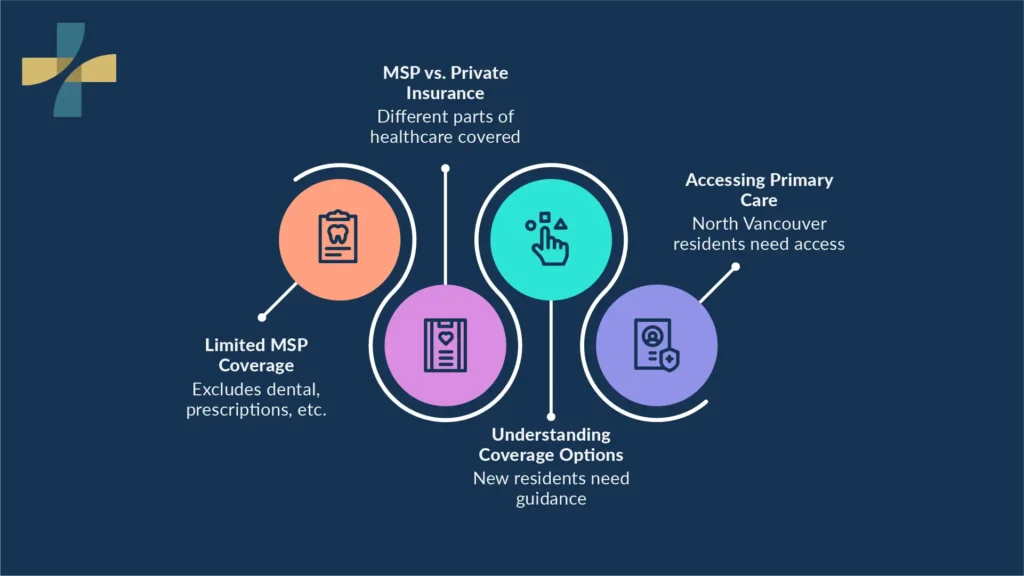
Last Updated: June 2026 MSP coverage BC is the province’s public health insurance program. For eligible residents, BC Medical Services Plan coverage generally includes medically necessary doctor visits, hospital care, specialist referrals, and many diagnostic tests. However, MSP does not typically cover services such as routine dental care, most prescription medications, glasses, contact lenses, massage therapy, or many extended health services. If you are wondering what MSP covers, the short answer is that it helps pay for essential healthcare delivered through British Columbia’s public healthcare system. Many patients are surprised to learn that MSP coverage services and private insurance often cover different parts of healthcare. Whether you recently moved to British Columbia, are new to Canada, or want to better understand your health insurance BC options, this guide explains what is covered by MSP, common exclusions, when additional coverage may be helpful, and how North Vancouver residents can access primary care. What Is Usually Covered by MSP? Many BC residents want to know whether a healthcare service will be covered by MSP or whether they may need to pay out of pocket. In general, MSP covers many medically necessary healthcare services, including doctor visits, hospital care, specialist referrals, and many diagnostic tests. However, some healthcare costs may still require private insurance or direct payment. The table below provides a quick overview of services that are usually covered, usually not covered, or may depend on medical necessity or eligibility. Usually Covered by MSP Usually Not Covered by MSP Sometimes Covered or Depends on Eligibility Family doctor visits Routine dental care Certain physiotherapy services for eligible patients Walk-in clinic visits Most prescription medications Some medically necessary eye exams Specialist visits with a referral Glasses and contact lenses Certain hospital-based dental or oral surgery procedures Hospital care Massage therapy Supplementary benefits for qualifying residents Medically necessary blood tests Acupuncture Certain vision services based on age or medical condition Many diagnostic tests and imaging Many counselling and extended health services Other services subject to provincial eligibility requirements Coverage rules can vary depending on your medical needs, eligibility, and the type of service provided. If you are unsure whether a specific service is covered, it is best to confirm with your healthcare provider or review the latest information from the BC Medical Services Plan. What Is MSP Coverage BC and How Does It Work? MSP coverage BC is the province’s public health insurance program. It helps eligible residents access medically necessary healthcare services without paying directly for most covered care at the time of their visit. This includes many family doctor appointments, specialist referrals, hospital services, and diagnostic tests. MSP, or the Medical Services Plan, is administered by the Government of British Columbia and forms the foundation of public healthcare BC residents use every day. Most healthcare providers who participate in MSP bill the program directly, so patients typically do not receive a bill for covered services. For example, if you visit a family doctor for an illness, receive a referral to a specialist, or need blood work ordered as part of your care, those services may be covered when they are medically necessary. However, MSP coverage services do not include every healthcare expense, which is why some residents also have private insurance for additional services such as prescription medications, dental care, vision care, or physiotherapy. Who Is Eligible for MSP Coverage in British Columbia? Most residents of British Columbia may qualify for MSP coverage if they make BC their primary home and meet provincial residency requirements. Eligible individuals may include: Canadian citizens Permanent residents Certain work permit holders Certain study permit holders Refugees and protected persons New residents moving to British Columbia from another province or country If you recently moved to BC, are new to Canada, or hold a temporary permit, it is important to confirm your eligibility and complete MSP enrollment as soon as possible. Coverage does not always begin immediately, and some new residents may experience a waiting period before MSP becomes active. During this period, temporary private health insurance may help cover healthcare costs until MSP coverage begins. If you are unsure whether your MSP is active, you can verify your status through the Government of British Columbia’s Medical Services Plan program. Eligibility requirements can change over time, so it is always a good idea to review the latest MSP information before relying on coverage. How Do Patients Access Healthcare Through MSP? Once enrolled in MSP, patients typically access covered healthcare services using their BC Services Card. Most participating healthcare providers bill MSP directly, so patients generally do not pay out of pocket for covered services at the time of their visit. Depending on their healthcare needs, patients may access care through: A family doctor A nurse practitioner A walk-in clinic Virtual care services Specialist referrals Hospital and emergency services For example, a patient with a persistent skin condition may first see a family doctor or nurse practitioner. If specialist care is needed, the provider can refer the patient to a dermatologist, and the referral pathway is generally covered when medically necessary. Understanding how to access care can help patients receive the right treatment sooner and avoid confusion about what services MSP may cover. What Primary Care Services Does MSP Cover? MSP coverage BC includes many primary care services that help patients manage illnesses, monitor chronic conditions, receive preventive care, and access specialist referrals when needed. For many residents, primary care is the first point of contact for healthcare concerns and ongoing health management. Does MSP Cover Family Doctor Visits? Yes. MSP generally covers medically necessary visits to a family doctor. Common reasons for a visit may include: Illness assessments Follow-up appointments Chronic disease management Prescription reviews Preventive health discussions Referrals to specialists For example, if you visit a family doctor for high blood pressure, diabetes, recurring headaches, or another medical concern, the appointment is typically covered by MSP. However, any medications prescribed during the
What Conditions Can a Walk-In Clinic Treat in North Vancouver?
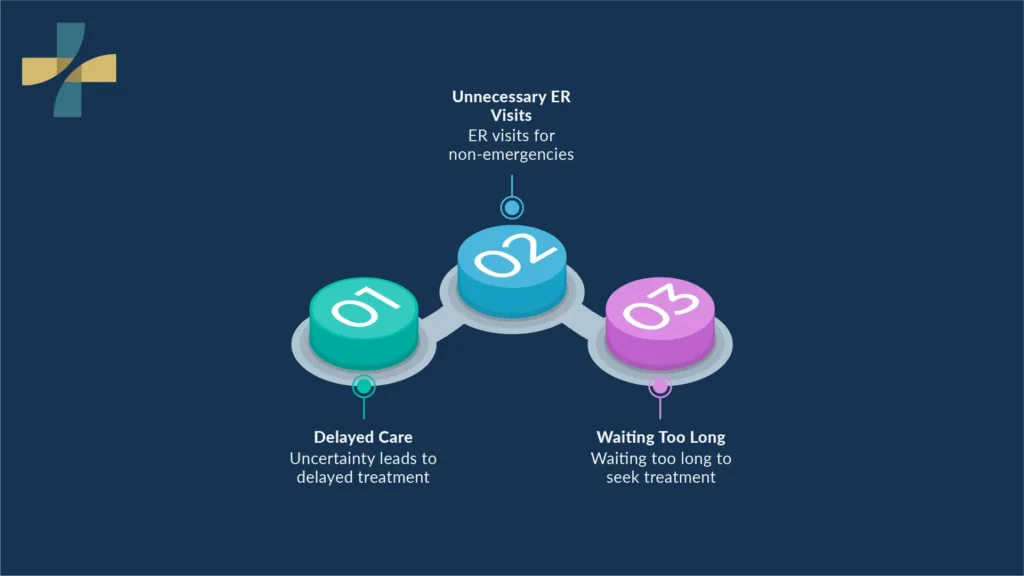
A walk-in clinic in North Vancouver can usually treat common non-emergency issues such as UTIs, cold and flu symptoms, minor injuries, prescription renewals, and preventive care. Severe symptoms such as chest pain, signs of stroke, or breathing difficulties usually require emergency care instead. Walk-in clinic services in North Vancouver help patients manage many non-emergency medical concerns, including infections, minor injuries, prescription renewals, preventive care, and some mental health concerns. Many patients use walk-in care when they cannot see their regular doctor quickly, do not yet have a family physician, or need timely medical advice for a non-emergency concern. Many people are unsure whether their symptoms are serious enough for the emergency room or manageable through a walk-in clinic. That uncertainty often leads to delayed care, unnecessary ER visits, or waiting too long to seek treatment. In North Vancouver, walk-in clinics help fill that gap by providing accessible care for common health concerns without requiring a referral. Quick Guide: When a Walk-In Clinic Can Help vs. When to Go to the ER Walk-In Clinic Can Usually Help With Go to ER / Call 911 For UTI symptoms Chest pain Cold and flu symptoms Signs of stroke Strep throat Severe breathing trouble Ear infections Severe allergic reaction Pink eye Major trauma Mild rashes Severe head injury Prescription renewals High fever in infants under 3 months Minor sprains Mild burns Most walk-in clinics in North Vancouver are designed for non-emergency medical concerns that still need timely attention. If your symptoms involve infection, mild illness, minor injury, prescription concerns, or routine medical questions, a walk-in physician can often assess the issue and guide the next step. If you are ever unsure where to go, HealthLink BC’s 8-1-1 nurse line provides free guidance from registered nurses 24 hours a day. Finding a family doctor in North Vancouver remains difficult for many residents. According to the BC Ministry of Health, more than 600,000 British Columbians have been connected to a primary care provider since 2023, but many patients still rely on walk-in clinics for timely care. Patients who are still looking for ongoing family physician care often rely on walk-in clinics while waiting to establish long-term primary care access. What Is a Walk-In Clinic and How Does It Work in North Vancouver? A walk-in clinic provides medical care for non-life-threatening conditions without requiring a specialist referral or long-term physician attachment. Depending on clinic availability, patients may be seen through same-day or scheduled appointments, either in person or virtually when appropriate for the condition. Walk-in clinics are often the middle ground between a family doctor and the emergency room. They are designed for concerns that should not wait weeks for care, but also do not require emergency intervention. Patients commonly use walk-in services when: they develop symptoms that are getting worse they cannot access their regular doctor quickly they are visiting from outside the area they need a prescription review or renewal they want medical advice before symptoms become more serious Many North Vancouver patients are not always sure whether their condition deserves urgent attention. It is common for someone to delay care because they are trying to avoid the ER or hoping symptoms will improve on their own. Walk-in clinics help patients assess symptoms earlier, before infections, dehydration, pain, or mobility issues become harder to manage. At integrated clinics like NV Med Center, a visit may also lead to referrals for imaging, physiotherapy, counselling, or follow-up care when medically appropriate. If you are uncertain whether your symptoms are appropriate for a walk-in clinic, the HealthLink BC 8-1-1 nurse line can help guide your next step. What Illnesses Can Walk-In Clinic Services Treat? Walk-in clinic services commonly treat mild to moderate illnesses that need medical attention but are not considered emergencies. Physicians can assess symptoms, recommend treatment, prescribe medication when clinically appropriate, and arrange follow-up or testing if needed. Common illnesses treated at walk-in clinics include: cold and flu symptoms sinus infections sore throat and suspected strep throat ear infections urinary tract infections (UTIs) pink eye mild respiratory infections skin rashes and hives stomach illness and digestive symptoms mild fevers seasonal allergy flare-ups Many patients book a walk-in visit when symptoms begin interfering with work, sleep, hydration, or daily activities. UTIs are one of the most common reasons patients seek prompt medical assessment, especially when symptoms become painful or progressively worse. Earlier evaluation may help reduce the risk of complications. Walk-in care may also help patients decide whether further testing or escalation is needed. In some cases, physicians may recommend lab work, imaging, urgent care referral, or emergency evaluation, depending on symptom severity and medical history. What Injuries Can a Walk-In Clinic Treat? Walk-in clinics can assess many minor injuries that do not appear immediately life-threatening. This may include sprains, strains, mild burns, cuts, sports injuries, and injuries where a physician may recommend imaging or referral for further evaluation. Common injuries assessed through walk-in clinic services include: sprains and soft tissue injuries muscle strains minor sports injuries cuts and superficial wounds mild burns insect bites minor workplace injuries possible injuries requiring imaging assessment North Vancouver walk-in visits commonly increase during hiking, skiing, cycling, and recreational sports seasons when minor musculoskeletal injuries become more common. In many cases, the priority is determining whether the injury can be managed conservatively or whether imaging, urgent care, or emergency treatment may be necessary. Walk-in physicians can assess symptoms, perform a physical examination, order imaging when appropriate, and guide patients toward the right level of care. More serious injuries, unstable fractures, severe bleeding, major trauma, or injuries involving loss of consciousness usually require urgent care or emergency department evaluation instead. Patients involved in motor vehicle collisions may also require medical documentation, symptom assessment, or follow-up care. ICBC medical assessments may help support injury documentation and recovery planning after an accident. What Conditions Usually Cannot Be Treated at a Walk-In Clinic? Walk-in clinics are not designed for medical emergencies or conditions
Trigger Point Injection vs Dry Needling, Physiotherapy & RFA: Which Is Best? (Vancouver Guide)
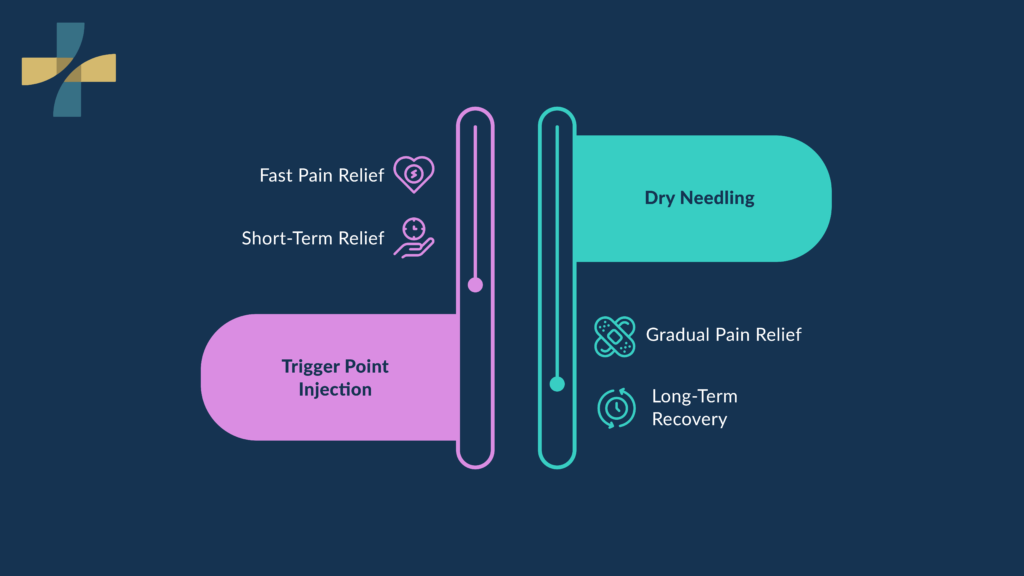
Trigger point injection vs dry needling is one of the most searched comparisons for muscle pain relief today. The right choice depends on how severe your pain is, how long you have had it, and how your body responds to treatment. Some options work fast. Others focus on long-term recovery. In Vancouver, more patients are choosing minimally invasive procedure options instead of surgery. This shift is seen in sports medicine, rehab clinics, and pain centres. Athletes like LeBron James have helped bring attention to recovery therapies like physiotherapy and dry needling. This guide explains how each option works and how to choose the best pain relief option for your condition. What Is The Difference Between Trigger Point Injection Vs Dry Needling? Trigger point injection vs dry needling differs in what is delivered into the muscle and how fast pain relief occurs. Dry needling uses a thin needle without medication. Trigger point injections use anaesthetic or anti-inflammatory medication to relax muscle knots and reduce pain more quickly. Both treatments target myofascial trigger points. These are tight muscle knots that cause local pain and referred pain. They are common in the neck, shoulders, and lower back. How each treatment works Dry needling Uses a thin needle to stimulate the muscle Causes a twitch response Helps release tension over time Trigger point injection Injects medication into the muscle Reduces inflammation and pain signals Relaxes the muscle faster Which works faster Treatment Speed of Relief Mechanism Trigger Point Injection Fast (24 to 72 hours) Chemical + mechanical Dry Needling Gradual Mechanical A common situation is a patient with shoulder pain who cannot lift their arm without sharp discomfort. They may have already tried physiotherapy exercises but stopped because the pain was too intense. In this case, a trigger point injection can reduce the pain enough to allow proper movement and make therapy effective again. When Should You Choose Trigger Point Injection Over Other Treatments? The best time to choose trigger point injection is when pain does not improve with conservative therapy such as stretching, massage, or medication. It is often used when muscle pain limits movement or blocks progress in rehabilitation. Trigger point injections are commonly used in interventional pain management for fast symptom control. Signs you may need a trigger point injection Severe muscle spasm Pain that limits movement Pain not improving with conservative therapy Difficulty participating in physiotherapy Common conditions treated Myofascial pain syndrome Tension headaches TMJ-related muscle pain For example, someone with lower back pain from poor sitting posture may feel relief after an injection, but the pain often returns if the underlying issue is not corrected. Physiotherapy helps strengthen muscles and improve posture, so the same problem does not keep coming back. Is Dry Needling Or Physiotherapy Better For Long-Term Recovery? Dry needling and physiotherapy are better for long-term recovery because they address the root cause of pain. They improve movement, posture, and muscle strength, which helps lower the recurrence rate of chronic pain conditions. These treatments are often used together. Role of physiotherapy Improves posture Builds muscle strength Corrects movement patterns Dry needling vs injection therapy Dry needling supports muscle recovery Injection therapy provides faster relief An example is an athlete with recurring shoulder pain who benefits more from physiotherapy and dry needling than repeated injections alone. How Does Radiofrequency Ablation vs Trigger Point Injection Compare? Radiofrequency ablation vs trigger point injection differs in depth and duration of pain relief. Trigger point injections treat muscle knots directly and provide short-term relief. Radiofrequency ablation targets nerve signals and offers longer-lasting results for chronic pain. RFA is used when other treatments do not provide enough relief. Key differences Treatment Target Duration Use Case Trigger Point Injection Muscle Short-term Muscle knots RFA Nerves Long-term Chronic pain When RFA is considered Chronic back or neck pain Failed response to injections Long-standing nerve pain A patient with long-term back pain may go through several steps. They may begin with physiotherapy, then try injections for faster relief. If pain keeps returning every few weeks, RFA may be considered to provide longer-lasting control. What Are The Best Trigger Point Injection Alternatives In Vancouver? Trigger point injection alternatives include dry needling, physiotherapy, massage therapy, acupuncture, and RFA. The best option depends on the cause of pain, its severity, and how your body responds to treatment. Many patients use a combination of treatments. Conservative therapy options Physiotherapy Massage therapy Stretching programs Interventional options Trigger point injection Radiofrequency ablation Botox injections TPI vs. Botox for muscle pain Botox lasts longer Trigger point injection works faster Botox is used for resistant cases A systematic review published on PubMed found that botulinum toxin may reduce muscle-related pain in some patients, though results vary depending on the condition and treatment approach. This is why Botox is not typically the first option and is often considered only after other treatments have not provided enough relief. Some patients prefer to start without injections. For example, a person with mild neck stiffness after exercise may improve with physiotherapy and stretching alone. Others with more severe pain may not get enough relief from conservative therapy and may need injection therapy earlier. Which Treatment Works Best For Chronic Muscle Pain And Spasms? The best pain relief option for chronic muscle pain depends on the cause of the condition. Most patients benefit from a personalized pain treatment plan that combines different therapies to reduce pain and improve function. A single treatment rarely solves long-term issues. Combination approach Injection for fast relief Physiotherapy for long-term recovery Dry needling for muscle maintenance Why combination work Targets both symptoms and cause Reduces recurrence rate Improves function Supporting data Research from the National Institutes of Health shows that up to 85 percent of people experience myofascial pain at some point. This highlights the need for structured treatment plans rather than one-time fixes. What Should
First Trigger Point Injection in Vancouver: Consent, Aftercare & Driving Guidelines
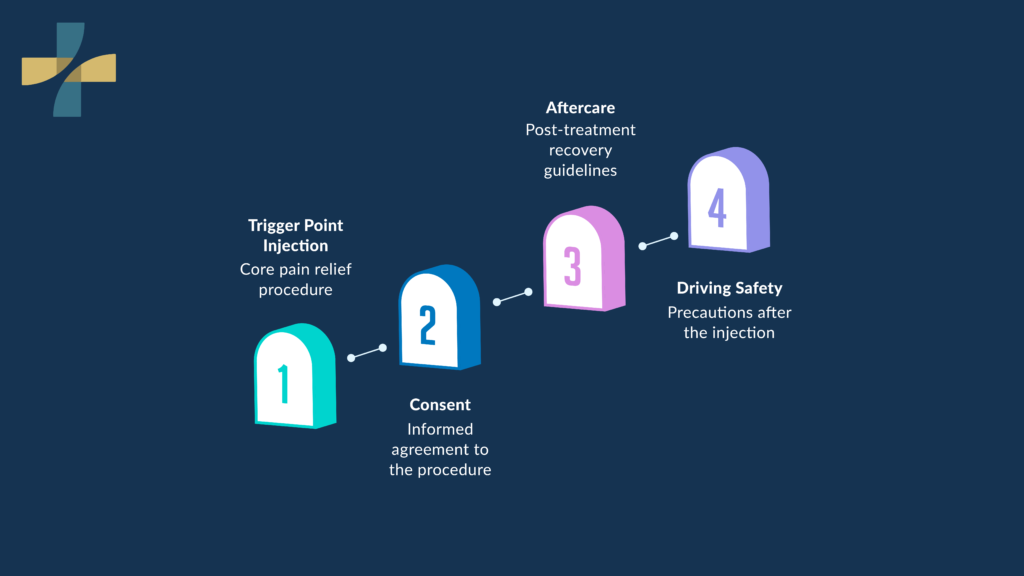
If you are preparing for your first trigger point injection appointment in Vancouver, you may feel unsure about the procedure, side effects, and recovery. Many patients ask the same questions about safety, consent, and what happens after treatment. With more people seeking non-surgical pain relief options, treatments like trigger point injections are becoming more common in Vancouver clinics. This guide explains what to expect from trigger point injection, including preparation, the consent process, aftercare, and driving safety. It provides clear steps so you can attend your appointment with confidence and plan your recovery properly. What Should You Expect At Your First Trigger Point Injection Appointment In Vancouver? A first trigger point injection appointment in Vancouver involves a short assessment, identification of muscle knots, and a targeted injection using a local anesthetic. The procedure is quick, often under 30 minutes, followed by simple aftercare and movement guidance. During your visit, a clinician reviews your symptoms and confirms areas of myofascial pain. Trigger points are located through physical examination, often by pressing on tight muscle bands. Evidence-based sources such as StatPearls: Trigger Point Injections describe this procedure as a targeted treatment that is widely used for muscle pain and performed with a strong safety profile when done correctly. Before the injection Review of symptoms and pain history Medication and allergy check Identification of trigger points through palpation During the injection A local anesthetic injection is placed into the muscle knot You may feel a brief twitch or pressure Each injection takes a few seconds After the procedure You remain for short observation Light movement is encouraged Initial pain relief planning begins Example: A patient with shoulder tension may receive injections into the trapezius muscle and then be advised to gently move the shoulder to improve range. How Do You Prepare For A Trigger Point Injection Safely? To prepare for a trigger point injection, stay hydrated, eat a light meal, review medications, and avoid intense activity before your visit. Proper muscle knot injection preparation helps reduce discomfort and supports smoother recovery. Preparation checklist Use this simple checklist to get ready for your appointment and support a smoother procedure. Step What to Do Hydration Drink water before the appointment Food Eat a light meal Clothing Wear loose, accessible clothing Activity Avoid heavy workouts Medication and health considerations Before your appointment, tell your provider about any medications you are taking, especially blood thinners, as they may affect bleeding risk. You should also mention any allergies to anesthetics and share any existing health conditions so your treatment can be planned safely. What to avoid Avoid alcohol for at least 24 hours before your injection, as it can increase sensitivity and affect recovery. Do not skip meals, since low blood sugar may make you feel unwell during the procedure. Heavy exercise should also be avoided to prevent muscle irritation before treatment. How to reduce anxiety before injection Understanding each step of the procedure can help reduce anxiety before injection. Simple breathing techniques can help you stay calm during the appointment. You can also ask questions during your visit so you feel more informed and prepared. If this is your first time visiting a clinic, understanding what happens during an appointment can help reduce stress. You can review what to expect during your first family doctor visit. Do You Need To Sign A Consent Form For A Trigger Point Injection? Yes, you must sign a trigger point injection consent form before treatment. Informed consent explains the procedure, expected benefits, possible side effects, and rare risks so you can make a clear and safe decision. Consent is a standard part of medical care. It protects both the patient and provider by confirming that you understand the procedure. What informed consent includes Description of the injection process Expected benefits Complication risk explanation Common risks explained simply These are the most common and rare risks explained in simple terms, so you know what to expect before treatment. Risk Frequency Notes Soreness Common Temporary Bruising Occasional Mild Infection Rare Prevented with sterile technique Bleeding Rare Higher risk with blood thinners Guidance from MedlinePlus on Injections notes that injection-related risks, such as infection or bleeding, are uncommon when proper medical protocols are followed. Why consent matters Consent matters because it confirms that you understand the procedure, its benefits, and possible risks before treatment begins. It supports shared decision-making between you and your provider, allowing you to take an active role in your care. It also allows you to ask questions so you feel informed and comfortable before proceeding. Before signing your consent form, it helps to prepare a few questions so you fully understand the procedure. You can also use a list of questions to ask your doctor to make sure you feel confident before treatment. What Does A Trigger Point Injection Feel Like During The Procedure? A trigger point injection feels like a quick pinch followed by pressure or a brief muscle twitch. Most patients tolerate it well, and discomfort lasts only a few seconds at each injection site. The sensation is often described as mild. The needle targets tight muscle bands, which may cause a twitch response. Common sensations Quick needle entry Pressure in the muscle Brief twitch How long does discomfort last Seconds during injection Mild soreness after Example: A patient receiving neck injections may feel a short twitch, followed by relief in muscle tension within minutes. What Is Normal After A Trigger Point Injection And What Are Side Effects? Normal trigger point injection side effects include mild soreness, stiffness, or bruising at the injection site. These symptoms are expected and usually improve within a few days as the muscle relaxes. Research such as the Trigger Point Injections Systematic Review shows that trigger point injections are generally safe for managing musculoskeletal pain, especially when combined with movement and therapy. Understanding normal vs concerning symptoms helps reduce
Pediatrician vs Family Doctor: Key Differences & When to Choose Each (Vancouver Guide)
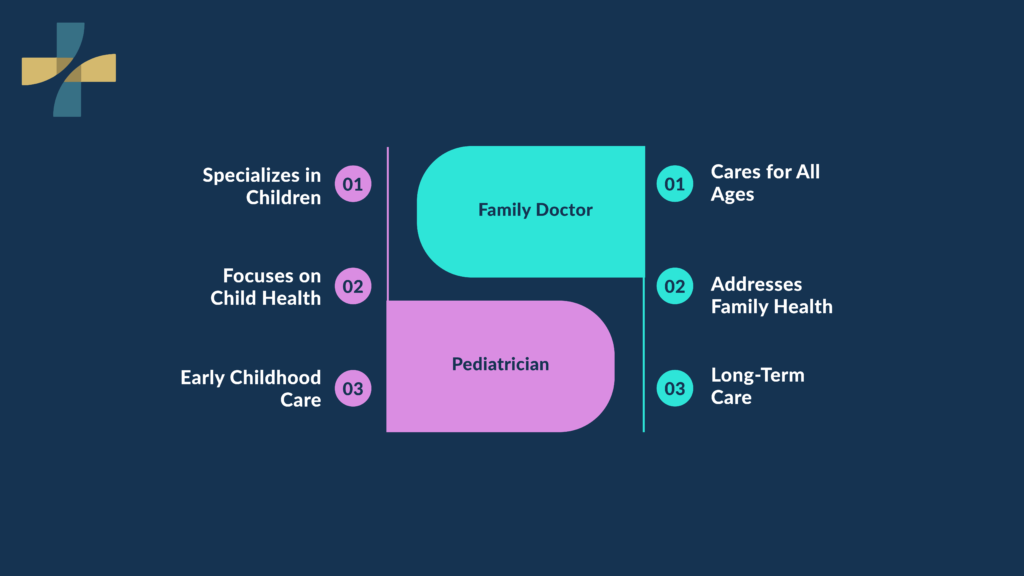
Parents often feel unsure when choosing between a pediatrician vs family doctor. Both can care for children, but they serve different roles. The right choice depends on your child’s age, health needs, and your long-term care goals. Recent guidance from the Canadian Paediatric Society highlights that early childhood care plays a key role in development, preventive care, and long-term health outcomes. This makes choosing the best doctor for your child an important early decision. This guide explains the difference between providers, when to see a pediatrician, and how the BC healthcare system works. You will also find real-life examples to help you decide with confidence. What Is The Difference Between A Pediatrician Vs Family Doctor? A pediatrician is a child health specialist focused on infants, children, and teens, while a family doctor is a primary care provider who treats patients of all ages. The best choice depends on your child’s needs, your family setup, and long-term care preferences. What does a pediatrician do? A pediatrician focuses only on children. Their training centres on child development, preventive care, and managing pediatric-specific conditions. They typically provide: Monitoring of growth and developmental milestones Vaccination management based on age-specific schedules Diagnosis and care for chronic pediatric conditions Behavioural and developmental assessments Pediatricians act as child health specialists. They are trained to spot early signs of developmental delay and manage complex childhood conditions. What does a family doctor do? A family doctor provides primary care for children and adults. They treat a wide range of conditions across all life stages. They typically provide: Routine checkups and preventive care Treatment for common illnesses and injuries Ongoing care for families Basic child development monitoring Family doctor for child care works well for healthy children who need general care and routine follow-ups. Pediatrician vs family doctor training and expertise Area Pediatrician Family Doctor Focus Children only All ages Training Child development and pediatric conditions Broad medical training across age groups Care Type Specialised General primary care Role Child specialist General practitioner A child specialist vs general practitioner comparison shows that pediatricians focus deeper on children, while family doctors cover broader needs. When Should You See A Pediatrician For Your Child? You should see a pediatrician when your child needs specialised care related to growth, development, or complex conditions. Pediatricians are best for newborns, developmental concerns, and chronic pediatric conditions that require focused expertise. Scenario 1: Pediatrician for newborn care Newborns need frequent medical visits in their first year. A pediatrician tracks feeding, weight gain, and early development. Example: A newborn with feeding issues or slow weight gain benefits from a pediatrician’s close monitoring. Scenario 2: Developmental or behavioural concerns Pediatricians are trained to assess delays in speech, learning, or behaviour. Common concerns include: Speech delay Autism screening ADHD symptoms Early intervention improves outcomes. A 2024 study from London Health Sciences Centre Research Institute followed 449 young patients and found that early, personalised care improved functioning, reduced symptoms, and increased quality of life over one to two years. Scenario 3: Chronic or complex pediatric conditions Children with long-term conditions need specialist care. Examples include: Asthma Diabetes Congenital conditions Pediatricians coordinate care with specialists and manage long-term treatment plans. Scenario 4: Preventive care and vaccination management Pediatricians follow structured schedules for immunisations and preventive care. They monitor: Growth trends Nutritional status Developmental milestones When Is A Family Doctor The Right Choice For Child Care? A family doctor is the right choice for general child care and long-term family care. They treat common illnesses, provide preventive care, and manage health across all ages. This makes them a practical option for families who want one provider. Scenario 1: Routine checkups and common illnesses Family doctors treat everyday health issues. Examples include: Colds and flu Minor injuries Routine physical exams Scenario 2: Family-wide healthcare needs A single provider for the whole family reduces the need for multiple clinics. Benefits include: Fewer appointments across locations Consistent medical history tracking Convenience for parents Scenario 3: Long-term child healthcare planning Family doctors support long-term care across life stages. They provide: Preventive care Ongoing monitoring Continuity into adulthood Scenario 4: Teen and young adult care Older children may prefer a more mature setting. Family doctors support: Mental health discussions Lifestyle and preventive care Independent health decisions Do You Need A Pediatric Referral In Vancouver, and How Does It Work? In the BC healthcare system, most pediatricians require a referral from a primary care provider. This process helps prioritise children based on medical need and ensures access to specialist care when advanced assessment or treatment is required. How the referral process works Visit a family doctor or walk-in clinic The doctor evaluates your child Referral is sent to a pediatrician Appointment is scheduled When a pediatric referral to Vancouver is needed Referrals are common for: Developmental delays Chronic pediatric conditions Specialist assessment Can you see a pediatrician without a referral? Some private clinics allow direct booking. However, most specialist care in the BC healthcare system follows the referral process. Which Doctor Is Better For Your Child’s Long-Term Care? The best doctor for your child depends on their health needs and your family’s goals. Pediatricians provide specialised care for children, while family doctors offer continuity across life stages. Both support long-term child healthcare planning. Health needs Complex conditions → pediatrician General health → family doctor Family preference One provider → family doctor Specialised care → pediatrician Care goals Preventive care focus → both options Long-term continuity → family doctor Specialist expertise → pediatrician How Do Real-Life Situations Help You Choose Between A Pediatrician Vs Family Doctor? Real-life scenarios help parents decide faster. A pediatrician is often better for specialised needs, while a family doctor works well for routine care and convenience across the family. Scenario comparison Newborn with feeding concerns → pediatrician Healthy school-age child → family doctor
Pain Management Clinic in Vancouver: 5 Reasons to Choose NVMed Center
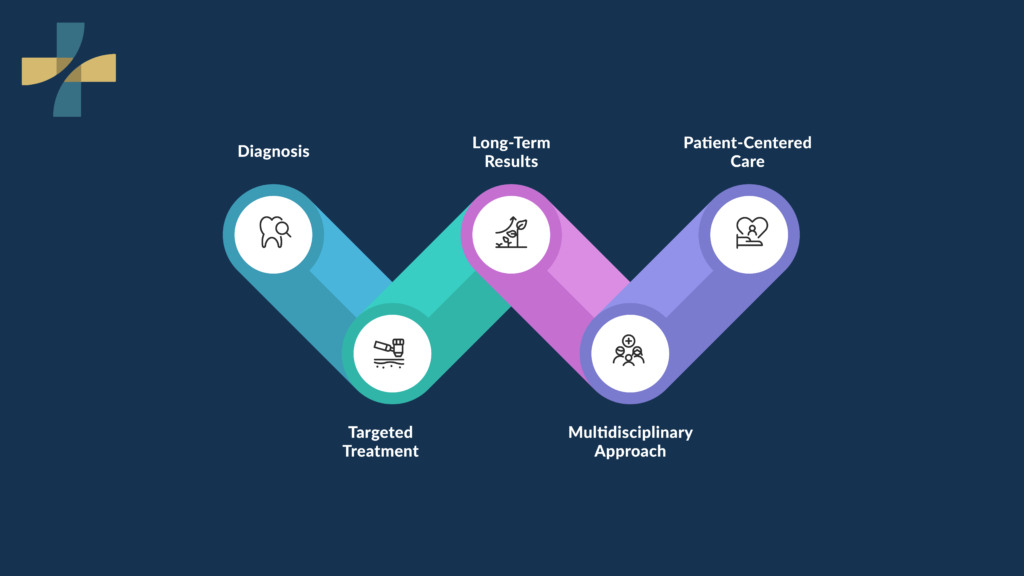
Chronic pain can limit movement, affect sleep, and reduce daily function. Many people try short-term solutions that do not last. Searches for non-surgical pain relief have increased, with more patients looking for structured care instead of medication alone. A pain management clinic in Vancouver focuses on diagnosis, targeted treatment, and long-term results. Research shows that multidisciplinary pain management programs can improve physical function and reduce pain levels, especially when treatments are tailored and combined based on the patient’s condition. This guide explains how pain management works and why NV Med Center is a trusted choice for care. What does a pain management clinic in Vancouver do? A pain management clinic in Vancouver helps diagnose and treat pain using medical care, rehabilitation, and non-surgical methods. The goal is to reduce pain, improve movement, and support daily function through a structured plan rather than relying only on medication. Pain management focuses on both cause and symptoms. Many patients start with general care but are referred when pain continues. A clinic provides a more detailed assessment and targeted treatment options. Types of pain treated Pain clinics manage a wide range of conditions: Chronic pain lasting more than 3 months Nerve pain such as sciatica Musculoskeletal pain from joints or muscles Back and neck pain Injury-related pain A back pain specialist in Vancouver often works within a team that addresses multiple causes of pain. Why multidisciplinary care matters Pain often has more than one cause. A multidisciplinary pain clinic combines: Area of Care Role in Treatment Medical care Diagnosis and medication management Rehabilitation Movement and strength recovery Therapy Pain coping and behaviour changes This approach supports long-term results instead of short-term relief. According to guidelines from the American Pain Society, multimodal pain management is recommended to improve outcomes and reduce reliance on single treatments. Why Choose a Pain Management Clinic Instead of Relying on Medication Alone? Choosing a pain management clinic instead of medication alone helps reduce long-term risks and improves outcomes. Clinics combine therapies and structured plans to manage pain while limiting dependence on opioids or temporary relief methods. Medication can help in the short term. It does not always address the cause of pain. Limitations of medication-only treatment Does not treat the underlying issue May lead to dependence over time Does not improve movement or strength The CDC highlights the risks of long-term opioid use, including opioid use disorder, overdose, and death, and recommends careful monitoring when these medications are used. It also states that non-opioid therapies are often as effective as opioids for many common pain conditions and encourages combining treatments such as therapy and rehabilitation for safer, more effective pain management. Shift toward non-surgical pain relief More patients are choosing non-surgical pain relief options. Public figures such as LeBron James have openly used rehabilitation and therapy to manage injuries without surgery. This shift reflects a broader trend toward safer and structured care. Example scenario: An office worker with neck pain treatment in Vancouver may need to take painkillers. The pain returns after work each day. A pain clinic evaluates posture, muscle strain, and nerve involvement. Treatment may include therapy, injections, and rehabilitation. What Are the 5 Reasons to Choose NV Med Center for Pain Management in Vancouver? The main reasons to choose NV Med Center include personalised care, accurate diagnosis, non-surgical treatment options, multidisciplinary support, and a focus on long-term recovery. These factors help patients improve mobility and function with a clear and structured plan. 1. Personalised treatment plans Every patient receives a personalized treatment plan based on symptoms and history. Example: An ICBC injury patient may present with neck or back pain after a car accident and requires a structured plan that includes assessment, documentation, and rehabilitation to support recovery and insurance requirements. A chronic pain patient may have ongoing nerve or musculoskeletal pain and needs long-term management with a personalised treatment plan, including therapy and targeted interventions to improve function and reduce pain. 2. Focus on identifying the source of pain Treatment starts with identifying the cause. This may include: Physical assessment Pain pattern review Movement testing This reduces the risk of repeated short-term treatments. 3. Access to non-surgical and interventional treatments NV Med Center offers interventional pain management in Vancouver for targeted relief. Examples include: Trigger point injections in Vancouver Nerve-related procedures Inflammation control treatments These methods support reduced inflammation and improved mobility. 4. Multidisciplinary care in one clinic Patients benefit from coordinated care across services: Medical providers Rehabilitation support Therapy This reduces delays between treatments and improves outcomes. 5. Focus on long-term results The goal is long-term pain relief and a better quality of life. Key outcomes include: Improved mobility Reduced inflammation Better daily function What Treatment Options are Available at a Pain Management Clinic in Vancouver? Pain management clinics offer treatments such as medication support, physical therapy, interventional procedures, and rehabilitation programs. These treatments are combined to reduce pain, restore movement, and support long-term recovery based on each patient’s condition. For example, structured rehabilitation through physiotherapy plays a key role in improving strength, mobility, and recovery outcomes. Common treatment types Treatment Type Purpose Interventional procedures Target specific pain sources Rehabilitation Improve strength and mobility Therapy Address behaviour and coping Medication Support short-term pain control Interventional treatments Interventional pain management in Vancouver clinics provides targeted options for specific pain sources. These may include trigger point injections, nerve blocks, and anti-inflammatory procedures to help reduce pain, improve movement, and support recovery. Rehabilitation and therapy Rehabilitation improves function and prevents further injury. It supports: Movement correction Strength building Recovery from injury Example patient pathway Initial assessment: Review of symptoms, medical history, and physical condition to understand the source of pain Diagnosis: Identification of the likely cause or contributing factors of the pain based on findings Personalised plan: Development of a tailored treatment plan based on the patient’s condition and goals Treatment and
Blood Sugar Test in Vancouver: Signs You May Need One Sooner Than You Think (2026)
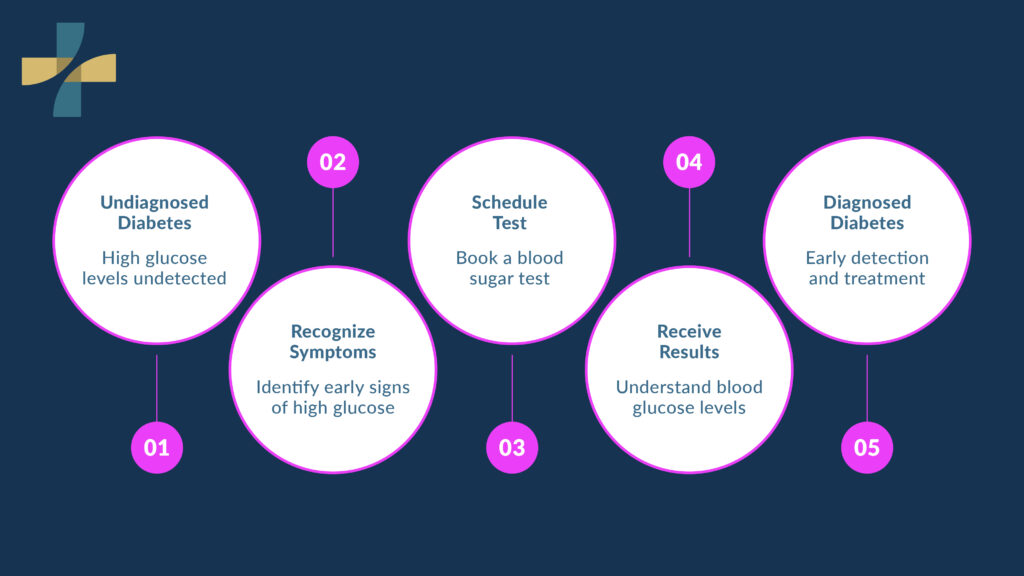
A blood sugar test measures how much glucose is in your blood and helps detect diabetes or prediabetes early. Many people experience symptoms of high glucose for months or years before diagnosis. Early testing helps doctors detect abnormal blood sugar levels before complications develop. Diabetes is a growing health concern. According to the Public Health Agency of Canada, about 3.9 million Canadians were living with diagnosed diabetes in 2023–2024, and around 1.9% of adults may have undiagnosed diabetes. Screening through a blood glucose test can detect problems early and guide treatment. This article explains the early signs of high glucose, when to check blood sugar, the types of diabetes screening tests available, diabetes risk factors in Vancouver, and how to book a pathology appointment. By the end, you will understand when to schedule a blood sugar test and how testing can help protect long-term health. What Is a Blood Sugar Test and Why Do Doctors Use It? A blood sugar test measures the level of glucose circulating in your bloodstream. Doctors use this test to detect diabetes, monitor blood sugar levels, and identify prediabetes before symptoms worsen. Early screening allows doctors to detect abnormal glucose levels before complications affect the heart, nerves, kidneys, or eyes. Glucose is the main source of energy for the body. It comes from carbohydrate foods such as bread, rice, fruit, and sweets. When glucose enters the bloodstream, the pancreas releases insulin to move sugar into cells, where it is used for energy. When insulin does not work properly, blood glucose levels increase. This condition is known as hyperglycaemia. Over time, high blood sugar can damage blood vessels and organs. Doctors recommend blood glucose testing in Vancouver for several reasons: Detect diabetes Identify prediabetes Monitor treatment for diabetes Evaluate symptoms of high blood sugar Monitor medications that affect glucose levels A random blood sugar test may be used when symptoms appear suddenly. A routine blood panel may also include glucose measurement. Mini scenario: A Vancouver office worker experiencing fatigue and frequent thirst may assume stress or dehydration. A simple blood sugar test during a routine exam can reveal whether glucose levels are elevated. According to the World Health Organization, about 14% of adults worldwide were living with diabetes in 2022, and early screening through blood tests helps detect the condition before serious complications develop. What Are the Early Signs You May Need a Blood Sugar Test? Early signs of high glucose often appear gradually and may be mistaken for everyday fatigue or dehydration. Symptoms may include frequent urination, increased thirst, fatigue, blurred vision, and slow wound healing. A blood sugar test can confirm whether these symptoms are linked to high glucose levels. Common early signs of high glucose include: frequent urination excessive thirst unexplained weight loss fatigue or low energy blurry vision slow-healing cuts or infections numbness or tingling in hands or feet These symptoms can occur when glucose builds up in the bloodstream instead of entering cells. For example, someone who wakes several times during the night to urinate may assume they are drinking too much water. In reality, this can be a sign of high blood sugar. According to the Centers for Disease Control and Prevention, type 2 diabetes symptoms often take several years to develop, and some people may not notice any symptoms at all. Subtle prediabetes symptoms may include: mild fatigue increased hunger difficulty concentrating dark patches of skin around the neck or armpits These changes may signal insulin resistance. Recognising these signs can help people seek testing earlier. When Should Adults Get a Blood Sugar Test? Adults should consider a blood sugar test starting at age 40 or earlier if they have diabetes risk factors. Medical guidelines recommend screening every three years for healthy adults and more frequently for those at higher risk. Early screening allows doctors to detect prediabetes before it develops into diabetes. When to check blood sugar often depends on personal risk factors. Common diabetes risk factors Vancouver residents should know include: age over 40 family history of diabetes overweight or obesity high blood pressure sedentary lifestyle history of gestational diabetes high cholesterol People with these risk factors may need testing earlier. Example scenario: A 38-year-old patient with a family history of diabetes and weight gain may benefit from preventive blood glucose testing, even before age 40. Younger adults may also need screening if they have: Polycystic ovary syndrome sleep apnoea high triglycerides history of steroid medication use Doctors may recommend regular screening as part of routine care with a diabetes check gp visit. What Types of Blood Sugar Tests Are Available? Several tests measure glucose levels in the blood. Each test provides different information about how the body processes sugar. Doctors often use fasting glucose tests, HbA1c tests, or random blood sugar tests to diagnose diabetes or monitor blood sugar control. Below is a comparison of common tests used in diabetes screening. Test What it measures When it is used Fasting glucose test Blood sugar after 8 hours of fasting Diabetes screening HbA1c blood test Average glucose over 2–3 months Diagnosis and monitoring Random blood sugar test Blood sugar at any time Evaluate symptoms Oral glucose tolerance test Body response to a glucose drink Gestational diabetes Fasting for glucose test A fasting glucose test in Vancouver measures blood sugar after at least eight hours without food. This test shows baseline glucose levels. Doctors commonly use fasting tests for routine screening. HbA1c blood test An HbA1c blood test measures average blood glucose levels over the previous two to three months. This test provides a longer view of glucose control and helps confirm diabetes. Many doctors order HbA1c tests together with fasting glucose tests. Random blood sugar test A random blood sugar test measures glucose regardless of when you last ate. Doctors may use this test when symptoms appear suddenly. These tests are commonly available through local blood collection centres or diagnostic laboratories.
Women’s Preventive Health Screening in Vancouver: Essential Tests You Shouldn’t Skip (2026 Guide)
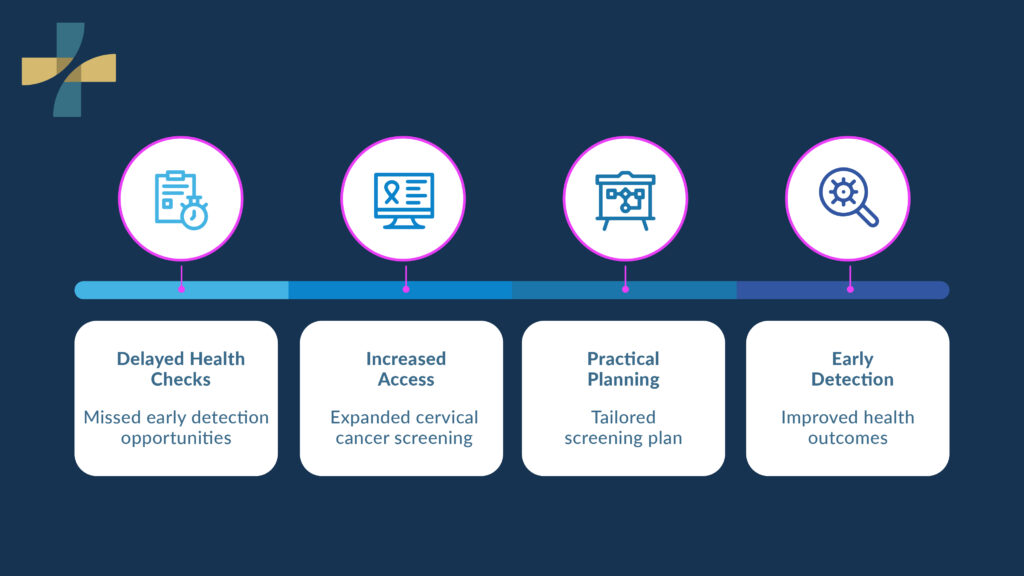
Women’s Preventive Health Screening helps detect medical conditions early, often before symptoms appear. Many health problems such as cancer, thyroid disease, iron deficiency, and heart disease develop gradually. Routine screening tests help doctors detect these issues earlier and guide treatment decisions. Many women delay routine health checks because they feel well or are busy with work and family responsibilities. Health checks at Vancouver clinics help identify risks early and create a practical screening plan. Recent health policy changes in British Columbia have expanded access to cervical cancer screening. According to the Canadian Partnership Against Cancer, British Columbia launched Canada’s first HPV self-screening program in January 2024, allowing eligible individuals to collect their own screening sample at home as part of the Cervical Screening BC program. These initiatives aim to increase screening participation and support early detection of cervical cancer. This guide explains essential health tests for women and when they should be performed according to preventive care guidelines Vancouver healthcare providers follow. Why Is Women’s Preventive Health Screening Important? Women’s preventive health screening is the process of identifying disease risk before symptoms appear. Preventive tests for women detect conditions such as cancer, heart disease, anemia, and hormone disorders early. Early detection improves treatment success and supports long term health through routine health checks. Many diseases develop without clear symptoms in early stages. A woman may feel healthy even when conditions such as high cholesterol or thyroid imbalance are present. Routine screening helps doctors monitor risk factors and recommend treatment before health problems worsen. Preventive screening also helps detect common health issues affecting women: breast cancer cervical cancer iron deficiency women thyroid disorders osteoporosis cardiovascular disease A large cancer mortality analysis published in JAMA Oncology estimated that 5.94 million cancer deaths were averted between 1975 and 2020 through prevention, screening, and treatment advances, with prevention and screening accounting for most of these reductions. Screening allows doctors to detect abnormal changes before disease progresses. Regular screening also helps doctors track long term health patterns such as weight changes, blood pressure, and cholesterol levels. What Preventive Health Tests Should Women Have Regularly? Essential health tests for women include cervical screening, breast cancer screening, blood pressure checks, cholesterol testing, thyroid testing, iron level testing, and bone density testing. These preventive tests for women detect cancer, hormone disorders, cardiovascular disease, and bone loss earlier. Doctors recommend a group of core preventive tests during routine health visits. Screening Test Purpose Typical Age to Start Cervical screening test Vancouver Detects abnormal cervical cells 25 Breast cancer screening Vancouver Detects breast tumors 40–50 Blood pressure test Identifies hypertension Adult Cholesterol test Assesses heart health Adult Thyroid test women Detects hormone imbalance Adult Iron deficiency screening Detects anemia Adult Bone density test Vancouver Detects osteoporosis 50+ These essential health tests for women are often reviewed during an annual health check women appointment. The exact schedule depends on age, family history, lifestyle factors, and medical history. A general practitioner or gp doctor for women’s health in Vancouver may adjust screening frequency when risk factors exist such as family history of cancer or metabolic disease When Should Women Start Preventive Health Screenings? Most women begin preventive health screening in their early twenties with cervical screening and routine medical exams. Additional screenings such as breast cancer screening Vancouver programs, heart health assessments, and bone density testing are introduced later based on age and risk factors. Preventive screening is usually organized by age group. Screening in Your 20s and 30s In early adulthood, doctors focus on reproductive health, hormone balance, and basic preventive care. Common screenings include: cervical screening program and testing in BC sexual health testing thyroid test or screening for women iron deficiency test for women blood pressure monitoring Iron deficiency can begin earlier in life. According to a 2025 PLOS One study, iron deficiency is common in adolescent girls because iron needs increase during puberty and menstrual blood loss can lower iron stores, especially in those with heavy periods. A simple blood test during routine health checks can detect anemia early. Screening in Your 40s and 50s During midlife, additional screening tests become important. Recommended screenings may include: breast cancer screening Vancouver mammography cholesterol testing for heart health monitoring for women in Vancouver diabetes screening colon cancer screening hormone testing when symptoms occur Breast cancer risk increases with age. Mammograms allow doctors to detect tumors before symptoms develop. Screening After Age 60 Older women benefit from additional screening tests that focus on aging related health risks. These screenings may include: bone density test and scans in Vancouver vision and hearing tests cognitive health screening Bone density testing detects osteoporosis before fractures occur. What Is Included in a Women’s Annual Health Check? An annual health check women appointment reviews overall health, lifestyle habits, and preventive screening needs. Doctors measure blood pressure, weight, and heart health indicators while reviewing medical history. This appointment helps determine which preventive tests for women should be scheduled. A routine health check often includes several evaluations. Typical assessments include: blood pressure check cholesterol blood test thyroid hormone test iron deficiency screening diabetes blood test reproductive health review Many conditions are first identified during routine blood work. Example scenario: A patient visits a clinic for a routine health exam. Blood tests reveal elevated thyroid stimulating hormone levels. The doctor orders further testing and diagnoses hypothyroidism early before severe symptoms appear. Routine exams also help doctors monitor long term trends such as weight change, metabolic health, and cardiovascular risk. How Do Cervical Screening Tests Work? A cervical screening test checks the cervix for changes linked to human papillomavirus, or HPV. In Vancouver, regular screening helps detect abnormal cells before they develop into cancer. The cervical screening program in BC recommends regular testing between ages 25 and 65. Two primary screening tests are used. Test Type Purpose Pap Test Identifies abnormal cervical cells HPV Test Detects virus linked to cervical cancer HPV
Men’s Health Screening Over 40 in Vancouver: Essential Tests Every Man Should Know (2026)
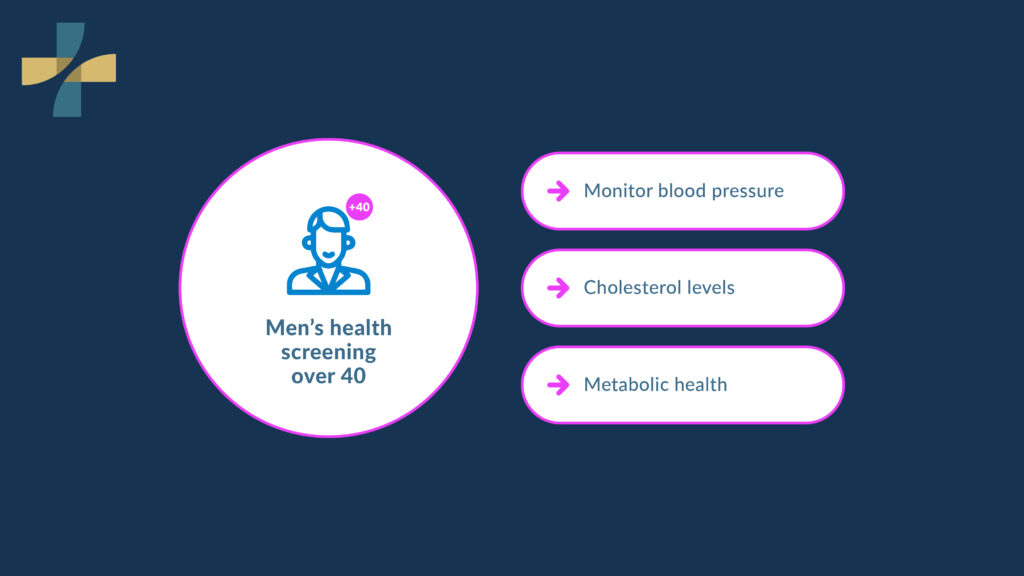
Men’s health screening over 40 helps detect medical conditions before symptoms appear. Many serious illnesses such as heart disease, diabetes, and prostate cancer develop slowly without clear warning signs. Preventive screening helps doctors identify risk factors and treat problems early. Across Canada, cardiovascular disease remains a major health concern for men. The Public Health Agency of Canada reports that heart disease is one of the leading causes of death among Canadian men. Routine health checks for men over 40 allow doctors to monitor blood pressure, cholesterol levels, and metabolic health while identifying early signs of disease. Men living in Vancouver often delay annual health checks due to busy work schedules or lack of symptoms. A structured health screening for men 40+ can identify hidden health issues and guide long term care. This guide explains the essential preventive tests for men Vancouver doctors recommend and how to schedule an annual checkup men Vancouver clinics provide. What Is Men’s Health Screening Over 40 and Why Does It Matter? Men’s health screening over 40 is a group of preventive medical tests designed to detect diseases early. These health checks for men over 40 monitor cardiovascular health, metabolic conditions, and cancer risk before symptoms appear. Early screening helps doctors treat health problems before complications develop. After age 40, the risk of chronic illness begins to increase. Many conditions remain silent for years. High blood pressure, diabetes, and high cholesterol often develop slowly without obvious symptoms. Routine screening identifies these risks through simple tests and physical examinations. Men who maintain regular screenings often detect health issues earlier than those who wait for symptoms. For example, a 45-year-old office worker may feel healthy but still have high cholesterol or early type 2 diabetes. A blood panel during a preventive exam can reveal abnormal markers long before symptoms appear. Common health risks for men over 40 include: cardiovascular disease prostate cancer type 2 diabetes stroke metabolic syndrome liver disease Doctors use screening data to create a personal health plan. This may include lifestyle adjustments, follow up testing, or medication if needed. What Health Checks Should Men Over 40 Have? Health checks for men over 40 include preventive tests that evaluate heart health, metabolic risk, and cancer screening. Doctors commonly recommend blood pressure monitoring, cholesterol testing, diabetes screening, prostate evaluation, and bowel cancer screening. These tests help detect health problems early when treatment is more effective. Routine preventive tests for men in Vancouver clinics often include basic physical assessments and laboratory testing. These evaluations help doctors monitor health trends over time. Core preventive screenings include: blood pressure check for men cholesterol test men type 2 diabetes screening in men prostate screening in Vancouver bowel cancer screening in Vancouver Additional preventive tests may be recommended based on risk factors. Additional screenings may include: testosterone test Vancouver andrology tests Vancouver liver and kidney function tests cardiovascular imaging or ECG infectious disease screening A patient with family history of diabetes may require earlier glucose testing. Another patient with elevated cholesterol may require more frequent cholesterol testing. These screenings are often part of an annual checkup men Vancouver clinics provide through a primary care visit. Why Is Heart Health Screening One of the Most Important Tests for Men Over 40? Heart health screening identifies cardiovascular risk factors such as high blood pressure, high cholesterol, and abnormal blood sugar levels. These conditions often develop without symptoms. Routine monitoring through blood pressure checks and cholesterol tests helps doctors reduce the risk of heart attack and stroke. Cardiovascular disease remains a leading cause of death among men. Heart disease and stroke affect about 6 million Canadians, according to the 2026 Heart Stroke report. The organisation also states that nearly 80 percent of premature heart disease and stroke cases can be prevented through healthy lifestyle habits. Blood pressure screening A blood pressure check men receive during routine screening measures the force of blood moving through arteries. Elevated blood pressure increases the risk of stroke, kidney disease, and heart attack. Doctors measure blood pressure using a simple cuff test during routine examinations. A patient may discover hypertension during a regular screening despite feeling healthy. Cholesterol testing A cholesterol test men receive measures LDL cholesterol, HDL cholesterol, and triglycerides. High LDL cholesterol contributes to plaque buildup in arteries. Regular cholesterol testing helps doctors monitor cardiovascular risk. Lifestyle changes such as diet and exercise can improve cholesterol levels. Diabetes screening Type 2 diabetes screening men receive usually involves fasting glucose tests or HbA1c blood testing. These tests measure blood sugar levels and detect early diabetes. Diabetes often develops without symptoms. Early detection allows treatment that reduces long term complications such as nerve damage and cardiovascular disease. Heart health screening tests often include: Test Purpose Blood pressure test Detect hypertension Cholesterol test Evaluate cardiovascular risk Blood glucose test Detect diabetes ECG Evaluate heart rhythm Some patients also receive a heart health check Medicare assessment in jurisdictions where preventive health programs provide coverage. What Cancer Screenings Should Men Over 40 Know About? Cancer screening identifies abnormal cells before cancer spreads. Men over 40 may benefit from screening for prostate cancer, colorectal cancer, and lung cancer. Early detection increases survival rates and often allows simpler treatment options. Prostate screening in Vancouver Prostate cancer is one of the most common cancers in men. Doctors often begin prostate screening Vancouver assessments around age 50 or earlier for men with higher risk. Prostate screening methods include: PSA blood test digital rectal examination prostate ultrasound According to the Canadian Cancer Society, about 1 in 9 men in Canada will develop prostate cancer during their lifetime, which is why regular prostate screening discussions with a doctor become more relevant after age 40. Bowel cancer screening in Vancouver Bowel cancer screening Vancouver programs detect colorectal cancer through stool tests or colonoscopy. Screening usually begins around age 45 for men at average risk. Common screening methods include: fecal immunochemical test (FIT)
Frequent Headaches Causes: When Should You See a GP in Vancouver? (2026 Guide)
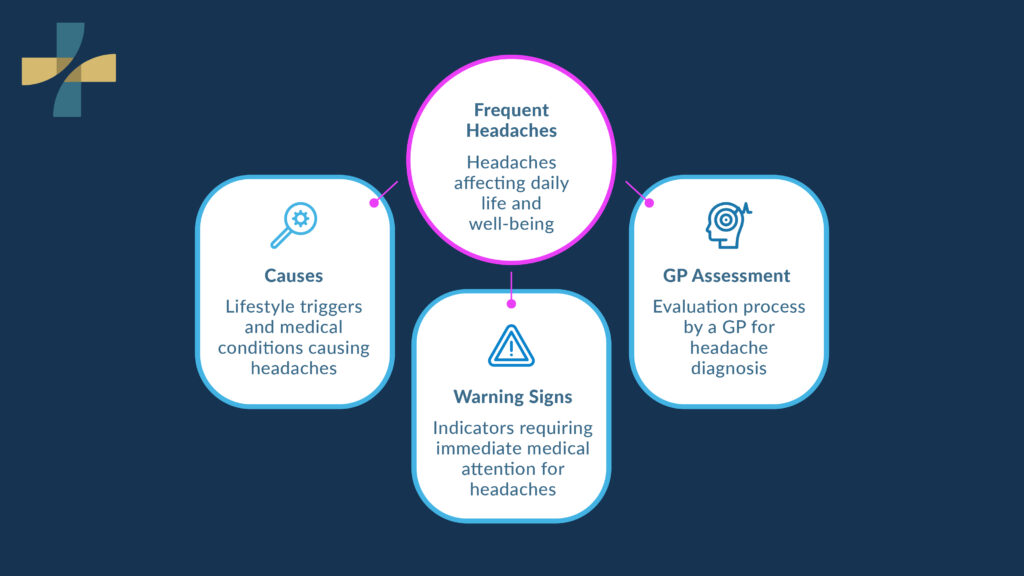
Frequent headache causes range from mild lifestyle triggers to medical conditions that require evaluation. Many adults experience headaches from stress, dehydration, poor sleep, or muscle tension. Others develop chronic headache symptoms that affect work, sleep, and daily activities. Understanding when to see a doctor for headaches helps prevent complications and leads to faster treatment. The World Health Organization reports that headache disorders affect about 40 percent of adults globally, making them one of the most common neurological conditions. Many patients delay care because they assume headaches are harmless. Yet repeated headaches can sometimes indicate migraine disorders, blood pressure issues, or neurological problems. This guide explains the causes of regular headaches, warning signs that require medical attention, and what happens during a primary care headache assessment with a general practitioner (GP) in Vancouver. What Are the Most Common Frequent Headaches Causes? Frequent headache causes usually include tension headaches, migraines, dehydration, and lifestyle triggers such as stress or sleep disruption. These headaches occur when nerves, blood vessels, and muscles in the head send pain signals to the brain. Identifying the type of headache helps determine the best treatment. Doctors classify headaches into two main categories. Headache Category Description Primary headaches Headaches that are the main condition, such as migraines or tension headaches Secondary headaches Headaches caused by another medical issue, such as an infection or high blood pressure Primary headaches account for most cases seen in general practice. Common headache types include Tension headaches Tension headache causes often include stress, muscle tension, and long periods of screen use. This type produces mild to moderate pressure around the forehead or back of the head. Typical symptoms include: dull, aching head pain tightness in the neck or shoulders pain on both sides of the head Many office workers in Vancouver experience tension headaches after several hours of computer work. Migraines Migraine symptoms in Vancouver that patients often report include throbbing pain on one side of the head, nausea, and sensitivity to light or sound. Migraines can last from four hours to three days. Some patients also experience visual disturbances called an aura. Common migraine triggers include: sleep disruption hormonal changes certain foods weather changes According to neurologist Dr Peter Goadsby of King’s College London, migraines involve abnormal signalling between brain cells and blood vessels that activate pain pathways. Dehydration headaches A dehydration headache occurs when the body loses too much fluid. Reduced blood flow to the brain may trigger pain signals. People may develop dehydration headaches after: intense exercise alcohol consumption inadequate water intake exposure to heat Many patients notice headaches during hot weather or after long outdoor activities without sufficient hydration. Can Blood Pressure and Other Medical Conditions Cause Frequent Headaches? Blood pressure and headaches may be connected when hypertension affects blood vessel function in the brain. While most headaches are not dangerous, recurring headaches may sometimes signal underlying medical conditions such as sinus infections, sleep disorders, or hormone changes. Medical causes of frequent headaches include: Medical Condition Possible Headache Pattern High blood pressure Morning headaches or pressure sensation Sleep apnoea Morning headaches with fatigue Sinus infection Pain around the forehead or cheeks Hormonal changes Migraines linked to menstrual cycles Medication overuse Daily headaches after frequent painkiller use Example scenario: A person who experiences headaches every morning may discover during a consultation that high blood pressure is contributing to the symptoms. The Heart and Stroke Foundation of Canada reports that uncontrolled hypertension can increase the risk of headache disorders in some patients. Doctors also evaluate lifestyle factors such as: caffeine intake alcohol consumption irregular sleep patterns long periods of screen exposure Addressing these factors often reduces headache frequency. What Are the Warning Signs or Headache Red Flags? Headache red flags are symptoms that may signal a serious medical condition such as stroke, meningitis, or bleeding in the brain. Recognising these warning signs helps patients decide when to seek urgent medical care. Emergency symptoms include: sudden severe headache described as the worst headache of your life confusion or difficulty speaking weakness on one side of the body high fever with stiff neck vision loss or double vision loss of consciousness Other concerning symptoms include: headaches after a head injury headaches that worsen quickly headaches with persistent vomiting Example scenario: A sudden thunderclap headache during exercise may indicate a vascular issue and requires urgent hospital evaluation. Patients who experience these symptoms should seek emergency medical care. When Should You See a Doctor for Headaches? When to see a doctor for headaches depends on the frequency, intensity, and pattern of symptoms. A general practitioner (GP) evaluation helps determine whether headaches are caused by lifestyle triggers or medical conditions. Doctors recommend medical consultation for headaches: occur several times per week become more severe over time Do not respond to common pain relief medications interfere with work or sleep Example scenario: A Vancouver resident experiencing headaches four days per week may benefit from a general practitioner’s appointment for headaches to identify triggers and treatment options. Patients with chronic headache symptoms may require further evaluation through diagnostic testing or specialist referral. What Happens During a General Practitioner Headache Diagnosis Process? The headache diagnosis process begins with a detailed discussion of symptoms followed by a physical and neurological examination. Doctors evaluate headache patterns, potential triggers, and medical history during a primary care headache assessment. A typical GP consultation includes: discussion of headache frequency review of medications blood pressure measurement neurological examination Doctors may ask patients to keep a headache diary. Information to Track Example Headache date Monday morning Pain severity 7 out of 10 Possible trigger skipped breakfast Associated symptoms nausea Tracking these details helps doctors identify patterns. Example scenario: A patient who records headaches after skipping meals may discover that low blood sugar triggers their symptoms. During the assessment, the GP may also evaluate: sleep quality hydration levels posture and muscle tension This information helps determine the causes of regular headaches. Do You Need a Brain Scan for Headaches? A brain scan for headaches is usually unnecessary for