Medical emergency signs are symptoms that may signal life-threatening conditions requiring urgent care. Many people delay treatment because they are unsure whether symptoms are serious or temporary discomfort. According to the Canadian Institute for Health Information, emergency departments in Canada receive over 16 million visits each year, many involving delayed care for life-threatening symptoms. In British Columbia, BC Emergency Health Services responds to hundreds of thousands of 911 calls annually.
This medical symptoms guide explains the signs of medical emergencies you should never ignore and when to go to the emergency room versus booking a clinic visit in North Vancouver. Clear action can reduce risk, disability, and prevent avoidable complications.
What Are the Most Common Medical Emergency Signs?
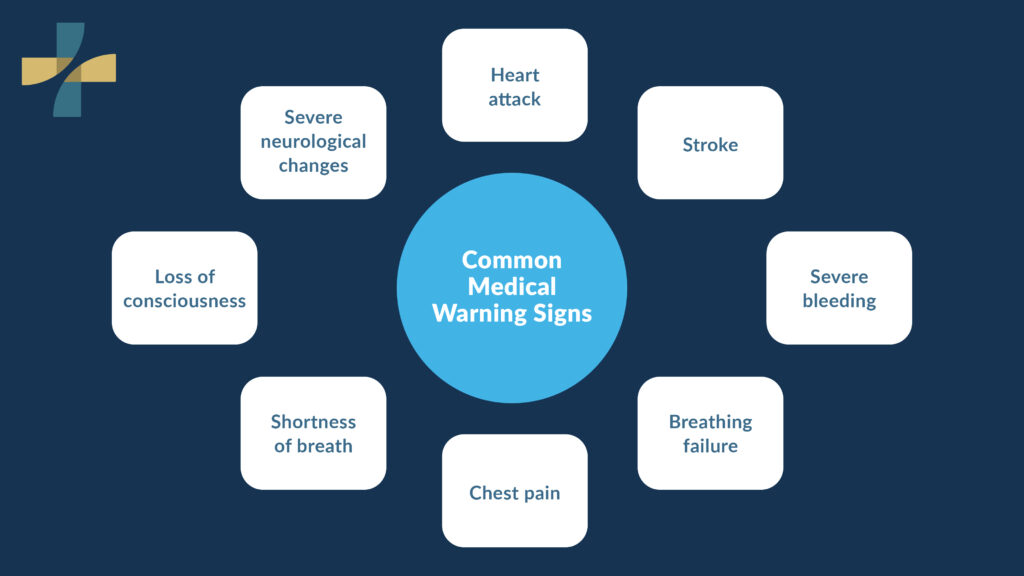
Medical emergency signs are sudden or severe symptoms that may indicate life-threatening conditions such as a heart attack, stroke, severe bleeding, or breathing failure. The most common signs of a medical emergency include chest pain, shortness of breath, loss of consciousness, and severe neurological changes.
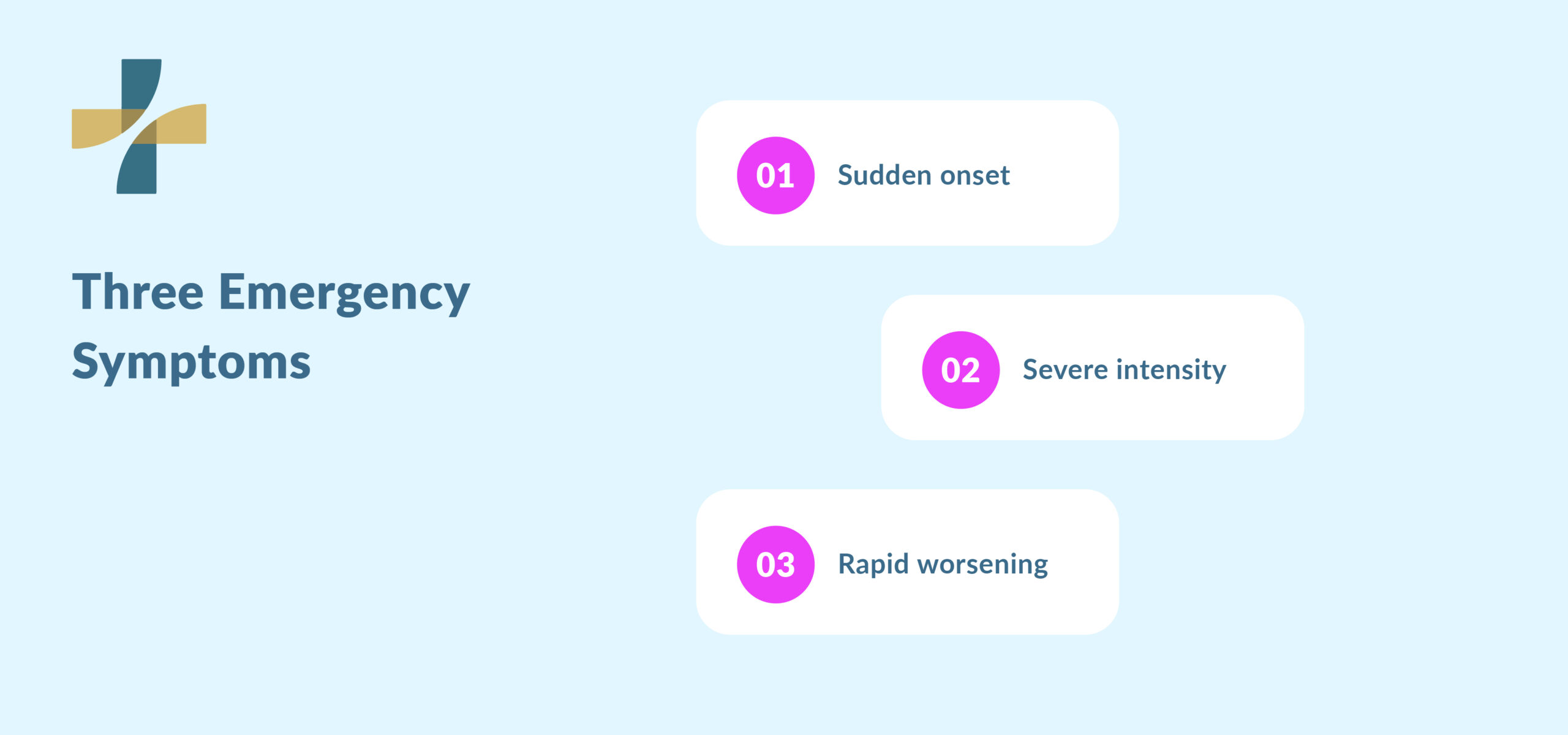
Emergency symptoms usually share three features:
- Sudden onset
- Severe intensity
- Rapid worsening
For example, a mild headache after stress is not the same as a sudden, severe headache described as the worst ever. Mild dizziness when standing quickly is different from sudden confusion and weakness on one side.
The table below compares routine symptoms versus emergency warning signs.
| Symptom | Likely Routine | Possible Medical Emergency |
| Chest discomfort | Mild and brief | Heavy, crushing, spreading pain |
| Headache | Usual pattern | Sudden, severe, with confusion |
| Vomiting | Short-lived illness | Persistent with severe pain |
| Shortness of breath | Mild exertion | At rest, severe, blue lips |
When symptoms affect breathing, circulation, or brain function, they become hospital emergency signs.
When Should You Go to the Emergency Room Instead of Waiting?
You should go to the emergency room immediately if symptoms are severe, sudden, or affect breathing, consciousness, or circulation. A medical emergency is defined as a condition that threatens life, limb, or brain function and requires immediate hospital care. If symptoms could worsen before you safely reach a clinic, call emergency services.
In British Columbia, call 911 for life-threatening symptoms. For non-life-threatening but urgent medical symptoms, you may call 811 to speak with a registered nurse for guidance.
Call emergency services if:
- Breathing is difficult
- The person is unconscious
- There is heavy bleeding
- There are stroke symptoms
- Chest pain is severe
Do not drive yourself if you feel unstable. Paramedics can provide oxygen, medication, and monitoring during transport.
If symptoms are urgent but stable, such as worsening infection without breathing issues, a same-day clinic appointment may be appropriate. Telehealth can help clarify when to seek emergency care if there is uncertainty.
Could Chest Pain or Pressure Be a Life-Threatening Symptom?
Chest pain that feels tight, heavy, or spreads to the arm, jaw, or back is a major medical emergency warning sign. These ER symptoms may signal a heart attack, a blood clot in the lung, or a severe cardiac rhythm disturbance.
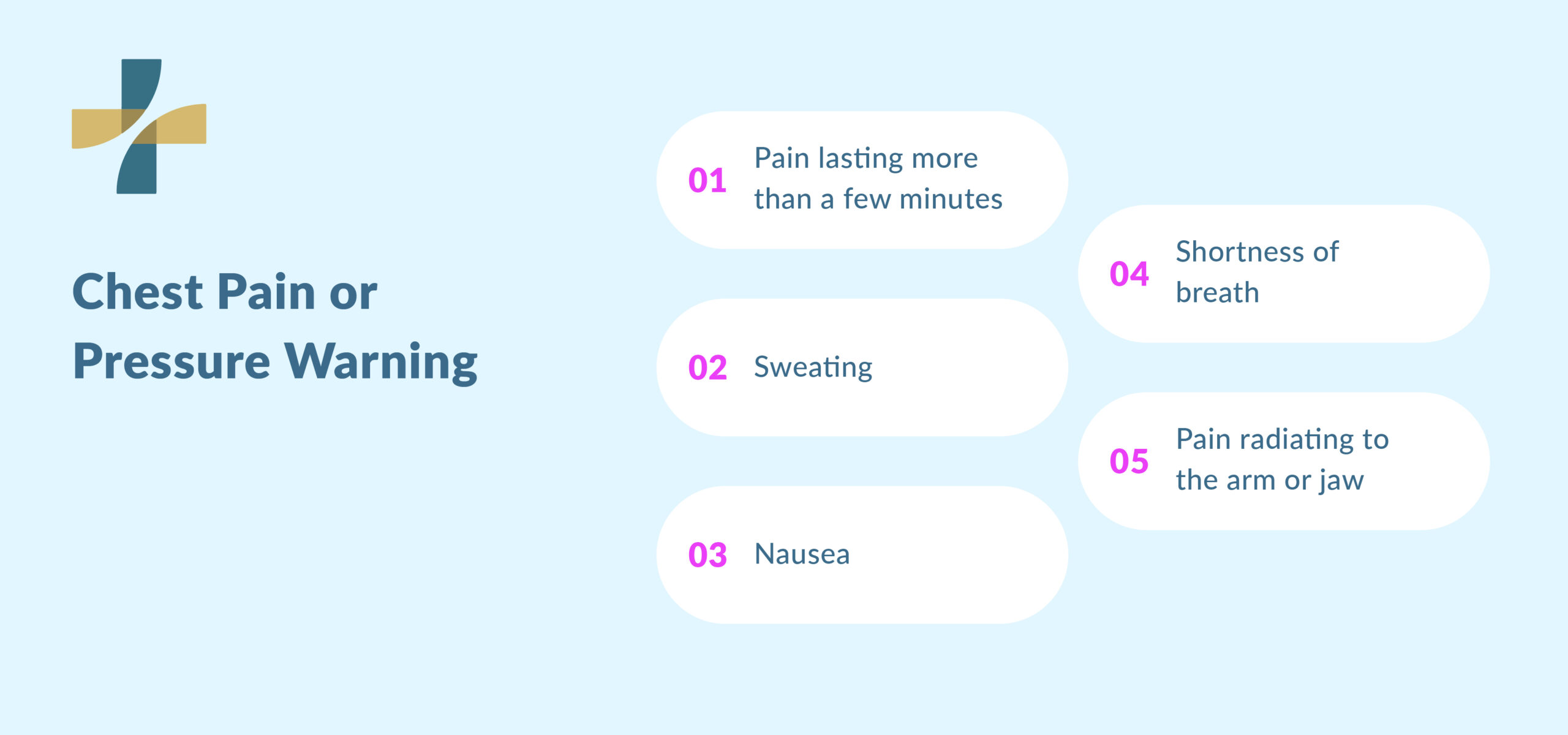
Warning features include:
- Pain lasting more than a few minutes
- Sweating
- Nausea
- Shortness of breath
- Pain radiating to the arm or jaw
According to the Heart and Stroke Foundation of Canada, every minute of blocked blood flow damages heart muscle. For cardiac arrest, survival decreases by 7 to 10 percent for every minute without CPR. Cardiologist Dr. Paul Armstrong has stated that rapid response improves survival and limits permanent damage.
If chest pain is new, severe, or accompanied by other emergency care signs, go to the emergency room immediately.
Are Sudden Weakness, Slurred Speech, or Vision Changes Signs of Stroke?
Stroke symptoms are sudden neurological changes such as one-sided weakness, slurred speech, facial drooping, or sudden vision loss. These medical emergency signs require immediate treatment because brain cells begin dying within minutes.
Use the FAST rule:
- F – Face drooping
- A – Arm weakness
- S – Speech difficulty
- T – Time to call emergency services
The Heart and Stroke Foundation reports that brain cells begin dying within minutes during a stroke. Early clot-dissolving treatment reduces long-term disability.
If any FAST sign appears, call emergency services immediately.
When Is Shortness of Breath an Emergency Symptom?
Shortness of breath that is sudden, severe, or accompanied by chest pain, confusion, or blue lips is a medical emergency sign. These urgent medical symptoms may indicate an asthma attack, pneumonia, heart failure, or pulmonary embolism.
Emergency breathing signs include:
- Unable to speak full sentences
- Wheezing or gasping
- Visible chest retractions
- Blue or grey lips
If prescribed inhalers are not improving symptoms, seek emergency care.
Is Severe Headache or Head Injury a Hospital Emergency Sign?
A sudden severe headache described as the worst ever or a head injury followed by confusion or vomiting is a hospital emergency sign. These life-threatening symptoms may indicate bleeding in the brain.
Red flags after a head injury include:
- Loss of consciousness
- Unequal pupils
- Persistent vomiting
- Seizure
- Increasing drowsiness
If these signs appear, go to the emergency room without delay.
When Does Bleeding Become a Medical Emergency?
Bleeding that does not stop after firm pressure for several minutes is a medical emergency sign. Heavy bleeding, vomiting blood, or coughing blood are emergency symptoms that require urgent evaluation.
First aid steps:
- Apply direct pressure with a clean cloth
- Elevate the limb if possible
- Do not remove embedded objects
If bleeding continues or blood loss is heavy, call emergency services.
Are Severe Abdominal Pain and Persistent Vomiting Emergency Symptoms?
Severe abdominal pain that is sharp, worsening, or associated with fever may be a medical emergency warning sign. Persistent vomiting or signs of dehydration are also urgent medical symptoms.
Possible emergency causes include:
- Appendicitis
- Bowel obstruction
- Internal bleeding
- Severe infection
Do not eat or drink until evaluated if pain is severe.
When Are Allergic Reactions Life-Threatening?
Allergic reactions become life-threatening symptoms when there is throat swelling, difficulty breathing, a drop in blood pressure, or fainting. This condition is called anaphylaxis and requires immediate emergency care because it can progress within minutes.
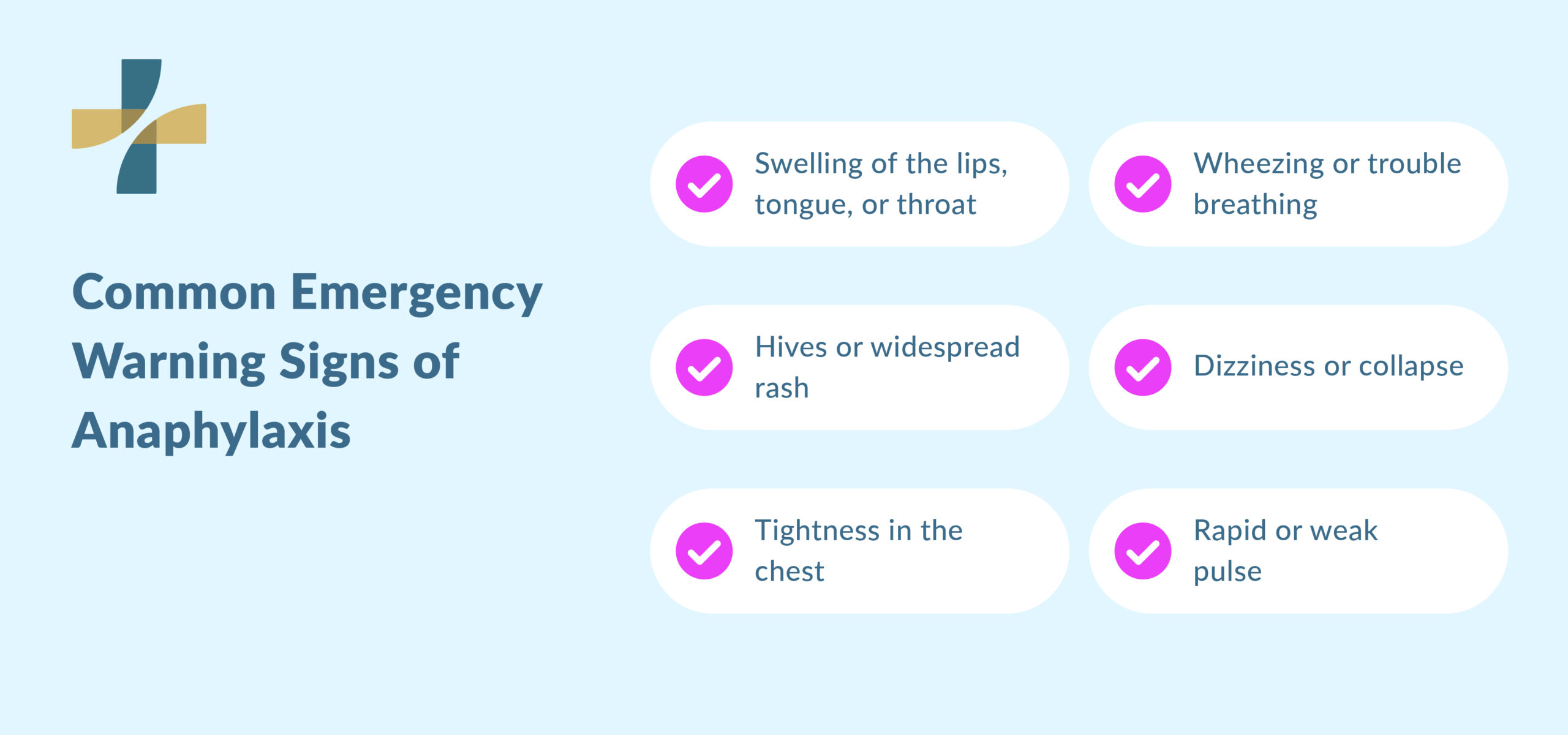
Common emergency warning signs of anaphylaxis include:
- Swelling of the lips, tongue, or throat
- Hives or widespread rash
- Tightness in the chest
- Wheezing or trouble breathing
- Dizziness or collapse
- Rapid or weak pulse
Some people also develop severe stomach pain, vomiting, or diarrhoea. These symptoms may appear after exposure to foods such as peanuts or shellfish, insect stings, medications, or latex. Reactions can occur even if past reactions were mild.
If an epinephrine auto-injector has been prescribed, use it immediately at the first sign of severe emergency symptoms. Do not wait to see if symptoms improve. Call emergency services right away and go to the emergency room for monitoring, even if the person feels better after the injection. A second reaction can occur hours later, so hospital observation is recommended.
What Medical Emergency Signs in Children Should Parents Never Ignore?
In children, medical emergency signs include bluish skin, breathing difficulty, seizures, or inability to wake. These emergency warning signs require immediate hospital evaluation.
Child-specific red flags:
- Fever in infants under 3 months
- Stiff neck with fever
- Persistent vomiting
- Child unable to stand
Parents should act quickly when these serious health symptoms appear.
What Should You Do While Waiting for Emergency Help?
While waiting for emergency help, stay calm and follow basic first aid. Do not give food or drink to someone unconscious or vomiting.
Steps include:
- Place an unconscious person in the recovery position
- Start CPR if trained
- Gather the medication list
- Unlock doors for paramedics
Preparation improves response speed.
What Are the Most Common Medical Emergencies?
The most common medical emergencies include heart attack, stroke, severe trauma, breathing failure, severe allergic reactions, and sepsis. These life-threatening symptoms require urgent intervention to prevent permanent harm.
Sepsis, often caused by infection, can lead to organ failure. The Public Health Agency of Canada reports thousands of cases annually.
Recognising emergency care signs early improves outcomes.
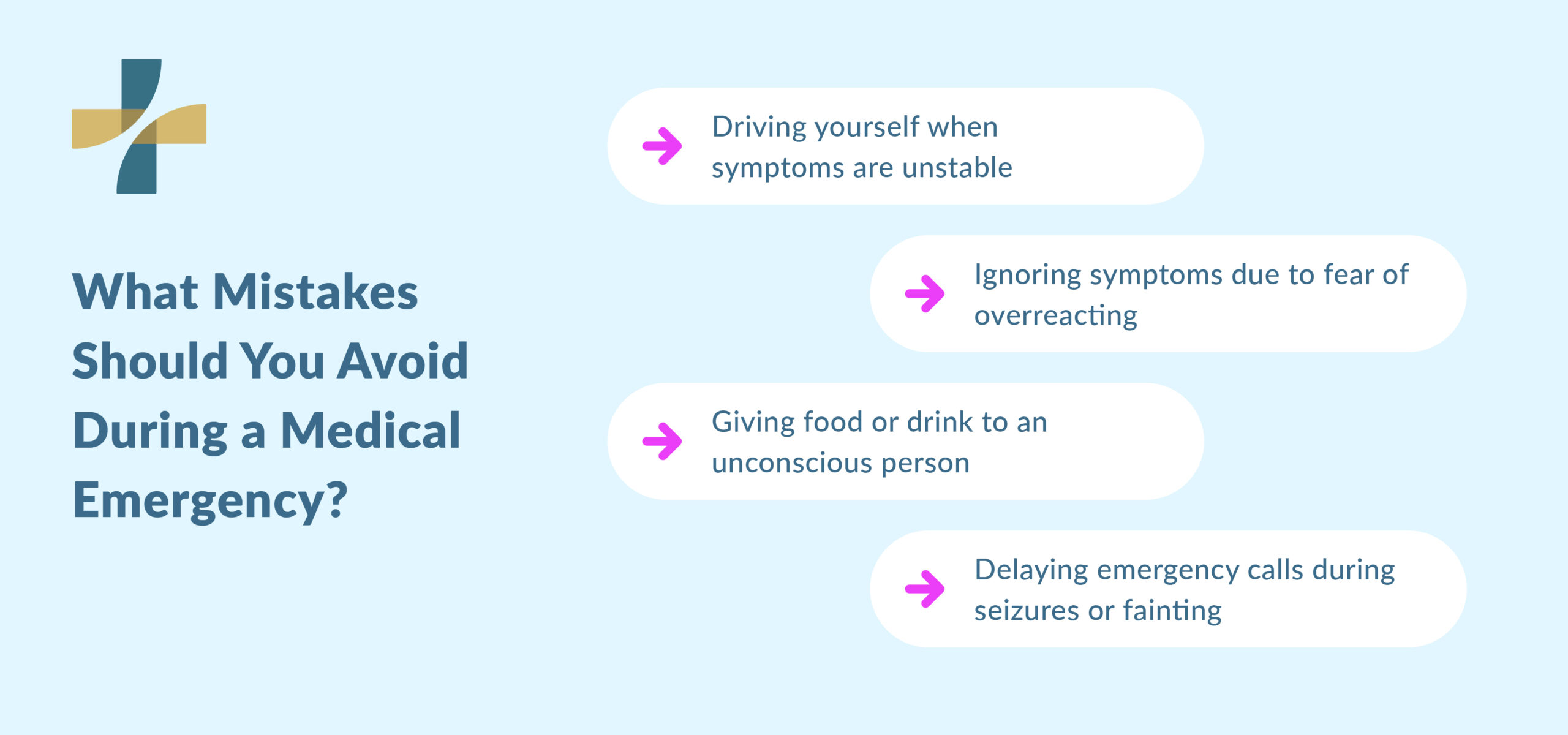
What Mistakes Should You Avoid During a Medical Emergency?
The most dangerous mistake during a medical emergency is waiting to see if symptoms improve. Delaying care for chest pain, stroke symptoms, or severe breathing difficulty increases the risk of permanent damage or death.
Common mistakes include:
- Driving yourself when symptoms are unstable
- Ignoring symptoms due to fear of overreacting
- Giving food or drink to an unconscious person
- Delaying emergency calls during seizures or fainting
If you suspect life-threatening symptoms, it is safer to seek emergency care than to delay.
How NV Med Center Helps You Act Quickly and Confidently
Medical emergency signs are sudden, severe, or worsening symptoms that may become life-threatening within minutes. Recognising emergency warning signs such as chest pain, stroke symptoms, severe bleeding, or breathing difficulty allows earlier intervention and reduces long-term complications. Acting quickly during serious health symptoms often determines survival and recovery outcomes.
At NV Med Center, our physicians provide urgent medical assessments, family medicine services, telehealth consultations, Holter monitoring for heart rhythm concerns, and coordinated chronic care in North Vancouver. If you are unsure whether your symptoms require emergency care, contact us for immediate guidance during clinic hours. For life-threatening symptoms, go to the emergency room immediately or call 911. Schedule an urgent consultation online today.
FAQs
What are the most common medical emergencies?
The most common medical emergencies include heart attack, stroke, severe allergic reactions, uncontrolled bleeding, and breathing failure. These conditions can become life-threatening quickly and require immediate emergency care.
How do I know when to go to the emergency room?
Go to the emergency room if symptoms are sudden, severe, worsening rapidly, or affect breathing, consciousness, or circulation. If you are unsure and symptoms feel serious, seek urgent medical advice immediately.
Can anxiety cause symptoms that feel like emergency symptoms?
Anxiety can cause chest tightness, shortness of breath, and dizziness. However, new or severe symptoms should always be evaluated first to rule out medical emergency warning signs.
Should I drive myself to the hospital during emergency symptoms?
Do not drive yourself if symptoms are severe or unstable. Call emergency services so trained personnel can provide care during transport.