If pain lasts for weeks, keeps coming back, affects sleep, limits daily activities, or continues despite treatment, it may be time to seek medical evaluation. Knowing when to see a pain specialist can help identify possible causes, explore pain treatment options, and determine whether additional care or referral may be appropriate.
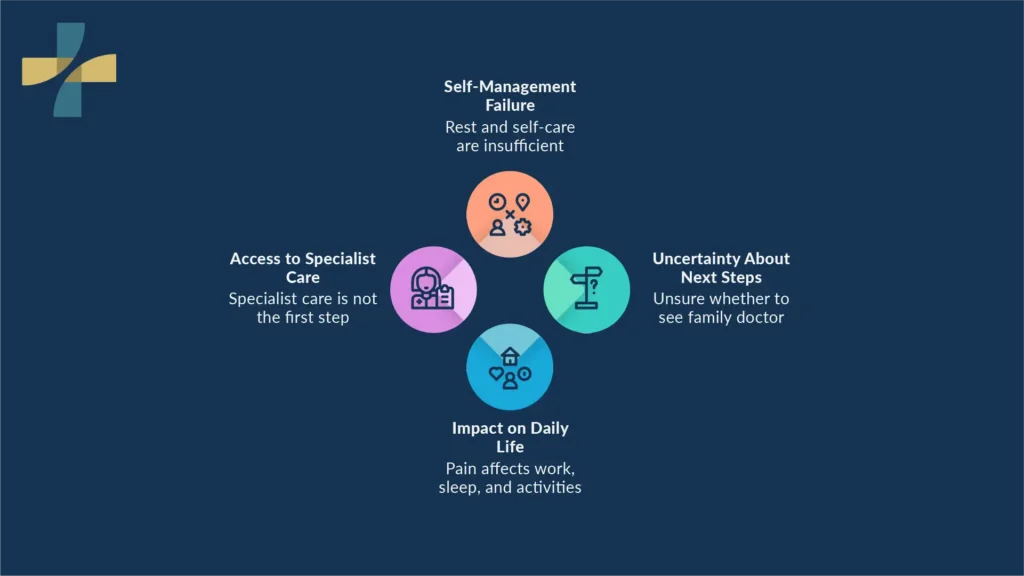
Many people experience occasional pain after exercise, illness, or minor injuries. While most symptoms improve with rest and self-care, chronic pain, nerve pain, and persistent injury pain can continue longer than expected. When that happens, it may be difficult to know whether self-management is enough, whether you should see your family doctor, or whether a pain management referral should be discussed.
For many people in North Vancouver, pain becomes more concerning when it begins affecting work, sleep, mobility, exercise, or everyday routines. In most cases, specialist care is not the first step. Patients typically begin with an assessment through a family doctor, nurse practitioner, or primary care provider to review symptoms, discuss treatment options, and determine whether additional testing, rehabilitation, or a pain clinic referral may be appropriate.
This guide explains when to see a pain specialist, common referral signs, what happens during a pain management specialist visit, and how patients in British Columbia typically access additional pain care when needed.
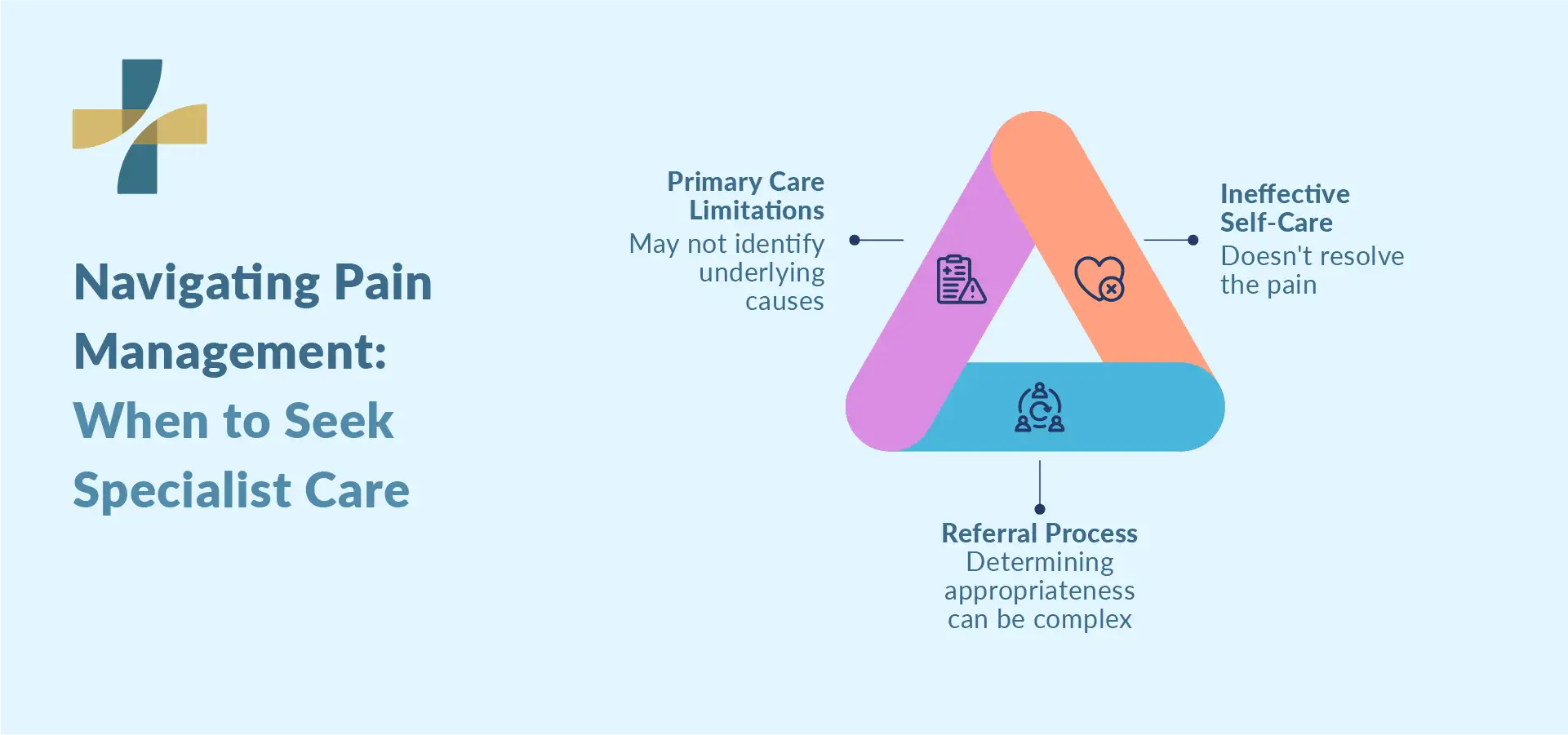
When Should You See a Pain Specialist?
Pain that lasts longer than several weeks, continues despite treatment, affects sleep, limits mobility, or interferes with daily activities may benefit from further medical evaluation. While not every case requires specialist care, persistent symptoms often deserve attention to identify underlying causes and determine appropriate treatment options.
One of the most common questions patients ask is whether they should continue self-care, book an appointment with their family doctor, or ask about specialist care. In British Columbia, most people begin with a primary care assessment. A family physician or nurse practitioner can evaluate symptoms, recommend initial treatment, and determine whether a pain management referral is appropriate based on your condition and response to care.
Acute Pain vs Chronic Pain: Why the Difference Matters
Acute pain usually develops suddenly and often results from an injury, illness, or medical procedure. It typically improves as the body heals.
Subacute pain lasts longer than expected but has not yet reached the chronic stage. Symptoms may continue for several weeks and require additional monitoring or treatment.
Chronic pain generally refers to pain that persists for three months or longer. According to the Canadian Pain Task Force, chronic pain often requires a broader management approach because symptoms may continue even after tissues have healed. HealthLink BC also notes that chronic pain can affect sleep, mood, physical activity, and overall quality of life, which is why early assessment and appropriate treatment are important.
Why Waiting Too Long Can Make Recovery More Difficult
Many people delay seeking care because they expect symptoms to improve on their own. While this may be reasonable for minor discomfort, ongoing pain can begin affecting sleep, mobility, physical activity, work performance, and overall quality of life.
For example, someone with persistent back pain may gradually become less active to avoid discomfort. Over time, reduced movement can contribute to stiffness, weakness, and further limitations. Discussing symptoms with a healthcare provider can help determine whether continued self-care is appropriate or whether additional evaluation, treatment, or referral should be considered.
What Signs May Indicate It’s Time to Seek Additional Pain Care?
Many pain concerns improve with time, self-care, or initial treatment. However, certain referral signs may indicate that a more thorough medical evaluation is appropriate. Rather than focusing on pain intensity alone, it is often more helpful to consider how long symptoms have lasted, whether they are improving, and how much they affect daily life.
When Should You Seek Immediate Medical Attention?
Most pain concerns can be evaluated through a routine medical appointment. However, certain symptoms require urgent medical attention.
Contact a healthcare provider immediately or seek emergency care if pain is accompanied by:
- Sudden loss of bowel or bladder control
- Significant weakness in an arm or leg
- Severe numbness that rapidly worsens
- Chest pain or shortness of breath
- Symptoms following a serious fall or accident
- New neurological symptoms, such as difficulty speaking or walking
These symptoms may indicate conditions that require prompt medical evaluation. Patients who are unsure whether symptoms require urgent assessment can also contact HealthLink BC by calling 8-1-1 for guidance on appropriate next steps.
Pain Lasts Longer Than Expected
Most minor injuries improve gradually. If pain continues for several weeks without meaningful improvement, it may be time to discuss symptoms with a healthcare provider. Persistent injury pain can sometimes indicate an underlying issue that requires further assessment or treatment.
Pain Is Affecting Your Sleep, Mobility, or Daily Activities
Pain often becomes more concerning when it begins interfering with normal routines. Difficulty sleeping, exercising, working, walking comfortably, driving, climbing stairs, or completing household tasks may indicate that symptoms are having a broader impact on your health and quality of life.
Symptoms Continue Despite Self-Care or Treatment
Many people try stretching, rest, heat, ice, activity modification, over-the-counter medications, or physiotherapy before seeking additional care. If symptoms remain unchanged despite these efforts, a medical evaluation can help determine whether different pain treatment options should be considered.
Numbness, Tingling, or Weakness Develops
Symptoms such as burning pain, tingling, numbness, or weakness may suggest nerve involvement. In these situations, additional testing, specialist evaluation, or referral to a nerve pain specialist may be appropriate, depending on the underlying cause.
Previous Treatments Have Not Provided Lasting Relief
Some patients consider a pain management specialist visit after trying multiple treatment approaches without meaningful improvement. If symptoms continue affecting daily activities despite appropriate care, discussing next steps with a healthcare provider may help clarify whether further evaluation or referral is warranted.
A Simple Way to Decide Your Next Step
Many patients are unsure whether pain requires medical attention or whether continued self-care is appropriate. While every situation is different, the following general guide can help determine when it may be time to move beyond home management and seek additional support.
| If Your Pain… | Recommended Next Step |
| Started recently and is improving | Continue self-care and monitor symptoms |
| Lasts several weeks | Schedule a family doctor evaluation |
| Interferes with sleep, work, or daily activities | Seek medical assessment |
| Persists longer than three months | Discuss specialist care options |
| Causes numbness, tingling, or weakness | Seek prompt medical evaluation |
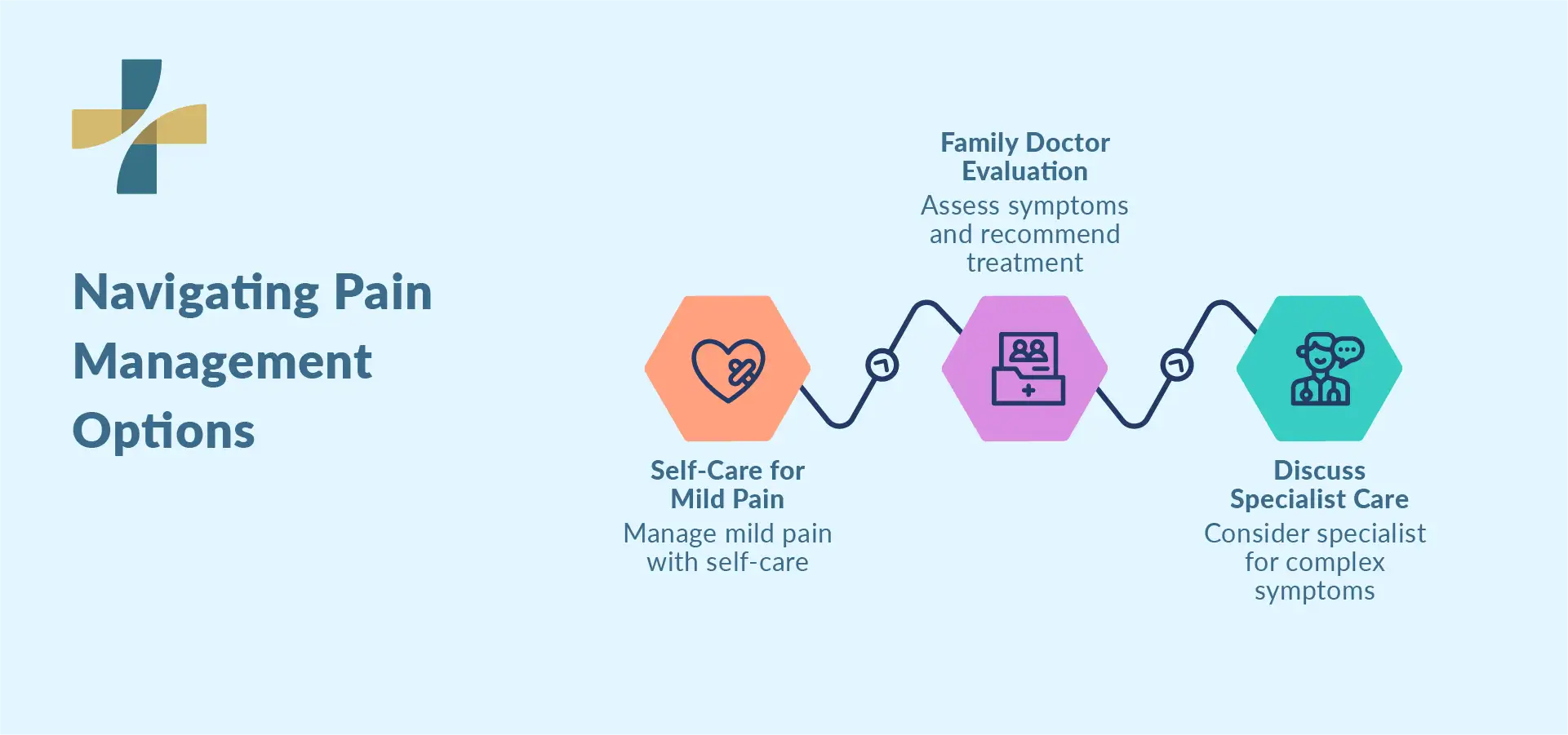
Should You Continue Self-Care, See Your Doctor, or Ask About a Specialist?
Not all pain requires specialist care immediately. Many cases improve with self-management or primary care support, while persistent or complex symptoms may benefit from additional evaluation. Understanding where your symptoms fit can help guide your next step.
In British Columbia, most people do not go directly to a pain specialist. The usual process begins with a family doctor, nurse practitioner, or other primary care provider who can assess symptoms, recommend treatment, and determine whether a pain management referral may be appropriate.
| Situation | Self-Care May Be Appropriate | Family Doctor Evaluation | Discuss Specialist Care |
| Mild pain lasting a few days | ✓ | ||
| Pain lasting several weeks | ✓ | ||
| Pain affecting sleep | ✓ | ✓ | |
| Pain limiting daily activities | ✓ | ✓ | |
| Pain lasting more than 3 months | ✓ | ✓ | |
| Numbness, tingling, or weakness | ✓ | ✓ | |
| Symptoms continue despite treatment | ✓ | ✓ |
One Mistake Many People Make
One common mistake is assuming persistent pain is simply a normal part of aging or something that must be tolerated. While occasional aches and pains are common, ongoing symptoms that affect function, mobility, or quality of life deserve medical attention.
Another mistake is focusing only on short-term symptom relief. Temporary improvements may help manage discomfort, but they do not always address the underlying cause. A medical evaluation can help determine whether additional treatment options, testing, or referral should be considered.
What Conditions Commonly Lead Patients to Pain Specialists?
Pain specialists often evaluate conditions that continue affecting quality of life despite initial treatment efforts. While many symptoms improve with primary care, physiotherapy, or other conservative approaches, some chronic conditions may require additional evaluation when pain persists, worsens, or begins limiting everyday function.
Back Pain
Back pain is one of the most common reasons people seek additional care. A back pain specialist visit may be worth discussing when symptoms last several weeks, continue despite treatment, radiate into the legs, or significantly limit mobility, work, or physical activity.
Neck Pain
Neck pain can result from posture-related strain, repetitive movements, injuries, or underlying medical conditions. Further evaluation may be appropriate when symptoms persist despite conservative care, frequently recur, or are accompanied by headaches, numbness, tingling, or weakness.
Arthritis and Joint Pain
Many people successfully manage arthritis through exercise, lifestyle modifications, and medical treatment. However, joint pain that continues to affect mobility, sleep, daily activities, or overall quality of life may warrant additional assessment and discussion of treatment options.
Nerve Pain and Sciatica
Nerve pain often feels different from muscle or joint pain and may cause burning, tingling, shooting, or electric-like sensations. Symptoms that persist, worsen, or involve numbness or weakness may require further evaluation, and a nerve pain specialist may be recommended in some cases.
Chronic Headaches
Occasional headaches are common, but recurring headaches that interfere with work, sleep, daily activities, or respond poorly to treatment deserve medical evaluation. Identifying underlying causes is often an important first step before considering specialist care.
Persistent Pain After Injury or Surgery
Most injury pain and post-surgical discomfort gradually improve during recovery. When symptoms continue beyond expected healing timelines or fail to improve despite appropriate treatment, further evaluation may help determine whether additional testing, rehabilitation, or specialist referral is appropriate.
What Happens During a Pain Evaluation?
A pain evaluation focuses on understanding your symptoms, medical history, daily limitations, and previous treatments. The goal is not simply to identify where pain occurs but to understand why it continues and what treatment options may be appropriate.
Many people feel uncertain before their first appointment because they are not sure what to expect. In most cases, providers review your symptoms, medical history, daily activities, and previous treatments before discussing possible next steps.
Patients preparing for specialist care may also benefit from learning what to expect during a first pain clinic appointment, including common assessments and treatment discussions.
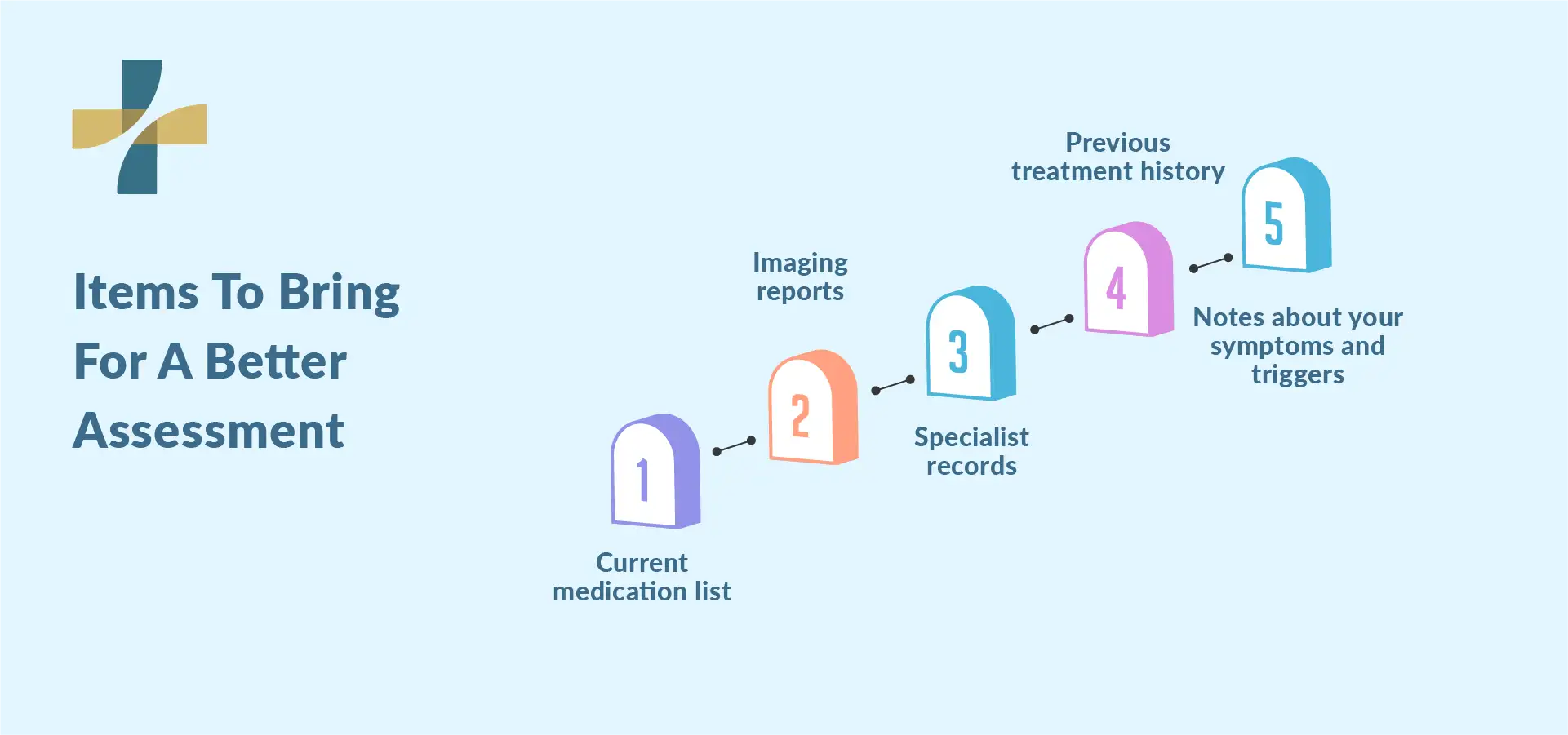
What Should You Bring to Your Appointment?
Bringing relevant health information can help make your assessment more productive. Useful items may include a list of medications, previous imaging reports, specialist consultations, treatment records, and notes about when symptoms occur or what activities make them worse.
Questions You May Be Asked
Providers often ask questions to better understand your condition and how it affects your daily life.
Common questions include:
- When did the pain begin?
- Has it changed over time?
- What activities make it better or worse?
- How does it affect sleep, work, or exercise?
- What treatments have you already tried?
- Are you experiencing numbness, tingling, or weakness?
Physical Examination and Diagnostic Review
Depending on your symptoms, the evaluation may include an assessment of strength, flexibility, range of motion, balance, mobility, and functional limitations. Providers may also review previous imaging or discuss whether additional diagnostic testing could be helpful.
Treatment Planning and Follow-Up
After the assessment, providers discuss findings and recommend next steps based on your symptoms and goals. Depending on the situation, this may involve monitoring symptoms, adjusting treatment, recommending physiotherapy or other rehabilitation services, ordering diagnostic tests, or discussing whether a pain management referral is appropriate.
What Happens After Your First Assessment?
Follow-up recommendations vary based on the underlying cause of symptoms. Some patients improve with conservative treatment and ongoing monitoring, while others may require additional testing, specialist consultation, or referral to a chronic pain doctor. The purpose of follow-up care is to monitor progress and adjust the treatment plan as needed.
How Does Integrated Care Help Manage Persistent Pain?
Persistent pain often responds best when multiple aspects of health are addressed together. Depending on the cause of symptoms, care may involve medical assessment, rehabilitation, lifestyle modifications, mental health support, or referral to other healthcare professionals when appropriate.
Family Physician Assessment
For many patients in British Columbia, a family physician or nurse practitioner is the first step in evaluating ongoing pain. This approach aligns with the BC healthcare system, where primary care providers help coordinate treatment, testing, and specialist referrals when necessary.
During an assessment, providers review symptoms, medical history, previous treatments, and daily limitations to help determine possible causes and discuss appropriate treatment options.
Physiotherapy and Movement Rehabilitation
Physiotherapy is commonly recommended for musculoskeletal pain, mobility limitations, and recovery from injury. Treatment may focus on improving strength, flexibility, movement patterns, and confidence with physical activity while monitoring how symptoms respond over time.
Clinical Counselling Support
Persistent pain can affect emotional well-being as well as physical health. When appropriate, clinical counselling may help patients develop coping strategies and manage the stress, frustration, or anxiety that sometimes accompany chronic pain.
Acupuncture and Complementary Approaches
Some patients include acupuncture or other complementary therapies as part of a broader treatment plan. Whether these approaches are appropriate depends on individual symptoms, medical history, and professional recommendations.
What Is a Pain Management Referral and When Might You Need One?
A pain management referral may be considered when symptoms continue despite appropriate treatment, rehabilitation, or medical evaluation. In most cases, referrals are made by a family doctor, nurse practitioner, or another healthcare provider after reviewing your condition and treatment history.
A pain clinic referral does not automatically mean surgery or invasive procedures. Instead, it provides access to additional expertise when symptoms remain difficult to manage or continue affecting daily life, mobility, sleep, work, or overall function.
Common Situations That May Lead to Referral
| Situation | Why Referral May Be Considered |
| Back pain lasting longer than three months | Symptoms continue despite conservative treatment |
| Sciatica with numbness or weakness | Possible nerve involvement requiring further evaluation |
| Ongoing pain after surgery | Recovery is slower than expected |
| Chronic headaches | Additional assessment may help identify contributing factors |
| Joint pain affecting mobility | More comprehensive treatment planning may be needed |
| Persistent pain despite physiotherapy | Additional expertise may help identify next steps |
What Happens Before a Specialist Referral?
Before recommending specialist care, healthcare providers often review previous treatments, assess symptom patterns, perform a physical examination, and determine whether additional testing may be helpful. Depending on the situation, patients may be advised to try physiotherapy, medication adjustments, activity modifications, or other conservative treatments before a referral is considered.
Specialist Referrals When Appropriate
After a referral is submitted, wait times and next steps vary depending on the specialist and the nature of the condition. Patients may be asked to provide previous imaging results, complete intake forms, or attend an initial consultation to discuss treatment options and additional testing if needed.
Referral decisions are based on your symptoms, diagnosis, treatment history, and individual healthcare needs.
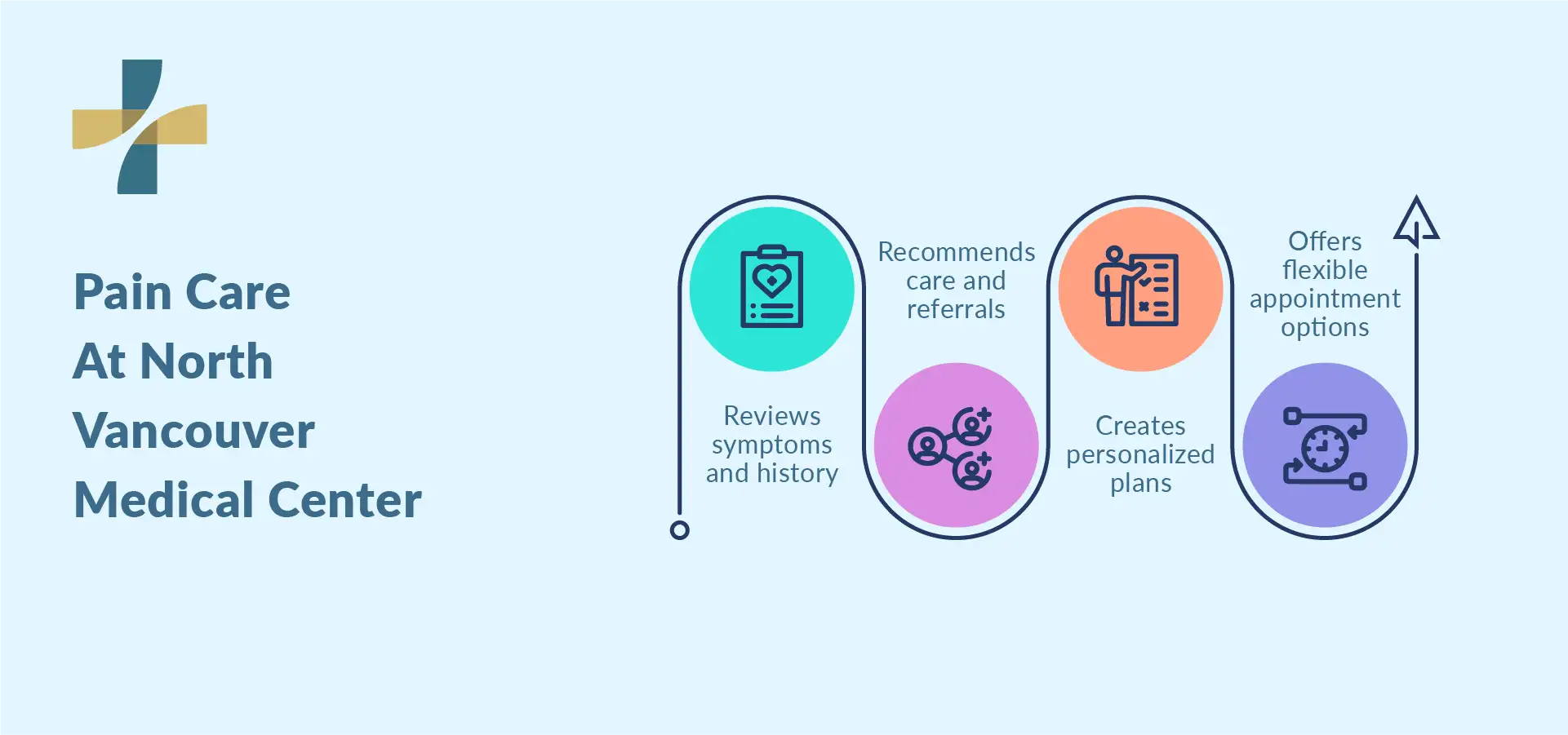
How North Vancouver Medical Center Helps Patients With Persistent Pain
Many people are unsure whether ongoing pain is something they can continue managing on their own or whether additional medical support may be helpful. An evaluation can help clarify what may be contributing to your symptoms, how pain is affecting your daily life, and which treatment options may be appropriate based on your individual situation.
At North Vancouver Medical Center, providers assess symptoms, review medical history, discuss previous treatments, and determine whether additional testing, rehabilitation, or referral may be beneficial. Depending on your needs, care may involve family physician services, physiotherapy, clinical counselling, acupuncture, diagnostic assessments, or specialist referrals when appropriate.
This coordinated approach helps patients better understand the cause of their symptoms and develop a practical plan for managing pain, improving function, and supporting long-term health goals.
If pain is affecting your sleep, mobility, work, exercise, or overall quality of life, booking an evaluation can be a helpful next step. North Vancouver Medical Center offers in-person and virtual appointments, along with walk-in support, to help patients access assessment, treatment recommendations, and referral guidance when needed.
FAQs About When to See a Pain Specialist
How do I know when it’s time to see a pain specialist?
You may want to discuss specialist care if pain lasts several weeks, affects daily activities, disrupts sleep, or continues despite treatment. In many cases, the first step is a medical evaluation to determine whether additional testing, treatment options, or referral may be appropriate.
Do I need a referral to see a pain specialist in British Columbia?
In most cases, yes. Many pain specialists and pain clinics in British Columbia require a referral from a family doctor, nurse practitioner, or another healthcare provider. An initial assessment helps determine whether a pain management referral is appropriate based on your symptoms and treatment history.
When should I see a pain doctor instead of continuing self-care?
Self-care may be appropriate for mild pain that is improving over time. However, if symptoms persist for several weeks, limit daily activities, affect sleep, or continue despite treatment, it may be time to see a doctor for further evaluation and discussion of next steps.
Will I need imaging before seeing a pain specialist?
Not always. Many pain concerns can be evaluated through a detailed medical history and physical examination. Imaging is typically recommended only when it may help clarify a diagnosis or guide treatment decisions.
What should I bring to my first pain evaluation?
Bringing a list of medications, previous imaging results, specialist reports, treatment records, and notes about symptom patterns can help providers better understand your condition. This information often supports more efficient treatment planning and discussion of possible next steps.
What types of pain usually require specialist evaluation?
Specialist care may be considered when chronic pain, nerve pain, persistent back pain, headaches, arthritis, or post-injury pain continue affecting function, mobility, sleep, work, or quality of life despite appropriate treatment efforts.
What treatments can a pain specialist recommend?
Treatment recommendations vary depending on the underlying cause of symptoms. Options may include medications, physiotherapy, rehabilitation programs, lifestyle modifications, counselling support, acupuncture, or other evidence-based pain treatment options.
When is a family doctor no longer enough for pain management?
A family doctor or primary care provider remains the best starting point for many pain concerns. However, a pain clinic referral or consultation with a chronic pain doctor may be considered when symptoms remain persistent, complex, or difficult to manage despite appropriate treatment and follow-up care.