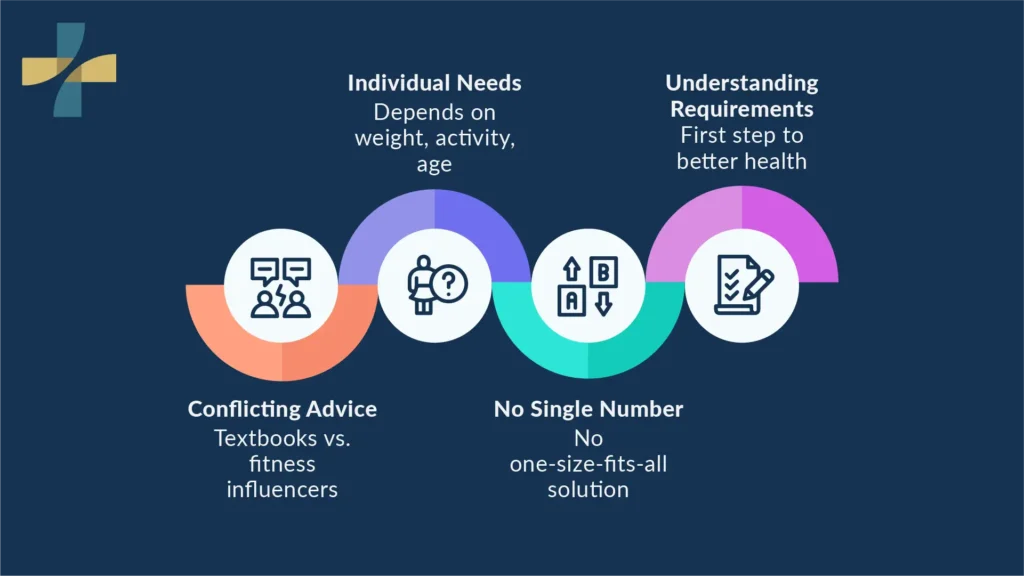
If you have ever stood in the grocery store reading nutrition labels and wondering, “How much protein per day do I actually need?”, you are not alone. The internet is flooded with wildly conflicting advice. On one side, nutrition textbooks teach a modest baseline of 0.8 grams per kilogram; on the other, fitness influencers push massive targets that feel almost impossible to hit.
The truth is that your ideal daily protein intake per day depends on your body weight, activity level, age, and health goals. There is no single number that fits everyone, but there is a reliable framework you can use to calculate a target that works for your specific situation.
This guide breaks down the science-backed baseline, shows you exactly how to calculate protein needs by body weight, and explains when you might need too much protein, less, or professional guidance.
Not sure where you stand? Understanding your body’s unique protein requirements is the first step toward better energy and long-term health. Keep reading to find your personalized protein range in the next section.
How Much Protein Per Day Is Recommended for Adults?
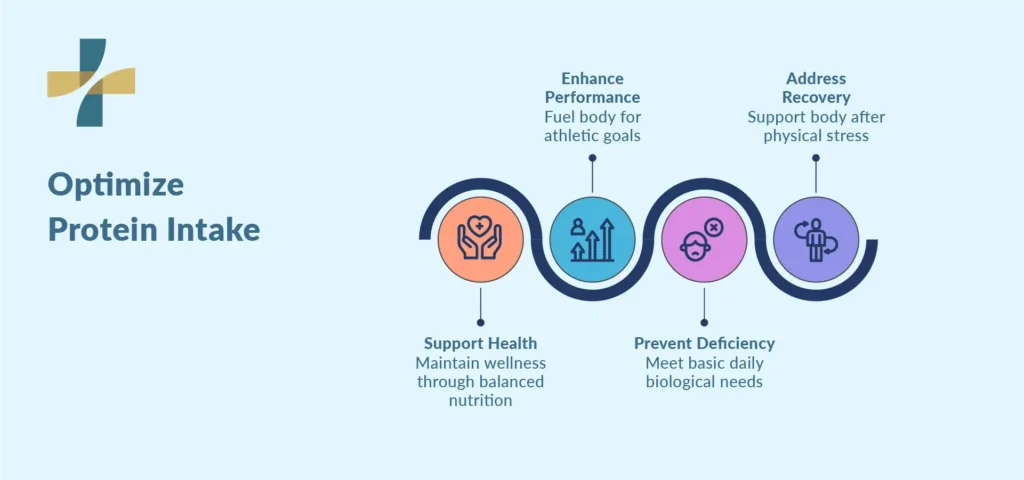
For most healthy adults, the standard reference point is the Recommended Dietary Allowance, or RDA. However, there is a common misconception about what this number actually means. This guideline is calculated as the minimum amount your body requires to prevent deficiency and muscle wasting, not necessarily the optimal amount for vibrant health, daily energy, or athletic performance.
The RDA is set at 0.8 grams of protein per kilogram of body weight per day. This applies to sedentary or lightly active adults who are not pregnant, breastfeeding, or recovering from illness or injury.
The 0.8 grams per kilogram baseline explained
This number comes from decades of nitrogen balance studies conducted by researchers who measured how much protein the body needs just to maintain basic functions. It covers muscle repair, enzyme production, and immune function at a minimum level.
Today, many nutrition scientists argue that this baseline is far too low for an active adult, older adults, or anyone managing weight loss. Because it was designed as a nutritional “floor” rather than a target for optimal health, relying solely on it might leave you short of what your body needs for optimal muscle maintenance and vitality.
Example Case: A sedentary 70 kg (154 lb) office worker with no specific fitness goals would need roughly 56 grams of protein per day to meet the basic RDA.
- Calculation: 0.8 g × 70 kg = 56 grams of protein per day.
- What it looks like: This equals about two to three standard servings of protein-rich food spread across your daily meals.
Keep in mind that looking at your protein baseline is just one step in preventing nutritional deficiencies. While a lack of protein slows down recovery and muscle maintenance, it rarely happens in isolation; it is often accompanied by micro-nutrient gaps. If you suspect your diet is falling short, it is equally important to understand the widespread vitamin deficiency symptoms that require medical attention so you can address any underlying health issues before they impact your daily vitality.
How to Calculate Protein Needs by Body Weight
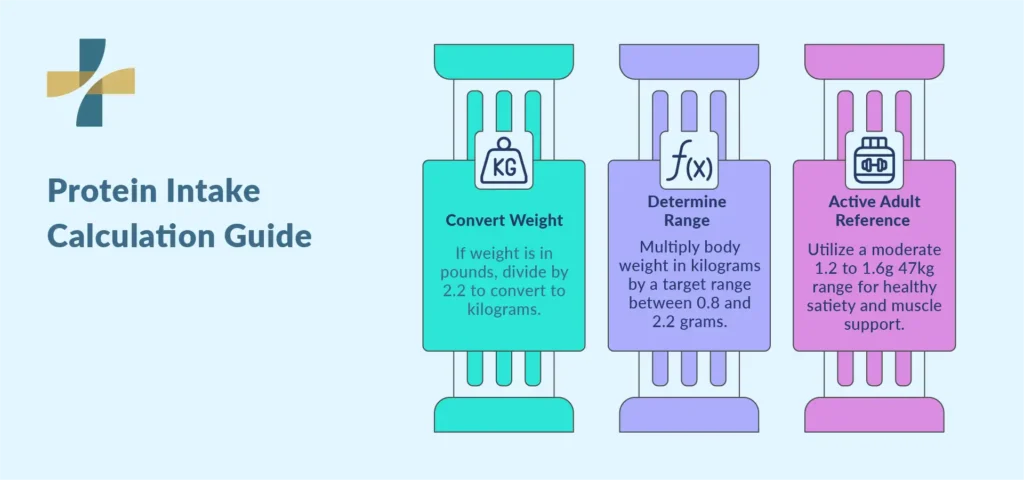
Calculating your personal protein per day target is straightforward once you know your body weight and activity level. Instead of relying on a generic online protein per day calculator or a basic protein calculator, you can easily map out your range using a simple formula: multiply your body weight in kilograms by the specific gram range that fits your daily physical activity.
If you only know your weight in pounds, divide by 2.2 to convert to kilograms first. Then multiply by your target range, which typically falls between 0.8 and 2.2 grams per kilogram depending on your goals.
Example Case: A 65 kg (143 lb) woman training for strength three times a week might aim for 1.6 grams per kilogram.
- 65 kg x 1.6 g = 104 grams of protein per day
- Spread across three to four meals, that is roughly 26 to 35 grams per meal
For quick reference, here is a general breakdown of daily protein intake by weight, utilizing a moderate 1.2 to 1.6 g/kg range (ideal for most active adults looking for healthy satiety and muscle support):
- 50 kg (110 lb): 60 to 80 grams per day
- 60 kg (132 lb): 72 to 96 grams per day
- 70 kg (154 lb): 84 to 112 grams per day
- 80 kg (176 lb): 96 to 128 grams per day
- 90 kg (198 lb): 108 to 144 grams per day
Who May Need More Protein Per Day?
Several lifestyle factors and life stages require a higher daily protein intake than the baseline RDA suggests. Protein needs for adults can change dramatically over time.
- Aging Adults: Older adults over the age of 65 require more protein, typically 1.0 to 1.2 g/kg, to counteract age-related muscle loss (sarcopenia). Clinical research supports a higher intake for aging adults to preserve mobility, strength, and overall independence.
- Active Individuals & Athletes: If you do heavy lifting or endurance sports, your protein requirements naturally jump to 1.6–2.2 g/kg to repair micro-tears in muscle tissue.
- Weight Management: If you are actively restricting calories for weight loss, bumping up your protein helps safeguard your lean muscle mass while keeping you full, thanks to protein’s natural effect on satiety.
- Pregnancy and Breastfeeding: Expectant and new mothers require additional protein to support fetal growth and milk production, which usually means adding an extra 10 to 25 grams per day to their baseline.
Example Case: A 75-year-old man weighing 80 kg who wants to maintain muscle mass and mobility would target around 96 grams per day (1.2 g/kg), rather than the standard 64 grams under the basic RDA.
Can You Eat Too Much Protein?
For most healthy people, adopting a high protein diet (up to around 2.0 to 2.2 g/kg, or roughly 35% of daily calories from protein) is perfectly safe and well-tolerated by the body. Your liver and kidneys are incredibly efficient at processing excess amino acids.
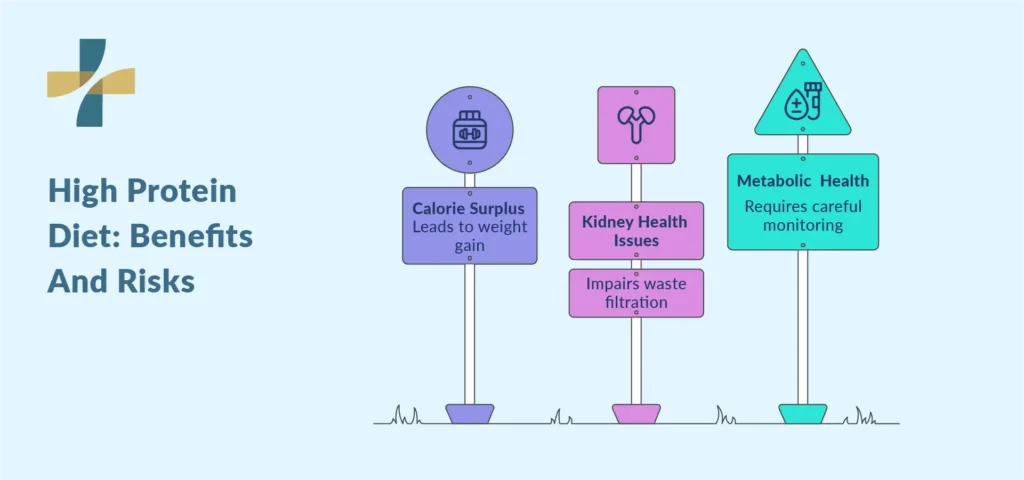
However, the idea that “more is always better” has its limits. If you consume too much protein consistently without adjusting your overall intake, those extra calories can still lead to unwanted weight gain. More importantly, medical conditions change the equation entirely. If you have underlying kidney health issues, a strict kidney disease caution applies. Damaged kidneys struggle to filter the waste products of protein metabolism, meaning a lower, carefully managed dietary pattern is necessary. This is why reviewing your metabolic health through annual physical exam blood tests is so valuable before making drastic dietary changes.
Best Protein Sources for a Balanced Diet
Hitting your target numbers matters, but the quality and variety of your protein sources matter just as much. A healthy diet pattern should draw from both animal and plant kingdoms to ensure you get a full spectrum of micronutrients and amino acids.
When building your plates, aim for a mix of these high-quality sources:
- Lean Protein: Chicken breast, turkey, egg whites, and wild-caught fish are excellent options that provide high protein density with minimal saturated fat.
- Plant Protein: Lentils, chickpeas, tofu, tempeh, quinoa, and hemp seeds are fantastic for adding fiber and heart-healthy nutrients to your day.
- Dairy & Cultured Options: Greek yogurt and cottage cheese are packed with protein and support gut health.
Tip: Diversifying your plate also protects you from nutritional gaps. For instance, incorporating diverse proteins can help you stay rich in other essential nutrients if you struggle with fatigue; mixing your protein strategy with foods high in iron can make a massive difference in your daily energy levels.
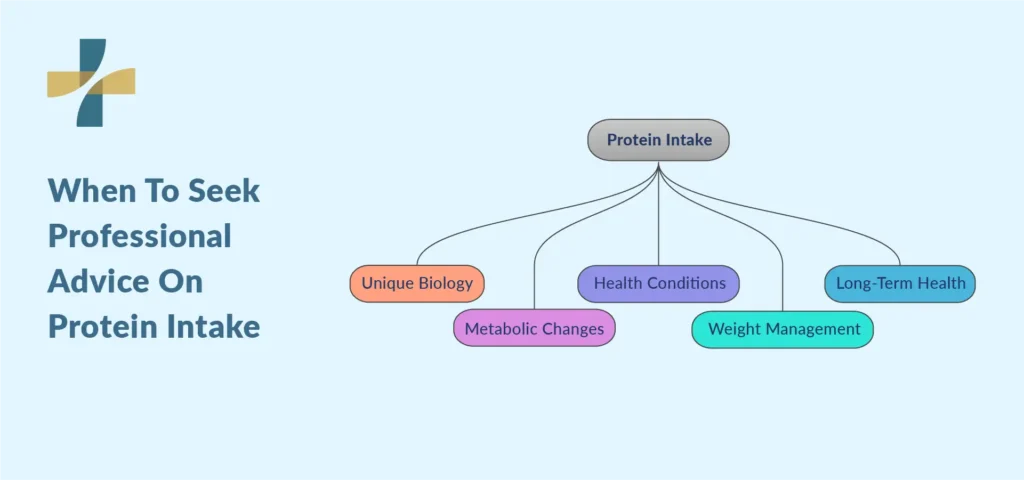
When to Ask a Doctor or Nutrition Professional About Protein Intake
While general formulas and a protein per day calculator provide a great starting baseline, your biology is unique. Calculating your exact needs gets more complicated if you are managing metabolic changes, fluctuating hormones, chronic fatigue, or long-term health conditions.
If you are trying to map out a sustainable plan for fat loss or muscle building, exploring a structured weight loss program can take the guesswork out of your nutrition. If you want to dive deeper into how your diet affects your long-term medical health, seeking personalized nutrition guidance or consulting a primary care team for expert family physician care ensures your diet supports your body safely.
If you want to establish an accurate, medically sound baseline for your diet, the best first step is to consult with a professional. Book Your Appointment today to discuss your personalized protein intake.
FAQs
1-How many grams per pound of body weight do I need?
If you prefer calculating in pounds rather than kilograms, a general rule of thumb for a sedentary adult is roughly 0.36 grams per pound. For active adults, strength training enthusiasts, or older individuals, the target increases to about 0.54 to 0.8 grams per pound of body weight.
2-Can a high-protein diet cause kidney damage?
In individuals with healthy, normal kidney function, scientific research shows that a high protein intake does not cause kidney damage. However, if you have pre-existing chronic kidney conditions, a strict kidney disease caution applies because the kidneys cannot process protein waste efficiently. In these cases, a medical professional will typically recommend a controlled, lower-protein diet.
3-Does it matter how I distribute my protein throughout the day?
Yes, meal distribution plays a key role in muscle maintenance and satiety. Your body can only utilize a certain amount of protein for muscle repair at one time (typically around 25 to 40 grams per meal). Instead of eating a low-protein breakfast and a massive dinner, it is much more effective to distribute your protein evenly across 3 to 4 meals throughout the day.