Last updated: Jun 30, 2026
Fatigue, muscle weakness, skin changes, mouth problems, numbness, or vision changes can have many possible causes. In some cases, persistent, progressive, or unexplained symptoms may be associated with a vitamin deficiency and warrant medical assessment.
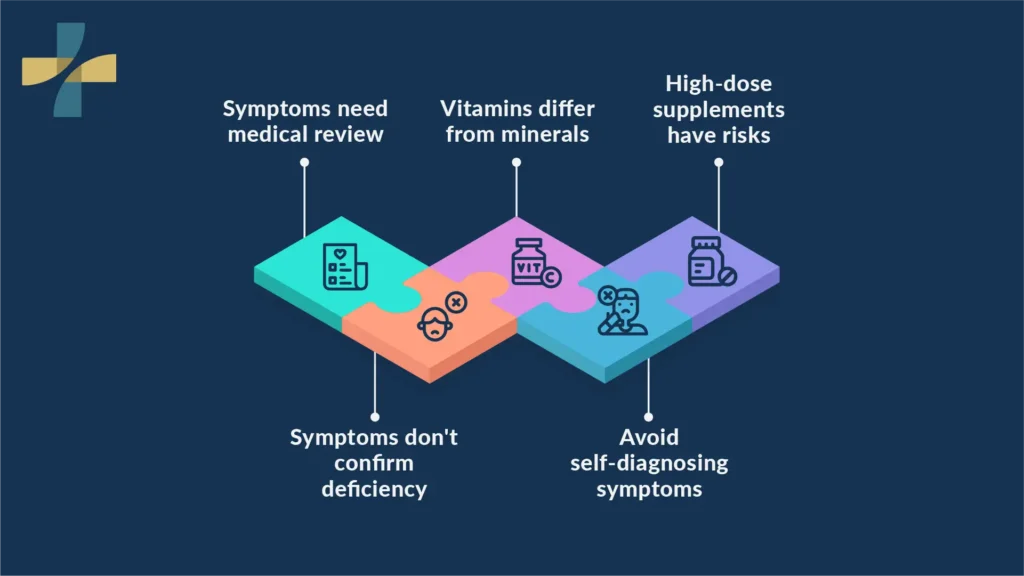
Symptoms alone cannot confirm that a person has low vitamin levels. A healthcare professional may need to review the person’s diet, medications, medical history, risk factors, physical findings, and laboratory results before recommending treatment.
It is also important to distinguish vitamins from other nutrients. Iron, zinc, calcium, and magnesium are minerals, while essential fatty acids are dietary fats. Deficiencies involving these nutrients may cause overlapping symptoms, but they should not be described as vitamin deficiencies.
This guide explains possible vitamin deficiency symptoms, when to contact a healthcare professional, and which warning signs require urgent medical care.
Important: Do not use symptoms alone to diagnose a vitamin deficiency or begin high-dose supplementation. Some supplements can cause side effects, interact with medications, or interfere with laboratory tests.
Why Do Vitamin Deficiency Symptoms Develop?
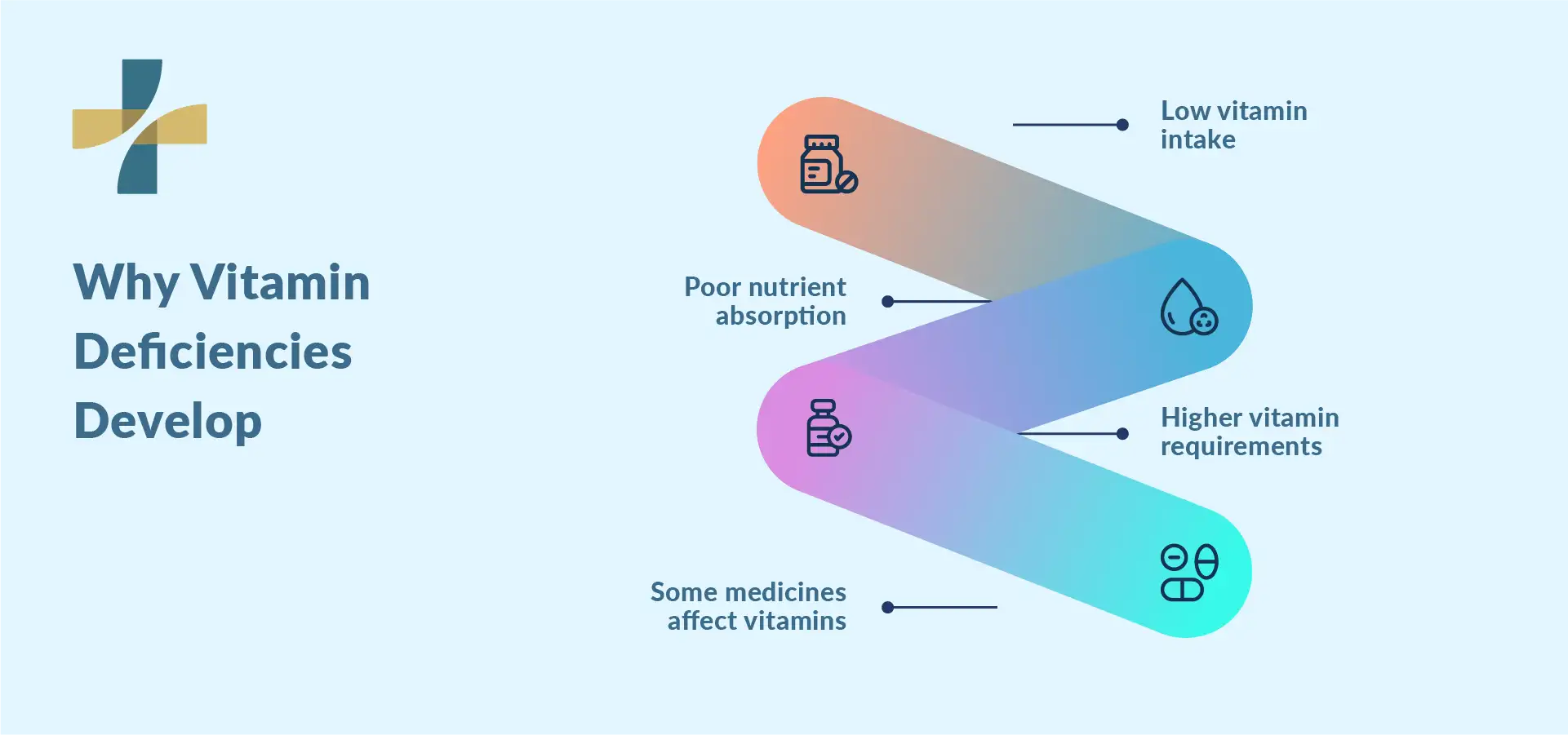
Vitamin deficiencies can develop when a person does not consume enough of a vitamin, cannot absorb it properly, has increased nutritional needs, or takes a medication that affects nutrient absorption or metabolism.
Possible causes and risk factors include:
- A limited or highly restrictive diet
- Digestive conditions that affect absorption
- Bariatric or gastrointestinal surgery
- Pregnancy or breastfeeding
- Older age
- Heavy alcohol use
- Chronic liver, kidney, or pancreatic disease
- Certain medications
- Limited access to varied foods
- Increased needs caused by illness or recovery
Different vitamins perform different functions, so the symptoms and health effects vary according to the nutrient involved. A person can also have more than one nutritional deficiency at the same time.
Because symptoms such as fatigue, weakness, poor concentration, and hair changes are not specific to vitamin deficiency, a clinician may need to consider other explanations before ordering targeted tests.
What Are Common Vitamin Deficiency Symptoms?
Possible vitamin deficiency symptoms include persistent fatigue, unexplained weakness, mouth or tongue changes, numbness, vision changes, bruising, poor wound healing, and bone or muscle discomfort. However, these symptoms can also occur with infections, thyroid disorders, anemia, sleep problems, medication effects, mental health conditions, and other medical issues.
Symptoms may warrant medical assessment when they are:
- Persistent or progressively worsening
- Unexplained by changes in sleep, activity, diet, or illness
- Affecting work, mobility, concentration, or daily activities
- Accompanied by weight loss, bleeding, fever, pain, neurological changes, or other concerning symptoms
- Occurring in someone with significant risk factors for deficiency
Persistent or Unexplained Fatigue
Fatigue can occur with vitamin B12, folate, or other nutritional deficiencies. Iron deficiency can also cause fatigue, but iron is a mineral rather than a vitamin.
Fatigue alone does not establish a deficiency. It may be worth discussing with a clinician when it persists despite adequate sleep, becomes progressively worse, limits daily activities, or occurs with shortness of breath, weakness, pale skin, numbness, weight loss, or other symptoms.
Because ongoing tiredness can also be related to sleep disorders, thyroid conditions, anemia, infections, stress, or other health concerns, learning about the possible causes of chronic fatigue can help you understand why a proper medical evaluation may be needed.
Hair, Skin, and Nail Changes
Hair shedding, dry skin, rashes, mouth sores, or brittle nails are sometimes associated with nutritional problems. However, these changes can also result from genetics, hormonal conditions, stress, skin disorders, medication effects, ageing, or physical damage.
Hair loss and brittle nails are not usually emergency signs on their own. Medical assessment may be appropriate when changes are sudden, extensive, persistent, unexplained, or accompanied by other symptoms.
Frequent Infections or Slow Wound Healing
Vitamins A, C, and D contribute to normal immune or tissue functions. Zinc also supports immune function and wound healing, but zinc is a mineral. The NIH vitamin C fact sheet for health professionals explains vitamin C’s role in collagen production, wound healing, and immune function.
Frequent infections or wounds that do not heal normally require medical evaluation because diabetes, circulation problems, immune disorders, medication effects, and other health conditions may also be involved.
Muscle Weakness, Bone Pain, or Cramps
Vitamin D deficiency can contribute to bone pain and muscle weakness. Calcium and magnesium deficiencies may also affect muscles or bones, but both are mineral deficiencies rather than vitamin deficiencies.
According to the NIH vitamin D fact sheet for health professionals, prolonged vitamin D deficiency can contribute to osteomalacia in adolescents and adults.
Muscle cramps are common and do not automatically indicate a nutritional problem. Contact a healthcare professional when weakness, pain, or cramping is persistent, progressive, severe, associated with falls, or interfering with movement.
What Are Possible Vitamin D Deficiency Warning Signs?
Many people with low vitamin D levels have no obvious symptoms. More pronounced vitamin D deficiency can contribute to osteomalacia in adolescents and adults, which may cause bone pain and muscle weakness.
Possible signs that may warrant assessment include:
- Persistent bone pain or tenderness
- Progressive muscle weakness
- Difficulty rising from a chair or climbing stairs
- Repeated falls
- Fractures after relatively minor trauma
- Risk factors for poor vitamin D intake, production, or absorption
These symptoms are not specific to vitamin D deficiency. A clinician may use a blood test known as serum 25-hydroxyvitamin D when testing is clinically appropriate. Test results must be interpreted alongside the laboratory method, the person’s health history, risk factors, and current clinical guidance.
There is no single symptom-based method for determining whether a person needs vitamin D treatment. People should not begin high-dose vitamin D based only on fatigue, mood changes, or muscle discomfort.
What Are Possible Vitamin B12 Deficiency Warning Signs?
Vitamin B12 supports red blood cell formation, neurological function, and DNA production. The NIH vitamin B12 fact sheet for health professionals explains that deficiency may cause blood-related and neurological symptoms.
Possible symptoms include:
- Fatigue or weakness
- Numbness or tingling in the hands or feet
- Balance problems
- Difficulty walking
- A painful, smooth, or inflamed tongue
- Problems with concentration or memory
- Pale skin
- Reduced appetite
Neurological symptoms may occur even when anaemia is not obvious. Persistent numbness, balance changes, or cognitive symptoms should be medically assessed rather than treated with over-the-counter supplements alone.
Groups with an increased risk of vitamin B12 deficiency may include older adults, people who eat little or no animal-derived food, people with pernicious anaemia, and those with gastrointestinal conditions or surgery that affects absorption.
Testing and treatment depend on the suspected cause. Some people can absorb oral vitamin B12, while others may need a clinician-directed alternative because of impaired absorption.
What Are Possible Vitamin C Deficiency Symptoms?
Severe vitamin C deficiency can cause scurvy. Vitamin C is needed for collagen production, connective tissue health, and wound healing.
Possible signs of significant deficiency include:
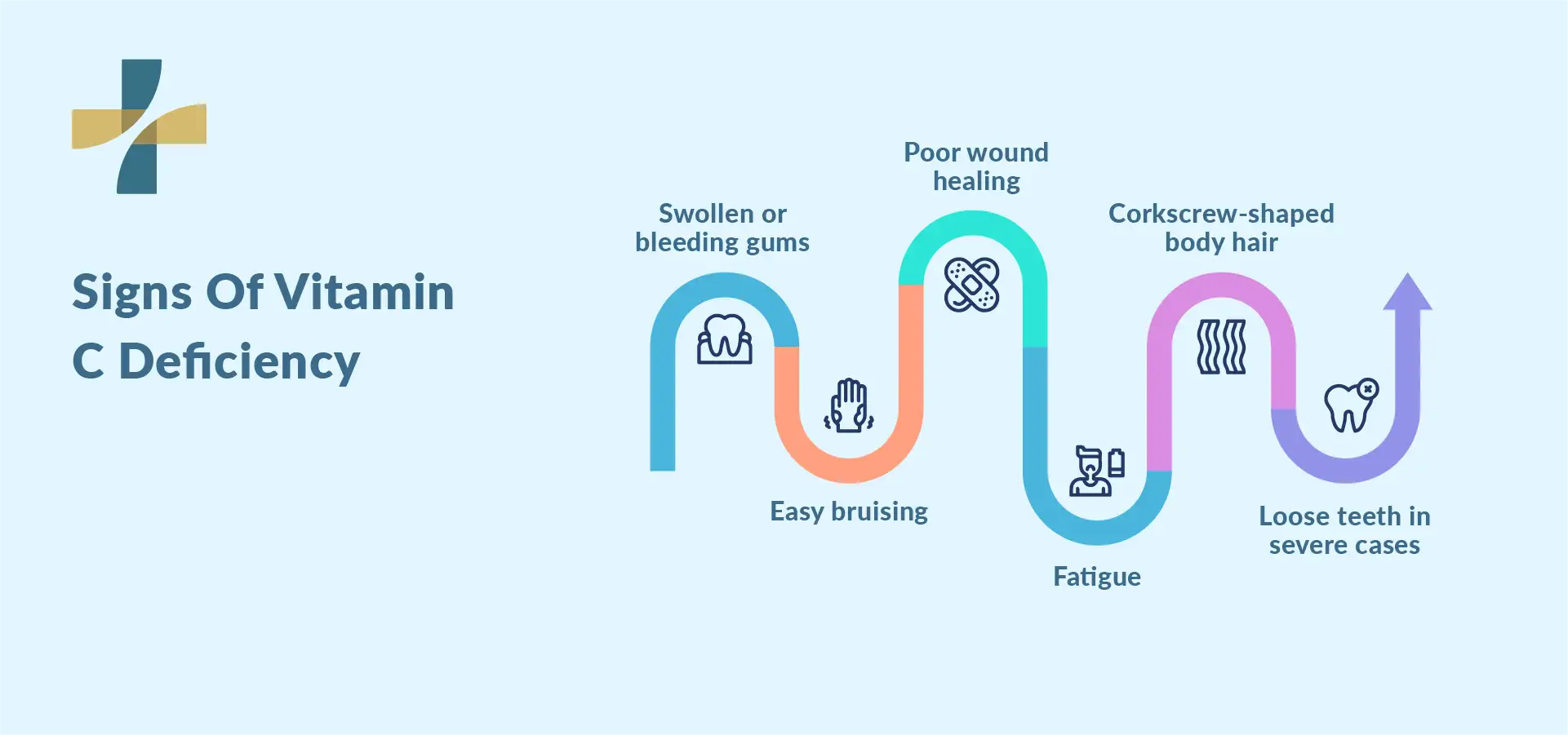
- Swollen or bleeding gums
- Easy bruising
- Small red or purple spots caused by bleeding under the skin
- Poor wound healing
- Joint discomfort or swelling
- Fatigue
- Corkscrew-shaped body hair
- Loose teeth in advanced cases
Scurvy is uncommon but can occur in people with extremely limited diets, severe food insecurity, some eating disorders, malabsorption, or heavy alcohol or drug use.
Bleeding, extensive bruising, or wounds that do not heal should be evaluated because these symptoms may have causes unrelated to vitamin C.
What Are Possible Vitamin A Deficiency Warning Signs?
Vitamin A supports vision, immune function, growth, and the maintenance of several tissues. The World Health Organization’s guidance on vitamin A deficiency identifies night blindness as an important clinical sign of deficiency.
Possible warning signs include:
- Difficulty seeing in dim light or night blindness
- Unusually dry eyes
- Changes affecting the cornea
- Dry or rough skin
- Increased susceptibility to infection
Night blindness is a recognised clinical sign of vitamin A deficiency, but vision changes can also be caused by eye disease, neurological conditions, medication effects, or other urgent problems.
Do not attempt to treat vision changes with high-dose vitamin A. Excess preformed vitamin A can be harmful, particularly during pregnancy. New or worsening vision symptoms require professional assessment.
When Can Symptoms Become Medical Emergencies?
Symptoms such as chest pain, difficulty breathing, sudden confusion, seizures, fainting, sudden vision changes, or loss of movement can have many serious causes. Seek urgent medical care rather than assuming they are caused by a vitamin deficiency.
Call emergency services or go to the nearest emergency department for symptoms such as:
- Chest pain or pressure
- Severe difficulty breathing
- Sudden confusion or loss of consciousness
- A seizure
- Sudden inability to speak, walk, or move one side of the body
- Sudden vision loss
- Severe weakness that begins abruptly
- Fainting with an irregular or very rapid heartbeat
- Signs of a severe allergic reaction
- Uncontrolled bleeding
The Centers for Disease Control and Prevention’s stroke guidance emphasizes that sudden weakness, confusion, speech difficulty, balance problems, or vision changes require immediate action.
Reviewing common medical warning signs that require emergency care can help patients and families understand when symptoms should not wait for a routine appointment.
Some severe nutritional deficiencies can contribute to neurological, cardiovascular, or blood-related complications. However, these emergency symptoms have many possible causes and require immediate assessment.
Do not delay care while trying supplements, changing your diet, or searching for a nutritional explanation.
Who Has a Higher Risk of Vitamin Deficiency?
Anyone can develop a vitamin deficiency, but the risk may be higher among people whose intake, absorption, or nutritional needs have changed.
Higher-risk groups may include:
- Older adults
- Pregnant or breastfeeding people
- People following very restrictive diets
- Vegans who do not obtain reliable vitamin B12 from fortified foods or supplements
- People with celiac disease, Crohn’s disease, or other malabsorption conditions
- People who have undergone bariatric or gastrointestinal surgery
- People with chronic liver, kidney, or pancreatic disease
- People with alcohol use disorder
- People with severe food insecurity
- People taking medications that affect nutrient absorption or metabolism
Risk does not prove that a deficiency is present. Screening decisions should be based on symptoms, medical history, diet, medications, physical findings, and clinical guidance.
How Do Doctors Diagnose Vitamin Deficiencies?
Doctors diagnose vitamin deficiencies through a combination of medical history, physical examination, risk assessment, and appropriate testing. Broad testing for every vitamin is not always necessary or useful.
Medical and Dietary History
A clinician may ask about:
- Typical foods and drinks
- Dietary restrictions
- Appetite or weight changes
- Prescription and nonprescription medications
- Supplements
- Digestive symptoms
- Previous surgeries
- Alcohol use
- Pregnancy
- Chronic health conditions
- The onset and progression of symptoms
Physical Examination
The examination may assess the skin, mouth, tongue, eyes, reflexes, sensation, strength, balance, heart rate, and other findings relevant to the person’s symptoms.
Laboratory Tests
Testing depends on the suspected deficiency and may include:
- A complete blood count
- Vitamin B12 and folate testing
- Serum 25-hydroxyvitamin D
- Iron studies when iron deficiency is suspected
- Tests for other medical conditions that can cause similar symptoms
The specific tests ordered depend on the person’s symptoms, risk factors, medications, medical history, and physical findings. Our guide to blood tests used during a medical assessment explains why physicians do not automatically order every available test during a routine examination.
Blood results should be interpreted using the reporting laboratory’s reference information and the person’s overall clinical picture. A result should not be labelled deficient or adequate based on an unsupported universal threshold.
Tests for Underlying Causes
When a deficiency is confirmed, the clinician may investigate why it developed. This could include assessing for pernicious anaemia, celiac disease, gastrointestinal disease, medication effects, or another absorption problem.
Identifying the cause matters because increasing nutrient intake may not correct a deficiency when the body cannot absorb, process, or retain the nutrient properly.
How Are Vitamin Deficiencies Treated?
Treatment depends on the vitamin involved, the severity of the deficiency, laboratory findings, symptoms, medications, underlying conditions, and the person’s ability to absorb nutrients.
A treatment plan may include dietary changes, an oral supplement, a prescribed high-dose preparation, an injection, or treatment for an underlying medical condition.
Dietary Changes
Food may help address inadequate intake or support long-term nutritional health. A physician or registered dietitian can recommend appropriate food sources while considering allergies, dietary preferences, medical conditions, and medication interactions.
Diet alone may not be sufficient when a person has:
- A severe deficiency
- Significant symptoms
- An absorption disorder
- Increased medical needs
- A medication-related deficiency
- A condition that limits food intake
Oral Supplements
A clinician may recommend an oral supplement when testing, symptoms, or risk factors support its use. The dose and duration vary according to the nutrient and the person’s circumstances.
More is not always better. Excessive amounts of some vitamins can cause toxicity or interact with medications.
Injections or Other Prescribed Treatment
Some people may require injections or another prescribed route when absorption is impaired or when rapid correction is medically necessary. These treatments should be directed and monitored by a qualified healthcare professional.
Treating the Underlying Cause
Long-term management may require treatment of celiac disease, pernicious anaemia, inflammatory bowel disease, medication effects, alcohol-related illness, or another condition contributing to the deficiency.
Recovery cannot be predicted using a universal timeline. Improvement depends on the nutrient, severity, duration, underlying cause, treatment response, and whether tissue or nerve damage has occurred.
Can Vitamin Deficiencies Be Prevented?
A varied diet can help many people obtain the vitamins and minerals they need. However, prevention should account for individual risk factors rather than relying on a single diet or multivitamin plan.
Helpful steps may include:
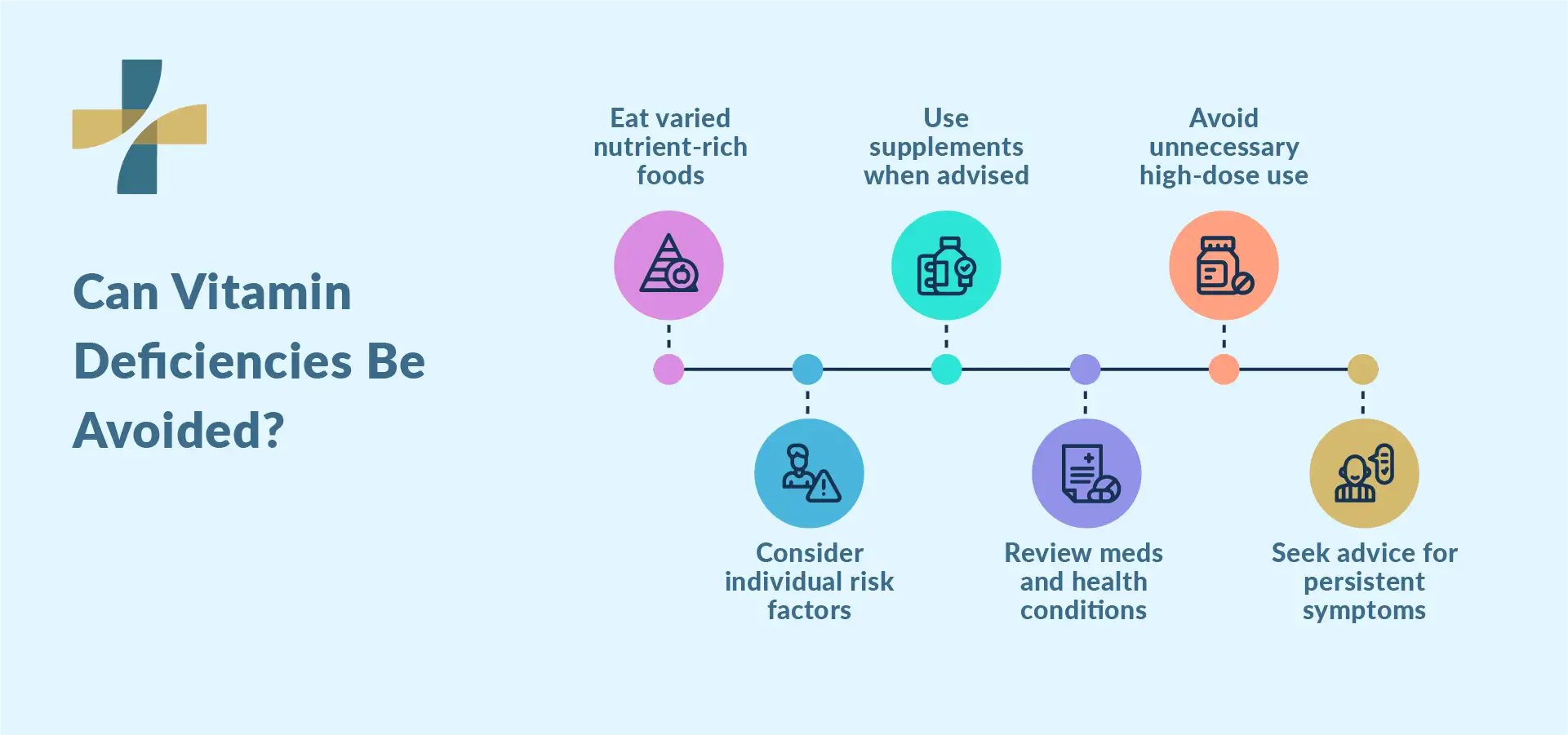
- Eating a varied selection of nutrient-rich foods
- Discussing restrictive diets with a registered dietitian or clinician
- Taking pregnancy-related supplements as recommended by a healthcare professional
- Obtaining a reliable source of vitamin B12 when following a vegan diet
- Reviewing medications and supplements with a doctor or pharmacist
- Managing gastrointestinal or chronic medical conditions
- Avoiding unneeded high-dose supplements
- Seeking medical advice for persistent or progressive symptoms
Routine vitamin testing is not automatically needed for every healthy person. A healthcare professional can determine whether screening is appropriate based on symptoms and risk.
When Should You See a Doctor?
Schedule a medical appointment when symptoms are persistent, progressive, unexplained, or interfering with daily life.
Assessment is especially important when symptoms include:
- Persistent fatigue or weakness
- Numbness or tingling
- Balance or walking difficulties
- Unexplained bruising or bleeding
- Slow wound healing
- Bone pain or repeated fractures
- Night blindness or gradual vision changes
- Significant dietary restriction
- Unexplained weight loss
- Ongoing digestive symptoms
- Multiple risk factors for poor nutrient absorption
Seek emergency care for sudden or severe symptoms such as chest pain, breathing difficulty, seizures, fainting, sudden confusion, sudden vision loss, or loss of movement.
Conclusion
Vitamin deficiency symptoms can overlap with many other medical conditions. Fatigue, hair changes, muscle discomfort, or brittle nails do not automatically indicate a deficiency and are not generally emergencies on their own.
These symptoms may warrant medical assessment when they are persistent, progressive, unexplained, or accompanied by neurological changes, bleeding, significant weakness, vision problems, weight loss, or other concerning signs.
A healthcare professional can determine whether testing is needed, identify the underlying cause, and recommend treatment based on the specific nutrient and the person’s medical needs. Avoid diagnosing a deficiency or beginning high-dose supplements based only on symptoms.
Are you experiencing persistent or unexplained symptoms? Schedule an evaluation with a qualified healthcare provider to discuss your medical history, risk factors, testing needs, and appropriate next steps.
Frequently Asked Questions
What Are the Most Common Vitamin Deficiency Symptoms?
Possible symptoms include persistent fatigue, weakness, mouth or tongue changes, numbness, bruising, poor wound healing, bone discomfort, muscle weakness, or vision changes. Symptoms vary according to the vitamin involved and can also result from many non-nutritional conditions. A medical evaluation may be appropriate when symptoms persist, progress, or interfere with daily life.
When Can Vitamin Deficiency Symptoms Become Serious?
Symptoms may be serious when they involve progressive neurological changes, significant weakness, repeated fractures, bleeding, severe eye problems, or major impairment of daily activities. Sudden chest pain, breathing difficulty, confusion, seizures, fainting, vision loss, or loss of movement require urgent medical care and should not be assumed to result from a vitamin deficiency.
Which Vitamin Deficiencies Are Common?
The frequency of specific deficiencies varies by population, diet, age, location, medical history, and how the deficiency is defined. Vitamin D, vitamin B12, and folate are among the deficiencies clinicians may assess in people with relevant symptoms or risk factors. Iron deficiency is also common, but iron is a mineral rather than a vitamin.
When Should Someone See a Doctor?
Contact a healthcare professional when symptoms are persistent, progressively worsening, unexplained, or affecting normal activities. People with restrictive diets, gastrointestinal disease, previous bariatric surgery, pregnancy, older age, or medications that affect nutrient absorption may need assessment based on their individual risks. Severe or sudden red-flag symptoms require emergency care.
Can Diet Correct a Vitamin Deficiency?
Dietary changes may help when low intake is the main cause, and the deficiency is mild. Diet may not be enough when there is a significant deficiency, impaired absorption, increased nutritional need, medication interference, or an underlying medical condition. A clinician or registered dietitian can determine whether food changes should be combined with another treatment.
Are Supplements Necessary for Vitamin Deficiencies?
Not every symptom or risk factor requires a supplement. When a deficiency is confirmed or strongly suspected, a healthcare professional may recommend a specific supplement, dose, form, and duration. High-dose products and injections should be used only under qualified guidance because supplements can cause toxicity, interact with medications, and affect laboratory testing.