Vitamin Deficiency Symptoms That May Require Medical Attention
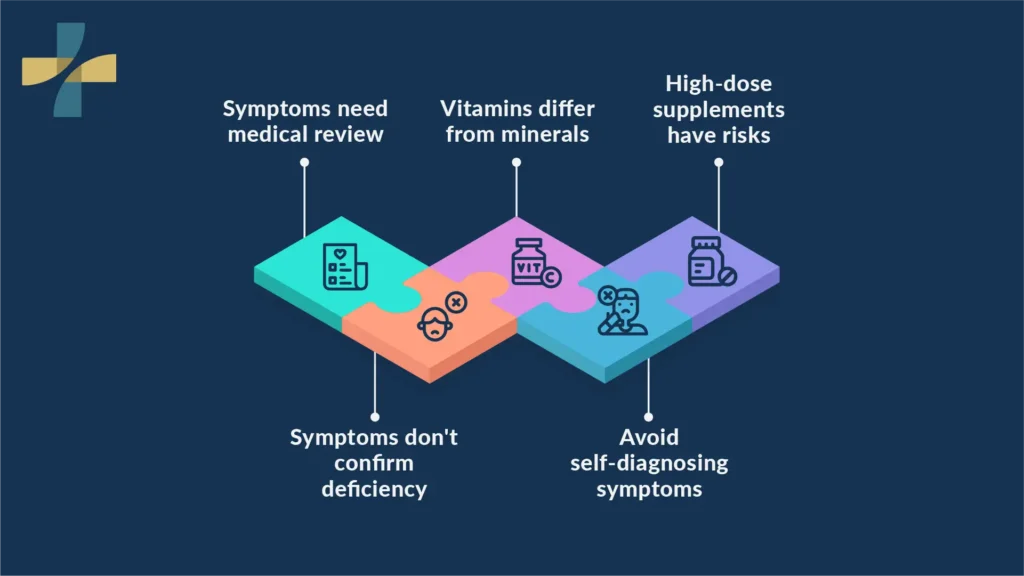
Last updated: Jun 30, 2026 Fatigue, muscle weakness, skin changes, mouth problems, numbness, or vision changes can have many possible causes. In some cases, persistent, progressive, or unexplained symptoms may be associated with a vitamin deficiency and warrant medical assessment. Symptoms alone cannot confirm that a person has low vitamin levels. A healthcare professional may need to review the person’s diet, medications, medical history, risk factors, physical findings, and laboratory results before recommending treatment. It is also important to distinguish vitamins from other nutrients. Iron, zinc, calcium, and magnesium are minerals, while essential fatty acids are dietary fats. Deficiencies involving these nutrients may cause overlapping symptoms, but they should not be described as vitamin deficiencies. This guide explains possible vitamin deficiency symptoms, when to contact a healthcare professional, and which warning signs require urgent medical care. Important: Do not use symptoms alone to diagnose a vitamin deficiency or begin high-dose supplementation. Some supplements can cause side effects, interact with medications, or interfere with laboratory tests. Why Do Vitamin Deficiency Symptoms Develop? Vitamin deficiencies can develop when a person does not consume enough of a vitamin, cannot absorb it properly, has increased nutritional needs, or takes a medication that affects nutrient absorption or metabolism. Possible causes and risk factors include: A limited or highly restrictive diet Digestive conditions that affect absorption Bariatric or gastrointestinal surgery Pregnancy or breastfeeding Older age Heavy alcohol use Chronic liver, kidney, or pancreatic disease Certain medications Limited access to varied foods Increased needs caused by illness or recovery Different vitamins perform different functions, so the symptoms and health effects vary according to the nutrient involved. A person can also have more than one nutritional deficiency at the same time. Because symptoms such as fatigue, weakness, poor concentration, and hair changes are not specific to vitamin deficiency, a clinician may need to consider other explanations before ordering targeted tests. What Are Common Vitamin Deficiency Symptoms? Possible vitamin deficiency symptoms include persistent fatigue, unexplained weakness, mouth or tongue changes, numbness, vision changes, bruising, poor wound healing, and bone or muscle discomfort. However, these symptoms can also occur with infections, thyroid disorders, anemia, sleep problems, medication effects, mental health conditions, and other medical issues. Symptoms may warrant medical assessment when they are: Persistent or progressively worsening Unexplained by changes in sleep, activity, diet, or illness Affecting work, mobility, concentration, or daily activities Accompanied by weight loss, bleeding, fever, pain, neurological changes, or other concerning symptoms Occurring in someone with significant risk factors for deficiency Persistent or Unexplained Fatigue Fatigue can occur with vitamin B12, folate, or other nutritional deficiencies. Iron deficiency can also cause fatigue, but iron is a mineral rather than a vitamin. Fatigue alone does not establish a deficiency. It may be worth discussing with a clinician when it persists despite adequate sleep, becomes progressively worse, limits daily activities, or occurs with shortness of breath, weakness, pale skin, numbness, weight loss, or other symptoms. Because ongoing tiredness can also be related to sleep disorders, thyroid conditions, anemia, infections, stress, or other health concerns, learning about the possible causes of chronic fatigue can help you understand why a proper medical evaluation may be needed. Hair, Skin, and Nail Changes Hair shedding, dry skin, rashes, mouth sores, or brittle nails are sometimes associated with nutritional problems. However, these changes can also result from genetics, hormonal conditions, stress, skin disorders, medication effects, ageing, or physical damage. Hair loss and brittle nails are not usually emergency signs on their own. Medical assessment may be appropriate when changes are sudden, extensive, persistent, unexplained, or accompanied by other symptoms. Frequent Infections or Slow Wound Healing Vitamins A, C, and D contribute to normal immune or tissue functions. Zinc also supports immune function and wound healing, but zinc is a mineral. The NIH vitamin C fact sheet for health professionals explains vitamin C’s role in collagen production, wound healing, and immune function. Frequent infections or wounds that do not heal normally require medical evaluation because diabetes, circulation problems, immune disorders, medication effects, and other health conditions may also be involved. Muscle Weakness, Bone Pain, or Cramps Vitamin D deficiency can contribute to bone pain and muscle weakness. Calcium and magnesium deficiencies may also affect muscles or bones, but both are mineral deficiencies rather than vitamin deficiencies. According to the NIH vitamin D fact sheet for health professionals, prolonged vitamin D deficiency can contribute to osteomalacia in adolescents and adults. Muscle cramps are common and do not automatically indicate a nutritional problem. Contact a healthcare professional when weakness, pain, or cramping is persistent, progressive, severe, associated with falls, or interfering with movement. What Are Possible Vitamin D Deficiency Warning Signs? Many people with low vitamin D levels have no obvious symptoms. More pronounced vitamin D deficiency can contribute to osteomalacia in adolescents and adults, which may cause bone pain and muscle weakness. Possible signs that may warrant assessment include: Persistent bone pain or tenderness Progressive muscle weakness Difficulty rising from a chair or climbing stairs Repeated falls Fractures after relatively minor trauma Risk factors for poor vitamin D intake, production, or absorption These symptoms are not specific to vitamin D deficiency. A clinician may use a blood test known as serum 25-hydroxyvitamin D when testing is clinically appropriate. Test results must be interpreted alongside the laboratory method, the person’s health history, risk factors, and current clinical guidance. There is no single symptom-based method for determining whether a person needs vitamin D treatment. People should not begin high-dose vitamin D based only on fatigue, mood changes, or muscle discomfort. What Are Possible Vitamin B12 Deficiency Warning Signs? Vitamin B12 supports red blood cell formation, neurological function, and DNA production. The NIH vitamin B12 fact sheet for health professionals explains that deficiency may cause blood-related and neurological symptoms. Possible symptoms include: Fatigue or weakness Numbness or tingling in the hands or feet Balance problems Difficulty walking A painful, smooth, or inflamed tongue Problems with
How to Book a Doctor Appointment in Vancouver: A Step-by-Step Guide for North Vancouver Residents
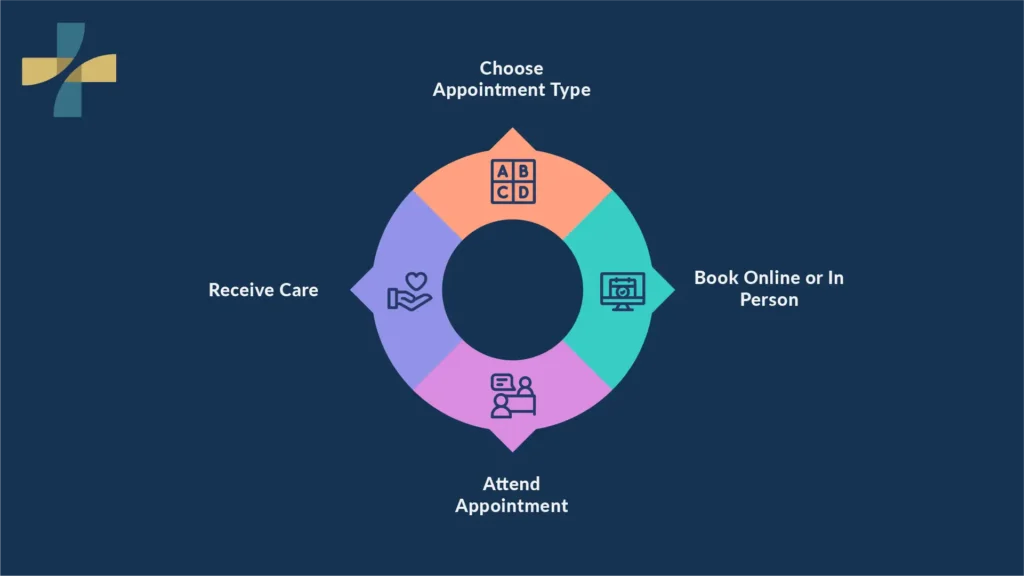
Booking a doctor appointment in Vancouver is simple once you know which option fits your situation. You can book with a family physician for ongoing care, visit a walk-in clinic for same-day needs, or access virtual care from home. Most clinics offer online booking, and many accept same-day appointments, even for new patients. Knowing where to start can make the process feel much more manageable. Whether you just moved to North Vancouver, haven’t seen a doctor in years, or are unsure whether your symptoms are serious enough to book an appointment, this guide walks you through each option clearly and without jargon. Many patients delay care simply because they do not know which type of appointment makes the most sense for their situation. What Are Your Options for Seeing a Doctor in Vancouver? In Vancouver and North Vancouver, you have four main ways to see a doctor: book with a family physician for ongoing care, visit a walk-in clinic for same-day non-urgent needs, access virtual care from home, or go to an urgent care centre for time-sensitive but non-emergency concerns. Each option serves a different purpose. Here is a simple breakdown of each: Family doctor (family physician) Your main provider for ongoing care. A family physician sees you across all stages of life, not just when something is wrong. They track your health history, manage chronic conditions like diabetes or hypertension, coordinate referrals to specialists, and run preventive screenings based on your age and risk factors. Because they know your full picture, they can spot patterns that a one-off visit would miss. If you’re managing more than one health concern, or you want a provider who understands your baseline, a family doctor is the foundation your care should be built on. Walk-in clinic No appointment required at most locations. Walk-in care works well for one-off, non-urgent concerns, such as a sinus infection, a minor skin rash, a sprained ankle, or a cold that isn’t improving. It’s also useful when your regular doctor isn’t available, and you need attention sooner than their next opening. What walk-in care does not offer is continuity. The physician you see likely has no access to your prior visits, medications, or test results unless you bring them. That’s fine for an isolated issue, but it becomes a problem when the same concern keeps coming back, and no one is tracking it over time. Virtual care (telehealth) A phone or video appointment with a licensed physician is usually bookable the same day. Virtual care covers more than people expect: prescription refills, medication reviews, mental health referrals, lab requisitions, follow-ups after a procedure, and symptom assessments for conditions that don’t require a physical exam. It is not appropriate for anything that needs hands-on assessment, such as abdominal pain, chest concerns, or a wound that may need treatment. If you’re unsure whether your concern qualifies, most clinics will tell you when you book. In BC, most virtual appointments are covered by MSP with a valid BC Services Card. Urgent care centre Sits between a walk-in clinic and a hospital emergency department. Urgent care is the right choice when your concern needs prompt attention but is not life-threatening, such as a deep cut that may need stitches, a suspected fracture, a high fever in an adult, or a urinary tract infection that has become severe. Emergency departments are designed for life-threatening situations. Going to an ED for something that an urgent care centre can handle means longer waits for you and reduced capacity for patients who need emergency intervention. In North Vancouver and the broader Vancouver area, urgent care centres are available at several locations and typically see patients faster than a hospital ED for eligible concerns. If you’re unsure which option fits your situation, the sections below break each one down. How to Book an Appointment with a Family Doctor in North Vancouver To book a family doctor appointment in North Vancouver, you can contact a clinic directly by phone or use their online booking portal. If you don’t yet have a family physician, registering on BC’s Health Connect Registry is the recommended first step to being matched with one accepting new patients in your area. If You Already Have a Family Doctor The process is straightforward. Most clinics let you book by phone during office hours or through an online portal available at any time. When you call or book online, have your BC Services Card ready. You’ll usually be asked for a brief reason for the visit so the clinic can schedule enough time or determine whether you should be seen sooner. You do not need to describe everything perfectly. Saying something like “I’ve been having recurring headaches” or “I need to review my medications” is usually enough. Many family medicine clinics in North Vancouver offer same-day or next-day appointments for urgent concerns among registered patients. During the visit itself, your physician may review your medical history, current medications, recent symptoms, lifestyle factors, and any previous testing related to your concern. If needed, they may also arrange lab work, imaging, referrals, or follow-up appointments. Some patients avoid booking because they worry their concern is “not serious enough.” In most cases, it is better to ask questions early rather than wait until symptoms become harder to manage. If You Don’t Have a Family Doctor Yet This is one of the most common challenges for people living in Vancouver. Demand for family physicians is high, and not every clinic is accepting new patients at all times. The first step is to register on the Health Connect Registry, a free provincial service that matches BC residents with family doctors and nurse practitioners accepting new patients in their area. Registration is free and keeps you in the system as openings become available. Wait times vary depending on your location and the availability of providers nearby. In the meantime, you don’t have to manage your health without support. Some integrated clinics