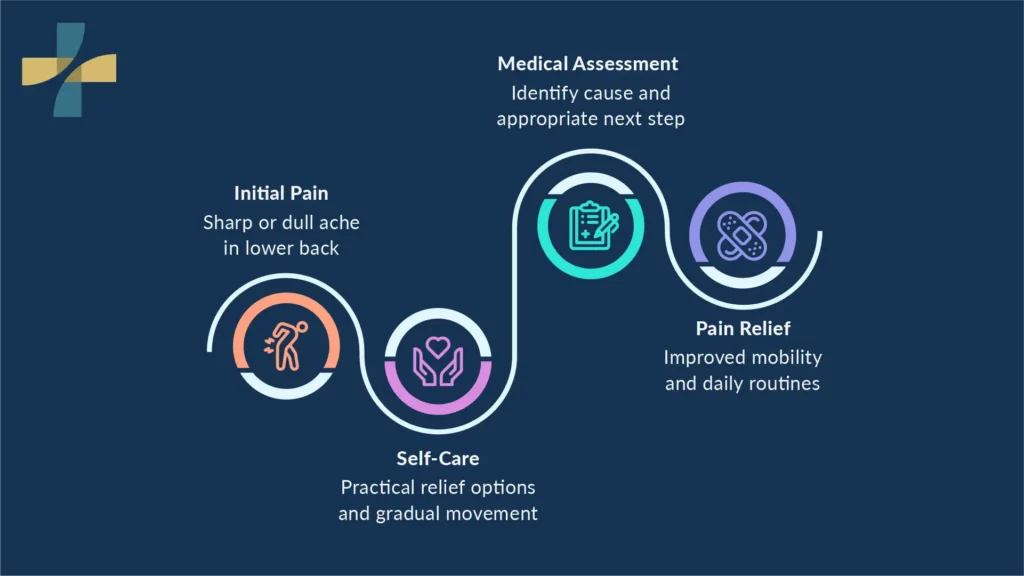
You bent down to pick up groceries, and suddenly a sharp pain shot through your lower back. Or maybe it is a dull ache that has been building for weeks, making simple activities like standing or sitting uncomfortable.
Lower back pain is very common and can affect mobility, sleep, work, and daily routines. The World Health Organization (WHO) identifies low back pain as a leading cause of disability worldwide.
Many cases improve over time with practical self-care and gradual movement. However, persistent, recurring, or unexplained pain may need medical assessment to help identify the appropriate next step.
This guide explains common lower back pain causes, safe relief options, warning signs that need urgent attention, and when it may be helpful to see a doctor or physiotherapist.
If your pain is persistent, recurring, unexplained, or affecting your daily routine, a back pain assessment can help identify the next appropriate step.
What Causes Lower Back Pain?
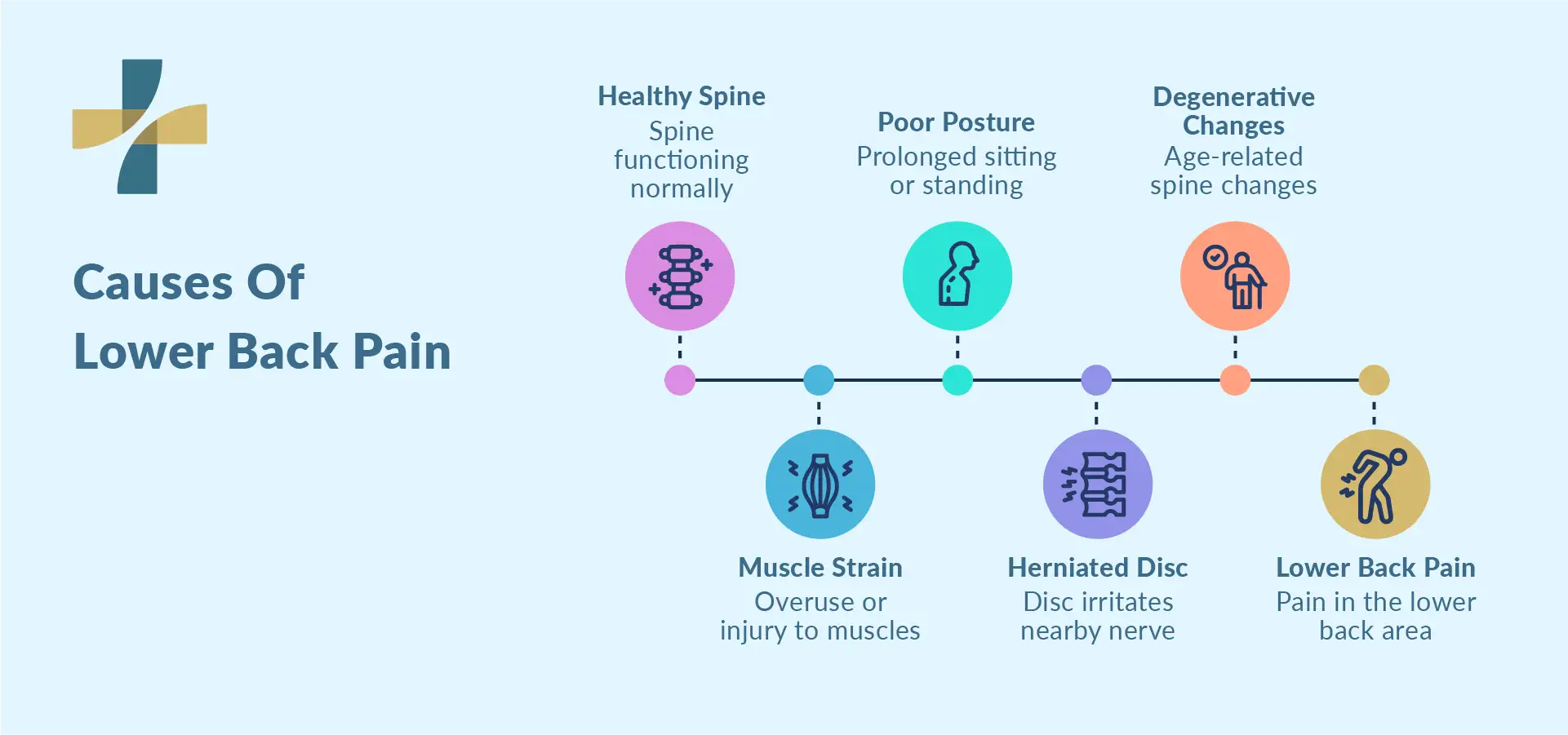
Lower back pain, also called lumbar pain, can have several possible causes. It may involve muscles, ligaments, joints, discs, nerves, or another health condition. In many cases, there is not one clear structural cause for the pain. The World Health Organization notes that most low back pain is considered non-specific, meaning a specific disease or structural problem cannot be identified.
The lower part of the spine supports body weight and allows bending, twisting, and other everyday movements. This can make the area more likely to feel sore or injured after strain, repetitive activity, prolonged sitting, or sudden movement.
Muscle Strain and Ligament Sprain
A muscle strain or ligament sprain can happen after lifting, twisting, overuse, sports, or an awkward movement. These injuries may cause localized pain, stiffness, tenderness, or muscle spasms.
Sudden lifting, twisting, injury, repetitive activity, and prolonged sitting can all contribute to back pain for some people. These factors are also recognised in HealthLink BC’s guidance on low back pain and movement.
Common features may include:
- Pain mainly felt in the lower back
- Stiffness or muscle spasms
- Discomfort that changes with movement
- Symptoms that improve gradually with activity modification and time
Poor Posture and Ergonomic Issues
Long periods of sitting, standing, or working in one position may contribute to lower back discomfort. A poorly adjusted chair, desk, screen, or workstation can also make symptoms worse for some people.
Rather than focusing on “perfect posture,” it is usually more helpful to change positions regularly, take short movement breaks, and adjust your workstation to suit your body and work tasks.
Common features may include:
- A dull or aching feeling that builds during the day
- Stiffness after sitting or standing for long periods
- Relief after changing position or taking a short walk
- Neck or shoulder tension from prolonged desk work
Herniated Disc and Sciatica
Discs sit between the bones of the spine and help cushion movement. A disc may bulge or herniate, which can sometimes irritate or put pressure on a nearby nerve.
Sciatica is a term used for pain that travels from the lower back or buttock into the leg. It may also involve tingling, numbness, or weakness, as outlined in HealthLink BC’s sciatica guide.
Possible symptoms include:
- Sharp, burning, or electric-shock-like pain into the buttock or leg
- Tingling or numbness in the leg or foot
- Weakness in the leg or foot
- Pain that becomes worse with certain movements, sitting, coughing, or sneezing
Not every disc change causes symptoms. A health care professional can assess whether nerve irritation may be contributing to your pain.
Degenerative Conditions and Arthritis
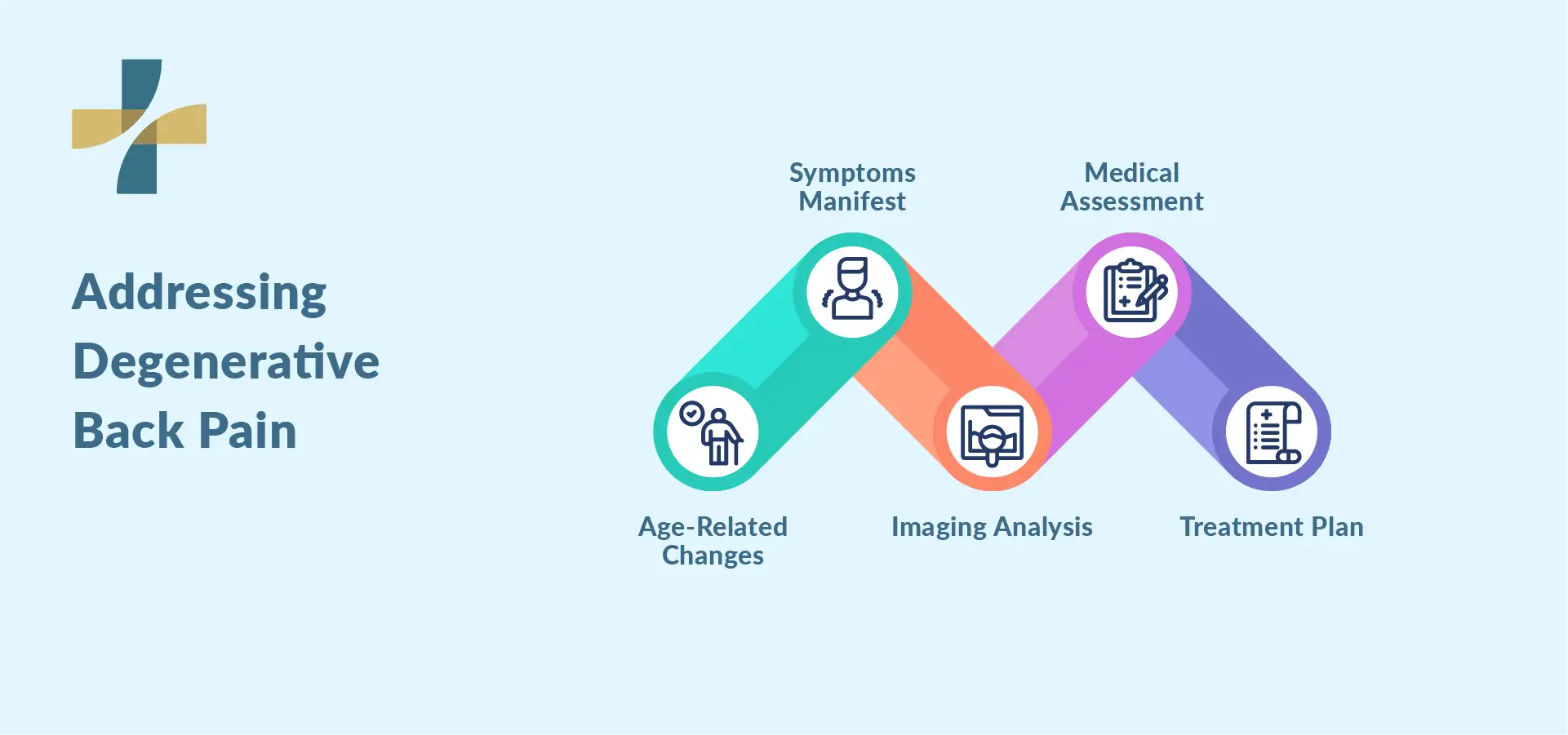
Age-related changes in the spine can include disc changes, arthritis in the spinal joints, or narrowing around the nerves. These changes may be associated with stiffness, reduced range of motion, or pain that varies with activity.
However, imaging changes do not always explain a person’s symptoms. Some people have age-related changes on scans without back pain, while others have pain without a clear finding on imaging. A medical assessment considers your symptoms, movement, medical history, and any warning signs before deciding on the next step.
Lower Back Pain Symptoms That Need Urgent Medical Care
Most lower back pain is not caused by an emergency. However, certain symptoms may point to serious nerve problems, infection, fracture, cancer, or another condition that needs urgent assessment.
Call 9-1-1 or seek emergency care now if you have:
- New loss of bladder or bowel control
- New difficulty passing urine
- Numbness around the groin, genitals, buttocks, or inner thighs
- Severe or rapidly worsening weakness in one or both legs
- Back pain after a major fall, vehicle collision, or other significant trauma
- Severe back pain with abdominal pain, fainting, or feeling very unwell
Seek prompt medical assessment if you have:
- Fever, chills, or other signs of infection
- Unexplained weight loss
- A history of cancer with new or worsening back pain
- New or worsening numbness, tingling, or weakness in the legs
- Pain that is getting worse, not improving, or significantly limiting daily activities
- Severe one-sided back or side pain with urinary symptoms, vomiting, or fever
These symptoms do not always mean there is a serious condition, but they should be assessed promptly.
Lower Back Pain Relief: What Helps at Home?
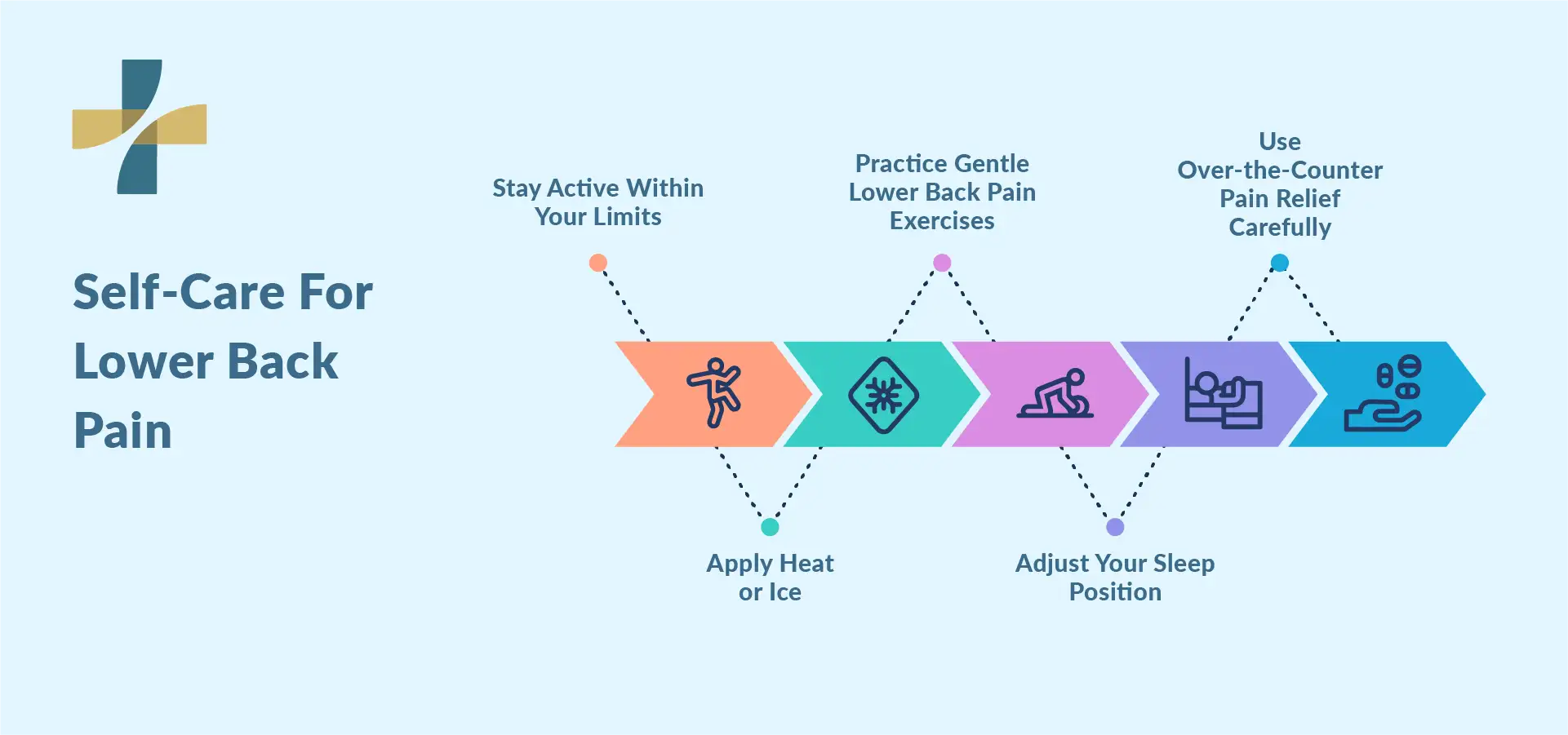
For uncomplicated lower back pain without the warning signs listed above, self-care may help reduce discomfort and support a gradual return to normal activity.
Stay Active Within Your Limits
Long periods of bed rest are usually not recommended for uncomplicated back pain. Gentle movement and a gradual return to everyday activity may help reduce stiffness and make it easier to stay mobile.
Short walks, light daily tasks, swimming, or gentle yoga may be suitable for some people. Avoid activities that sharply increase your pain, including heavy lifting, twisting, or high-impact exercise.
Apply Heat or Ice
Some people find ice, heat, or a combination of both helpful for short-term relief. Use the option that feels more comfortable for your symptoms.
Apply a wrapped ice pack or heating pad for short periods, with a cloth barrier to protect your skin. Do not fall asleep with a heating pad on, and avoid using heat or ice if it increases pain or irritates your skin. Practical guidance on safe use is available in HealthLink BC’s advice on heat and ice for low back pain.
Practice Gentle Lower Back Pain Exercises
Once severe pain has settled, gentle movement may help you return to your usual activities. The right exercises depend on your symptoms, mobility, and the possible cause of your pain.
Some people may tolerate:
- Short walks
- Gentle knee-to-chest movements
- Pelvic tilts
- Cat-cow movements
- Bridges
- Gentle hamstring stretches
Start slowly and stop if an exercise causes sharp pain, worsening leg symptoms, numbness, or weakness. For guidance tailored to uncomplicated lower back pain, movement limits, and recovery goals, physiotherapy for lower back pain may help.
Adjust Your Sleep Position
A small change in sleep position may make resting more comfortable. Side sleepers may prefer a pillow between their knees, while back sleepers may find a pillow under the knees helpful.
These positions do not work for everyone, so use the one that allows you to rest with the least discomfort.
Use Over-the-Counter Pain Relief Carefully
Some people use non-prescription pain medicine for short-term relief. Non-steroidal anti-inflammatory drugs, or NSAIDs, include ibuprofen and naproxen. Acetaminophen may also help with pain, although it does not reduce inflammation.
These medicines are not appropriate for everyone. Speak with a pharmacist or health care professional before taking them if you have kidney disease, heart disease, stomach ulcers, liver disease, are pregnant, take blood thinners, or use other medicines. HealthLink BC’s NSAID safety information explains common side effects and important precautions.
When Should You See a Doctor or Physiotherapist for Lower Back Pain?
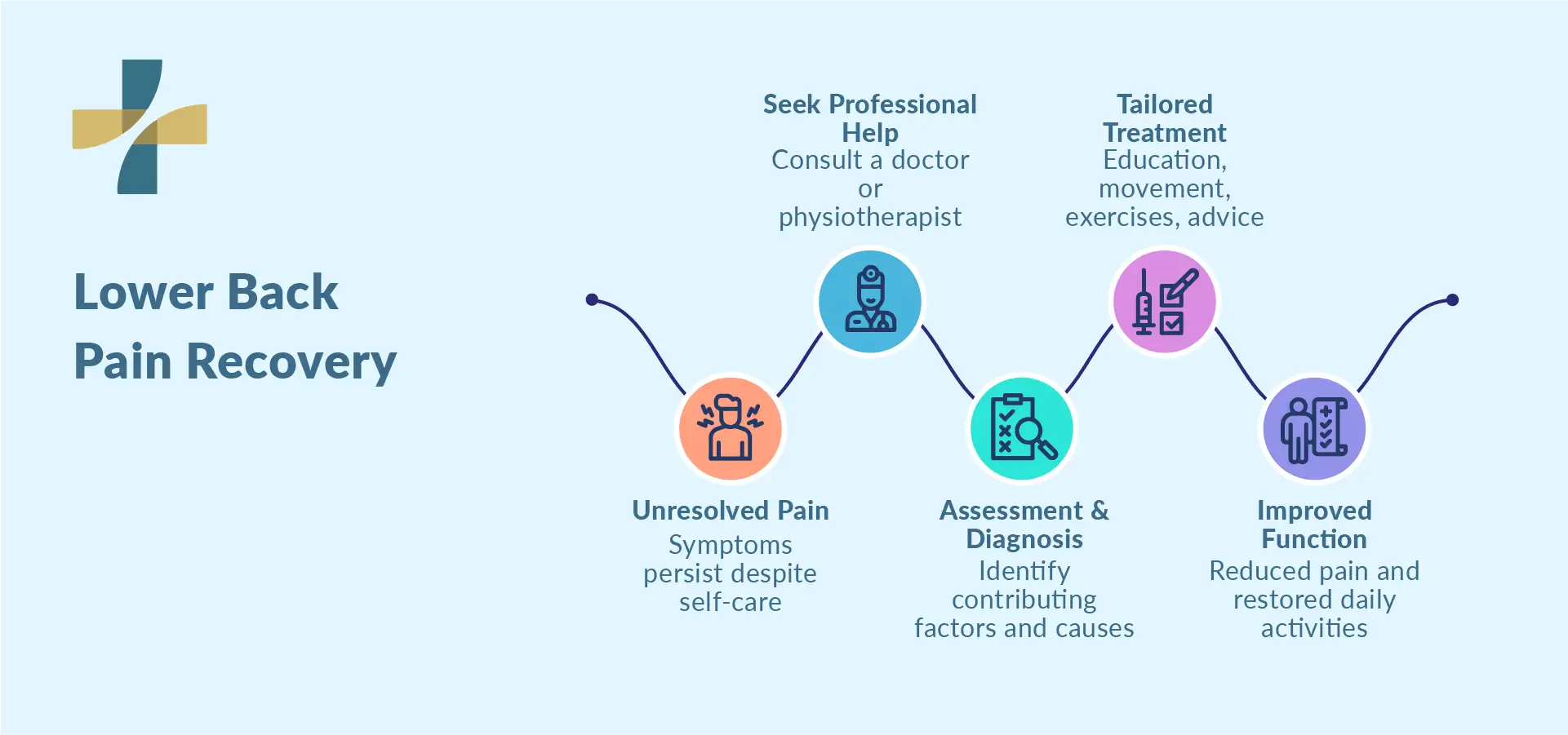
Many episodes of lower back pain improve with self-care and gradual movement. However, it is a good idea to see a doctor or physiotherapist when symptoms are not improving, keep returning, or are affecting your daily routine.
Consider booking an appointment if:
- Pain is getting worse rather than gradually improving
- Pain keeps returning
- Pain significantly limits your daily activities, work, sleep, or movement
- You develop new numbness, tingling, or weakness in the leg or foot
- Over-the-counter pain medicine is not providing enough relief
- You are unsure what may be causing your pain
- You need advice about returning to work, exercise, lifting, or sport
A physiotherapist can assess your movement, strength, and daily activities that may be contributing to symptoms. Treatment may include education, guided movement, exercises, and practical advice based on your needs and goals.
Before your appointment, it may help to note when the pain started, what makes it better or worse, any previous injuries, and whether symptoms travel into your leg. You may also find these questions to ask your doctor useful.
Your doctor will decide whether imaging, such as an X-ray or MRI, is appropriate based on your symptoms, examination, and medical history. Imaging is not usually needed for uncomplicated lower back pain without red flags.
Lower Back Pain vs Kidney Stone Pain: How to Tell the Difference
Kidney stone pain can sometimes be felt in the back or side of the body, so it may be confused with lower back pain. However, pain patterns alone cannot confirm the cause.
Seek medical assessment for severe one-sided back or side pain, especially when it occurs with urinary symptoms, blood in the urine, fever, nausea, vomiting, or difficulty keeping fluids down.
Musculoskeletal lower back pain may be more likely to change with movement, position, lifting, or prolonged sitting, but this does not rule out other causes.
If your symptoms may be related to a kidney stone, medical assessment can help determine the cause and whether further care is needed.
How NV Med Center Supports Back Pain Assessment and Recovery
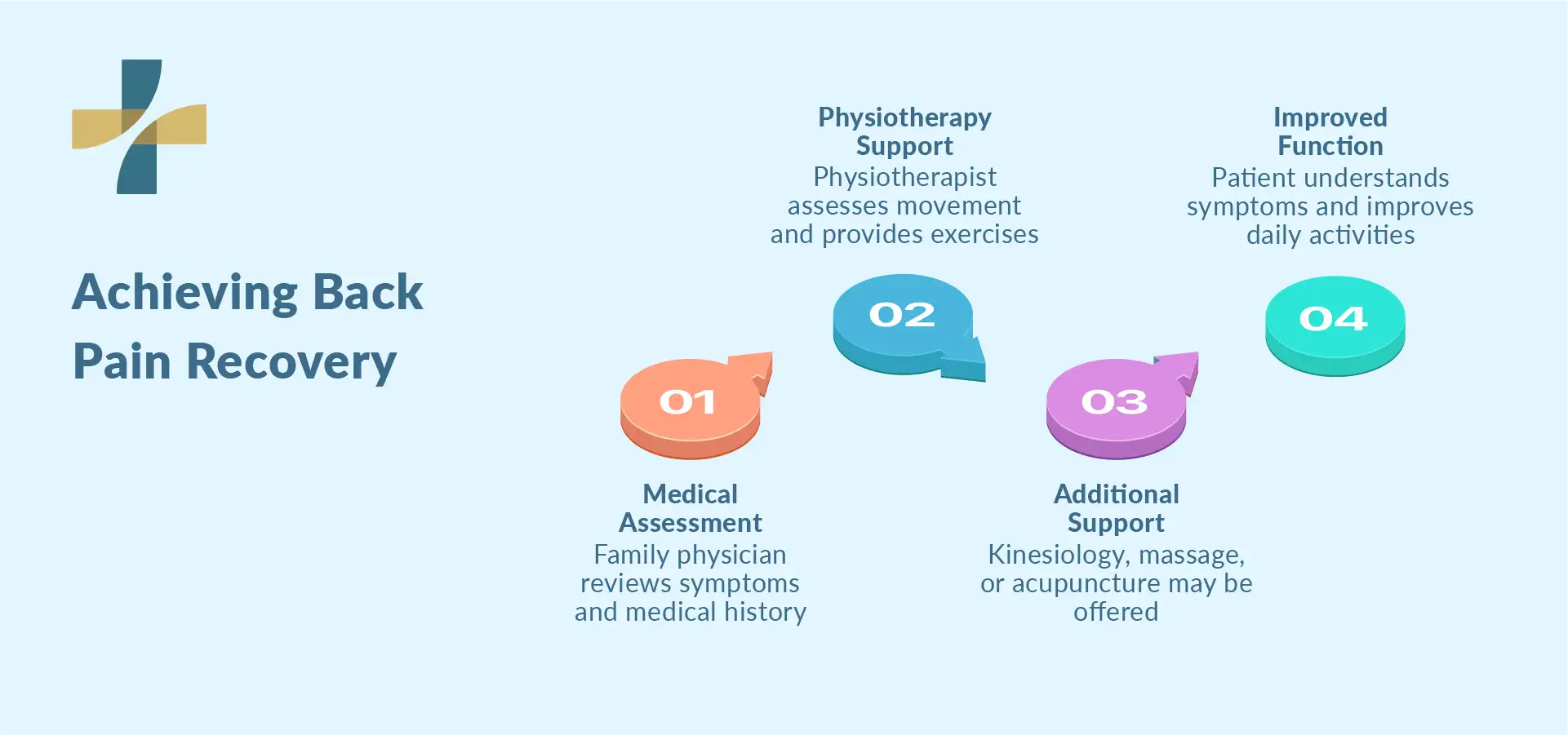
Back pain care may involve medical assessment, physiotherapy, and follow-up based on your symptoms and needs. Dr. Ali Pahlosayei, Dr. Azadeh Shafiei, Dr. Francis Vala, Dr. Ladan Ansari, Dr. Payam Khalafi, Dr. Parisa Gharaei, and Dr. Zohreh Sharifi Rad can assess persistent, recurring, or unexplained lower back pain and advise on the next appropriate step.
Medical Assessment: A family physician can review your symptoms, medical history, medications, and any warning signs that may need further assessment. They can also help determine whether physiotherapy, follow-up care, or referral is appropriate.
Physiotherapy Support: A physiotherapist can assess movement, strength, and activities that may be contributing to your symptoms. Care may include education, guided movement, exercises, and practical advice based on your condition and goals.
Additional Support When Appropriate: NV Med Center also offers services such as kinesiology, massage therapy, acupuncture, and online visits. Your health care provider can help you understand whether any of these options may be suitable for your situation.
The goal of care is to help you understand your symptoms, improve day-to-day function, and make informed decisions about activity, recovery, and follow-up.
If lower back pain is persistent, recurring, or affecting your routine, you can book a physiotherapy appointment with NV Med Center.
Conclusion
Lower back pain is common, but the right next step depends on your symptoms and how they affect your daily life. Gentle movement, practical self-care, and avoiding activities that sharply worsen pain may help with uncomplicated symptoms.
Refer to the urgent-care guidance above if you develop symptoms that may need emergency or prompt medical assessment.
If pain is persistent, recurring, unexplained, or affecting your usual activities, a family physician can assess your symptoms and recommend the most appropriate next step, which may include physiotherapy when suitable.
Whether the pain began after a strain, prolonged sitting, or another possible cause, getting guidance when symptoms are not improving can help you return to activity more safely and confidently.