Kidney Stones Symptoms: Pain Location, Warning Signs, and When to Get Care
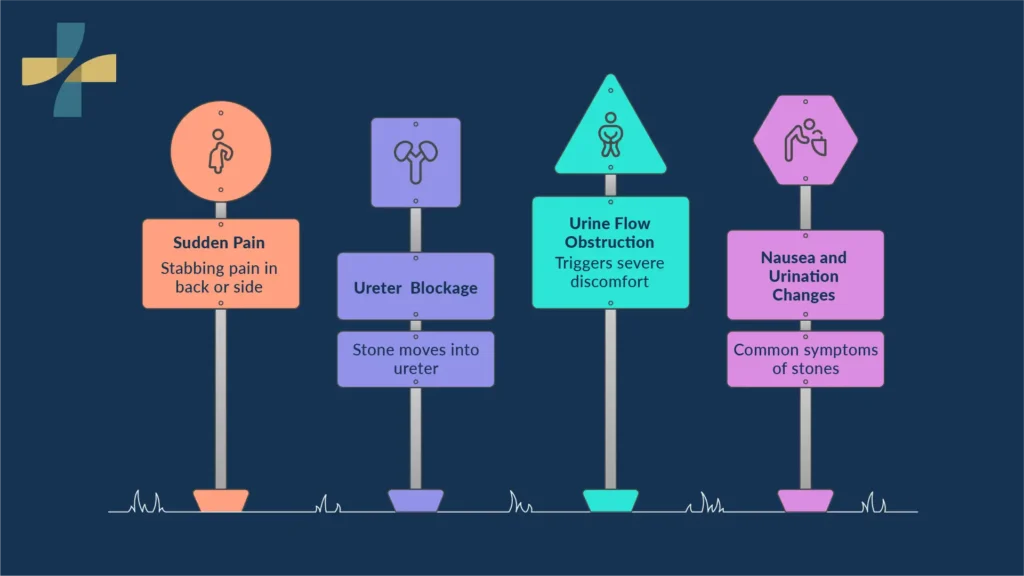
That sudden, stabbing pain in your back or side that seems to come out of nowhere is one of the most common ways people first discover they have a kidney stone. Kidney stones symptoms can range from mild discomfort to some of the most intense pain a person can experience, and knowing what to look for can help you get the right care faster. Symptoms of kidney stones form when minerals and salts, often calcium oxalate due to dehydration or diet crystallize inside the kidneys, and they don’t always cause problems right away. Kidney stone symptoms in adults typically show up once a stone starts moving into the ureter, the tube connecting the kidney to the bladder, where it can block urine flow and trigger severe discomfort, nausea, and urination changes. If you’re experiencing unexplained back or side pain, NV Med Center can help evaluate your symptoms and determine the cause. You can book an appointment for urinary symptoms with our team today. What Are the Most Common Kidney Stones Symptoms? Kidney stones don’t always announce themselves early. Many small stones pass unnoticed, but larger ones or those blocking the ureter often cause a recognizable set of warning signs. The most frequently reported signs of kidney stones include: Sharp, cramping pain in the back, side, lower abdomen, or groin Blood in urine (hematuria), which may appear pink, red, or brown Painful urination or a persistent urge to urinate Kidney stone nausea and vomiting Cloudy or foul-smelling urine Kidney stone fever or chills if a secondary kidney infection is present Sharp back, side, lower abdomen, or groin pain This kidney stone pain, often called renal colic, tends to come in waves as the stone moves through the urinary tract. It can start suddenly and intensify over minutes, sometimes radiating from the flank down toward the groin. Example Case: A 42-year-old man wakes up at 3 a.m. with intense pain radiating from his lower back to his groin. It comes in waves, each lasting 20-30 minutes, and is accompanied by nausea. This pattern is classic for a ureter stone moving through the urinary tract. Pain often shifts location as the stone travels Severity does not always match stone size; small stones can hurt intensely Kidney Stone Pain Location: Back, Side, Groin, or Abdomen Where you feel pain often depends on where the stone is located. Understanding your kidney stone pain location can help you describe your symptoms more accurately to a healthcare provider. Pain in the upper back or side (flank pain) usually indicates the stone is still in the kidney. Because of anatomical pathways, kidney stones symptoms in men can radiate down into the testicles, while kidney stones symptoms in women may affect the labia. Kidney stone pain location generally follows this pattern: Flank or upper back: stone in the kidney Side or mid-abdomen: stone moving through the upper ureter Lower abdomen or groin: stone nearing the bladder Kidney Stones Symptoms vs Lower Back Pain or UTI It’s easy to confuse kidney stone symptoms with a pulled muscle, general lower back pain, or a urinary tract infection, since all three can cause discomfort in similar areas. Muscular lower back pain is usually dull, constant, and worsens with movement or specific positions. In contrast, renal colic caused by a stone tends to be sharp, cyclical, and completely unaffected by changing positions—it can hit just as hard while lying completely still. A UTI often causes painful urination and urgency, similar to a localized bladder stone, but typically presents without the severe, radiating flank pain. However, a flank pain kidney stone, and a UTI can occur simultaneously. If you notice a sudden spike in body temperature alongside urinary changes, it should never be ignored. Example Case: A woman experiences burning during urination and assumes it’s just a UTI. When sharp pain develops in her side and a noticeable tint of blood in her urine appears, she seeks care, and imaging confirms a kidney stone with a secondary infection. Emergency Symptoms: Fever, Vomiting, or Trouble Urinating Some kidney stone emergency symptoms signal a medical emergency that requires immediate attention, not a wait-and-see approach. Seek emergency care right away if you experience: Fever above 100.4°F (38°C) with chills, which may indicate a kidney infection Persistent vomiting that prevents you from keeping fluids down Inability to urinate at all Severe, unrelenting pain that isn’t controlled by over-the-counter medication A severe presentation of flank pain and blood in urine accompanied by confusion or dizziness According to the National Kidney Foundation, a kidney stone combined with fever can signal a urinary tract infection trapped behind the blockage, a condition that can quickly become dangerous without prompt treatment. Example Case: A patient with a known kidney stone develops a fever of 101.5°F and chills overnight. Recognizing this as a critical warning sign of an obstructed kidney infection rather than standard renal colic, they immediately head to the emergency department for specialized emergency care. How Doctors Diagnose Kidney Stones To accurately identify a stone and distinguish it from other abdominal conditions, medical professionals rely on targeted diagnostic testing. This process ensures you receive the correct treatment pathway and avoids misdiagnosing conditions with overlapping symptoms. The primary tools used for a definitive diagnosis include: Advanced Imaging: A low-dose non-contrast CT scan is the gold standard for detecting stones. It reveals the exact size, shape, and kidney stone pain location within the urinary system. Ultrasounds are also used, particularly for pregnant women or to avoid radiation. Urinalysis: A basic urine test checks for the presence of microscopic hematuria (blood in urine kidney stone indicators), high mineral concentrations, or signs of an active urinary tract infection. Blood Testing: Blood draws help evaluate overall kidney function, check for elevated white blood cell counts (indicating infection), and analyze levels of calcium or uric acid to pinpoint the underlying cause of stone formation and prevent recurrence. How NV Med Center Can Help With Urinary or Flank Pain Assessment Experiencing sudden flank pain
Sinus Infection Symptoms: Signs, Causes, and When to See a Doctor
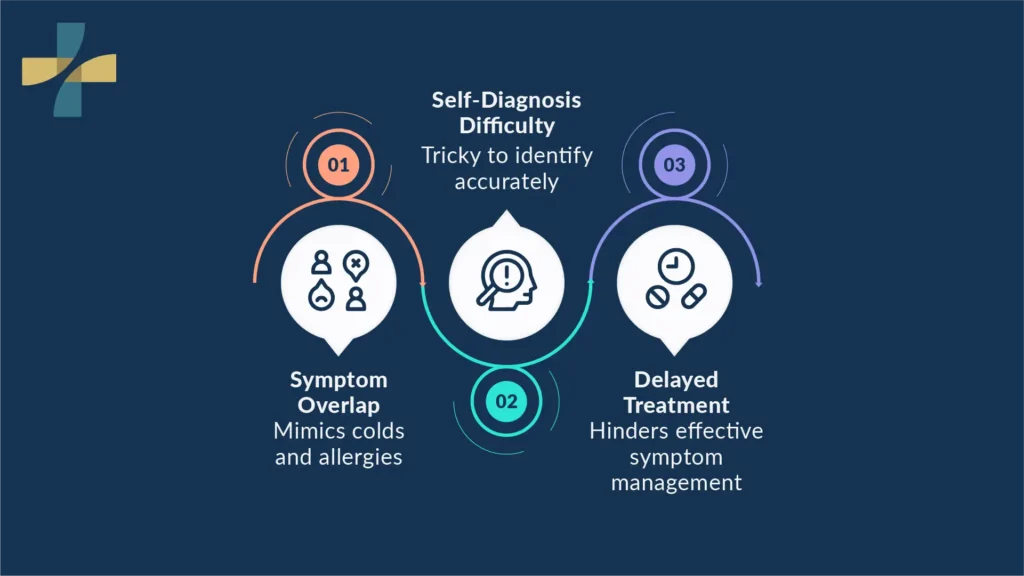
That heavy, throbbing feeling behind your eyes. The constant need to blow your nose. A dull ache across your cheeks that gets worse when you lean forward. If this sounds familiar, you may be dealing with one of the most common and most misunderstood conditions out there: a sinus infection. Recognizing sinus infection symptoms early can help you get the right treatment faster, whether that means simple home care or a visit to your doctor. Sinus infections, medically known as sinusitis, affect millions of adults every year, and their symptoms often overlap with colds and allergies, making them tricky to identify on your own. In this guide, we’ll break down exactly what sinus infection symptoms look like, how they differ from a common cold or seasonal allergies, and when your symptoms may signal something that needs medical attention. Not sure if it’s a sinus infection or something else? NV Med Center can help you get an accurate diagnosis fast. What Are the Most Common Sinus Infection Symptoms? Sinus infection symptoms in adults typically develop when the delicate tissues lining your sinuses become inflamed, swollen, and unable to drain properly. This creates a buildup of pressure and trapped nasal congestion and mucus that leads to a very specific set of uncomfortable acute sinusitis symptoms. Most people with sinusitis experience a combination of nasal and facial symptoms rather than just one isolated issue. Understanding the full pattern helps you catch these signs early instead of mistaking them for “just a cold.” Congestion, facial pressure, mucus, and postnasal drip Nasal congestion is often the first sign, making it hard to breathe through your nose. This is usually accompanied by facial pressure or pain around your forehead, cheeks, and eyes that can feel like a dull, constant ache. Thick, discolored thick mucus (yellow or green) and postnasal drip that annoying, ticklish trickle of mucus down the back of your throat are also hallmark signs of a flare-up. Many people also notice a reduced sense of smell, bad breath, fatigue, a throbbing sinus headache, and a mild cough that seems to worsen the moment their head hits the pillow at night. Example Case: Maria, 34, noticed pressure building behind her eyes for three days straight, along with thick yellow mucus and a sore throat from postnasal drip. Persistent facial pressure that worsened when bending forward Thick nasal discharge lasting more than a week Mild fever and fatigue by day four Sinus Infection vs Cold vs Allergies: How Symptoms Differ One of the biggest challenges patients face is telling sinus headache symptoms and general sinus issues apart from a common cold or allergies, since all three share nasal congestion and sneezing. The key differences lie in duration, mucus color, and additional symptoms like facial pain or fever. Cold vs sinus infection parameters show that colds typically peak within 3 to 5 days and improve on their own within 7 to 10 days, with clear, watery runny nose discharge. Allergies tend to cause itchy eyes, sneezing fits, and clear discharge that flares up around triggers like pollen or dust, without any fever. Sinus infections, on the other hand, often bring thicker, colored thick mucus, facial pressure sinus infection symptoms that worsens with movement, and discomfort that either last longer than 10 days or seem to improve before suddenly getting worse again. Example Case: John assumed his stuffy nose was just a lingering cold, but after 12 days with worsening facial pain and green mucus, he realized it had progressed into a sinus infection. Cold: Clear mucus, improves within a week Allergies: Itchy or watery eyes, no fever, tied to specific triggers Sinus infection: Colored mucus, facial pressure or facial pain, lasts 10+ days or worsens after initial improvement Viral vs Bacterial Sinus Infection Symptoms Not all sinus infections are created equal, and understanding whether yours is a viral infection or a bacterial sinus infection symptoms flare-up is crucial for making the right treatment decisions. Viral sinus infections are far more common and usually accompany a cold. They tend to peak around day 3-5 and gradually improve within 7-10 days without needing antibiotics. Bacterial sinus infection symptoms, however, often follow a “double worsening” pattern you start feeling better, then suddenly get worse again with intensified facial pain, high fever above 102°F, and thick discolored discharge. According to the American Academy of Otolaryngology, only about 2% of viral sinus infections actually progress to bacterial infections that require antibiotics. Example Case: After a week of typical cold symptoms, David felt like he was recovering until day 9, when his fever spiked to 103°F and facial pain became severe on one side, prompting a doctor visit that confirmed a bacterial sinus infection. Viral: Gradual improvement. Bacterial: Sudden worsening after initial improvement, higher fever, and localized pain. When Sinus Infection Symptoms Last Longer Than 10 Days When sinus infection symptoms stubbornly hang on for more than 10 days without any sign of letting up, it is a strong clinical indicator that your infection has shifted from a simple viral issue to a bacterial one. While a viral infection is self-limiting, a bacterial sinus infection often requires a professional medical evaluation to prevent it from turning into chronic sinusitis. If you are experiencing relentless nasal congestion, constant headaches, or facial pain that refuses to budge, finding a qualified doctor for sinus infection symptoms is the safest way to get an accurate diagnosis and prevent further complications like a needed ENT referral. Home Care, Medical Care, and When Antibiotics May Be Considered For mild or early-stage sinus issues, home care can provide significant relief. Flooding your system with fluids, using a saline nasal spray, and breathing in steam from a warm shower can help break up thick mucus. However, if your symptoms are severe, or if you are dealing with a confirmed bacterial infection, medical intervention becomes necessary. While viral infections do not respond to antibiotics, bacterial cases might require a prescription to clear completely. If you are struggling with severe
Lower Back Pain: Common Causes, Relief Options, and When to See a Doctor
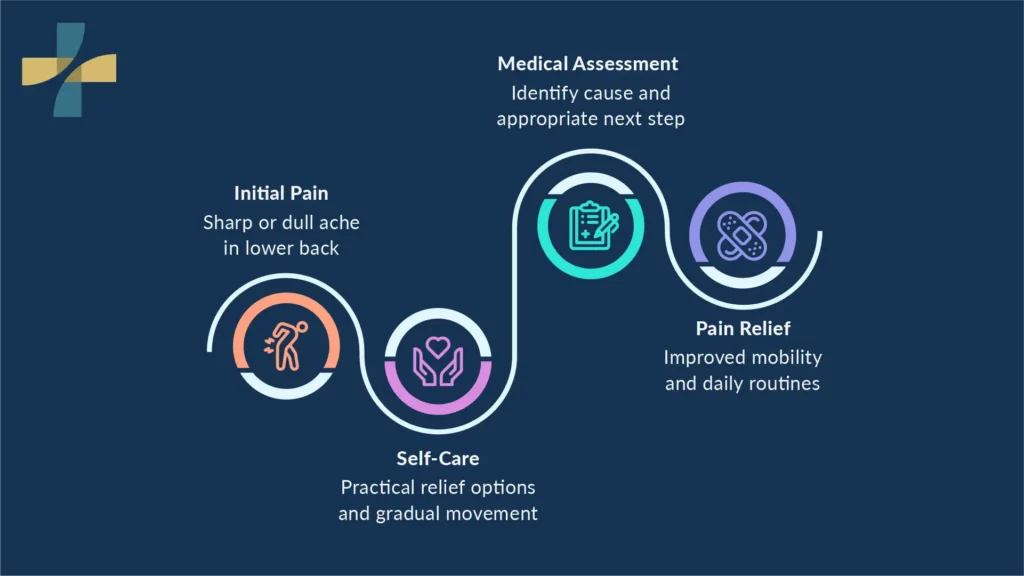
You bent down to pick up groceries, and suddenly a sharp pain shot through your lower back. Or maybe it is a dull ache that has been building for weeks, making simple activities like standing or sitting uncomfortable. Lower back pain is very common and can affect mobility, sleep, work, and daily routines. The World Health Organization (WHO) identifies low back pain as a leading cause of disability worldwide. Many cases improve over time with practical self-care and gradual movement. However, persistent, recurring, or unexplained pain may need medical assessment to help identify the appropriate next step. This guide explains common lower back pain causes, safe relief options, warning signs that need urgent attention, and when it may be helpful to see a doctor or physiotherapist. If your pain is persistent, recurring, unexplained, or affecting your daily routine, a back pain assessment can help identify the next appropriate step. What Causes Lower Back Pain? Lower back pain, also called lumbar pain, can have several possible causes. It may involve muscles, ligaments, joints, discs, nerves, or another health condition. In many cases, there is not one clear structural cause for the pain. The World Health Organization notes that most low back pain is considered non-specific, meaning a specific disease or structural problem cannot be identified. The lower part of the spine supports body weight and allows bending, twisting, and other everyday movements. This can make the area more likely to feel sore or injured after strain, repetitive activity, prolonged sitting, or sudden movement. Muscle Strain and Ligament Sprain A muscle strain or ligament sprain can happen after lifting, twisting, overuse, sports, or an awkward movement. These injuries may cause localized pain, stiffness, tenderness, or muscle spasms. Sudden lifting, twisting, injury, repetitive activity, and prolonged sitting can all contribute to back pain for some people. These factors are also recognised in HealthLink BC’s guidance on low back pain and movement. Common features may include: Pain mainly felt in the lower back Stiffness or muscle spasms Discomfort that changes with movement Symptoms that improve gradually with activity modification and time Poor Posture and Ergonomic Issues Long periods of sitting, standing, or working in one position may contribute to lower back discomfort. A poorly adjusted chair, desk, screen, or workstation can also make symptoms worse for some people. Rather than focusing on “perfect posture,” it is usually more helpful to change positions regularly, take short movement breaks, and adjust your workstation to suit your body and work tasks. Common features may include: A dull or aching feeling that builds during the day Stiffness after sitting or standing for long periods Relief after changing position or taking a short walk Neck or shoulder tension from prolonged desk work Herniated Disc and Sciatica Discs sit between the bones of the spine and help cushion movement. A disc may bulge or herniate, which can sometimes irritate or put pressure on a nearby nerve. Sciatica is a term used for pain that travels from the lower back or buttock into the leg. It may also involve tingling, numbness, or weakness, as outlined in HealthLink BC’s sciatica guide. Possible symptoms include: Sharp, burning, or electric-shock-like pain into the buttock or leg Tingling or numbness in the leg or foot Weakness in the leg or foot Pain that becomes worse with certain movements, sitting, coughing, or sneezing Not every disc change causes symptoms. A health care professional can assess whether nerve irritation may be contributing to your pain. Degenerative Conditions and Arthritis Age-related changes in the spine can include disc changes, arthritis in the spinal joints, or narrowing around the nerves. These changes may be associated with stiffness, reduced range of motion, or pain that varies with activity. However, imaging changes do not always explain a person’s symptoms. Some people have age-related changes on scans without back pain, while others have pain without a clear finding on imaging. A medical assessment considers your symptoms, movement, medical history, and any warning signs before deciding on the next step. Lower Back Pain Symptoms That Need Urgent Medical Care Most lower back pain is not caused by an emergency. However, certain symptoms may point to serious nerve problems, infection, fracture, cancer, or another condition that needs urgent assessment. Call 9-1-1 or seek emergency care now if you have: New loss of bladder or bowel control New difficulty passing urine Numbness around the groin, genitals, buttocks, or inner thighs Severe or rapidly worsening weakness in one or both legs Back pain after a major fall, vehicle collision, or other significant trauma Severe back pain with abdominal pain, fainting, or feeling very unwell Seek prompt medical assessment if you have: Fever, chills, or other signs of infection Unexplained weight loss A history of cancer with new or worsening back pain New or worsening numbness, tingling, or weakness in the legs Pain that is getting worse, not improving, or significantly limiting daily activities Severe one-sided back or side pain with urinary symptoms, vomiting, or fever These symptoms do not always mean there is a serious condition, but they should be assessed promptly. Lower Back Pain Relief: What Helps at Home? For uncomplicated lower back pain without the warning signs listed above, self-care may help reduce discomfort and support a gradual return to normal activity. Stay Active Within Your Limits Long periods of bed rest are usually not recommended for uncomplicated back pain. Gentle movement and a gradual return to everyday activity may help reduce stiffness and make it easier to stay mobile. Short walks, light daily tasks, swimming, or gentle yoga may be suitable for some people. Avoid activities that sharply increase your pain, including heavy lifting, twisting, or high-impact exercise. Apply Heat or Ice Some people find ice, heat, or a combination of both helpful for short-term relief. Use the option that feels more comfortable for your symptoms. Apply a wrapped ice pack or heating pad for short periods, with a cloth barrier to protect your skin. Do not fall asleep with a heating