Palpitations and Irregular Heartbeat: When Might You Need a Holter Monitor in North Vancouver?

A racing heart, a sudden skipped beat, or a fluttering sensation in your chest can be unsettling, especially when it happens without warning and disappears just as quickly. Many people searching for a Holter monitor for palpitations in North Vancouver are trying to make sense of symptoms that felt very real at home but seemed to vanish the moment they sat down in a doctor’s office. This gap between what you experience and what a doctor can observe during a short appointment is exactly why longer-term heart rhythm monitoring exists. A Holter monitor gives your heart the chance to “speak” over a full day or two, rather than during the few brief minutes of a clinical exam. If you’re currently experiencing unexplained palpitations, our North Vancouver clinic can help determine whether monitoring is the right next step. Speak with a family doctor about palpitations today at NV Med Center. Why palpitations can be hard to assess in a short appointment Palpitations are notoriously unpredictable. They may last only a few seconds, occur once a week, or appear only during specific activities like climbing stairs or lying down at night. A standard office visit typically includes a brief physical exam and sometimes a resting ECG, which only captures a snapshot of your heart’s electrical activity. If your irregular heartbeat isn’t happening at that exact moment, the test can come back completely normal, even though your symptoms are genuine. This is one of the most common frustrations patients describe when searching for an irregular heartbeat assessment. You know something feels wrong, but a single test doesn’t confirm it. Example Case: A 42-year-old North Vancouver resident visits her family doctor after several episodes of heart fluttering during her morning commute. Her in-office ECG appears normal, but her doctor notes the pattern of episodes and recommends extended monitoring. A single ECG only reflects a few seconds of heart activity Palpitations often occur outside clinical settings, such as during stress, exercise, or rest What a Holter monitor records over 24 to 48 hours A Holter monitor is a small, portable device connected to your chest through several electrodes. It continuously records your heart rhythm and electrical activity as you go about your normal day, including work, exercise, sleep, and rest. Unlike a one-time EKG, this extended window allows your doctor to see patterns that only appear intermittently. This is often described as the key difference in the EKG vs Holter monitor comparison that many patients ask about. During the monitoring period, you will keep a symptom diary, noting when you feel palpitations, dizziness, or other sensations. This diary is later matched against the arrhythmia monitoring data to identify what was happening internally at that exact moment. When intermittent symptoms require extended evaluation, getting Holter monitoring assessments for irregular heartbeat concerns through dedicated heart rhythm monitoring in North Vancouver ensures your doctor receives comprehensive data to guide your care [INLINE IMAGE 1 HERE] Example Case: A 55-year-old patient wears a 24-hour Holter monitor, which was provided by the North Vancouver clinic after reporting occasional dizziness. The device captures two brief episodes of irregular rhythm that did not occur during his in-office visit, giving his doctor clear diagnostic evidence. Symptoms that may lead a doctor to recommend monitoring Not every palpitation requires extended testing, but certain patterns raise the likelihood that a doctor will suggest a heart rhythm monitor in North Vancouver rather than relying on a single ECG. Palpitations with dizziness, fainting, chest pain, or shortness of breath When palpitations are paired with additional symptoms, doctors tend to take a more thorough diagnostic approach. These combinations may indicate that the heart’s rhythm is affecting blood flow or oxygen delivery, which is important to document clearly. Dizziness or lightheadedness during or after palpitations Fainting or near-fainting episodes Chest discomfort, pain, or pressure Unexplained shortness of breath, even at rest Symptoms that come and go during normal daily activity Some patients experience palpitations that are brief, unpredictable, and seemingly tied to daily triggers like caffeine, stress, poor sleep, or physical activity. Because these episodes are inconsistent, a longer recording period is often the only reliable way to catch them. This pattern is one of the most frequent reasons patients search for an irregular heartbeat test near me, since they want documented proof of what they’re feeling. What to prepare before speaking with a family doctor Walking into an appointment with your family doctor, general practitioner, or general doctor with clear, organized information can significantly speed up the diagnostic process. Primary care physicians rely heavily on patient-reported patterns to determine whether Holter monitoring is appropriate. Helpful details to prepare include: Timing & Frequency: When the palpitations started and how often they occur. Triggers & Context: What you were doing when they happened (resting, exercising, drinking coffee). Accompanying Symptoms: Whether you felt dizziness after palpitations, fainting, or chest discomfort. Family History: Any known arrhythmia or cardiovascular symptoms in your family history. Having a detailed log allows your physician to decide whether a Holter monitor North Vancouver referral or an in-office heart health check is the best next step. You can also read more patient guides on our NV Med Center Health Blog to prepare for your visit. When should symptoms be treated as urgent? While many palpitations turn out to be benign, certain cardiovascular symptoms require immediate medical evaluation rather than waiting for a routine family doctor appointment. According to guidance from the Heart and Stroke Foundation of Canada, you should seek emergency medical attention if your irregular heartbeat is accompanied by: Sudden chest pain, pressure, or squeezing in your chest Fainting (syncope) or sudden loss of consciousness Severe, crushing shortness of breath Pain radiating to your jaw, neck, back, or arm Sudden weakness, numbness, or difficulty speaking According to clinical resources, combining continuous arrhythmia monitoring with prompt emergency assessment for severe symptoms provides the safest pathway to diagnosing underlying conditions early. If you are unsure about the severity of your symptoms, always err on the side of caution
Vitamin D Benefits: How Vitamin D Supports Your Health
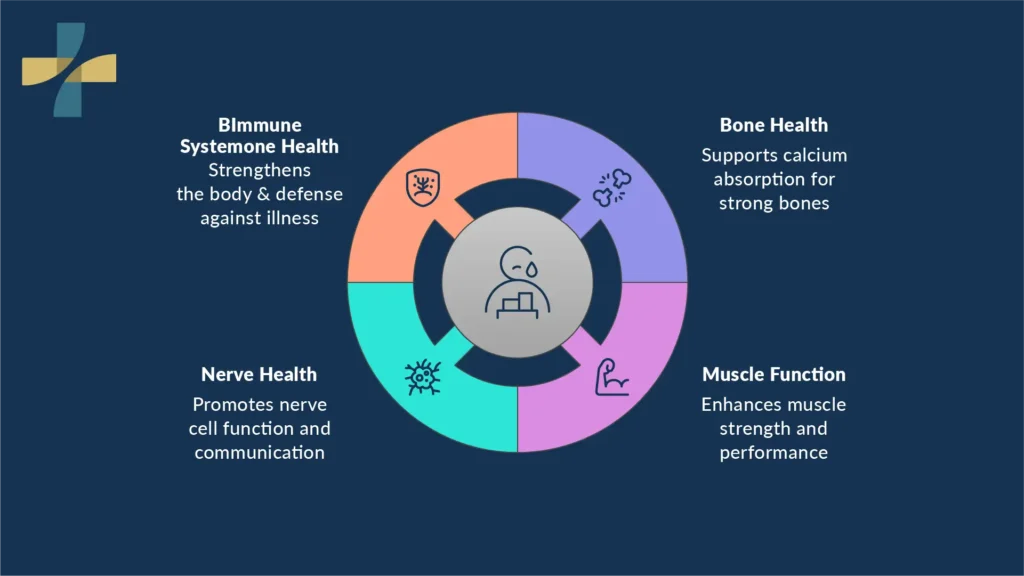
Feeling unusually tired, achy, or catching every cold that goes around? Low levels of calciferol (the active form of vitamin D) could be part of the picture. Understanding vitamin D benefits is one of the simplest ways to take control of your long-term health, since this single nutrient influences your bones, muscles, nerves, and immune system all at once. Despite its importance, vitamin D deficiency is remarkably common. Millions of people spend most of their day indoors, live in areas with limited sun exposure, or simply don’t get enough vitamin D through diet alone. The good news is that identifying a deficiency risk early and correcting it is straightforward once you know what to look for. Not sure where your levels stand? You can book a preventive health check or visit a Family Physician Care center to get full clarity on your essential nutrient levels. What Does Vitamin D Do for Your Body? Vitamin D, often called the “sunshine vitamin,” works more like a hormone than a typical nutrient. Your body naturally produces it when skin is exposed to sunlight, but you can also absorb it through fortified foods and supplements. Bone health, calcium absorption, muscles, nerves, and immune function The primary role of vitamin D for bone health lies in facilitating efficient calcium absorption. Without adequate vitamin D and calcium working together, your body cannot absorb these essential minerals properly, leading to weakened bone structure over time. Beyond supporting bone health, maintaining optimal vitamin D levels powers several critical functions: Muscle function and coordination significantly lower fall risks and support mobility in older adults. Proper nerve signaling and neuromuscular balance throughout the body. Immune health and immune function aid your body’s defense mechanism against seasonal infections and regulate inflammation. Protection against long-term bone density loss reduces the likelihood of developing osteoporosis. Example Case: A 55-year-old woman experiencing frequent muscle cramps and fatigue discovered through routine bloodwork that her vitamin D level was significantly below normal. After starting a supplement and increasing outdoor time, her energy and muscle symptoms improved within a few months. Low vitamin D is linked to reduced calcium absorption and weaker bones Adequate levels ensure robust immune function and faster recovery from seasonal illnesses. Vitamin D Deficiency Symptoms and Risk Factors Because vitamin D deficiency symptoms often develop gradually, many people live with low levels for years without realizing it. Recognizing early signs like persistent fatigue, bone pain, muscle weakness, mood swings, and frequent colds is key to preventing long-term damage. Certain groups face a significantly higher deficiency risk, including: Older adults, whose skin naturally becomes less efficient at producing vitamin D from sunlight. People with dark skin as higher melanin levels, require longer sun exposure to synthesize adequate amounts. Individuals living in northern climates, especially during the gloomy winter months. People with kidney disease, malabsorption issues, or obesity. Those who spend most of their days indoors or continuously wear high-SPF sunscreen. Clinical Reference: Research published in the Journal of Clinical Endocrinology & Metabolism highlights that nearly 1 in 4 adults suffer from inadequate vitamin D levels, with rates spiking dramatically during winter. If left untreated, severe chronic deficiency can lead to painful bone-softening conditions such as rickets in children or osteomalacia in adults. Best Vitamin D Sources: Sunlight, Foods, and Supplements Maintaining optimal levels usually requires a multi-faceted approach. Here are the three main vitamin D sources: Sunlight Spending 10 to 30 minutes in direct midday sunlight a few times a week stimulates your skin to produce natural vitamin D. However, season, latitude, skin tone, and sunscreen use can impact how much your body actually generates. Vitamin D foods While natural food options are somewhat limited, incorporating vitamin D foods into your regular diet is an excellent habit. Top sources include: Fatty fish (salmon, mackerel, sardines) Cod liver oil and egg yolks Fortified foods such as milk, plant-based dairy alternatives, orange juice, and cereals UV-exposed mushrooms and beef liver Vitamin D supplement options When sun exposure and food intake aren’t enough, taking a high-quality vitamin D supplement (particularly Vitamin D3) is the most consistent method to maintain ideal blood concentrations without exceeding safe upper limit boundaries to avoid toxicity. Example Case: A vegetarian office worker who rarely goes outdoors added a daily vitamin D3 supplement and fortified plant milk to her routine after her doctor flagged low levels, restoring her numbers to a healthy range within three months. Should You Get a Vitamin D Blood Test? The only accurate way to evaluate your overall nutrient standing is by getting a dedicated vitamin D blood test (the 25-hydroxyvitamin D test). Since symptoms like fatigue and muscle aches overlap with many other health conditions, guessing can lead to improper dosing or unaddressed underlying issues. Routine laboratory screenings are often integrated into an annual physical exam blood tests routine, or included during women’s preventive health screening sessions. Checking your blood parameters allows your primary physician to recommend an exact dosage tailored to your unique baseline. Can Too Much Vitamin D Be Harmful? While maintaining adequate levels is vital, vitamin D is a fat-soluble vitamin, meaning excess amounts accumulate in the body rather than passing through urine. Extremely high intake from over-supplementation can push you past the safe upper limit, leading to toxicity (hypercalcemia). High blood calcium levels can cause nausea, frequent urination, kidney stones, and soft tissue calcification. It is also important to note potential medication interactions, as certain steroids, weight-loss drugs, and cholesterol-lowering medications can alter how your body processes vitamin D. Always consult a professional before starting high-dose supplements. How NV Med Center Can Help With Preventive Blood Tests At NV Med Center, we believe proactive care is the foundation of long-term wellness. Knowing your exact nutrient numbers takes the guesswork out of supplementation and helps prevent chronic bone or immune issues before they start. Whether you are looking to run targeted lab work or combine it with preventive blood tests for nutrients, our medical team provides clear results and personalized treatment plans. If you
How Much Water Should You Drink a Day? Hydration Needs Explained
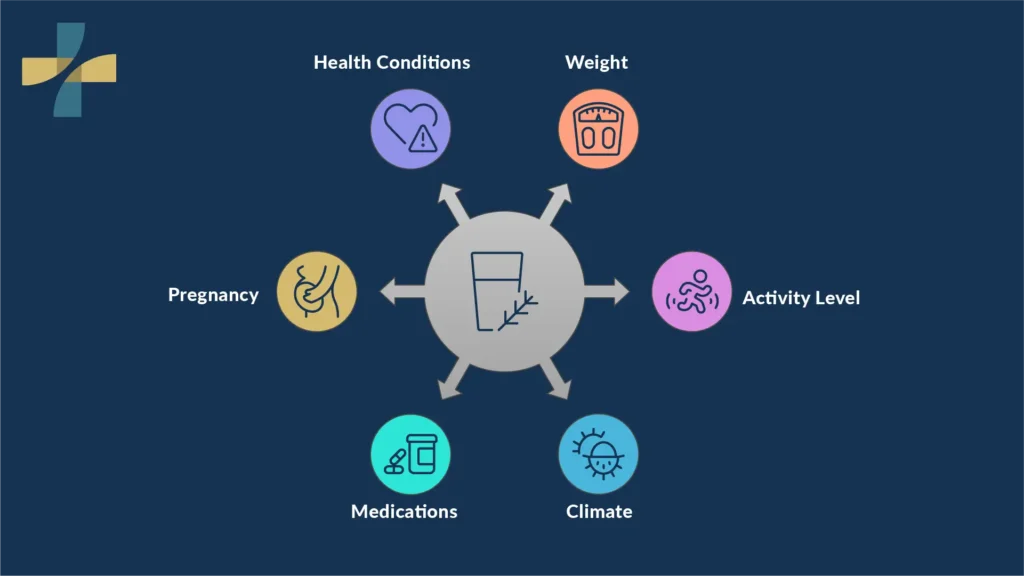
If you have ever typed “how much water should you drink” into a search bar while staring at a half-empty glass, you are not alone. Most people grew up hearing the classic eight glasses of water a day rule, but that generic advice fails to account for your unique body size, activity level, or the climate you live in. The truth is, there is no single number that works for everyone. Your hydration needs depend on factors like weight, sweat rate, medications, and even pregnancy or underlying health conditions. Understanding these variables ensures you maintain proper fluid needs, avoiding subtle dehydration without overcorrecting for the risks of overhydration. If you are experiencing ongoing thirst, fatigue, or unusual changes in your urine color, the experienced team at NV Med Center can help identify the root cause. Book an appointment for dehydration symptoms with our primary care providers today. How Much Water Should Most Adults Drink Daily? According to general health standards, adult women typically require about 11.5 cups (2.7 liters) of total fluids per day, whereas adult men need closer to 15.5 cups (3.7 liters). It is worth noting that this total daily water intake includes moisture absorbed from foods like fruits and vegetables, as well as plain water and other non-sugary beverages. A practical starting point many clinicians use is calculating water intake by weight: drinking roughly half your body weight in fluid ounces daily. For instance, a 160-pound individual would aim for a baseline of approximately 80 ounces of water each day. Example Case: A 35-year-old office worker weighing 150 pounds who is mostly sedentary may only need about 75 ounces of fluids daily. But if she starts jogging four times a week, her needs increase to replace fluid lost through sweat. Sedentary adults: closer to the baseline calculation Active adults or those in hot climates: add 12 to 24 extra ounces per hour of exercise Pregnant or breastfeeding women: Require significantly higher fluid needs to support fetal development and milk production. Why water needs vary by body size, activity, and climate Body composition plays a major role in hydration needs. Muscle tissue holds a much higher percentage of water than fat tissue, meaning a lean, muscular individual naturally requires a higher daily water intake than someone of the same weight with a higher body fat percentage. Climate and activity level compound this effect. Someone exercising outdoors in Las Vegas summer heat can lose over a liter of sweat per hour, dramatically increasing fluid requirements compared to someone working indoors in air conditioning. Replacing both water and electrolytes becomes critical under these conditions to prevent physical exertion from stalling your system. Signs You May Not Be Drinking Enough Water Dehydration does not always announce itself with obvious thirst. Many signs of dehydration are subtle and easy to dismiss as everyday fatigue or stress. Monitoring your urine color is one of the simplest self-assessments available: a pale, straw-like yellow indicates a healthy balance, whereas dark, amber urine signals that your kidneys are conserving fluid. Other early indicators include dry mouth, persistent brain fog, tension headaches, and sluggish digestion leading to constipation. Example Case: A construction worker who skips water breaks during a hot shift may notice a pounding headache and dark urine by midafternoon, both classic signs he needs to rehydrate immediately. Urine color that is significantly darker than pale yellow Persistent afternoon fatigue, dizziness, or difficulty concentrating Unexplained dry skin, chapped lips, or muscle cramps Infrequent urination (fewer than 4 times in 24 hours) For a deeper look at recognizing subtle physical decline, review our clinical guide on identifying dehydration symptoms. Can Drinking Water Help Prevent Kidney Stones and Constipation? Adequate hydration is one of the most effective and low-cost strategies for preventing kidney stones. Water dilutes the minerals and salts in urine that form stones, particularly calcium oxalate, the most common type. Research consistently shows that people who drink more fluids have a lower risk of stone recurrence. Water also softens stool and supports regular bowel movements, making it a first-line recommendation for chronic constipation. Example Case: A patient with a history of recurrent kidney stones was advised by their doctor to increase water intake to produce at least 2.5 liters of urine daily, cutting their stone recurrence risk significantly over the following year. Can You Drink Too Much Water? While overhydration is less common than dehydration, drinking excessive water in a short period can lead to a dangerous condition called hyponatremia, or overhydration, where excessive fluid dilutes the essential electrolytes, specifically sodium, in your bloodstream. This scenario most frequently affects endurance athletes or individuals performing heavy labor in extreme heat who consume massive volumes of plain water without replacing lost sodium. Without balanced electrolytes, cells begin to swell, resulting in symptoms ranging from mild nausea and confusion to severe neurological distress. Example Case: A marathon runner who drank several liters of water during a race without any electrolyte replacement began experiencing confusion and swelling, requiring emergency treatment for hyponatremia. How to Avoid Overhydration: Drink to thirst rather than forcing excessive intake Replace electrolytes during prolonged, intense exercise Be cautious with rapid, large-volume water intake in short timeframes Who Should Ask a Doctor About Fluid Intake? General hydration guidelines serve as a helpful baseline, but certain populations require precise, individual medical oversight regarding their fluid needs. For instance, older adults often experience a naturally diminished thirst response, making them highly susceptible to silent dehydration even in comfortable indoor environments. Similarly, individuals managing chronic health conditions such as kidney disease, advanced heart failure, or liver dysfunction frequently require strict fluid restriction protocols to prevent dangerous fluid retention. Certain prescription medications, including diuretics or blood pressure treatments, also alter how the body excretes sodium and water. If you manage chronic conditions, routinely taking annual physical exam blood tests helps your physician evaluate your kidney filtration rate, electrolyte balance, and overall systemic health. How NV Med Center Can Help With Dehydration or Urinary Symptoms Navigating persistent thirst, ongoing fatigue, or
Foods High in Iron: Best Iron-Rich Foods and How to Improve Absorption
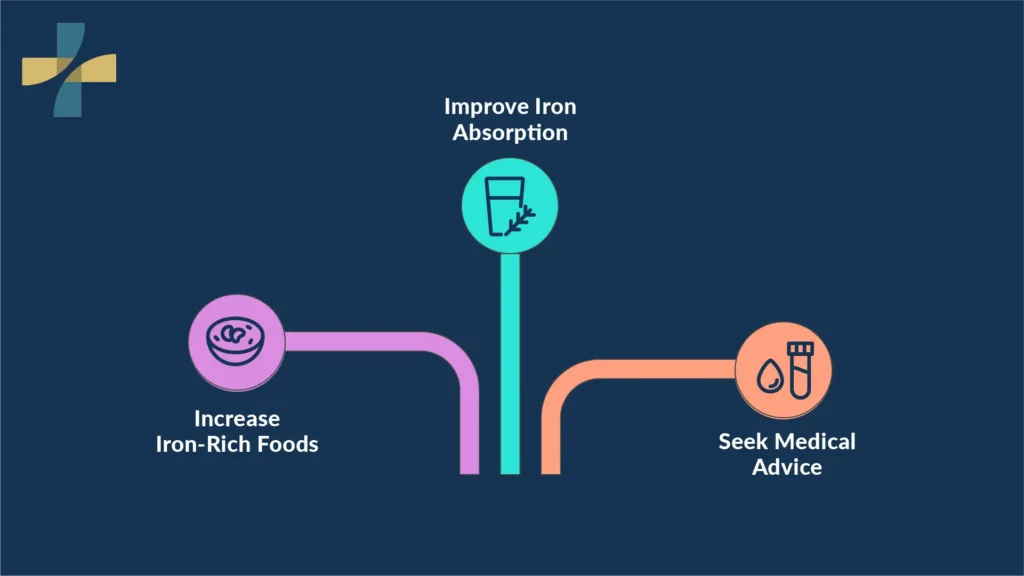
Feeling tired all the time, even after a full night’s sleep? Low energy, pale skin, or trouble concentrating can sometimes point to a simple but often overlooked cause: not getting enough iron in your diet. The good news is that foods high in iron are easy to find and easy to add to your daily meals once you know where to look. Iron plays a critical role in making hemoglobin, the protein in red blood cells that carries oxygen throughout your body. Without enough of it, your organs and muscles do not get the oxygen they need, which is why fatigue is one of the first warning signs. This article breaks down which foods contain the most iron, the difference between heme and non-heme iron, and how to help your body absorb it better. If you suspect your fatigue may be linked to low iron, NV Med Center can help confirm it with a simple blood test. What Foods Are Highest in Iron? The richest sources of iron generally fall into two categories: animal-based foods and plant-based foods. Red meat, organ meats, and shellfish tend to top the list, but certain vegetables, legumes, and fortified products come surprisingly close. Iron content also depends on how well your body can actually use it, which is where the heme versus non-heme distinction becomes important. Example Case: A 3-ounce serving of beef liver contains about 5 mg of iron, while a cup of cooked lentils offers roughly 6.6 mg. Both are excellent choices, but your body absorbs them differently. Beef liver: approximately 5 mg per 3 oz serving Lentils: approximately 6.6 mg per cooked cup Clams: approximately 23.8 mg per 3 oz serving Fortified breakfast cereals: up to 18 mg per serving, depending on brand Heme iron foods vs non-heme iron foods Heme iron comes exclusively from animal products such as meat, poultry, and seafood. Your body absorbs heme iron much more efficiently, typically between 15 and 35 percent of what you consume. Non-heme iron comes from plant sources like beans, nuts, seeds, and leafy greens. Absorption rates are lower, usually between 2 and 20 percent, and are heavily influenced by what else you eat at the same meal. This does not mean plant-based eaters are at a disadvantage. It simply means pairing non-heme iron foods with the right nutrients matters more than counting milligrams alone. If you are a sedentary adult or an active adult trying to figure out how much protein do I need alongside your iron intake, focusing on the right food combinations will naturally improve your results. Iron-Rich Foods List: Meat, Seafood, Beans, Greens, and Fortified Foods Building an iron-rich foods list into your daily routine does not require a complete overhaul of your eating habits. A few strategic swaps and additions can make a meaningful difference over time. Below is a practical breakdown by food category to help you plan meals more easily. Example Case: Someone trying to boost their iron intake might swap a plain bagel breakfast for fortified oatmeal topped with strawberries, then add a spinach salad with chickpeas at lunch. Meat and poultry: beef, lamb, chicken liver, turkey Seafood: clams, oysters, sardines, tuna Legumes: lentils, chickpeas, kidney beans, soybeans Leafy greens: spinach, Swiss chard, kale Fortified foods: breakfast cereals, enriched bread, pasta Nuts and seeds: pumpkin seeds, cashews, sesame seeds How Vitamin C Helps Your Body Absorb Iron Vitamin C significantly improves how much non-heme iron your body can absorb from plant-based foods. Research shows that consuming vitamin C alongside iron-rich meals can increase absorption by up to three to four times. This is especially important for vegetarians, vegans, and anyone relying heavily on plant sources of iron. Example Case: A person eating a lentil soup can boost iron absorption simply by adding a squeeze of lemon juice or a side of bell peppers, both high in vitamin C. Citrus fruits: oranges, grapefruit, lemons Bell peppers: red and yellow varieties are especially high in vitamin C Tomatoes: fresh or cooked Strawberries and kiwi It is worth noting that calcium, tea, and coffee can interfere with iron absorption when consumed in the same meal, so timing your beverages matters as much as pairing the right foods. Foods High in Iron for Women, Vegetarians, and People With Low Iron Women of reproductive age need significantly more iron than men, generally around 18 mg per day, due to iron loss during menstruation. Pregnancy also drives this requirement up dramatically, making a structured women’s preventive health screening an essential tool for tracking vital nutrient levels over time. Similarly, vegetarians and older adults recovering from chronic fatigue often struggle to maintain optimal iron levels through a standard dietary pattern. When restructuring your meals to focus on foods high in iron, it is the perfect time to optimize your macro targets as well. For instance, knowing how much protein per day your body requires is essential for maintaining daily energy. If you are focused on weight loss, balancing an iron-rich foods list with a high protein diet can dramatically improve your satiety levels and protect your muscles. If you want to map out exactly how much your body needs based on your daily activity, learning how much protein per day you need, ranging from the standard RDA protein baseline of 0.8 g/kg for a sedentary adult to higher ranges for an active adult, ensures you are covering all your nutritional bases for long-term muscle health. When to Ask a Doctor About Iron Deficiency Symptoms While tweaking your meals is a fantastic step, a change in diet alone isn’t always enough if your iron levels have already dropped significantly. Iron deficiency can sneak up on you, and its symptoms, like chronic fatigue, brittle nails, cold hands, dizziness, and shortness of breath, are easy to mistake for everyday stress. If you have adjusted your food intake but still feel constantly drained, it is time to look deeper. Just as you would monitor your macros and evaluate if you are eating too much
Swollen Lymph Nodes: Common Causes, Symptoms, and When to See a Doctor
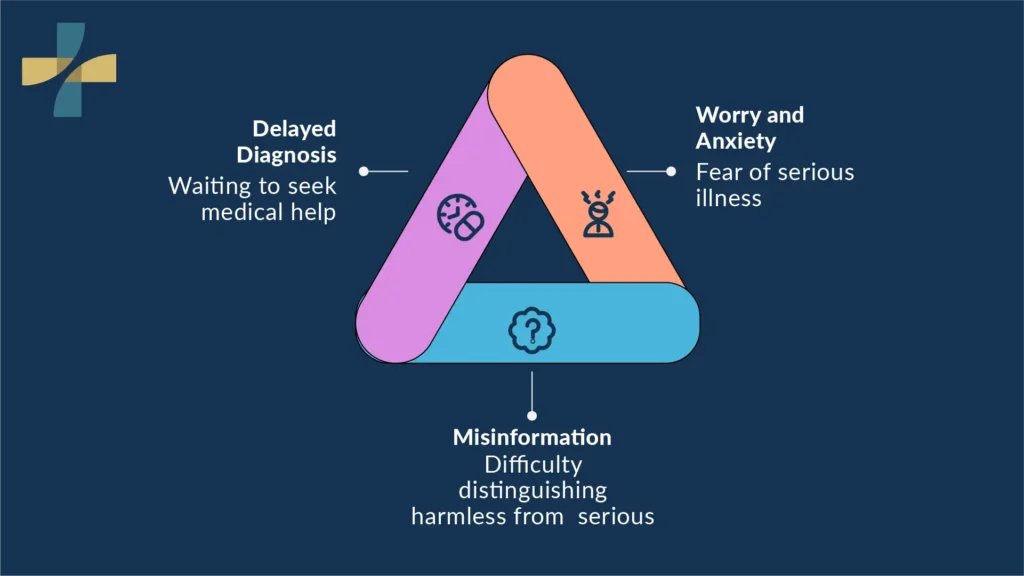
Noticing a tender lump on your neck, under your jaw, or in your armpit can be unsettling. Swollen lymph nodes are one of the most common reasons people search for answers online, often late at night, worried about what the bump might mean. The good news is that in the vast majority of cases, swollen lymph nodes are a sign your immune system is doing exactly what it’s supposed to do: fighting off an infection. Still, understanding the difference between a harmless reaction and something that needs medical attention is important for your peace of mind and your health. This guide breaks down what swollen lymph nodes are, why they happen, and when it’s time to get checked out by a professiona If you’re currently dealing with a painful, persistent, or painful swollen lymph nodes situation, our team at NV Med Center can help you get answers quickly. You can easily book a doctor appointment for swollen lymph nodes directly through our clinic to ensure accurate diagnostic oversight. What Are Swollen Lymph Nodes? Lymph nodes are small, bean-shaped structures that are part of your lymphatic system, which plays a key role in your body’s immune defense. You have hundreds of them located throughout your body, including clusters in your neck, under your jaw, in your armpits, and in your groin. When your body detects an infection, injury, or illness nearby, these nodes can swell as they produce more white blood cells to fight it off. This swelling, medically known as lymphadenopathy, is essentially a visible sign of your immune system at work. Most swollen lymph nodes are soft, movable, and tender to the touch, and these neck lumps typically shrink back to normal size within two to three weeks once the underlying cause resolves. Example Case: A 28-year-old with a sore throat and fever notices a tender lump nodes under the jaw swollen cluster. Her doctor confirms it is a reactive node responding to standard strep throat symptoms, and it resolves within a week of antibiotic treatment. Lymph nodes act as filters, trapping bacteria, viruses, and abnormal cells. Swelling near the affected area often points directly to the primary cause. Common Causes of Swollen Lymph Nodes in the Neck, Armpit, or Groin The location of your swollen lymph nodes often gives clues about what’s causing them. Neck and jaw swelling is frequently linked to throat, ear, or dental infections. Armpit nodes swelling can relate to arm or hand infections, while groin nodes swelling often connects to lower body or genital infections. Viral infections, bacterial infections, and local inflammation Viral causes: Viral infections such as the common cold, flu, mononucleosis, or COVID-19 are among the most frequent triggers of swollen glands. These infections cause widespread, mild swelling that typically resolves on its own. Bacterial causes: Bacterial infections, including strep throat, skin infections, or dental abscesses, often cause more localized, painful lymph nodes near the infection site. These may require antibiotics to fully clear. Inflammatory causes: Local inflammation from cuts, insect bites, or skin irritation near a node cluster can also trigger swollen lymph nodes, as the body responds to the localized injury. Example Case: A construction worker develops a cut on his hand that becomes infected. Within days, he notices swollen, painful lymph nodes under his armpit, a direct response to the spreading infection. Viral causes: colds, flu, mono, COVID-19 Bacterial causes: strep throat, skin infections, dental infections Inflammatory causes: cuts, bites, localized skin irritation Swollen Lymph Nodes and Sore Throat, Ear Infection, or Sinus Symptoms It’s extremely common for swollen lymph nodes under the jaw or in the neck to appear alongside a sore throat, ear infection, or sinus infection. This happens because these areas share nearby lymphatic drainage pathways. If you have a sore throat with swollen glands, strep throat, or a viral pharyngitis, it is often the culprit. An ear infection, particularly in children, can cause tender nodes just behind the ear or along the jawline. Similarly, sinus infection symptoms may lead to mild swelling in the upper neck as the body actively responds to congestion and localized inflammation. In most of these cases, the swelling subsides as the primary infection clears, usually within one to two weeks, especially with appropriate treatment such as rest, fluids, or antibiotics when necessary. When Should You Worry About Swollen Lymph Nodes? While most instances of lymphadenopathy symptoms are entirely harmless, certain clinical signs warrant closer medical evaluation. According to leading healthcare guidelines, lymph nodes that are hard, fixed in place, rapidly growing, or persist longer than two to four weeks should be checked by a physician. Other warning signs include: Swelling without any obvious signs of a cold or respiratory infection. Unexplained weight loss occurs alongside the swelling. Persistent, drenching night sweats. A prolonged, low-grade fever that does not break. Nodes that feel completely hard, rubbery, or immovable under the skin. While these signs can sometimes indicate an underlying autoimmune disease, a severe chronic condition, or a potential cancer risk, an accurate diagnostic confirmation can only be determined through a professional medical evaluation. How Doctors Evaluate Swollen Lymph Nodes When you present with an unexplained neck lump or chronic swelling, a medical provider will perform a systematic clinical review. The process typically includes: Medical History Review: Your doctor will ask about the duration of the swelling, whether you have had a recent virus or bacterial issue, and check for systemic symptoms like fever or fatigue. Physical Examination: The physician will gently palpate the nodes to check their size, texture, mobility, and level of tenderness. Diagnostic Testing: If the underlying swollen lymph nodes causes remain unclear, your care team may order blood tests, imaging studies (such as an ultrasound), or recommend a specialized biopsy to examine the tissue cells directly under a microscope. How NV Med Center Can Help With Persistent Swelling If you are experiencing prolonged swelling or are unsure about a new lump, you do not have to guess the cause. At NV Med Center, our professional Family Physician
Kidney Stones Symptoms: Pain Location, Warning Signs, and When to Get Care
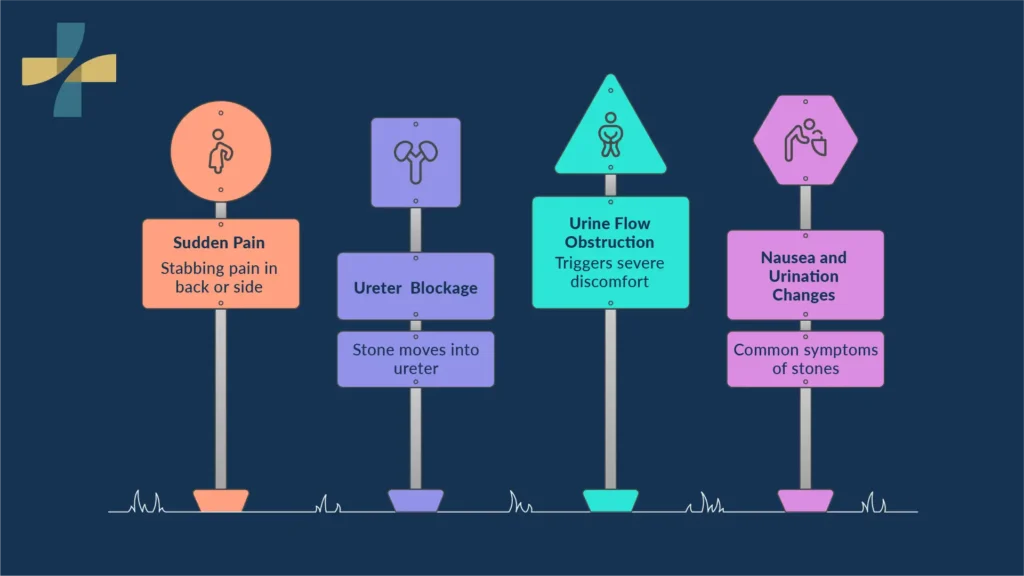
That sudden, stabbing pain in your back or side that seems to come out of nowhere is one of the most common ways people first discover they have a kidney stone. Kidney stones symptoms can range from mild discomfort to some of the most intense pain a person can experience, and knowing what to look for can help you get the right care faster. Symptoms of kidney stones form when minerals and salts, often calcium oxalate due to dehydration or diet crystallize inside the kidneys, and they don’t always cause problems right away. Kidney stone symptoms in adults typically show up once a stone starts moving into the ureter, the tube connecting the kidney to the bladder, where it can block urine flow and trigger severe discomfort, nausea, and urination changes. If you’re experiencing unexplained back or side pain, NV Med Center can help evaluate your symptoms and determine the cause. You can book an appointment for urinary symptoms with our team today. What Are the Most Common Kidney Stones Symptoms? Kidney stones don’t always announce themselves early. Many small stones pass unnoticed, but larger ones or those blocking the ureter often cause a recognizable set of warning signs. The most frequently reported signs of kidney stones include: Sharp, cramping pain in the back, side, lower abdomen, or groin Blood in urine (hematuria), which may appear pink, red, or brown Painful urination or a persistent urge to urinate Kidney stone nausea and vomiting Cloudy or foul-smelling urine Kidney stone fever or chills if a secondary kidney infection is present Sharp back, side, lower abdomen, or groin pain This kidney stone pain, often called renal colic, tends to come in waves as the stone moves through the urinary tract. It can start suddenly and intensify over minutes, sometimes radiating from the flank down toward the groin. Example Case: A 42-year-old man wakes up at 3 a.m. with intense pain radiating from his lower back to his groin. It comes in waves, each lasting 20-30 minutes, and is accompanied by nausea. This pattern is classic for a ureter stone moving through the urinary tract. Pain often shifts location as the stone travels Severity does not always match stone size; small stones can hurt intensely Kidney Stone Pain Location: Back, Side, Groin, or Abdomen Where you feel pain often depends on where the stone is located. Understanding your kidney stone pain location can help you describe your symptoms more accurately to a healthcare provider. Pain in the upper back or side (flank pain) usually indicates the stone is still in the kidney. Because of anatomical pathways, kidney stones symptoms in men can radiate down into the testicles, while kidney stones symptoms in women may affect the labia. Kidney stone pain location generally follows this pattern: Flank or upper back: stone in the kidney Side or mid-abdomen: stone moving through the upper ureter Lower abdomen or groin: stone nearing the bladder Kidney Stones Symptoms vs Lower Back Pain or UTI It’s easy to confuse kidney stone symptoms with a pulled muscle, general lower back pain, or a urinary tract infection, since all three can cause discomfort in similar areas. Muscular lower back pain is usually dull, constant, and worsens with movement or specific positions. In contrast, renal colic caused by a stone tends to be sharp, cyclical, and completely unaffected by changing positions—it can hit just as hard while lying completely still. A UTI often causes painful urination and urgency, similar to a localized bladder stone, but typically presents without the severe, radiating flank pain. However, a flank pain kidney stone, and a UTI can occur simultaneously. If you notice a sudden spike in body temperature alongside urinary changes, it should never be ignored. Example Case: A woman experiences burning during urination and assumes it’s just a UTI. When sharp pain develops in her side, a noticeable tint of blood in urine appears, she seeks care and imaging confirms a kidney stone with a secondary infection. Emergency Symptoms: Fever, Vomiting, or Trouble Urinating Some kidney stone emergency symptoms signal a medical emergency that requires immediate attention, not a wait-and-see approach. Seek emergency care right away if you experience: Fever above 100.4°F (38°C) with chills, which may indicate a kidney infection Persistent vomiting that prevents you from keeping fluids down Inability to urinate at all Severe, unrelenting pain that isn’t controlled by over-the-counter medication A severe presentation of flank pain and blood in urine accompanied by confusion or dizziness According to the National Kidney Foundation, a kidney stone combined with fever can signal a urinary tract infection trapped behind the blockage, a condition that can quickly become dangerous without prompt treatment. Example Case: A patient with a known kidney stone develops a fever of 101.5°F and chills overnight. Recognizing this as a critical warning sign of an obstructed kidney infection rather than standard renal colic, they immediately head to the emergency department for specialized emergency care. How Doctors Diagnose Kidney Stones To accurately identify a stone and distinguish it from other abdominal conditions, medical professionals rely on targeted diagnostic testing. This process ensures you receive the correct treatment pathway and avoids misdiagnosing conditions with overlapping symptoms. The primary tools used for a definitive diagnosis include: Advanced Imaging: A low-dose non-contrast CT scan is the gold standard for detecting stones. It reveals the exact size, shape, and kidney stone pain location within the urinary system. Ultrasounds are also used, particularly for pregnant women or to avoid radiation. Urinalysis: A basic urine test checks for the presence of microscopic hematuria (blood in urine kidney stone indicators), high mineral concentrations, or signs of an active urinary tract infection. Blood Testing: Blood draws help evaluate overall kidney function, check for elevated white blood cell counts (indicating infection), and analyze levels of calcium or uric acid to pinpoint the underlying cause of stone formation and prevent recurrence. How NV Med Center Can Help With Urinary or Flank Pain Assessment Experiencing sudden flank pain kidney stone flare-ups, or unexpected changes
How Much Protein Per Day Do You Need? A Practical Guide by Weight and Lifestyle
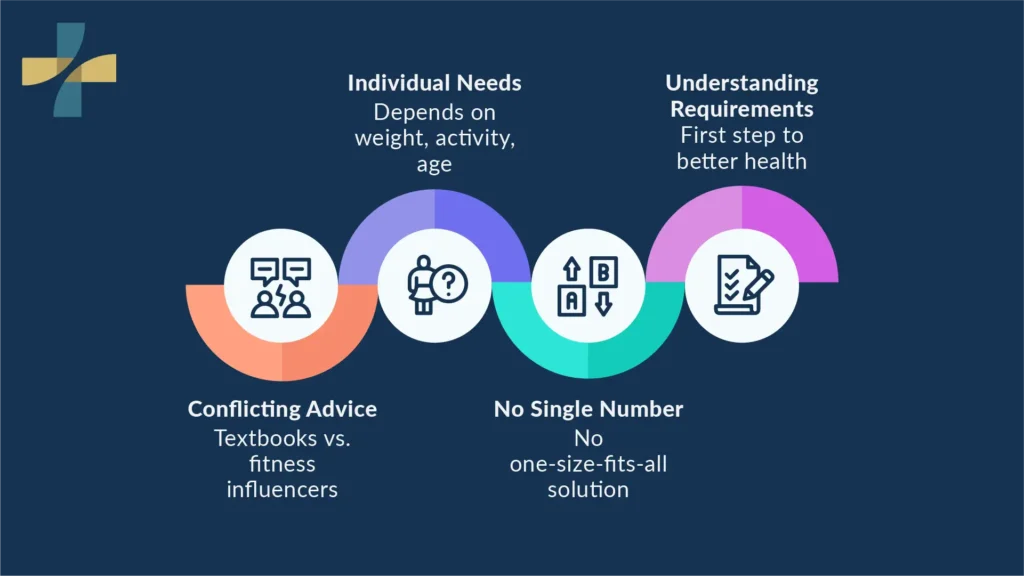
If you have ever stood in the grocery store reading nutrition labels and wondering, “How much protein per day do I actually need?”, you are not alone. The internet is flooded with wildly conflicting advice. On one side, nutrition textbooks teach a modest baseline of 0.8 grams per kilogram; on the other, fitness influencers push massive targets that feel almost impossible to hit. The truth is that your ideal daily protein intake per day depends on your body weight, activity level, age, and health goals. There is no single number that fits everyone, but there is a reliable framework you can use to calculate a target that works for your specific situation. This guide breaks down the science-backed baseline, shows you exactly how to calculate protein needs by body weight, and explains when you might need too much protein, less, or professional guidance. Not sure where you stand? Understanding your body’s unique protein requirements is the first step toward better energy and long-term health. Keep reading to find your personalized protein range in the next section. How Much Protein Per Day Is Recommended for Adults? For most healthy adults, the standard reference point is the Recommended Dietary Allowance, or RDA. However, there is a common misconception about what this number actually means. This guideline is calculated as the minimum amount your body requires to prevent deficiency and muscle wasting, not necessarily the optimal amount for vibrant health, daily energy, or athletic performance. The RDA is set at 0.8 grams of protein per kilogram of body weight per day. This applies to sedentary or lightly active adults who are not pregnant, breastfeeding, or recovering from illness or injury. The 0.8 grams per kilogram baseline explained This number comes from decades of nitrogen balance studies conducted by researchers who measured how much protein the body needs just to maintain basic functions. It covers muscle repair, enzyme production, and immune function at a minimum level. Today, many nutrition scientists argue that this baseline is far too low for an active adult, older adults, or anyone managing weight loss. Because it was designed as a nutritional “floor” rather than a target for optimal health, relying solely on it might leave you short of what your body needs for optimal muscle maintenance and vitality. Example Case: A sedentary 70 kg (154 lb) office worker with no specific fitness goals would need roughly 56 grams of protein per day to meet the basic RDA. Calculation: 0.8 g × 70 kg = 56 grams of protein per day. What it looks like: This equals about two to three standard servings of protein-rich food spread across your daily meals. Keep in mind that looking at your protein baseline is just one step in preventing nutritional deficiencies. While a lack of protein slows down recovery and muscle maintenance, it rarely happens in isolation; it is often accompanied by micro-nutrient gaps. If you suspect your diet is falling short, it is equally important to understand the widespread vitamin deficiency symptoms that require medical attention so you can address any underlying health issues before they impact your daily vitality How to Calculate Protein Needs by Body Weight Calculating your personal protein per day target is straightforward once you know your body weight and activity level. Instead of relying on a generic online protein per day calculator or a basic protein calculator, you can easily map out your range using a simple formula: multiply your body weight in kilograms by the specific gram range that fits your daily physical activity. If you only know your weight in pounds, divide by 2.2 to convert to kilograms first. Then multiply by your target range, which typically falls between 0.8 and 2.2 grams per kilogram depending on your goals. Example Case: A 65 kg (143 lb) woman training for strength three times a week might aim for 1.6 grams per kilogram. 65 kg x 1.6 g = 104 grams of protein per day Spread across three to four meals, that is roughly 26 to 35 grams per meal For quick reference, here is a general breakdown of daily protein intake by weight, utilizing a moderate 1.2 to 1.6 g/kg range (ideal for most active adults looking for healthy satiety and muscle support): 50 kg (110 lb): 60 to 80 grams per day 60 kg (132 lb): 72 to 96 grams per day 70 kg (154 lb): 84 to 112 grams per day 80 kg (176 lb): 96 to 128 grams per day 90 kg (198 lb): 108 to 144 grams per day Who May Need More Protein Per Day? Several lifestyle factors and life stages require a higher daily protein intake than the baseline RDA suggests. Protein needs for adults can change dramatically over time. Aging Adults: Older adults over the age of 65 require more protein, typically 1.0 to 1.2 g/kg, to counteract age-related muscle loss (sarcopenia). Clinical research supports a higher intake for aging adults to preserve mobility, strength, and overall independence. Active Individuals & Athletes: If you do heavy lifting or endurance sports, your protein requirements naturally jump to 1.6–2.2 g/kg to repair micro-tears in muscle tissue. Weight Management: If you are actively restricting calories for weight loss, bumping up your protein helps safeguard your lean muscle mass while keeping you full, thanks to protein’s natural effect on satiety. Pregnancy and Breastfeeding: Expectant and new mothers require additional protein to support fetal growth and milk production, which usually means adding an extra 10 to 25 grams per day to their baseline. Example Case: A 75-year-old man weighing 80 kg who wants to maintain muscle mass and mobility would target around 96 grams per day (1.2 g/kg), rather than the standard 64 grams under the basic RDA. Can You Eat Too Much Protein? For most healthy people, adopting a high protein diet (up to around 2.0 to 2.2 g/kg, or roughly 35% of daily calories from protein) is perfectly safe and well-tolerated by the body. Your liver and kidneys are incredibly efficient
Sinus Infection Symptoms: Signs, Causes, and When to See a Doctor
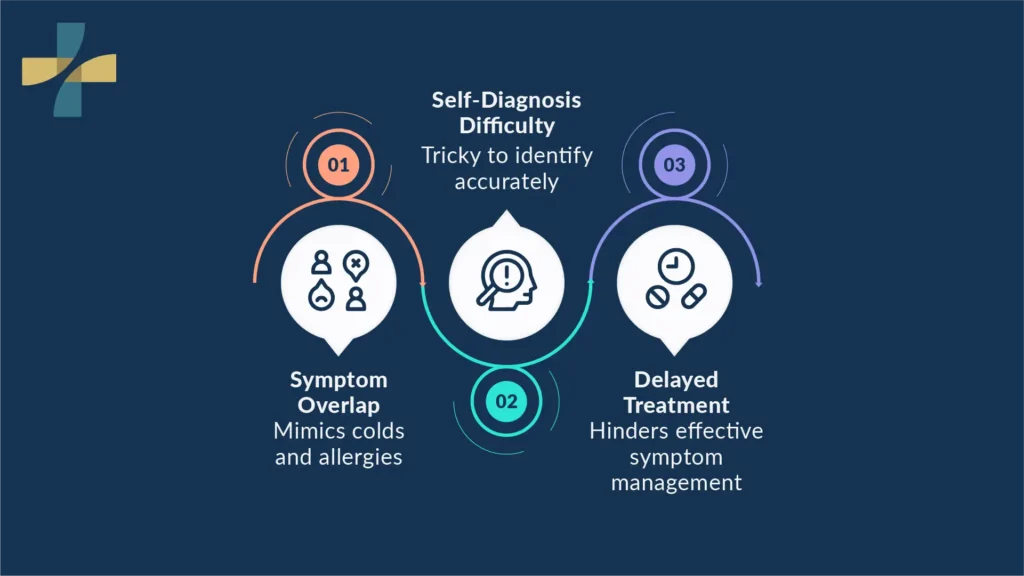
That heavy, throbbing feeling behind your eyes. The constant need to blow your nose. A dull ache across your cheeks that gets worse when you lean forward. If this sounds familiar, you may be dealing with one of the most common and most misunderstood conditions out there: a sinus infection. Recognizing sinus infection symptoms early can help you get the right treatment faster, whether that means simple home care or a visit to your doctor. Sinus infections, medically known as sinusitis, affect millions of adults every year, and their symptoms often overlap with colds and allergies, making them tricky to identify on your own. In this guide, we’ll break down exactly what sinus infection symptoms look like, how they differ from a common cold or seasonal allergies, and when your symptoms may signal something that needs medical attention. Not sure if it’s a sinus infection or something else? NV Med Center can help you get an accurate diagnosis fast. What Are the Most Common Sinus Infection Symptoms? Sinus infection symptoms in adults typically develop when the delicate tissues lining your sinuses become inflamed, swollen, and unable to drain properly. This creates a buildup of pressure and trapped nasal congestion and mucus that leads to a very specific set of uncomfortable acute sinusitis symptoms. Most people with sinusitis experience a combination of nasal and facial symptoms rather than just one isolated issue. Understanding the full pattern helps you catch these signs early instead of mistaking them for “just a cold.” Congestion, facial pressure, mucus, and postnasal drip Nasal congestion is often the first sign, making it hard to breathe through your nose. This is usually accompanied by facial pressure or pain around your forehead, cheeks, and eyes that can feel like a dull, constant ache. Thick, discolored thick mucus (yellow or green) and postnasal drip that annoying, ticklish trickle of mucus down the back of your throat are also hallmark signs of a flare-up. Many people also notice a reduced sense of smell, bad breath, fatigue, a throbbing sinus headache, and a mild cough that seems to worsen the moment their head hits the pillow at night. Example Case: Maria, 34, noticed pressure building behind her eyes for three days straight, along with thick yellow mucus and a sore throat from postnasal drip. Persistent facial pressure that worsened when bending forward Thick nasal discharge lasting more than a week Mild fever and fatigue by day four Sinus Infection vs Cold vs Allergies: How Symptoms Differ One of the biggest challenges patients face is telling sinus headache symptoms and general sinus issues apart from a common cold or allergies, since all three share nasal congestion and sneezing. The key differences lie in duration, mucus color, and additional symptoms like facial pain or fever. Cold vs sinus infection parameters show that colds typically peak within 3 to 5 days and improve on their own within 7 to 10 days, with clear, watery runny nose discharge. Allergies tend to cause itchy eyes, sneezing fits, and clear discharge that flares up around triggers like pollen or dust, without any fever. Sinus infections, on the other hand, often bring thicker, colored thick mucus, facial pressure sinus infection symptoms that worsens with movement, and discomfort that either last longer than 10 days or seem to improve before suddenly getting worse again. Example Case: John assumed his stuffy nose was just a lingering cold, but after 12 days with worsening facial pain and green mucus, he realized it had progressed into a sinus infection. Cold: Clear mucus, improves within a week Allergies: Itchy or watery eyes, no fever, tied to specific triggers Sinus infection: Colored mucus, facial pressure or facial pain, lasts 10+ days or worsens after initial improvement Viral vs Bacterial Sinus Infection Symptoms Not all sinus infections are created equal, and understanding whether yours is a viral infection or a bacterial sinus infection symptoms flare-up is crucial for making the right treatment decisions. Viral sinus infections are far more common and usually accompany a cold. They tend to peak around day 3-5 and gradually improve within 7-10 days without needing antibiotics. Bacterial sinus infection symptoms, however, often follow a “double worsening” pattern you start feeling better, then suddenly get worse again with intensified facial pain, high fever above 102°F, and thick discolored discharge. According to the American Academy of Otolaryngology, only about 2% of viral sinus infections actually progress to bacterial infections that require antibiotics. Example Case: After a week of typical cold symptoms, David felt like he was recovering until day 9, when his fever spiked to 103°F and facial pain became severe on one side, prompting a doctor visit that confirmed a bacterial sinus infection. Viral: Gradual improvement. Bacterial: Sudden worsening after initial improvement, higher fever, and localized pain. When Sinus Infection Symptoms Last Longer Than 10 Days When sinus infection symptoms stubbornly hang on for more than 10 days without any sign of letting up, it is a strong clinical indicator that your infection has shifted from a simple viral issue to a bacterial one. While a viral infection is self-limiting, a bacterial sinus infection often requires a professional medical evaluation to prevent it from turning into chronic sinusitis. If you are experiencing relentless nasal congestion, constant headaches, or facial pain that refuses to budge, finding a qualified doctor for sinus infection symptoms is the safest way to get an accurate diagnosis and prevent further complications like a needed ENT referral. Home Care, Medical Care, and When Antibiotics May Be Considered For mild or early-stage sinus issues, home care can provide significant relief. Flooding your system with fluids, using a saline nasal spray, and breathing in steam from a warm shower can help break up thick mucus. However, if your symptoms are severe, or if you are dealing with a confirmed bacterial infection, medical intervention becomes necessary. While viral infections do not respond to antibiotics, bacterial cases might require a prescription to clear completely. If you are struggling with severe nasal congestion
Ear Infection Symptoms: Signs in Adults, Children, and When to See a Doctor
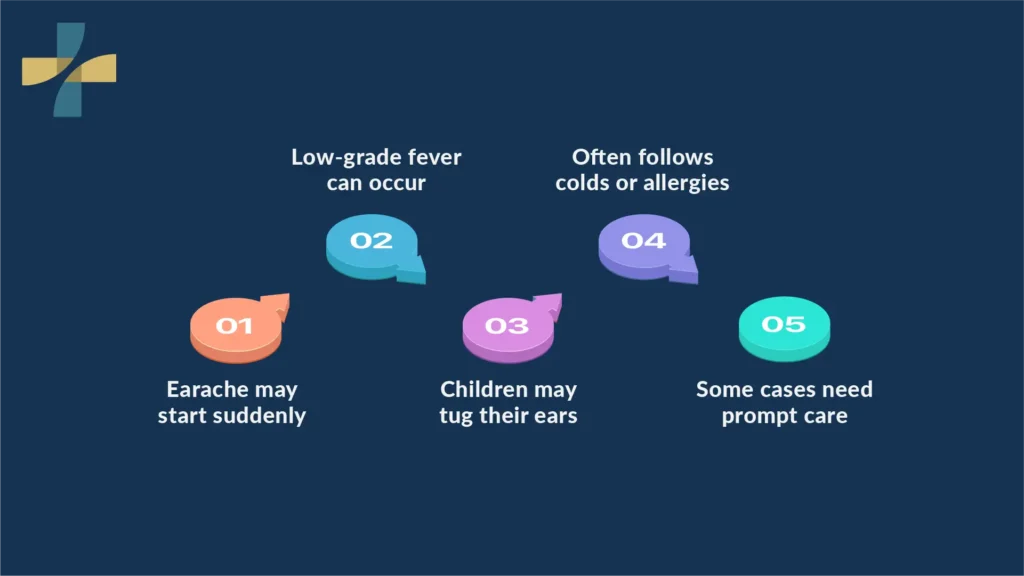
A sudden earache, a low-grade fever, or a child tugging at their ear can leave you wondering what’s really going on. Recognizing ear infection symptoms early helps you decide whether home care is enough or whether it’s time to call a doctor. Ear infections, medically known as otitis media, are one of the most common reasons people of all ages visit a doctor or urgent care clinic. They often develop after a cold or flu, sinus congestion, or allergies, and while many mild cases resolve on their own, others need prompt treatment to prevent complications like hearing loss or a ruptured eardrum. If you or your child are dealing with ear pain right now, NV Med Center offers same-day evaluations to identify the cause and get you relief fast. What Are the Most Common Ear Infection Symptoms? Ear infections typically develop in the middle ear, behind the eardrum, often after fluid builds up due to a cold, sinus infection, or allergies. The symptoms of ear infection can range from mild discomfort to intense, disruptive pain. The four hallmark middle ear infection symptoms to watch for are ear pain, fever, fluid drainage, and trouble hearing. These symptoms may appear alone or together, and their severity often reflects how advanced the bacterial infection has become. Ear pain, fever, drainage, and hearing changes Ear pain is usually the first and most noticeable symptom. It can range from a dull ache to a sharp, throbbing pain that worsens when lying down. Fever in the ear infection often accompanies a middle ear infection, especially in children, signaling that the body is actively fighting off the infection. Fluid draining from ear canals or pus discharge may indicate a ruptured eardrum, which sounds alarming but often relieves pressure and reduces pain. Hearing loss ear infection signs, Trouble hearing, or a feeling of fullness in the ear happen when fluid buildup blocks normal sound transmission through the middle ear. Example Case: A 34-year-old patient noticed muffled hearing and mild ear pain after a week-long cold. Within two days, a low-grade fever and slight drainage appeared, prompting a same-day clinic visit for evaluation and treatment. Persistent earache lasting more than a day Fever pain and fever above 100.4°F (38°C) Yellow, cloudy, or bloody fluid from the ear canal Sudden hearing changes or ear fullness Ear Infection Symptoms in Adults vs Children While the underlying cause of otitis media symptoms is similar across age groups, how symptoms present can differ significantly. Recognizing these differences helps caregivers and adults respond quickly and appropriately. In ear infection symptoms in adults, signs tend to be more localized and easier to describe, such as sharp ear pain, temporary hearing loss, or a feeling of pressure deep in the ear. Adults may also experience dizziness or balance issues if the inner ear becomes involved. In ear infection symptom in children, especially infants and toddlers, who can’t verbalize pain ear infection symptoms in kids present as behavioral changes. Common indicators include tugging ear or pulling at the ear, excessive crying, trouble sleeping, fussiness, and reduced appetite. Example Case: A 3-year-old was repeatedly pulling at her right ear and refusing to lie down at bedtime. Her pediatrician diagnosed acute otitis media based on eardrum inflammation and visible fluid buildup seen through an otoscope. Adults: sharp pain, muffled hearing, dizziness, ear fullness Children: tugging ear, irritability, fever, poor sleep, balance issues, pediatric care needs Ear Infection vs Sinus Infection: Overlapping Symptoms Ear infections and sinus infections often occur together because they share a connected drainage system through the Eustachian tube. This overlap makes it tricky to tell the two apart without a proper exam. Both conditions can cause facial pressure, headache, and fatigue. However, ear infections more specifically cause ear pain, hearing changes, and sometimes drainage from the ear canal, while sinus infections tend to bring nasal congestion, thick postnasal drip, and pain across the cheeks or forehead. If you are experiencing facial pain without ear discomfort, exploring sinus infection symptoms can help clarify your condition, just as checking strep throat symptoms is essential if severe throat pain accompanies your illness. According to clinical research from the American Academy of Otolaryngology, a large majority of sinus infections involve some degree of Eustachian tube dysfunction, which explains why ear symptoms so often tag along with sinus issues. Example Case: A patient with a week-long sinus infection developed sudden ear pressure and mild hearing loss. An exam revealed fluid buildup behind the eardrum secondary to blocked Eustachian tubes from sinus congestion, rather than a separate ear infection. How Doctors Diagnose an Ear Infection Diagnosing an ear infection starts with a physical exam using an otoscope, a specialized lighted instrument that allows a doctor to look directly at the eardrum. During the exam, a healthcare professional looks for signs of inflammation, redness, or a bulging eardrum, which indicates fluid pressure in the middle ear. In some cases, a pneumatic otoscope is used to puff a small amount of air against the eardrum to see if it moves normally. If fluid has accumulated, the eardrum will remain stiff. This precise evaluation ensures you receive the correct treatment, whether that involves antibiotics for a bacterial issue or a period of watchful waiting and pain relief for a viral clearance. When Ear Infection Symptoms Need Medical Care While some mild ear aches clear up through viral watchful waiting, certain urgent symptoms require professional assessment. You should know when to see a doctor for ear infection clearance to avoid long-term complications. Medical care is necessary if symptoms last more than 48 hours, if the pain becomes severe, or if you notice fluid or pus draining from the ear canal. For infants under six months old, any sign of an ear infection requires immediate pediatric care. Adults experiencing severe dizziness, total hearing loss, or swelling behind the ear should also seek prompt medical attention. If you are uncertain about the severity of your condition, consulting a doctor for ear pain ensures you receive an accurate