Feeling tired all the time, even after a full night’s sleep? Low energy, pale skin, or trouble concentrating can sometimes point to a simple but often overlooked cause: not getting enough iron in your diet. The good news is that foods high in iron are easy to find and easy to add to your daily meals once you know where to look.
Iron plays a critical role in making hemoglobin, the protein in red blood cells that carries oxygen throughout your body. Without enough of it, your organs and muscles do not get the oxygen they need, which is why fatigue is one of the first warning signs. This article breaks down which foods contain the most iron, the difference between heme and non-heme iron, and how to help your body absorb it better.
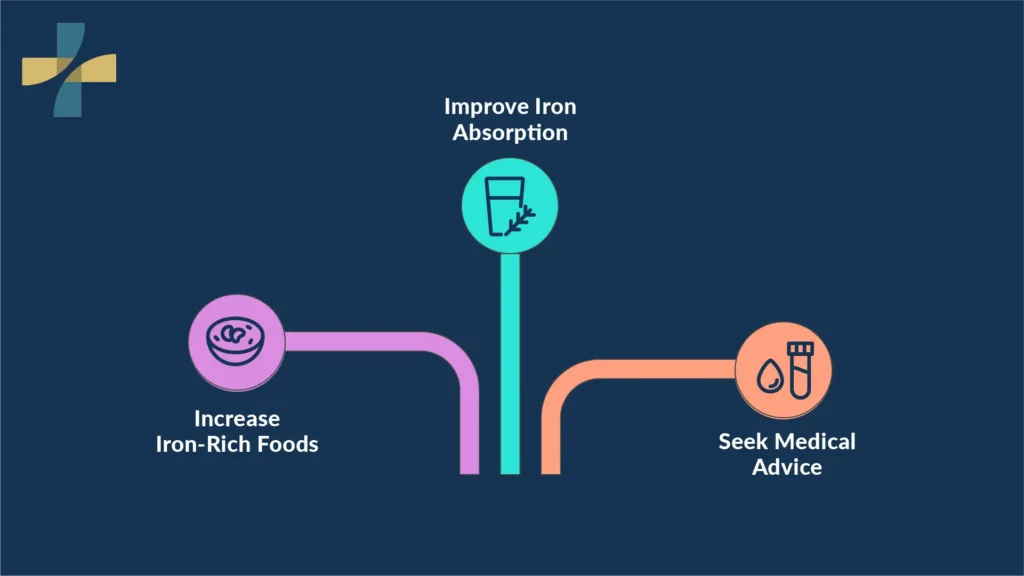
If you suspect your fatigue may be linked to low iron, NV Med Center can help confirm it with a simple blood test.
What Foods Are Highest in Iron?
The richest sources of iron generally fall into two categories: animal-based foods and plant-based foods. Red meat, organ meats, and shellfish tend to top the list, but certain vegetables, legumes, and fortified products come surprisingly close.
Iron content also depends on how well your body can actually use it, which is where the heme versus non-heme distinction becomes important.
Example Case: A 3-ounce serving of beef liver contains about 5 mg of iron, while a cup of cooked lentils offers roughly 6.6 mg. Both are excellent choices, but your body absorbs them differently.
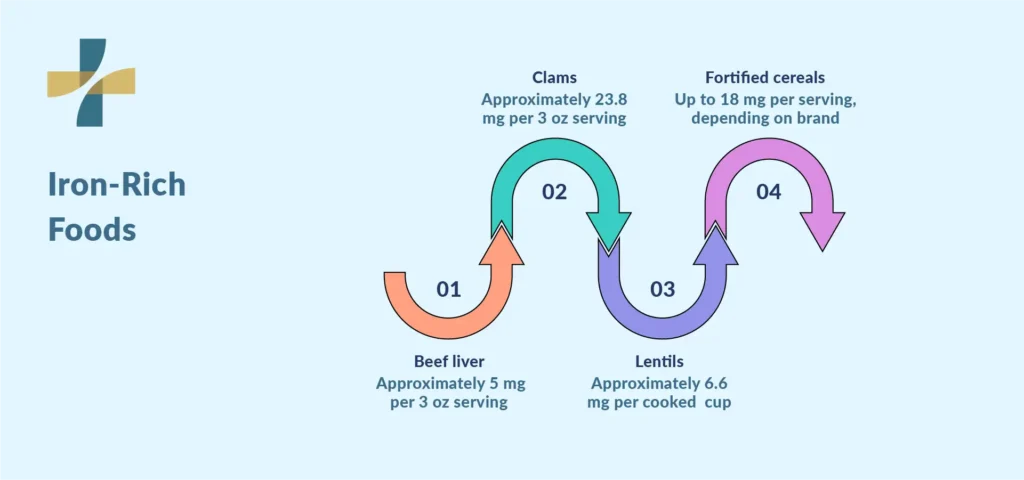
- Beef liver: approximately 5 mg per 3 oz serving
- Lentils: approximately 6.6 mg per cooked cup
- Clams: approximately 23.8 mg per 3 oz serving
- Fortified breakfast cereals: up to 18 mg per serving, depending on brand
Heme iron foods vs non-heme iron foods
Heme iron comes exclusively from animal products such as meat, poultry, and seafood. Your body absorbs heme iron much more efficiently, typically between 15 and 35 percent of what you consume.
Non-heme iron comes from plant sources like beans, nuts, seeds, and leafy greens. Absorption rates are lower, usually between 2 and 20 percent, and are heavily influenced by what else you eat at the same meal.
This does not mean plant-based eaters are at a disadvantage. It simply means pairing non-heme iron foods with the right nutrients matters more than counting milligrams alone. If you are a sedentary adult or an active adult trying to figure out how much protein do I need alongside your iron intake, focusing on the right food combinations will naturally improve your results.
Iron-Rich Foods List: Meat, Seafood, Beans, Greens, and Fortified Foods
Building an iron-rich foods list into your daily routine does not require a complete overhaul of your eating habits. A few strategic swaps and additions can make a meaningful difference over time. Below is a practical breakdown by food category to help you plan meals more easily.
Example Case: Someone trying to boost their iron intake might swap a plain bagel breakfast for fortified oatmeal topped with strawberries, then add a spinach salad with chickpeas at lunch.
- Meat and poultry: beef, lamb, chicken liver, turkey
- Seafood: clams, oysters, sardines, tuna
- Legumes: lentils, chickpeas, kidney beans, soybeans
- Leafy greens: spinach, Swiss chard, kale
- Fortified foods: breakfast cereals, enriched bread, pasta
- Nuts and seeds: pumpkin seeds, cashews, sesame seeds
How Vitamin C Helps Your Body Absorb Iron
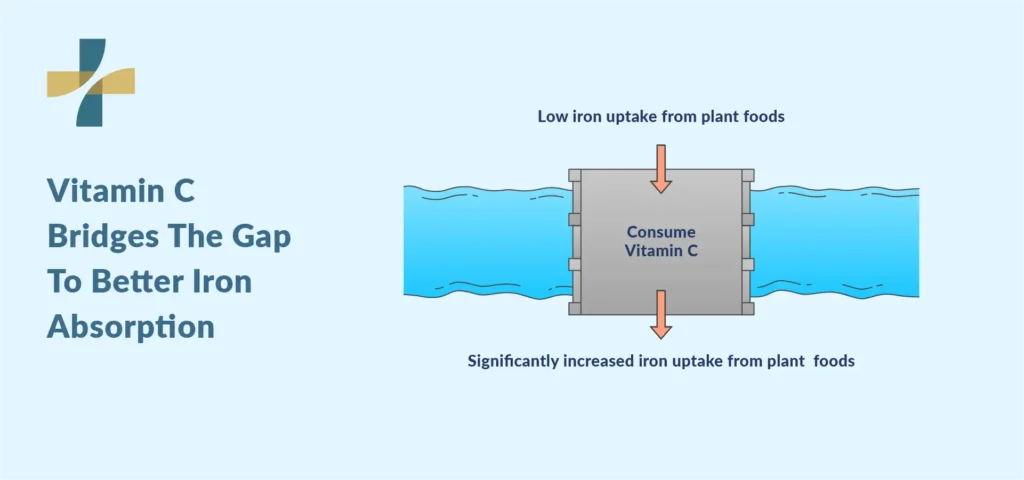
Vitamin C significantly improves how much non-heme iron your body can absorb from plant-based foods. Research shows that consuming vitamin C alongside iron-rich meals can increase absorption by up to three to four times.
This is especially important for vegetarians, vegans, and anyone relying heavily on plant sources of iron.
Example Case: A person eating a lentil soup can boost iron absorption simply by adding a squeeze of lemon juice or a side of bell peppers, both high in vitamin C.
- Citrus fruits: oranges, grapefruit, lemons
- Bell peppers: red and yellow varieties are especially high in vitamin C
- Tomatoes: fresh or cooked
- Strawberries and kiwi
It is worth noting that calcium, tea, and coffee can interfere with iron absorption when consumed in the same meal, so timing your beverages matters as much as pairing the right foods.
Foods High in Iron for Women, Vegetarians, and People With Low Iron
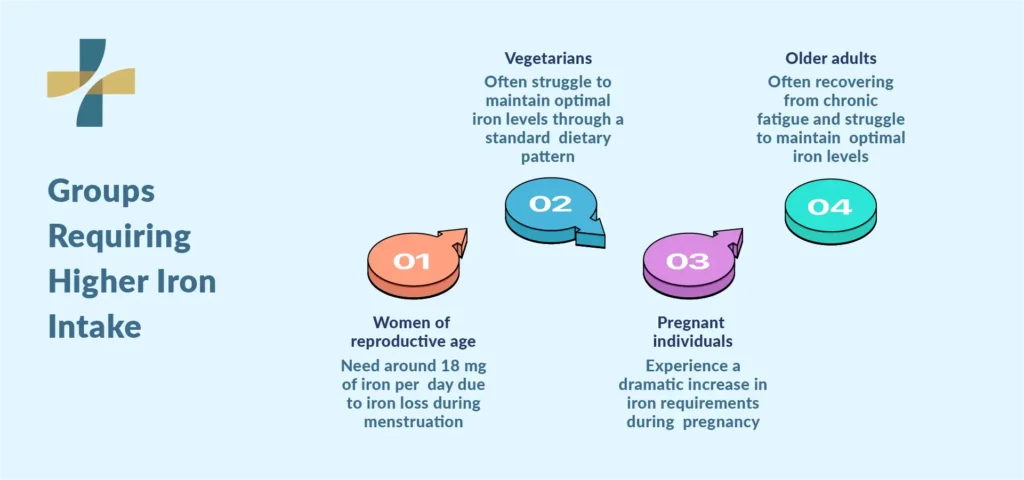
Women of reproductive age need significantly more iron than men, generally around 18 mg per day, due to iron loss during menstruation. Pregnancy also drives this requirement up dramatically, making a structured women’s preventive health screening an essential tool for tracking vital nutrient levels over time. Similarly, vegetarians and older adults recovering from chronic fatigue often struggle to maintain optimal iron levels through a standard dietary pattern.
When restructuring your meals to focus on foods high in iron, it is the perfect time to optimize your macro targets as well. For instance, knowing how much protein per day your body requires is essential for maintaining daily energy. If you are focused on weight loss, balancing an iron-rich foods list with a high protein diet can dramatically improve your satiety levels and protect your muscles.
If you want to map out exactly how much your body needs based on your daily activity, learning how much protein per day you need, ranging from the standard RDA protein baseline of 0.8 g/kg for a sedentary adult to higher ranges for an active adult, ensures you are covering all your nutritional bases for long-term muscle health.
When to Ask a Doctor About Iron Deficiency Symptoms
While tweaking your meals is a fantastic step, a change in diet alone isn’t always enough if your iron levels have already dropped significantly. Iron deficiency can sneak up on you, and its symptoms, like chronic fatigue, brittle nails, cold hands, dizziness, and shortness of breath, are easy to mistake for everyday stress.
If you have adjusted your food intake but still feel constantly drained, it is time to look deeper. Just as you would monitor your macros and evaluate if you are eating too much protein or too little, your micronutrients require professional eyes. Persistent fatigue is a clear sign that you should consult a medical professional and schedule an iron deficiency blood test to rule out anemia or other underlying systemic imbalances before they impact your daily health. A professional check ensures there is no kidney disease caution or metabolic issue causing your low energy.
How NV Med Center Can Help With Blood Tests and Nutrition Guidance
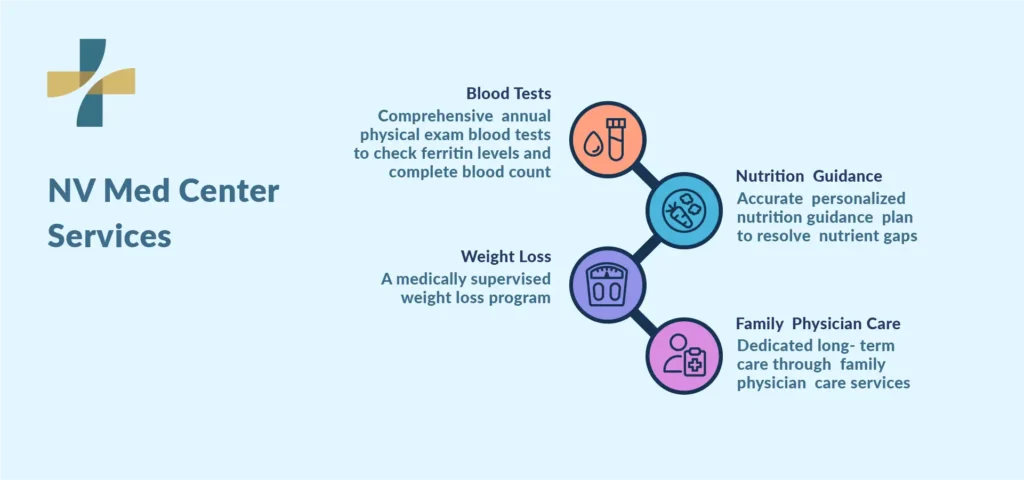
At NV Med Center, we believe that true wellness starts with accurate data, not guesswork. If you are experiencing unexplained exhaustion, getting a comprehensive annual physical exam blood tests is the most reliable way to check your ferritin (stored iron) levels and complete blood count.
Our team provides the perfect blend of medical oversight and lifestyle support. Whether you need an accurate personalized nutrition guidance plan to resolve nutrient gaps, a medically supervised weight loss program, or dedicated long-term care through our family physician care services, we are here to support your journey.
Ready to stop guessing and start feeling your best? You can easily book blood work review sessions with our clinic today to speak with a clinician and get a clear, medically sound roadmap for your health.
FAQs
What foods are highest in iron?
The highest sources of foods high in iron include organ meats (like beef liver), shellfish (such as clams and oysters), red meat, and fortified breakfast cereals. For plant-based options, lentils, chickpeas, pumpkin seeds, and spinach are among the top choices.
What is the difference between heme iron and non-heme iron foods?
Heme iron is found only in animal products and is highly bioavailable, meaning your body absorbs about 15% to 35% of it. Non-heme iron is found in plant foods and fortified products; it has a lower absorption rate (2% to 20%) and is highly sensitive to other nutrients eaten during the same meal.
What foods high in iron are good for vegetarians?
Vegetarians can get plenty of non-heme iron from an iron-rich foods list that includes legumes (lentils, black beans, kidney beans), tofu, tempeh, pumpkin seeds, cashews, quinoa, and fortified grains or oatmeal.
Does vitamin C help iron absorption?
Absolutely. Vitamin C chemically captures non-heme iron and stores it in a form that’s much easier for your small intestine to absorb. Pairing plant-based iron (like spinach) with Vitamin C (like bell peppers or a squeeze of lemon) can boost absorption by up to 300%.
Can foods high in iron treat iron deficiency anemia?
While eating iron-rich foods is crucial for preventing depletion and maintaining health, dietary changes alone are often not enough to treat severe clinical anemia. Once your iron stores (ferritin) are entirely depleted, a doctor will likely recommend a professional iron deficiency blood test and specific therapies to safely bring your levels back up.
When should I get a blood test for low iron symptoms?
You should consider getting a blood test if you experience persistent, unexplained fatigue, pale skin, frequent dizziness, cold hands and feet, or brittle nails. You can book blood work review options at a professional clinic to see exactly what your iron and ferritin levels look like so you can take targeted action.