Vitamin D Benefits: How Vitamin D Supports Your Health
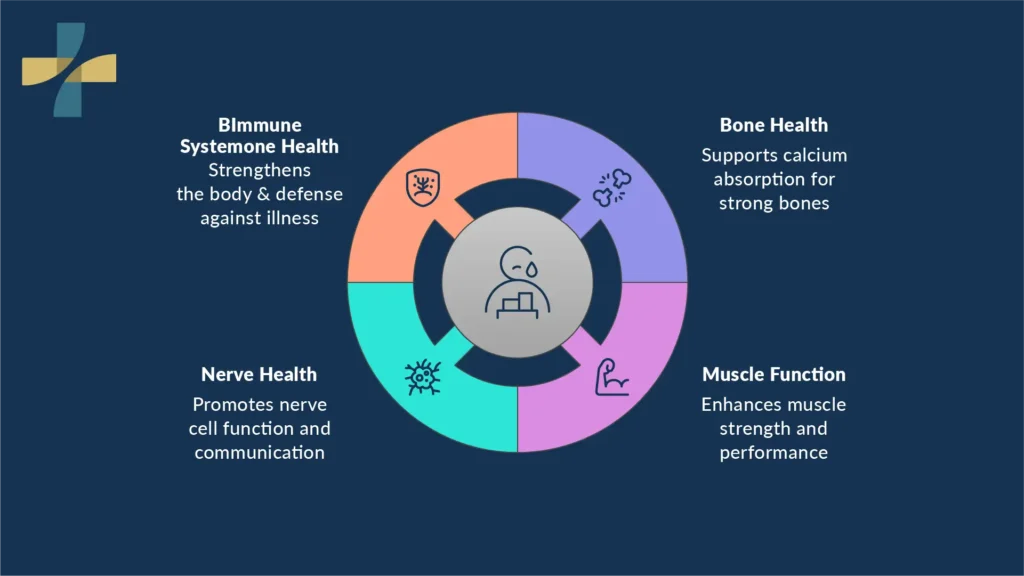
Feeling unusually tired, achy, or catching every cold that goes around? Low levels of calciferol (the active form of vitamin D) could be part of the picture. Understanding vitamin D benefits is one of the simplest ways to take control of your long-term health, since this single nutrient influences your bones, muscles, nerves, and immune system all at once. Despite its importance, vitamin D deficiency is remarkably common. Millions of people spend most of their day indoors, live in areas with limited sun exposure, or simply don’t get enough vitamin D through diet alone. The good news is that identifying a deficiency risk early and correcting it is straightforward once you know what to look for. Not sure where your levels stand? You can book a preventive health check or visit a Family Physician Care center to get full clarity on your essential nutrient levels. What Does Vitamin D Do for Your Body? Vitamin D, often called the “sunshine vitamin,” works more like a hormone than a typical nutrient. Your body naturally produces it when skin is exposed to sunlight, but you can also absorb it through fortified foods and supplements. Bone health, calcium absorption, muscles, nerves, and immune function The primary role of vitamin D for bone health lies in facilitating efficient calcium absorption. Without adequate vitamin D and calcium working together, your body cannot absorb these essential minerals properly, leading to weakened bone structure over time. Beyond supporting bone health, maintaining optimal vitamin D levels powers several critical functions: Muscle function and coordination significantly lower fall risks and support mobility in older adults. Proper nerve signaling and neuromuscular balance throughout the body. Immune health and immune function aid your body’s defense mechanism against seasonal infections and regulate inflammation. Protection against long-term bone density loss reduces the likelihood of developing osteoporosis. Example Case: A 55-year-old woman experiencing frequent muscle cramps and fatigue discovered through routine bloodwork that her vitamin D level was significantly below normal. After starting a supplement and increasing outdoor time, her energy and muscle symptoms improved within a few months. Low vitamin D is linked to reduced calcium absorption and weaker bones Adequate levels ensure robust immune function and faster recovery from seasonal illnesses. Vitamin D Deficiency Symptoms and Risk Factors Because vitamin D deficiency symptoms often develop gradually, many people live with low levels for years without realizing it. Recognizing early signs like persistent fatigue, bone pain, muscle weakness, mood swings, and frequent colds is key to preventing long-term damage. Certain groups face a significantly higher deficiency risk, including: Older adults, whose skin naturally becomes less efficient at producing vitamin D from sunlight. People with dark skin as higher melanin levels, require longer sun exposure to synthesize adequate amounts. Individuals living in northern climates, especially during the gloomy winter months. People with kidney disease, malabsorption issues, or obesity. Those who spend most of their days indoors or continuously wear high-SPF sunscreen. Clinical Reference: Research published in the Journal of Clinical Endocrinology & Metabolism highlights that nearly 1 in 4 adults suffer from inadequate vitamin D levels, with rates spiking dramatically during winter. If left untreated, severe chronic deficiency can lead to painful bone-softening conditions such as rickets in children or osteomalacia in adults. Best Vitamin D Sources: Sunlight, Foods, and Supplements Maintaining optimal levels usually requires a multi-faceted approach. Here are the three main vitamin D sources: Sunlight Spending 10 to 30 minutes in direct midday sunlight a few times a week stimulates your skin to produce natural vitamin D. However, season, latitude, skin tone, and sunscreen use can impact how much your body actually generates. Vitamin D foods While natural food options are somewhat limited, incorporating vitamin D foods into your regular diet is an excellent habit. Top sources include: Fatty fish (salmon, mackerel, sardines) Cod liver oil and egg yolks Fortified foods such as milk, plant-based dairy alternatives, orange juice, and cereals UV-exposed mushrooms and beef liver Vitamin D supplement options When sun exposure and food intake aren’t enough, taking a high-quality vitamin D supplement (particularly Vitamin D3) is the most consistent method to maintain ideal blood concentrations without exceeding safe upper limit boundaries to avoid toxicity. Example Case: A vegetarian office worker who rarely goes outdoors added a daily vitamin D3 supplement and fortified plant milk to her routine after her doctor flagged low levels, restoring her numbers to a healthy range within three months. Should You Get a Vitamin D Blood Test? The only accurate way to evaluate your overall nutrient standing is by getting a dedicated vitamin D blood test (the 25-hydroxyvitamin D test). Since symptoms like fatigue and muscle aches overlap with many other health conditions, guessing can lead to improper dosing or unaddressed underlying issues. Routine laboratory screenings are often integrated into an annual physical exam blood test routine, or included during women’s preventive health screening sessions. Checking your blood parameters allows your primary physician to recommend an exact dosage tailored to your unique baseline. Can Too Much Vitamin D Be Harmful? While maintaining adequate levels is vital, vitamin D is a fat-soluble vitamin, meaning excess amounts accumulate in the body rather than passing through urine. Extremely high intake from over-supplementation can push you past the safe upper limit, leading to toxicity (hypercalcemia). High blood calcium levels can cause nausea, frequent urination, kidney stones, and soft tissue calcification. It is also important to note potential medication interactions, as certain steroids, weight-loss drugs, and cholesterol-lowering medications can alter how your body processes vitamin D. Always consult a professional before starting high-dose supplements. How NV Med Center Can Help With Preventive Blood Tests At NV Med Center, we believe proactive care is the foundation of long-term wellness. Knowing your exact nutrient numbers takes the guesswork out of supplementation and helps prevent chronic bone or immune issues before they start. Whether you are looking to run targeted lab work or combine it with preventive blood tests for nutrients, our medical team provides clear results and personalized
Foods High in Iron: Best Iron-Rich Foods and How to Improve Absorption
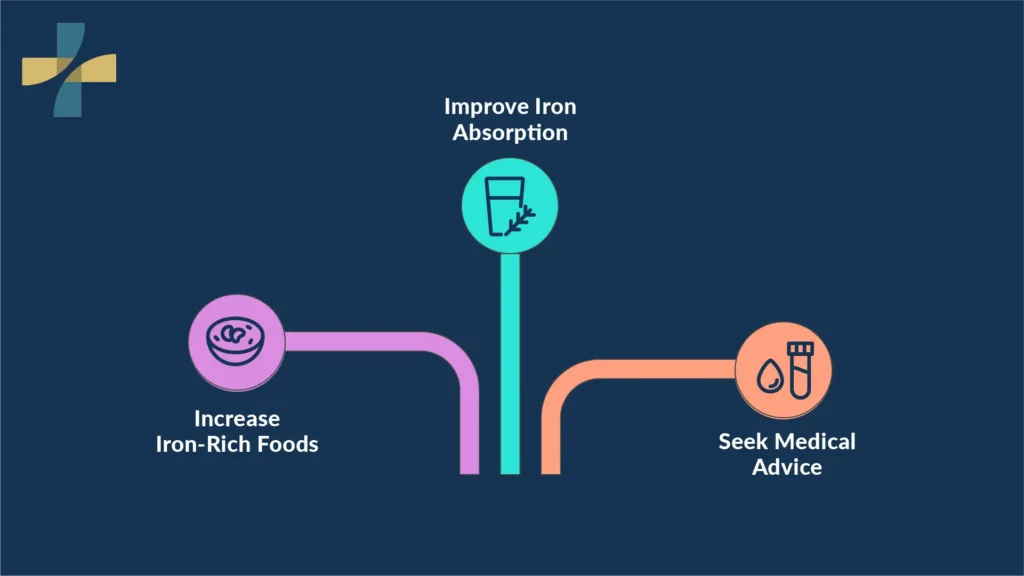
Feeling tired all the time, even after a full night’s sleep? Low energy, pale skin, or trouble concentrating can sometimes point to a simple but often overlooked cause: not getting enough iron in your diet. The good news is that foods high in iron are easy to find and easy to add to your daily meals once you know where to look. Iron plays a critical role in making hemoglobin, the protein in red blood cells that carries oxygen throughout your body. Without enough of it, your organs and muscles do not get the oxygen they need, which is why fatigue is one of the first warning signs. This article breaks down which foods contain the most iron, the difference between heme and non-heme iron, and how to help your body absorb it better. If you suspect your fatigue may be linked to low iron, NV Med Center can help confirm it with a simple blood test. What Foods Are Highest in Iron? The richest sources of iron generally fall into two categories: animal-based foods and plant-based foods. Red meat, organ meats, and shellfish tend to top the list, but certain vegetables, legumes, and fortified products come surprisingly close. Iron content also depends on how well your body can actually use it, which is where the heme versus non-heme distinction becomes important. Example Case: A 3-ounce serving of beef liver contains about 5 mg of iron, while a cup of cooked lentils offers roughly 6.6 mg. Both are excellent choices, but your body absorbs them differently. Beef liver: approximately 5 mg per 3 oz serving Lentils: approximately 6.6 mg per cooked cup Clams: approximately 23.8 mg per 3 oz serving Fortified breakfast cereals: up to 18 mg per serving, depending on brand Heme iron foods vs non-heme iron foods Heme iron comes exclusively from animal products such as meat, poultry, and seafood. Your body absorbs heme iron much more efficiently, typically between 15 and 35 percent of what you consume. Non-heme iron comes from plant sources like beans, nuts, seeds, and leafy greens. Absorption rates are lower, usually between 2 and 20 percent, and are heavily influenced by what else you eat at the same meal. This does not mean plant-based eaters are at a disadvantage. It simply means pairing non-heme iron foods with the right nutrients matters more than counting milligrams alone. If you are a sedentary adult or an active adult trying to figure out how much protein do I need alongside your iron intake, focusing on the right food combinations will naturally improve your results. Iron-Rich Foods List: Meat, Seafood, Beans, Greens, and Fortified Foods Building an iron-rich foods list into your daily routine does not require a complete overhaul of your eating habits. A few strategic swaps and additions can make a meaningful difference over time. Below is a practical breakdown by food category to help you plan meals more easily. Example Case: Someone trying to boost their iron intake might swap a plain bagel breakfast for fortified oatmeal topped with strawberries, then add a spinach salad with chickpeas at lunch. Meat and poultry: beef, lamb, chicken liver, turkey Seafood: clams, oysters, sardines, tuna Legumes: lentils, chickpeas, kidney beans, soybeans Leafy greens: spinach, Swiss chard, kale Fortified foods: breakfast cereals, enriched bread, pasta Nuts and seeds: pumpkin seeds, cashews, sesame seeds How Vitamin C Helps Your Body Absorb Iron Vitamin C significantly improves how much non-heme iron your body can absorb from plant-based foods. Research shows that consuming vitamin C alongside iron-rich meals can increase absorption by up to three to four times. This is especially important for vegetarians, vegans, and anyone relying heavily on plant sources of iron. Example Case: A person eating a lentil soup can boost iron absorption simply by adding a squeeze of lemon juice or a side of bell peppers, both high in vitamin C. Citrus fruits: oranges, grapefruit, lemons Bell peppers: red and yellow varieties are especially high in vitamin C Tomatoes: fresh or cooked Strawberries and kiwi It is worth noting that calcium, tea, and coffee can interfere with iron absorption when consumed in the same meal, so timing your beverages matters as much as pairing the right foods. Foods High in Iron for Women, Vegetarians, and People With Low Iron Women of reproductive age need significantly more iron than men, generally around 18 mg per day, due to iron loss during menstruation. Pregnancy also drives this requirement up dramatically, making a structured women’s preventive health screening an essential tool for tracking vital nutrient levels over time. Similarly, vegetarians and older adults recovering from chronic fatigue often struggle to maintain optimal iron levels through a standard dietary pattern. When restructuring your meals to focus on foods high in iron, it is the perfect time to optimize your macro targets as well. For instance, knowing how much protein per day your body requires is essential for maintaining daily energy. If you are focused on weight loss, balancing an iron-rich foods list with a high protein diet can dramatically improve your satiety levels and protect your muscles. If you want to map out exactly how much your body needs based on your daily activity, learning how much protein per day you need, ranging from the standard RDA protein baseline of 0.8 g/kg for a sedentary adult to higher ranges for an active adult, ensures you are covering all your nutritional bases for long-term muscle health. When to Ask a Doctor About Iron Deficiency Symptoms While tweaking your meals is a fantastic step, a change in diet alone isn’t always enough if your iron levels have already dropped significantly. Iron deficiency can sneak up on you, and its symptoms, like chronic fatigue, brittle nails, cold hands, dizziness, and shortness of breath, are easy to mistake for everyday stress. If you have adjusted your food intake but still feel constantly drained, it is time to look deeper. Just as you would monitor your macros and evaluate if you are
Lower Back Pain: Common Causes, Relief Options, and When to See a Doctor
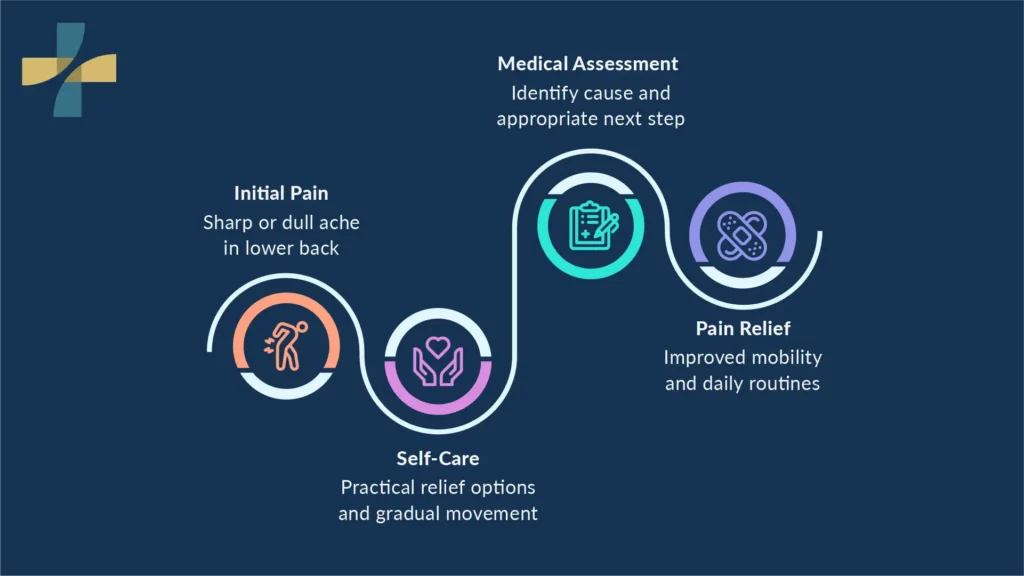
You bent down to pick up groceries, and suddenly a sharp pain shot through your lower back. Or maybe it is a dull ache that has been building for weeks, making simple activities like standing or sitting uncomfortable. Lower back pain is very common and can affect mobility, sleep, work, and daily routines. The World Health Organization (WHO) identifies low back pain as a leading cause of disability worldwide. Many cases improve over time with practical self-care and gradual movement. However, persistent, recurring, or unexplained pain may need medical assessment to help identify the appropriate next step. This guide explains common lower back pain causes, safe relief options, warning signs that need urgent attention, and when it may be helpful to see a doctor or physiotherapist. If your pain is persistent, recurring, unexplained, or affecting your daily routine, a back pain assessment can help identify the next appropriate step. What Causes Lower Back Pain? Lower back pain, also called lumbar pain, can have several possible causes. It may involve muscles, ligaments, joints, discs, nerves, or another health condition. In many cases, there is not one clear structural cause for the pain. The World Health Organization notes that most low back pain is considered non-specific, meaning a specific disease or structural problem cannot be identified. The lower part of the spine supports body weight and allows bending, twisting, and other everyday movements. This can make the area more likely to feel sore or injured after strain, repetitive activity, prolonged sitting, or sudden movement. Muscle Strain and Ligament Sprain A muscle strain or ligament sprain can happen after lifting, twisting, overuse, sports, or an awkward movement. These injuries may cause localized pain, stiffness, tenderness, or muscle spasms. Sudden lifting, twisting, injury, repetitive activity, and prolonged sitting can all contribute to back pain for some people. These factors are also recognised in HealthLink BC’s guidance on low back pain and movement. Common features may include: Pain mainly felt in the lower back Stiffness or muscle spasms Discomfort that changes with movement Symptoms that improve gradually with activity modification and time Poor Posture and Ergonomic Issues Long periods of sitting, standing, or working in one position may contribute to lower back discomfort. A poorly adjusted chair, desk, screen, or workstation can also make symptoms worse for some people. Rather than focusing on “perfect posture,” it is usually more helpful to change positions regularly, take short movement breaks, and adjust your workstation to suit your body and work tasks. Common features may include: A dull or aching feeling that builds during the day Stiffness after sitting or standing for long periods Relief after changing position or taking a short walk Neck or shoulder tension from prolonged desk work Herniated Disc and Sciatica Discs sit between the bones of the spine and help cushion movement. A disc may bulge or herniate, which can sometimes irritate or put pressure on a nearby nerve. Sciatica is a term used for pain that travels from the lower back or buttock into the leg. It may also involve tingling, numbness, or weakness, as outlined in HealthLink BC’s sciatica guide. Possible symptoms include: Sharp, burning, or electric-shock-like pain into the buttock or leg Tingling or numbness in the leg or foot Weakness in the leg or foot Pain that becomes worse with certain movements, sitting, coughing, or sneezing Not every disc change causes symptoms. A health care professional can assess whether nerve irritation may be contributing to your pain. Degenerative Conditions and Arthritis Age-related changes in the spine can include disc changes, arthritis in the spinal joints, or narrowing around the nerves. These changes may be associated with stiffness, reduced range of motion, or pain that varies with activity. However, imaging changes do not always explain a person’s symptoms. Some people have age-related changes on scans without back pain, while others have pain without a clear finding on imaging. A medical assessment considers your symptoms, movement, medical history, and any warning signs before deciding on the next step. Lower Back Pain Symptoms That Need Urgent Medical Care Most lower back pain is not caused by an emergency. However, certain symptoms may point to serious nerve problems, infection, fracture, cancer, or another condition that needs urgent assessment. Call 9-1-1 or seek emergency care now if you have: New loss of bladder or bowel control New difficulty passing urine Numbness around the groin, genitals, buttocks, or inner thighs Severe or rapidly worsening weakness in one or both legs Back pain after a major fall, vehicle collision, or other significant trauma Severe back pain with abdominal pain, fainting, or feeling very unwell Seek prompt medical assessment if you have: Fever, chills, or other signs of infection Unexplained weight loss A history of cancer with new or worsening back pain New or worsening numbness, tingling, or weakness in the legs Pain that is getting worse, not improving, or significantly limiting daily activities Severe one-sided back or side pain with urinary symptoms, vomiting, or fever These symptoms do not always mean there is a serious condition, but they should be assessed promptly. Lower Back Pain Relief: What Helps at Home? For uncomplicated lower back pain without the warning signs listed above, self-care may help reduce discomfort and support a gradual return to normal activity. Stay Active Within Your Limits Long periods of bed rest are usually not recommended for uncomplicated back pain. Gentle movement and a gradual return to everyday activity may help reduce stiffness and make it easier to stay mobile. Short walks, light daily tasks, swimming, or gentle yoga may be suitable for some people. Avoid activities that sharply increase your pain, including heavy lifting, twisting, or high-impact exercise. Apply Heat or Ice Some people find ice, heat, or a combination of both helpful for short-term relief. Use the option that feels more comfortable for your symptoms. Apply a wrapped ice pack or heating pad for short periods, with a cloth barrier to protect your skin. Do not fall asleep with a heating
Best Trigger Point Injection Clinics in Vancouver (2026) + How to Choose the Right Provider
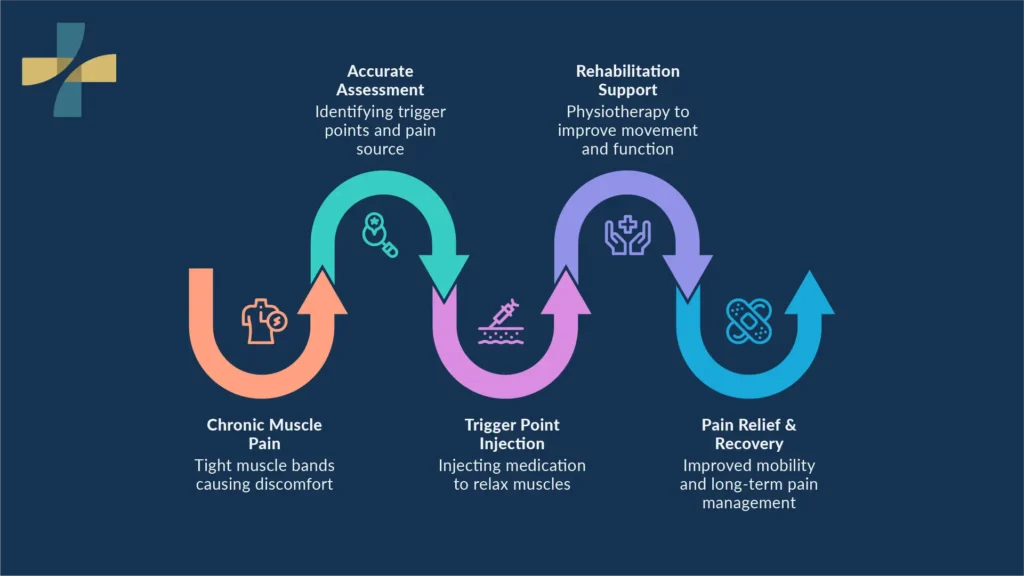
Choosing the best trigger point injection clinic in Vancouver involves more than finding a clinic that offers injections. The quality of the assessment, rehabilitation planning, and provider experience can influence not only treatment safety but also whether the underlying causes of persistent muscle tightness are properly addressed. Many patients in Vancouver and North Vancouver start researching trigger point injections after dealing with chronic neck stiffness, shoulder tension, upper back pain, or tension headaches that continue interfering with work, sleep, driving, exercise, or daily movement. Office workers often describe worsening discomfort after long hours at a desk. Tech professionals and commuters may experience chronic postural strain from prolonged sitting and screen use. Some patients seek treatment after ICBC-related injuries or repetitive gym-related muscle overload. The challenge is that not every clinic approaches trigger point injections the same way. Some clinics focus primarily on symptom relief, while others combine injections with movement assessment, physiotherapy coordination services, rehabilitation planning, and follow-up care designed to address why muscular pain developed in the first place. This matters because chronic muscle pain is rarely caused by a single issue alone. Ongoing myofascial discomfort may involve posture, movement mechanics, workstation setup, muscle imbalance, mobility restrictions, stress-related guarding, or compensation after previous injuries. The best trigger point injection clinics in Vancouver prioritize detailed assessment, rehabilitation integration, provider experience, and long-term recovery planning rather than offering injections alone. This guide explains how patients can evaluate trigger point injection clinics in Vancouver, what qualifications and treatment approaches matter most, what to expect during recovery, and why rehabilitation support often plays a major role in long-term outcomes. How to Choose the Best Trigger Point Injection Clinic in Vancouver The best trigger point injection clinics usually prioritize assessment quality, rehabilitation planning, provider qualifications, and long-term recovery support rather than treating injections as a quick, standalone procedure. This is one of the biggest differences between high-quality musculoskeletal care and injection-only treatment models. Patients dealing with chronic tension patterns often benefit most from clinics that evaluate: why pain keeps returning whether trigger point injections are appropriate whether physiotherapy or rehabilitation may also help how posture and movement patterns contribute to symptoms whether additional medical evaluation may be needed For example, a patient with chronic trapezius tightness may temporarily improve after massage therapy or injections, but symptoms may continue recurring if workstation ergonomics, neck mobility restrictions, shoulder mechanics, and muscle endurance are never addressed. Providers often see patients whose symptoms temporarily improve after massage therapy or stretching, but return within weeks once desk work, commuting, or gym activity resumes because underlying movement restrictions and muscle endurance deficits were never addressed. What Often Separates a Strong Vancouver TPI Clinic From a Generic Injection Clinic What to Look For Why It Matters Full musculoskeletal assessment Helps identify contributing factors behind recurring pain Licensed physicians or qualified medical providers with musculoskeletal assessment and injection experience Improves safety, screening, and treatment planning Differential diagnosis screening Helps rule out conditions that may require other care Rehabilitation integration Supports long-term recovery instead of short-term symptom relief Physiotherapy coordination Helps improve mobility, posture, and movement control Clear safety protocols Reduces avoidable complications Follow-up reassessment Helps monitor progress and treatment response Realistic treatment planning Avoids “quick fix” expectations Transparent consultation process Helps patients make informed decisions The best trigger point injection clinics in Vancouver usually explain not only what injections may help with, but also: when injections may not be appropriate when rehabilitation matters more why symptoms may return what long-term recovery may involve how movement retraining supports recovery Patients searching for long-term muscle pain relief often prefer clinics that combine medical treatment with rehabilitation because persistent muscular pain frequently involves workplace strain, posture issues, repetitive movement, mobility deficits, or chronic compensation patterns. Questions to Ask During a Trigger Point Injection Consultation Patients comparing Vancouver trigger point injection clinics may benefit from asking: What type of assessment is performed before injections? Who performs the injections, and what are their qualifications? How do you determine whether TPI is appropriate? Do you screen for other causes of pain before treatment? Is physiotherapy or rehabilitation recommended afterward? How do you evaluate recurring tension patterns? What happens if symptoms return after treatment? Do you coordinate care between medical providers and physiotherapy teams? What recovery expectations should patients realistically expect? These questions often help patients identify whether a clinic focuses on long-term musculoskeletal care or only short-term symptom management. Best Trigger Point Injection Clinic Checklist Before booking a consultation, patients may want to look for clinics that provide: detailed movement and posture assessment licensed providers experienced in musculoskeletal pain evidence-informed treatment planning rehabilitation and physiotherapy integration follow-up reassessment individualized recovery planning realistic discussions about treatment limitations clear explanation of risks and aftercare coordinated care for chronic or recurring pain conditions Patients with recurring neck pain, shoulder tightness, or myofascial pain often benefit from clinics that evaluate the entire movement system instead of focusing only on painful trigger points. What Are Trigger Point Injections? Trigger point injections are used to treat painful muscle knots, also called trigger points, that may develop from repetitive strain, poor posture, overuse, injury, or chronic muscular tension. The treatment involves injecting an anesthetic, saline, or another solution into tight muscle bands to help reduce pain, decrease muscular tension, and improve movement tolerance. Trigger points may contribute to: neck stiffness shoulder pain tension headaches upper back tightness lower back muscular pain restricted movement referred pain into nearby areas According to HealthLinkBC, myofascial pain syndrome may be treated with approaches such as physiotherapy, exercise, stretching, massage therapy, and trigger-point injections, depending on the patient’s condition and contributing factors. However, the best clinics generally avoid presenting trigger point injections as a permanent solution for chronic pain. Outcomes vary depending on: symptom duration rehabilitation participation workplace strain posture mobility limitations activity levels movement mechanics underlying medical conditions When comparing clinics in Vancouver, patients should ask whether trigger point injections are being recommended as part
First Trigger Point Injection in Vancouver: Consent, Aftercare & Driving Guidelines
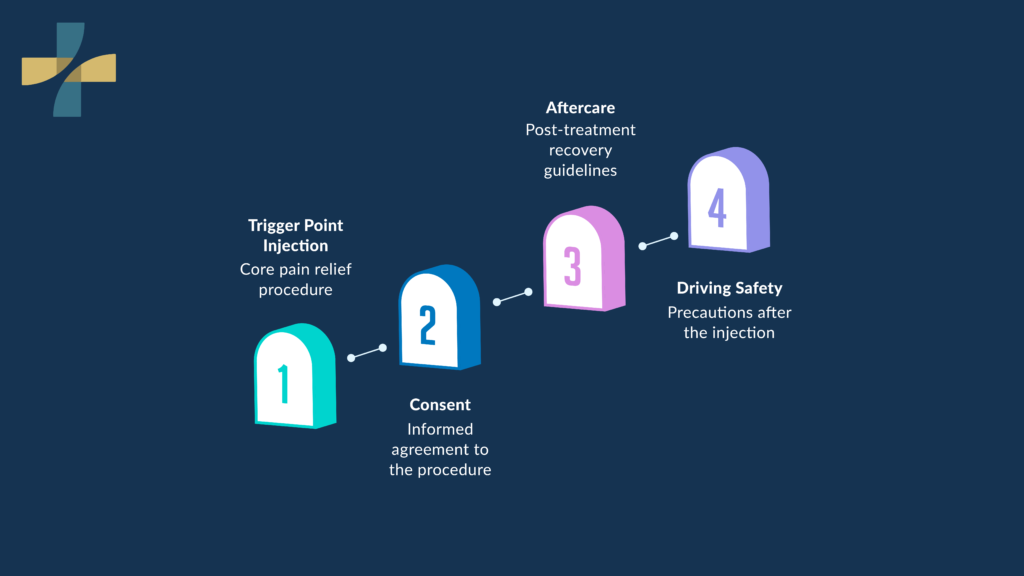
If you are preparing for your first trigger point injection appointment in Vancouver, you may feel unsure about the procedure, side effects, and recovery. Many patients ask the same questions about safety, consent, and what happens after treatment. With more people seeking non-surgical pain relief options, treatments like trigger point injections are becoming more common in Vancouver clinics. This guide explains what to expect from trigger point injection, including preparation, the consent process, aftercare, and driving safety. It provides clear steps so you can attend your appointment with confidence and plan your recovery properly. What Should You Expect At Your First Trigger Point Injection Appointment In Vancouver? A first trigger point injection appointment in Vancouver involves a short assessment, identification of muscle knots, and a targeted injection using a local anesthetic. The procedure is quick, often under 30 minutes, followed by simple aftercare and movement guidance. During your visit, a clinician reviews your symptoms and confirms areas of myofascial pain. Trigger points are located through physical examination, often by pressing on tight muscle bands. Evidence-based sources such as StatPearls: Trigger Point Injections describe this procedure as a targeted treatment that is widely used for muscle pain and performed with a strong safety profile when done correctly. Before the injection Review of symptoms and pain history Medication and allergy check Identification of trigger points through palpation During the injection A local anesthetic injection is placed into the muscle knot You may feel a brief twitch or pressure Each injection takes a few seconds After the procedure You remain for short observation Light movement is encouraged Initial pain relief planning begins Example: A patient with shoulder tension may receive injections into the trapezius muscle and then be advised to gently move the shoulder to improve range. How Do You Prepare For A Trigger Point Injection Safely? To prepare for a trigger point injection, stay hydrated, eat a light meal, review medications, and avoid intense activity before your visit. Proper muscle knot injection preparation helps reduce discomfort and supports smoother recovery. Preparation checklist Use this simple checklist to get ready for your appointment and support a smoother procedure. Step What to Do Hydration Drink water before the appointment Food Eat a light meal Clothing Wear loose, accessible clothing Activity Avoid heavy workouts Medication and health considerations Before your appointment, tell your provider about any medications you are taking, especially blood thinners, as they may affect bleeding risk. You should also mention any allergies to anesthetics and share any existing health conditions so your treatment can be planned safely. What to avoid Avoid alcohol for at least 24 hours before your injection, as it can increase sensitivity and affect recovery. Do not skip meals, since low blood sugar may make you feel unwell during the procedure. Heavy exercise should also be avoided to prevent muscle irritation before treatment. How to reduce anxiety before injection Understanding each step of the procedure can help reduce anxiety before injection. Simple breathing techniques can help you stay calm during the appointment. You can also ask questions during your visit so you feel more informed and prepared. If this is your first time visiting a clinic, understanding what happens during an appointment can help reduce stress. You can review what to expect during your first family doctor visit. Do You Need To Sign A Consent Form For A Trigger Point Injection? Yes, you must sign a trigger point injection consent form before treatment. Informed consent explains the procedure, expected benefits, possible side effects, and rare risks so you can make a clear and safe decision. Consent is a standard part of medical care. It protects both the patient and provider by confirming that you understand the procedure. What informed consent includes Description of the injection process Expected benefits Complication risk explanation Common risks explained simply These are the most common and rare risks explained in simple terms, so you know what to expect before treatment. Risk Frequency Notes Soreness Common Temporary Bruising Occasional Mild Infection Rare Prevented with sterile technique Bleeding Rare Higher risk with blood thinners Guidance from MedlinePlus on Injections notes that injection-related risks, such as infection or bleeding, are uncommon when proper medical protocols are followed. Why consent matters Consent matters because it confirms that you understand the procedure, its benefits, and possible risks before treatment begins. It supports shared decision-making between you and your provider, allowing you to take an active role in your care. It also allows you to ask questions so you feel informed and comfortable before proceeding. Before signing your consent form, it helps to prepare a few questions so you fully understand the procedure. You can also use a list of questions to ask your doctor to make sure you feel confident before treatment. What Does A Trigger Point Injection Feel Like During The Procedure? A trigger point injection feels like a quick pinch followed by pressure or a brief muscle twitch. Most patients tolerate it well, and discomfort lasts only a few seconds at each injection site. The sensation is often described as mild. The needle targets tight muscle bands, which may cause a twitch response. Common sensations Quick needle entry Pressure in the muscle Brief twitch How long does discomfort last Seconds during injection Mild soreness after Example: A patient receiving neck injections may feel a short twitch, followed by relief in muscle tension within minutes. What Is Normal After A Trigger Point Injection And What Are Side Effects? Normal trigger point injection side effects include mild soreness, stiffness, or bruising at the injection site. These symptoms are expected and usually improve within a few days as the muscle relaxes. Research such as the Trigger Point Injections Systematic Review shows that trigger point injections are generally safe for managing musculoskeletal pain, especially when combined with movement and therapy. Understanding normal vs concerning symptoms helps reduce
Pediatrician vs Family Doctor: Key Differences & When to Choose Each (Vancouver Guide)
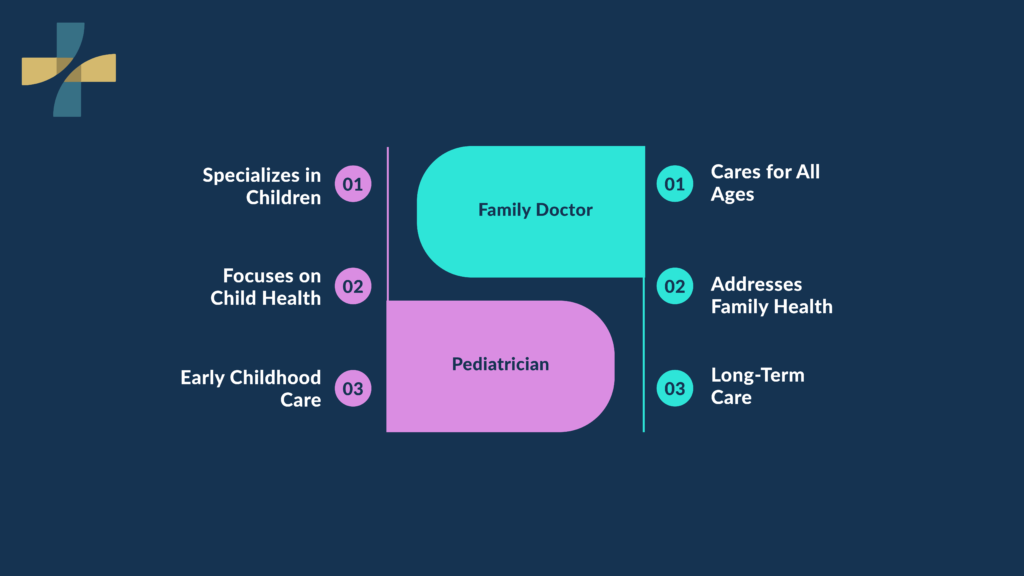
Parents often feel unsure when choosing between a pediatrician vs family doctor. Both can care for children, but they serve different roles. The right choice depends on your child’s age, health needs, and your long-term care goals. Recent guidance from the Canadian Paediatric Society highlights that early childhood care plays a key role in development, preventive care, and long-term health outcomes. This makes choosing the best doctor for your child an important early decision. This guide explains the difference between providers, when to see a pediatrician, and how the BC healthcare system works. You will also find real-life examples to help you decide with confidence. What Is The Difference Between A Pediatrician Vs Family Doctor? A pediatrician is a child health specialist focused on infants, children, and teens, while a family doctor is a primary care provider who treats patients of all ages. The best choice depends on your child’s needs, your family setup, and long-term care preferences. What does a pediatrician do? A pediatrician focuses only on children. Their training centres on child development, preventive care, and managing pediatric-specific conditions. They typically provide: Monitoring of growth and developmental milestones Vaccination management based on age-specific schedules Diagnosis and care for chronic pediatric conditions Behavioural and developmental assessments Pediatricians act as child health specialists. They are trained to spot early signs of developmental delay and manage complex childhood conditions. What does a family doctor do? A family doctor provides primary care for children and adults. They treat a wide range of conditions across all life stages. They typically provide: Routine checkups and preventive care Treatment for common illnesses and injuries Ongoing care for families Basic child development monitoring Family doctor for child care works well for healthy children who need general care and routine follow-ups. Pediatrician vs family doctor training and expertise Area Pediatrician Family Doctor Focus Children only All ages Training Child development and pediatric conditions Broad medical training across age groups Care Type Specialised General primary care Role Child specialist General practitioner A child specialist vs general practitioner comparison shows that pediatricians focus deeper on children, while family doctors cover broader needs. When Should You See A Pediatrician For Your Child? You should see a pediatrician when your child needs specialised care related to growth, development, or complex conditions. Pediatricians are best for newborns, developmental concerns, and chronic pediatric conditions that require focused expertise. Scenario 1: Pediatrician for newborn care Newborns need frequent medical visits in their first year. A pediatrician tracks feeding, weight gain, and early development. Example: A newborn with feeding issues or slow weight gain benefits from a pediatrician’s close monitoring. Scenario 2: Developmental or behavioural concerns Pediatricians are trained to assess delays in speech, learning, or behaviour. Common concerns include: Speech delay Autism screening ADHD symptoms Early intervention improves outcomes. A 2024 study from London Health Sciences Centre Research Institute followed 449 young patients and found that early, personalised care improved functioning, reduced symptoms, and increased quality of life over one to two years. Scenario 3: Chronic or complex pediatric conditions Children with long-term conditions need specialist care. Examples include: Asthma Diabetes Congenital conditions Pediatricians coordinate care with specialists and manage long-term treatment plans. Scenario 4: Preventive care and vaccination management Pediatricians follow structured schedules for immunisations and preventive care. They monitor: Growth trends Nutritional status Developmental milestones When Is A Family Doctor The Right Choice For Child Care? A family doctor is the right choice for general child care and long-term family care. They treat common illnesses, provide preventive care, and manage health across all ages. This makes them a practical option for families who want one provider. Scenario 1: Routine checkups and common illnesses Family doctors treat everyday health issues. Examples include: Colds and flu Minor injuries Routine physical exams Scenario 2: Family-wide healthcare needs A single provider for the whole family reduces the need for multiple clinics. Benefits include: Fewer appointments across locations Consistent medical history tracking Convenience for parents Scenario 3: Long-term child healthcare planning Family doctors support long-term care across life stages. They provide: Preventive care Ongoing monitoring Continuity into adulthood Scenario 4: Teen and young adult care Older children may prefer a more mature setting. Family doctors support: Mental health discussions Lifestyle and preventive care Independent health decisions Do You Need A Pediatric Referral In Vancouver, and How Does It Work? In the BC healthcare system, most pediatricians require a referral from a primary care provider. This process helps prioritise children based on medical need and ensures access to specialist care when advanced assessment or treatment is required. How the referral process works Visit a family doctor or walk-in clinic The doctor evaluates your child Referral is sent to a pediatrician Appointment is scheduled When a pediatric referral to Vancouver is needed Referrals are common for: Developmental delays Chronic pediatric conditions Specialist assessment Can you see a pediatrician without a referral? Some private clinics allow direct booking. However, most specialist care in the BC healthcare system follows the referral process. Which Doctor Is Better For Your Child’s Long-Term Care? The best doctor for your child depends on their health needs and your family’s goals. Pediatricians provide specialised care for children, while family doctors offer continuity across life stages. Both support long-term child healthcare planning. Health needs Complex conditions → pediatrician General health → family doctor Family preference One provider → family doctor Specialised care → pediatrician Care goals Preventive care focus → both options Long-term continuity → family doctor Specialist expertise → pediatrician How Do Real-Life Situations Help You Choose Between A Pediatrician Vs Family Doctor? Real-life scenarios help parents decide faster. A pediatrician is often better for specialised needs, while a family doctor works well for routine care and convenience across the family. Scenario comparison Newborn with feeding concerns → pediatrician Healthy school-age child → family doctor
First Pediatric Appointment in Vancouver: What to Bring, Vaccines & MSP Insurance Guide
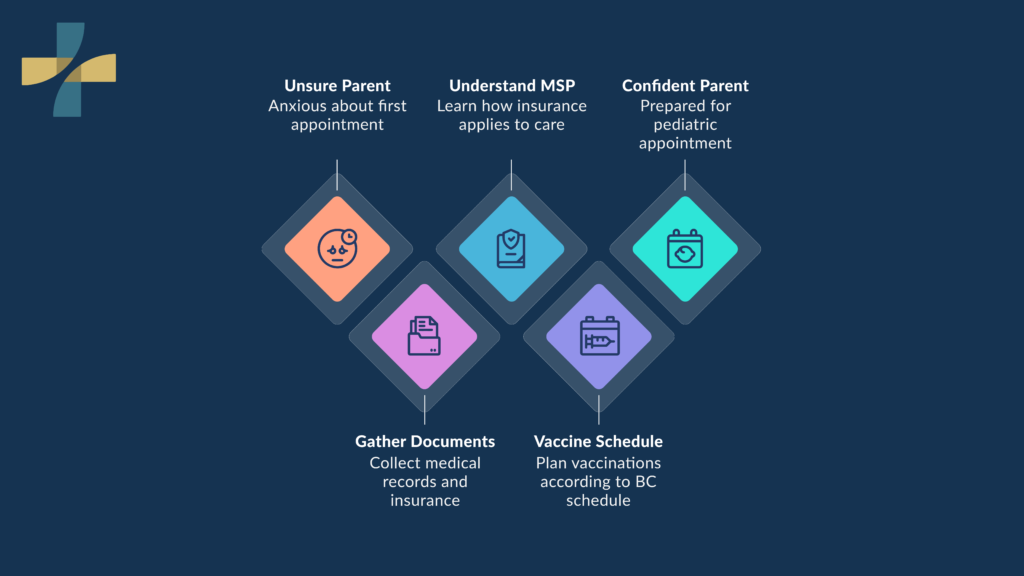
Parents preparing for a first pediatric appointment in Vancouver often feel unsure about what to expect, what documents to bring, and how MSP insurance works. Recent guidance from the Canadian Paediatric Society shows that early visits play a key role in tracking growth, development, and vaccine timing. According to the Public Health Agency of Canada, about 92% of children in Canada receive key vaccines like measles and polio by age two, showing strong trust in early pediatric care and vaccination planning. This highlights why early visits play an important role in keeping your child on track. This guide explains the full process in clear steps. You will learn what to bring, how the pediatric consultation process works, how MSP insurance applies, and how vaccines are planned under the child vaccination schedule BC. The goal is to help you prepare, reduce parent anxiety, and move forward with confidence. What Happens At A First Pediatric Appointment In Vancouver? A first pediatric appointment in Vancouver is a structured medical visit where a doctor reviews your child’s history, checks growth, and assesses development. The visit usually lasts 30 to 45 minutes and includes a full physical exam and discussion of next steps. During the pediatric consultation process, the doctor focuses on both medical and developmental factors. This ensures early identification of concerns and supports long-term child health planning. What the pediatric consultation process includes Review of medical history form Growth assessment, including weight, height, and head size Developmental milestones check Full physical examination Review of vaccination record Example scenario: A parent brings a 6-month-old infant for the baby’s first doctor appointment. The pediatrician reviews feeding patterns, sleep habits, and early motor skills such as rolling or sitting. This helps confirm development is on track. How long is the first pediatric visit Visit Type Duration Standard pediatric visit 30 to 45 minutes Developmental consultation 45+ minutes What Should You Bring To Your Child’s First Pediatric Appointment? The best way to prepare is to bring a complete pediatric appointment checklist that includes your BC health card, immunisation records, and medical history. These documents allow the pediatrician to make accurate decisions during the visit. Missing key documents can delay care or require follow-up visits. Preparing in advance helps the appointment run smoothly. Complete pediatric appointment checklist BC health card or MSP insurance details BC immunisation record or vaccination record List of medications and allergies Birth history and hospital discharge summary Previous test results or specialist reports Completed medical history form Consent forms, if required Why each document matters Document Purpose BC health card Confirms MSP insurance eligibility Immunisation record Tracks the child vaccination schedule BC Medical records Prevents repeated testing Consent forms Allows treatment or data sharing Example scenario: A parent forgets the vaccination record. The pediatrician cannot confirm vaccine timing, so follow-up is required. Bringing all documents avoids this delay. Is MSP Coverage Required For A Pediatric Visit In Vancouver? MSP insurance covers most medically necessary pediatric visits in Vancouver, including consultations, exams, and follow-ups. A valid BC health card is required, and some non-medical services may involve additional fees. This system helps families access essential care without direct payment for standard visits. What MSP pediatric visit coverage includes General pediatric consultations Growth and developmental assessments Medical evaluations and follow-ups What MSP may not cover School or camp forms Medical letters Administrative reports Example scenario: A parent requests a detailed school form during the visit. This may not fall under MSP pediatric visit coverage and could require a separate fee. Learn more about MSP pediatric visit coverage and eligibility through the Medical Services Plan (MSP) Overview. What Vaccines Are Discussed At The First Pediatric Visit In BC? A pediatrician reviews your child’s vaccination record and aligns it with the child’s vaccination schedule BC. This ensures your child receives the right vaccines at the right time and catches up if any doses were missed. Vaccines protect against common diseases and support long-term health. Overview of child vaccination schedule BC Age Common Vaccines Birth Hepatitis B 2 months DTaP, Polio, Rotavirus 4 months Booster doses 6 months Additional boosters 12 months MMR, Varicella What the pediatrician checks Accuracy of vaccination record Missed or delayed doses Future vaccine schedule Example scenario A child misses a 4-month vaccine due to illness. The pediatrician creates a catch-up plan to keep immunisation on track. You can review your child’s vaccine timing and requirements in the BC Immunisation Schedule to stay aligned with recommended guidelines. How Can You Prepare Your Child For Their First Pediatric Appointment? To prepare for a baby’s first doctor appointment, keep explanations simple, stay calm, and bring comfort items. Children respond to their environment, so a relaxed parent helps reduce stress during the visit. Preparation improves cooperation and helps the doctor complete the assessment efficiently. Simple ways to prepare your child Explain the visit using simple words Bring a favourite toy or blanket Schedule the visit around nap time Do and don’t guidance Do: Stay calm and positive Keep explanations short Don’t: Use fear-based language Over-explain medical steps Example scenario: A calm parent helps their child stay relaxed during the exam. This allows the pediatrician to complete the growth assessment without difficulty. What If Your Child Cries Or Feels Nervous During The Visit? Crying or anxiety during a pediatric visit is normal. Pediatricians are trained to manage these reactions and still complete accurate assessments. Understanding this helps reduce parent anxiety and allows you to focus on your child’s care. Why do children react this way New environment Unfamiliar people Sensory discomfort How pediatricians manage it Use simple and calm communication Perform quick, focused exams Involve parents during the process Example scenario: An infant cries during the exam but remains responsive. The pediatrician still completes the evaluation without affecting the results. Do You Need A Referral To See A Pediatrician In
First Pain Clinic Appointment in Vancouver: What to Bring, Insurance (ICBC) & What to Expect
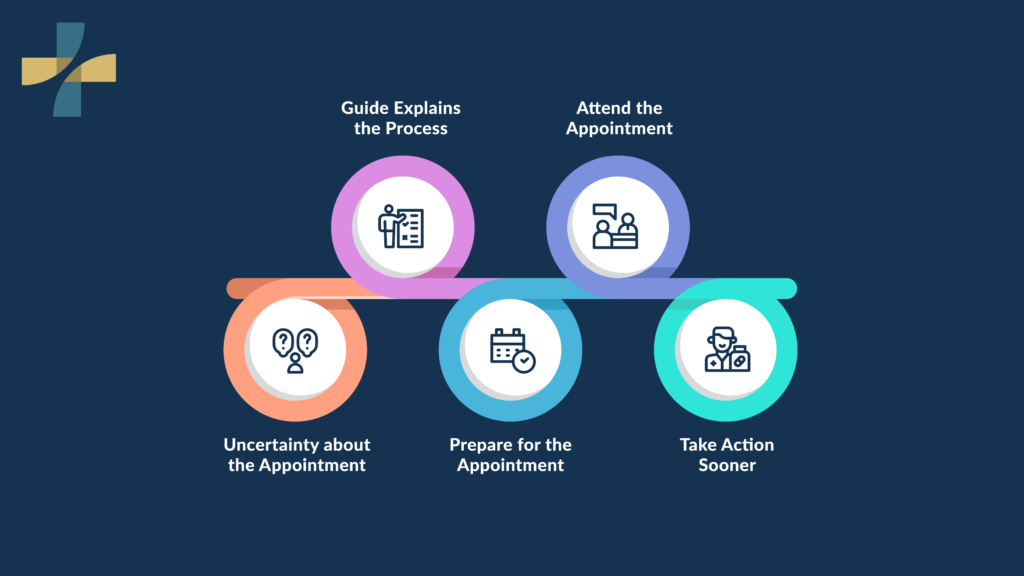
A first pain clinic appointment in Vancouver that many patients attend can feel uncertain. Many people are unsure what to bring, how the visit works, and whether ICBC insurance applies. These questions often delay care. This guide explains the full process in clear steps. You will learn what to bring to a pain clinic appointment, how the consultation works, and what happens next. The goal is to help you prepare for a medical visit with confidence and take action sooner. What Happens at Your First Pain Clinic Appointment in Vancouver? A first pain clinic appointment in Vancouver is a structured consultation that reviews your medical history, symptoms, and functional limits. The clinic uses this information to complete a chronic pain evaluation process and build a treatment plan that matches your condition and goals. Step 1: Check-in and paperwork The visit starts with registration and forms. You will provide ID, insurance coverage details, and your ICBC claim number if your injury is from a motor vehicle accident. You will complete: Consent forms Pain assessment questionnaire Intake health forms These forms help the clinic understand your condition before the assessment begins. Step 2: Medical history and symptom review The provider will review your full medical history for pain specialist evaluation. This includes past injuries, surgeries, and treatments. You will discuss: Current symptoms and pain levels Medication list, including over-the-counter drugs Previous treatments and results A clear history helps identify patterns and possible causes of pain. Step 3: Physical exam and functional assessment The provider will assess movement, posture, and pain triggers. This is part of a structured pain management consultation process. The exam may include: Range of motion testing Strength and flexibility checks Identification of functional limitations The goal is to understand how pain affects daily activity. Step 4: Diagnosis and treatment planning After the evaluation, the provider explains findings and outlines a plan. This helps you understand treatment options and expected progress. The plan may include: Therapy or rehabilitation: Targeted treatments such as physiotherapy, massage therapy, or guided movement exercises to improve mobility and reduce pain over time Lifestyle changes: Simple adjustments like posture correction, activity modification, sleep habits, or daily routines that support recovery and prevent flare-ups Pain management strategies: Non-invasive options such as stretching programs, heat or cold therapy, and education on how to manage symptoms at home Further testing (if needed): Requests for updated imaging reports or additional assessments to better understand the source of pain Follow-up visits: Scheduled appointments to monitor progress, adjust treatment, and track improvements You will leave with a clear direction for care, including next steps and what to expect moving forward. Chronic pain affects many adults and often requires structured care. The Canadian Pain Task Force reports that about one in five Canadians lives with chronic pain, making it one of the most common long-term health concerns in the country. This is why a clear pain management consultation process matters. It helps identify the cause of pain and supports a more focused treatment plan from the start. What Should You Bring to Your First Pain Clinic Appointment? To prepare for a pain clinic appointment, bring key documents that support accurate diagnosis and faster care planning. For an ICBC pain clinic visit, include your ICBC claim number and related paperwork so the clinic can coordinate your insurance coverage and treatment. Essential checklist Bring the following documents for a pain clinic appointment: Government-issued ID Insurance coverage details ICBC claim number (if applicable) Medication list Imaging reports such as X-ray, MRI, or CT scans Referral for pain clinic Vancouver (if required) Medical records Helpful but optional items These items improve the quality of your assessment: Symptom diary showing pain patterns Notes on functional limitations Questions about your condition or treatment When a patient brings complete records and a simple symptom diary, the provider can spot patterns faster and move straight into planning care. If documents are missing, the clinic may need to request records first, which can slow down diagnosis and delay treatment. Do You Need a Referral for a Pain Clinic in Vancouver? A referral for a pain clinic in Vancouver is often required for public clinics, while some private clinics allow direct booking. Checking referral requirements early helps you schedule a pain assessment at NV Med without delays. Referral pathways Family doctor referral Specialist referral Direct booking at private clinics Impact on access Type of Clinic Referral Needed Wait Time Public clinic Yes Longer Private clinic Sometimes Shorter Patients who book directly often access care faster. How does ICBC Insurance Work for a Pain Clinic Visit? An ICBC pain clinic visit may be covered if your injury is linked to a motor vehicle accident. You need an active ICBC claim number, and approval depends on your treatment plan and claim status. Clinics may also help coordinate documents to support your insurance coverage. What ICBC typically covers Initial assessments Approved treatment sessions Rehabilitation services What you need to provide ICBC claim number Accident details Supporting medical documents According to the Insurance Corporation of British Columbia, coverage is based on your claim status and approved care plan, which is why having complete documentation helps avoid delays. When you bring your records and a symptom diary, your provider can understand your condition faster and start planning care right away. If anything is missing, the clinic may need to request it later, which can slow things down. How Long Does the First Pain Clinic Appointment Take? A first pain clinic appointment usually takes 30 to 60 minutes. This allows enough time for a full pain management consultation process, including history review, physical assessment, and treatment planning. Factors that affect timing Complexity of symptoms Amount of documentation provided Need for further testing What happens during that time Structured discussion Focused physical exam Clear explanation of next steps The process is organised and not
Pain Management Clinic in Vancouver: 5 Reasons to Choose NVMed Center
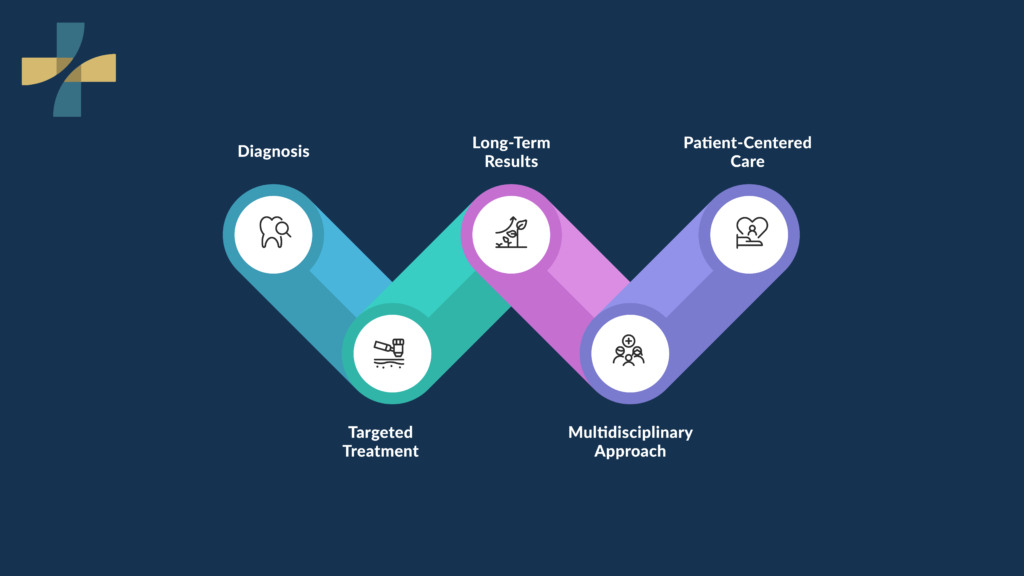
Chronic pain can limit movement, affect sleep, and reduce daily function. Many people try short-term solutions that do not last. Searches for non-surgical pain relief have increased, with more patients looking for structured care instead of medication alone. A pain management clinic in Vancouver focuses on diagnosis, targeted treatment, and long-term results. Research shows that multidisciplinary pain management programs can improve physical function and reduce pain levels, especially when treatments are tailored and combined based on the patient’s condition. This guide explains how pain management works and why NV Med Center is a trusted choice for care. What does a pain management clinic in Vancouver do? A pain management clinic in Vancouver helps diagnose and treat pain using medical care, rehabilitation, and non-surgical methods. The goal is to reduce pain, improve movement, and support daily function through a structured plan rather than relying only on medication. Pain management focuses on both cause and symptoms. Many patients start with general care but are referred when pain continues. A clinic provides a more detailed assessment and targeted treatment options. Types of pain treated Pain clinics manage a wide range of conditions: Chronic pain lasting more than 3 months Nerve pain such as sciatica Musculoskeletal pain from joints or muscles Back and neck pain Injury-related pain A back pain specialist in Vancouver often works within a team that addresses multiple causes of pain. Why multidisciplinary care matters Pain often has more than one cause. A multidisciplinary pain clinic combines: Area of Care Role in Treatment Medical care Diagnosis and medication management Rehabilitation Movement and strength recovery Therapy Pain coping and behaviour changes This approach supports long-term results instead of short-term relief. According to guidelines from the American Pain Society, multimodal pain management is recommended to improve outcomes and reduce reliance on single treatments. Why Choose a Pain Management Clinic Instead of Relying on Medication Alone? Choosing a pain management clinic instead of medication alone helps reduce long-term risks and improves outcomes. Clinics combine therapies and structured plans to manage pain while limiting dependence on opioids or temporary relief methods. Medication can help in the short term. It does not always address the cause of pain. Limitations of medication-only treatment Does not treat the underlying issue May lead to dependence over time Does not improve movement or strength The CDC highlights the risks of long-term opioid use, including opioid use disorder, overdose, and death, and recommends careful monitoring when these medications are used. It also states that non-opioid therapies are often as effective as opioids for many common pain conditions and encourages combining treatments such as therapy and rehabilitation for safer, more effective pain management. Shift toward non-surgical pain relief More patients are choosing non-surgical pain relief options. Public figures such as LeBron James have openly used rehabilitation and therapy to manage injuries without surgery. This shift reflects a broader trend toward safer and structured care. Example scenario: An office worker with neck pain treatment in Vancouver may need to take painkillers. The pain returns after work each day. A pain clinic evaluates posture, muscle strain, and nerve involvement. Treatment may include therapy, injections, and rehabilitation. What Are the 5 Reasons to Choose NV Med Center for Pain Management in Vancouver? The main reasons to choose NV Med Center include personalised care, accurate diagnosis, non-surgical treatment options, multidisciplinary support, and a focus on long-term recovery. These factors help patients improve mobility and function with a clear and structured plan. 1. Personalised treatment plans Every patient receives a personalized treatment plan based on symptoms and history. Example: An ICBC injury patient may present with neck or back pain after a car accident and requires a structured plan that includes assessment, documentation, and rehabilitation to support recovery and insurance requirements. A chronic pain patient may have ongoing nerve or musculoskeletal pain and needs long-term management with a personalised treatment plan, including therapy and targeted interventions to improve function and reduce pain. 2. Focus on identifying the source of pain Treatment starts with identifying the cause. This may include: Physical assessment Pain pattern review Movement testing This reduces the risk of repeated short-term treatments. 3. Access to non-surgical and interventional treatments NV Med Center offers interventional pain management in Vancouver for targeted relief. Examples include: Trigger point injections in Vancouver Nerve-related procedures Inflammation control treatments These methods support reduced inflammation and improved mobility. 4. Multidisciplinary care in one clinic Patients benefit from coordinated care across services: Medical providers Rehabilitation support Therapy This reduces delays between treatments and improves outcomes. 5. Focus on long-term results The goal is long-term pain relief and a better quality of life. Key outcomes include: Improved mobility Reduced inflammation Better daily function What Treatment Options are Available at a Pain Management Clinic in Vancouver? Pain management clinics offer treatments such as medication support, physical therapy, interventional procedures, and rehabilitation programs. These treatments are combined to reduce pain, restore movement, and support long-term recovery based on each patient’s condition. For example, structured rehabilitation through physiotherapy plays a key role in improving strength, mobility, and recovery outcomes. Common treatment types Treatment Type Purpose Interventional procedures Target specific pain sources Rehabilitation Improve strength and mobility Therapy Address behaviour and coping Medication Support short-term pain control Interventional treatments Interventional pain management in Vancouver clinics provides targeted options for specific pain sources. These may include trigger point injections, nerve blocks, and anti-inflammatory procedures to help reduce pain, improve movement, and support recovery. Rehabilitation and therapy Rehabilitation improves function and prevents further injury. It supports: Movement correction Strength building Recovery from injury Example patient pathway Initial assessment: Review of symptoms, medical history, and physical condition to understand the source of pain Diagnosis: Identification of the likely cause or contributing factors of the pain based on findings Personalised plan: Development of a tailored treatment plan based on the patient’s condition and goals Treatment and
Women’s Preventive Health Screening in Vancouver: Essential Tests You Shouldn’t Skip (2026 Guide)
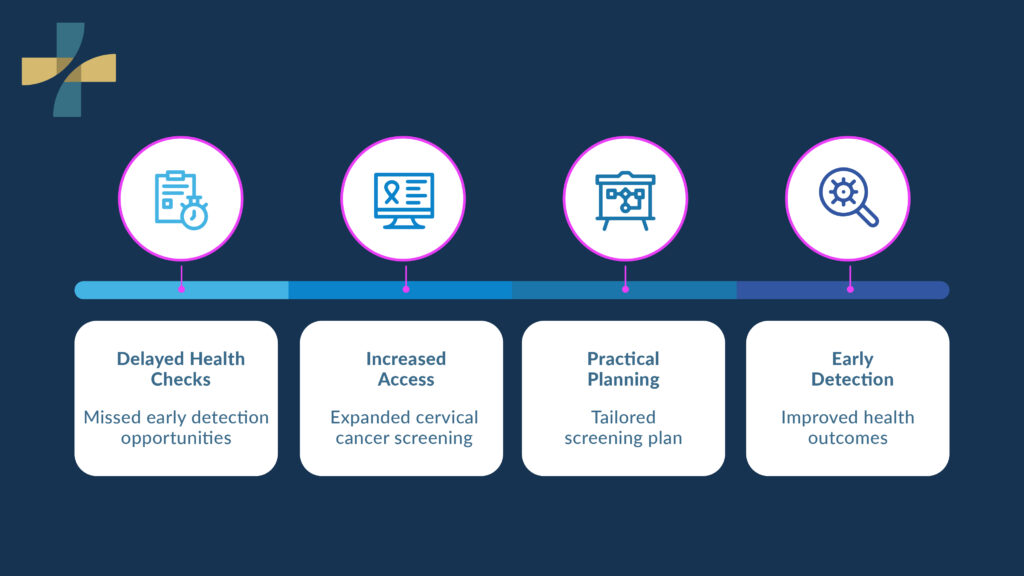
Women’s Preventive Health Screening helps detect medical conditions early, often before symptoms appear. Many health problems such as cancer, thyroid disease, iron deficiency, and heart disease develop gradually. Routine screening tests help doctors detect these issues earlier and guide treatment decisions. Many women delay routine health checks because they feel well or are busy with work and family responsibilities. Health checks at Vancouver clinics help identify risks early and create a practical screening plan. Recent health policy changes in British Columbia have expanded access to cervical cancer screening. According to the Canadian Partnership Against Cancer, British Columbia launched Canada’s first HPV self-screening program in January 2024, allowing eligible individuals to collect their own screening sample at home as part of the Cervical Screening BC program. These initiatives aim to increase screening participation and support early detection of cervical cancer. This guide explains essential health tests for women and when they should be performed according to preventive care guidelines Vancouver healthcare providers follow. Why Is Women’s Preventive Health Screening Important? Women’s preventive health screening is the process of identifying disease risk before symptoms appear. Preventive tests for women detect conditions such as cancer, heart disease, anemia, and hormone disorders early. Early detection improves treatment success and supports long term health through routine health checks. Many diseases develop without clear symptoms in early stages. A woman may feel healthy even when conditions such as high cholesterol or thyroid imbalance are present. Routine screening helps doctors monitor risk factors and recommend treatment before health problems worsen. Preventive screening also helps detect common health issues affecting women: breast cancer cervical cancer iron deficiency women thyroid disorders osteoporosis cardiovascular disease A large cancer mortality analysis published in JAMA Oncology estimated that 5.94 million cancer deaths were averted between 1975 and 2020 through prevention, screening, and treatment advances, with prevention and screening accounting for most of these reductions. Screening allows doctors to detect abnormal changes before disease progresses. Regular screening also helps doctors track long term health patterns such as weight changes, blood pressure, and cholesterol levels. What Preventive Health Tests Should Women Have Regularly? Essential health tests for women include cervical screening, breast cancer screening, blood pressure checks, cholesterol testing, thyroid testing, iron level testing, and bone density testing. These preventive tests for women detect cancer, hormone disorders, cardiovascular disease, and bone loss earlier. Doctors recommend a group of core preventive tests during routine health visits. Screening Test Purpose Typical Age to Start Cervical screening test Vancouver Detects abnormal cervical cells 25 Breast cancer screening Vancouver Detects breast tumors 40–50 Blood pressure test Identifies hypertension Adult Cholesterol test Assesses heart health Adult Thyroid test women Detects hormone imbalance Adult Iron deficiency screening Detects anemia Adult Bone density test Vancouver Detects osteoporosis 50+ These essential health tests for women are often reviewed during an annual health check women appointment. The exact schedule depends on age, family history, lifestyle factors, and medical history. A general practitioner or gp doctor for women’s health in Vancouver may adjust screening frequency when risk factors exist such as family history of cancer or metabolic disease When Should Women Start Preventive Health Screenings? Most women begin preventive health screening in their early twenties with cervical screening and routine medical exams. Additional screenings such as breast cancer screening Vancouver programs, heart health assessments, and bone density testing are introduced later based on age and risk factors. Preventive screening is usually organized by age group. Screening in Your 20s and 30s In early adulthood, doctors focus on reproductive health, hormone balance, and basic preventive care. Common screenings include: cervical screening program and testing in BC sexual health testing thyroid test or screening for women iron deficiency test for women blood pressure monitoring Iron deficiency can begin earlier in life. According to a 2025 PLOS One study, iron deficiency is common in adolescent girls because iron needs increase during puberty and menstrual blood loss can lower iron stores, especially in those with heavy periods. A simple blood test during routine health checks can detect anemia early. Screening in Your 40s and 50s During midlife, additional screening tests become important. Recommended screenings may include: breast cancer screening Vancouver mammography cholesterol testing for heart health monitoring for women in Vancouver diabetes screening colon cancer screening hormone testing when symptoms occur Breast cancer risk increases with age. Mammograms allow doctors to detect tumors before symptoms develop. Screening After Age 60 Older women benefit from additional screening tests that focus on aging related health risks. These screenings may include: bone density test and scans in Vancouver vision and hearing tests cognitive health screening Bone density testing detects osteoporosis before fractures occur. What Is Included in a Women’s Annual Health Check? An annual health check women appointment reviews overall health, lifestyle habits, and preventive screening needs. Doctors measure blood pressure, weight, and heart health indicators while reviewing medical history. This appointment helps determine which preventive tests for women should be scheduled. A routine health check often includes several evaluations. Typical assessments include: blood pressure check cholesterol blood test thyroid hormone test iron deficiency screening diabetes blood test reproductive health review Many conditions are first identified during routine blood work. Example scenario: A patient visits a clinic for a routine health exam. Blood tests reveal elevated thyroid stimulating hormone levels. The doctor orders further testing and diagnoses hypothyroidism early before severe symptoms appear. Routine exams also help doctors monitor long term trends such as weight change, metabolic health, and cardiovascular risk. How Do Cervical Screening Tests Work? A cervical screening test checks the cervix for changes linked to human papillomavirus, or HPV. In Vancouver, regular screening helps detect abnormal cells before they develop into cancer. The cervical screening program in BC recommends regular testing between ages 25 and 65. Two primary screening tests are used. Test Type Purpose Pap Test Identifies abnormal cervical cells HPV Test Detects virus linked to cervical cancer HPV