If you have been lying awake at night with racing thoughts, feeling constantly on edge, or noticing that worry is creeping into every part of your day, you may be wondering who to turn to first. Finding a family doctor for anxiety and mental health bc residents already trust can be the most effective and reassuring step toward regaining control over your life.
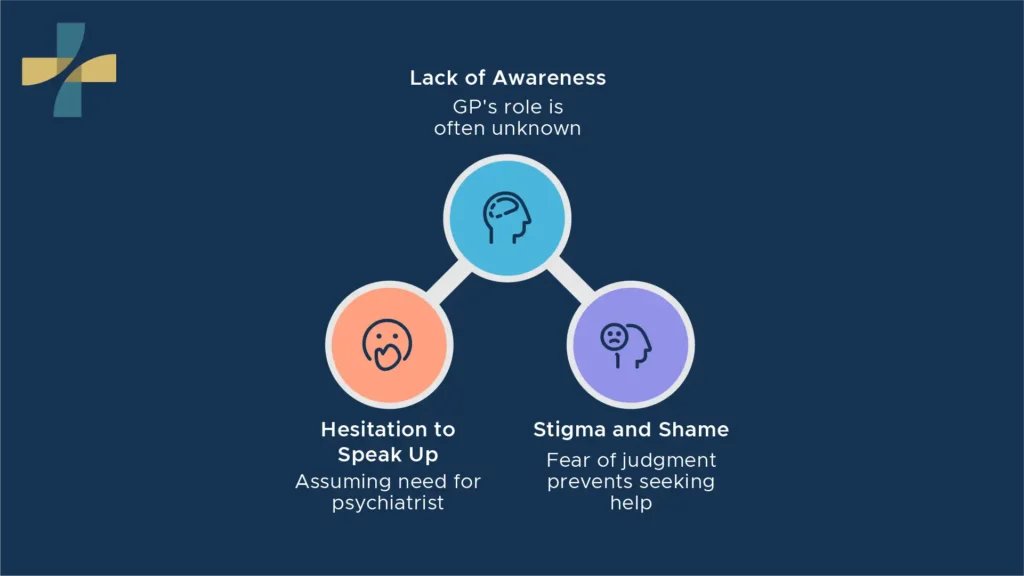
Anxiety is one of the most common reasons Canadians visit their primary care provider, yet many hesitate to speak up because they assume they must see a psychiatrist right away. In reality, your GP is fully trained to screen, diagnose, and manage primary care mental health needs, guiding you through a personalized treatment plan that feels manageable and supportive.
If anxiety is impacting your everyday well-being, book a mental health check-in or schedule an online visit with our team at NVMed Center today.
Can a Family Doctor Help With Anxiety?
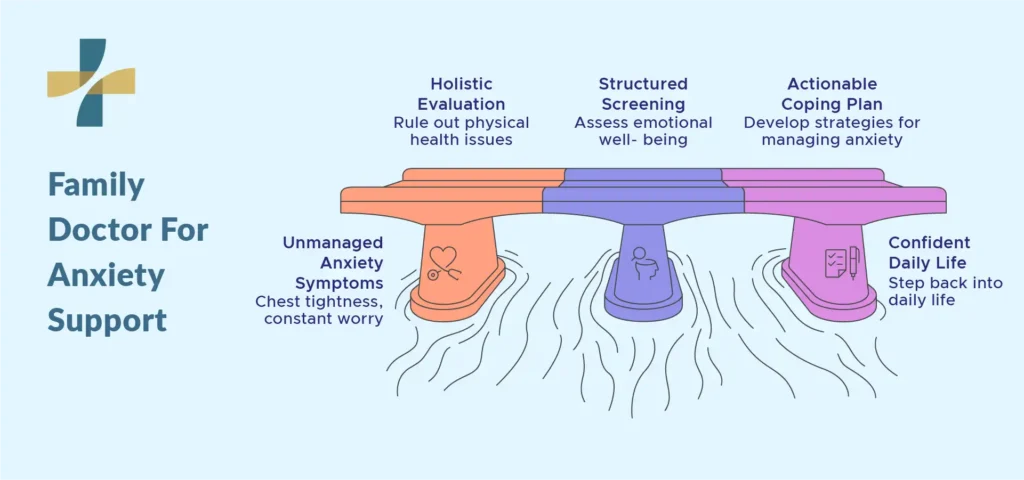
Yes, absolutely. A family doctor for anxiety and mental health bc patients’ visits are often the ideal first point of contact for generalized anxiety, panic attacks, depression, and stress management. They offer a holistic approach, evaluating your physical health to rule out underlying issues like thyroid imbalances while addressing your emotional well-being.
Can a family doctor help with anxiety? They certainly can. Many individuals find it far less overwhelming to talk to a family doctor about anxiety in a familiar setting rather than navigating an unfamiliar specialist network on their own.
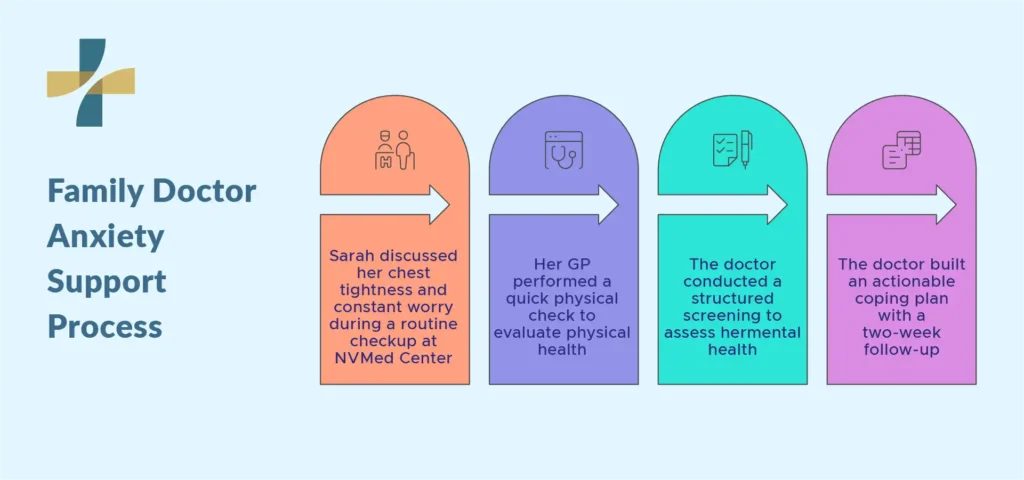
Example Case: Sarah, a 34-year-old marketing professional in Vancouver, began experiencing chest tightness and constant worry before important meetings. Instead of waiting months for a specialist, she discussed her symptoms during a routine checkup at NVMed Center. Her GP performed a quick physical check, conducted a structured screening, and built an actionable coping plan with a two-week follow-up.
This step-by-step approach reflects the quality mental health support Vancouver clinics provide to help patients step back into daily life with confidence.
What to Expect at a Mental Health Appointment
Talking to a doctor about anxiety for the first time might feel daunting, but the conversation is structured to be private, gentle, and judgment-free. Your doctor will listen to your concerns, discuss how long you’ve been experiencing symptoms, and evaluate how they affect your work, relationships, and routine.
To get an accurate baseline, your physician may use validated medical assessments, such as the GAD-7 anxiety scale or the PHQ-9 depression screening tool.
Example Case: A first-time patient visiting our clinic for sudden panic symptoms can expect:
- A warm, private conversation about personal history and lifestyle triggers.
- Completion of a brief standardized screening form.
- A review of contributing factors like sleep habits, work stress, and physical health.
- A tailored care plan that may blend medical guidance with a counselling referral bc.
If you’re unsure where to begin, What to Expect at Your First Family Physician Visit offers a helpful walkthrough. You don’t need a perfectly rehearsed explanation; simply stating “I’ve been feeling overwhelmed lately” is enough for your physician to take the lead.
Medication and Treatment Options
A primary care physician can evaluate whether pharmaceuticals are appropriate for your care. GPs prescribe anxiety medication options such as SSRIs, SNRIs, or short-term anti-anxiety treatments based on your specific health history and symptom severity.
Beyond medication, primary care focuses heavily on integrative treatment strategies. Research from the Canadian Mental Health Association (CMHA) highlights that most people with mild-to-moderate anxiety thrive through a combination of primary care oversight, cognitive strategies, and targeted therapeutic support.
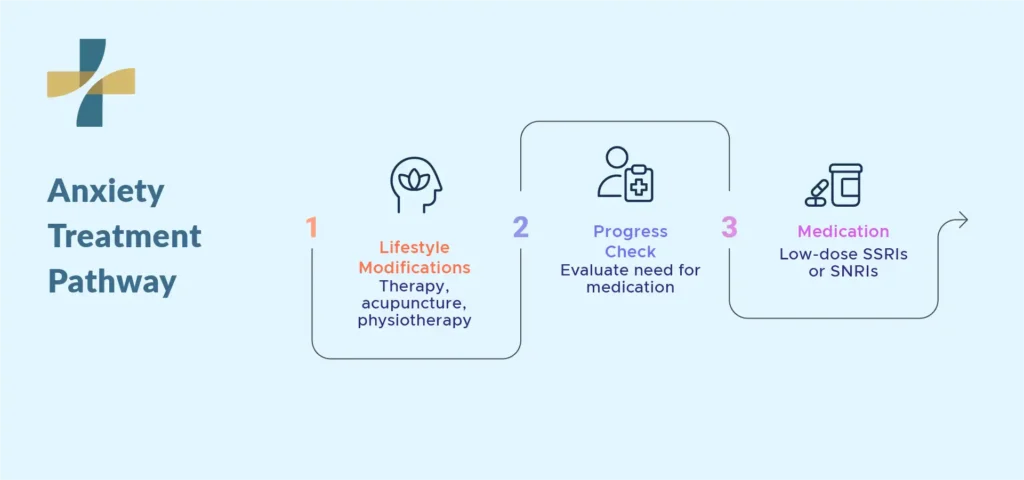
Example Case: A patient dealing with moderate anxiety might begin with a stepped-care strategy:
- Lifestyle modifications combined with professional therapy through our clinical counselling services.
- Incorporating complementary treatments like acupuncture or physiotherapy to relieve stress-induced muscle tension.
- A 4-to-6-week progress check to determine if low-dose medication is needed.
This adaptable care pathway ensures you receive consistent support without jumping straight into complex interventions.

When You’ll Be Referred to a Specialist
While a family doctor for anxiety and mental health bc provider can manage the majority of anxiety cases, certain circumstances benefit from specialized care. If symptoms are severe, complex, or unresponsive to initial treatments, your GP will coordinate a referral to a psychiatrist or clinical psychologist.
Understanding when to see a psychiatrist vs. a family doctor helps maintain realistic expectations:
- Family Physician: Handles initial diagnoses, lab work, continuous care management, lifestyle guidance, and standard medication prescriptions.
- Psychiatrist: Focuses on severe, treatment-resistant conditions, complex medication adjustments, or specialized psychiatric evaluations.
Even when a referral is made, your family doctor remains your primary health advocate, managing ongoing routine care and monitoring your overall progress.
Is Mental Health Care Covered by MSP?
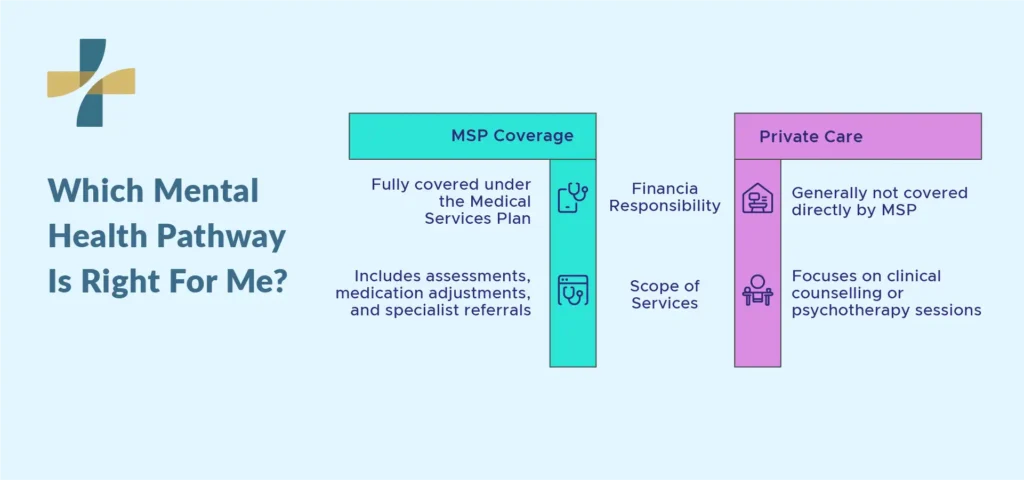
In British Columbia, diagnostic evaluations, mental health assessments, and ongoing management provided by your family doctor are fully covered under the Medical Services Plan (MSP). This ensures that speaking with your doctor, adjusting medications, and obtaining specialist referrals incur no out-of-pocket costs.
However, private clinical counselling or psychotherapy sessions are generally not covered directly by MSP. Many patients bridge this gap using extended health benefits, workplace insurance, or dedicated coverage plans. If your anxiety stems from an auto accident or physical injury, specialized programs like our ICBC medical assessment services can help cover rehabilitation and mental recovery care.
For a deeper breakdown of provincial coverage, read our guide on What Insurance Covers Primary Care in BC (MSP).
Frequently Asked Questions
1. Can a family doctor diagnose anxiety and depression in BC?
Yes. Family doctors in British Columbia are fully qualified to assess, diagnose, and treat both anxiety and depression using standardized clinical tools like GAD-7 and PHQ-9. They can also order blood tests to rule out underlying physical causes like thyroid disorders or vitamin deficiencies.
2. How do I ask my family doctor for mental health help?
You can simply book a standard appointment and let the receptionist or doctor know you’d like to discuss your mental health. Starting with a simple sentence like “I’ve been feeling extremely anxious lately and want to discuss my options” gives your GP the opening to guide the conversation.
3. Will my mental health discussions with my doctor remain confidential?
Yes. All consultations with your family physician are strictly confidential under BC health privacy laws. Information is only shared with other medical specialists involved in your care plan or in rare cases involving immediate safety concerns.
4. How long does it take for anxiety medication prescribed by a GP to work?
Most standard anxiety medications, such as SSRIs, take between 2 to 6 weeks to show full therapeutic effects. Your family doctor will schedule regular follow-up visits during the first few weeks to monitor your progress and manage any mild side effects.
5. Can I get a referral to a therapist or psychologist through my family doctor?
Yes. Your family doctor can provide a formal counselling referral family doctor bc recommendation to licensed clinical counsellors or psychologists who fit your specific therapeutic needs.
6. What should I do if I don’t have a regular family doctor in Vancouver?
If you do not have a dedicated primary care physician, you can visit a community clinic or schedule an appointment with a physician accepting new patients. To learn more about securing ongoing primary care, explore our step-by-step guide on How to Find a Family Doctor Accepting New Patients in Vancouver.