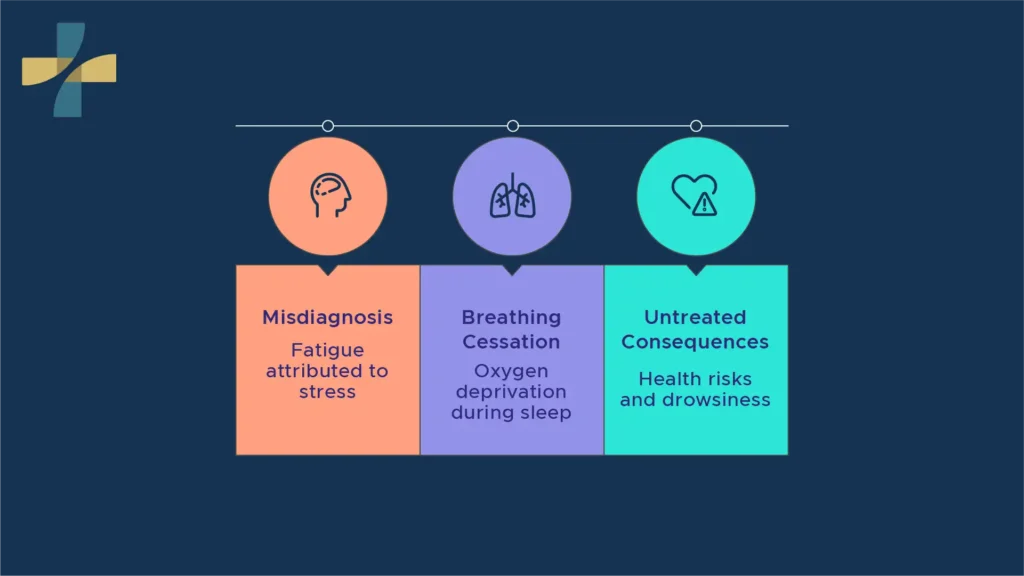
If you’re waking up exhausted no matter how many hours you sleep, you’re not alone. Many people search for answers about sleep apnea symptoms, only to be told their fatigue is “just stress” or “normal aging.” But persistent exhaustion, loud snoring, and morning headaches can point to something more serious: obstructive sleep apnea.
Sleep apnea is more than an annoying snoring problem. It’s a condition where breathing repeatedly stops and starts during sleep, starving your brain and body of oxygen. Left untreated, it can lead to high blood pressure, heart disease, and dangerous daytime drowsiness. The good news is that trusted family physician care can help identify the signs of sleep apnea, including for BC residents, and guide you toward proper testing and treatment.
Not sure if your fatigue is normal tiredness or something more? Book an appointment with a family doctor to discuss your symptoms.
Warning Signs of Sleep Apnea
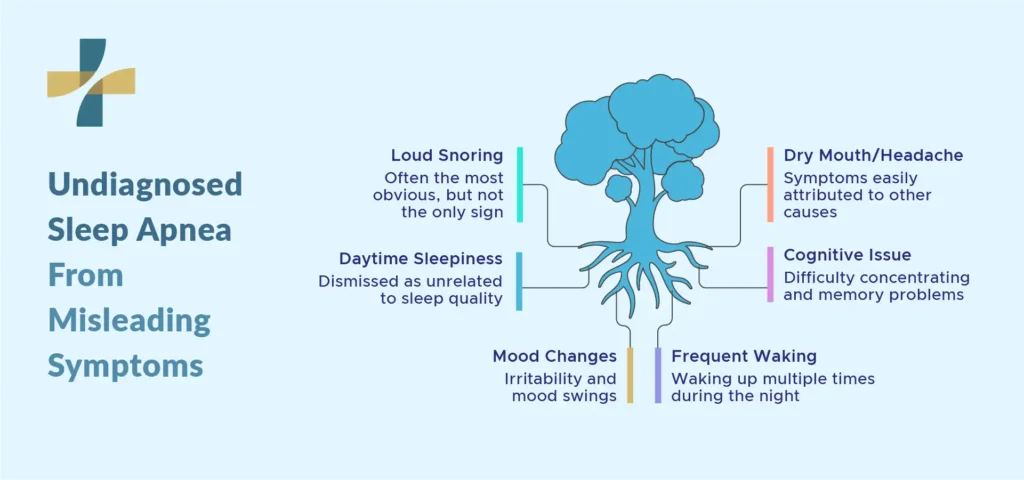
Sleep apnea doesn’t always look the way people expect. It’s not just about snoring; it’s about how your body and mind function during the day.
- Common warning signs include:
- Loud, chronic snoring, especially with gasping or choking sounds
- Waking up with a dry mouth or headache
- Excessive daytime sleepiness, even after a full night’s sleep
- Difficulty concentrating or memory issues
- Irritability or mood changes
- Waking up multiple times during the night
Example Case: David, a 42-year-old warehouse supervisor in Surrey, noticed he was falling asleep during afternoon meetings despite sleeping eight hours a night. His wife mentioned he snored loudly and sometimes seemed to stop breathing. These were classic signs of sleep apnea, BC sleep specialists later confirmed, after his family doctor referred him for testing.
- Snoring and fatigue doctor visits often start with a partner noticing symptoms first (learn more in our guide on What to Expect at Your First Family Physician Visit)
- Daytime sleepiness is frequently dismissed as unrelated to sleep quality
Is Your Fatigue Something More?
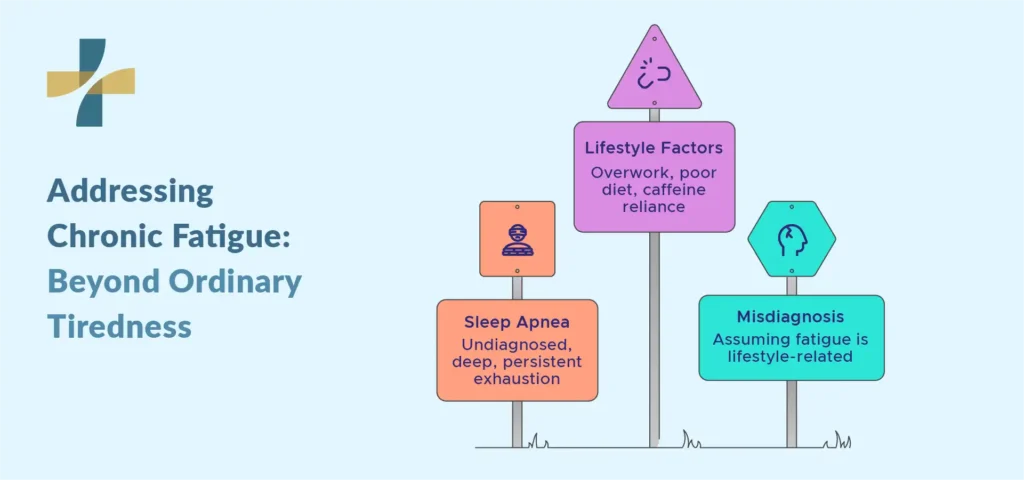
Everyone feels tired sometimes, but chronic fatigue that doesn’t improve with rest deserves attention. Understanding excessive daytime sleepiness causes can help you decide if it’s time to see a doctor.
According to the Public Health Agency of Canada, sleep apnea affects an estimated 6.4% of Canadian adults, and many cases go undiagnosed for years. Fatigue caused by sleep apnea is different from ordinary tiredness. It’s a deep, persistent exhaustion that interferes with driving, working, and daily life.
Example Case: Maria, a 35-year-old accountant, assumed her fatigue was from overwork and poor diet. After months of feeling “always tired,” she brought it up during a routine visit with her doctor in Vancouver. A few targeted questions revealed a pattern consistent with Chronic Fatigue Causes: When Is It a Medical Condition?, prompting a referral for a sleep study.
If you find yourself relying on caffeine just to get through the day, or falling asleep at inappropriate times, it may be more than lifestyle-related fatigue. This is when consulting an always tired doctor in Vancouver or your local GP becomes essential.

How a Family Doctor Diagnoses or Refers You
Your family doctor is typically the first step in identifying sleep apnea. During your visit, they’ll review your symptoms, medical history, and risk factors such as weight, neck circumference, and family history.
Doctors often use screening tools like the Epworth Sleepiness Scale or STOP-BANG questionnaire to assess your risk level. Based on your results, they may recommend a sleep study referral in BC to a certified sleep clinic. If underlying physical tension or posture strains are worsening your overall rest and muscle recovery, incorporating physiotherapy or targeted massage therapy can also support your wellness journey.
Example Case: A 50-year-old teacher visited his family doctor complaining of morning headaches and poor concentration. After a physical exam and symptom questionnaire, his doctor identified several red flags and submitted a family doctor sleep apnea referral for further testing.
- Doctors assess BMI, neck size, and blood pressure as contributing factors (read more about High Blood Pressure Symptoms: Early Warning Signs You Shouldn’t Ignore)
- Referrals are typically covered under BC’s provincial health plan
What Happens During a Sleep Study
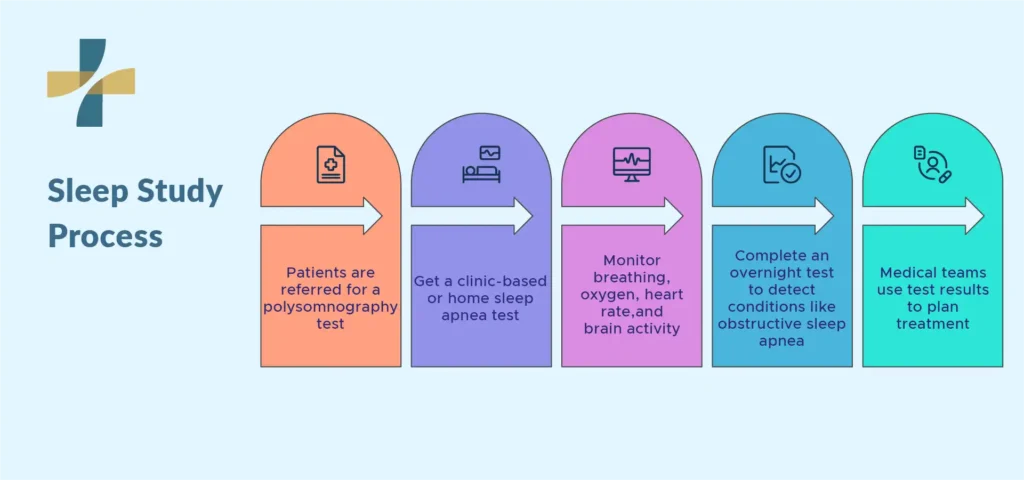
Once referred, most patients undergo a polysomnography test, either at a sleep clinic or through a home-based sleep apnea test in BC. This test monitors breathing patterns, oxygen levels, heart rate, and brain activity throughout the night.
During an in-lab study, sensors are placed on your scalp, face, chest, and legs to track your body’s response while you sleep. Home sleep tests are simpler, using a portable device to measure oxygen saturation and airflow.
Example Case: After his referral, David completed an overnight diagnostic examination, which confirmed moderate obstructive sleep apnea, allowing his medical team to map out an effective intervention plan.
Treatment Options After Diagnosis
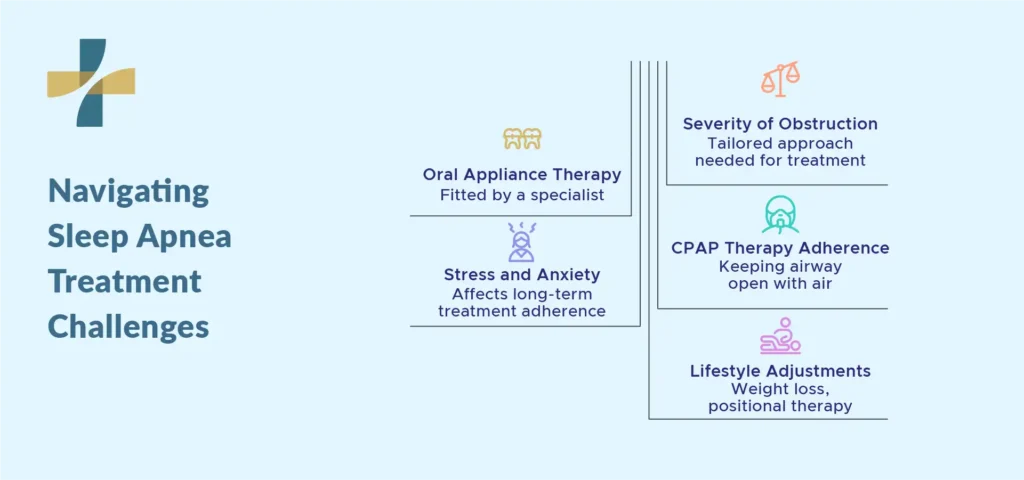
Treating sleep apnea effectively usually involves a multi-pronged approach tailored to the severity of the obstruction. The gold standard for moderate-to-severe cases is Continuous Positive Airway Pressure (CPAP) therapy, which keeps your airway open using a steady stream of air. For milder cases or positional apnea, lifestyle adjustments such as weight management support through weight-loss programs, positional therapy, or oral appliance therapy fitted by a specialist can make a remarkable difference. In addition, addressing chronic stress or sleep anxiety through professional clinical counselling helps many patients stick to their long-term treatment routines and improve overall sleep hygiene.
FAQ
1. What are the most common early indicators of sleep apnea?
Common signs include loud chronic snoring, gasping or choking sensations during sleep, morning dry mouth, severe daytime fatigue, and irritability. If you notice these patterns, schedule a consultation via our online visits portal.
2. How does a family physician initiate a sleep study in British Columbia?
Your family doctor will review your medical history, perform a physical assessment, and utilize screening questionnaires like STOP-BANG. If risk criteria are met, they submit a formal referral to a provincial sleep clinic or arrange for a home sleep monitoring kit.
3. Is sleep apnea testing covered under the BC Medical Services Plan (MSP)?
Yes, medically necessary diagnostic sleep studies and specialist consultations referred by a licensed physician are generally covered under BC’s provincial healthcare plan.
4. Can lifestyle changes alone cure obstructive sleep apnea?
While weight loss, reducing alcohol intake before bed, and sleeping on your side can significantly reduce mild symptoms, moderate-to-severe cases typically require medical interventions like CPAP therapy or specialized oral appliances.
5. What health complications arise if sleep apnea is left untreated?
Chronic untreated sleep apnea significantly increases the risk of developing systemic hypertension, stroke, coronary artery disease, Type 2 diabetes, and dangerous micro-sleep episodes while driving.