When Should Your General Doctor Refer You to a Specialist in BC?
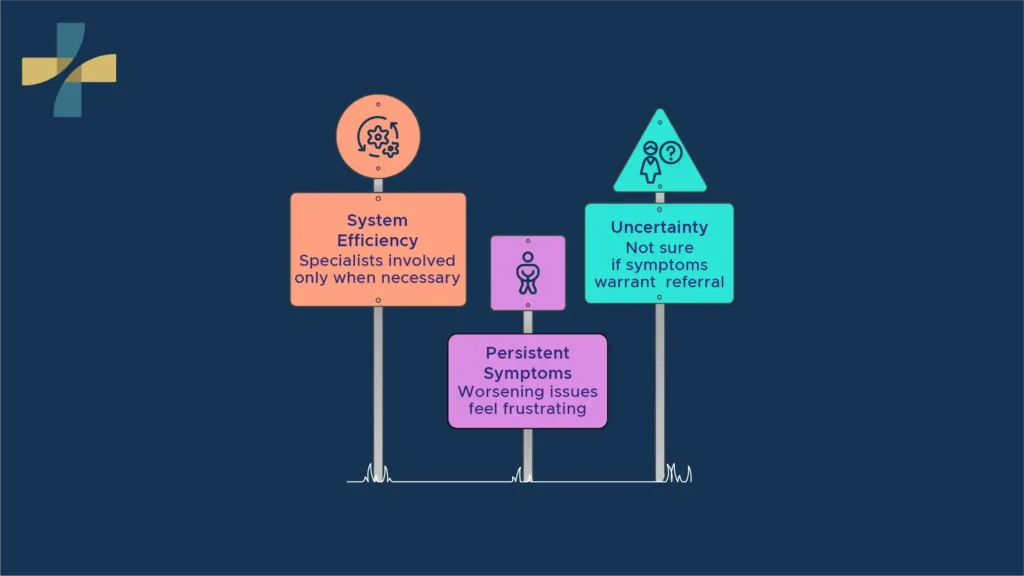
If you’ve ever left a primary care appointment wondering why you weren’t sent straight to a specialist, you’re not alone. Understanding when does a family doctor refer to a specialist in British Columbia can help you set realistic expectations and empower you to advocate for your own care. British Columbia’s healthcare system relies on family physicians to manage most day-to-day health concerns and only involve specialists when truly necessary. This model keeps the system efficient, but it can feel frustrating if you’re dealing with a persistent or worsening issue. Knowing how the referral process actually works puts you in a better position to navigate it. If you are currently experiencing new or changing symptoms, learning what to expect at your first family physician visit is a great starting point. Need Clarity on Your Care Pathway? Not sure if your symptoms warrant a specialist? Ask about a specialist referral or learn how our referral process works by booking a consultation with our primary care team today. The Family Doctor’s Role as Gatekeeper In BC, family doctors act as the entry point to the entire healthcare system. This is often referred to as the gatekeeper model, designed to ensure that specialists focus their time on complex cases that strictly require advanced expertise. Your GP is comprehensive in their approach, trained to evaluate, diagnose, and treat the vast majority of health issues. Only when a condition falls outside their clinical scope, requires specialized testing, or isn’t responding to standard care will they initiate a referral. Example Case: A patient visits their primary care provider with ongoing joint pain: The physician first orders targeted bloodwork and an X-ray to rule out common mechanical or inflammatory causes. If diagnostic results point toward a systemic autoimmune condition like rheumatoid arthritis, the doctor refers the patient to a specialist rheumatologist. This gatekeeper role isn’t about creating unnecessary hurdles. It guarantees continuity of care and prevents specialist clinics from becoming overloaded with conditions that can be safely managed through family physician care. Common Reasons for a Specialist Referral To understand when does a family doctor refer to a specialist, it helps to look at the clinical triggers that prompt a formal referral letter. Physicians typically initiate a specialist consultation when a diagnosis remains unclear after baseline testing, when a condition requires advanced procedural intervention, or when first-line management plans stall. Example Case: A patient presents with severe, recurrent headaches: Initial Care: Trialling evidence-based medications and lifestyle modifications over 8–12 weeks. Referral Trigger: Minimal symptom relief, prompting a referral to a neurologist to rule out complex neurological disorders. Urgent Escalation: Sudden abnormal neurological findings that mandate specialized diagnostic imaging. Other clear triggers include suspected oncology cases requiring immediate specialized input, severe complex mental health concerns needing psychiatric evaluation (though many mild-to-moderate mental health challenges are managed via clinical counselling), and chronic conditions like uncontrolled diabetes or severe cardiovascular issues. For example, if you experience sudden chest fluttering or an irregular heartbeat, your physician might coordinate initial diagnostics like holter monitoring for arrhythmia before deciding if a cardiologist referral is necessary. How Long Referrals Take in BC Specialist wait times across BC vary significantly depending on the medical specialty and the clinical urgency assigned to the case. While critical cases move quickly, routine consultations can involve a waiting period. According to official guidelines on government BC referral pathways, urgent conditions such as suspected malignancies are prioritized to ensure patients are evaluated within days or weeks. Conversely, non-urgent referrals for elective procedures or stable chronic conditions in fields like orthopedics or dermatology can take several months. Example Case: A patient seeking a routine dermatology consult for mild eczema may wait 3 to 6 months. A patient presenting with a suspicious, rapidly changing skin lesion flagged as urgent by their GP is typically seen within 1 to 2 weeks. Your family doctor’s initial submission is critical here. A comprehensive referral letter that explicitly outlines key symptoms, preliminary lab results, and triage urgency directly influences how specialist triage nurses prioritize your appointment. Is a Referral Covered by MSP? Many patients worry about whether specialist care involves out-of-pocket costs. Does MSP cover specialist referral services in BC? Yes. As long as your specialist is enrolled with the Medical Services Plan (MSP) and the consultation is deemed medically necessary, the visit is fully covered under MSP primary care coverage. You will not be charged for the referral letter generated by your family doctor, nor will you pay out-of-pocket for the specialist’s initial assessment. Example Case: A patient referred to a cardiologist for persistent chest tightness. He pays $0 for the consultation, provided the specialist bills MSP directly and the assessment is medically grounded. Note: Elective cosmetic interventions, non-covered therapies, or certain private assessments fall outside MSP coverage. However, many allied healthcare services such as rehabilitative physiotherapy, structured kinesiology, targeted acupuncture, or therapeutic massage therapy can be accessed directly, often covered by extended health plans or specialized coverage like an ICBC medical assessment. Can You See a Specialist Without One? Patients frequently ask: Can I see a specialist without a referral in BC? The short answer depends entirely on the stream of care you are seeking: public vs. private. Within the public MSP-funded system, you cannot see a specialist without a referral from a licensed family physician or nurse practitioner. MSP will not cover specialist fees without a formal referral on file. However, within the private sector, certain practitioners such as private psychiatrists, dermatologists offering non-insured services, or allied health providers do accept direct patient bookings without a GP referral. Example Case: A patient seeking a private specialist outside the public MSP system can self-refer directly to a private clinic for accelerated access, though services must be paid out-of-pocket or via third-party insurance. If you are unsure whether your health concerns require a specialist or can be effectively treated in a primary care setting, exploring what services a family doctor actually provides can help you choose the
How to Transfer Your Medical Records to a New General Doctor in BC
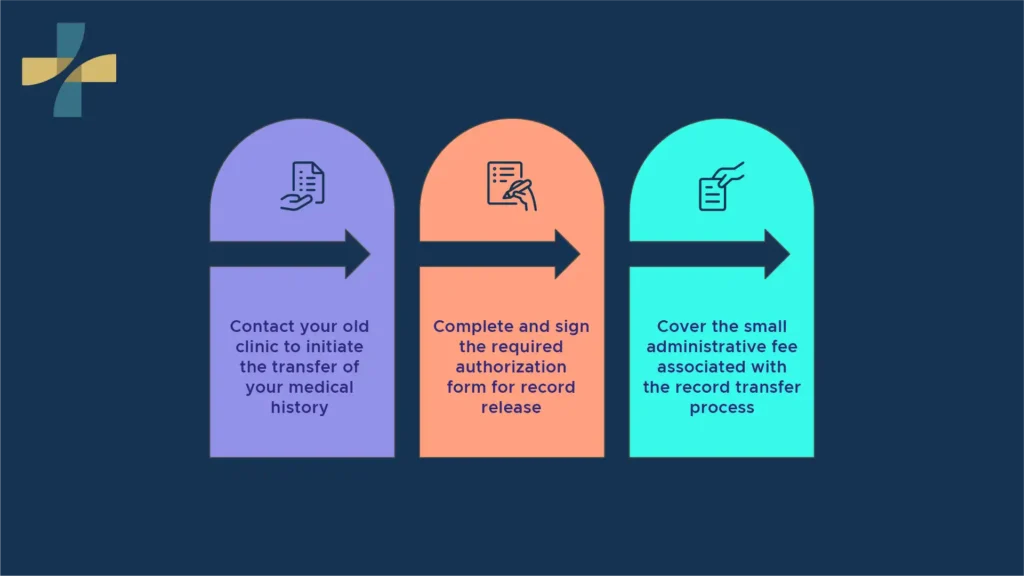
Switching family doctors can feel overwhelming, especially when you’re not sure what happens to years of medical history sitting in your old clinic’s files. If you’re trying to figure out how to transfer medical records to a new doctor bc, you’re not alone. Thousands of British Columbians change doctors every year due to relocation, retirement, or simply needing a better fit for their personal health journey. The good news is that transferring your medical records is a fairly straightforward process once you know the steps. It typically involves requesting your file, signing a consent form, and sometimes paying a small administrative fee. Whether you are transitioning to learn how to transfer your medical records to us or setting up care at a new facility, this guide walks you through exactly what to expect so your new physician has everything they need to continue your care without gaps. Already found a new clinic? Make sure your first appointment goes smoothly by having your records ready. Learn how to switch your family doctor to NV Med Center today. When You’d Need to Transfer Medical Records Not every doctor change requires a full file transfer, but most do. If you’re establishing ongoing care with a new general practitioner, your complete medical history helps them make informed decisions from day one. Common situations where a transfer is necessary: Example Case: Sarah relocated from Ontario to Vancouver for work. She found a new clinic that offered ongoing primary care, but the clinic had no record of her past diagnoses, medications, or allergies. Moving to a new city or province within BC Your family doctor has retired or closed their practice You’re unhappy with your current care provider and want a new one You need specialist referrals or ICBC Medical Assessments that require accurate medical history You are navigating the process of moving to bc medical records and need to establish long-term care Without your records, your new doctor may have to repeat tests, ask you to recall medication histories from memory, or miss important context about chronic conditions. Transferring your file protects continuity of care and avoids unnecessary delays. If you are wondering what happens during your initial consultation, read our guide on what to expect at your first family physician visit. Step 1 | Request Records From Your Old Doctor The first step is contacting your previous clinic directly, either by phone, email, or in person. Most clinics have a standard process for handling these requests. When you request records from your old doctor’s office, be prepared to provide identifying information such as your full name, date of birth, personal health number (PHN), and the address of the new clinic where records should be sent. Understanding what services does a family doctor actually provide will help you know which specific diagnostic files or history charts are most important to request. Example Case: James switched clinics after his doctor moved practices. He called the old clinic’s front desk, requested a transfer, and was told to complete a records release form before anything could be sent. Ask whether the clinic sends records directly to your new doctor or gives them to you Confirm what format they use (paper copies, secure fax, or electronic medical record/EMR export) Request a summary of your health history if a full chart isn’t necessary Some clinics require you to formally submit a medical file transfer form bc through your new doctor’s office instead, so it’s wise to clarify the exact workflow with both reception desks. Step 2 | Sign a Consent Form Privacy laws in BC require your explicit written permission before any medical facility releases your personal health information. This is where a patient consent form for medical records authorization becomes essential. This document legally authorizes your old doctor to release your chart and grants your new doctor permission to receive it. Without this signed consent, clinics are strictly prohibited from transferring any part of your chart under provincial privacy regulations. Most clinics provide their own version of this form, though the general information required stays consistent across BC: Your full legal name, date of birth, and Personal Health Number (PHN) The name and contact details of your previous doctor or clinic The name and contact details of your new doctor or clinic Your signature and the date Once signed, the form is sent to your old clinic to process the release. If you are managing long-term conditions like hypertension or diabetes, ensure your records transfer quickly so your new provider can seamlessly continue your Chronic Care Management. Costs and Timelines for Record Transfers One of the most common questions patients ask is about the medical records transfer fee bc clinics charge. Since family doctors in BC operate as independent practitioners, administrative transfer fees are not standardized or covered by the Medical Services Plan (MSP). Most clinics charge somewhere between $25 and $75 for a full records transfer, though simple chart summaries may cost less. This fee covers administrative overhead, secure file retrieval, printing, and encrypted transmission. According to the official guidelines from the College of Physicians and Surgeons of BC, physicians are permitted to charge a reasonable administrative fee for reproducing and transferring medical records, as chart transfers fall outside of publicly funded MSP care. Example Case: When Priya switched clinics in Kelowna, her old doctor’s office charged her $40 for a complete file transfer, which was processed and sent electronically within 10 business days. Typical timelines look like this: Digital EMR transfers: often completed within 5 to 10 business days Paper file requests: can take 2 to 4 weeks depending on clinic staffing and archive storage Urgent transfers: some clinics offer expedited processing if required for immediate treatment If you have an upcoming appointment, start the request at least three weeks in advance to avoid delays. If you need immediate care while waiting for your transfer to complete, you can utilize an Online Visit or consult our guide on general
What Is the Difference Between a Family Doctor and a General Practitioner?
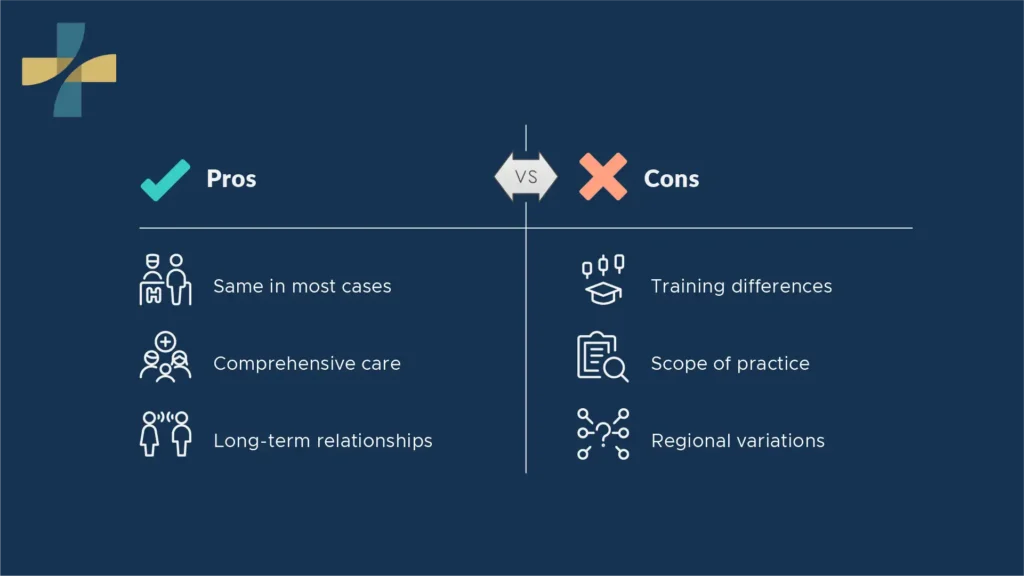
You’re booking a checkup, filling out a form, or searching for a clinic near me, and suddenly you’re stuck on one word: should you be looking for a family doctor or a general practitioner? If you’ve ever paused and wondered if a GP is the same as a family doctor, you’re not alone. The confusion around family doctor vs general practitioner trips up patients across Canada and beyond, especially when clinic websites, insurance forms, and referral letters all seem to use different labels. Here’s the good news: in most everyday situations, these terms describe the same type of medical professional. But there are subtle distinctions worth understanding, especially when it comes to training, general practitioner scope of practice, and how the family doctor terminology in Canada shifts depending on where you live. This article breaks it all down in plain language so you can walk into your next appointment with confidence. Not sure what a primary care provider is or who yours actually is? Learn more about our family doctors at NV MedCenter to clear up the confusion once and for all. Family Doctor vs General Practitioner: Are They the Same? In practical terms, yes, when comparing family doctor vs general practitioner, they are almost always the same person wearing two different name tags. Both refer to a medical doctor (MD) who provides broad, ongoing healthcare rather than specializing in one body system or condition. The difference lies mostly in emphasis. “General practitioner” highlights the breadth of medical knowledge, while “family physician” or “family doctor” emphasizes continuity of care across a patient’s entire family and lifespan. Understanding the true difference between GP and family physician helps patients navigate primary care, general practice, and family medicine more effectively. Example Case: Sarah, a 34-year-old mother of two, sees the same doctor for her annual physical, her son’s vaccinations, and her husband’s blood pressure management. Her clinic’s sign says “Family Medicine Clinic” Her insurance paperwork refers to the same doctor as her “GP” Both terms describe the identical physician and scope of care What Does “GP” Actually Mean? If you’ve ever wondered what GP stand for in medicine, GP stands for General Practitioner. This is a medical doctor trained to diagnose and treat a wide range of health conditions without specializing solely in one specific area like cardiology or dermatology. The term originated in the UK and Commonwealth healthcare systems, including Canada, where it’s used almost interchangeably with “family doctor” in casual conversation and official documentation alike. Whether managing chronic care or helping patients choose between a general practitioner vs walk-in clinic, GPs serve as the bedrock of everyday medicine. According to the College of Family Physicians of Canada, family physicians complete additional residency training specifically focused on comprehensive, patient-centered, lifelong care, which is technically what separates the modern family medicine specialist designation from the older, broader “GP” label. Organizations like the BC College of Family Physicians and the Vancouver Medical Association emphasize this ongoing training for primary care doctors. Example Case: A patient searching “what is a general practitioner” online will typically find that GPs handle everything from cold symptoms to long-term health, referring patients to specialists only when necessary. If you’d like to meet our general practitioners, you can explore how our medical team supports your ongoing health needs. What About Primary Care Providers and Nurse Practitioners? Primary care provider vs family doctor is another common source of confusion. Primary care provider is an umbrella term that includes family doctors, general practitioners, and increasingly, nurse practitioners (NPs). Knowing what a primary care provider is essential as modern healthcare networks expand. A nurse practitioner is not a medical doctor but holds advanced nursing training that allows them to diagnose conditions, prescribe medications, and manage ongoing care. Whether you need specialized Paediatrics support for your children or a convenient Online Visit for routine concerns, primary care teams offer flexible options tailored to your family. Example Case: In many Canadian provinces, patients without an assigned family doctor are matched with a nurse practitioner at a community health clinic who becomes their long-term primary care provider, handling everything from prescriptions to preventative health screenings recommended by family physicians. Family doctor / GP: Medical doctor (MD), broad training, specialized in family physician definition standards and comprehensive care. Nurse practitioner: Advanced practice nurse, overlapping scope, works independently or alongside physicians. Primary care provider: Umbrella term covering both roles. Which Term Should You Use? Honestly, when evaluating family doctor vs general practitioner, the phrase you choose depends on your audience, not medical accuracy. Use “family doctor” in casual conversation, especially with family members. Use “general practitioner” or “GP” in more clinical, insurance, or international contexts. If precision matters, such as in medical records or referral documentation, family physician is the most formally accurate term in Canada today. If you are currently searching for a new physician, reading our guide on how to choose the best family physician for your family can help you make an informed decision. Additionally, if you experience sudden symptoms like irregular heartbeats, a primary doctor can arrange specialized tests such as Holter Monitoring Assessments right away. Finding the Right Healthcare Partner for Your Family At the end of the day, the family doctor vs general practitioner debate is more about language than medicine. Whether your clinic calls itself a “family practice” or a “general practice,” you’re getting the same foundational, whole-person healthcare. What matters most isn’t the label on the door; it’s finding a provider you trust who knows your medical history. If you’re looking for personalized care, don’t hesitate to contact NV MedCenter today. Frequently Asked Questions 1-Are family doctors and GPs the same thing? Yes. In everyday Canadian healthcare, “family doctor” and “GP” (General Practitioner) are used interchangeably to describe a primary care physician who manages your overall health. 2-What does GP stand for in healthcare? GP stands for General Practitioner. It refers to a doctor who treats acute and chronic illnesses and
Booking Your BC Driving Medical Exam: A Step-by-Step Guide for First-Time Applicants
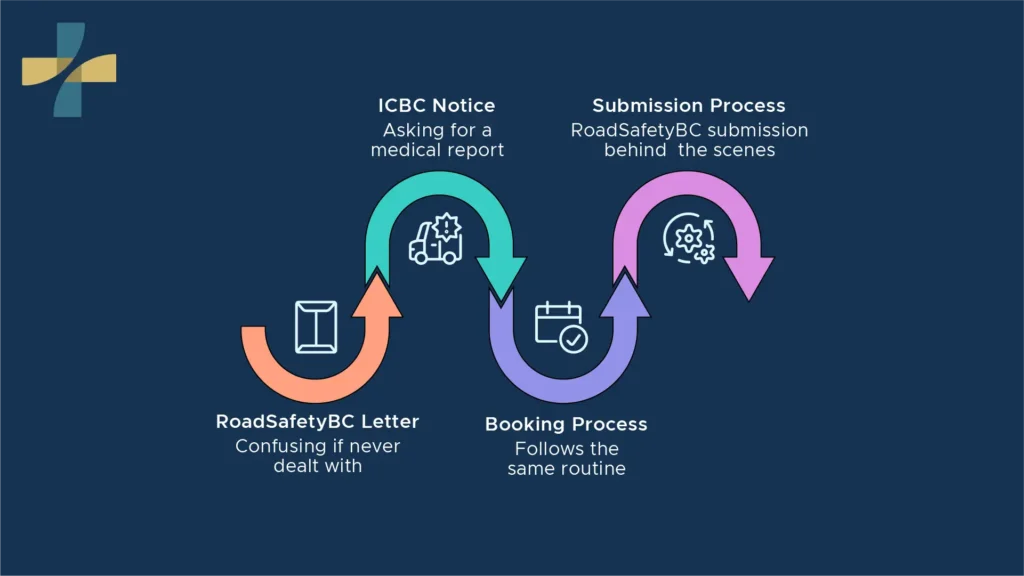
Staring at a letter from RoadSafetyBC or an ICBC notice asking for a medical report can feel confusing if you have never dealt with one before. Learning how to book a driving medical exam does not have to be stressful once you understand the process. No matter why you need the exam renewal, a health update, or an age requirement, the booking process follows the same routine. This guide breaks the entire process into simple, actionable stages so you know exactly what to expect from booking to results, including how RoadSafetyBC medical report submission works behind the scenes. Need immediate clarity? If you are unsure whether you even need this exam yet, keep reading; Step 1 will clear that up right away. Step 1 | Confirm Why You Need a Driving Medical Exam Before booking anything, figure out why the exam was requested. Common reasons include turning 80 (BC requires periodic medicals for senior drivers), holding a commercial license (Class 1-4), or a doctor or police officer flagging a medical concern. If you are an older driver facing this requirement, you can read our detailed guide on Senior Drivers in BC: What to Expect at Your 80+ Medical Licence Renewal. Check the letter from RoadSafetyBC or ICBC carefully. It usually states the deadline and the specific form number required, most often the Driver Medical Examination Report (DMER). For standard renewals or injury assessments, your visit may also align with our specialized ICBC Medical Assessments services. Example Case: A 79-year-old Vancouver resident received a renewal notice from ICBC stating a medical exam was mandatory before her license could be renewed. She confirmed the form was a standard DMER. She noted the 45-day deadline printed on the letter. She called her clinic to schedule a DMER appointment vancouver within that window. Step 2 | What to Bring to Your Appointment Arriving prepared avoids delays or having to rebook, which can push your deadline dangerously close. Keeping a driving medical exam checklist ensures you have all necessary documentation ready for your physician. Make sure you bring your BC driver’s license, the official DMER form (if mailed to you), a comprehensive list of current medications, and any specialist reports related to vision, heart, neurological, or diabetic conditions. You can also consult our resource on Step-by-Step Guide: How to Complete Your ICBC Medical Form in Vancouver to ensure nothing is missed. Example Case: A commercial truck driver in Burnaby brought outdated glasses information to his exam and had to reschedule for an updated prescription. Bring your most recent eyewear prescription. List all medications and dosages, not just product names. Include contact info for any specialists you see regularly. Step 3 | What Happens During the Exam The overall driving medical exam process bc doctors follow is straightforward and typically takes 20 to 40 minutes. During the visit, a practitioner evaluating driver fitness criteria will review your medical history, check your vision, hearing, blood pressure, and reflexes, and assess any condition that could impact safe vehicle operation. If you are applying for or maintaining a Class 1 to 4 driver’s license, review our guide on Commercial Driver ICBC Medical Exam Requirements in BC: Class 1 to 4 Explained, as commercial assessments involve more rigorous physical and cardiovascular checks. Example Case: A 55-year-old driver with controlled diabetes underwent a standard physical, blood pressure check, and vision screening. The physician documented stable blood sugar management directly onto the DMER form. Vision and hearing screening. Blood pressure and cardiovascular check. Thorough review of chronic conditions or daily medications. Step 4 | After Your Exam: Results and Timelines Once your assessment is complete, your doctor submits the completed medical report directly to RoadSafetyBC, either electronically or by mail. Driver applicants generally do not receive the official copy themselves unless a personal copy is requested upfront. If you are wondering how long to get driving medical results bc authorities process, standard reviews generally take between 2 to 6 weeks. Straightforward cases clear quickly, whereas complex medical histories requiring internal board review may take slightly longer. Example Case: A Richmond driver submitted her medical certificate paperwork in early January and received official confirmation that her license was cleared within three weeks. Standard cases: 2 to 4 weeks processing. Complex cases needing specialist input: 6 to 8 weeks. Status follow-up: You can contact RoadSafetyBC directly if no decision letter arrives after 8 weeks. Cost of a Driving Medical Exam in Vancouver Understanding the driving medical exam cost vancouver clinics charge is essential because this fee is not covered by MSP (BC’s public health insurance) for standard licensing purposes. It is classified as an administrative medical service. Expect to pay between $75 and $200 CAD depending on the clinic facility and complexity. Commercial driver evaluations (Class 1–4) often sit at the higher end of the scale due to comprehensive screening requirements. Tip: Always ask the clinic upfront whether their DMER documentation fee includes the physical exam itself or if it is billed as a separate charge. Ready to Book Your BC Driving Medical Exam? Knowing how to book a driving medical exam bc drivers require removes almost all uncertainty from the experience. By confirming your specific exam trigger, gathering your records, and understanding BC driving medical exam step by step timelines, you can protect your driving privileges without unnecessary delays. If you are still searching for a doctor near me for driving medical bc services, turn to a trusted primary care clinic. At NV MedCenter, our healthcare team provides comprehensive Family Physician Care, dedicated Paediatrics support, and convenient Online Visit options. Start your DMER appointment early, ideally within the first week of receiving your official notice, to give yourself ample time for processing and peace of mind. Book your driving medical exam today with our experienced Vancouver medical team. FAQs 1-What ID or documents should I bring? Bring your valid BC driver’s license, the original DMER form sent by RoadSafetyBC/ICBC, a complete list of your
How to Find a Family Doctor Accepting New Patients in Vancouver
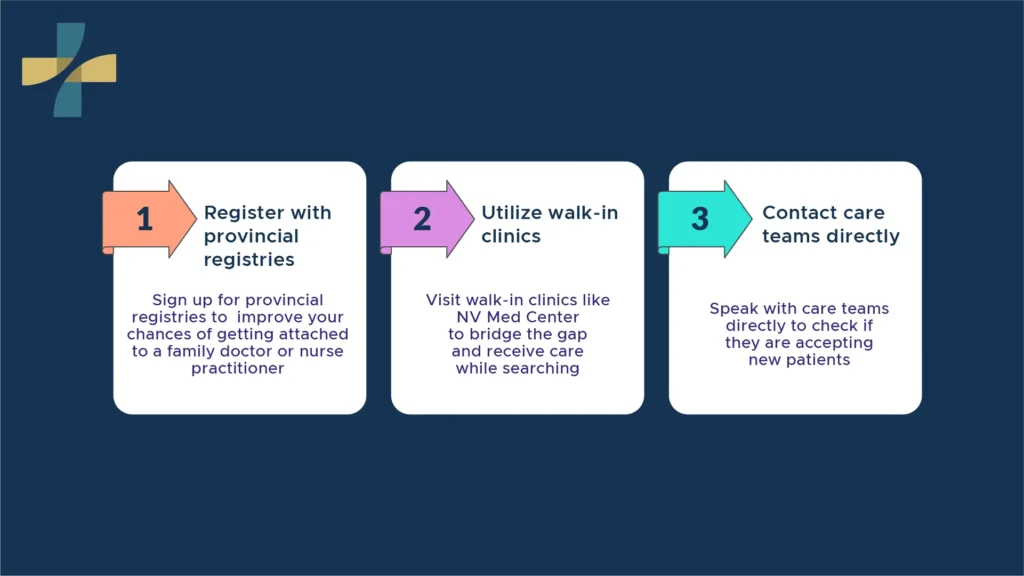
If you’ve spent hours searching online for a family doctor accepting new patients in vancouver only to hit dead end after dead end, you are far from alone. Thousands of Vancouver residents are currently without a regular primary care provider, and the search can feel overwhelming, frustrating, and even a little scary if you have ongoing health needs. The good news is that there are real, practical steps you can take right now to improve your chances of getting attached to a family doctor or nurse practitioner. From provincial registries to walk-in clinics that bridge the gap, this guide breaks down exactly what to do, in what order, so you’re not left guessing. While you work through these steps, NV Med Center offers walk-in care, so you’re never without support in the meantime. You can check if we’re accepting new patients or speak with our care team directly. Why It’s Hard to Find a Family Doctor in Vancouver British Columbia is in the middle of a well-documented family doctor shortage bc, and Vancouver has felt this strain acutely. Many long-practicing physicians are retiring, while fewer new doctors are choosing family medicine due to historical funding models that made it financially difficult to run a traditional practice. At the same time, the city’s population continues to grow, which means demand for primary care keeps rising even as the number of available doctors shrinks. The result is a large pool of unattached patients bc, the official term for people without a regular family doctor. Example Case: Maria moved to Vancouver for work and assumed finding a family doctor would take a few phone calls. After contacting over 15 clinics with no openings, she realized she needed a more strategic approach to navigate the family doctor waitlist vancouver. Over 900,000 British Columbians are currently unattached to a family doctor. Vancouver has one of the highest concentrations of unattached patients in the province. New payment models introduced in recent years have helped, but demand still outpaces supply. How to Register on the Health Connect Registry The single most important step for anyone searching for a family doctor accepting new patients vancouver is registering with the Health Connect Registry bc. This is the provincial government’s official tool for matching unattached patients with available family doctors and nurse practitioners. You can register directly on the official HealthLink BC Health Connect Registry portal. Registration takes about five to ten minutes and can be completed entirely online, or by calling 811 if you prefer to register by phone. Once registered, you’ll be placed in a queue based on your health needs and location, and the registry will contact you when a suitable provider becomes available. Example Case: After registering on the Health Connect Registry bc, James received a call within four months connecting him with a nurse practitioner accepting patients vancouver in his neighborhood, far faster than his solo clinic-calling attempts. Visit the HealthLink BC website or call 811 to register for a family doctor bc. Have your Personal Health Number (PHN) ready. Update your contact information regularly so you don’t miss a match. Other Ways to Find a Family Doctor Accepting New Patients While the Health Connect Registry should be your first step, it shouldn’t be your only one. Combining multiple strategies significantly increases your odds of getting attached sooner. The Pathways directory, used mainly by healthcare providers, can sometimes be accessed through walk-in clinics or referrals to identify doctors currently accepting patients. Your local Division of Family Practice also maintains community-specific resources and sometimes runs its own patient attachment initiatives. To learn more about regional initiatives, check out the resources provided by Doctors of BC. It’s also worth checking FindADoctorBC, a public-facing directory that lists physicians across the province, including some accepting new patients in the Vancouver area. Example Case: Priya used a combination of FindADoctorBC and calls to her local Division of Family Practice office, discovering a nurse practitioner clinic that had just opened its books to new patients that week. Check FindADoctorBC listings regularly, as availability changes frequently. Ask your local Division of Family Practice about attachment events or open clinics. Consider nurse practitioners, who can provide the same comprehensive primary care as family doctors. What to Do While You Wait Being on a waitlist doesn’t mean you have to go without care. Walk-in clinics, urgent primary care centres, and virtual care options can cover your needs for prescriptions, minor illnesses, and ongoing management while you wait for attachment. It’s also smart to keep a personal health record, including medications, allergies, and past diagnoses, so any clinician you see can quickly understand your history. If you are experiencing symptoms or need ongoing monitoring for long-term health concerns, learn more about how our team assists with Chronic Care Management: How a Medical Center Can Help. Example Case: While waiting on the Health Connect Registry, Tom used a walk-in clinic for a recurring prescription refill and kept a simple health summary on his phone to share with each new provider he saw. Use walk-in clinics or urgent primary care centres for immediate, non-emergency needs. Keep a personal file of medications, allergies, and medical history. Use 811 or HealthLink BC for health advice when you’re unsure whether a visit is needed. How NV Med Center Can Help NV Med Center understands how stressful it is to navigate the healthcare system when searching for a family doctor accepting new patients in Vancouver. While waiting for long-term primary care attachment, you do not have to delay your essential medical needs. Our clinic provides reliable, accessible healthcare services to bridge the gap. Whether you require routine check-ups, preventive screenings, or assistance with specialized paperwork, our medical team is here to support you. You can easily access our comprehensive Clinical Counselling for mental health support, or book a consultation through our Paediatrics services for your children’s health needs. Next Steps to Secure Your Primary Care Provider in BC Taking proactive steps today
Reported Unfit to Drive in BC? What Happens Next and How to Respond
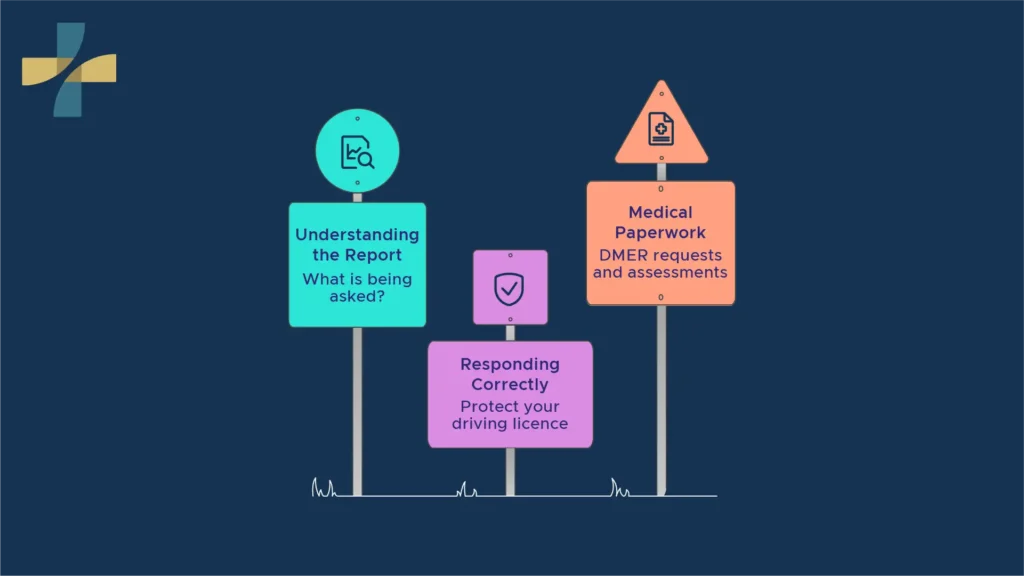
Getting a letter from RoadSafetyBC saying you’ve been reported unfit to drive bc can feel like the ground just shifted under you. One day you’re driving to work, picking up groceries, or taking your kids to school; the next, you’re staring at an official notice that questions your ability to do any of it. You’re not alone, and this isn’t necessarily the end of your driving privileges. Many drivers successfully navigate this process every year by understanding exactly what’s being asked of them and responding correctly. This guide walks you through why reports happen, what RoadSafetyBC does with them, and how to protect your licence at every stage. Need help with your medical paperwork? You can get help responding to a DMER request or learn how to get your medical assessment booked quickly with our experienced team. Why You Might Be Reported Unfit to Drive RoadSafetyBC doesn’t pull names out of a hat. Reports typically come from a specific trigger: a doctor, optometrist, police officer, family member, or even ICBC flagging a concern about your fitness to drive safely. This is often called an unsolicited driver medical report bc situation, meaning you didn’t request the review yourself. Someone else raised the concern on your behalf, sometimes without you even knowing until the letter arrives. Common triggers include: A doctor reported me to RoadSafetyBC after a medical appointment revealed a condition like uncontrolled diabetes, seizures, or cognitive decline. Vision problems identified during an eye exam. A car accident where a medical condition affecting a driving licence bc was suspected. Police observations during a traffic stop. Family members raising concerns about a loved one’s driving, especially with aging parents. Example Case: James, a 68-year-old retired teacher in Kelowna, was reported unfit to drive bc after his optometrist noticed significant vision deterioration during a routine check-up. James had no idea this report was filed until he received a letter requesting a Driver’s Medical Examination Report (DMER). Understanding why the report happened helped him respond calmly instead of panicking. Reports are confidential; you typically won’t know who filed it. The reporting party is protected under the Motor Vehicle Act reporting provisions (see official guidance on gov.bc.ca RoadSafetyBC). What Happens After RoadSafetyBC Receives a Report Once RoadSafetyBC receives a report, it enters its driver fitness review process. This isn’t an automatic licence suspension; it’s the start of an evidence-gathering process. Here’s what typically unfolds: RoadSafetyBC’s medical adjudication team reviews the initial report to determine if it warrants further investigation. If it does, you’ll receive a formal letter, often requesting a DMER from your physician or specialist. If you already have a trusted general practitioner, they can assist with this process; read our guide on What Services Does a Family Doctor Actually Provide? A Complete Guide to Primary Care in BC to understand how primary care supports your administrative needs. In more urgent cases, especially involving seizures, fainting, or severe cognitive concerns, RoadSafetyBC may impose an immediate driving prohibition while the review is ongoing. If your notice was triggered by heart issues or arrhythmias, continuous monitoring may be required — learn more about Palpitations and Irregular Heartbeat: When Might You Need a Holter Monitor in North Vancouver?. Example Case: Maria received a letter after her cardiologist reported a fainting episode. RoadSafetyBC didn’t suspend her licence immediately but requested a DMER within 30 days along with additional cardiology records. She continued driving during this period since no immediate prohibition was issued. Standard reviews allow continued driving while documentation is gathered. High-risk cases may involve an immediate driving prohibition leading to a driver’s licence suspended for medical reasons bc status. Response deadlines are strict; missing them can result in automatic suspension. How to Respond to a DMER Request A DMER request is the most common next step, and how you handle it matters enormously. This document, completed by your physician, gives RoadSafetyBC the clinical picture they need to make a decision. Book your appointment immediately: Book your required medical assessment right away. Waiting even a few weeks can push you past RoadSafetyBC’s deadline, which typically triggers an automatic suspension regardless of your actual medical condition. Be transparent with your doctor: Physicians completing DMERs are documenting facts, not advocating for or against you. Accurate information serves your case better than omissions that could be flagged later. Gather supporting documentation: Specialist letters, recent test results, and treatment compliance records can strengthen a borderline case significantly. If your review involves rehabilitation, mobility, or physical recovery, incorporating professional physical therapy can support your assessment; see our Physiotherapy Services for details. Example Case: Robert, diagnosed with early-stage Parkinson’s, worked with his neurologist to include detailed notes on his current treatment response and functional ability. This additional context helped RoadSafetyBC approve a conditional licence rather than a full suspension. Confirm your DMER deadline in writing. Ask your doctor’s office to expedite paperwork submission directly to RoadSafetyBC. Keep copies of everything submitted. Can You Appeal a RoadSafetyBC Decision? Yes, if RoadSafetyBC suspends or cancels your licence following the driver fitness review process, you have the right to request a review of that decision. This isn’t automatic; you need to formally submit an appeal RoadSafetyBC decision request within strict statutory timeframes (usually within 21 days of receiving the notice). To build a strong appeal, you must provide fresh medical evidence, updated specialist evaluations, or proof that the condition causing impairment is now successfully managed or in remission. You can review clinical standards and driver fitness guidelines set by the Canadian Medical Association (CMA) Driver Fitness Guide to understand the medical benchmarks adjudicators use. Getting Your Medical Assessment Booked Quickly When faced with strict deadlines from RoadSafetyBC, speed and accuracy are crucial. If you need a comprehensive medical evaluation or form completion, our experienced team at NV Med Center is here to help. Whether you need a full evaluation or a consultation through our Online Visit services, getting your assessment done promptly is the best way to safeguard your driving privileges.
What Services Does a Family Doctor Actually Provide? A Complete Guide to Primary Care in BC
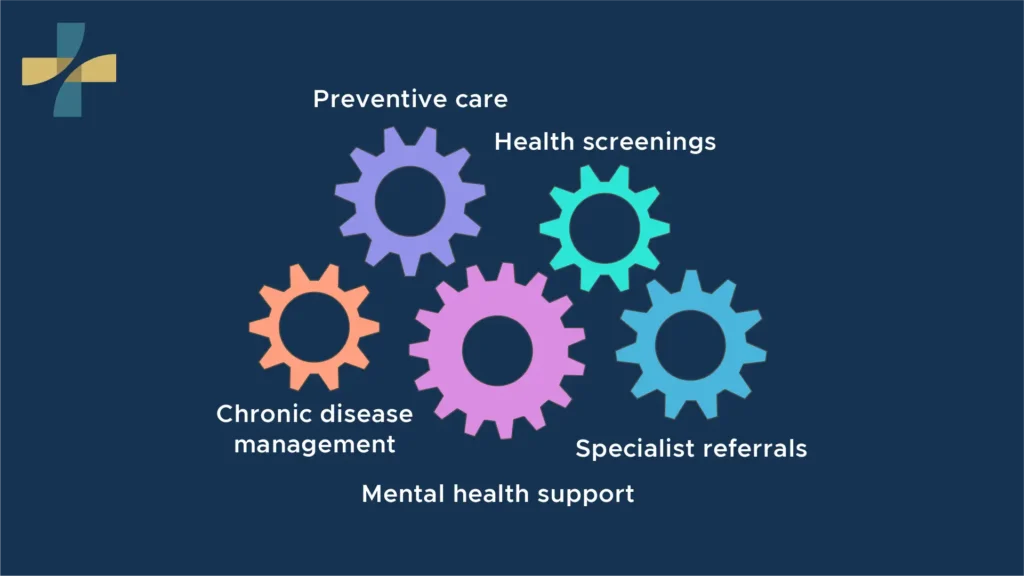
If you have ever left a doctor’s appointment wondering, “What does a family doctor do bc clinics actually offer more than a quick checkup,” you are not alone. Many British Columbians only think of their family doctor when they are sick, but the scope of family medicine bc physicians provide is far broader than most people realize. Understanding the full family doctor services list can help you get more value from your medical visits, catch potential health issues early, and build a long-term, trusting relationship with a healthcare professional who knows your medical history inside out. Whether you want to learn what our GPs can help with or are wondering how to choose the best family physician for your family, this complete guide breaks down everything from preventive care and screenings to chronic disease management, mental health support, and specialist referrals. Looking for comprehensive, patient-centred care in British Columbia? You can see the full range of our family doctor services or book an Online Visit to connect with our care team today. What Does a Family Doctor Do in BC? A family doctor, also referred to as a general practitioner (GP) or primary care physician, is trained to evaluate, diagnose, and treat individuals of all ages across every stage of life. They serve as your central healthcare manager and main guide through the medical system. In British Columbia, if you ask most patients what a family doctor does bc-wide, they might mention treating flu symptoms or prescribing antibiotics. However, according to guidance from the BC College of Family Physicians, their scope encompasses comprehensive lifecycle care, continuous health monitoring, emergency triaging, and guiding you on what to expect at your first family physician visit. Example Case: Sarah, a 34-year-old teacher in Kelowna, sees her family doctor for a routine checkup. During that single visit, her doctor updates her vaccinations, screens her cholesterol, discusses her recent anxiety, and reviews her asthma action plan. Diagnosing and treating acute illnesses (infections, injuries, sudden seasonal ailments). Managing long-term health conditions through personalized treatment plans. Providing preventive screenings and routine immunizations for children and adults. Offering structured mental health support and clinical counseling guidance. Coordinating specialist referrals and diagnostic testing when advanced care is necessary. Preventive Care and Checkups Preventive care is a cornerstone of family doctor preventive care services, yet many patients delay these visits until symptoms become severe. Routine wellness checks make it possible to identify subtle health changes before they develop into major illnesses. Family doctors in BC provide routine physicals, blood pressure checks, cancer screenings, and specialized age-based assessments. For instance, adult men can benefit from men’s health screening over 40, while women receive tailored care including women’s preventive health screening. Furthermore, families can access dedicated Paediatrics services to monitor children’s growth and immunizations. Example Case: A 50-year-old patient schedules an annual physical exam. Based on provincial screening guidelines, his physician orders routine laboratory work and a routine colonoscopy referral, catching and removing a precancerous polyp early. Annual physical exams and comprehensive wellness evaluations Routine immunizations (flu shots, boosters, and travel vaccines) Targeted cancer screenings (Pap tests, mammograms, prostate evaluations) Cardiovascular and metabolic risk assessments Chronic Disease Management Effective family doctor chronic disease management is a vital component of comprehensive primary care services bc families rely on. Long-term health conditions like type 2 diabetes, hypertension, and persistent respiratory issues demand ongoing oversight rather than quick, one-off treatments. According to health data published on HealthLink BC, proactive primary care dramatically reduces emergency room visits for patients with chronic illnesses. Regular monitoring helps balance medications, prevent complications, and maintain daily quality of life. When addressing what conditions does a family doctor treat, chronic illness oversight remains at the top of the list. Real-World Example: A patient managing hypertension works closely with their GP to monitor blood pressure trends and adjust prescriptions, avoiding emergency hospitalization. Diabetes screening test and long-term blood sugar management High blood pressure symptoms monitoring and cardiovascular support Asthma and COPD action planning Comprehensive medication reviews and integrative therapies (including Acupuncture, Physiotherapy, or Massage Therapy for chronic physical discomfort) Mental Health Support Many patients ask, can family doctor treat mental health? The answer is a resounding yes. Family physicians serve as a primary compassionate gateway for patients experiencing psychological distress, stress, anxiety, or mood changes. Your family doctor can perform clinical assessments, prescribe and manage psychiatric medications, and connect you with ongoing therapeutic support. In addition to medical intervention, patients often benefit from integrated Clinical Counselling to build long-term emotional resilience. Real-World Example: A university student struggling with burnout and severe anxiety meets with her family doctor. The physician conducts an initial assessment, outlines a management plan, and links her with professional counselling options covered under BC health resources. Initial diagnostic evaluations for anxiety, depression, and stress Prescription management and routine follow-up care Referrals to specialized psychologists, psychiatrists, or therapists Integrated wellness strategies combining physical and mental health When a Family Doctor Refers You to a Specialist Understanding the family doctor vs specialist scope allows patients to navigate their healthcare journey with clarity. While general practitioners manage roughly 80–90% of everyday medical concerns, complex conditions require focused expertise. If you are unsure whether your situation requires a specialist, read our guide on whether you need referrals for specialist visits. When advanced imaging, surgical evaluation, or targeted therapies are needed, your family physician coordinates the referral while remaining your primary advocate throughout treatment. Real-World Example: A patient suffering from persistent knee pain visits their GP. After initial X-rays show structural joint damage, the family doctor coordinates a referral to an orthopedic surgeon while arranging interim Physiotherapy to maintain joint mobility. Frequently Asked Questions 1-Does a family doctor handle mental health as well as physical health? Yes, family doctors in BC are fully qualified to evaluate, diagnose, and treat common mental health conditions like anxiety and depression. They can prescribe medications, recommend lifestyle adjustments, and refer you to dedicated Clinical Counselling for specialized therapy. 2-What preventive
Commercial Driver Medical Requirements in BC: Class 1 to 4 Explained

If you drive for a living or plan to start soon, there is one critical health form standing between you and your career: the commercial driver medical exam bc authorities mandate before approving or renewing your driving credentials. It is not an optional checkup, nor is it handled like a routine visit to your family doctor. Whether you operate a heavy tractor-trailer, a local delivery truck, a taxi, or a passenger bus, ICBC and RoadSafetyBC require clear physical proof that you can operate a commercial vehicle safely. Because requirements vary significantly depending on your specific licence class, letting a deadline slip can freeze your commercial licence and disrupt your livelihood. Below, we break down what is required for Class 1 through 4 commercial drivers, how often you must re-certify, and how to prepare for your clinical appointment. Need Clarification? Not sure which licence class applies to your career goals? Before scheduling your visit, learn about Class 1-4 medical requirements to ensure you bring the right paperwork. What Is a Commercial Driver Medical Exam? A commercial driver medical exam bc assessment is a comprehensive, regulated physical evaluation designed to verify that a professional driver meets British Columbia’s physical and cognitive safety standards. Across BC, these clinical assessments adhere strictly to the CCMTA (Canadian Council of Motor Transport Administrators) Medical Standards for Drivers, ensuring consistent driving fitness evaluations nationwide. Unlike a basic checkup, this exam is built explicitly around occupational driving medical fitness. Your physician evaluates specific medical risks that could affect your alertness, hand-eye coordination, reaction speed, or physical control behind the wheel of a heavy or passenger-carrying vehicle. During your appointment, your physician will evaluate key physical factors, including: Vision and hearing sharpness Cardiovascular health and blood pressure baseline (If irregular heart rhythms are detected, further testing such as Holter Monitoring Assessments may be recommended) Active prescription medications and chronic disease balance Cognitive alertness, reflexes, and neurological function Many commercial operators refer to this evaluation as a DOT-style medical exam bc trucking assessment because its rigorous physical standards assessment that parallels the requirements enforced by the U.S. Department of Transportation. Example Case: A 52-year-old long-haul trucker scheduling his class 1 driver medical requirements bc assessment was flagged for unmanaged sleep apnea and elevated blood sugar. Our clinic ordered a targeted Diabetes Screening Test and guided him through sleep therapy protocols. Once his health metrics stabilized, his medical clearance was granted without compromising his professional schedule. Medical Requirements by Licence Class Medical standards scale directly with vehicle weight, passenger liability, and overall road risk. Here is how BC categorizes Class 1 through 4 medical standards: Class 1 & 2 (Heavy Trucking & Highway Buses) The class 1 driver medical requirements bc standards represent the most stringent medical criteria in the province, as these drivers command multi-axle tractor-trailers and articulated loads. Class 2 covers large passenger buses, carrying equal responsibility. Physicians rigorously evaluate visual acuity, peripheral vision, cardiovascular stability, and conditions causing sudden fatigue. If you have a history of heart condition concerns, your doctor may coordinate with our Family Physician Care team to clear your driving record safely. Example Case: A Class 1 operator with a cardiac pacemaker submitted a detailed cardiologist report alongside his commercial driver medical exam bc form. Because his condition was stabilized and monitored, RoadSafetyBC issued his medical clearance without delay. Class 3 (Medium Trucks & Specialized Equipment) The class 3 driver medical bc guidelines govern operators driving single-axle trucks, dump trucks, or heavy construction vehicles with smaller trailers. While slightly less complex than Class 1 requirements, drivers must still demonstrate complete physical mobility, clear visual field standards, and stable blood pressure management. Class 4 (Taxis, Ambulances, Rideshares & Small Buses) The class 4 driver medical bc taxi bus rules apply to drivers carrying up to 24 passengers or operating emergency service vehicles. Passenger safety in high-density urban traffic depends on fast reaction times. Because of this, physicians focus heavily on sudden-incapacitation risk factors. They also closely evaluate neurological health and unmanaged chronic conditions. Example Case: A taxi driver renewing his Class 4 licence disclosed a history of seizure events. By providing complete medical logs through our walk-in clinic primary care services, his physician verified a long multi-year seizure-free milestone under controlled treatment, successfully clearing his medical file according to RoadSafetyBC medical guidelines. How Often You Need to Renew Your Commercial Medical Commercial drivers in British Columbia must complete a medical exam at set age intervals, or whenever RoadSafetyBC issues a formal Driver Medical Examination Report (DMER) request. Under normal conditions, commercial drivers must submit a new medical report based on the following schedule: Under Age 45: Typically required every 5 years. Ages 45 to 65: Required every 3 years. Over Age 65: Required annually to maintain active commercial driving privileges. If you have an existing condition such as hypertension, diabetes, or a past cardiovascular event, RoadSafetyBC may request more frequent annual re-evaluations regardless of your age. Failing to submit your DMER by the deadline listed on your notice will lead to an automatic downgrade of your commercial licence to a standard Class 5. Cost and What to Expect at Your Appointment Because commercial driver medical exams are considered an occupational licensing requirement, they are not covered under BC’s Medical Services Plan (MSP). Drivers or their employers are responsible for paying the clinical examination fee at the time of the visit. How Much Does it Cost? If you are wondering about the commercial driver medical exam cost vancouver drivers typically encounter, clinic fees across the Greater Vancouver area generally range between $120 and $200, depending on whether additional diagnostic screenings (such as specialized ECGs or detailed vision forms) are required. What Happens During Your Appointment? When you arrive at NVMed Center for your exam, the clinical process is straightforward and efficient: Form Verification: Bring your official Driver Medical Examination Report (DMER) form issued by RoadSafetyBC, along with valid photo ID and your current driver’s licence. Health History Review: The physician will review
Senior Driver Medical Exam BC: What to Expect at Your 80+ Licence Renewal
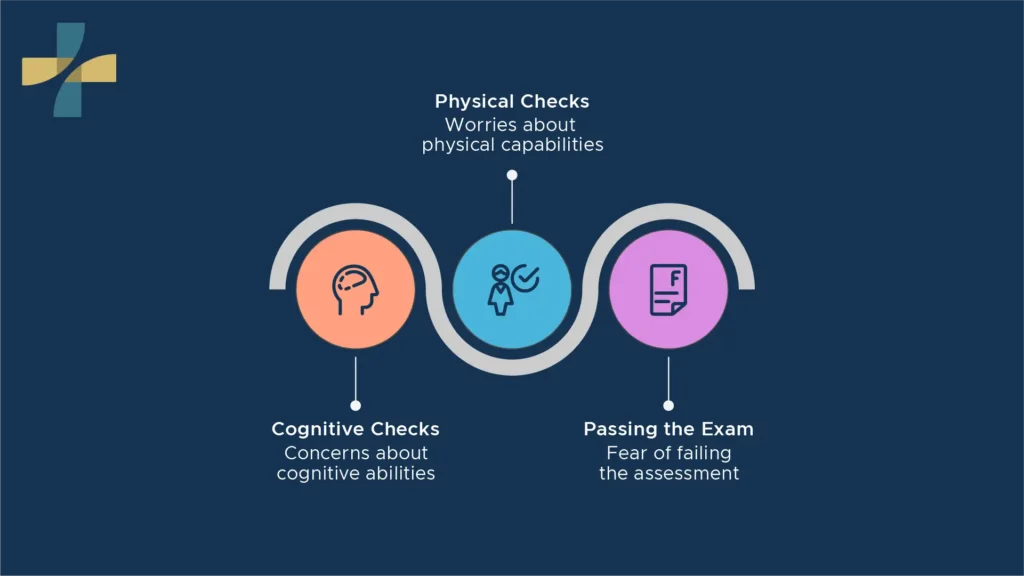
Turning 80 doesn’t mean the end of your driving days in British Columbia, but it does mean a trip to your doctor’s office. Whether you are approaching this milestone yourself or are an adult child helping an elderly parent navigate the driver’s licence renewal at 80 bc, it is completely normal to feel uncertain about what lies ahead. Most people naturally wonder what the senior driver medical exam bc requires, how the cognitive and physical checks work, and whether they will pass. The good news is that most seniors continue driving safely well into their later years. The exam isn’t designed to take your keys away. It’s designed to confirm you can still drive safely, and to catch any health changes that might affect your reaction time, vision, or judgment on the road. If you are ready to complete your required assessment, you can book a senior driving medical assessment with our primary care team today, or skip ahead to learn more about scheduling a driving medical assessment for seniors in Vancouver. Who Needs a Senior Driver Medical Exam in BC? In British Columbia, completing a senior driver medical exam bc is mandatory once a driver turns 80, with follow-up safety screenings required every two years thereafter. This requirement applies across all licence classes, whether you drive a personal sedan, motorcycle, or commercial vehicle. According to official guidelines from RoadSafetyBC, the provincial licensing authority may also request a driving safety screening for drivers of any age if a doctor, family member, or police officer flags a health concern. So while age 80 is the official trigger point, younger drivers with conditions such as a stroke history, seizures, or vision impairments may also be required to undergo assessment. If you have broader questions about how provincial coverage applies to these visits, review our guide on what insurance covers primary care in BC (MSP). Example Case: Margaret, a 79-year-old Vancouver resident, receives a letter from RoadSafetyBC two months before her 80th birthday reminding her to book a medical exam. She has no major health issues, but the checkup remains mandatory to maintain her driving privileges. Applies to all drivers turning 80, regardless of driving record Can also be triggered earlier due to reported medical conditions or cognitive screening flags Required for renewal of any licence class What Happens During the 80+ Medical Licence Renewal The exam itself is straightforward and usually takes about 30 minutes. Your family doctor or a physician at a walk-in clinic completes a standardized form called the Driver’s Medical Examination Report (DMER), which is then submitted directly to RoadSafetyBC for evaluation. To learn more about BC’s senior driver renewal process and general ICBC medical standards, it helps to understand how health and driving safety intersect. The exam focuses on specific physical and mental functions vital for safe driving rather than just your age on paper. If it has been a while since your last full checkup, you might also be interested in our guide to annual physical exams in Canada and essential blood tests. Cognitive Screening During the cognitive screening portion, doctors carefully evaluate memory, spatial awareness, and decision-making capabilities. This is typically conducted through natural conversation and brief, validated assessment tools to detect early signs of confusion or dementia. This isn’t a pass-or-fail memory quiz in the way people imagine. It’s a general assessment of mental sharpness, awareness, and reasoning under normal road circumstances. Vision and Physical Checks Your doctor will test visual acuity and peripheral vision, since both are critical for safe driving. They’ll also check for physical limitations such as joint stiffness, muscle weakness, or slowed reflexes that could affect braking or steering. For male seniors preparing for these comprehensive appointments, combining this evaluation with a broader men’s health screening over 40 in Vancouver can be an efficient way to manage overall wellness. Blood pressure, hearing, and any medications that cause drowsiness or dizziness are typically reviewed as well. Example Case: An 81-year-old man in Surrey has early-stage arthritis in his neck, limiting his ability to check blind spots. His doctor notes this on the form, and RoadSafetyBC requests an additional practical road assessment before renewing his licence. How Often Do Seniors Need to Renew? After your initial senior driver medical exam bc at age 80, RoadSafetyBC mandates a new medical evaluation every two years. This two-year cycle operates independently from standard driver’s licence card renewals, which occur every five years. Medical professionals and licensing officers emphasize that health conditions can evolve rapidly in later decades. A driver who demonstrates full functional capacity at 80 may develop vision changes, cardiovascular issues, or joint mobility limitations by age 82 that warrant closer monitoring. Example Case: An 84-year-old woman in Richmond passed her exam at 80 with no issues. Two years later, her renewal exam flags early cataracts, prompting a referral to an ophthalmologist before her licence is confirmed. What If You Don’t Pass the Assessment? Not passing doesn’t automatically mean losing your licence. In many cases, RoadSafetyBC will ask for more information, such as a specialist’s report, an occupational therapy driving evaluation, or a formal road test. If a serious medical concern is confirmed, RoadSafetyBC may issue a restricted licence instead of a full cancellation. This could mean daytime-only driving, no highway driving, or a requirement for corrective lenses. In cases involving significant cognitive decline or unmanaged medical conditions, a licence may be suspended. Drivers and their families have the right to appeal a licensing decision and can request a reassessment once their medical status is clarified or stabilized. Example Case: A senior driver in Burnaby is flagged for slower reaction times during his cognitive and physical check. Rather than revoking his licence immediately, RoadSafetyBC requests an occupational therapy driving assessment to test his real-world skills before making a final determination. Booking Your Senior Driver Medical Exam in Vancouver When your RoadSafetyBC renewal notice arrives in the mail, booking your appointment promptly ensures you avoid any gap in your driving privileges.
Positive FIT Test in BC: What Happens Next and When Should You See a Family Doctor?
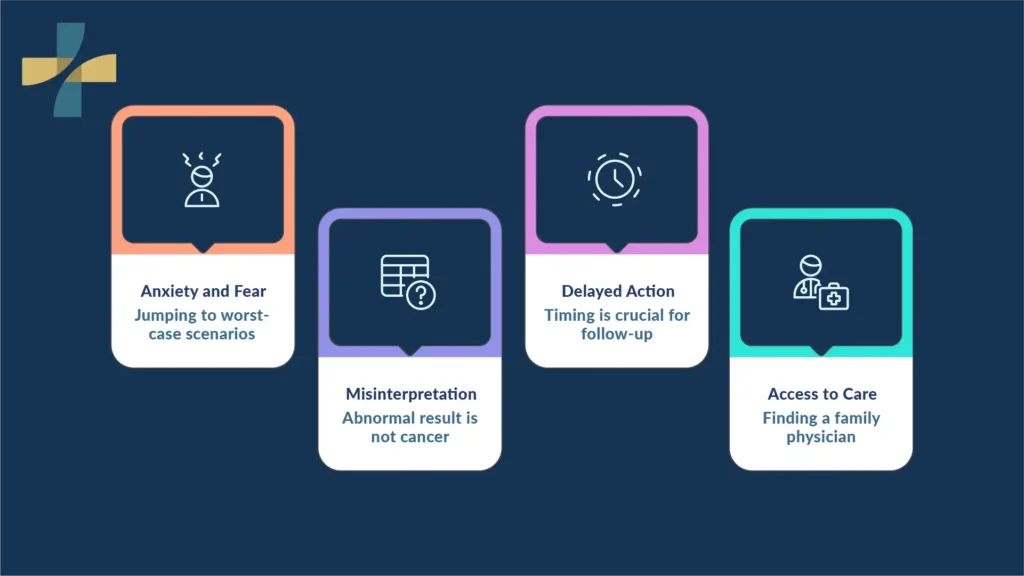
Opening an envelope or logging into Health Gateway to find a positive FIT test BC result can instantly make your heart sink. Your mind may jump straight to worst-case scenarios, but take a deep breath: an abnormal result does not mean you have colorectal cancer. It simply means the test found trace amounts of blood in your stool that need a closer look. The good news is that this is exactly what the FIT screening program is designed to catch. A positive result is a signal to act, not a diagnosis. Understanding what happens next and why timing matters can help you move forward calmly and ensure you get the right follow-up care without unnecessary delay. If you’ve received an abnormal FIT result and need a Family Physician to guide your next steps, our team of experienced physicians at NVMed Centre is here to provide comprehensive care. You can easily book an appointment to get timely, thorough follow-up care. What a FIT test checks and what a positive result means The Fecal Immunochemical Test (FIT) is a simple, at-home screening tool used across BC’s colon screening program. It checks for hidden (occult) blood in your stool, which can be an early warning sign of polyps or colorectal cancer. A positive or abnormal FIT result means blood was detected. It does not confirm cancer, and it doesn’t tell you where the bleeding is coming from. In fact, many everyday gastrointestinal issues can cause blood in stool, including hemorrhoids, small tears, ulcers, or mild intestinal inflammation. Case Example: A 58-year-old woman in Kelowna received a positive FIT result through the BC Cancer screening program. She had no obvious symptoms and felt fine, as is common with many women’s preventive health screening tests, but the test still flagged microscopic blood invisible to the naked eye. FIT detects blood you cannot see or feel A positive result appears in roughly 1 in 13 people screened Most positive results are not caused by cancer, but all require follow-up Why an abnormal FIT usually needs follow-up An abnormal FIT result is considered incomplete on its own. It tells you something is happening, but not what. That’s why BC’s screening guidelines recommend a colonoscopy after positive FIT results, so a specialist can directly examine the colon lining. A colonoscopy allows doctors to locate the source of bleeding, remove polyps if found, and take biopsies when necessary. Skipping this step leaves the underlying cause unaddressed, which can delay diagnosis of treatable conditions. Real-world scenario: A man in Surrey assumed his positive FIT was due to hemorrhoids. Regular monitoring through men’s health screening over 40 can help detect these issues earlier. But he waited eight months before booking a doctor’s visit. When he finally followed up, doctors found a polyp that had grown large enough to require closer monitoring, something that likely would have been simpler to manage if caught earlier. Colonoscopy is the standard next step after an abnormal FIT Early follow-up increases the chance of finding treatable, non-cancerous causes Delaying follow-up can allow small issues to progress Why repeating the FIT is not the right next step It might feel tempting to simply take another FIT test to “double-check” the result, but this is not recommended. Repeating the FIT after an abnormal result can create a false sense of reassurance and delay proper diagnosis. The FIT test is a screening tool, not a diagnostic one. Once it flags a concern, the next appropriate step is a clinical evaluation and colonoscopy referral BC pathway, not another round of stool testing. Example Case: A patient in Victoria took a second FIT kit hoping for a clearer answer. The second test came back negative, so she assumed everything was fine. Months later, ongoing symptoms led her back to her doctor, who explained that a negative second FIT doesn’t cancel out the first abnormal result; the follow-up should have happened regardless. A negative repeat FIT does not undo a prior positive result Guidelines from BC Cancer explicitly advise against retesting The right next step is a family doctor FIT result review, not self-testing When to book a family doctor appointment As soon as you receive a positive FIT test BC notification, it is best to book an appointment with your family doctor. Don’t wait for symptoms to appear or worsen, since many people with abnormal FIT results feel completely normal. Your family doctor will review your result, discuss your health history, and determine whether a colonoscopy referral is needed. To learn more about how the referral process works in BC, read our guide on whether you need referrals for specialist visits. In BC, this referral is typically the standard next step following any abnormal FIT result. If you don’t currently have a regular clinic, you can connect with trusted doctors at our clinic to guide you through the process. Symptoms to mention while waiting for follow-up While you wait for your appointment, keep track of anything unusual, even if it seems minor or unrelated. This helps your doctor assess urgency and prioritise your referral appropriately. Mention any of the following if present: Visible blood in stool or on toilet paper Changes in bowel habits lasting more than a few weeks (such as unexplained diarrhea or constipation) Unexplained abdominal pain, cramping, or bloating Unintentional weight loss or sudden decrease in appetite Persistent fatigue, weakness, or feeling unusually run down Sharing these details gives your care team a complete picture of your gastrointestinal health, ensuring your referral is processed with the right priority level. Questions to ask about referral and timing When you meet with your doctor to review an abnormal FIT result, having a few key questions ready can help clear up uncertainty. Consider asking: What is the expected wait time for a colonoscopy referral in our health region? Are there any specific symptoms I should watch for while waiting for my procedure? Do I need to pause or adjust any current medications (like blood thinners) before the