Getting a letter from RoadSafetyBC saying you’ve been reported unfit to drive bc can feel like the ground just shifted under you. One day you’re driving to work, picking up groceries, or taking your kids to school; the next, you’re staring at an official notice that questions your ability to do any of it.
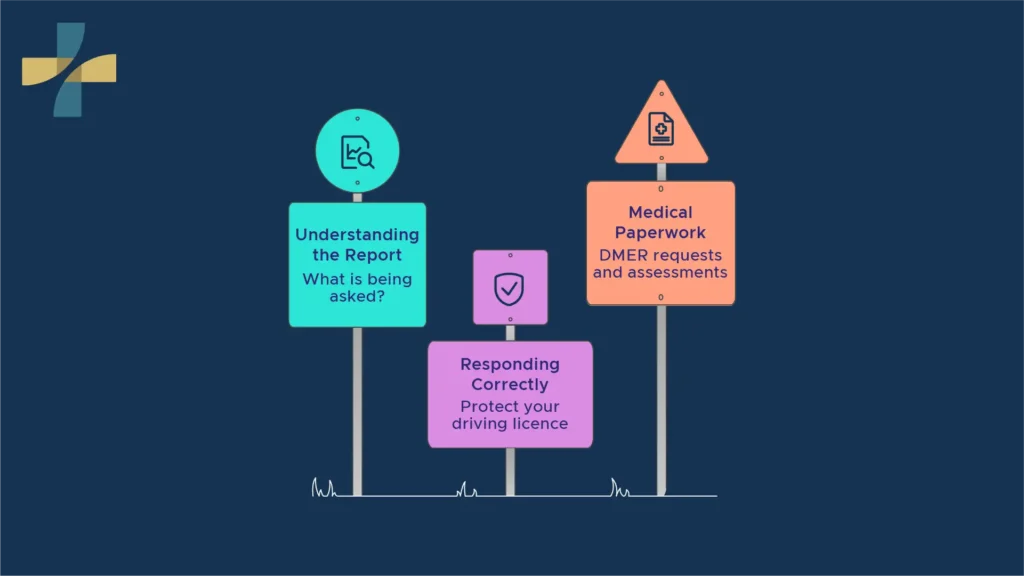
You’re not alone, and this isn’t necessarily the end of your driving privileges. Many drivers successfully navigate this process every year by understanding exactly what’s being asked of them and responding correctly. This guide walks you through why reports happen, what RoadSafetyBC does with them, and how to protect your licence at every stage.
Need help with your medical paperwork? You can get help responding to a DMER request or learn how to get your medical assessment booked quickly with our experienced team.
Why You Might Be Reported Unfit to Drive
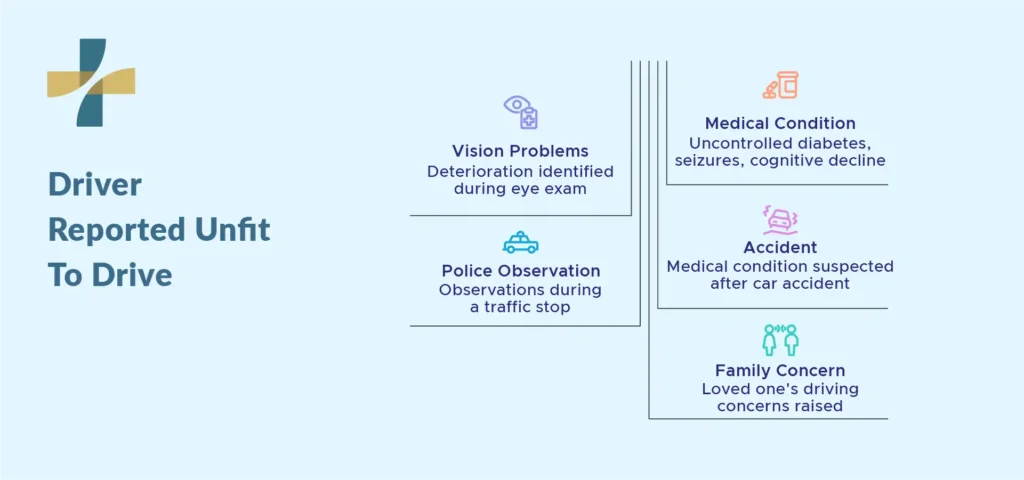
RoadSafetyBC doesn’t pull names out of a hat. Reports typically come from a specific trigger: a doctor, optometrist, police officer, family member, or even ICBC flagging a concern about your fitness to drive safely.
This is often called an unsolicited driver medical report bc situation, meaning you didn’t request the review yourself. Someone else raised the concern on your behalf, sometimes without you even knowing until the letter arrives.
Common triggers include:
- A doctor reported me to RoadSafetyBC after a medical appointment revealed a condition like uncontrolled diabetes, seizures, or cognitive decline.
- Vision problems identified during an eye exam.
- A car accident where a medical condition affecting a driving licence bc was suspected.
- Police observations during a traffic stop.
- Family members raising concerns about a loved one’s driving, especially with aging parents.
Example Case: James, a 68-year-old retired teacher in Kelowna, was reported unfit to drive bc after his optometrist noticed significant vision deterioration during a routine check-up. James had no idea this report was filed until he received a letter requesting a Driver’s Medical Examination Report (DMER). Understanding why the report happened helped him respond calmly instead of panicking.
- Reports are confidential; you typically won’t know who filed it.
- The reporting party is protected under the Motor Vehicle Act reporting provisions (see official guidance on gov.bc.ca RoadSafetyBC).
What Happens After RoadSafetyBC Receives a Report
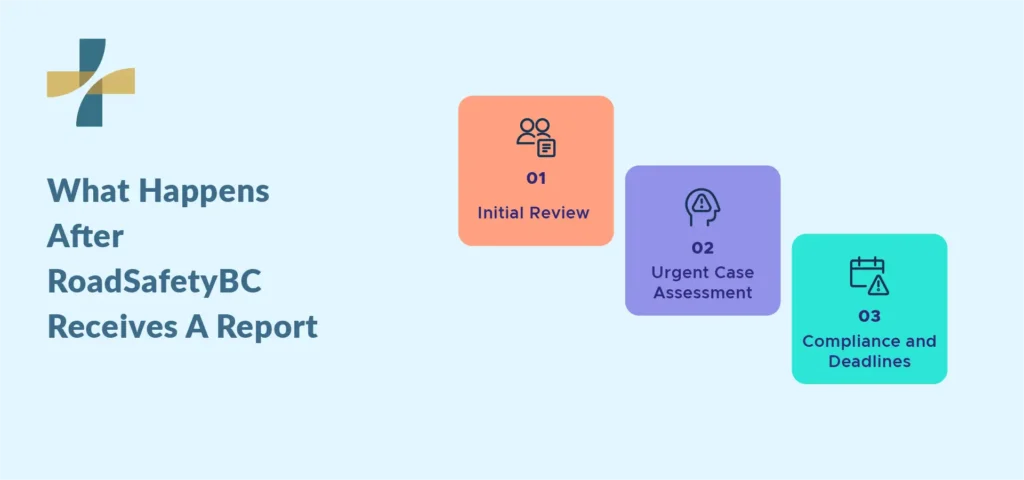
Once RoadSafetyBC receives a report, it enters its driver fitness review process. This isn’t an automatic licence suspension; it’s the start of an evidence-gathering process.
Here’s what typically unfolds:
RoadSafetyBC’s medical adjudication team reviews the initial report to determine if it warrants further investigation. If it does, you’ll receive a formal letter, often requesting a DMER from your physician or specialist. If you already have a trusted general practitioner, they can assist with this process; read our guide on What Services Does a Family Doctor Actually Provide? A Complete Guide to Primary Care in BC to understand how primary care supports your administrative needs.
In more urgent cases, especially involving seizures, fainting, or severe cognitive concerns, RoadSafetyBC may impose an immediate driving prohibition while the review is ongoing. If your notice was triggered by heart issues or arrhythmias, continuous monitoring may be required — learn more about Palpitations and Irregular Heartbeat: When Might You Need a Holter Monitor in North Vancouver?.
Example Case: Maria received a letter after her cardiologist reported a fainting episode. RoadSafetyBC didn’t suspend her licence immediately but requested a DMER within 30 days along with additional cardiology records. She continued driving during this period since no immediate prohibition was issued.
- Standard reviews allow continued driving while documentation is gathered.
- High-risk cases may involve an immediate driving prohibition leading to a driver’s licence suspended for medical reasons bc status.
- Response deadlines are strict; missing them can result in automatic suspension.
How to Respond to a DMER Request
A DMER request is the most common next step, and how you handle it matters enormously. This document, completed by your physician, gives RoadSafetyBC the clinical picture they need to make a decision.
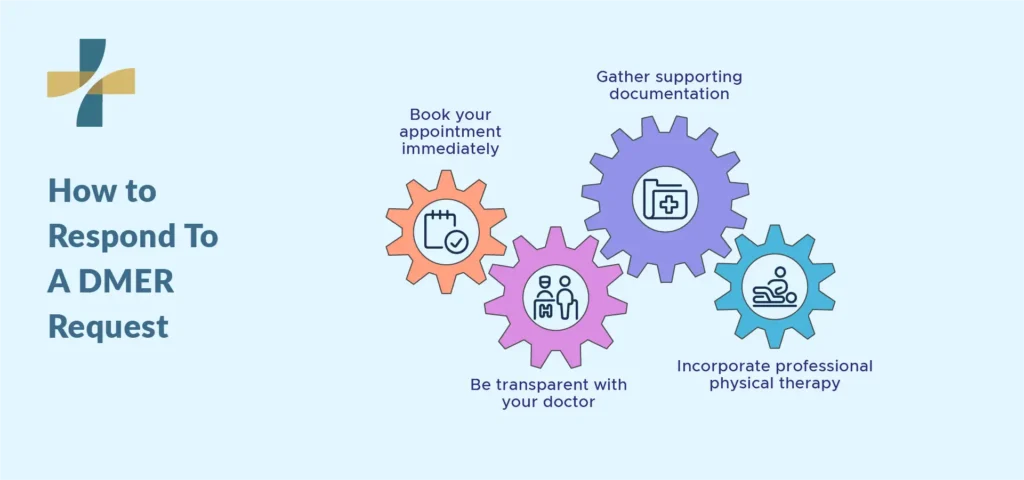
- Book your appointment immediately: Book your required medical assessment right away. Waiting even a few weeks can push you past RoadSafetyBC’s deadline, which typically triggers an automatic suspension regardless of your actual medical condition.
- Be transparent with your doctor: Physicians completing DMERs are documenting facts, not advocating for or against you. Accurate information serves your case better than omissions that could be flagged later.
- Gather supporting documentation: Specialist letters, recent test results, and treatment compliance records can strengthen a borderline case significantly. If your review involves rehabilitation, mobility, or physical recovery, incorporating professional physical therapy can support your assessment; see our Physiotherapy Services for details.
Example Case: Robert, diagnosed with early-stage Parkinson’s, worked with his neurologist to include detailed notes on his current treatment response and functional ability. This additional context helped RoadSafetyBC approve a conditional licence rather than a full suspension.
- Confirm your DMER deadline in writing.
- Ask your doctor’s office to expedite paperwork submission directly to RoadSafetyBC.
- Keep copies of everything submitted.
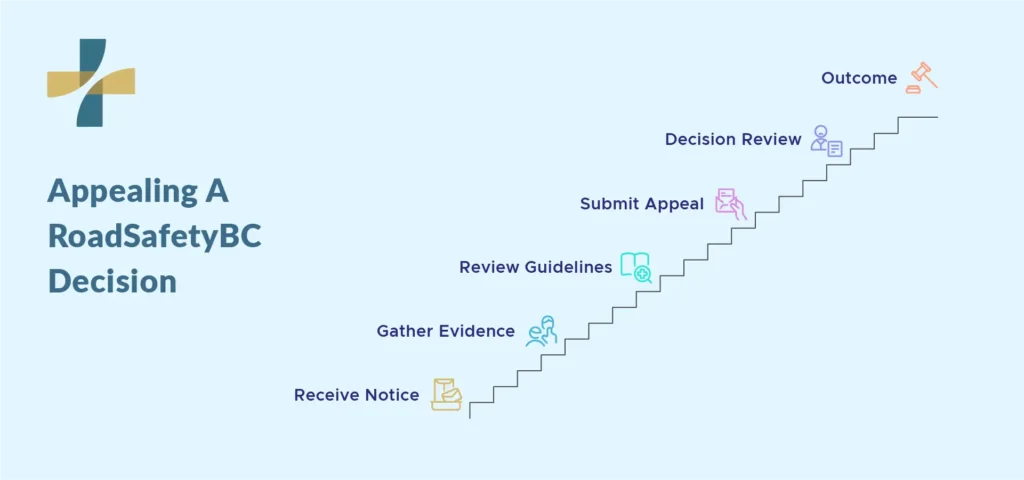
Can You Appeal a RoadSafetyBC Decision?
Yes, if RoadSafetyBC suspends or cancels your licence following the driver fitness review process, you have the right to request a review of that decision. This isn’t automatic; you need to formally submit an appeal RoadSafetyBC decision request within strict statutory timeframes (usually within 21 days of receiving the notice).
To build a strong appeal, you must provide fresh medical evidence, updated specialist evaluations, or proof that the condition causing impairment is now successfully managed or in remission. You can review clinical standards and driver fitness guidelines set by the Canadian Medical Association (CMA) Driver Fitness Guide to understand the medical benchmarks adjudicators use.
Getting Your Medical Assessment Booked Quickly
When faced with strict deadlines from RoadSafetyBC, speed and accuracy are crucial. If you need a comprehensive medical evaluation or form completion, our experienced team at NV Med Center is here to help. Whether you need a full evaluation or a consultation through our Online Visit services, getting your assessment done promptly is the best way to safeguard your driving privileges.
For those navigating routine age-related evaluations or other specialized driving exams, you can also read our detailed guides on Step-by-Step Guide: How to Complete Your ICBC Medical Form in Vancouver. If you need direct assistance from our primary care team, explore our Family Physician Care services to schedule an appointment immediately.
Frequently Asked Questions
1-How long does the medical review process take?
The RoadSafetyBC medical review process typically takes anywhere from a few weeks to several months, depending on the complexity of your case, how quickly your physician submits the DMER, and whether additional specialist reports are required by the medical adjudication team.
2-Can I keep driving while my case is under review?
In most standard cases, yes, you can continue driving while gathering your medical documentation, provided RoadSafetyBC has not issued an immediate driving prohibition notice. Always check your official letter to confirm your current licence status.
3-What are my options if my licence is restricted or cancelled?
If your licence is restricted or cancelled, you can submit an appeal with new medical evidence showing your condition is controlled, request a functional driving assessment, or work with your doctor to adjust your treatment plan to meet driver fitness standards.
4-What happens if I fail to submit my DMER on time?
Failing to submit your DMER by the deadline specified by RoadSafetyBC usually results in an automatic licence cancellation or suspension due to non-compliance, regardless of your actual health status.
5-How do medical adjudicators decide if someone is fit to drive?
Adjudicators evaluate your medical reports against established provincial driver fitness guidelines, considering factors like cognitive function, vision, motor skills, risk of sudden incapacitation, and adherence to prescribed treatments.