If you drive for a living or plan to start soon, there is one critical health form standing between you and your career: the commercial driver medical exam bc authorities mandate before approving or renewing your driving credentials. It is not an optional checkup, nor is it handled like a routine visit to your family doctor.
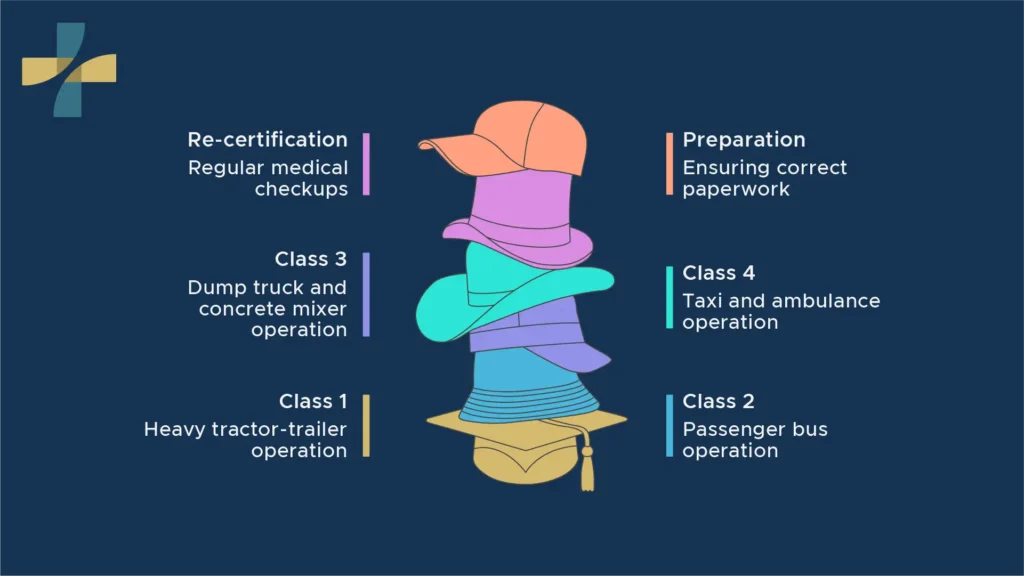
Whether you operate a heavy tractor-trailer, a local delivery truck, a taxi, or a passenger bus, ICBC and RoadSafetyBC require clear physical proof that you can operate a commercial vehicle safely. Because requirements vary significantly depending on your specific licence class, letting a deadline slip can freeze your commercial licence and disrupt your livelihood. Below, we break down what is required for Class 1 through 4 commercial drivers, how often you must re-certify, and how to prepare for your clinical appointment.
Need Clarification? Not sure which licence class applies to your career goals? Before scheduling your visit, learn about Class 1-4 medical requirements to ensure you bring the right paperwork.
What Is a Commercial Driver Medical Exam?
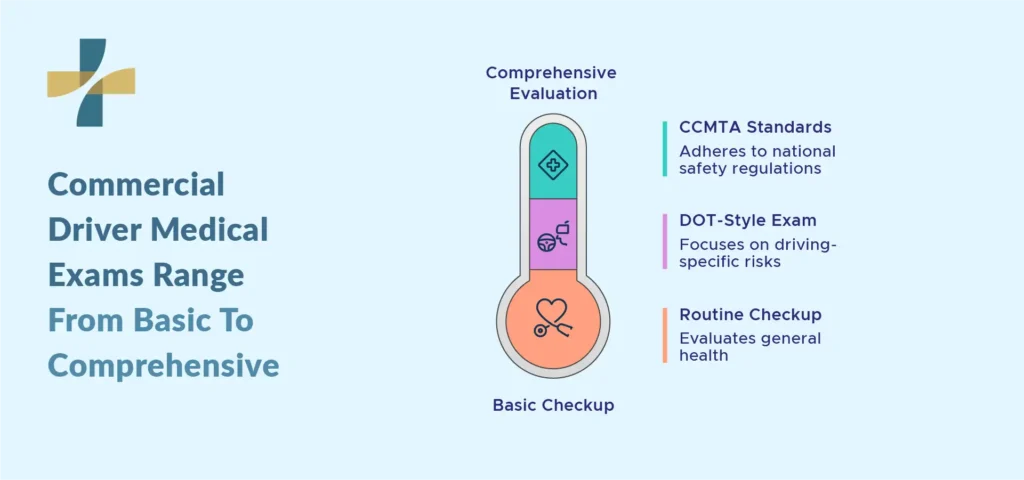
A commercial driver medical exam bc assessment is a comprehensive, regulated physical evaluation designed to verify that a professional driver meets British Columbia’s physical and cognitive safety standards. Across BC, these clinical assessments adhere strictly to the CCMTA (Canadian Council of Motor Transport Administrators) Medical Standards for Drivers, ensuring consistent driving fitness evaluations nationwide.
Unlike a basic checkup, this exam is built explicitly around occupational driving medical fitness. Your physician evaluates specific medical risks that could affect your alertness, hand-eye coordination, reaction speed, or physical control behind the wheel of a heavy or passenger-carrying vehicle.
During your appointment, your physician will evaluate key physical factors, including:
- Vision and hearing sharpness
- Cardiovascular health and blood pressure baseline (If irregular heart rhythms are detected, further testing such as Holter Monitoring Assessments may be recommended)
- Active prescription medications and chronic disease balance
- Cognitive alertness, reflexes, and neurological function
Many commercial operators refer to this evaluation as a DOT-style medical exam bc trucking assessment because its rigorous physical standards assessment that parallels the requirements enforced by the U.S. Department of Transportation.
Example Case: A 52-year-old long-haul trucker scheduling his class 1 driver medical requirements bc assessment was flagged for unmanaged sleep apnea and elevated blood sugar. Our clinic ordered a targeted Diabetes Screening Test and guided him through sleep therapy protocols. Once his health metrics stabilized, his medical clearance was granted without compromising his professional schedule.
Medical Requirements by Licence Class
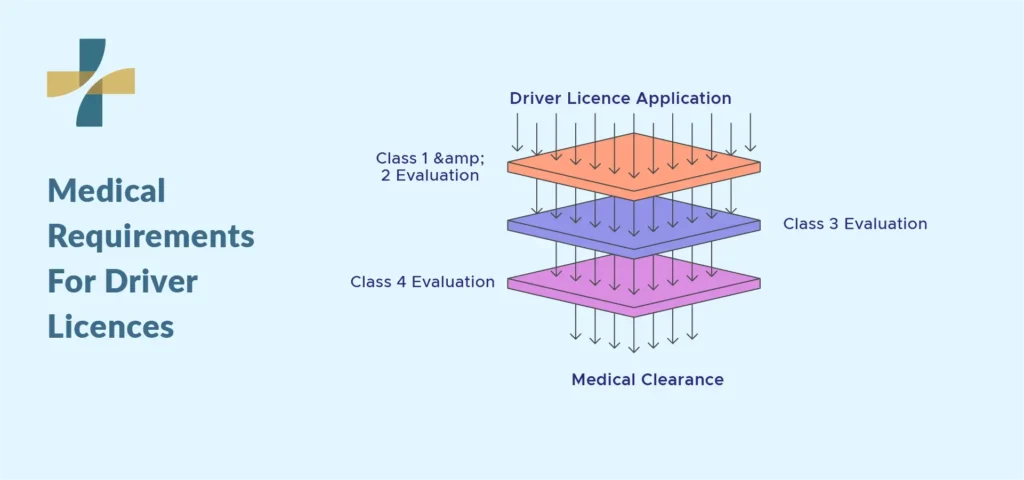
Medical standards scale directly with vehicle weight, passenger liability, and overall road risk. Here is how BC categorizes Class 1 through 4 medical standards:
Class 1 & 2 (Heavy Trucking & Highway Buses)
The class 1 driver medical requirements bc standards represent the most stringent medical criteria in the province, as these drivers command multi-axle tractor-trailers and articulated loads. Class 2 covers large passenger buses, carrying equal responsibility.
Physicians rigorously evaluate visual acuity, peripheral vision, cardiovascular stability, and conditions causing sudden fatigue. If you have a history of heart condition concerns, your doctor may coordinate with our Family Physician Care team to clear your driving record safely.
Example Case: A Class 1 operator with a cardiac pacemaker submitted a detailed cardiologist report alongside his commercial driver medical exam bc form. Because his condition was stabilized and monitored, RoadSafetyBC issued his medical clearance without delay.
Class 3 (Medium Trucks & Specialized Equipment)
The class 3 driver medical bc guidelines govern operators driving single-axle trucks, dump trucks, or heavy construction vehicles with smaller trailers. While slightly less complex than Class 1 requirements, drivers must still demonstrate complete physical mobility, clear visual field standards, and stable blood pressure management.
Class 4 (Taxis, Ambulances, Rideshares & Small Buses)
The class 4 driver medical bc taxi bus rules apply to drivers carrying up to 24 passengers or operating emergency service vehicles. Passenger safety in high-density urban traffic depends on fast reaction times. Because of this, physicians focus heavily on sudden-incapacitation risk factors. They also closely evaluate neurological health and unmanaged chronic conditions.
Example Case: A taxi driver renewing his Class 4 licence disclosed a history of seizure events. By providing complete medical logs through our walk-in clinic primary care services, his physician verified a long multi-year seizure-free milestone under controlled treatment, successfully clearing his medical file according to RoadSafetyBC medical guidelines.
How Often You Need to Renew Your Commercial Medical
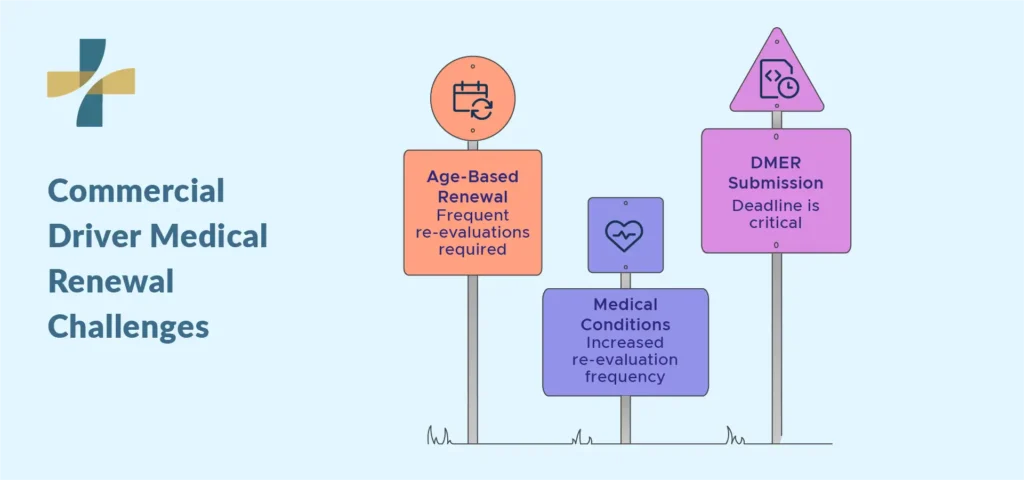
Commercial drivers in British Columbia must complete a medical exam at set age intervals, or whenever RoadSafetyBC issues a formal Driver Medical Examination Report (DMER) request.
Under normal conditions, commercial drivers must submit a new medical report based on the following schedule:
- Under Age 45: Typically required every 5 years.
- Ages 45 to 65: Required every 3 years.
- Over Age 65: Required annually to maintain active commercial driving privileges.
If you have an existing condition such as hypertension, diabetes, or a past cardiovascular event, RoadSafetyBC may request more frequent annual re-evaluations regardless of your age. Failing to submit your DMER by the deadline listed on your notice will lead to an automatic downgrade of your commercial licence to a standard Class 5.
Cost and What to Expect at Your Appointment
Because commercial driver medical exams are considered an occupational licensing requirement, they are not covered under BC’s Medical Services Plan (MSP). Drivers or their employers are responsible for paying the clinical examination fee at the time of the visit.
How Much Does it Cost?
If you are wondering about the commercial driver medical exam cost vancouver drivers typically encounter, clinic fees across the Greater Vancouver area generally range between $120 and $200, depending on whether additional diagnostic screenings (such as specialized ECGs or detailed vision forms) are required.
What Happens During Your Appointment?
When you arrive at NVMed Center for your exam, the clinical process is straightforward and efficient:
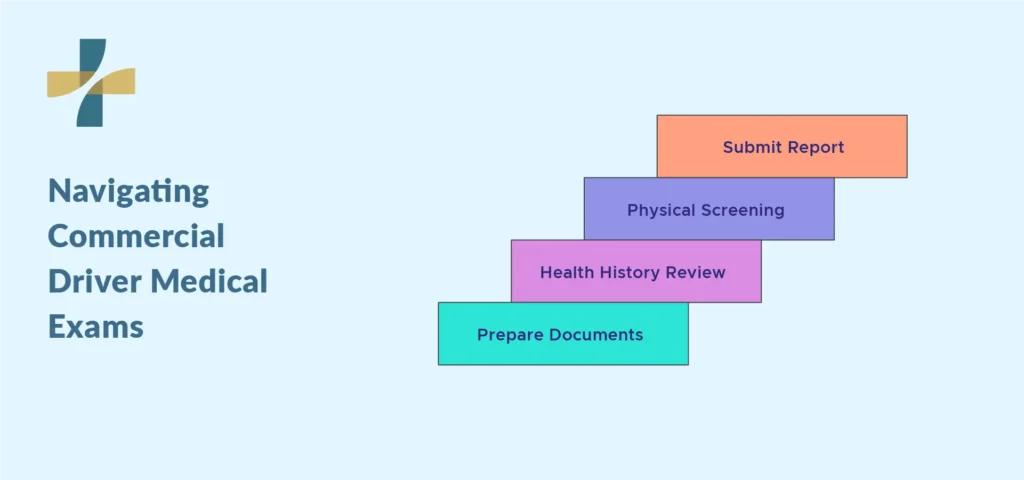
- Form Verification: Bring your official Driver Medical Examination Report (DMER) form issued by RoadSafetyBC, along with valid photo ID and your current driver’s licence.
- Health History Review: The physician will review your personal and family medical history, current medications, and any past surgeries or chronic health diagnoses.
- Physical & Clinical Screening: We conduct a complete check of your vision, hearing, blood pressure, pulse, reflexes, heart/lung function, and physical range of motion.
- Submission to RoadSafetyBC: Once completed, the medical report is submitted directly to RoadSafetyBC for official review and approval.
Ready to Renew Your Licence? Don’t let an expiring medical notice freeze your commercial licence. Book a commercial driver medical exam at NVMed Center today for fast, thorough, and professional medical clearance.
Frequently Asked Questions
1-Do bus and taxi drivers (Class 4) have different requirements than truck drivers?
Yes. Class 4 emphasizes urban passenger safety and fast reaction times, whereas Class 1–3 focus heavily on long-haul physical stamina, heavy load handling, and sleep apnea screening.
2-How much does a commercial driver medical exam cost in Vancouver?
Most Vancouver clinics charge between $120 and $200. The exam is not covered by MSP, but many commercial employers reimburse the cost.
3-Can I keep working while my commercial medical is under review?
Yes, provided you submit your DMER before the due date. Submitting late may result in an automatic ICBC downgrade to a Class 5 licence until approved.
4-What’s different about a commercial driver’s medical exam vs a regular one?
A routine checkup focuses on general personal health, whereas a commercial exam strictly evaluates occupational driving medical fitness. Physicians assess visual field standards, hearing, reflexes, cardiovascular stability, and sudden incapacitation risks against strict national CCMTA standards.
5-How often do Class 1, 2, 3, and 4 drivers need medical renewals?
Class 1 through 4 drivers in BC must submit a new medical report every 5 years until age 45, every 3 years between ages 45 and 65, and annually after age 65. Drivers with chronic health conditions may require annual re-evaluations regardless of age.
6-What medical conditions can disqualify a commercial driver in BC?
Certain medical conditions pose a risk of sudden incapacitation, such as uncontrolled epilepsy, severe sleep apnea, and unstable cardiovascular disease. Additionally, uncorrected vision problems, hearing loss, and active substance dependence can lead to medical disqualification. Applicants remain disqualified until these issues are successfully stabilized.