If you’re asking how often should you see your doctor for checkups, you’re not alone. Many healthy adults assume they only need to visit their GP when something feels wrong, while others believe an annual checkup frequency in BC is non-negotiable. The truth sits somewhere in between, and it depends on your age, health history, and personal risk factors.
Routine checkups aren’t just about catching illness early. They’re about building a relationship with a doctor who understands your baseline health, so subtle changes get noticed before they become serious problems. Getting the routine physical exam frequency right means you’re not overloading the healthcare system unnecessarily, but you’re also not missing important preventive care windows.
Not sure when your last checkup was due? Book your routine checkup with a GP near you and get back on track.
Do Healthy Adults Need Annual Checkups?
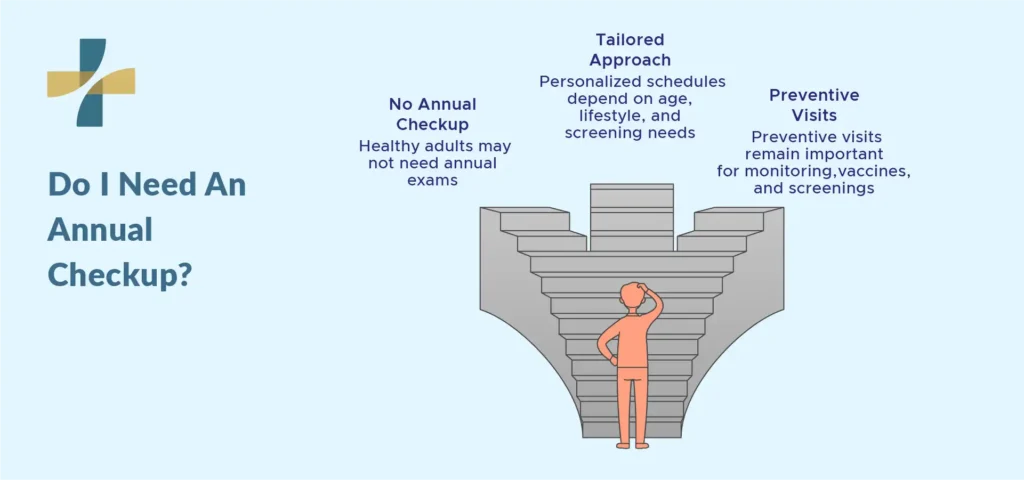
The idea of a mandatory yearly physical is actually a bit outdated. Research, including preventive care schedule guidelines referenced by Canadian health authorities like HealthLink BC, shows that healthy adults with no chronic conditions don’t necessarily need a full annual exam.
Instead, most guidelines now recommend a tailored approach based on age, lifestyle, and screening needs rather than a blanket “once a year” rule.
That said, “no annual checkup needed” doesn’t mean “no checkups at all.” Preventive visits still matter for blood pressure monitoring, vaccination updates, and screening reminders. To learn more about what tests are recommended at your stage of life, read our guide on Preventative Health Screenings Recommended by Family Physicians.
Example Case: A healthy 32-year-old with no family history of chronic disease may only need a GP visit every 1–2 years, supplemented by specific screenings like blood pressure checks or dental and vision exams on their own separate schedules.
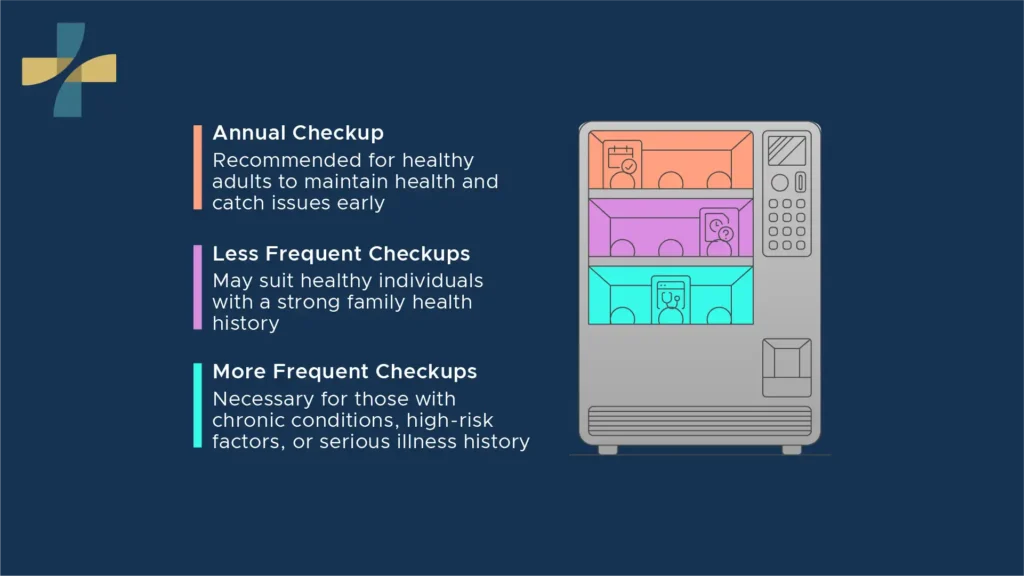
- Low-risk adults (18–39): every 1–3 years, depending on screening needs
- Adults with any chronic condition: annually at minimum, often more frequently
Checkup Frequency by Age and Risk Factors
Checkup frequency isn’t one-size-fits-all. As you age, or if you develop risk factors like high blood pressure, diabetes, or a family history of certain cancers, your GP visit schedule should adjust accordingly.
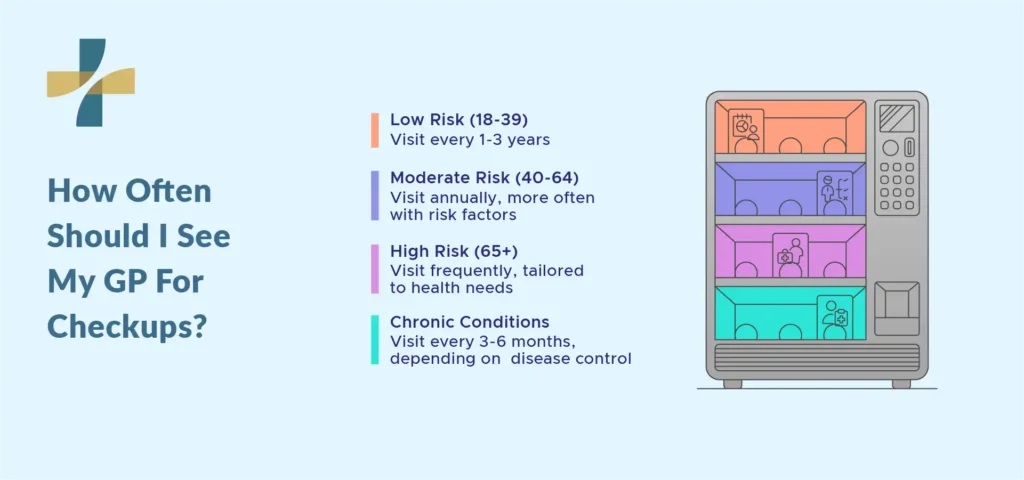
According to preventive care schedules used by many clinics, here’s a general framework for checkup frequency across Canada:
Example Case: A 55-year-old with borderline high cholesterol and a family history of heart disease may be advised to see their Family Physician Care provider every 6 months for bloodwork and blood pressure monitoring, rather than a standard annual visit.
- Ages 18–39 (low risk): every 1–3 years
- Ages 40–64: annually, or more often with risk factors (such as Men’s Health Screening Over 40 or Women’s Preventive Health Screening)
- Ages 65+: preventive care becomes increasingly important, with visit frequency and screening needs tailored to your health, medications, risk factors, and age-appropriate recommendations. Senior Drivers in BC may also require dedicated assessments.
- People with chronic conditions such as diabetes, hypertension, or heart disease may need GP visits every 3–6 months or at other intervals, depending on disease control, treatment, and individual risk factors. You can learn how continuous medical support helps in our article on How General Practitioners Help Manage Chronic Conditions.
What a Routine Checkup Includes
Knowing how often you should book a physical exam is only half the picture. Understanding what actually happens during the visit helps you get the most value out of it. If you’re visiting a new clinic, check our overview on What to Expect at Your First Family Physician Visit.
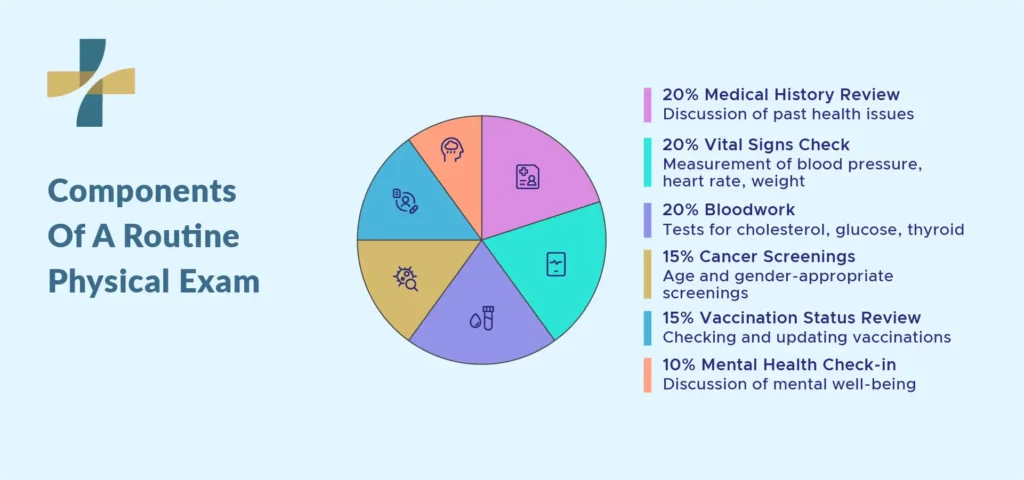
A standard wellness exam schedule typically includes a review of your medical history, vital signs, and a physical assessment tailored to your age and risk profile.
Routine bloodwork frequency also varies. Most healthy adults have bloodwork done every 1–2 years, while those managing chronic conditions may need it every 3–6 months. To see which blood tests are typically ordered, review our breakdown on Annual Physical Exam: What Blood Tests Are Included and Why They Matter.
Example Case: During a routine physical exam, a 45-year-old patient might receive a blood pressure check, cholesterol panel, blood sugar test, and a discussion about updating vaccinations, all within a single 30-minute appointment.
- Medical history review and lifestyle discussion
- Blood pressure, heart rate, and weight check
- Bloodwork (cholesterol, glucose, thyroid, as needed)
- Cancer screenings appropriate to age and gender
- Vaccination status review
- Mental health and lifestyle check-in
When You Should See Your GP More Often
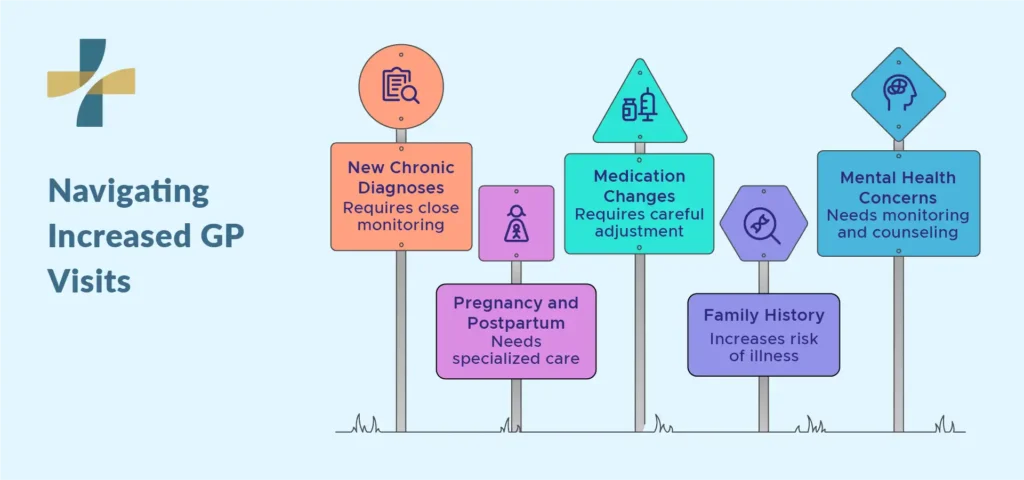
Certain life circumstances call for more frequent visits, regardless of your age or general health status. Pregnancy, new chronic diagnoses, medication changes, and post-surgical recovery all warrant closer monitoring.
If you notice persistent symptoms such as Palpitations and Irregular Heartbeat, unexplained fatigue, or ongoing joint pain—don’t wait for your next scheduled checkup. In cases of potential cardiac arrhythmias, your doctor might recommend specialized diagnostic tools like Holter Monitoring Assessments.
For musculoskeletal issues, integrating Physiotherapy or holistic pain relief options like Acupuncture into your care plan can speed up recovery.
Example Case: Someone recently diagnosed with type 2 diabetes may need to see their GP every 3 months initially to monitor blood sugar levels and adjust medication, tapering to less frequent visits once stable.
- Newly diagnosed chronic conditions
- Pregnancy and postpartum care
- Starting or adjusting medications
- Family history of serious illness (cancer, heart disease)
- Mental health concerns requiring monitoring or specialized Clinical Counselling

Finding Your Optimal Checkup Schedule
So, how often should you see your doctor for checkups? For most healthy adults, how often should you see your doctor for checkups comes down to your personal baseline: low-risk individuals typically require a visit every 1–3 years, while those managing chronic conditions, unique health risks, or requiring routine screening need annual or quarterly checkups. Staying proactive with your primary care team ensures catchable health issues are identified early. Schedule your annual physical today at NV MedCenter to personalize your health schedule.
FAQ
1-How often should you see your doctor for checkups if you feel completely healthy?
If you are under 40 and have no underlying health conditions or family risk factors, asking how often should you see your doctor for checkups usually leads to a recommendation of once every 1 to 3 years. These visits focus on routine blood pressure checks, updates to vaccinations, and establishing your baseline health status.
2-What is the difference between an annual physical exam and a problem-focused visit?
An annual physical exam (or wellness visit) is a proactive health check designed to review overall health, screen for asymptomatic conditions, and update preventive care. A problem-focused visit, on the other hand, is scheduled specifically to evaluate and treat a clear symptom, injury, or acute illness.
3-How often is routine bloodwork needed during regular checkups?
For healthy adults with no risk factors, bloodwork is generally recommended every 1 to 2 years to monitor cholesterol, blood sugar, and organ function. If you manage conditions like diabetes or high blood pressure, your physician may request blood tests every 3 to 6 months.
4-Should children see a doctor on the same schedule as adults?
No, infants and children require much more frequent checkups to monitor growth milestones and complete recommended vaccination schedules. If you are unsure about paediatric timelines, consult a healthcare provider through specialized Paediatrics services.
5-When should you visit a primary care doctor vs. an urgent care clinic?
You should see your regular family doctor for routine checkups, ongoing chronic care, and non-emergency health concerns.
6-Can lifestyle changes or holistic treatments reduce the need for frequent GP visits?
While healthy habits, active movement, and supportive therapies such as targeted medical weight management through our Weight Loss program or physical rehabilitation via Kinesiology greatly improve wellness, they complement rather than replace routine medical checkups.