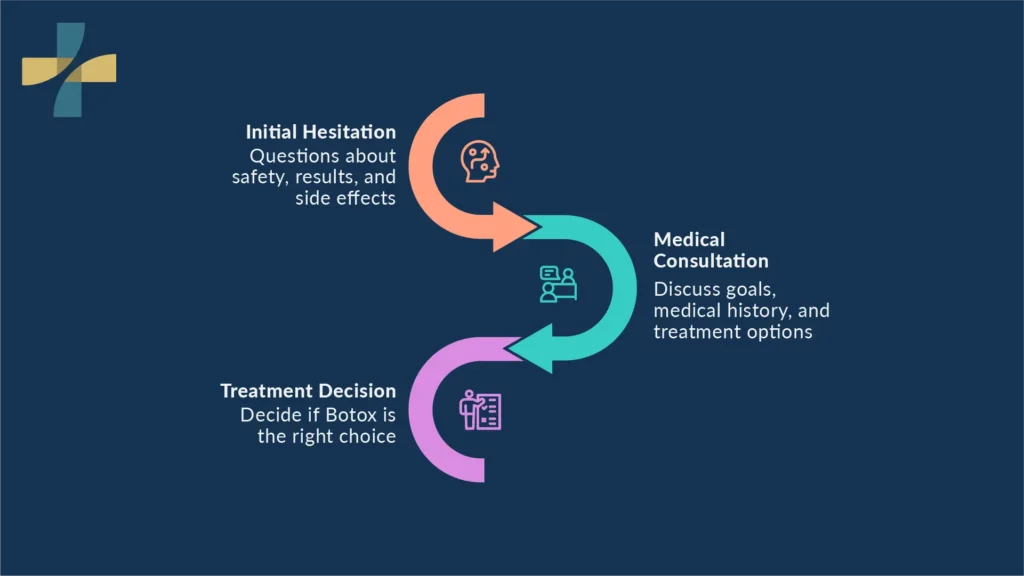
Considering Botox for the first time can feel overwhelming. Many people have questions about safety, results, side effects, and what actually happens during treatment. This Botox guide for first-time patients explains the basics in simple terms so you can feel more prepared before booking a consultation.
Botox is a prescription cosmetic injection, so the safest first step is a medical consultation. At NV Med Center, first-time patients in North Vancouver can discuss their goals, medical history, facial movement, and treatment options before deciding whether Botox treatment is right for them.
What Is Botox and How Does It Work?
Botox Cosmetic is a brand name for an injectable medicine called onabotulinumtoxinA. It is one type of botulinum toxin product, but “Botox” is not the general name for every anti-wrinkle injectable. In Canada, injectable products should be authorized for sale by Health Canada and used under proper medical guidance.
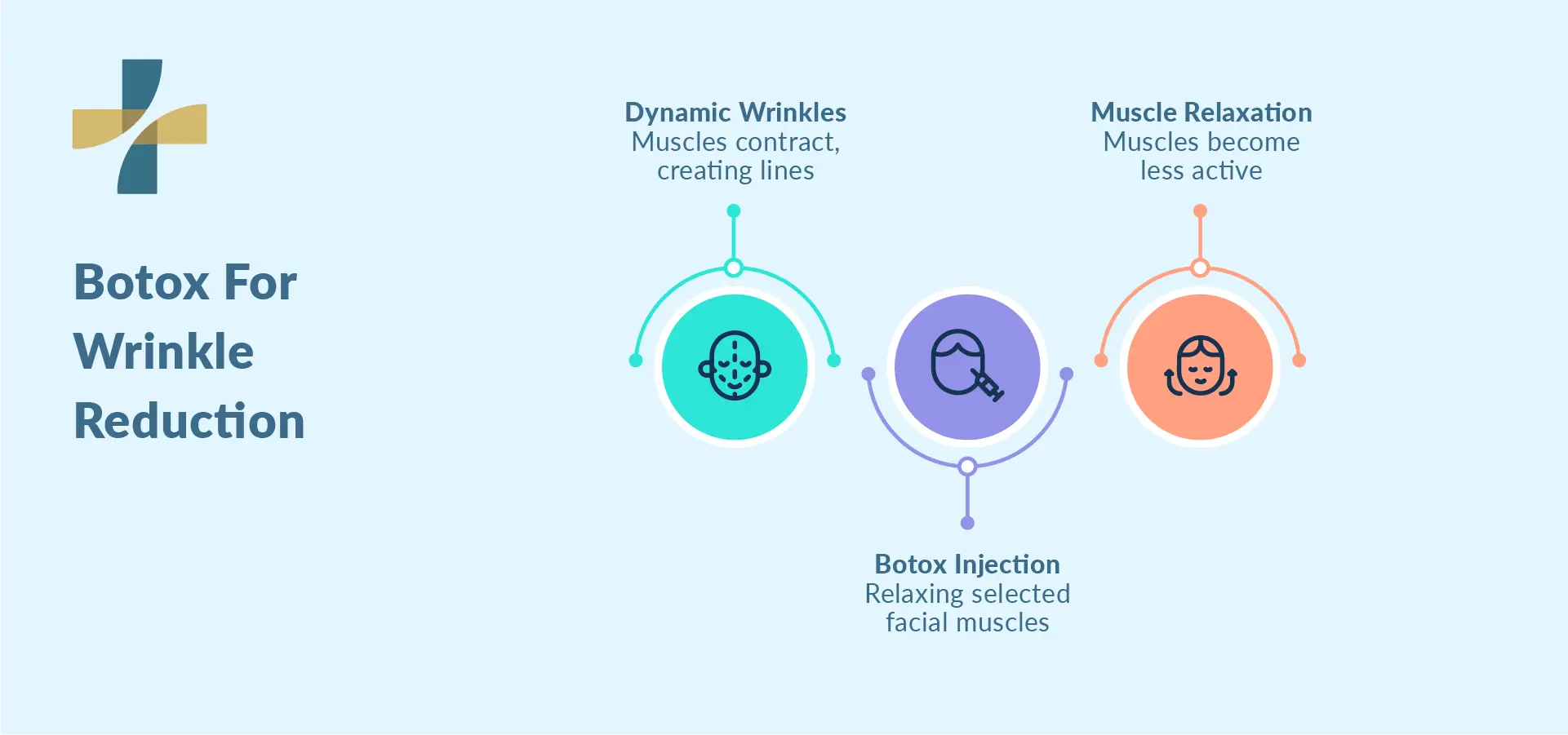
Botox works by relaxing selected facial muscles. These muscles create dynamic wrinkles, which are lines that appear or deepen when you frown, raise your eyebrows, smile, or squint.
Botox is commonly used as a wrinkle treatment for:
- Forehead lines
- Frown lines between the eyebrows
- Crow’s feet around the eyes
Botox may help soften dynamic lines and reduce repeated muscle movement in treated areas. It should not be presented as a guaranteed way to prevent wrinkles, because results vary by patient, treatment area, anatomy, and lifestyle.
Understanding Botox Basics for Beginners
The most important Botox basics are simple: Botox is temporary, results are gradual, and treatment should be personalized. A good first-time Botox plan focuses on your natural facial movement instead of making your face look frozen.
During consultation, your provider may ask you to smile, frown, squint, or raise your eyebrows. This helps them understand how your muscles move and where cosmetic injections may be appropriate.
For beginners, a conservative approach is often preferred. Units and placement are individualized based on facial anatomy, muscle activity, treatment goals, and provider assessment.
Botox vs Dermal Fillers
Botox and dermal fillers are both cosmetic injections, but they serve different purposes. A Botox temporarily relaxes targeted muscles that contribute to dynamic wrinkles, while dermal fillers add or restore volume in areas such as the lips, cheeks, and facial folds.
The right treatment depends on your concerns, facial anatomy, and aesthetic goals. Some patients benefit from Botox alone, while others may be better candidates for fillers or a combination approach.
If you are comparing both options, NV Med Center’s Botox and fillers guide explains the key differences in more detail.
Who May Be Suitable for First-Time Botox?
Botox may be suitable for adults who want to soften dynamic facial lines and are medically appropriate for treatment after assessment. Suitability depends on your health history, current medications, facial anatomy, treatment goals, and expectations.
A consultation should include a review of:
- Your medical history
- Current medications and supplements
- Previous cosmetic procedures
- Skin or muscle concerns
- Whether you are pregnant or breastfeeding
- Desired results
- Questions about safety and side effects
Botox may not be recommended for everyone. Your provider should review product-specific guidance if you are pregnant or breastfeeding, have certain neurological conditions, have an active skin infection near the treatment area, or have a known allergy to ingredients in the product.
What Happens During Your First Botox Appointment?
A first-time Botox appointment usually includes more than the injection process. The injections may be quick, but your first visit can take longer because it includes consultation, facial assessment, treatment planning, consent, and aftercare instructions.
Step 1: Consultation
Your provider reviews your health history, goals, medications, allergies, and previous cosmetic procedures. This is also the right time to ask questions about Botox safety info, expected results, side effects, and follow-up support.
Many first-time patients feel more comfortable when they know what will happen before they arrive. If you are preparing for your first cosmetic treatment, a guide on preparing for your first skin rejuvenation appointment explains what to bring, how consultations typically work, and what questions you may want to ask during your visit.
Step 2: Facial Assessment
Your provider evaluates facial movement and symmetry. You may be asked to frown, smile, squint, or raise your brows. This helps identify which muscles are involved and whether Botox is appropriate for your concerns.
Step 3: Treatment Planning
Your treatment plan should be based on your anatomy, muscle strength, goals, and desired level of movement. First-time Botox patients often prefer subtle results, so your provider may discuss a conservative plan and explain what can be adjusted at future visits.
Step 4: Injection Process
The injection process usually takes only a few minutes once the plan is confirmed. Most patients describe the feeling as a quick pinch. Discomfort is usually brief, and many people return to normal daily activities after their visit.
Step 5: Aftercare Instructions
Before you leave, your provider should explain what to expect, what to avoid, and when to seek help. Aftercare instructions may vary based on the treatment area, product, provider technique, and your medical history.
Botox Preparation Before Your Appointment
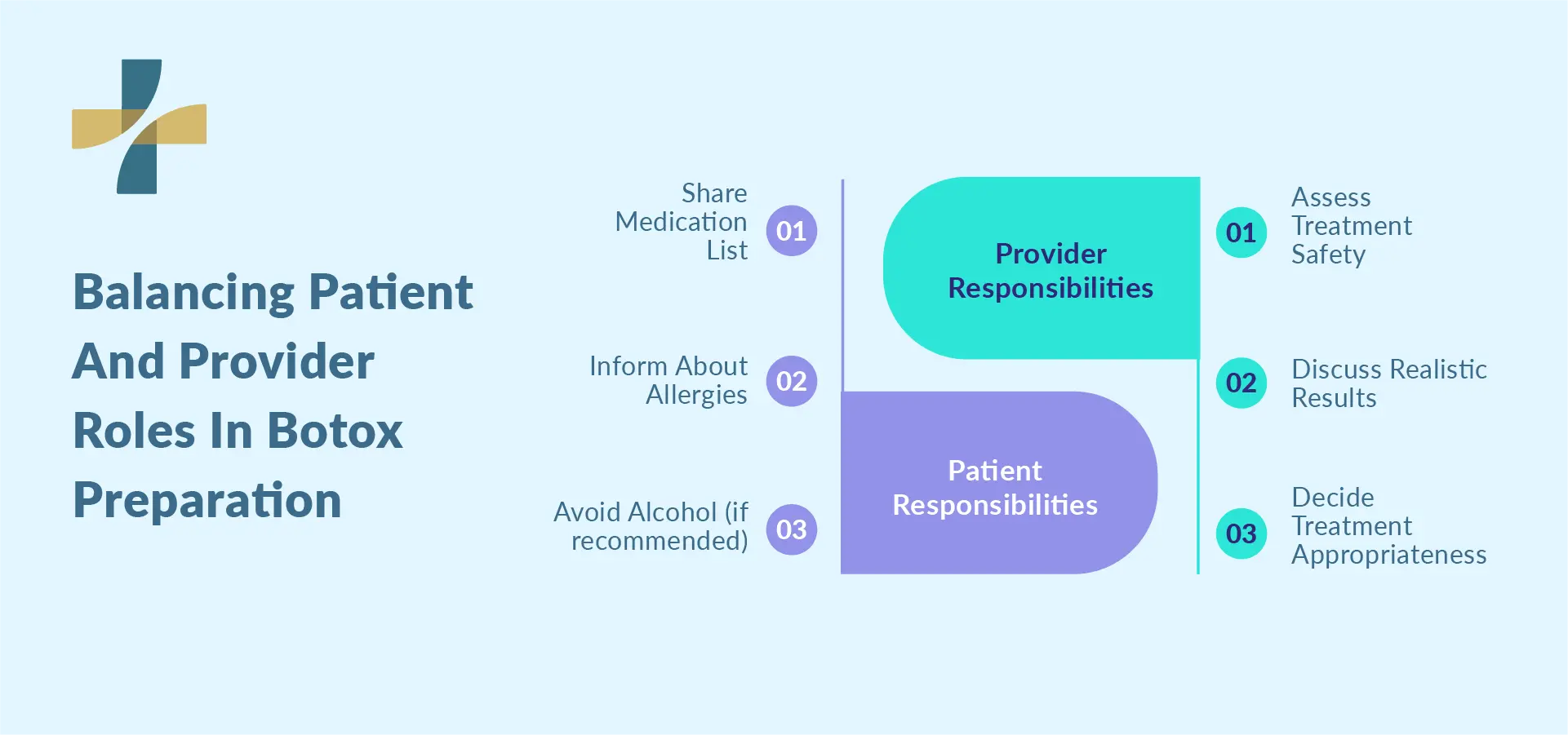
Botox preparation should focus on safety and clear communication. Do not stop prescription medications, blood thinners, or supplements on your own. If you take any medication or supplement that may affect bruising or treatment safety, discuss it with your provider before making changes.
Before your appointment, your provider may ask you to:
- Arrive with clean skin if advised
- Share your medication and supplement list
- Tell them about allergies or recent illnesses
- Discuss pregnancy or breastfeeding if relevant
- Avoid alcohol only if they recommend it
- Ask what results are realistic for your face
Preparation is not about following a generic checklist. It is about giving your provider the right information so they can decide whether treatment is safe and appropriate.
Botox Aftercare: What to Expect After Treatment
Aftercare instructions should come from your provider because recommendations can vary. Some patients may be told to avoid rubbing the treated area, intense exercise, or certain activities for a short period. Others may receive different guidance based on the treatment area, product, provider technique, and medical history.
Mild redness, swelling, tenderness, or small bruises can happen near injection sites. These effects are usually temporary. If anything feels unusual, symptoms worsen, or you are unsure whether something is normal, contact your clinic for advice.
Botox Results Timeline: When Will You See Results?
Botox does not work instantly. The Botox results timeline varies by patient, treatment area, muscle activity, and individual response.
A general guide looks like this:
| Timeline | What May Happen |
| Day 0 | Treatment is completed |
| Days 1–3 | Little or no visible change for many patients |
| Days 3–7 | Early softening may begin |
| Days 7–14 | Results often become more noticeable |
| Around 3–4 months | Effects may gradually fade for many patients |
Some people notice changes earlier, while others take longer. Your provider may recommend a follow-up review to assess your response and discuss future treatment timing.
Botox Safety Info First-Time Patients Should Know
Botox Cosmetic is a prescription medical treatment. It has a long history of cosmetic and medical use, but it still carries real risks. Safety depends on proper screening, correct product use, sterile technique, appropriate placement, and qualified medical oversight.
During your consultation, your provider should explain the benefits, limitations, and possible Botox side effects before treatment begins. They should also review your medical history, current medications, allergies, previous cosmetic procedures, and any factors that may make Botox treatment unsuitable for you.
Possible Botox Side Effects
Botox side effects are often mild and temporary, but serious reactions can happen. Common side effects may include:
- Redness
- Swelling
- Bruising
- Tenderness near injection sites
- Mild headache
- Temporary asymmetry
Contact your provider if you have symptoms that are uncomfortable, unexpected, or not improving.
Seek urgent medical care if you experience:
- Difficulty breathing
- Difficulty swallowing
- Difficulty speaking
- Double vision
- Significant weakness
- Severe allergic symptoms
- Symptoms that worsen after treatment
These symptoms are not routine post-treatment effects and should be treated seriously.
How to Choose a Botox Provider in North Vancouver
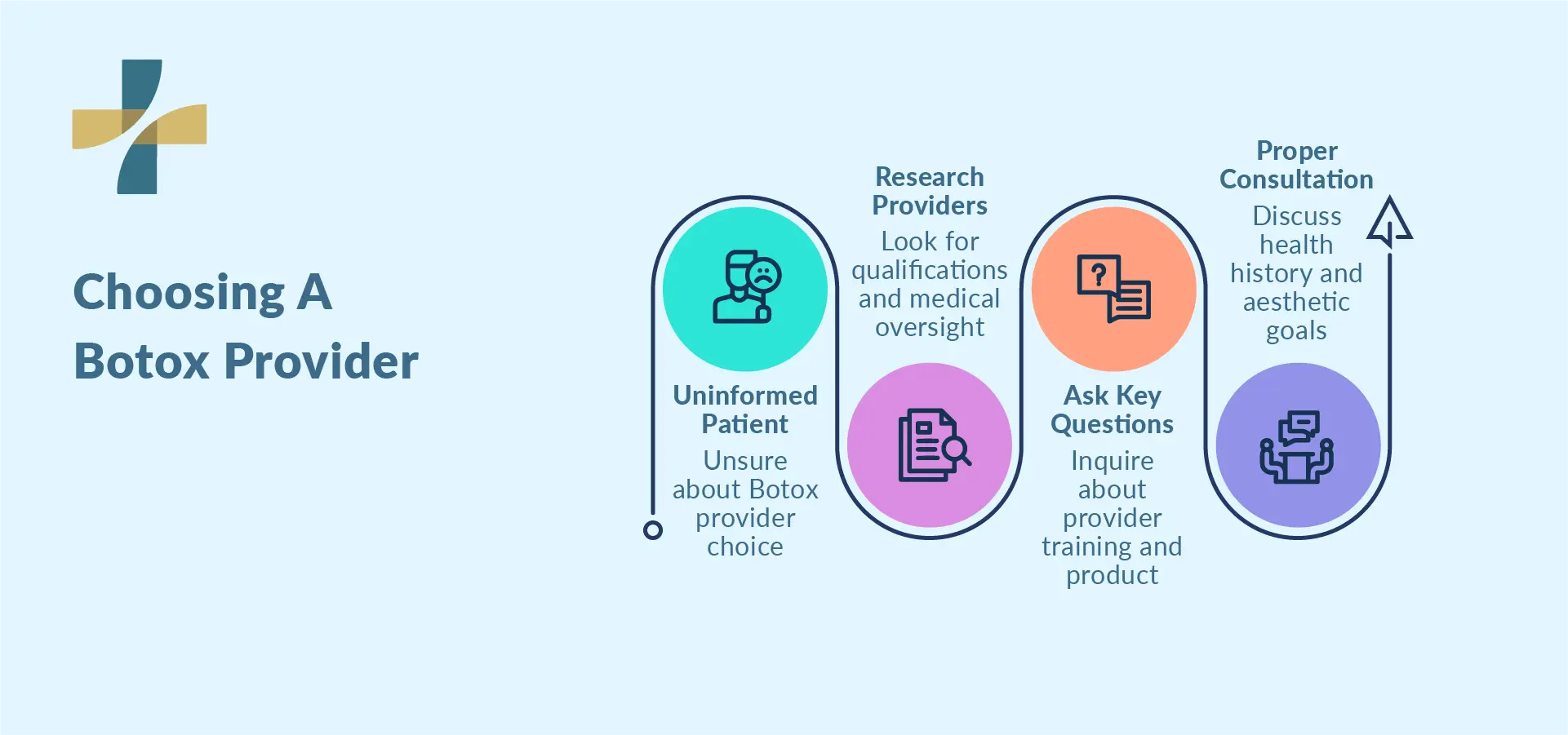
Choosing the right Botox provider matters more than finding the lowest price. Botox is a prescription medical cosmetic treatment, so patients should look for clear qualifications, proper medical oversight, and a clinic that explains both benefits and risks before treatment.
Before booking, ask:
- Who performs the injections?
- What qualifications and training do they have?
- Is there medical oversight?
- What product will be used?
- How is facial assessment done?
- How are side effects or complications handled?
- Is follow-up support available after treatment?
For first-time Botox patients in North Vancouver, local care should include more than a quick injection appointment. A proper consultation should review your health history, facial movement, aesthetic goals, treatment options, aftercare instructions, and what to do if you have concerns after your visit.
At NV Med Center, Botox consultations focus on patient education, facial assessment, treatment planning, and follow-up guidance. This helps patients understand whether Botox is appropriate for their goals and what to expect before, during, and after treatment.
Conclusion
Botox for beginners starts with education, not injections. Understanding Botox basics, safety, preparation, side effects, and the results timeline can help you make a more confident decision.
If you are considering Botox for the first time in North Vancouver, book a consultation with NV Med Center. A qualified provider can review your medical history, assess your facial movement, explain what to expect, and help you decide whether Botox treatment fits your goals.
FAQs
Does Botox hurt?
Most patients describe Botox injections as a quick pinch or small sting. The needles are very fine, and discomfort is usually brief. Your provider can explain what to expect before treatment begins.
Can I go back to work after Botox?
Many patients return to work or normal daily activities after Botox. Your provider may give specific aftercare instructions based on your treatment area, medical history, and the details of your appointment.
Can I exercise after Botox?
Your provider will tell you when to resume exercise. Some patients are advised to avoid strenuous activity for a short period after treatment, but guidance can vary depending on the treatment plan.
What if I do not like my Botox result?
Botox is temporary, but it cannot be instantly reversed like some hyaluronic acid fillers. If you are unhappy with your result, contact your provider for an assessment and follow-up guidance.
Will Botox make my face look frozen?
Botox should not make your face look frozen when treatment is planned carefully. The goal is usually to soften movement in targeted areas while keeping natural facial expression.
How often do first-time patients need Botox?
Many patients notice effects gradually fade after a few months, but timing varies. Your provider can recommend a follow-up schedule based on your results, goals, and how your muscles respond.
References
- Health Canada: Cosmetic injections
- Health Canada Drug Product Database: Botox Cosmetic
- BOTOX Cosmetic Product Monograph, Canada