Chronic Fatigue Causes: When Is It a Medical Condition? (Vancouver 2026 Guide)
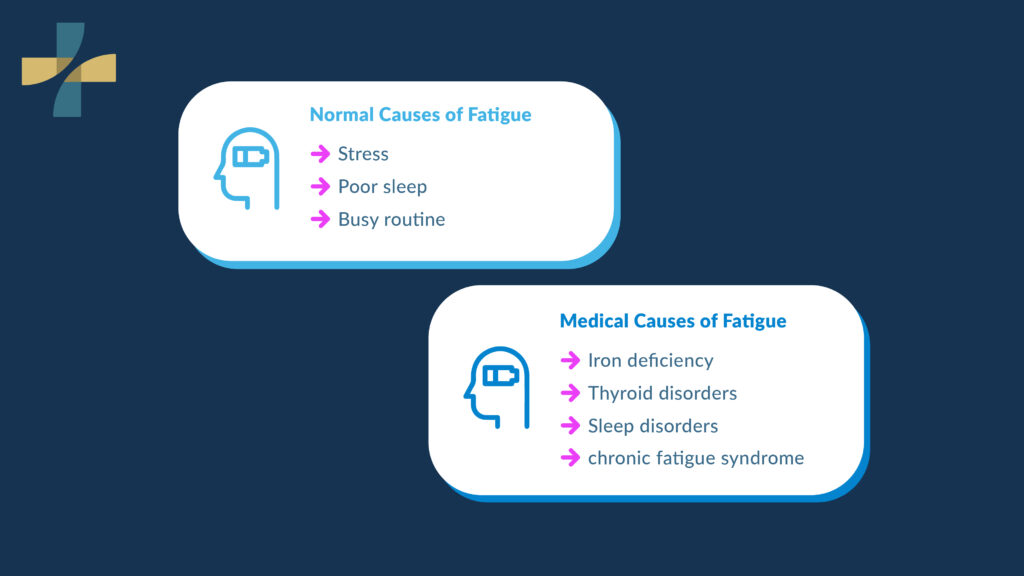
Persistent tiredness can affect work, concentration, and daily activities. Many adults assume fatigue comes from stress, poor sleep, or a busy routine. Yet ongoing exhaustion may signal medical conditions that require evaluation. Understanding chronic fatigue causes helps people recognise when tiredness may be linked to health problems rather than lifestyle habits. Doctors often investigate persistent tiredness, medical causes such as iron deficiency, thyroid disorders, sleep disorders, and chronic fatigue syndrome. Recent research highlights the importance of identifying fatigue early. The Public Health Agency of Canada reports that about 44 percent of Canadian adults live with at least one chronic disease, and many of these conditions can initially present with symptoms such as fatigue or low energy. This guide explains the causes of chronic fatigue, symptoms to watch for, and how a GP consultation Vancouver residents trust can help identify the underlying problem. What Is Chronic Fatigue and How Is It Different From Normal Tiredness? Chronic fatigue is persistent tiredness lasting weeks or months that does not improve with rest. Unlike normal tiredness after work or exercise, chronic fatigue affects daily function and concentration and may indicate medical conditions that require investigation. Normal fatigue occurs after physical activity, poor sleep, or stress. Energy usually returns after rest or recovery. Chronic fatigue behaves differently. It continues even after adequate sleep and may interfere with work, driving, or normal daily tasks. Normal fatigue vs chronic fatigue Feature Normal Fatigue Chronic Fatigue Duration Short term Weeks or months Relief Improves with rest Often persists Daily impact Mild Can affect work and focus Cause Lifestyle factors Possible medical causes Example scenario: A Vancouver office worker sleeps eight hours each night but still struggles with concentration and low energy during meetings. This pattern may indicate underlying medical reasons rather than simple tiredness. Common symptoms accompanying fatigue include: brain fog dizziness headaches muscle weakness difficulty concentrating These symptoms may suggest medical reasons for constant tiredness that need evaluation. What Are the Most Common Chronic Fatigue Causes? The most common causes of chronic fatigue include nutrient deficiencies, thyroid disorders, sleep disorders, chronic stress, infections, and metabolic conditions. Doctors evaluate fatigue through medical history, examination, and laboratory tests to identify underlying problems. Fatigue often develops from multiple factors rather than a single cause. Lifestyle contributors Lifestyle issues remain common triggers of fatigue. Examples include: poor sleep routines long work hours shift work high caffeine intake alcohol consumption chronic stress Research published in the journal Sleep Health indicates that irregular sleep schedules can disrupt the body’s circadian rhythm, leading to daytime fatigue, reduced alertness, and lower energy levels. Stress and fatigue Stress activates the body’s stress hormones. Long periods of stress may lead to exhaustion, poor sleep quality, and reduced concentration. For example, a shift worker working night rotations experiences stress and fatigue due to irregular sleep patterns and circadian rhythm disruption. When fatigue continues for several weeks despite rest, doctors usually investigate medical causes. Could Nutrient Deficiencies Be Causing Your Fatigue? Nutrient deficiencies are one of the most common causes of chronic fatigue. Low iron or vitamin B12 levels reduce oxygen delivery and nerve function, which leads to tiredness, weakness, and poor concentration. Two deficiencies frequently linked to fatigue include iron deficiency and vitamin B12 deficiency. Iron deficiency and fatigue Iron supports red blood cells that carry oxygen throughout the body. Low iron levels reduce oxygen supply to tissues. Common iron deficiency symptoms include: fatigue pale skin dizziness shortness of breath headaches cold hands and feet Iron deficiency remains one of the leading causes of chronic fatigue worldwide. Vitamin B12 deficiency and low energy Vitamin B12 supports nerve health and red blood cell production. Low B12 levels can affect both physical and cognitive energy. Symptoms of vitamin B12 deficiency include: fatigue brain fog memory issues numbness or tingling in hands and feet mood changes Groups at higher risk include: older adults vegetarians and vegans people with digestive disorders Doctors often detect these deficiencies through blood tests in Vancouver that clinics provide during routine evaluations. Can Thyroid Problems Cause Chronic Fatigue? Yes. Thyroid disorders can slow metabolism and reduce energy production in the body. Low thyroid hormone levels, known as hypothyroidism, commonly cause persistent tiredness and cognitive slowing. The thyroid gland regulates metabolism, heart rate, and body temperature. When hormone levels drop, the body’s energy production slows. Symptoms of hypothyroidism Common symptoms include: fatigue weight gain cold sensitivity dry skin depression slowed thinking A thyroid blood test in Vancouver that doctors order checks hormone levels such as TSH and T4 to diagnose thyroid disorders. Example scenario: A professional in Vancouver reports persistent fatigue, weight gain, and feeling cold even in warm environments. Blood tests reveal low thyroid hormone levels. Could a Sleep Disorder Be the Cause of Persistent Tiredness? Sleep disorders often cause persistent tiredness even when someone sleeps for many hours. Conditions such as sleep apnoea interrupt breathing during sleep and prevent restorative rest. Obstructive sleep apnoea affects millions of adults. Research from public health and cardiovascular organisations shows that untreated sleep apnoea increases the risk of heart disease, diabetes, and stroke because repeated breathing interruptions reduce oxygen levels and place stress on the cardiovascular system. Common sleep apnoea symptoms Typical sleep apnoea symptoms include: loud snoring morning headaches daytime sleepiness difficulty concentrating irritability dry mouth upon waking Example scenario: A patient sleeps eight hours each night but wakes feeling exhausted. A sleep study later confirms obstructive sleep apnoea. Treating sleep disorders often improves daytime energy levels. What Is Chronic Fatigue Syndrome (ME/CFS)? Chronic fatigue syndrome is a complex condition that causes severe fatigue lasting at least six months. The fatigue worsens after mental or physical activity and does not improve with rest. Medical researchers refer to the condition as myalgic encephalomyelitis or ME/CFS. According to Dr. Anthony Komaroff of Harvard Medical School, chronic fatigue syndrome is a serious biological illness that affects multiple body systems. Also, research from the National Library of Medicine suggests that the key chronic fatigue syndrome symptoms include severe fatigue lasting at least
Diabetes Screening Test in Vancouver: When Should Adults Get Checked? (2026 Guide
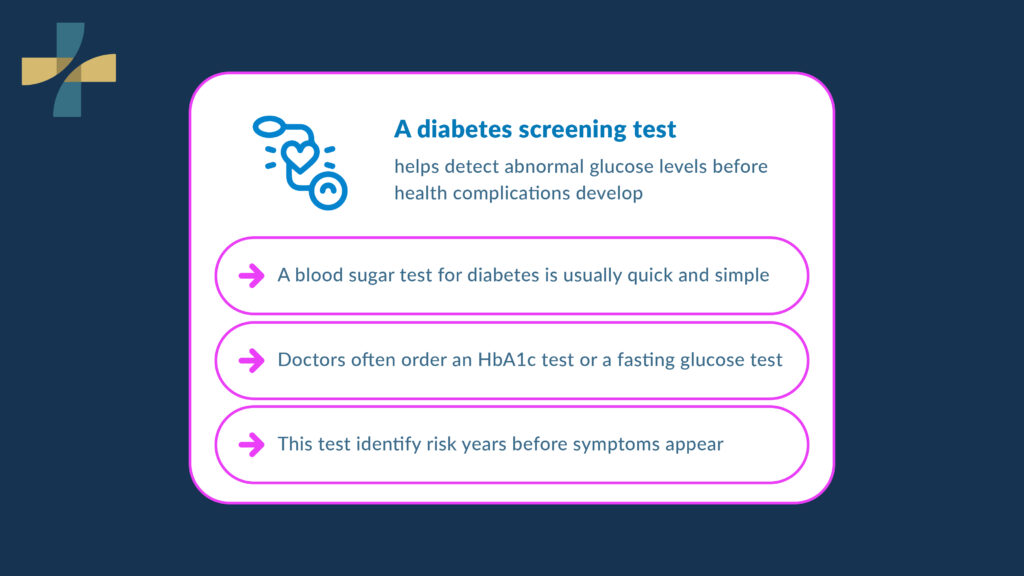
Many adults develop high blood sugar slowly and without clear symptoms. A diabetes screening test helps detect abnormal glucose levels before health complications develop. Early detection allows doctors to identify prediabetes and begin treatment or lifestyle changes. A blood sugar test for diabetes is usually quick and simple. Doctors often order an HbA1c test or a fasting glucose test to measure how the body processes sugar. These tests can identify risk years before symptoms appear. Diabetes remains a major public health issue in Canada. According to the Government of Canada, 3.9 million people aged 1 year and older were living with diagnosed diabetes in 2023 to 2024. The same report found that 6.3% of adults aged 20 to 79 had prediabetes and 1.9% had undiagnosed diabetes between 2007 and 2019. Early screening helps identify high blood sugar sooner, giving patients more time to start treatment or make lifestyle changes before complications develop. This guide explains when to get tested for diabetes, which blood tests detect the condition, common type 2 diabetes risk factors, early prediabetes symptoms, and how to book a general practitioner diabetes test appointment in Vancouver. What Is a Diabetes Screening Test and Why Do Doctors Recommend It? A diabetes screening test is a medical blood test that measures glucose levels to detect early signs of diabetes or prediabetes. Doctors recommend screening because many adults develop high blood sugar gradually and without symptoms. Early testing allows treatment to begin before complications develop. Type 2 diabetes often develops slowly over several years. During this time, glucose levels rise, but symptoms may not appear. A blood sugar test for diabetes helps detect changes in how the body processes glucose. Doctors can identify: normal blood sugar levels prediabetes type 2 diabetes Example scenario: A 41-year-old professional attends a routine check-up. The patient feels healthy but has gained weight during the past few years. A GP recommends a diabetes screening test. The test result shows prediabetes. Early detection allows lifestyle changes before diabetes develops. Doctors recommend routine screening because: diabetes often has no early symptoms Early treatment prevents complications Lifestyle changes may reverse prediabetes CDC guidance explains that early detection of prediabetes can help people prevent or delay type 2 diabetes. Identifying diabetes early also allows patients to begin treatment and reduce the risk of serious complications. When Should Adults Get Tested for Diabetes? Adults should usually begin diabetes screening around age 40 or earlier if risk factors are present. Most guidelines recommend testing every three years for healthy adults and more frequently for those at higher risk. Screening schedules vary based on age, lifestyle, and medical history. The Diabetes Canada clinical practice guidelines recommend screening for type 2 diabetes every three years in adults aged 40 and older, or earlier and more often for individuals with higher risk factors. Typical screening intervals are shown below. Risk Category Screening Frequency Adults age 40+ with no risk factors Every 3 years Moderate risk Every 1–3 years High risk Every year Example scenario: A 36-year-old patient visits a clinic because both parents have diabetes. Due to a family history of diabetes risk, a doctor recommends earlier testing. Adults may need earlier screening if they have: obesity or abdominal weight gain high blood pressure high cholesterol sedentary lifestyle history of gestational diabetes family history of diabetes Many doctors also assess diabetes risk using tools like CANRISK, a questionnaire developed by the Public Health Agency of Canada. Research published in the Canadian Journal of Diabetes describes CANRISK as a validated tool used across Canada to identify people at risk of prediabetes and type 2 diabetes. Understanding when to get tested for diabetes allows patients to detect abnormal glucose levels before symptoms begin. What Are the Main Blood Tests Used to Detect Diabetes? Doctors use several types of blood tests to detect diabetes and prediabetes. The most common tests include the HbA1c test, fasting glucose test, oral glucose tolerance test, and random blood sugar test. Each test measures glucose levels differently and helps confirm abnormal blood sugar. These tests form the foundation of screening for type 2 diabetes in primary care. HbA1c Test Vancouver The HbA1c test Vancouver clinics use measures average blood sugar levels over the past two to three months. Doctors often use this test because patients do not need to fast beforehand. HbA1c results are interpreted as follows: HbA1c Result Interpretation Below 5.7% Normal 5.7–6.4% Prediabetes 6.5% or higher Diabetes Example scenario: A patient completes an HbA1c test Vancouver clinic during an annual exam. The result shows 6.0 percent, indicating prediabetes. Fasting Glucose Test The fasting glucose test measures blood sugar after at least eight hours without food. Doctors commonly request this test during routine diabetes screening. Typical ranges are shown below. Fasting Glucose Level Interpretation Below 5.6 mmol/L Normal 5.6–6.9 mmol/L Prediabetes 7.0 mmol/L or higher Diabetes Many patients complete this test during a diabetes test for adults ordered by a GP. Oral Glucose Tolerance Test The oral glucose tolerance test measures how the body processes sugar after drinking a glucose solution. Doctors often request this test when earlier results fall near the diabetes threshold. The test measures blood sugar levels two hours after drinking the glucose solution. 2 Hour Result Interpretation Below 7.8 mmol/L Normal 7.8–11.0 mmol/L Prediabetes Above 11.1 mmol/L Diabetes Random Blood Sugar Test A random blood sugar test measures glucose at any time of the day without fasting. A reading above 11.1 mmol/L with symptoms may indicate diabetes. Doctors may order this test if a patient reports symptoms such as fatigue, thirst, or frequent urination. What Are the Early Signs of Prediabetes and Type 2 Diabetes? Early diabetes symptoms include fatigue, frequent urination, increased thirst, and blurred vision. Many people with prediabetes have no symptoms, which is why routine diabetes screening tests are recommended. Detecting high blood sugar early allows treatment before serious complications develop. Common prediabetes symptoms include: frequent thirst fatigue increased hunger slow wound healing blurred vision Example scenario: A patient notices persistent tiredness and increased
High Blood Pressure Symptoms in Vancouver: Early Warning Signs & When to See a General Practitioner (2026)
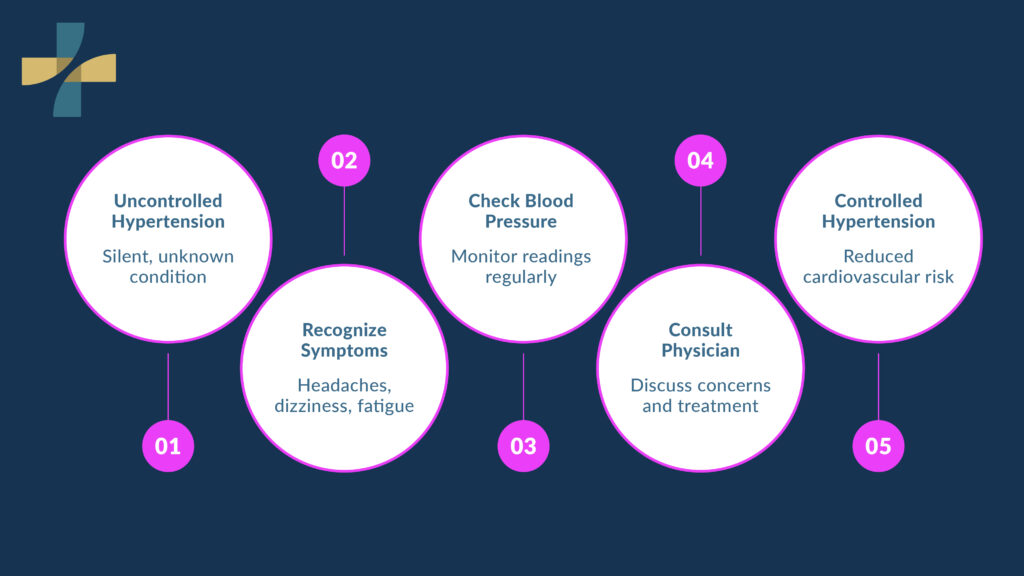
Many people search for high blood pressure symptoms when they experience headaches, dizziness, or fatigue. These symptoms can raise concern about hypertension. The difficulty is that high blood pressure often develops quietly and may not cause clear warning signs. Hypertension affects millions of adults worldwide. According to the World Health Organization (WHO), an estimated 1.4 billion adults aged 30–79 live with hypertension worldwide, and about 44% do not know they have the condition. This guide explains the early signs of hypertension, why the condition is often described as silent, and when a blood pressure check and a physician appointment may be needed. It also explains the normal blood pressure range in Vancouver and how routine health checks help reduce cardiovascular risk. What Are the Early Signs of High Blood Pressure? High blood pressure symptoms are usually mild and may include headaches, dizziness, fatigue, or blurred vision. However, many people experience no symptoms at all, which is why hypertension is often detected during routine blood pressure checks. Early symptoms can vary between individuals. Some people notice small changes in how they feel during daily activities. Common signs of high blood pressure may include: headache, high blood pressure dizziness and hypertension fatigue or low energy blurred vision occasional nosebleeds mild chest discomfort Example scenario A 42-year-old office worker reports recurring headaches and mild dizziness during the week. At a GP appointment, a blood pressure check shows 135/85 mmHg across repeated readings, which indicates early-stage hypertension. Symptoms alone cannot confirm hypertension. Stress, dehydration, lack of sleep, and other health issues can cause similar symptoms. A clinical blood pressure measurement is required to confirm the condition. Can High Blood Pressure Have No Symptoms? High blood pressure can occur without noticeable symptoms. Many patients feel normal even when blood pressure readings are elevated. This is why doctors often describe hypertension as a silent condition. Silent hypertension symptoms can allow damage to develop slowly in blood vessels and organs. Over time, high blood pressure can affect the heart, brain, kidneys, and eyes. Medical organisations such as the American Heart Association explain that high blood pressure usually has no symptoms, which means many people only discover the condition during routine blood pressure checks or medical visits. Silent hypertension may contribute to conditions such as: heart disease stroke kidney damage vascular disease vision problems Example scenario A 55-year-old patient attends a routine heart health check and Medicare screening, and learns their blood pressure is elevated despite having no symptoms. This is why regular monitoring plays an important role in preventing complications. What Is the Normal Blood Pressure Range in Vancouver? The normal blood pressure range in Vancouver is generally below 120/80 mmHg. Readings above this level may indicate elevated blood pressure or hypertension, depending on the exact values. Doctors classify blood pressure using systolic and diastolic numbers. The systolic number represents pressure when the heart beats. The diastolic number represents pressure when the heart rests between beats. Category Systolic Diastolic Normal Less than 120 Less than 80 Elevated 120–129 Less than 80 Stage 1 Hypertension 130–139 80–89 Stage 2 Hypertension 140 or higher 90 or higher Hypertensive Crisis 180 or higher 120 or higher Higher blood pressure increases cardiovascular risk in Vancouver, including the risk of heart attack and stroke. Example scenario A patient has blood pressure readings averaging 132/84 mmHg across two visits. Because this falls within stage 1 hypertension, the doctor may recommend lifestyle changes such as reducing salt intake, increasing physical activity, and scheduling follow-up monitoring over the next few months. What Symptoms Occur When Blood Pressure Becomes Dangerous? Severe hypertension can cause noticeable symptoms when blood pressure rises to very high levels. These hypertension symptoms and warning signs may indicate a hypertensive crisis and require urgent medical care. Symptoms of dangerous blood pressure levels may include: severe headache chest pain shortness of breath vision changes confusion numbness or weakness Medical guidance suggests that readings above 180/120 mmHg with symptoms may indicate a hypertensive emergency. Severe hypertension can damage organs and increase stroke risk if not treated quickly. What Are the Main Risk Factors for Hypertension? The main risk factors for hypertension include age, genetics, diet, physical inactivity, smoking, and excess alcohol use. Certain health conditions, such as diabetes and kidney disease, can also increase the risk of developing high blood pressure. Common risk factors for hypertension include: Lifestyle factors high sodium diet physical inactivity smoking excessive alcohol consumption chronic stress Health conditions linked to hypertension diabetes kidney disease sleep apnea obesity family history of high blood pressure A large analysis published in cardiovascular research found that increases of 20 mmHg systolic blood pressure can double the risk of stroke or heart disease. Example scenario A 50-year-old patient with a family history of hypertension and several lifestyle risk factors records elevated blood pressure during a routine medical visit. The doctor recommends monitoring and lifestyle adjustments to help manage the readings. When Should You See a Doctor for High BP? You should see a doctor for high BP when symptoms persist, or home readings show elevated blood pressure. A medical evaluation can confirm whether hypertension is present and identify possible causes. Common reasons to schedule a blood pressure check include: repeated headaches dizziness and hypertension symptoms chest discomfort family history of heart disease Abnormal readings from home monitoring Emergency symptoms that require immediate care include: chest pain severe headache shortness of breath confusion blood pressure above 180/120 How Do GPs Diagnose and Manage Hypertension? General practitioners in Vancouver diagnose hypertension by measuring blood pressure across multiple visits. Doctors review health history, risk factors, and other conditions before confirming the diagnosis. Typical steps during a blood pressure check GP consultation include: blood pressure measurement using a cuff Repeat readings during the visit follow-up readings on separate visits assessment of cardiovascular risk Treatment options may include: lifestyle changes regular monitoring medication if required Health authorities also recommend lifestyle measures as the first step in hypertension management in Vancouver, including: Reducing sodium intake Increasing physical activity
Annual Physical Exam in Canada: What Blood Tests Are Included and Why They Matter (2026 Guide)
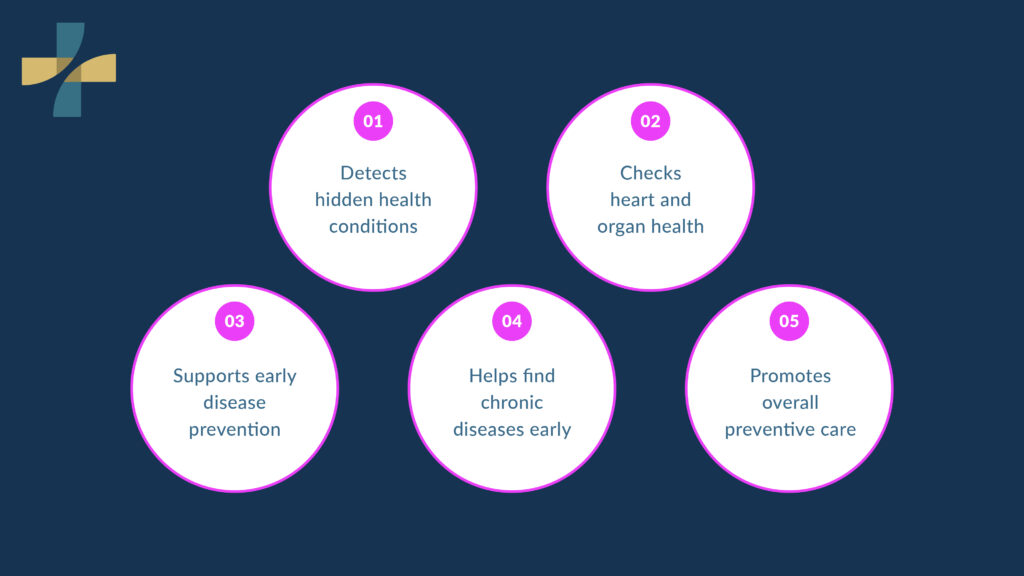
Many adults delay routine health checks because they feel well. Yet conditions such as diabetes, high cholesterol, and liver disease often develop without early symptoms. An annual physical exam helps detect changes in blood markers before problems become serious. In Canada, primary care physicians use routine screening to evaluate heart health, metabolic function, and organ performance. These health checks and blood tests performed in Canadian clinics provide measurable data that support preventive care and early treatment. Public health experts continue to emphasise preventive screening. According to the Public Health Agency of Canada, chronic diseases such as heart disease, cancer, diabetes, and respiratory illness are the leading causes of death and disability in the country. These conditions account for about 67 percent of all deaths in Canada, and approximately 44 percent of Canadian adults live with at least one chronic disease. Many of these conditions can be detected early through routine preventive screenings, including blood tests during an annual physical exam. This guide explains what blood tests are included in a yearly checkup, how they support preventive healthcare, and when adults should schedule a routine health assessment with a GP clinic. What Happens During an Annual Physical Exam in Canada? An annual physical exam is a preventive medical appointment where a doctor or a family physician reviews health history, performs a physical assessment, and orders routine blood tests to detect early signs of disease. The purpose is to detect conditions such as diabetes, cholesterol disorders, or liver disease before symptoms appear. During a yearly physical exam in Canada, the doctor evaluates both current health and long-term risk factors. This helps identify issues early and supports ongoing monitoring through routine screening. Typical steps in a yearly health assessment A standard general practitioner health assessment in Canada usually includes: Review of medical history Discussion of lifestyle habits Physical examination Blood pressure measurement Blood tests for health screening Preventive screening recommendations A simple example shows how routine screening helps patients. A 38-year-old professional schedules a routine checkup and learns their cholesterol levels are elevated. Early lifestyle changes help reduce long-term cardiovascular risk. What Blood Tests are Included in an Annual Physical Exam? The most common blood tests in an annual physical exam in Canada include a full blood count test, cholesterol panel, blood glucose test, kidney function test, and liver function test. These tests help doctors detect early signs of diabetes, heart disease, infection, and organ dysfunction before symptoms appear. Doctors may order additional tests depending on age, family history, or existing medical conditions. Routine screening allows early treatment and better long-term health outcomes. Common Blood Tests Included in an Annual Physical Exam Blood Test What It Measures Why Doctors Order It Full Blood Count Test Red and white blood cells, platelets Detects infection and anaemia Cholesterol Test Canada LDL, HDL, triglycerides Assesses cardiovascular risk Blood Glucose or HbA1c Blood sugar levels Screens for diabetes Liver Function Test Canada Liver enzymes such as ALT and AST Identifies liver stress or damage Kidney Function Panel Creatinine and electrolytes Monitors kidney performance These routine blood tests, commonly performed in Canadian clinics, help doctors monitor several body systems at once. For example, a full blood count test can identify infection or blood disorders. A liver function test that doctors in Canada order can detect early signs of liver inflammation caused by medication use, fatty liver disease, or metabolic issues. Why Are Blood Tests Important for Preventive Healthcare? Blood tests measure internal markers that show how organs and metabolic systems are functioning. These markers can detect disease risk long before symptoms appear. Routine blood testing helps doctors identify conditions such as diabetes, high cholesterol, liver disease, and kidney dysfunction early. Preventive screening allows treatment to begin sooner and reduces the likelihood of serious complications later. Conditions that routine blood tests may detect Routine blood testing may identify: Diabetes and prediabetes High cholesterol and cardiovascular risk Liver disease Kidney disease Nutritional deficiencies, such as iron or vitamin B12 According to Statistics Canada, chronic conditions remain common among Canadian adults, and cancer and heart disease together accounted for 43.7 percent of deaths in 2023. Routine cholesterol screening and preventive blood tests help doctors identify cardiovascular risk factors early. A patient with no symptoms may learn through routine screening that their glucose levels indicate early prediabetes. Early lifestyle changes, such as improved diet and increased activity, may prevent diabetes from developing. This is why preventive health screening programs in Canada encourage routine testing through primary care providers. Why Doctors Emphasise Preventive Screening Medical experts consistently stress the importance of routine screening. Early testing helps identify risk markers years before symptoms develop. Longevity physician Dr.Peter Attia emphasises the importance of prevention and early detection in modern medicine. In a 60 Minutes interview, he explained that many of the conditions people die from today, including heart disease, stroke, cancer, dementia, and Type 2 diabetes, require a much longer prevention strategy rather than waiting for the disease to appear. Chronic diseases such as heart disease, cancer, stroke, and diabetes are major causes of illness worldwide. The U.S. Centers for Disease Control and Prevention reports that conditions such as heart disease, cancer, stroke, and diabetes are leading causes of illness and death. Routine annual health check blood tests help doctors detect these conditions earlier and guide patients toward lifestyle changes or treatment when needed. How Does a GP Health Assessment in Canada Support Long-Term Health? A GP health assessment in Canada identifies health risks early through screening, medical history evaluation, and routine blood tests. These tests allow doctors to track trends in cholesterol, blood sugar, and organ function over time. Monitoring health data across several years helps doctors detect patterns and guide treatment decisions. What doctors evaluate during routine health checks During a typical preventative care and health checks in Canada, doctors review: Blood pressure levels Body weight and BMI Blood test results Lifestyle habits such as smoking or alcohol use Family history of chronic disease For example, if a patient’s cholesterol increases steadily
Can Your Family Doctor Help With Mental Health? What They Can and Cannot Treat
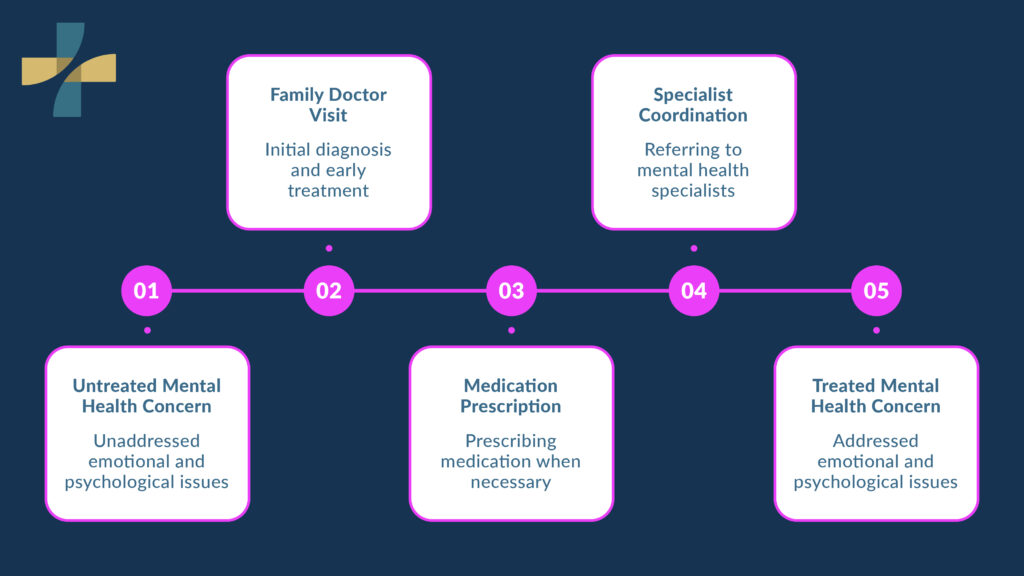
Many people ask: Can family doctors treat mental health concerns safely and effectively? For many people, the first step in care happens in mental health primary care settings. Family doctors routinely diagnose anxiety, depression, stress disorders, and emotional burnout. They provide early treatment, prescribe medication when needed, and coordinate care with mental health specialists. Mental health needs are increasing across Canada and globally. The World Health Organization reports that anxiety and depression affect more than 300 million people worldwide. As a result, the family doctor in mental health care has become an important entry point for early treatment. This guide explains how general practitioners’ (GPs) mental health treatment works, what family doctors can treat, when referrals are recommended, and how NV Med Center supports patients through integrated primary care mental health services. Can a Family Doctor Treat Mental Health Conditions? Yes. Family doctors diagnose and treat many mental health conditions, including anxiety and depression. Primary care doctors are trained to evaluate both physical and emotional health during routine medical visits. They are trained to identify symptoms, provide early treatment, prescribe medication, and refer patients to specialists when advanced psychiatric care is required. Family doctors play a central role in mental health in primary care. Many patients speak with their GP before contacting a psychiatrist or therapist. According to research from the American Academy of Family Physicians, approximately 40% of office visits for mental health concerns (e.g., depression, anxiety) occur in primary care offices, and 47% of prescriptions for any mental illness are written by primary care physicians. A family doctor’s mental health consultation usually includes: Symptom discussion Mental health screening tools Lifestyle and sleep evaluation Medication review Treatment planning Example scenario: A patient books a routine appointment with their general practitioner (GP) after several weeks of poor sleep, ongoing worry, and difficulty concentrating at work. During the visit, the doctor asks about mood, stress levels, and daily functioning. The GP may use a short screening questionnaire such as the GAD-7 to check for anxiety symptoms. Based on the results, the doctor discusses treatment options, which may include counseling referral, lifestyle strategies, and a follow-up visit to monitor progress. Family doctors often serve as the first point of contact for mental health support. Why Do Many People Start Mental Health Care With Their Family Doctor? Many people start mental health care with a family doctor because primary care is accessible, familiar, and confidential. Patients often feel comfortable discussing emotional health with a general practitioner (GP) who already understands their medical history. Primary care clinics are also easier to access than specialist mental health services. In many regions, psychiatrist appointments may require long wait times. Reasons patients choose primary care mental health services include: Reason Explanation Familiar doctor Patients trust doctors who know their health history Faster appointments GP visits are easier to schedule Whole-person care Mental and physical health are treated together Lower stigma Talking to a GP may feel less intimidating Can a General Practitioner (GP) Treat Anxiety or Depression? Yes. GPs frequently treat anxiety and depression, especially mild to moderate cases. Treatment may include counseling guidance, medication when appropriate, lifestyle support, and referrals to therapists. Anxiety and depression are among the most common concerns seen in family doctor mental health care. Common anxiety symptoms include: persistent worry restlessness increased heart rate sleep difficulties muscle tension Common depression symptoms include: ongoing sadness low energy lack of interest in activities poor concentration sleep disruption Example scenario: A patient mentions ongoing sleep problems and feeling overwhelmed during a regular GP visit. They explain that work stress has been affecting their sleep and concentration for several weeks. The GP asks a few questions about mood, stress, and daily functioning, and may use a short anxiety screening tool. Based on the discussion, the doctor may suggest options such as counseling referral, sleep habits guidance, and a follow-up visit to review symptoms and decide if further treatment is needed. Early treatment can reduce long-term complications. How Do Family Doctors Diagnose Mental Health Conditions? Family doctors diagnose mental health conditions through clinical interviews, medical history review, and screening questionnaires. Standardised tools help doctors measure anxiety and depression symptoms and determine appropriate treatment options. Two widely used screening tools in mental health primary care include: Screening Tool Purpose PHQ-9 Measures the severity of depression GAD-7 Measures the severity of anxiety These tools allow doctors to: Detect mental health symptoms early Measure symptom severity Track treatment progress Decide if specialist care is required Screening tools help doctors provide structured mental health evaluations. Can a Family Doctor Prescribe Antidepressants? Yes. Family doctors can prescribe antidepressants when symptoms of depression or anxiety require medication. Medication management is a common part of family doctor mental health treatment in primary care settings. Antidepressants are often prescribed when symptoms affect daily life, work performance, or sleep. Common medication types include: Medication Type Used For SSRIs Depression and anxiety SNRIs Depression and panic disorders Atypical antidepressants Depression with fatigue or sleep issues For example, a patient visits their general practitioner (GP) after several weeks of persistent low mood, low energy, and difficulty concentrating. After discussing symptoms and completing a depression screening questionnaire such as the PHQ-9, the GP may diagnose moderate depression. The doctor may recommend treatment that includes antidepressant medication, along with regular follow-up visits to monitor symptoms, check for side effects, and adjust treatment if needed. Many patients ask whether their family doctor can prescribe antidepressants safely. In many cases, the answer is yes. Primary care doctors are trained to monitor these medications and adjust treatment plans when necessary. What Mental Health Conditions Are Usually Treated in Primary Care? Primary care doctors treat several common mental health conditions. These include anxiety disorders, depression, stress-related conditions, and adjustment difficulties. Complex psychiatric disorders may require specialist care. Common conditions managed through GP mental health services include: Anxiety disorders Family doctors often treat common anxiety disorders such as generalised anxiety, panic symptoms, and stress related to work or daily life. Patients may report constant
Do I Need Referrals for Specialist Visits? What Patients Should Know
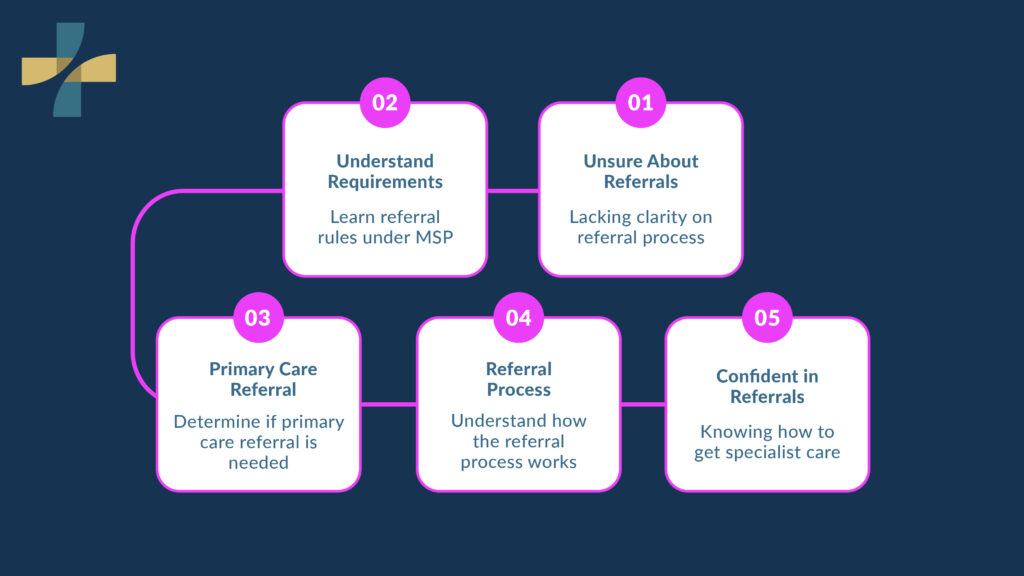
If you are dealing with ongoing chest pain, a changing mole, chronic knee pain, or unexplained fatigue, your first question may be simple: Do I need a referral before seeing a specialist? Many patients in North Vancouver are unsure how referrals for specialist visits work in British Columbia’s public health care system. This guide explains specialist referral requirements, medical referral rules under MSP, and how the referral healthcare system works in practice. You will learn when a primary care referral is required, how the referral process works, and how to reduce delays in getting a specialist appointment. H2: Do I Need a Referral to See a Specialist in British Columbia? In British Columbia, most publicly funded specialist visits require a referral from a family doctor under MSP. Without a primary care referral, MSP will not cover the cost of your appointment. In BC, the referral healthcare system is structured around family doctors and nurse practitioners. They assess your symptoms, order initial tests, and decide if specialist care is appropriate. This process helps manage wait lists and ensures patients with urgent needs are prioritised. For example, if you experience irregular heartbeats, you cannot book directly with a cardiologist under MSP. You must first see a family doctor, who will determine whether a referral to a specialist is needed. If so, the referral is sent to the cardiology clinic for triage. There are exceptions. Emergency departments do not require referrals. Some private services may allow self-referral, but public specialist care generally requires a formal referral. Why Do Referrals for Specialist Visits Exist? Referrals for specialist visits exist to coordinate care, reduce unnecessary testing, and prioritise urgent cases. A primary care referral provides medical history, test results, and urgency details so specialists can triage patients safely. The referral process protects patients. It reduces duplicate imaging and ensures specialists see patients who meet clinical criteria. According to the Canadian Institute for Health Information, specialist wait times vary across provinces, and structured referrals help manage limited capacity. Referrals also improve communication. When your family doctor includes lab results, imaging reports, and medication lists, the specialist can focus on treatment rather than repeating assessments. Dr. Gabor Maté, a Canadian physician known for his work on chronic illness and stress, often speaks about the importance of coordinated care in reducing fragmented treatment. Coordinated referral systems support this principle. How Referrals Reduce Delays A clear referral can reduce wait time in three ways: Urgency classification allows faster triage Completed tests prevent repeat appointments Accurate history prevents misdirected referrals For example, a detailed dermatology referral that includes photos and biopsy results may be booked sooner than one with limited information. What Are the Specialist Referral Requirements Under MSP and Insurance? Under MSP, a referral is required for publicly funded specialist care. According to the BC Medical Services Plan coverage details, specialist services are publicly funded only when accessed through the appropriate referral pathway. If you attend a specialist without a referral, MSP will not reimburse the visit. Private insurance referral requirements vary by policy and service type. Medical referral rules in BC are clear for publicly funded services. If your visit is to a cardiologist, neurologist, dermatologist, orthopaedic surgeon, or other medical specialist, a primary care referral must be documented. Below is a simplified comparison: Scenario Referral Required Covered by MSP Cardiologist visit Yes Yes Dermatologist visit Yes Yes Private cosmetic service No No Emergency department No Yes Extended health plans may have additional insurance referral requirements for imaging, physiotherapy, or psychological services. These rules differ from US HMO referral rules. In the United States, some HMO referral rules restrict which specialists you can see. In BC, referrals focus on clinical need rather than network restrictions. What Happens During the Referral Process? The referral process begins with a medical assessment. Your provider evaluates symptoms, orders tests if needed, and prepares a specialist appointment referral that includes clinical details and urgency level before sending it to the specialist clinic. The referral process typically follows these steps: Book a primary care appointment Clinical evaluation and history review Diagnostic tests, if indicated Preparation of referral letter Referral sent to specialist clinic Triage and appointment scheduling This structure ensures that medical referrals explained in simple terms follow a clear pathway. What Is Included in a Specialist Appointment Referral? A standard referral letter includes: Reason for referral Relevant medical history Current medications Test results and imaging Urgency assessment Provider contact information If key information is missing, the specialist may return the referral for clarification, which delays booking. When Is a Referral Required to See a Specialist? A referral is required for most publicly funded specialist care in British Columbia. If you want MSP coverage, a primary care referral must be submitted before the specialist appointment takes place. Common cases that require referrals for specialist visits include: Persistent chest pain needs cardiology Suspicious skin lesions requiring dermatology Chronic joint pain requiring orthopaedics Neurological symptoms needing neurology Child development concerns needing paediatrics Emergency cases do not require referrals. If symptoms are severe or life-threatening, attend the emergency department. Can I Choose Which Specialist I See? Patients in British Columbia can request a specific specialist, although availability and wait times vary. Your family doctor can address the referral to a named specialist or clinic if clinically appropriate. Choice depends on several factors: Sub-specialty focus Wait time estimates Location in Metro Vancouver Language preferences If a specialist has a long wait list, your provider may suggest alternatives within the same specialty. This can reduce delay. How Long Do Referrals for Specialist Visits Last? Most referrals in BC apply to a specific course of care. If your condition changes or you develop a new issue, you may need a new referral. Some specialists require updated referrals after a defined period. For chronic conditions such as arthritis or heart disease, follow-up visits may remain valid under the original referral. If more than a year passes or the issue changes, a new primary care referral may be required. What Causes
20 Smart Questions to Ask Your Doctor So You Leave With Real Answers
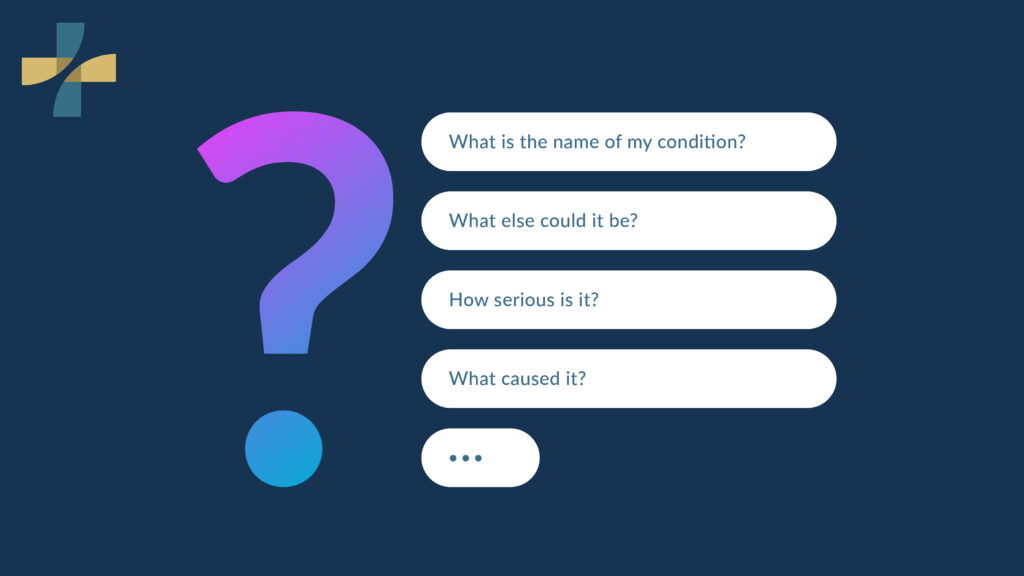
Many patients leave medical appointments with unanswered concerns. They forget doctor visit questions, feel rushed, or do not fully understand their diagnosis or treatment plan. Having clear questions to ask your doctor changes that experience. Recent research from the Australian Commission on Safety and Quality in Health Care shows that communication gaps remain one of the most common causes of patient complaints. Health literacy directly affects outcomes. The more informed you are, the better decisions you can make. This guide gives you a structured medical questions checklist you can use for any general practitioner’s (GP) visit, specialist referral, chronic condition review, or preventive health check. It is designed to help you ask better questions, understand your care, and leave your appointment with a clear plan. What Questions Should I Ask My Doctor About My Symptoms or Diagnosis? The best questions to ask your doctor about symptoms focus on clarity, seriousness, cause, and next steps. Clear diagnosis questions help you understand what is happening, how urgent it is, and what to monitor at home. If you visit your general practitioner for ongoing fatigue, headaches, chest discomfort, or new pain, start with these important health questions: What is the exact name of my condition? What else could be causing these symptoms? How serious is this right now? What caused it? What signs mean I should seek urgent care? For example, if you present with recurring headaches, asking “What else could it be?” ensures migraines are not confused with medication overuse or high blood pressure. This section forms the foundation of your patient questions list. Many patients assume they will remember details. Most do not. Writing these questions before seeing the doctor helps avoid confusion later. What Doctor Visit Questions Should I Ask About Medical Tests The best doctor visits questions about medical tests to clarify why the test is needed, what it will show, how to prepare, and how results will affect your care plan. Clear test questions reduce confusion and improve follow-through. If your GP orders blood tests or imaging, ask: Why do I need this test? What happens if I delay or skip it? How should I prepare? When and how will I receive the results? Also, if you are sent for cholesterol blood work, ask how the results affect medication or lifestyle changes. If you are having imaging, ask if fasting is required and when the results will return. A simple test question can change care decisions. The National Institute for Health and Care Excellence highlights that informed patients are more likely to follow through with recommended investigations. What Questions for GP Visits Help Me Understand Treatment Options? The best questions for GP appointments clarify all available treatments, expected benefits, risks, and alternatives. Asking about options gives you control and helps align care with your preferences and goals. Treatment-related doctor appointment questions include: What are my treatment options? Which option do you recommend and why? What are the risks or side effects? What happens if I wait or choose no treatment? If you are diagnosed with early hypertension, you may have medication and lifestyle options. Asking what happens if you delay treatment clarifies urgency. Dr. Atul Gawande, surgeon and public health researcher, has written extensively about patient involvement in improving safety and outcomes. Patients who ask structured questions understand risk better and make informed choices. What Should I Ask My Doctor About Medicines? To manage medicines safely, patients must ask about purpose, timing, side effects, and interactions. Medication errors remain one of the most common preventable harms in healthcare. Use these patient-doctor questions: What does this medicine do? How and when should I take it? What side effects require a call? Will it interact with my other medicines or supplements? If you are starting a statin, ask whether muscle pain is normal or requires review. If you take supplements, ask about interactions. The World Health Organization reports medication errors cost billions globally each year. Clear medication doctor consultation questions reduce that risk. What Doctor Appointment Questions Should I Ask About Follow-up and Prevention? Doctor appointment questions about follow-up, clarify monitoring, and long-term care. They help you prevent complications and understand what progress looks like. Ask: When should I book a follow-up? What signs mean I need urgent care? What can I do at home to improve my health? If you manage asthma, ask what peak flow readings require review. If you have diabetes, ask your target HbA1c levels. A good doctor visit checklist always includes prevention. Vaccinations, screenings, and lifestyle changes are part of long-term care. How Do I Prepare Before Seeing a Doctor So I Do Not Forget Important Health Questions? The best way to prepare before seeing a doctor is to write a short doctor visit checklist. Preparation improves recall and reduces stress during the consultation. Bring: A list of symptoms with dates Your top three concerns A full medication and supplement list Relevant past test results Family medical history Research indicates that patients may forget up to 40 to 80 per cent of the medical information shared by healthcare providers soon after a consultation. Writing down questions before seeing the doctor can improve understanding and recall, helping you remember what matters most. If you are planning to see a general practitioner (GP), you can read about our family doctor services to understand how appointments are structured and what support is available. If remote care suits your schedule, our online visits page explains how telehealth consultations work and when they may be appropriate. Why Does Asking Your Doctor Questions Improve Health Outcomes? Asking your doctor structured questions improves understanding, safety, and treatment adherence. Patients who participate actively in care have better health literacy and improved outcomes. Research shows that patient activation interventions are designed to help patients identify medical decisions and the specific questions that will guide those decisions, encouraging them to prepare questions before their doctor visit and be more involved in shared decision making. Clear communication reduces medical errors. It also reduces anxiety. Structured
Common Medical Warning Signs You Should Never Ignore (And When to Go to the ER)
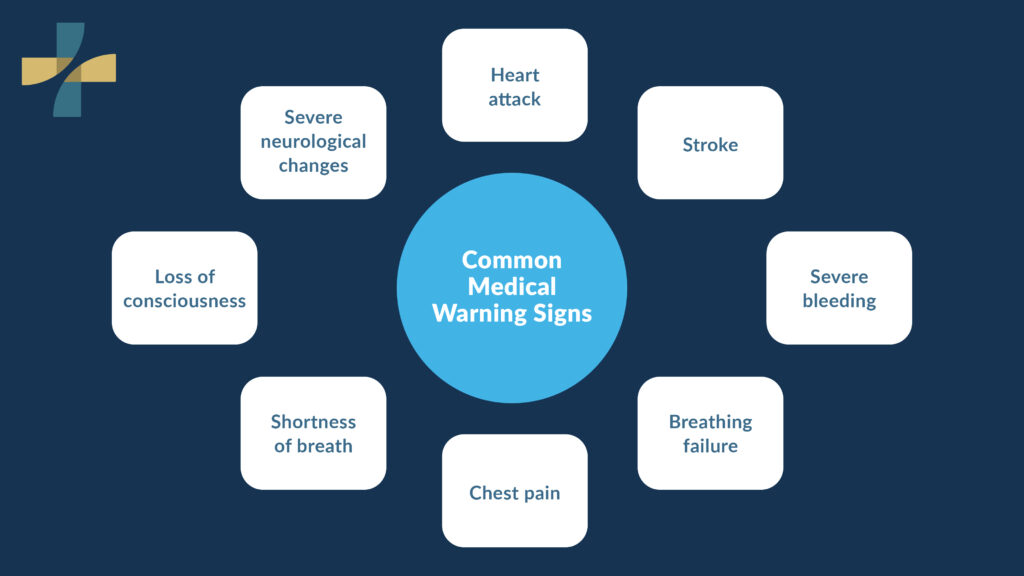
Medical emergency signs are symptoms that may signal life-threatening conditions requiring urgent care. Many people delay treatment because they are unsure whether symptoms are serious or temporary discomfort. According to the Canadian Institute for Health Information, emergency departments in Canada receive over 16 million visits each year, many involving delayed care for life-threatening symptoms. In British Columbia, BC Emergency Health Services responds to hundreds of thousands of 911 calls annually. This medical symptoms guide explains the signs of medical emergencies you should never ignore and when to go to the emergency room versus booking a clinic visit in North Vancouver. Clear action can reduce risk, disability, and prevent avoidable complications. What Are the Most Common Medical Emergency Signs? Medical emergency signs are sudden or severe symptoms that may indicate life-threatening conditions such as a heart attack, stroke, severe bleeding, or breathing failure. The most common signs of a medical emergency include chest pain, shortness of breath, loss of consciousness, and severe neurological changes. Emergency symptoms usually share three features: Sudden onset Severe intensity Rapid worsening For example, a mild headache after stress is not the same as a sudden, severe headache described as the worst ever. Mild dizziness when standing quickly is different from sudden confusion and weakness on one side. The table below compares routine symptoms versus emergency warning signs. Symptom Likely Routine Possible Medical Emergency Chest discomfort Mild and brief Heavy, crushing, spreading pain Headache Usual pattern Sudden, severe, with confusion Vomiting Short-lived illness Persistent with severe pain Shortness of breath Mild exertion At rest, severe, blue lips When symptoms affect breathing, circulation, or brain function, they become hospital emergency signs. When Should You Go to the Emergency Room Instead of Waiting? You should go to the emergency room immediately if symptoms are severe, sudden, or affect breathing, consciousness, or circulation. A medical emergency is defined as a condition that threatens life, limb, or brain function and requires immediate hospital care. If symptoms could worsen before you safely reach a clinic, call emergency services. In British Columbia, call 911 for life-threatening symptoms. For non-life-threatening but urgent medical symptoms, you may call 811 to speak with a registered nurse for guidance. Call emergency services if: Breathing is difficult The person is unconscious There is heavy bleeding There are stroke symptoms Chest pain is severe Do not drive yourself if you feel unstable. Paramedics can provide oxygen, medication, and monitoring during transport. If symptoms are urgent but stable, such as worsening infection without breathing issues, a same-day clinic appointment may be appropriate. Telehealth can help clarify when to seek emergency care if there is uncertainty. Could Chest Pain or Pressure Be a Life-Threatening Symptom? Chest pain that feels tight, heavy, or spreads to the arm, jaw, or back is a major medical emergency warning sign. These ER symptoms may signal a heart attack, a blood clot in the lung, or a severe cardiac rhythm disturbance. Warning features include: Pain lasting more than a few minutes Sweating Nausea Shortness of breath Pain radiating to the arm or jaw According to the Heart and Stroke Foundation of Canada, every minute of blocked blood flow damages heart muscle. For cardiac arrest, survival decreases by 7 to 10 percent for every minute without CPR. Cardiologist Dr. Paul Armstrong has stated that rapid response improves survival and limits permanent damage. If chest pain is new, severe, or accompanied by other emergency care signs, go to the emergency room immediately. Are Sudden Weakness, Slurred Speech, or Vision Changes Signs of Stroke? Stroke symptoms are sudden neurological changes such as one-sided weakness, slurred speech, facial drooping, or sudden vision loss. These medical emergency signs require immediate treatment because brain cells begin dying within minutes. Use the FAST rule: F – Face drooping A – Arm weakness S – Speech difficulty T – Time to call emergency services The Heart and Stroke Foundation reports that brain cells begin dying within minutes during a stroke. Early clot-dissolving treatment reduces long-term disability. If any FAST sign appears, call emergency services immediately. When Is Shortness of Breath an Emergency Symptom? Shortness of breath that is sudden, severe, or accompanied by chest pain, confusion, or blue lips is a medical emergency sign. These urgent medical symptoms may indicate an asthma attack, pneumonia, heart failure, or pulmonary embolism. Emergency breathing signs include: Unable to speak full sentences Wheezing or gasping Visible chest retractions Blue or grey lips If prescribed inhalers are not improving symptoms, seek emergency care. Is Severe Headache or Head Injury a Hospital Emergency Sign? A sudden severe headache described as the worst ever or a head injury followed by confusion or vomiting is a hospital emergency sign. These life-threatening symptoms may indicate bleeding in the brain. Red flags after a head injury include: Loss of consciousness Unequal pupils Persistent vomiting Seizure Increasing drowsiness If these signs appear, go to the emergency room without delay. When Does Bleeding Become a Medical Emergency? Bleeding that does not stop after firm pressure for several minutes is a medical emergency sign. Heavy bleeding, vomiting blood, or coughing blood are emergency symptoms that require urgent evaluation. First aid steps: Apply direct pressure with a clean cloth Elevate the limb if possible Do not remove embedded objects If bleeding continues or blood loss is heavy, call emergency services. Are Severe Abdominal Pain and Persistent Vomiting Emergency Symptoms? Severe abdominal pain that is sharp, worsening, or associated with fever may be a medical emergency warning sign. Persistent vomiting or signs of dehydration are also urgent medical symptoms. Possible emergency causes include: Appendicitis Bowel obstruction Internal bleeding Severe infection Do not eat or drink until evaluated if pain is severe. When Are Allergic Reactions Life-Threatening? Allergic reactions become life-threatening symptoms when there is throat swelling, difficulty breathing, a drop in blood pressure, or fainting. This condition is called anaphylaxis and requires immediate emergency care because it can progress within minutes. Common emergency warning signs of anaphylaxis include: Swelling of the lips, tongue, or throat Hives or widespread
Chronic Care Management in Vancouver: How a Medical Center Can Help
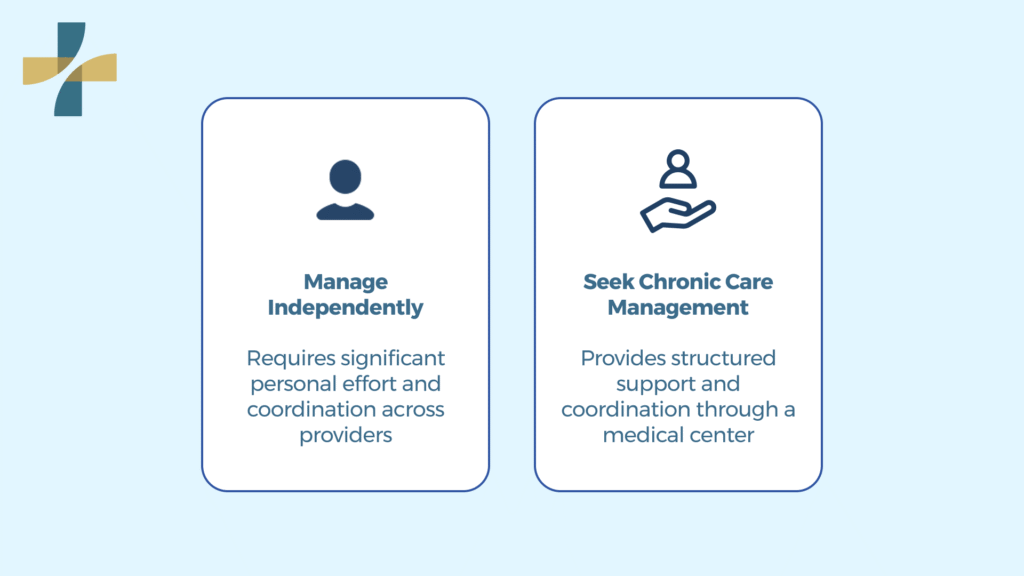
Living with a long-term health condition can feel like a full-time job. Many people manage medications, monitor symptoms, book appointments, follow specialist advice, and try to keep daily habits on track. When care is spread across several providers, it can also feel disconnected. Chronic care management is a structured way to support people with long-term conditions through planned follow-ups, clear care plans, and coordination across a care team. It focuses on day-to-day stability, early action when symptoms change, and practical support between appointments. Chronic conditions are common. In Canada, according to the Canadian Public Health Association, an estimated 44 percent of adults have at least one chronic disease, and chronic diseases account for a large share of deaths. According to the World Health Organization globally, noncommunicable diseases account for a major share of deaths. This is why long-term condition management matters for many adults and seniors. This guide explains chronic care management in plain language and shows how a medical center’s chronic care approach can support people in Vancouver who are managing chronic illness. Disclaimer: Educational content only. This is not medical advice. If you have urgent symptoms, seek urgent care right away. Understanding Chronic Care Management Chronic care management is a structured approach to supporting people with long-term health conditions through planned follow-ups, care coordination, and ongoing monitoring. You may see “chronic care management” used as a formal term in some health systems. In the United States, the term CCM has a defined meaning for Medicare billing, including support for patients with two or more chronic conditions expected to last at least 12 months. In Canada, clinics may not use the same billing model, but the core idea still applies: people with ongoing health concerns often need planned check-ins, clear treatment plans, and coordinated care. Conditions often supported through chronic disease management Chronic disease management in Canada may help people living with conditions such as: Diabetes High blood pressure (hypertension) Heart disease Asthma or other respiratory conditions Arthritis and mobility-related conditions Ongoing health concerns that need regular monitoring Some people manage one condition. Others manage several at the same time. The more moving parts there are, the more helpful a structured plan can be. Why Managing Chronic Conditions Without Support Can Be Difficult Many people do their best at home, yet still run into problems that make long-term condition management harder than it needs to be. H3: Common pain points for adults and seniors managing chronic illness Care is split across multiple providers. One doctor changes a medication while another doctor is not aware of it yet. Follow-ups are not consistent. Lab results, symptoms, or medication changes may not be reviewed at the right time. The plan is unclear. People may leave an appointment unsure what to do next or when to return. Symptoms change between visits. Without a clear plan, it is easy to wait too long. Medication routines get complicated. Multiple prescriptions can lead to missed doses, side effects, or confusion. Chronic care management addresses these gaps by putting structure around follow-up, care planning, and care coordination. The Role of a Medical Center in Managing Chronic Conditions A medical center’s chronic care model is built around continuity. Instead of treating each appointment as a stand-alone visit, the care team looks at patterns over time and helps the patient stay on track between visits. How a medical center supports chronic care management Acts as a central home base for care Keeps records and updates in one place Coordinates next steps with referrals and follow-ups Supports planning for medications, monitoring, and lifestyle changes Helps patients know what to do when symptoms change This is where chronic care support in Vancouver can feel more stable. People do not have to manage every detail alone. Chronic care management is often led through family physician care, where long-term conditions are reviewed, monitored, and adjusted over time. Creating a Personalised Care Plan A care plan is a written, practical guide that connects medical advice to day-to-day life. It helps patients understand what is happening, what the goals are, and what steps come next. What a chronic care plan often includes A personalised plan may cover: Current diagnoses and key health concerns Current medications and how to take them Self-monitoring steps, such as home blood pressure tracking when appropriate Lab work and screening schedule when appropriate Follow-up appointment schedule Referrals and specialist coordination when needed Lifestyle targets that match the patient’s abilities and health goals What symptoms should trigger a call or earlier visit Care plan checklist table Care plan item What it covers Why it helps Health summary Conditions, history, recent results Keeps everyone aligned Medication list Doses, timing, and recent changes Reduces confusion and duplication Monitoring plan What to track at home or in the clinic Helps spot change early Follow-up schedule When to return and why Builds consistency Specialist plan Referrals, reports, shared updates Improves coordination Action steps What to do if symptoms worsen Reduces delays in care A good plan is not generic. It fits the person’s current health, risks, and daily routine. Questions patients can ask when building a care plan These questions help patients get clarity: What are the main goals for the next 3 months? What symptoms should trigger an earlier appointment? Are any medications overlapping or causing side effects? What tests are needed, and when should results be reviewed? Who is managing each part of my care plan? Regular Monitoring and Follow-Up Appointments Chronic care management works best when follow-up is planned, not random. Regular check-ins support early action and help prevent problems from building up. What monitoring can look like Monitoring varies by condition and patient needs. It may include: Reviewing home readings, such as blood pressure logs, when appropriate Tracking symptoms and triggers Checking medication tolerance and adherence Reviewing lab results and adjusting the plan Setting small, realistic goals for the next visit Example follow-up schedule table This is a general example only. Actual timing depends on the
How to Get a Family Doctor in Vancouver and How Long It Usually Takes in 2025

Finding a family doctor in Vancouver in 2025 is still difficult for many residents. Long waitlists, staff shortages across BC, and rising demand mean thousands of people spend months or years trying to secure ongoing care. Data from the Canadian Medical Association shows that 29 percent of Canadians are currently searching for a family doctor or nurse practitioner, with many waiting one to five years. This updated 2025 guide explains how to get a family doctor in Vancouver, what timelines look like today, and practical ways to access care sooner. It also shows how NV Med Center supports patients with walk-ins, online visits, and team-based care while they wait for a permanent physician. Why Having a Family Doctor in Vancouver is Important A family doctor is the main point of contact for your long-term health. They know your history, track changes over time, and help prevent small issues from becoming larger ones. Having a family doctor also brings stability, especially for people with chronic conditions or ongoing needs. Common reasons Vancouver residents seek a family doctor Ongoing management of high blood pressure, diabetes, asthma, or thyroid conditions Support for anxiety, depression, or long-term mental health needs Regular prescriptions Children’s health, immunisations, and developmental check-ups Early detection of health changes Referrals to specialists Preventive care and routine advice With long wait lists in BC, many people go months without this support. This guide aims to give you a realistic path and fast alternatives. Steps to Find a Family Doctor in Vancouver These steps combine provincial systems, local directories, and practical strategies that match what many residents are currently using. Register with the Health Connect Registry BC’s Health Connect Registry helps match residents with family doctors who are taking new patients. You register by community and wait for a match. How it works: Sign up with your location Provide your BC Services Card number Wait to be assigned when a clinic accepts new patients Some areas move faster than others. Dense cities like Vancouver often move more slowly due to high demand. Use the College of Physicians and Surgeons of BC Directory This directory lets you search for local clinics and check which ones may be accepting new patients. You can filter by: Location Specialty Clinic type Even when a clinic shows as full, calling to ask about waitlists can help. Maple highlights this approach as one of the most effective strategies residents still use. Check the Pathways Medical Care Directory Many residents use this tool because it lists whether clinics or practitioners are taking new patients. This can save hours of calling, especially across Vancouver, Burnaby, and North Vancouver suburbs. Ask Your Personal Network This may sound small, but Maple’s user insights confirm that many people secure a family doctor through referrals from family or friends. Some clinics will take: Spouses Children Immediate household members This method can reduce the waiting period significantly. Contact Local Divisions of Family Practice Each Vancouver region has a Division of Family Practice. They often know which clinics are opening panels soon. Local divisions include: North Shore Division Vancouver Division Vancouver Coastal regions They can sometimes suggest clinics that are reopening intake lists. Explore Team-Based or Integrated Clinics Some clinics in Vancouver work as team-based centres rather than relying only on one General Practitioner. This is where NV Med Center stands out. A team-based model means seniors do not always wait for one doctor. Instead, care is shared across several qualified professionals. At NV Med Center, patients can be seen or supported by: Family doctors Nurse practitioners Kinesiologists Counsellors Acupuncturists Allied health providers On-site diagnostic support This approach reduces bottlenecks and creates more appointment availability. If one provider is booked, another member of the team may be able to complete the Driving Form or assist with parts of your care. Research shows that team-based care models, where doctors, nurse practitioners, allied health, and support staff share patient load, often improve access and reduce wait times compared with traditional single-doctor clinics. Join Waitlists Early Vancouver clinics may take months to call, but joining several lists increases your chances. Keep track of: Clinic name Contact person Registration date Status updates A simple spreadsheet avoids duplication. How Long Does It Typically Take to Get a Family Doctor Many people ask how long to get a family doctor in BC. The honest answer is that it varies from a few weeks to a year or more, depending on location and need level. What affects Vancouver family physician wait times Factor Impact Population density Dense suburbs like Kitsilano, Mount Pleasant, and Downtown move more slowly Local doctor supply Communities with retiring doctors have long waits Personal health needs Urgent needs may speed up matching Number of registered dependents Families sometimes get matched together Community size Small areas often move faster than larger ones Recent national data show how difficult it has become to find a family doctor in Canada. The Canadian Medical Association reports that more than 6.5 million Canadians do not have a regular family doctor or nurse practitioner. This means many people are searching for consistent care. Access to timely appointments is also limited. A 2023 review published through the National Library of Medicine found that less than half of Canadians are able to see a primary care provider on the same or next day when they need help. These figures set a realistic picture of why seniors often choose integrated clinics like NV Med Center. When care is shared across doctors, nurse practitioners, counsellors, and allied health professionals, patients have more chances to be seen without long delays. For example, a new resident moving to Vancouver may sign up for the registry in January but not receive a match until late in the year. During this gap, walk-ins and online visits become essential for continued care. Tips for Speeding Up the Process While demand is high, some strategies can cut down the waiting time. Register in