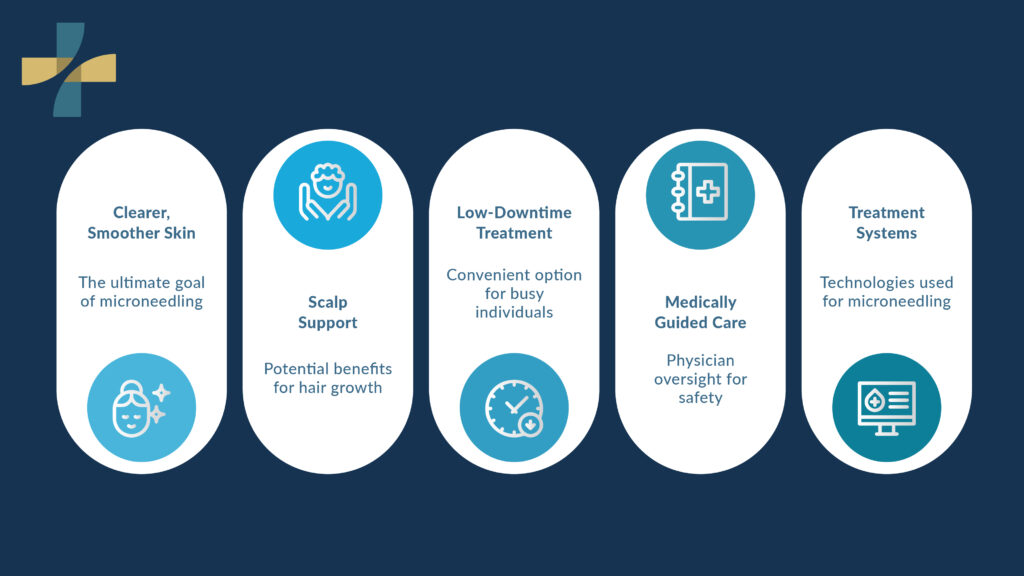
Many people searching for microneedling in Vancouver want clearer, smoother skin and honest answers about whether the treatment can also support the scalp. Interest in low-downtime, non-surgical treatments has grown as more patients look for options that fit their work, family, and social plans.
Microneedling is usually discussed alongside Dermapen and RF microneedling systems, especially for concerns like acne scars, fine lines, enlarged pores, and collagen support. At NV Med Center, the focus is on medically guided care with physician oversight and tailored treatment planning. This guide explains how microneedling for face and scalp concerns works, what results may be realistic, and what recovery may involve.
What is Microneedling, and How Does it Work?
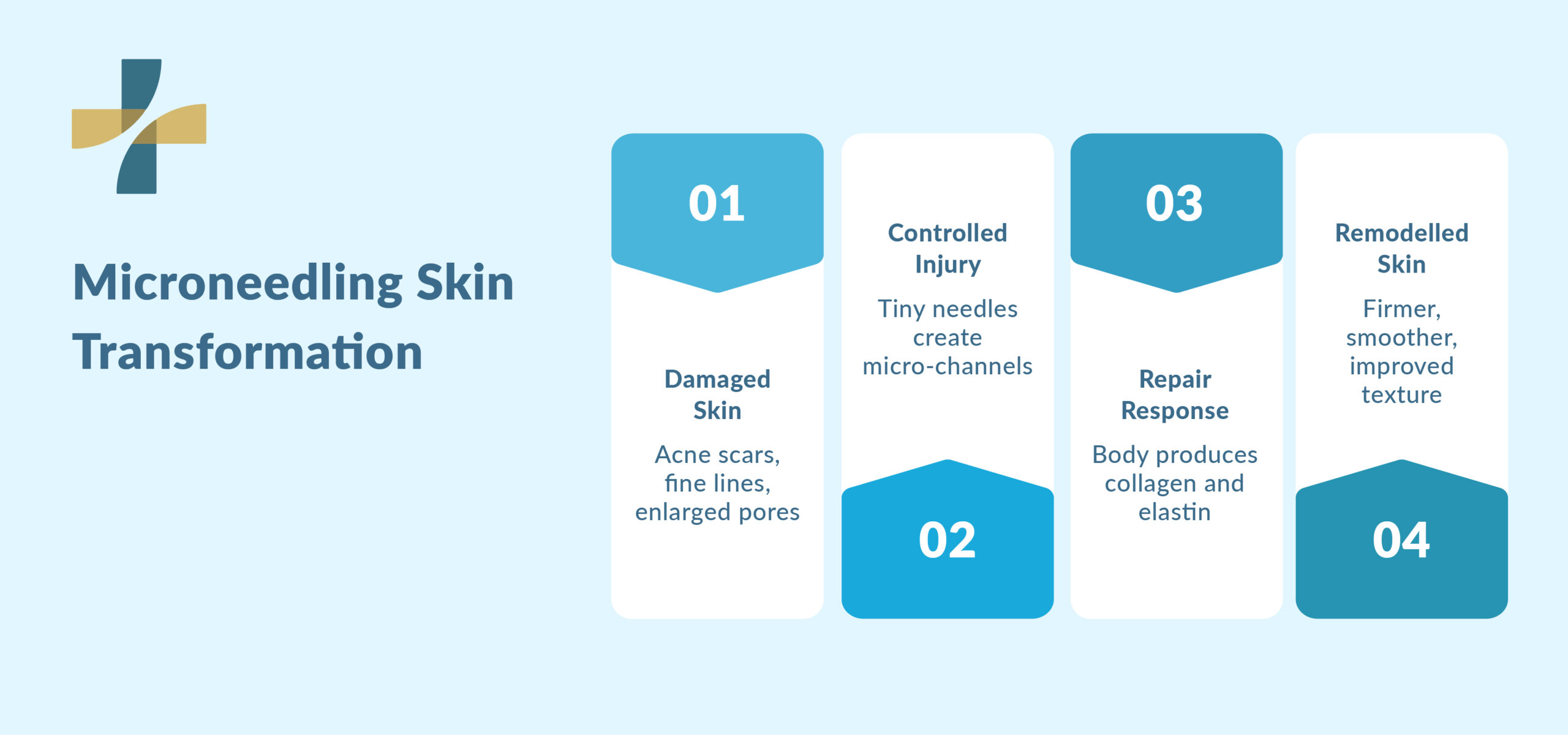
Microneedling is a minimally invasive treatment that uses very fine needles to create controlled micro-channels in the skin or scalp. These tiny channels trigger a repair response that supports collagen induction therapy, which may help improve acne scars, fine lines, enlarged pores, and some scalp concerns over time.
The treatment works by creating small, precise injuries in the surface layers, which prompts the body to produce new collagen and elastin linked to firmer, smoother skin. This is why microneedling is often called collagen induction therapy. The goal is gradual skin remodelling over a series of treatments rather than trying to change texture or lines in one session.
What happens during collagen induction therapy?
A sterile microneedling device moves across the treatment area at a depth based on the skin zone and concern being treated, during collagen induction therapy. A session for general texture is usually more superficial than one focused on acne scars.
The treatment creates controlled micro-channels that begin to close within minutes. Under the surface, the skin starts a healing response that supports new collagen and elastin, which is why patients may notice an early glow first and more gradual improvement over the following weeks.
How is medical microneedling different from at-home rollers?
Medical microneedling is different from at-home rollers because it uses sterile equipment, controlled depth, and a treatment plan guided by a trained provider. At-home rollers do not offer the same precision, so they may cause irritation or limited results, while a clinic-based treatment can be adjusted for skin sensitivity, acne scars, enlarged pores, or scalp goals.
The American Academy of Dermatology advises checking with a dermatologist or medical doctor before using a microneedling device because it can worsen some hair conditions or skin issues.
What Does Microneedling Treat on the Face?
Microneedling for face concerns is most often used to improve acne scars, fine lines, enlarged pores, rough texture, and dull-looking skin. The treatment works best when expectations are realistic, because skin remodelling takes time, and most patients need a series rather than one visit.
For many patients, the face is the main treatment area because it shows textural changes quickly. This may include shallow acne scars on the cheeks, early fine lines around the mouth, or enlarged pores that make makeup sit unevenly. Microneedling does not work like filler or wrinkle injections. It does not add volume or freeze movement. It supports texture and surface quality.
Can microneedling help acne scars?
Microneedling may help improve some acne scars by supporting new collagen in the treated skin. The AAD lists microneedling as a treatment that can help diminish acne scars, and several reviews describe it as a useful option for scar remodelling.
It tends to work best for shallow to moderate textural scars, while deeper or mixed scar patterns may need a broader treatment plan. Patients should expect gradual improvement over a series of sessions rather than scar-free skin after one treatment.
Can it improve fine lines and enlarged pores?
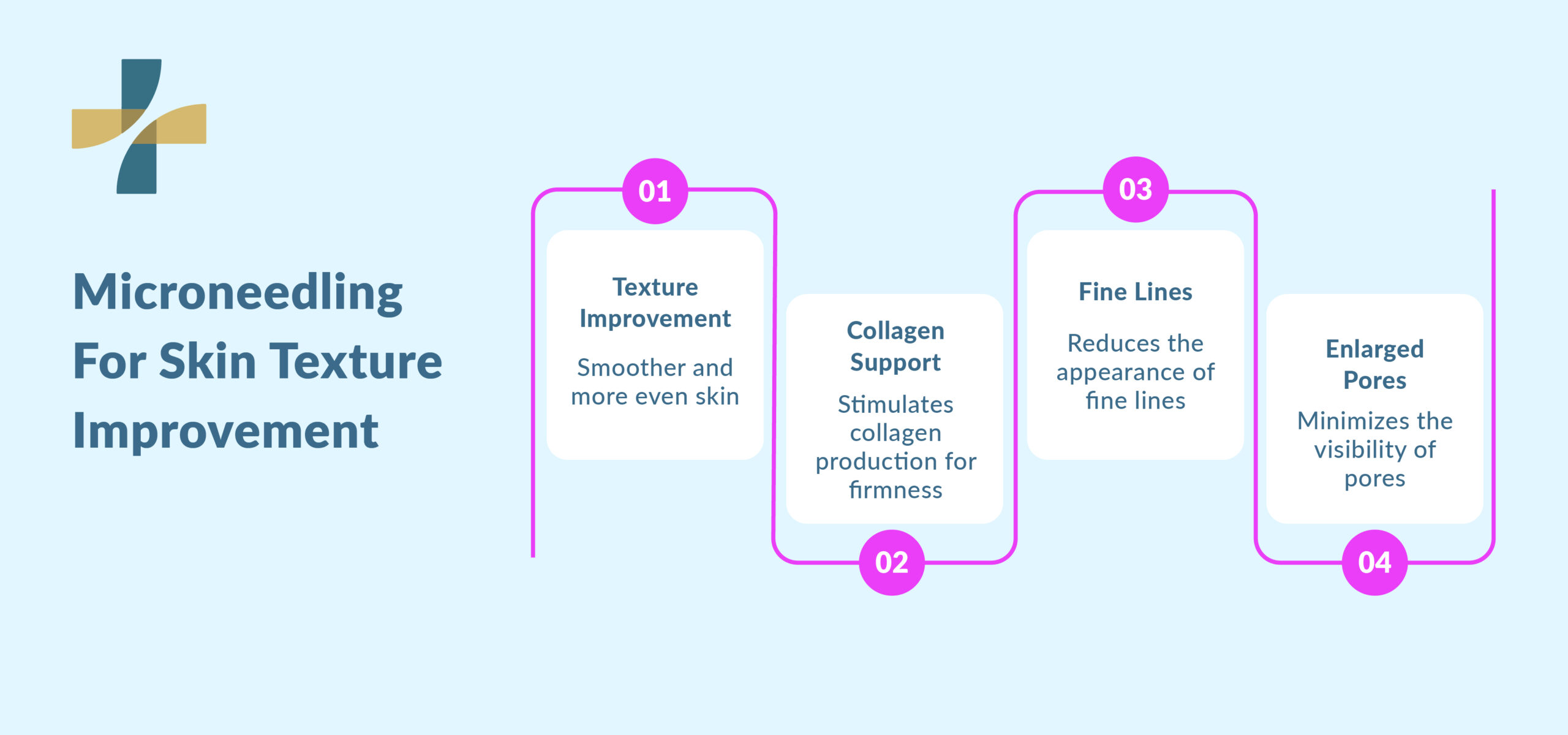
Microneedling may improve fine lines and enlarged pores by supporting collagen and helping the skin surface appear firmer and more even.
A common example is a patient in their late 30s who feels their skin looks rougher than it used to and notices early lines under makeup. Another is a younger patient with oily skin who wants pores to look less obvious in photos. In both cases, the aim is texture improvement, not a dramatic change in facial shape.
Is microneedling for the face suitable for early ageing and rough texture?
Microneedling for the face is often suitable for mild to moderate signs of early ageing and rough texture. It is a non-surgical option with short downtime that may help improve skin texture gradually, but the best results still depend on choosing the right patient and treatment plan.
Can Microneedling Be Used on the Scalp for Thinning Hair?
Microneedling for scalp care may support people with hair thinning by creating controlled stimulation across the scalp surface. Scalp microneedling for hair growth is usually framed as a supportive treatment, and results depend on the reason for the thinning and the overall treatment plan.
How does microneedling for scalp support work?
Microneedling for scalp support works by creating controlled micro-injuries that trigger a healing response and may help the scalp environment. Researchers continue to study how this may affect follicles and growth signals. Reviews have suggested that microneedling may improve hair parameters, especially when paired with other therapies, though mechanisms are still being studied.
For a patient noticing mild thinning near the temples or crown, the treatment may be discussed as a way to support scalp stimulation. It is better to present it as supportive care than as a guaranteed regrowth treatment.
What can scalp microneedling for hair growth realistically do?
Scalp microneedling for hair growth may help support scalp health and may be used as part of a medically guided plan for hair thinning. Reviews on PubMed report improved hair parameters in many studies, especially when microneedling is paired with other therapies, but the evidence is stronger for diagnosed androgenetic alopecia than for every type of thinning.
A realistic message is this: scalp microneedling may help selected patients, but it is not a stand-alone answer for every case of hair thinning. Someone losing hair due to stress, hormone shifts, inflammation, or another medical issue may need a different workup before any aesthetic procedure is planned.
What are the Main Microneedling Benefits for the Face and Scalp?
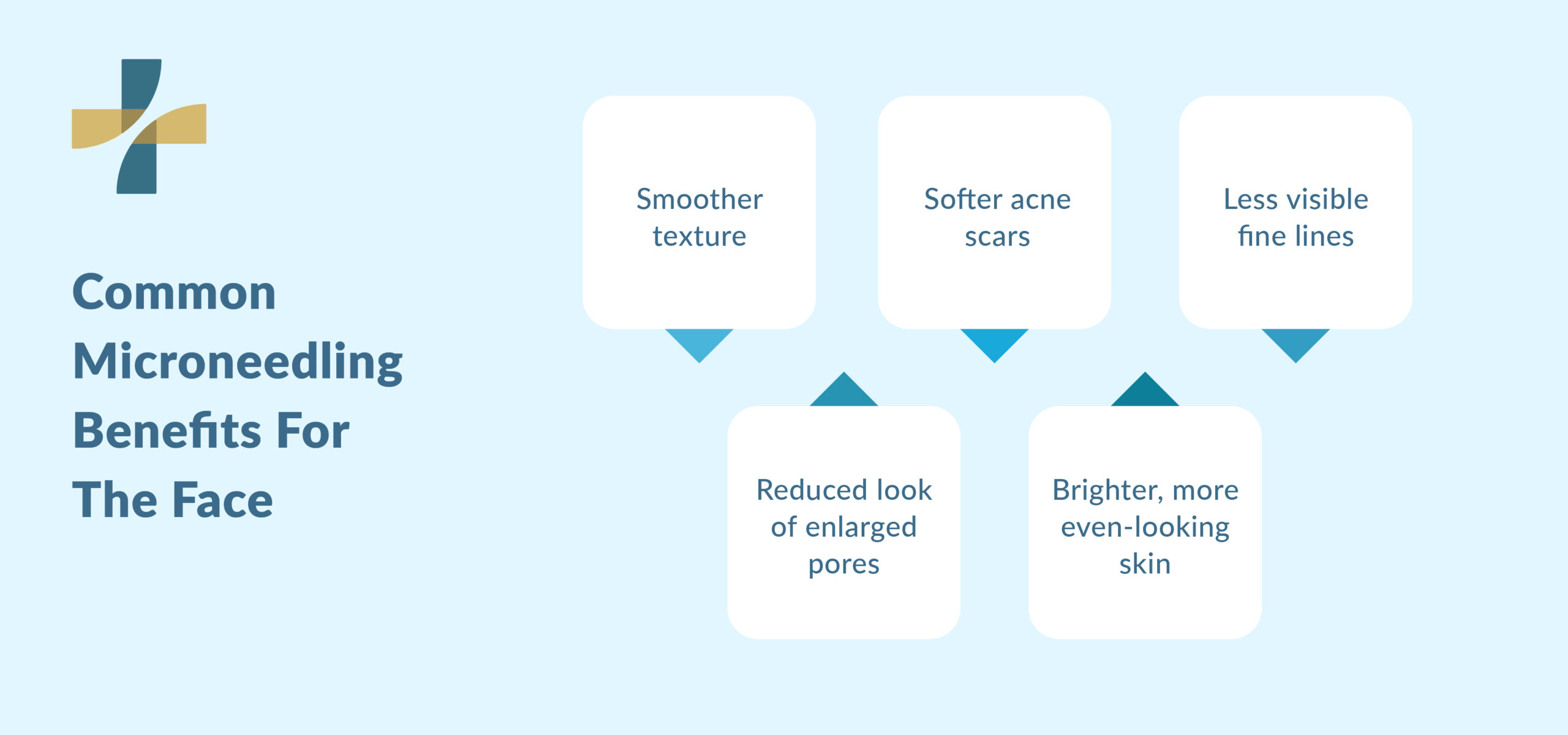
Microneedling benefits may include smoother skin texture, softer acne scars, less visible fine lines, and support for scalp health in selected cases. The main benefit is gradual tissue renewal, which is why treatment plans are usually spaced over weeks rather than done as a one-off event.
Skin benefits people often ask about
Common microneedling benefits for the face include:
- Smoother texture
- Softer acne scars
- Less visible fine lines
- Reduced the look of enlarged pores
- Brighter, more even-looking skin
Scalp benefits people often ask about
Common microneedling benefits for the scalp may include:
- Support for thinning areas
- Scalp stimulation
- Better support for topical product penetration
- Part of a broader clinic-led scalp care plan

What Happens During a Microneedling Appointment in Vancouver?
A microneedling appointment usually includes a consultation, review of goals, cleansing, numbing if needed, the treatment session, and aftercare instructions. Most visits are fairly short, but the time depends on whether the focus is on facial texture, acne scars, or scalp support.
At NV Med Center, the beauty and rejuvenation service is framed around medical expertise and tailored care. We also use evidence-based aesthetic treatments for skin and hair within physician practice profiles.
What happens before treatment starts?
The visit should start with a review of skin or scalp concerns, basic medical history, recent products or procedures, and any factors that may raise risk. This is where the provider checks for things like active infection, current irritation, blood-thinning medicines, or a recent aggressive peel.
For example, a patient with acne scars may be suitable for treatment next week. A patient with sunburn from a weekend hike may need to wait.
What does the treatment feel like?
Most people describe the sensation as mild to moderate discomfort. Numbing cream is often used, especially on the face. Scalp sessions can feel different because the tissue is tighter and sensitivity varies by area.
What Downtime and Aftercare Should You Expect After Microneedling?
Microneedling downtime is usually mild to moderate, with redness, warmth, and sensitivity that can last one to several days based on treatment depth and skin type. The aftercare often includes gentle cleansing, simple moisturiser, sun protection, and avoiding strong active products for a short period.
Microneedling downtime is usually minimal, but Healthline notes that treated skin may look red or darker, feel sunburned, and have mild swelling or burning that typically clears within a few days to about a week.
What should you avoid after treatment?
Most patients are advised to avoid the following for the first few days:
| Aftercare issue | Why it matters |
| direct sun | Treated skin is more sensitive |
| retinoids and acids | can increase irritation |
| harsh scrubs | can disrupt healing |
| hot exercise or sauna | may add redness and swelling |
| picking flaking skin | may irritate the barrier |
How Many Microneedling Sessions are Typical and How Far Apart Are They?
Most people need a series of microneedling sessions rather than one visit. A common plan is three to six sessions spaced about four to six weeks apart, though the final number depends on whether the goal is acne scars, fine lines, enlarged pores, or scalp support.
Why one session is not always enough
One treatment may give skin a fresher look. It usually does not provide the full change a patient wants for acne scars or more established textural issues. Collagen builds over time, and some concerns are simply harder to treat than others.
Which concerns often need more sessions?
Patients often need more sessions for:
- Acne scars
- Older textural damage
- Mixed concerns such as pores plus fine lines
- Ongoing scalp support goals
When do people usually notice results?
Many people notice some early brightness within the first week. More visible structural change often takes several weeks or a few sessions. A patient with fine lines may notice soft improvement sooner than a patient treating acne scars from years of breakouts.
How Much Does Microneedling Cost in Vancouver?
Microneedling cost in Vancouver varies based on the treatment area, device, clinic setting, provider training, and how many sessions are advised. The best way to understand cost is to match it to the treatment plan, because a face-only session and a scalp-focused plan may involve different goals and timelines.
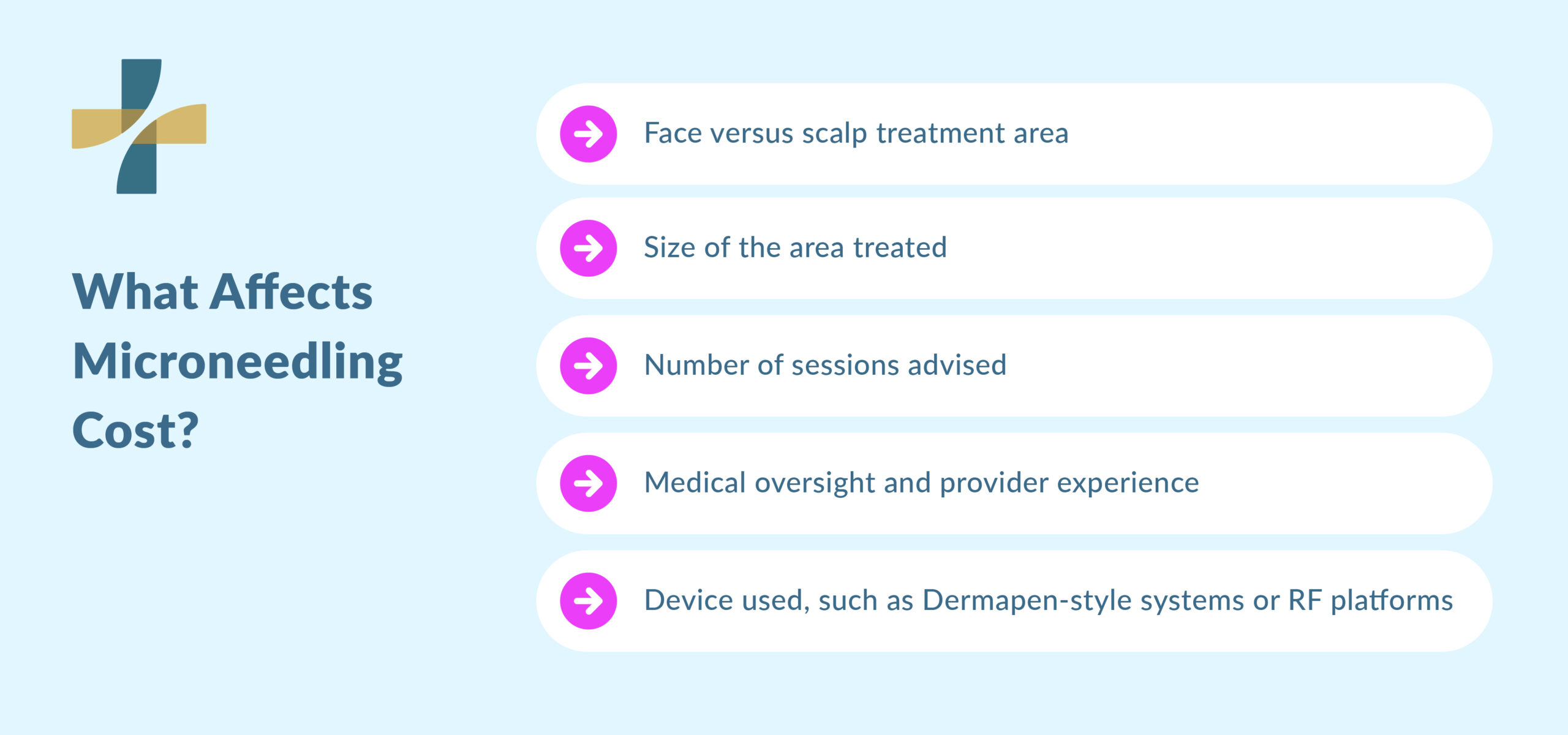
What affects microneedling cost?
Main pricing factors usually include:
- Face versus scalp treatment area
- Size of the area treated
- Number of sessions advised
- Medical oversight and provider experience
- Device used, such as Dermapen-style systems or RF platforms
Why should cost be viewed with the plan?
A lower price does not always mean better value. A patient paying less for an unsuitable or overly aggressive treatment may get more downtime, irritation, or weak results. A proper microneedling consultation in Vancouver explains the goal, number of sessions, expected downtime, and home care before the cost is weighed.
Why Medical Screening Matters
Microneedling is not right for everyone. A medically guided visit helps reduce avoidable risk and match the treatment depth and session plan to the patient’s skin or scalp concern. Someone with mild fine lines and sensitive skin is not treated the same way as someone with long-standing acne scars.
People with active infection, open wounds, some inflammatory skin conditions, bleeding issues, or recent irritation may need to delay treatment or avoid it. This is why medical screening matters before treatment starts.
Common Contraindications and Caution Areas
Examples that may need postponement or review include:
- active acne flare in the treatment zone
- bacterial, fungal, or viral skin infection
- eczema or psoriasis in the area
- recent sunburn
- current blood thinners or clotting issues
- history of poor wound healing
- active herpes simplex outbreak in the area
Why Choose a Medical Clinic for Microneedling in Vancouver?
The best way to approach microneedling in Vancouver is to choose a clinic that can review your skin or scalp properly, explain realistic outcomes, and screen for risk factors. For people who want guidance, not just a treatment menu, a medical clinic may be the better fit.
At NV Med Center in Vancouver, we base our beauty and rejuvenation services on medical expertise and tailored treatment plans, with a strong focus on patient-centred care and informed decision-making. Our doctors create personalized treatment plans based on each patient’s skin or scalp condition, ensuring safe, appropriate care and giving patients confidence in a trusted medical team.
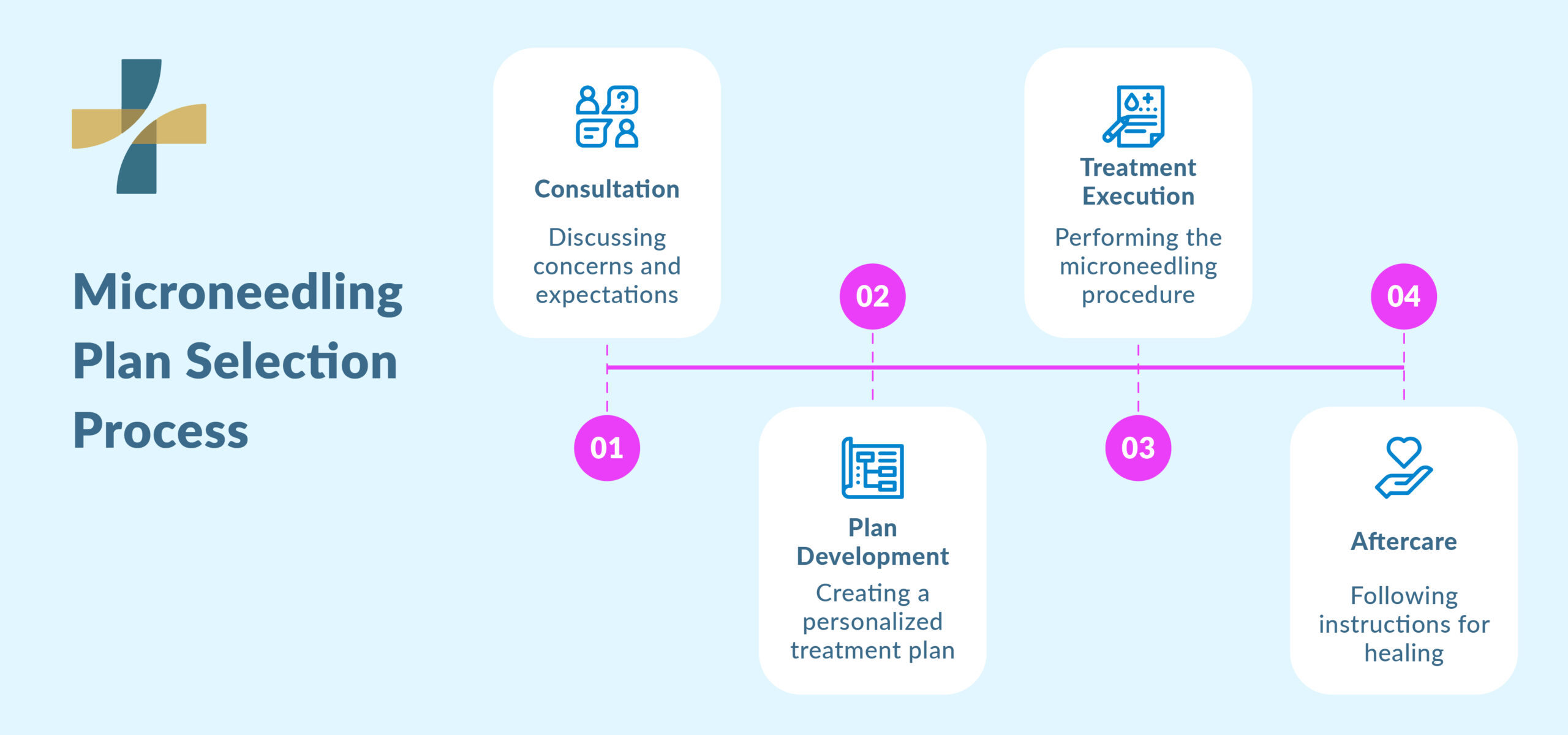
How NV Med Center Helps You Choose the Right Microneedling Plan
Microneedling can be a useful option for smoother skin, softer acne scars, less visible fine lines, refined pores, and selected scalp concerns, but the treatment works best when the plan matches the patient. The key points are simple: know what you want to treat, expect a series rather than a miracle, plan for short microneedling downtime, and follow clear microneedling aftercare advice so healing stays on track.
At NV Med Center, patients can access beauty and rejuvenation care in a medical clinic setting with physician-linked oversight and personalised treatment guidance. If you are comparing microneedling for face or microneedling for scalp and want a clear plan based on your goals, book a microneedling consultation in Vancouver to review your skin or scalp concerns, discuss expected results, and find out whether this treatment is the right fit for you.
FAQs
What does microneedling treat on the face?
Microneedling for face concerns is used for acne scars, fine lines, enlarged pores, rough texture, and mild dullness. It works by supporting collagen induction therapy over time, not by changing facial shape or adding volume. Patients usually get the best results from a series of sessions rather than one treatment.
Can microneedling be used on the scalp for hair thinning?
Microneedling for scalp care supports treatment for some people with hair thinning. Research suggests it may help improve hair parameters, especially in androgenetic alopecia, but it is not the right fit for every cause of hair loss. A medical review is the best way to decide whether scalp stimulation is appropriate.
How many sessions are typical and how far apart?
Many patients need three to six sessions, spaced about four to six weeks apart. The exact number depends on the concern, with acne scars often needing more sessions than mild texture or early fine lines. Your provider should explain the likely timeline at your consultation.
What downtime and aftercare should you expect?
Microneedling downtime is usually short. Most people notice redness, warmth, and mild sensitivity for one to several days. Microneedling aftercare usually includes gentle skincare, sunscreen, and a short break from strong active products such as retinoids and acids.
Who should avoid microneedling?
People with active skin infection, open wounds, recent sunburn, some inflammatory skin conditions, bleeding disorders, or active herpes outbreaks near the treatment area may need to postpone or avoid treatment. Medical screening lowers the risk of treating skin that is already irritated or unsafe to treat.