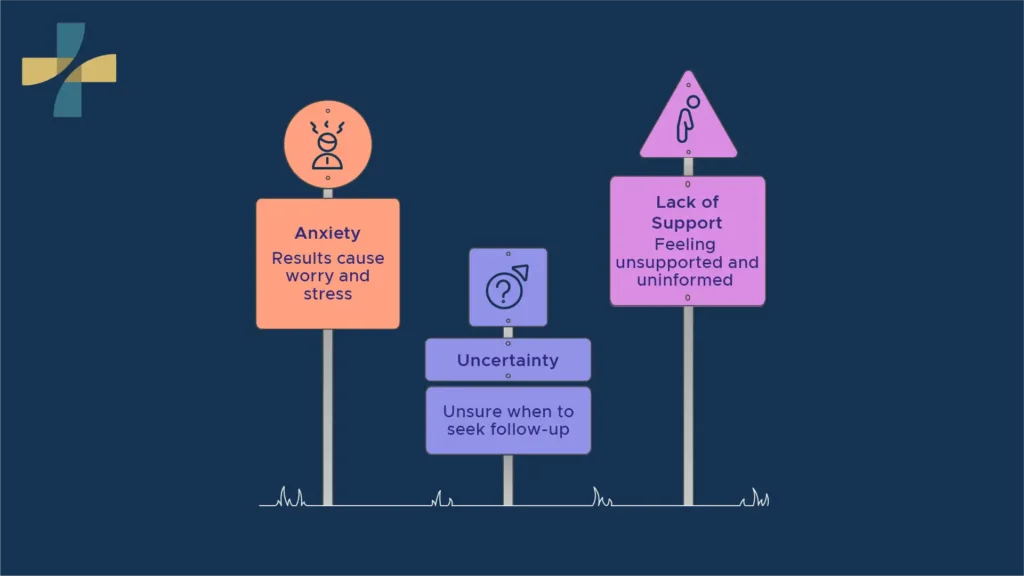
You did the responsible thing and completed your cervical screening kit at home. Now you’re sitting in front of your screen, looking at your HPV self screening results BC profile on your portal, and trying to decode what all this medical terminology actually means for your day-to-day health. Is this normal? Do you need to panic? Should you be calling a medical clinic right now?
Take a deep breath. Most outcomes are very straightforward, and the BC Cancer screening initiative was designed to make cervical cancer prevention simple, accessible, and low-stress, not a source of anxiety. However, understanding when a notification requires a basic note-to-self versus an actual cervical self-screening follow up with a healthcare provider is where many people feel unsure.
This guide breaks down exactly what your Health Gateway screening results mean, when a doctor’s appointment after an HPV result is recommended, and how to approach your follow-up feeling completely supported and informed.
Already looking at a confusing test notification? Skip directly to “Result situations that may need follow-up” to find out your next steps.
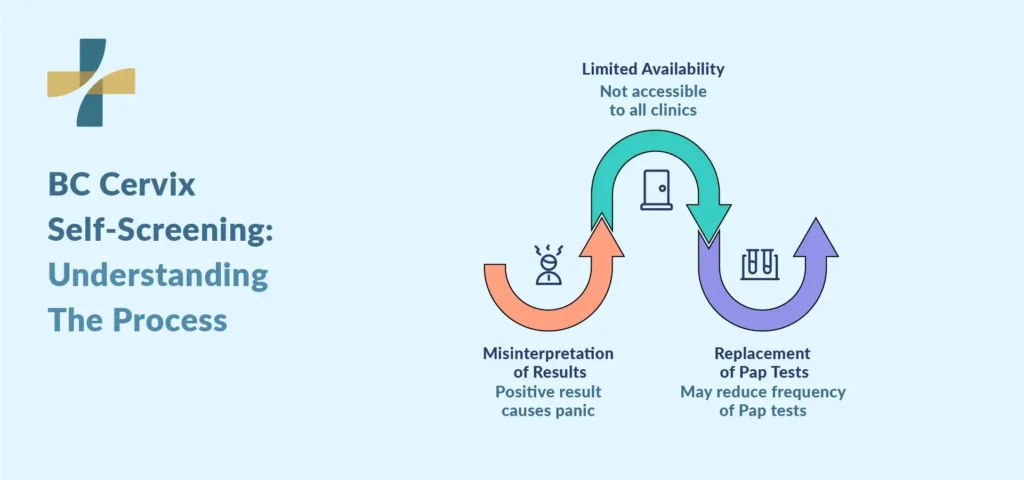
What BC cervix self-screening is designed to check
The BC cervix self-screening program specifically looks for high-risk strains of human papillomavirus (HPV), which is the underlying cause of nearly all cervical cancer cases. Unlike a traditional Pap test that looks directly for cellular changes, this primary screening checks for the presence of the virus itself.
The idea is simple: catch HPV early, before it has a chance to cause cell changes that could develop into cancer over many years. It is an essential component of women’s preventive health screening, a tool for prevention, not a diagnosis of illness.
This difference matters because of how you read your results. Receiving a positive HPV result or BC status does not mean you have cancer. It simply indicates that the virus was detected, and that your care team should take a closer look, usually through a targeted Pap test after self screening BC or a quick primary care consultation.
Example Case: Sarah, 34, used her self-screening kit at home after receiving a routine reminder. When she checked her portal, she saw “HPV detected result BC” and panicked. After speaking with a clinician during a routine checkup, she learned that virus detection is extremely common, easily monitored, and highly manageable when caught early.
- Tests for high-risk HPV strains, not cell abnormalities directly
- Replaces the need for as-frequent Pap tests for many patients
- Available through participating BC clinics and mail-in kit programs

How and when results are usually shared
Most people can access their HPV self-screening results BC directly through their online portal account, usually within a few weeks of mailing back their sample. In certain cases, your health clinic may also contact you by phone or issue an official follow-up letter.
Processing times vary depending on lab volumes and regional submission methods. If six weeks have passed without an update, it is completely reasonable to contact your primary care office or check with BC CDC guidelines rather than wondering about your status.
Because notifications arrive through different channels, it helps to know where to look:
- Health Gateway account notifications (the standard BC portal where lab reports are posted).
- A phone call or follow-up letter from BC Cancer or your screening provider.
Need help understanding your report or taking the next step? If your results are ready or if you’re feeling unsure about what they mean, you don’t have to navigate them alone. You can book an online visit with NV Med Center or schedule a consultation with our experienced physicians to review your results and get personalized guidance on your next steps.
Result situations that may need follow-up
Not every report requires the same next step. Here is a clear breakdown of the three most common outcomes and what they mean for your routine sexual health care.
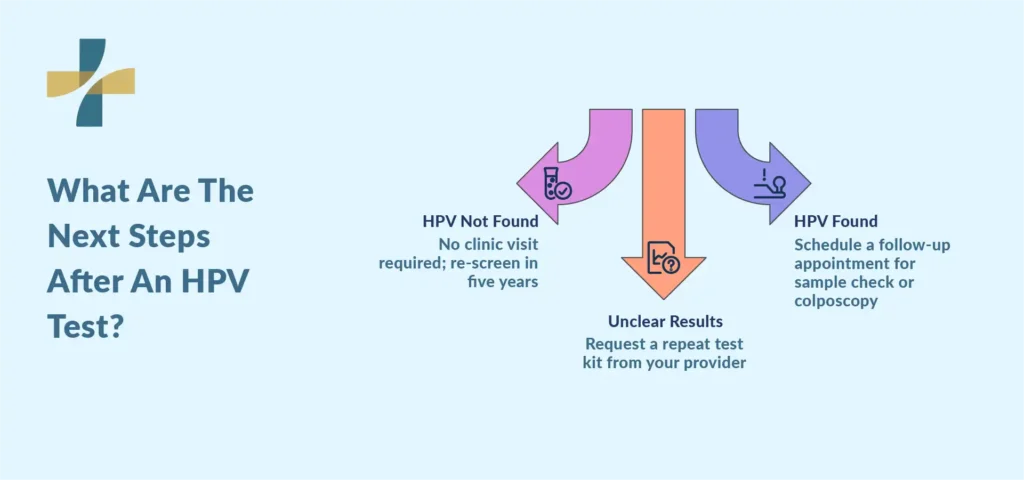
HPV not found
This is the most frequent and reassuring outcome. It means no high-risk virus strains were found in your sample.
In this scenario, no clinic visit is required. You will simply be placed back on the standard routine checkup timeline, which generally means re-screening in five years for most eligible individuals in British Columbia.
HPV found and follow-up recommended
A positive HPV result in BC means that high-risk viral DNA was detected. It is important to remember that for many people, the immune system naturally clears the virus on its own within 12 to 24 months.
However, to ensure long-term safety, your provider will recommend the next steps. This often involves a secondary clinic visit for a sample check, or in specific cases, a colposcopy referral BC. This is the exact moment when booking a follow-up appointment with a family doctor becomes an important priority. If you have immediate questions about what your report means, you can also schedule an online doctor visit for screening follow-up questions to discuss your cervical screening result with a doctor without delay. Clinics like NV Med Center offer comprehensive care to help guide you through these next steps smoothly.
Unclear, delayed, or confusing results
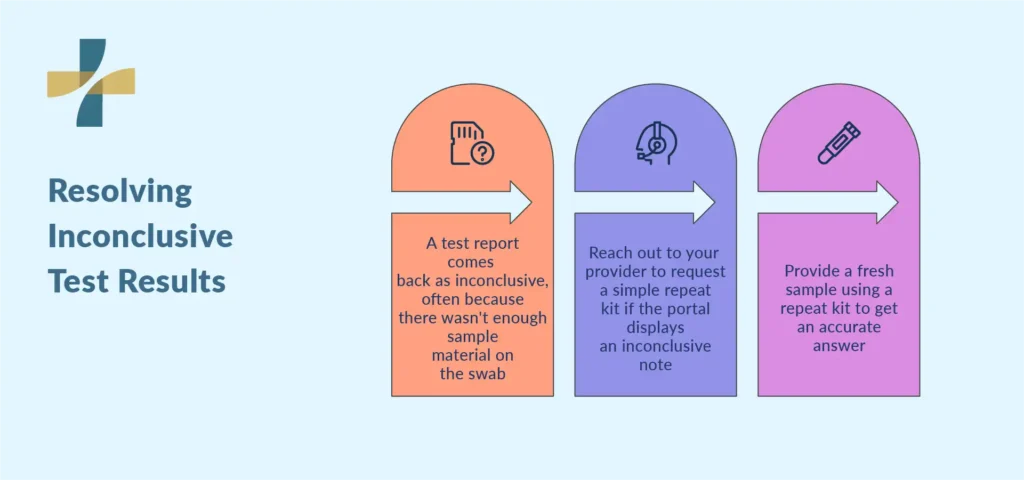
Occasionally, a test report comes back as inconclusive, often because there wasn’t enough sample material on the swab. A delay or unclear status does not mean something is wrong; it simply means the lab needs a fresh sample to give you an accurate answer.
If your portal displays an inconclusive note after several weeks, reach out to your provider to request a simple repeat kit.
Example Case: Mei received an “inconclusive” notification after her first home swab. Instead of worrying, she reached out to experienced physicians who explained that the swab simply needed a slightly larger sample. She completed a quick repeat test without any hassle.
What to bring to a doctor appointment
Walking into your appointment prepared makes the conversation faster and less stressful. A little organization goes a long way toward getting clear answers. If you do need a cervical screening appointment for a follow-up exam, coming prepared will help you get clear answers and make the visit stress-free:
- A printed copy or mobile screenshot of your test report from Health Gateway.
- Any official follow-up letter or mailer you received.
- A written list of personal health history details and specific questions for your doctor.
- Your Personal Health Number (PHN) and standard identification.
How to talk about screening results without panic
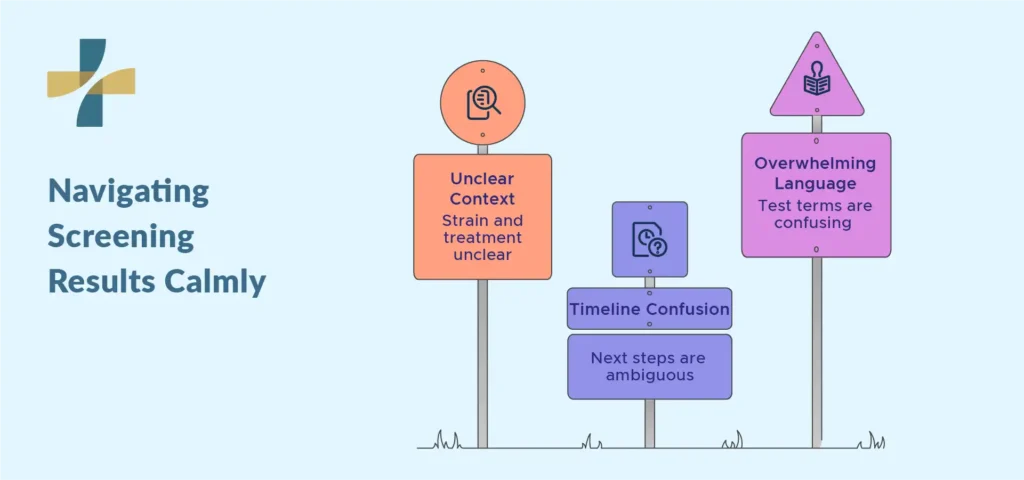
It is completely normal to feel a spike of anxiety whenever a medical test comes back with anything other than a blank negative. But having a positive or unclear result is simply an indication that preventive medicine is doing its job: catching small details early so they never turn into bigger problems.
When you sit down with your provider, keep these points in mind to guide your conversation:
- Ask for clear context: Ask your provider to explain which specific strain was detected and whether it requires active treatment or simple monitoring.
- Understand the timeline: Clarify whether you need a Pap test after self screening BC, a secondary exam in six months, or a specialist referral.
- Focus on prevention: Remind yourself that finding HPV early is a standard step in preventive screening, and it gives you full control over your long-term health.
If you ever feel overwhelmed by test language, remember that you can always book your appointment online to connect with trusted doctors who can provide personalized health education and expert medical advice. Taking an active role in your wellness is the best way to manage your health with total confidence.
FAQs
1-What is BC cervix self-screening designed to check?
This test checks for high-risk strains of human papillomavirus (HPV), the virus responsible for nearly all cervical cancers. Unlike a Pap test that looks for cell changes, self-screening catches the virus early before it can cause harm.
2-How and when are HPV self-screening results shared?
Results are usually available within 4 to 8 weeks. You can check them online through your Health Gateway portal or receive them by mail or by phone from your family doctor’s office.
3-What does “HPV not found” mean?
It means no high-risk HPV strains were detected in your sample. You do not need a doctor appointment and can simply wait for your next routine screening in 5 years.
4-What should I do if HPV is found in my results?
Don’t panic; a positive result is not a cancer diagnosis. It means you need a quick follow-up, usually a Pap test with a doctor or a colposcopy referral, to check if the virus has caused any cell changes.
5-Why are my HPV test results unclear or delayed?
If a result is inconclusive, it usually means the swab didn’t collect enough cell material for the lab. It does not mean something is wrong; you will simply be offered a free replacement kit to retest.
6-What should I bring to my doctor appointment for HPV follow-up?
Bring a copy or screenshot of your Health Gateway result, any letter you received from BC Cancer, your Personal Health Number (PHN), and a list of any questions or symptoms you want to discuss.
7-How can I talk about positive HPV results without panicking?
Remember that HPV is extremely common and usually cleared naturally by the body. A positive test simply means the preventive system is doing its job by keeping you safe long before any serious issue develops.