Annual Physical Exam in Canada: What Blood Tests Are Included and Why They Matter (2026 Guide)
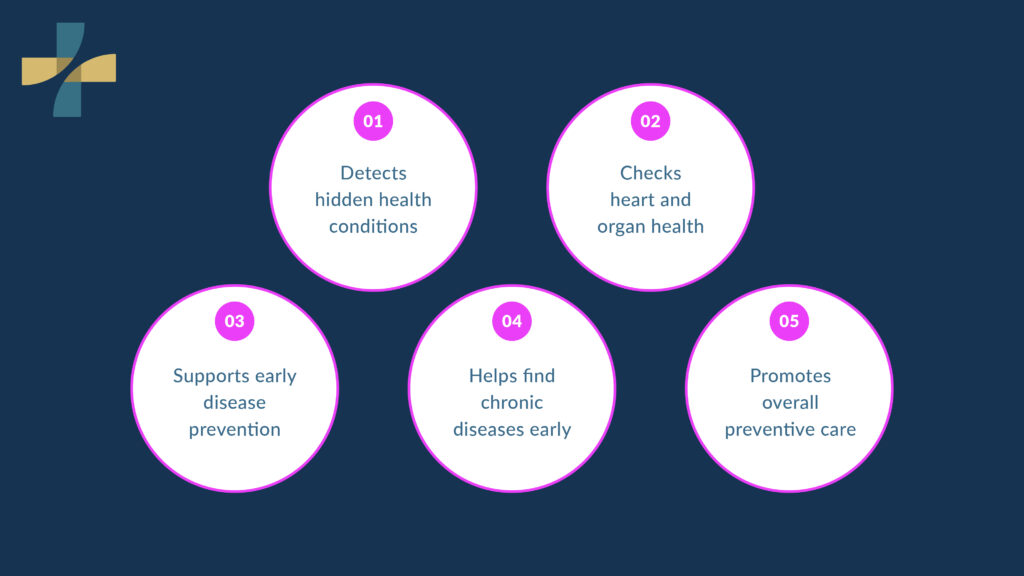
Many adults delay routine health checks because they feel well. Yet conditions such as diabetes, high cholesterol, and liver disease often develop without early symptoms. An annual physical exam helps detect changes in blood markers before problems become serious. In Canada, primary care physicians use routine screening to evaluate heart health, metabolic function, and organ performance. These health checks and blood tests performed in Canadian clinics provide measurable data that support preventive care and early treatment. Public health experts continue to emphasise preventive screening. According to the Public Health Agency of Canada, chronic diseases such as heart disease, cancer, diabetes, and respiratory illness are the leading causes of death and disability in the country. These conditions account for about 67 percent of all deaths in Canada, and approximately 44 percent of Canadian adults live with at least one chronic disease. Many of these conditions can be detected early through routine preventive screenings, including blood tests during an annual physical exam. This guide explains what blood tests are included in a yearly checkup, how they support preventive healthcare, and when adults should schedule a routine health assessment with a GP clinic. What Happens During an Annual Physical Exam in Canada? An annual physical exam is a preventive medical appointment where a doctor or a family physician reviews health history, performs a physical assessment, and orders routine blood tests to detect early signs of disease. The purpose is to detect conditions such as diabetes, cholesterol disorders, or liver disease before symptoms appear. During a yearly physical exam in Canada, the doctor evaluates both current health and long-term risk factors. This helps identify issues early and supports ongoing monitoring through routine screening. Typical steps in a yearly health assessment A standard general practitioner health assessment in Canada usually includes: Review of medical history Discussion of lifestyle habits Physical examination Blood pressure measurement Blood tests for health screening Preventive screening recommendations A simple example shows how routine screening helps patients. A 38-year-old professional schedules a routine checkup and learns their cholesterol levels are elevated. Early lifestyle changes help reduce long-term cardiovascular risk. What Blood Tests are Included in an Annual Physical Exam? The most common blood tests in an annual physical exam in Canada include a full blood count test, cholesterol panel, blood glucose test, kidney function test, and liver function test. These tests help doctors detect early signs of diabetes, heart disease, infection, and organ dysfunction before symptoms appear. Doctors may order additional tests depending on age, family history, or existing medical conditions. Routine screening allows early treatment and better long-term health outcomes. Common Blood Tests Included in an Annual Physical Exam Blood Test What It Measures Why Doctors Order It Full Blood Count Test Red and white blood cells, platelets Detects infection and anaemia Cholesterol Test Canada LDL, HDL, triglycerides Assesses cardiovascular risk Blood Glucose or HbA1c Blood sugar levels Screens for diabetes Liver Function Test Canada Liver enzymes such as ALT and AST Identifies liver stress or damage Kidney Function Panel Creatinine and electrolytes Monitors kidney performance These routine blood tests, commonly performed in Canadian clinics, help doctors monitor several body systems at once. For example, a full blood count test can identify infection or blood disorders. A liver function test that doctors in Canada order can detect early signs of liver inflammation caused by medication use, fatty liver disease, or metabolic issues. Why Are Blood Tests Important for Preventive Healthcare? Blood tests measure internal markers that show how organs and metabolic systems are functioning. These markers can detect disease risk long before symptoms appear. Routine blood testing helps doctors identify conditions such as diabetes, high cholesterol, liver disease, and kidney dysfunction early. Preventive screening allows treatment to begin sooner and reduces the likelihood of serious complications later. Conditions that routine blood tests may detect Routine blood testing may identify: Diabetes and prediabetes High cholesterol and cardiovascular risk Liver disease Kidney disease Nutritional deficiencies, such as iron or vitamin B12 According to Statistics Canada, chronic conditions remain common among Canadian adults, and cancer and heart disease together accounted for 43.7 percent of deaths in 2023. Routine cholesterol screening and preventive blood tests help doctors identify cardiovascular risk factors early. A patient with no symptoms may learn through routine screening that their glucose levels indicate early prediabetes. Early lifestyle changes, such as improved diet and increased activity, may prevent diabetes from developing. This is why preventive health screening programs in Canada encourage routine testing through primary care providers. Why Doctors Emphasise Preventive Screening Medical experts consistently stress the importance of routine screening. Early testing helps identify risk markers years before symptoms develop. Longevity physician Dr.Peter Attia emphasises the importance of prevention and early detection in modern medicine. In a 60 Minutes interview, he explained that many of the conditions people die from today, including heart disease, stroke, cancer, dementia, and Type 2 diabetes, require a much longer prevention strategy rather than waiting for the disease to appear. Chronic diseases such as heart disease, cancer, stroke, and diabetes are major causes of illness worldwide. The U.S. Centers for Disease Control and Prevention reports that conditions such as heart disease, cancer, stroke, and diabetes are leading causes of illness and death. Routine annual health check blood tests help doctors detect these conditions earlier and guide patients toward lifestyle changes or treatment when needed. How Does a GP Health Assessment in Canada Support Long-Term Health? A GP health assessment in Canada identifies health risks early through screening, medical history evaluation, and routine blood tests. These tests allow doctors to track trends in cholesterol, blood sugar, and organ function over time. Monitoring health data across several years helps doctors detect patterns and guide treatment decisions. What doctors evaluate during routine health checks During a typical preventative care and health checks in Canada, doctors review: Blood pressure levels Body weight and BMI Blood test results Lifestyle habits such as smoking or alcohol use Family history of chronic disease For example, if a patient’s cholesterol increases steadily
Can Your Family Doctor Help With Mental Health? What They Can and Cannot Treat
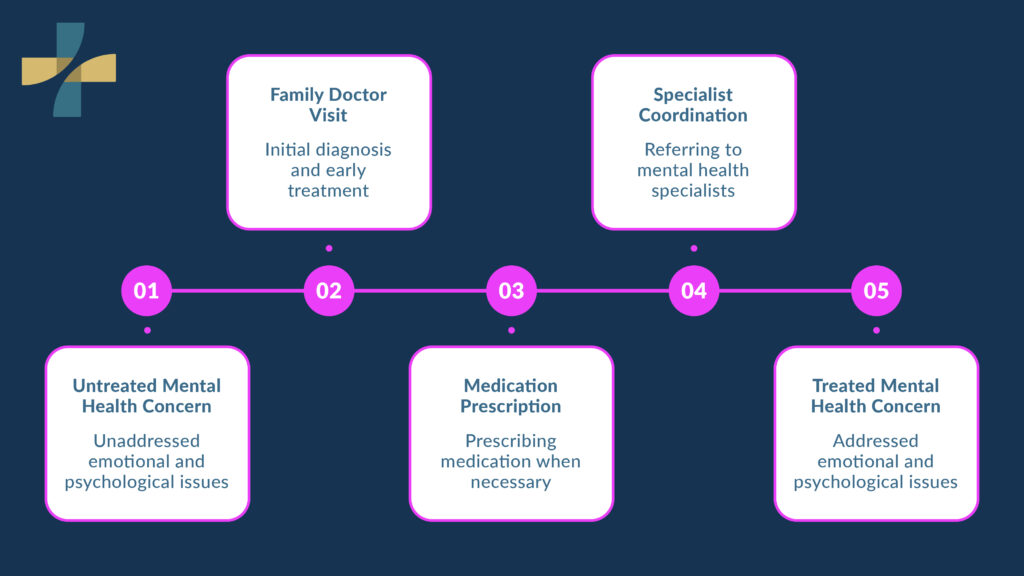
Many people ask: Can family doctors treat mental health concerns safely and effectively? For many people, the first step in care happens in mental health primary care settings. Family doctors routinely diagnose anxiety, depression, stress disorders, and emotional burnout. They provide early treatment, prescribe medication when needed, and coordinate care with mental health specialists. Mental health needs are increasing across Canada and globally. The World Health Organization reports that anxiety and depression affect more than 300 million people worldwide. As a result, the family doctor in mental health care has become an important entry point for early treatment. This guide explains how general practitioners’ (GPs) mental health treatment works, what family doctors can treat, when referrals are recommended, and how NV Med Center supports patients through integrated primary care mental health services. Can a Family Doctor Treat Mental Health Conditions? Yes. Family doctors diagnose and treat many mental health conditions, including anxiety and depression. Primary care doctors are trained to evaluate both physical and emotional health during routine medical visits. They are trained to identify symptoms, provide early treatment, prescribe medication, and refer patients to specialists when advanced psychiatric care is required. Family doctors play a central role in mental health in primary care. Many patients speak with their GP before contacting a psychiatrist or therapist. According to research from the American Academy of Family Physicians, approximately 40% of office visits for mental health concerns (e.g., depression, anxiety) occur in primary care offices, and 47% of prescriptions for any mental illness are written by primary care physicians. A family doctor’s mental health consultation usually includes: Symptom discussion Mental health screening tools Lifestyle and sleep evaluation Medication review Treatment planning Example scenario: A patient books a routine appointment with their general practitioner (GP) after several weeks of poor sleep, ongoing worry, and difficulty concentrating at work. During the visit, the doctor asks about mood, stress levels, and daily functioning. The GP may use a short screening questionnaire such as the GAD-7 to check for anxiety symptoms. Based on the results, the doctor discusses treatment options, which may include counseling referral, lifestyle strategies, and a follow-up visit to monitor progress. Family doctors often serve as the first point of contact for mental health support. Why Do Many People Start Mental Health Care With Their Family Doctor? Many people start mental health care with a family doctor because primary care is accessible, familiar, and confidential. Patients often feel comfortable discussing emotional health with a general practitioner (GP) who already understands their medical history. Primary care clinics are also easier to access than specialist mental health services. In many regions, psychiatrist appointments may require long wait times. Reasons patients choose primary care mental health services include: Reason Explanation Familiar doctor Patients trust doctors who know their health history Faster appointments GP visits are easier to schedule Whole-person care Mental and physical health are treated together Lower stigma Talking to a GP may feel less intimidating Can a General Practitioner (GP) Treat Anxiety or Depression? Yes. GPs frequently treat anxiety and depression, especially mild to moderate cases. Treatment may include counseling guidance, medication when appropriate, lifestyle support, and referrals to therapists. Anxiety and depression are among the most common concerns seen in family doctor mental health care. Common anxiety symptoms include: persistent worry restlessness increased heart rate sleep difficulties muscle tension Common depression symptoms include: ongoing sadness low energy lack of interest in activities poor concentration sleep disruption Example scenario: A patient mentions ongoing sleep problems and feeling overwhelmed during a regular GP visit. They explain that work stress has been affecting their sleep and concentration for several weeks. The GP asks a few questions about mood, stress, and daily functioning, and may use a short anxiety screening tool. Based on the discussion, the doctor may suggest options such as counseling referral, sleep habits guidance, and a follow-up visit to review symptoms and decide if further treatment is needed. Early treatment can reduce long-term complications. How Do Family Doctors Diagnose Mental Health Conditions? Family doctors diagnose mental health conditions through clinical interviews, medical history review, and screening questionnaires. Standardised tools help doctors measure anxiety and depression symptoms and determine appropriate treatment options. Two widely used screening tools in mental health primary care include: Screening Tool Purpose PHQ-9 Measures the severity of depression GAD-7 Measures the severity of anxiety These tools allow doctors to: Detect mental health symptoms early Measure symptom severity Track treatment progress Decide if specialist care is required Screening tools help doctors provide structured mental health evaluations. Can a Family Doctor Prescribe Antidepressants? Yes. Family doctors can prescribe antidepressants when symptoms of depression or anxiety require medication. Medication management is a common part of family doctor mental health treatment in primary care settings. Antidepressants are often prescribed when symptoms affect daily life, work performance, or sleep. Common medication types include: Medication Type Used For SSRIs Depression and anxiety SNRIs Depression and panic disorders Atypical antidepressants Depression with fatigue or sleep issues For example, a patient visits their general practitioner (GP) after several weeks of persistent low mood, low energy, and difficulty concentrating. After discussing symptoms and completing a depression screening questionnaire such as the PHQ-9, the GP may diagnose moderate depression. The doctor may recommend treatment that includes antidepressant medication, along with regular follow-up visits to monitor symptoms, check for side effects, and adjust treatment if needed. Many patients ask whether their family doctor can prescribe antidepressants safely. In many cases, the answer is yes. Primary care doctors are trained to monitor these medications and adjust treatment plans when necessary. What Mental Health Conditions Are Usually Treated in Primary Care? Primary care doctors treat several common mental health conditions. These include anxiety disorders, depression, stress-related conditions, and adjustment difficulties. Complex psychiatric disorders may require specialist care. Common conditions managed through GP mental health services include: Anxiety disorders Family doctors often treat common anxiety disorders such as generalised anxiety, panic symptoms, and stress related to work or daily life. Patients may report constant
Do I Need Referrals for Specialist Visits? What Patients Should Know
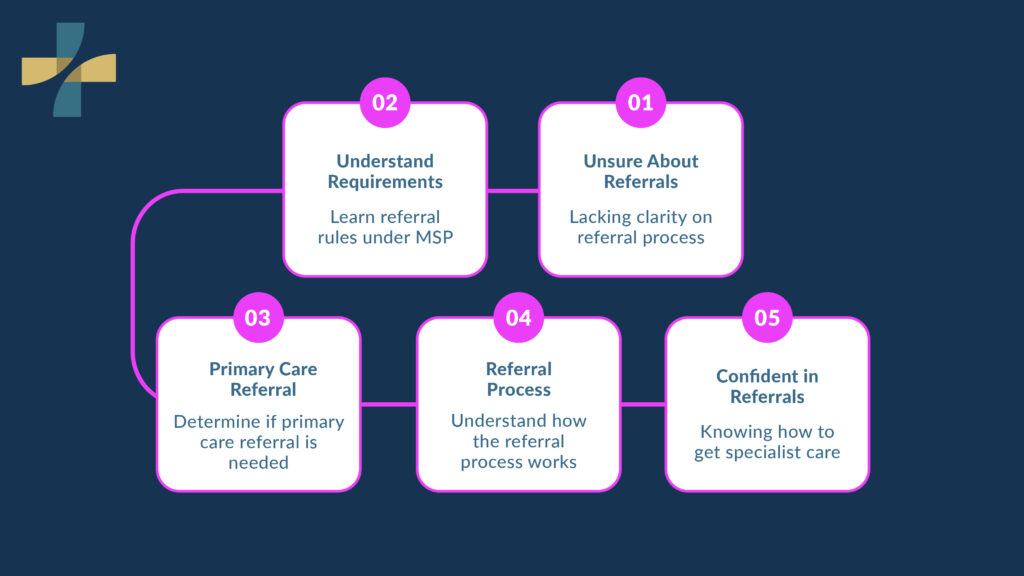
If you are dealing with ongoing chest pain, a changing mole, chronic knee pain, or unexplained fatigue, your first question may be simple: Do I need a referral before seeing a specialist? Many patients in North Vancouver are unsure how referrals for specialist visits work in British Columbia’s public health care system. This guide explains specialist referral requirements, medical referral rules under MSP, and how the referral healthcare system works in practice. You will learn when a primary care referral is required, how the referral process works, and how to reduce delays in getting a specialist appointment. H2: Do I Need a Referral to See a Specialist in British Columbia? In British Columbia, most publicly funded specialist visits require a referral from a family doctor under MSP. Without a primary care referral, MSP will not cover the cost of your appointment. In BC, the referral healthcare system is structured around family doctors and nurse practitioners. They assess your symptoms, order initial tests, and decide if specialist care is appropriate. This process helps manage wait lists and ensures patients with urgent needs are prioritised. For example, if you experience irregular heartbeats, you cannot book directly with a cardiologist under MSP. You must first see a family doctor, who will determine whether a referral to a specialist is needed. If so, the referral is sent to the cardiology clinic for triage. There are exceptions. Emergency departments do not require referrals. Some private services may allow self-referral, but public specialist care generally requires a formal referral. Why Do Referrals for Specialist Visits Exist? Referrals for specialist visits exist to coordinate care, reduce unnecessary testing, and prioritise urgent cases. A primary care referral provides medical history, test results, and urgency details so specialists can triage patients safely. The referral process protects patients. It reduces duplicate imaging and ensures specialists see patients who meet clinical criteria. According to the Canadian Institute for Health Information, specialist wait times vary across provinces, and structured referrals help manage limited capacity. Referrals also improve communication. When your family doctor includes lab results, imaging reports, and medication lists, the specialist can focus on treatment rather than repeating assessments. Dr. Gabor Maté, a Canadian physician known for his work on chronic illness and stress, often speaks about the importance of coordinated care in reducing fragmented treatment. Coordinated referral systems support this principle. How Referrals Reduce Delays A clear referral can reduce wait time in three ways: Urgency classification allows faster triage Completed tests prevent repeat appointments Accurate history prevents misdirected referrals For example, a detailed dermatology referral that includes photos and biopsy results may be booked sooner than one with limited information. What Are the Specialist Referral Requirements Under MSP and Insurance? Under MSP, a referral is required for publicly funded specialist care. According to the BC Medical Services Plan coverage details, specialist services are publicly funded only when accessed through the appropriate referral pathway. If you attend a specialist without a referral, MSP will not reimburse the visit. Private insurance referral requirements vary by policy and service type. Medical referral rules in BC are clear for publicly funded services. If your visit is to a cardiologist, neurologist, dermatologist, orthopaedic surgeon, or other medical specialist, a primary care referral must be documented. Below is a simplified comparison: Scenario Referral Required Covered by MSP Cardiologist visit Yes Yes Dermatologist visit Yes Yes Private cosmetic service No No Emergency department No Yes Extended health plans may have additional insurance referral requirements for imaging, physiotherapy, or psychological services. These rules differ from US HMO referral rules. In the United States, some HMO referral rules restrict which specialists you can see. In BC, referrals focus on clinical need rather than network restrictions. What Happens During the Referral Process? The referral process begins with a medical assessment. Your provider evaluates symptoms, orders tests if needed, and prepares a specialist appointment referral that includes clinical details and urgency level before sending it to the specialist clinic. The referral process typically follows these steps: Book a primary care appointment Clinical evaluation and history review Diagnostic tests, if indicated Preparation of referral letter Referral sent to specialist clinic Triage and appointment scheduling This structure ensures that medical referrals explained in simple terms follow a clear pathway. What Is Included in a Specialist Appointment Referral? A standard referral letter includes: Reason for referral Relevant medical history Current medications Test results and imaging Urgency assessment Provider contact information If key information is missing, the specialist may return the referral for clarification, which delays booking. When Is a Referral Required to See a Specialist? A referral is required for most publicly funded specialist care in British Columbia. If you want MSP coverage, a primary care referral must be submitted before the specialist appointment takes place. Common cases that require referrals for specialist visits include: Persistent chest pain needs cardiology Suspicious skin lesions requiring dermatology Chronic joint pain requiring orthopaedics Neurological symptoms needing neurology Child development concerns needing paediatrics Emergency cases do not require referrals. If symptoms are severe or life-threatening, attend the emergency department. Can I Choose Which Specialist I See? Patients in British Columbia can request a specific specialist, although availability and wait times vary. Your family doctor can address the referral to a named specialist or clinic if clinically appropriate. Choice depends on several factors: Sub-specialty focus Wait time estimates Location in Metro Vancouver Language preferences If a specialist has a long wait list, your provider may suggest alternatives within the same specialty. This can reduce delay. How Long Do Referrals for Specialist Visits Last? Most referrals in BC apply to a specific course of care. If your condition changes or you develop a new issue, you may need a new referral. Some specialists require updated referrals after a defined period. For chronic conditions such as arthritis or heart disease, follow-up visits may remain valid under the original referral. If more than a year passes or the issue changes, a new primary care referral may be required. What Causes
20 Smart Questions to Ask Your Doctor So You Leave With Real Answers

Many patients leave medical appointments with unanswered concerns. They forget doctor visit questions, feel rushed, or do not fully understand their diagnosis or treatment plan. Having clear questions to ask your doctor changes that experience. Recent research from the Australian Commission on Safety and Quality in Health Care shows that communication gaps remain one of the most common causes of patient complaints. Health literacy directly affects outcomes. The more informed you are, the better decisions you can make. This guide gives you a structured medical questions checklist you can use for any general practitioner’s (GP) visit, specialist referral, chronic condition review, or preventive health check. It is designed to help you ask better questions, understand your care, and leave your appointment with a clear plan. What Questions Should I Ask My Doctor About My Symptoms or Diagnosis? The best questions to ask your doctor about symptoms focus on clarity, seriousness, cause, and next steps. Clear diagnosis questions help you understand what is happening, how urgent it is, and what to monitor at home. If you visit your general practitioner for ongoing fatigue, headaches, chest discomfort, or new pain, start with these important health questions: What is the exact name of my condition? What else could be causing these symptoms? How serious is this right now? What caused it? What signs mean I should seek urgent care? For example, if you present with recurring headaches, asking “What else could it be?” ensures migraines are not confused with medication overuse or high blood pressure. This section forms the foundation of your patient questions list. Many patients assume they will remember details. Most do not. Writing these questions before seeing the doctor helps avoid confusion later. What Doctor Visit Questions Should I Ask About Medical Tests The best doctor visits questions about medical tests to clarify why the test is needed, what it will show, how to prepare, and how results will affect your care plan. Clear test questions reduce confusion and improve follow-through. If your GP orders blood tests or imaging, ask: Why do I need this test? What happens if I delay or skip it? How should I prepare? When and how will I receive the results? Also, if you are sent for cholesterol blood work, ask how the results affect medication or lifestyle changes. If you are having imaging, ask if fasting is required and when the results will return. A simple test question can change care decisions. The National Institute for Health and Care Excellence highlights that informed patients are more likely to follow through with recommended investigations. What Questions for GP Visits Help Me Understand Treatment Options? The best questions for GP appointments clarify all available treatments, expected benefits, risks, and alternatives. Asking about options gives you control and helps align care with your preferences and goals. Treatment-related doctor appointment questions include: What are my treatment options? Which option do you recommend and why? What are the risks or side effects? What happens if I wait or choose no treatment? If you are diagnosed with early hypertension, you may have medication and lifestyle options. Asking what happens if you delay treatment clarifies urgency. Dr. Atul Gawande, surgeon and public health researcher, has written extensively about patient involvement in improving safety and outcomes. Patients who ask structured questions understand risk better and make informed choices. What Should I Ask My Doctor About Medicines? To manage medicines safely, patients must ask about purpose, timing, side effects, and interactions. Medication errors remain one of the most common preventable harms in healthcare. Use these patient-doctor questions: What does this medicine do? How and when should I take it? What side effects require a call? Will it interact with my other medicines or supplements? If you are starting a statin, ask whether muscle pain is normal or requires review. If you take supplements, ask about interactions. The World Health Organization reports medication errors cost billions globally each year. Clear medication doctor consultation questions reduce that risk. What Doctor Appointment Questions Should I Ask About Follow-up and Prevention? Doctor appointment questions about follow-up, clarify monitoring, and long-term care. They help you prevent complications and understand what progress looks like. Ask: When should I book a follow-up? What signs mean I need urgent care? What can I do at home to improve my health? If you manage asthma, ask what peak flow readings require review. If you have diabetes, ask your target HbA1c levels. A good doctor visit checklist always includes prevention. Vaccinations, screenings, and lifestyle changes are part of long-term care. How Do I Prepare Before Seeing a Doctor So I Do Not Forget Important Health Questions? The best way to prepare before seeing a doctor is to write a short doctor visit checklist. Preparation improves recall and reduces stress during the consultation. Bring: A list of symptoms with dates Your top three concerns A full medication and supplement list Relevant past test results Family medical history Research indicates that patients may forget up to 40 to 80 per cent of the medical information shared by healthcare providers soon after a consultation. Writing down questions before seeing the doctor can improve understanding and recall, helping you remember what matters most. If you are planning to see a general practitioner (GP), you can read about our family doctor services to understand how appointments are structured and what support is available. If remote care suits your schedule, our online visits page explains how telehealth consultations work and when they may be appropriate. Why Does Asking Your Doctor Questions Improve Health Outcomes? Asking your doctor structured questions improves understanding, safety, and treatment adherence. Patients who participate actively in care have better health literacy and improved outcomes. Research shows that patient activation interventions are designed to help patients identify medical decisions and the specific questions that will guide those decisions, encouraging them to prepare questions before their doctor visit and be more involved in shared decision making. Clear communication reduces medical errors. It also reduces anxiety. Structured
Common Medical Warning Signs You Should Never Ignore (And When to Go to the ER)
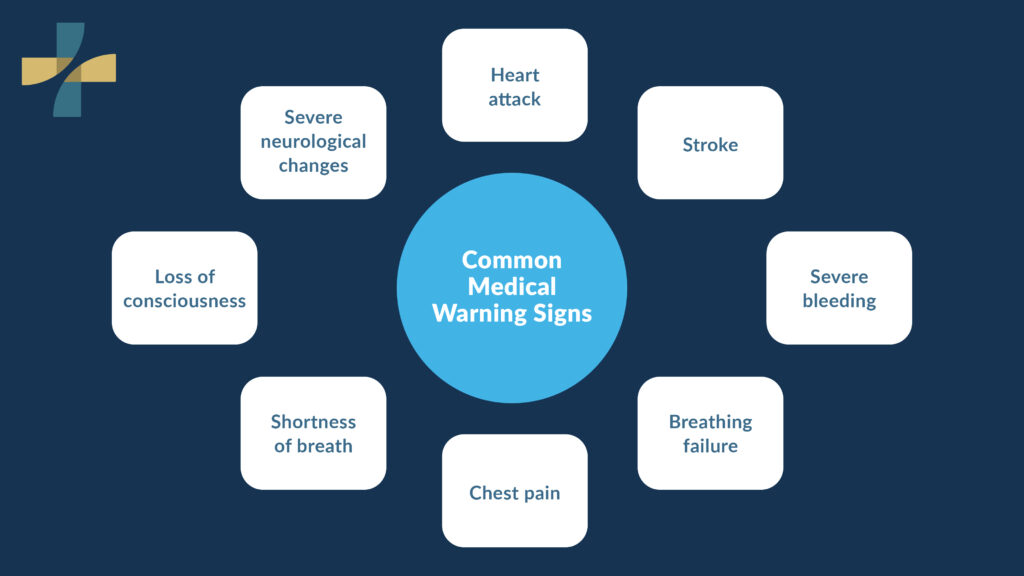
Medical emergency signs are symptoms that may signal life-threatening conditions requiring urgent care. Many people delay treatment because they are unsure whether symptoms are serious or temporary discomfort. According to the Canadian Institute for Health Information, emergency departments in Canada receive over 16 million visits each year, many involving delayed care for life-threatening symptoms. In British Columbia, BC Emergency Health Services responds to hundreds of thousands of 911 calls annually. This medical symptoms guide explains the signs of medical emergencies you should never ignore and when to go to the emergency room versus booking a clinic visit in North Vancouver. Clear action can reduce risk, disability, and prevent avoidable complications. What Are the Most Common Medical Emergency Signs? Medical emergency signs are sudden or severe symptoms that may indicate life-threatening conditions such as a heart attack, stroke, severe bleeding, or breathing failure. The most common signs of a medical emergency include chest pain, shortness of breath, loss of consciousness, and severe neurological changes. Emergency symptoms usually share three features: Sudden onset Severe intensity Rapid worsening For example, a mild headache after stress is not the same as a sudden, severe headache described as the worst ever. Mild dizziness when standing quickly is different from sudden confusion and weakness on one side. The table below compares routine symptoms versus emergency warning signs. Symptom Likely Routine Possible Medical Emergency Chest discomfort Mild and brief Heavy, crushing, spreading pain Headache Usual pattern Sudden, severe, with confusion Vomiting Short-lived illness Persistent with severe pain Shortness of breath Mild exertion At rest, severe, blue lips When symptoms affect breathing, circulation, or brain function, they become hospital emergency signs. When Should You Go to the Emergency Room Instead of Waiting? You should go to the emergency room immediately if symptoms are severe, sudden, or affect breathing, consciousness, or circulation. A medical emergency is defined as a condition that threatens life, limb, or brain function and requires immediate hospital care. If symptoms could worsen before you safely reach a clinic, call emergency services. In British Columbia, call 911 for life-threatening symptoms. For non-life-threatening but urgent medical symptoms, you may call 811 to speak with a registered nurse for guidance. Call emergency services if: Breathing is difficult The person is unconscious There is heavy bleeding There are stroke symptoms Chest pain is severe Do not drive yourself if you feel unstable. Paramedics can provide oxygen, medication, and monitoring during transport. If symptoms are urgent but stable, such as worsening infection without breathing issues, a same-day clinic appointment may be appropriate. Telehealth can help clarify when to seek emergency care if there is uncertainty. Could Chest Pain or Pressure Be a Life-Threatening Symptom? Chest pain that feels tight, heavy, or spreads to the arm, jaw, or back is a major medical emergency warning sign. These ER symptoms may signal a heart attack, a blood clot in the lung, or a severe cardiac rhythm disturbance. Warning features include: Pain lasting more than a few minutes Sweating Nausea Shortness of breath Pain radiating to the arm or jaw According to the Heart and Stroke Foundation of Canada, every minute of blocked blood flow damages heart muscle. For cardiac arrest, survival decreases by 7 to 10 percent for every minute without CPR. Cardiologist Dr. Paul Armstrong has stated that rapid response improves survival and limits permanent damage. If chest pain is new, severe, or accompanied by other emergency care signs, go to the emergency room immediately. Are Sudden Weakness, Slurred Speech, or Vision Changes Signs of Stroke? Stroke symptoms are sudden neurological changes such as one-sided weakness, slurred speech, facial drooping, or sudden vision loss. These medical emergency signs require immediate treatment because brain cells begin dying within minutes. Use the FAST rule: F – Face drooping A – Arm weakness S – Speech difficulty T – Time to call emergency services The Heart and Stroke Foundation reports that brain cells begin dying within minutes during a stroke. Early clot-dissolving treatment reduces long-term disability. If any FAST sign appears, call emergency services immediately. When Is Shortness of Breath an Emergency Symptom? Shortness of breath that is sudden, severe, or accompanied by chest pain, confusion, or blue lips is a medical emergency sign. These urgent medical symptoms may indicate an asthma attack, pneumonia, heart failure, or pulmonary embolism. Emergency breathing signs include: Unable to speak full sentences Wheezing or gasping Visible chest retractions Blue or grey lips If prescribed inhalers are not improving symptoms, seek emergency care. Is Severe Headache or Head Injury a Hospital Emergency Sign? A sudden severe headache described as the worst ever or a head injury followed by confusion or vomiting is a hospital emergency sign. These life-threatening symptoms may indicate bleeding in the brain. Red flags after a head injury include: Loss of consciousness Unequal pupils Persistent vomiting Seizure Increasing drowsiness If these signs appear, go to the emergency room without delay. When Does Bleeding Become a Medical Emergency? Bleeding that does not stop after firm pressure for several minutes is a medical emergency sign. Heavy bleeding, vomiting blood, or coughing blood are emergency symptoms that require urgent evaluation. First aid steps: Apply direct pressure with a clean cloth Elevate the limb if possible Do not remove embedded objects If bleeding continues or blood loss is heavy, call emergency services. Are Severe Abdominal Pain and Persistent Vomiting Emergency Symptoms? Severe abdominal pain that is sharp, worsening, or associated with fever may be a medical emergency warning sign. Persistent vomiting or signs of dehydration are also urgent medical symptoms. Possible emergency causes include: Appendicitis Bowel obstruction Internal bleeding Severe infection Do not eat or drink until evaluated if pain is severe. When Are Allergic Reactions Life-Threatening? Allergic reactions become life-threatening symptoms when there is throat swelling, difficulty breathing, a drop in blood pressure, or fainting. This condition is called anaphylaxis and requires immediate emergency care because it can progress within minutes. Common emergency warning signs of anaphylaxis include: Swelling of the lips, tongue, or throat Hives or widespread
Microneedling Benefits, Aftercare, and Cost Breakdown in Vancouver
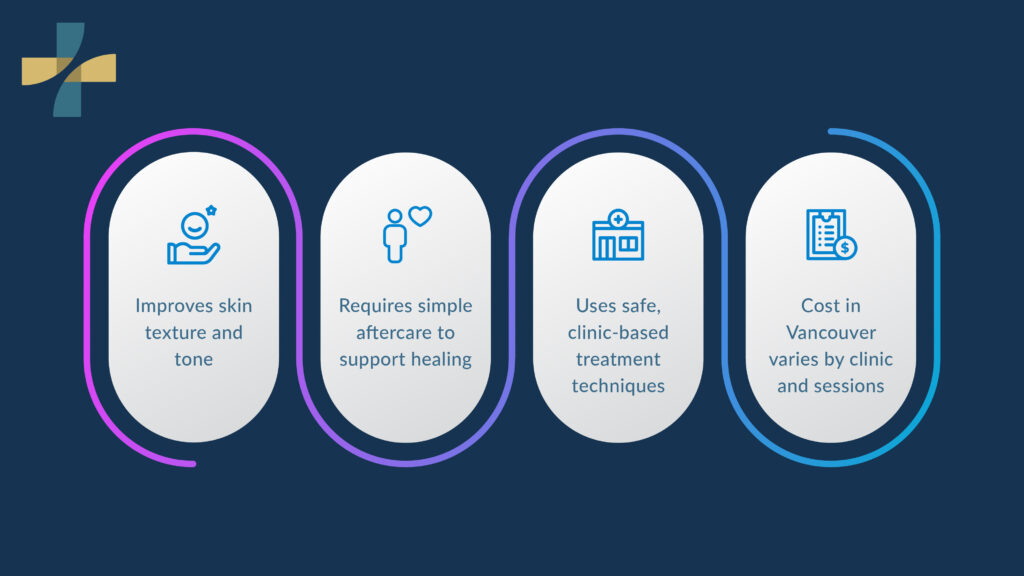
If you are comparing microneedling clinics, you are likely asking three things: What does it help with, what is the downtime, and what will it cost in Vancouver? Microneedling has seen increased demand as more patients look for clinic-based skin treatments with predictable outcomes. Skincare trend reporting for 2026 points to performance-led, clinic-based treatments and simpler routines that prioritise barrier health. That matters because microneedling results depend on smart settings, sterile technique, and calm aftercare, not hype. This guide covers micro needling benefits, micro needling aftercare, and microneedling cost in Vancouver so you can book with clear expectations. What Is Microneedling and How Does It Work Microneedling is a minimally invasive treatment that uses sterile, tiny needles to create controlled micro-channels in the skin. Your body responds by starting a repair process that can support collagen and elastin over time. Most sessions take around 30 minutes for the treatment step, plus time for numbing and setup. Microneedling is often called collagen induction therapy. In simple terms, a device stamps very small, precise punctures into the skin. These are not “random” holes. A trained provider selects depth, speed, and pattern based on your skin and the area being treated. Two common device types you will see in clinics: Pen devices (automated): Adjustable depth and speed for more control. RF microneedling: Adds radiofrequency energy to heat deeper layers while needles create channels. This is often used when firmness and texture are major goals. Mini-scenario: You want help with acne scars on your cheeks, but other areas of your face are more sensitive. Acne scars often need deeper needle penetration to support collagen repair, while thinner areas like the nose and under-eye region cannot tolerate the same depth. A trained provider adjusts the needle settings by area, using deeper treatment on scarred zones and lighter settings on sensitive skin to reduce risk. Top Micro Needling Benefits for Skin Rejuvenation Micro needling benefits come from controlled micro-injury that triggers a repair response in the skin. Over a series of sessions, many patients see smoother texture, softer acne scar edges, and a more even tone. Results vary by skin type, scar type, and aftercare. Here are the most common micro needling benefits patients ask about, with realistic expectations. 1) Texture and visible pores Microneedling can make skin feel smoother and look more even. Pores do not “close,” but when texture improves and skin support increases, pores often look less noticeable. Mini-scenario: Your makeup settles into texture around the nose and cheeks, which often points to uneven skin surface rather than a product issue. Texture can cause foundation to catch on rough areas and pores, making coverage look patchy. After a series of microneedling sessions and consistent aftercare, many patients notice smoother skin that allows makeup to sit more evenly. 2) Acne scars A well-known clinical trial in JAMA Dermatology found improvement in acne scar appearance after a series of needling treatments compared with a control area. Microneedling is often used for rolling and shallow boxcar scars. Very deep scars may need combo care (for example, subcision plus microneedling). A consult should cover this. 3) Fine lines and early creasing Microneedling is not the same as Botox. Botox relaxes muscle movement. Microneedling targets skin quality. Some patients combine both, spaced correctly. Brands like SkinPen and Dermapen helped make clinical microneedling mainstream in North America. They also pushed better standards around single-use needle cartridges and consistent device control. 4) Uneven tone and sun marks Microneedling can support tone by improving skin turnover and texture. If pigment is a main concern, your provider may recommend pairing microneedling with a pigment-safe plan and strict sunscreen use. 5) Stretch marks and body areas Microneedling is used beyond the face, including areas with stretch marks. Treatment plans vary based on skin thickness and sensitivity. Reality check on timelines Most people see early changes in glow and hydration within weeks, but collagen-related changes take longer. Some sources note continued collagen change over several months after a series. Simple “results curve” bar chart (typical patient experience) Week 1: Redness settles, skin feels tight Weeks 2 to 4: Texture starts to look smoother Months 2 to 6: Firmer look builds after repeated sessions Preparing for Your Microneedling Treatment Preparing for microneedling means keeping your skin calm and reducing infection risk. Most clinics ask you to pause harsh activities, avoid sunburn, and arrive with clean skin. A consult should also review your meds and your skin history. Preparation matters because “angry skin” tends to react more. Cosmopolitan’s 2025 report shows a shift away from aggressive routines and toward barrier-focused care, which aligns with how clinics approach pre-treatment preparation. A practical pre-visit checklist 3 to 5 days before: Pause retinoids and strong exfoliants unless your provider says otherwise. Avoid tanning and sunburn: Sun-stressed skin reacts more. Skip other aggressive treatments: No peels or lasers right before, unless planned by a clinician. Tell your provider if you have: active acne flare, eczema/psoriasis in the area, a history of keloids, or recent isotretinoin use. Essential Micro Needling Aftercare for Best Results Micro needling aftercare is about protecting the skin while the channels close and the barrier rebuilds. For the first 24 to 72 hours, keep products simple, avoid heat and heavy sweating, do not pick or scrub, and take sun protection seriously. Poor aftercare can erase your upside. It can also raise the risk of irritation, pigment issues, or infection. Recent media reports on adverse outcomes often tie back to poor technique, repeated passes, or weak safety standards. That is why clinic choice matters. The first 24 hours Cleanse with a gentle cleanser and lukewarm water. Use a bland moisturiser with barrier-support ingredients (ask your provider). Avoid makeup, gym sessions, hot yoga, saunas, and swimming. Days 2 to 7 Keep it simple: gentle cleanse, moisturise, sunscreen. Avoid retinoids, strong acids, and scrubs until your provider clears you. Do not pick dry flakes. Let them shed. Sun protection rules After microneedling, the skin is more sun-sensitive. Many dermatology
Before and After Micro Needling Results in Vancouver
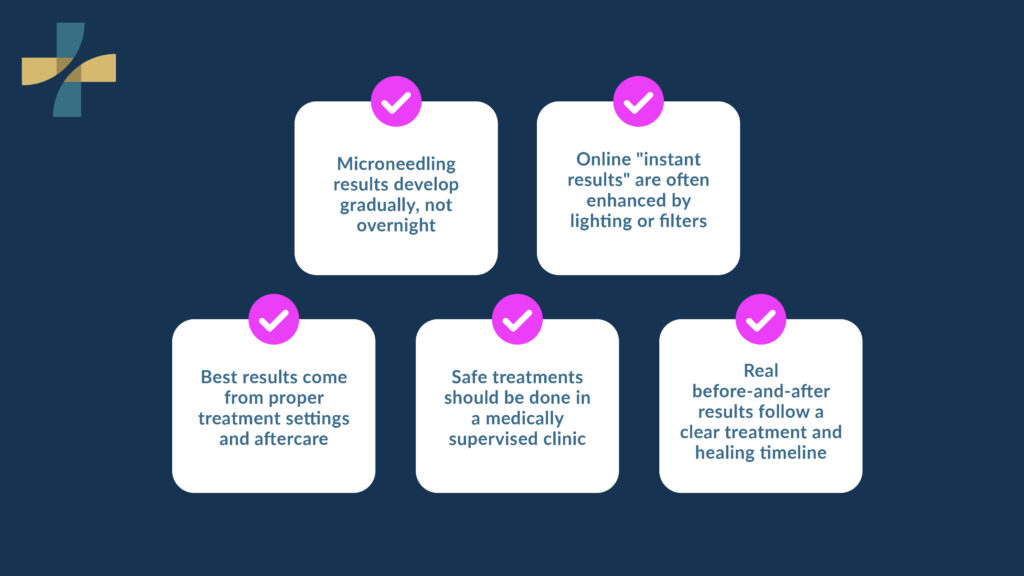
Micro Needling results are real, but they build over time. If you are seeing next-day transformations online, you are often seeing lighting, makeup, or filters. In the clinic, the best before-and-after results come from safe settings, the right plan, and good aftercare. There is also a reason this topic is trending right now. In a recent safety communication, the U.S. FDA addressed radiofrequency microneedling, noting reports of serious complications when devices are used in certain ways. The notice focused on device misuse and off-label application, not standard clinic-based microneedling performed under medical supervision. This guide explains what to expect before, during, and after a microneedling treatment, plus a realistic results timeline. It also explains why choosing a medically supervised clinic in Vancouver supports safer, more consistent skin rejuvenation outcomes. Understanding Micro Needling and Its Benefits Micro Needling is a minimally invasive treatment that creates tiny micro-channels in the skin to trigger healing. Over the next weeks, your body produces more collagen and elastin, which can smooth texture and improve tone. Most people need a series of sessions for visible, lasting change. What Micro Needling can help with Dermatology sources commonly list these concerns as microneedling targets: Acne scars and other mild scarring Fine lines and early wrinkles Enlarged pores and uneven texture Dark spots and uneven tone (including melasma in some cases) Stretch marks and crepey texture (body areas vary) A key message from the American Academy of Dermatology is that professional microneedling is designed to puncture skin, while many at-home devices are not meant to go as deep and may bring avoidable risks. Why “before and after” photos can look misleading Here are common reasons online photos look dramatic: Different lighting (window light vs overhead) Makeup or tinted sunscreen in the “after.” Swelling in the first 24 to 72 hours making skin look “plumper.” Angles and facial expression changes Filters or smoothing tools A more reliable way to judge results is to track your own skin in the same light, same time of day, same angle, once a week for 8 to 12 weeks. What “good” results usually look like In real clinic settings, most people notice: Skin feels smoother first (texture improves before pigment) Pores look less noticeable as collagen support improves Tone looks more even after a series, not after one session Scars soften gradually, not overnight Preparing Your Skin Before Microneedling in Vancouver The best way to improve your Micro Needling outcome is to prep your skin for 1 to 2 weeks and avoid irritation triggers. Your provider will screen for active acne, infection, cold sores, or meds that raise risk. A short prep plan also reduces post-treatment redness and patchiness. A simple 7 to 10-day pre-treatment checklist Use this as a general guide, then follow your provider’s instructions. Do: Use a gentle cleanser and plain moisturiser Wear broad-spectrum sunscreen daily Hydrate and sleep well for a few days before Tell your provider about cold sores, acne meds, and blood thinners Pause or avoid (often 3 to 7 days before, provider-dependent): Harsh exfoliants (strong acids, scrubs) Retinoids and strong “active” products if you get irritated easily Tanning and heavy sun exposure Waxing on the treatment area Who should delay treatment Medical guidance commonly lists reasons to delay microneedling, such as: Active skin infection or inflamed breakouts Recent heavy sun exposure or sunburn A history of keloid scarring Certain immune issues or active cancer treatment in the area If you are unsure, a consultation matters. A top-rated microneedling specialist in Vancouver that patients trust should be willing to say “not yet” when your skin is not ready. What to Expect During the Procedure A microneedling treatment usually includes cleansing, numbing, controlled needling, and a calming finish. Most sessions take 15 to 60 minutes, depending on the area and device. You may feel heat or a scratchy sensation, especially on bony areas like cheekbones. H3: Step-by-step: what happens in the room A typical microneedling Vancouver appointment looks like this: Skin check and photos (often done for progress tracking) Cleanse and prep Topical numbing for comfort (often 30 to 45 minutes) Micro Needling pass using a pen or device with sterile tips Soothing products based on your plan Aftercare instructions and next-steps scheduling Does it hurt? Most people describe micro needling as tolerable when numbing cream is used. Without numbing, discomfort can increase, especially in sensitive areas like the forehead or cheekbones. Sensation varies based on needle depth, skin sensitivity, and treatment area. How long does it take? A micro needling session usually lasts between 15 minutes and one hour, depending on the size of the treatment area and needle depth. Face-only treatments are often shorter, while sessions that include the neck or other areas take longer. Immediate Aftercare and Recovery Tips Right after Micro Needling, redness and tightness are normal, and you need to protect the skin barrier. Most people look sunburnt for 1 to 2 days, and some stay red longer. Many providers advise waiting about 24 hours before makeup and staying out of direct sunlight while healing. A realistic recovery timeline (face) Here is what many people experience: Time after treatment What you may see What to do 0 to 24 hours Redness, warmth, mild swelling Gentle cleanse, plain moisturiser, no workouts for a day if you flush easily Day 2 to 3 Redness fades, skin feels tight Keep it simple, avoid active serums Day 3 to 5 Dryness or light flaking in some people Moisturise, do not pick or scrub Day 5 to 7 Skin looks calmer, tone begins to look fresher Resume basics, ask your provider when to restart activities Redness and mild swelling can last up to five days for some people, depending on skin sensitivity and treatment depth. What not to do right after treatment To reduce irritation and risk: Do not use strong acids, retinoids, or scrubs until cleared Do not pick flaking skin Avoid sauna, steam rooms, and heavy workouts if you swell easily Avoid unclean brushes or old
How to Prepare for Your First Microneedling Appointment in Vancouver
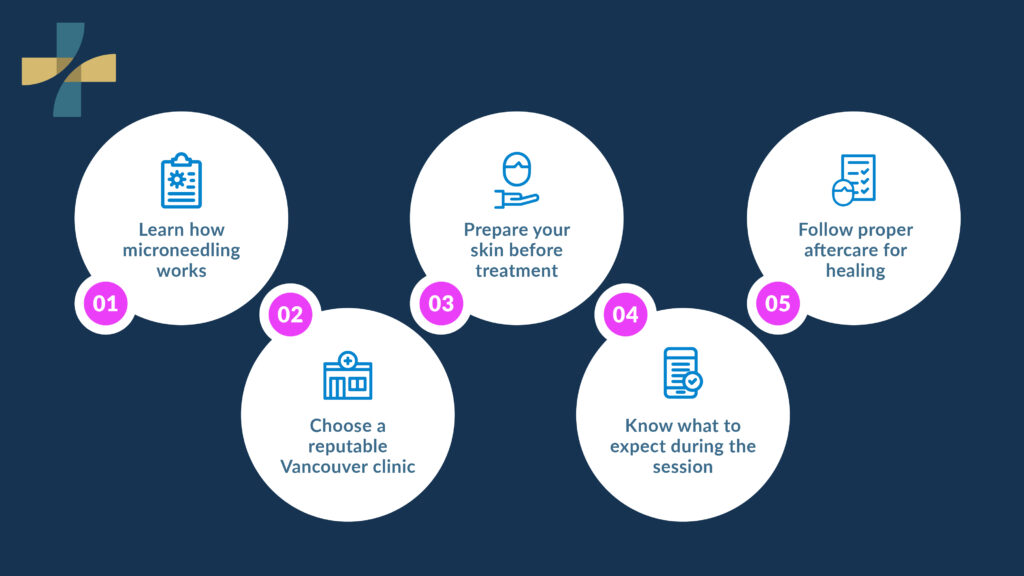
Microneedling is one of the most requested non-invasive skin rejuvenation treatments in Vancouver. Many first-time patients search for a Micro Needling clinic because they want visible results without surgery, long downtime, or guesswork. This guide explains exactly how to prepare, what happens during treatment, and how to support proper healing after your appointment. The goal is to help you feel confident, informed, and ready to book a microneedling treatment with a reputable local clinic. Why Proper Preparation Is Important Proper preparation helps your skin respond well to microneedling and heal faster after treatment. Skin that is calm, hydrated, and free of irritation produces better collagen response and shows more even results. Microneedling creates controlled micro-channels in the skin. These trigger a natural repair process that supports skin rejuvenation. If the skin barrier is already stressed, inflamed, or sun-damaged, the healing process slows, and redness lasts longer. How preparation affects results Reduces unnecessary irritation and swelling Supports collagen production after treatment Shortens visible redness and recovery time Improves overall texture and tone results Example scenario: Two patients booked the same microneedling treatment in Vancouver. One stops retinol early and avoids sun exposure. The other continues active products until the day before. The first patient heals faster and sees a smoother texture earlier. Understanding the Microneedling Procedure Microneedling is a medical aesthetic treatment that uses fine needles to create controlled micro-injuries in the skin. These micro-channels activate the body’s natural repair response and support collagen and elastin production. According to the American Academy of Dermatology, microneedling triggers the skin’s natural repair process, which supports collagen production and gradual texture improvement. This repair response continues for weeks after treatment, which explains why results develop over time rather than immediately. Professional microneedling treatment uses medical-grade devices with adjustable needle depth. This allows the provider to treat different skin areas safely and target concerns such as scarring, uneven texture, and early signs of ageing. Clinics offering microneedling Vancouver services adjust treatment depth based on skin thickness and treatment goals. What microneedling treats Microneedling treats common skin concerns by stimulating collagen through controlled micro-injury. It improves texture, scarring, and tone over time without surgery or extended downtime. Microneedling treatment is also commonly used for: Fine lines and early wrinkles Acne scarring Uneven skin texture Enlarged pores Mild pigmentation concerns What happens under the skin Research published in peer-reviewed dermatology literature shows microneedling increases collagen production by activating fibroblasts during wound repair. This process continues for weeks after treatment, which explains why results improve over time. For patients searching for microneedling near Vancouver, medical supervision matters. Depth, technique, and hygiene affect safety and results. Pre-Appointment Skin Care Tips Pre-appointment skin care prepares the skin to respond well to microneedling treatment. The aim is to reduce irritation, support the skin barrier, and limit factors that can delay healing. Skin that is calm and hydrated tends to recover faster and shows more even skin rejuvenation results. One to Two Weeks Before Your Appointment In the one to two weeks before treatment, pause products and habits that increase skin sensitivity or inflammation. Microneedling works by triggering a controlled repair response, so the skin needs to start in a stable condition. Stop using products that increase sensitivity: Retinoids and vitamin A products Chemical exfoliants such as glycolic acid, salicylic acid, or lactic acid Physical scrubs, cleansing brushes, or abrasive tools At-home peels or resurfacing products Avoid: Tanning beds Prolonged unprotected sun exposure Focus on simple skin support: Use a gentle, non-foaming cleanser Apply a basic moisturiser morning and night Drink enough water each day to support skin hydration If you take prescription medications or have a skin condition such as rosacea, eczema, or a history of cold sores, raise this during your consultation. This allows the provider to adjust treatment depth or timing if needed. Forty-Eight Hours Before Treatment The final two days before microneedling are about limiting inflammation and irritation. Small triggers during this period can increase redness after treatment. Avoid during this window: Alcohol Intense workouts or activities that cause heavy sweating Waxing, threading, or shaving the treatment area Keep skincare minimal: Cleanser and moisturiser only No active serums, exfoliants, or masks These steps help reduce post-treatment redness and swelling, especially for first-time patients. Day of Your Appointment On the day of treatment, arrive with clean, untreated skin. This reduces the risk of irritation and allows the microneedling device to work evenly. Day-of checklist: No makeup, sunscreen, or lotions Clean face washed with a gentle cleanser only Eat a light meal before arrival Wear loose, comfortable clothing if areas beyond the face are treated Following these steps supports comfort during the microneedling treatment and allows the provider to begin without delays. What to Bring to Your Appointment Bringing accurate information helps your provider tailor the microneedling treatment safely. A professional Micro Needling clinic reviews skin history, current products, and treatment goals before starting. Helpful Items to Bring A list of skincare products you use daily or weekly Any prescribed medications or topical treatments Notes on skin concerns such as scarring, texture, or uneven tone Questions about aftercare, downtime, or treatment frequency Having this information ready helps align treatment depth, aftercare advice, and future session planning. Example scenario: A first-time patient brings their cleanser and serum list. The provider flags one product to pause after treatment to reduce irritation during recovery. What to Expect During the Treatment Microneedling sessions follow a consistent, medical-grade process designed to keep treatment controlled and predictable. Most appointments last between 30 and 60 minutes, depending on the size of the treatment area and the skin concerns being addressed. First-time visits may take slightly longer to allow for preparation and skin assessment. Step-by-Step Process Microneedling treatment follows a clear sequence to support safety and comfort. Before needling begins: The skin is cleansed to remove oil, debris, and surface bacteria. A topical numbing cream is applied and left on for a short period to reduce sensation. During treatment: The microneedling device passes evenly across the skin