Botox & Dermal Fillers in Vancouver: 5 Reasons to Choose NVMed Center
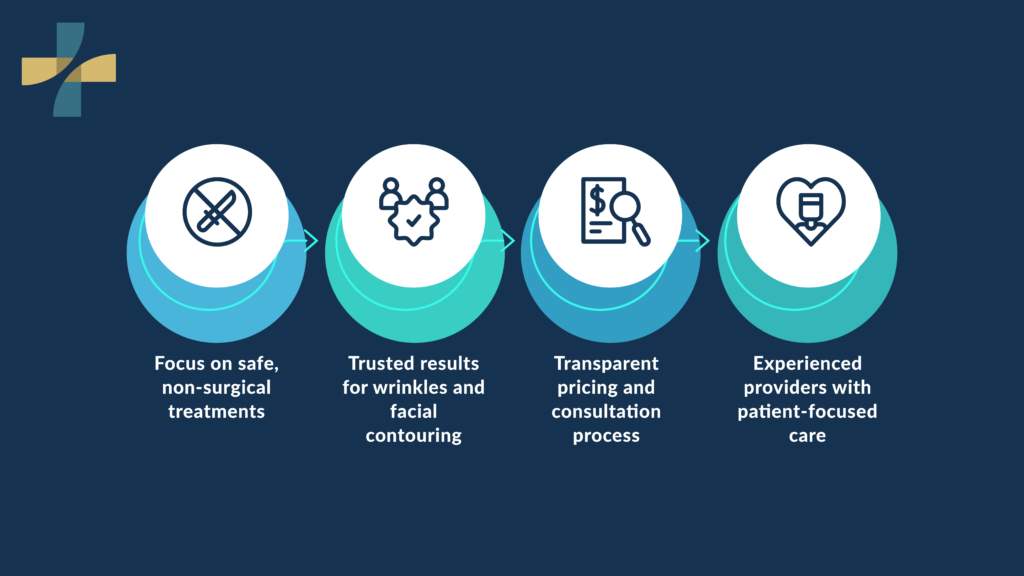
Interest in Botox and fillers in Vancouver continues to grow as more people choose non-surgical facial rejuvenation over invasive procedures. According to the American Society of Plastic Surgeons, over 28.5 million minimally invasive treatments were performed in 2024, including nearly 9.9 million neuromodulator injections like Botox and over 5.3 million hyaluronic acid filler treatments. These numbers show that cosmetic injectables remain one of the most common anti-aging treatment options today. Many patients are now comparing clinics based on safety, results, and pricing. Some want wrinkle reduction solutions for early signs of ageing. Others want lip enhancement or facial contouring. Most share the same concern: finding a provider they can trust. This guide explains why NV Med Center stands out as a reliable choice. You will learn what affects results, how safety is managed, and what to expect before booking a Botox consultation. Vancouver patients can feel confident about. Why is NVMed Center a Trusted Choice for Botox and Fillers in Vancouver? NVMed Center is a trusted choice for Botox and filler in Vancouver because treatments are delivered in a medical setting with trained providers, structured assessments, and clear patient guidance. The clinic focuses on natural outcomes, safety protocols, and personalised plans that match each patient’s facial structure and goals. Medical setting vs cosmetic-only clinics Many clinics offer cosmetic injectables, but not all operate within a medical framework. NV Med Center provides treatments under medical supervision. This reduces risks and supports better outcomes. Patients often prefer this model when comparing providers. It offers: Clinical oversight Safer injection practices Clear follow-up support Personalised treatment planning Each face responds differently to anti-wrinkle injections and dermal fillers. NV Med Center builds treatment plans based on: Facial muscle movement Skin condition Desired results Example: A patient may need small Botox adjustments rather than full treatment. Another may benefit more from dermal fillers in Vancouver to restore volume. Focus on natural results Many patients worry about a frozen look. NV Med Center focuses on balance and subtle improvement. A typical Botox before and after result should show: Softer lines Preserved facial expression No obvious signs of treatment What Makes Botox and Dermal Fillers Safe at NVMed Center? Botox and dermal fillers are safe when performed by trained professionals using approved products and correct techniques. NVMed Center follows medical protocols, uses Health Canada-approved injectables, and conducts detailed consultations to reduce risk and improve treatment precision. Are dermal fillers safe? Dermal fillers are safe when administered by trained medical professionals using approved products and proper techniques. According to FDA guidance on dermal fillers, these treatments are regulated and should only be performed by qualified providers to reduce risks and complications. Common side effects may include mild swelling or bruising. More serious complications are rare but can occur when injections are done incorrectly. This is why choosing a medical clinic with proper assessment and technique is important for safe outcomes. NV Med Center reduces these risks through structured assessments and controlled techniques. Approved products and techniques The clinic uses products such as: Botox and Dysport for anti-wrinkle injections Juvederm and Restylane for dermal fillers These are widely used and meet strict safety standards. Injection techniques also matter. Providers may use: Fine needles for precision Cannulas to reduce bruising Consultation-first approach A Botox consultation for Vancouver patients attending at NV Med Center includes: Medical history review Facial analysis Discussion of goals Example: A first-time patient concerned about safety receives a step-by-step explanation before treatment. How Do Botox and Fillers Improve Facial Appearance Naturally? Botox and dermal fillers improve facial appearance by relaxing targeted muscles and restoring volume in key areas. This reduces wrinkles, enhances facial structure, and supports natural movement without creating an over-treated look when performed correctly. Anti-wrinkle injections use cases Botox targets muscle activity. Common treatment areas include: Forehead lines Crow’s feet Frown lines These are common wrinkle reduction solutions for early ageing signs. Dermal fillers Vancouver use cases Fillers restore volume and shape. Common areas: Lip filler Vancouver treatments for lip enhancement Cheeks for lift and balance Jawline for facial contouring Non-surgical facial rejuvenation benefits Compared to surgery, cosmetic injectables offer: Minimal downtime Fast treatment sessions Adjustable results Example scenario: A patient preparing for a major event may choose lip enhancement and light Botox. The goal is to look refreshed without visible signs of treatment. How Long Does Botox Last, and What Results Should You Expect? Botox typically lasts between 3 and 6 months, while dermal fillers can last from 6 to 18 months, depending on the area treated. Results appear gradually for Botox and immediately for fillers, with subtle improvements rather than dramatic changes. Treatment timeline overview Treatment Type Onset Time Duration Botox 3 to 10 days 3 to 6 months Dermal Fillers Immediate 6 to 18 months How long does Botox last Botox results vary based on: Muscle strength Treatment area Dosage Maintenance is needed to keep results consistent. Filler longevity Different areas respond differently: Lips: shorter duration Cheeks and jawline: longer duration Botox before and after expectations Patients should expect: Gradual improvement Natural movement retained No sudden or extreme changes What is the Cost of Botox and Filler in Vancouver, and What Affects Pricing? Botox cost in Vancouver is usually calculated per unit, while dermal fillers are priced per syringe. Total cost depends on treatment area, product used, and the amount required to achieve balanced and natural results. Botox cost breakdown in Vancouver Typical pricing model: Charged per unit Total depends on the area treated Example: Forehead: moderate units Full upper face: higher units Dermal filler pricing Fillers are priced per syringe. Cost varies based on: Area treated Product type Volume needed Factors that affect cost Provider experience Product quality Complexity of treatment Value vs price Lower-cost treatments may lead to poor results or require correction. A medical clinic approach focuses on long-term value rather than short-term savings.
Microneedling vs Microdermabrasion: Differences, Results & Which Is Right for You in Vancouver
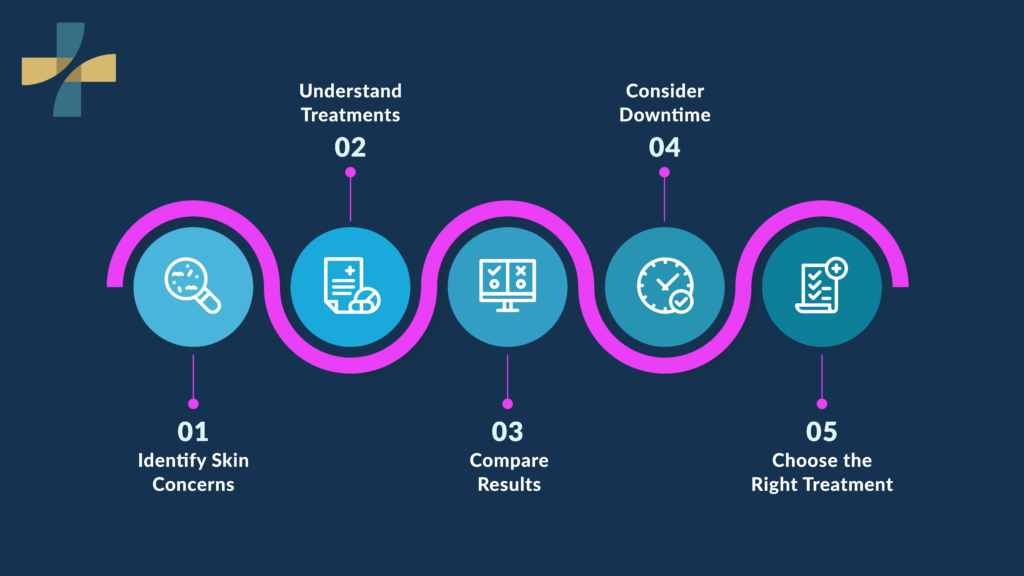
If you are comparing microneedling vs microdermabrasion, you are likely trying to solve a real skin concern without wasting time or money on the wrong treatment. Many adults in Vancouver want help with acne scars, fine lines, enlarged pores, or rough skin texture, but the difference between these two treatments is not always clear. Interest in lower-downtime skin treatments continues to rise as more people seek non-surgical anti-aging options that fit work and social schedules. That is also why treatments focused on skin repair and collagen support keep appearing in mainstream beauty coverage. Recent trend reporting from Vogue Business highlighted growing consumer interest in regeneration-focused skincare, including liquid microneedling-inspired products, which reflects broader demand for treatments that support texture and skin renewal. But in-clinic care still matters more than trends, especially when you are deciding between surface exfoliation and deeper collagen induction therapy. This guide explains what each treatment does, how results differ, what downtime may look like, and which option may suit your goals best. It is built for decision-stage readers who want a practical skin rejuvenation comparison, not generic beauty advice. What Is the Difference Between Microneedling and Microdermabrasion? The difference between microneedling and microdermabrasion is that microneedling works below the skin’s surface to support collagen production, while microdermabrasion exfoliates the outer layer of skin. Microneedling is often better for deeper texture concerns, while microdermabrasion is usually better for surface refresh and brightness. Microneedling and microdermabrasion are both non-surgical skin treatments, but they do not work in the same way. That is the most important point to understand before you book. One aims to trigger a repair response in the skin. The other aims to remove dull surface cells and improve how the skin looks and feels right away. What is Microneedling Microneedling is often described as collagen induction therapy. A device with very fine needles creates controlled micro-injuries in the skin. These tiny channels trigger the skin’s repair process, which can help improve acne scars, fine lines, enlarged pores, and uneven skin texture over time. This is why microneedling is often grouped with longer-term skin resurfacing strategies rather than simple facial-style exfoliation. What is Microdermabrasion Microdermabrasion works at the surface. It uses a device to exfoliate dead skin cells from the outer layer of skin. That makes it a better fit for people whose main concern is dullness, roughness, mild congestion, or a quick skin refresh before an event. Simply put, microdermabrasion polishes the surface, while microneedling aims deeper. A simple way to think about it is this. If your main issue sits on the top layer of the skin, microdermabrasion may make more sense. If your main issue involves texture changes below the surface, microneedling may be the stronger option. Mini scenario: A patient has dry-looking skin and wants a brighter look before a wedding in ten days. Surface exfoliation may fit that goal better. Another patient has acne scars from several years ago and wants a gradual texture change. Microneedling may be more suitable for that concern. Quick comparison table Feature Microdermabrasion Microneedling Main action Surface exfoliation Controlled micro-injury to trigger repair Treatment depth Outer skin layer Deeper layers beneath the surface Best for Dull skin, rough texture, mild congestion Acne scars, fine lines, enlarged pores, uneven texture Result timing Often faster visible glow Slower, more gradual change Downtime Little to no Mild to moderate, often a few days Sessions Often, more frequent upkeep Often fewer sessions for deeper goals Comfort Usually mild May involve more discomfort Goal type Quick refresh Longer-term skin remodelling Which Treatment is Better for Acne Scars, Fine Lines, Pores, and Dull Skin? When people search for the best treatment for acne scars, they are often really asking a bigger question: which treatment matches my actual problem? Microneedling is usually better for acne scars, fine lines, enlarged pores, and deeper texture concerns. Microdermabrasion is often better for dull skin, rough surface texture, and people who want a quick refresh with little recovery. The right choice depends on how deep the concern is and how fast you want results. Microneedling may fit better for: Acne scars Fine lines Enlarged pores Uneven skin texture Early signs of skin laxity Longer-term collagen support Microdermabrasion may fit better for: Dull or tired-looking skin Mild roughness Surface congestion Temporary brightness goals Quick refresh before an event Maintenance-focused skin smoothing Microneedling is often stronger for acne scars because it supports collagen remodelling beneath the surface. A review in PubMed reported that microneedling showed improvement in atrophic facial acne scars with a favourable safety profile across studies, supporting its role as a treatment option for scar-related texture concerns. That does not mean every scar responds the same way. Rolling scars, boxcar scars, and pigmentation can behave differently, which is why a consultation matters. Microdermabrasion can still help some people with post-acne marks, mild roughness, or a dull complexion, but it is usually not the first choice when scars are indented or long-standing. Mini scenario: A reader has visible pitted marks on both cheeks from breakouts during university. They are less worried about glow and more worried about texture in daylight. Microneedling is usually the stronger direction. Another reader feels their skin looks flat and rough after a stressful month, but they do not have deep scarring. Microdermabrasion may be enough to improve brightness and smoothness. For fine lines and enlarged pores, microneedling often has an edge because collagen support can improve how the skin looks over time. Microdermabrasion may still make skin feel smoother after treatment, but the change is often more surface-level and may fade faster. Which Treatment Has More Downtime and Recovery? Microneedling usually has more downtime than microdermabrasion because it triggers a deeper skin repair response. Microdermabrasion often has little to no downtime, while microneedling can leave skin red, tight, or flaky for several days, depending on treatment depth and skin sensitivity. For many people, the choice comes down to calendar planning. If
Scalp Microneedling for Hair Loss in Vancouver: Results, Timeline, and What to Expect
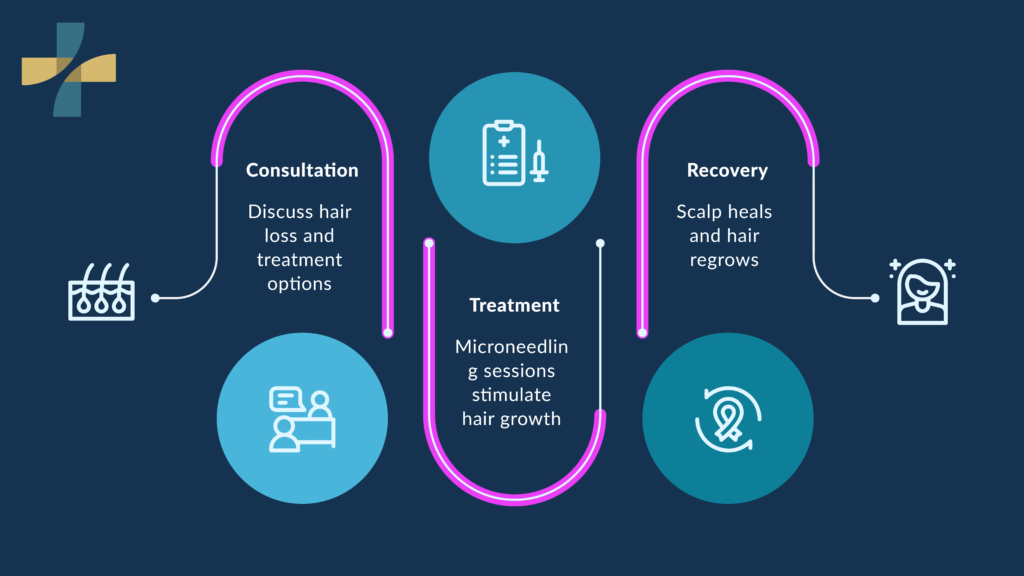
Hair thinning can feel slow at first, then suddenly hard to ignore. A wider part, more strands in the shower, or less volume at the crown can affect confidence and push people to look for non-surgical options. If you are searching for scalp microneedling in Vancouver, you likely want clear answers on who it may help, how long results can take, and what recovery is like. This guide explains the treatment in plain language, stays focused on hair loss only, and shows when it makes sense to book a hair loss consultation Vancouver patients can trust. What is Scalp Microneedling and How Does it Work for Hair Loss? Scalp microneedling in Vancouver is a treatment that uses very small needles to create controlled micro-injuries in the scalp. These tiny channels may support follicle stimulation, trigger a wound-healing cascade, and improve how the scalp responds to hair growth treatments. The goal is not to damage the scalp. The goal is to create a measured repair response. When the scalp repairs itself, blood flow, signalling proteins, and local healing activity can rise in the treated area. That is why microneedling for hair growth gets so much attention in hair restoration discussions. This topic has also become more visible in public conversation. Mainstream medical publishers, clinics, and consumer brands now talk about microneedling, PRP, and other hair restoration options more often than they did a few years ago. That trend has made more people aware of treatment options, but it has also created confusion about what microneedling can and cannot do. For pattern hair loss, the treatment is usually discussed as support for active follicles, not as a fix for long-standing smooth bald areas. Research in PubMed found that microneedling, especially when combined with other therapies, showed improvement in hair density and hair diameter in androgenetic alopecia studies. A simple example helps. A person in Vancouver notices that their part line is getting wider and their ponytail feels thinner than it did last year. That person may still have active follicles that are underperforming. In that setting, scalp treatment may be worth discussing with a provider. What the treatment aims to do Treatment goal What it means in plain language Follicle stimulation Encouraging weaker follicles to become more active Wound-healing cascade Triggering a repair response after controlled micro-injury Better topical support Creating short-term channels that may improve product contact Scalp health support Improving the local environment around active follicles Who is a Good Candidate for Scalp Microneedling in Vancouver? The best candidates for scalp microneedling at Vancouver clinics are adults with early to moderate thinning hair, pattern hair loss, or some forms of shedding where follicles are still active. It tends to be less helpful when follicles are no longer functioning or when the cause of hair loss needs a different medical plan. The most common reason people ask about this treatment is microneedling for androgenetic alopecia. This is the medical term for male and female pattern hair loss. It often shows up as a widening part, recession at the temples, thinning at the crown, or lower overall volume. Research and clinic guidance both suggest that earlier treatment generally gives a better chance of improvement than waiting until the loss is advanced. What Other Types of Hair Loss May Be Reviewed? Scalp microneedling may also be reviewed for some cases of stress-related shedding, postpartum thinning, or traction-related hair loss. These cases still need a proper review because not every type of hair loss responds in the same way. A consultation matters because the scalp may need a diagnosis before any treatment plan makes sense. Who Should Book a Consultation Before Scalp Microneedling? A consultation is the right next step for people with early pattern hair loss, diffuse thinning, ongoing shedding, or changes in scalp health that need a closer look. It is also important for people who may not be good candidates, including those with scarring alopecia, active scalp infection, uncontrolled skin inflammation, frequent infections, healing concerns, or medical issues that slow recovery. A practical way to think about it is this: Early pattern hair loss often deserves a closer look Diffuse thinning may need both scalp treatment and medical review Long-standing smooth bald patches usually need a different discussion Good scalp health supports better treatment planning Realistic expectations matter from the start One Vancouver patient may have six months of a widening part and increased hair fall after stress. Another may have a shiny bald patch that has not changed for years. Those are not the same clinical picture, and they should not be treated like they are. What Does the Procedure Feel Like and What Happens at the Appointment? Scalp microneedling usually feels like fast, light pricks across the scalp. Comfort steps can be adjusted based on the treatment plan, the area being treated, and the patient’s pain tolerance. Most visits are short, and many patients return to normal tasks the same day. What Happens Before Scalp Microneedling Starts? Before treatment, the appointment should begin with a history and scalp review. The provider looks at the pattern of hair loss, how long it has been going on, whether there is active shedding, and whether there are signs that point to a different cause. What Happens During the Scalp Microneedling Procedure? During the session, a microneedling device is passed over the areas of concern. Readers often ask about scalp microneedling needle depth, but depth is not something patients should try to choose on their own. Published reviews show that treatment settings can vary, and the right depth depends on the treatment goal, the scalp, and the provider’s judgment. What Happens Right After the Procedure? Right after treatment, the scalp may look pink or red and feel warm or mildly tender. Some patients may have pinpoint bleeding during the session, especially when deeper settings are used. Most of these reactions settle over a short period. One patient may book a
Microneedling in Vancouver for Face & Scalp: Benefits, Process & Results
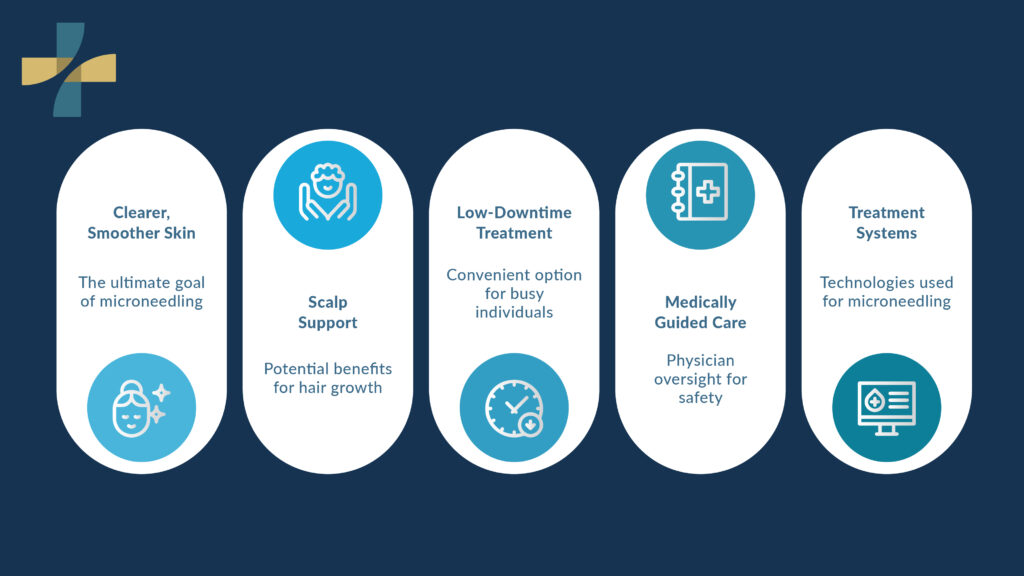
Many people searching for microneedling in Vancouver want clearer, smoother skin and honest answers about whether the treatment can also support the scalp. Interest in low-downtime, non-surgical treatments has grown as more patients look for options that fit their work, family, and social plans. Microneedling is usually discussed alongside Dermapen and RF microneedling systems, especially for concerns like acne scars, fine lines, enlarged pores, and collagen support. At NV Med Center, the focus is on medically guided care with physician oversight and tailored treatment planning. This guide explains how microneedling for face and scalp concerns works, what results may be realistic, and what recovery may involve. What is Microneedling, and How Does it Work? Microneedling is a minimally invasive treatment that uses very fine needles to create controlled micro-channels in the skin or scalp. These tiny channels trigger a repair response that supports collagen induction therapy, which may help improve acne scars, fine lines, enlarged pores, and some scalp concerns over time. The treatment works by creating small, precise injuries in the surface layers, which prompts the body to produce new collagen and elastin linked to firmer, smoother skin. This is why microneedling is often called collagen induction therapy. The goal is gradual skin remodelling over a series of treatments rather than trying to change texture or lines in one session. What happens during collagen induction therapy? A sterile microneedling device moves across the treatment area at a depth based on the skin zone and concern being treated, during collagen induction therapy. A session for general texture is usually more superficial than one focused on acne scars. The treatment creates controlled micro-channels that begin to close within minutes. Under the surface, the skin starts a healing response that supports new collagen and elastin, which is why patients may notice an early glow first and more gradual improvement over the following weeks. How is medical microneedling different from at-home rollers? Medical microneedling is different from at-home rollers because it uses sterile equipment, controlled depth, and a treatment plan guided by a trained provider. At-home rollers do not offer the same precision, so they may cause irritation or limited results, while a clinic-based treatment can be adjusted for skin sensitivity, acne scars, enlarged pores, or scalp goals. The American Academy of Dermatology advises checking with a dermatologist or medical doctor before using a microneedling device because it can worsen some hair conditions or skin issues. What Does Microneedling Treat on the Face? Microneedling for face concerns is most often used to improve acne scars, fine lines, enlarged pores, rough texture, and dull-looking skin. The treatment works best when expectations are realistic, because skin remodelling takes time, and most patients need a series rather than one visit. For many patients, the face is the main treatment area because it shows textural changes quickly. This may include shallow acne scars on the cheeks, early fine lines around the mouth, or enlarged pores that make makeup sit unevenly. Microneedling does not work like filler or wrinkle injections. It does not add volume or freeze movement. It supports texture and surface quality. Can microneedling help acne scars? Microneedling may help improve some acne scars by supporting new collagen in the treated skin. The AAD lists microneedling as a treatment that can help diminish acne scars, and several reviews describe it as a useful option for scar remodelling. It tends to work best for shallow to moderate textural scars, while deeper or mixed scar patterns may need a broader treatment plan. Patients should expect gradual improvement over a series of sessions rather than scar-free skin after one treatment. Can it improve fine lines and enlarged pores? Microneedling may improve fine lines and enlarged pores by supporting collagen and helping the skin surface appear firmer and more even. A common example is a patient in their late 30s who feels their skin looks rougher than it used to and notices early lines under makeup. Another is a younger patient with oily skin who wants pores to look less obvious in photos. In both cases, the aim is texture improvement, not a dramatic change in facial shape. Is microneedling for the face suitable for early ageing and rough texture? Microneedling for the face is often suitable for mild to moderate signs of early ageing and rough texture. It is a non-surgical option with short downtime that may help improve skin texture gradually, but the best results still depend on choosing the right patient and treatment plan. Can Microneedling Be Used on the Scalp for Thinning Hair? Microneedling for scalp care may support people with hair thinning by creating controlled stimulation across the scalp surface. Scalp microneedling for hair growth is usually framed as a supportive treatment, and results depend on the reason for the thinning and the overall treatment plan. How does microneedling for scalp support work? Microneedling for scalp support works by creating controlled micro-injuries that trigger a healing response and may help the scalp environment. Researchers continue to study how this may affect follicles and growth signals. Reviews have suggested that microneedling may improve hair parameters, especially when paired with other therapies, though mechanisms are still being studied. For a patient noticing mild thinning near the temples or crown, the treatment may be discussed as a way to support scalp stimulation. It is better to present it as supportive care than as a guaranteed regrowth treatment. What can scalp microneedling for hair growth realistically do? Scalp microneedling for hair growth may help support scalp health and may be used as part of a medically guided plan for hair thinning. Reviews on PubMed report improved hair parameters in many studies, especially when microneedling is paired with other therapies, but the evidence is stronger for diagnosed androgenetic alopecia than for every type of thinning. A realistic message is this: scalp microneedling may help selected patients, but it is not a stand-alone answer for every case of
Blood Sugar Test in Vancouver: Signs You May Need One Sooner Than You Think (2026)
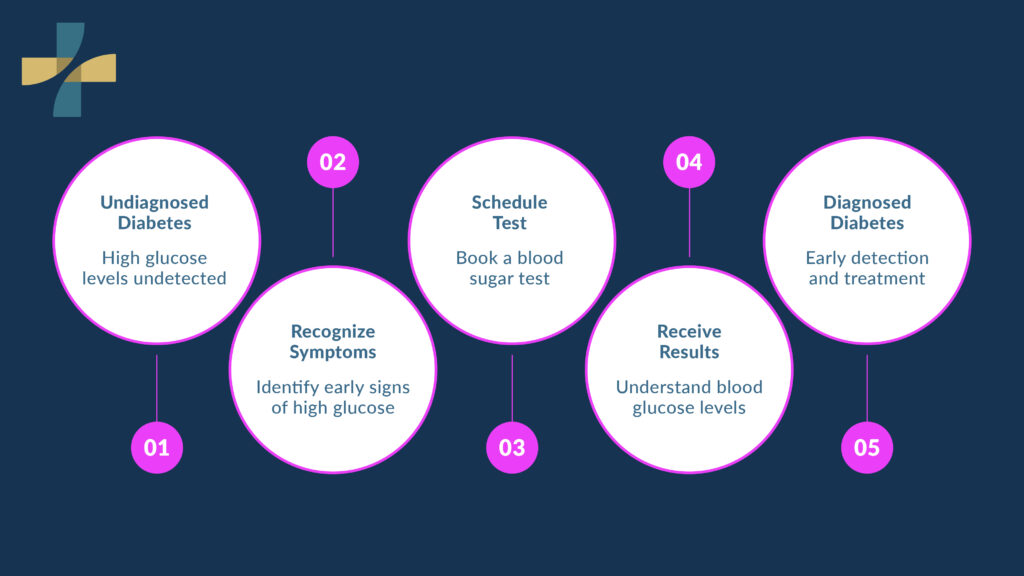
A blood sugar test measures how much glucose is in your blood and helps detect diabetes or prediabetes early. Many people experience symptoms of high glucose for months or years before diagnosis. Early testing helps doctors detect abnormal blood sugar levels before complications develop. Diabetes is a growing health concern. According to the Public Health Agency of Canada, about 3.9 million Canadians were living with diagnosed diabetes in 2023–2024, and around 1.9% of adults may have undiagnosed diabetes. Screening through a blood glucose test can detect problems early and guide treatment. This article explains the early signs of high glucose, when to check blood sugar, the types of diabetes screening tests available, diabetes risk factors in Vancouver, and how to book a pathology appointment. By the end, you will understand when to schedule a blood sugar test and how testing can help protect long-term health. What Is a Blood Sugar Test and Why Do Doctors Use It? A blood sugar test measures the level of glucose circulating in your bloodstream. Doctors use this test to detect diabetes, monitor blood sugar levels, and identify prediabetes before symptoms worsen. Early screening allows doctors to detect abnormal glucose levels before complications affect the heart, nerves, kidneys, or eyes. Glucose is the main source of energy for the body. It comes from carbohydrate foods such as bread, rice, fruit, and sweets. When glucose enters the bloodstream, the pancreas releases insulin to move sugar into cells, where it is used for energy. When insulin does not work properly, blood glucose levels increase. This condition is known as hyperglycaemia. Over time, high blood sugar can damage blood vessels and organs. Doctors recommend blood glucose testing in Vancouver for several reasons: Detect diabetes Identify prediabetes Monitor treatment for diabetes Evaluate symptoms of high blood sugar Monitor medications that affect glucose levels A random blood sugar test may be used when symptoms appear suddenly. A routine blood panel may also include glucose measurement. Mini scenario: A Vancouver office worker experiencing fatigue and frequent thirst may assume stress or dehydration. A simple blood sugar test during a routine exam can reveal whether glucose levels are elevated. According to the World Health Organization, about 14% of adults worldwide were living with diabetes in 2022, and early screening through blood tests helps detect the condition before serious complications develop. What Are the Early Signs You May Need a Blood Sugar Test? Early signs of high glucose often appear gradually and may be mistaken for everyday fatigue or dehydration. Symptoms may include frequent urination, increased thirst, fatigue, blurred vision, and slow wound healing. A blood sugar test can confirm whether these symptoms are linked to high glucose levels. Common early signs of high glucose include: frequent urination excessive thirst unexplained weight loss fatigue or low energy blurry vision slow-healing cuts or infections numbness or tingling in hands or feet These symptoms can occur when glucose builds up in the bloodstream instead of entering cells. For example, someone who wakes several times during the night to urinate may assume they are drinking too much water. In reality, this can be a sign of high blood sugar. According to the Centers for Disease Control and Prevention, type 2 diabetes symptoms often take several years to develop, and some people may not notice any symptoms at all. Subtle prediabetes symptoms may include: mild fatigue increased hunger difficulty concentrating dark patches of skin around the neck or armpits These changes may signal insulin resistance. Recognising these signs can help people seek testing earlier. When Should Adults Get a Blood Sugar Test? Adults should consider a blood sugar test starting at age 40 or earlier if they have diabetes risk factors. Medical guidelines recommend screening every three years for healthy adults and more frequently for those at higher risk. Early screening allows doctors to detect prediabetes before it develops into diabetes. When to check blood sugar often depends on personal risk factors. Common diabetes risk factors Vancouver residents should know include: age over 40 family history of diabetes overweight or obesity high blood pressure sedentary lifestyle history of gestational diabetes high cholesterol People with these risk factors may need testing earlier. Example scenario: A 38-year-old patient with a family history of diabetes and weight gain may benefit from preventive blood glucose testing, even before age 40. Younger adults may also need screening if they have: Polycystic ovary syndrome sleep apnoea high triglycerides history of steroid medication use Doctors may recommend regular screening as part of routine care with a diabetes check gp visit. What Types of Blood Sugar Tests Are Available? Several tests measure glucose levels in the blood. Each test provides different information about how the body processes sugar. Doctors often use fasting glucose tests, HbA1c tests, or random blood sugar tests to diagnose diabetes or monitor blood sugar control. Below is a comparison of common tests used in diabetes screening. Test What it measures When it is used Fasting glucose test Blood sugar after 8 hours of fasting Diabetes screening HbA1c blood test Average glucose over 2–3 months Diagnosis and monitoring Random blood sugar test Blood sugar at any time Evaluate symptoms Oral glucose tolerance test Body response to a glucose drink Gestational diabetes Fasting for glucose test A fasting glucose test in Vancouver measures blood sugar after at least eight hours without food. This test shows baseline glucose levels. Doctors commonly use fasting tests for routine screening. HbA1c blood test An HbA1c blood test measures average blood glucose levels over the previous two to three months. This test provides a longer view of glucose control and helps confirm diabetes. Many doctors order HbA1c tests together with fasting glucose tests. Random blood sugar test A random blood sugar test measures glucose regardless of when you last ate. Doctors may use this test when symptoms appear suddenly. These tests are commonly available through local blood collection centres or diagnostic laboratories.
Women’s Preventive Health Screening in Vancouver: Essential Tests You Shouldn’t Skip (2026 Guide)
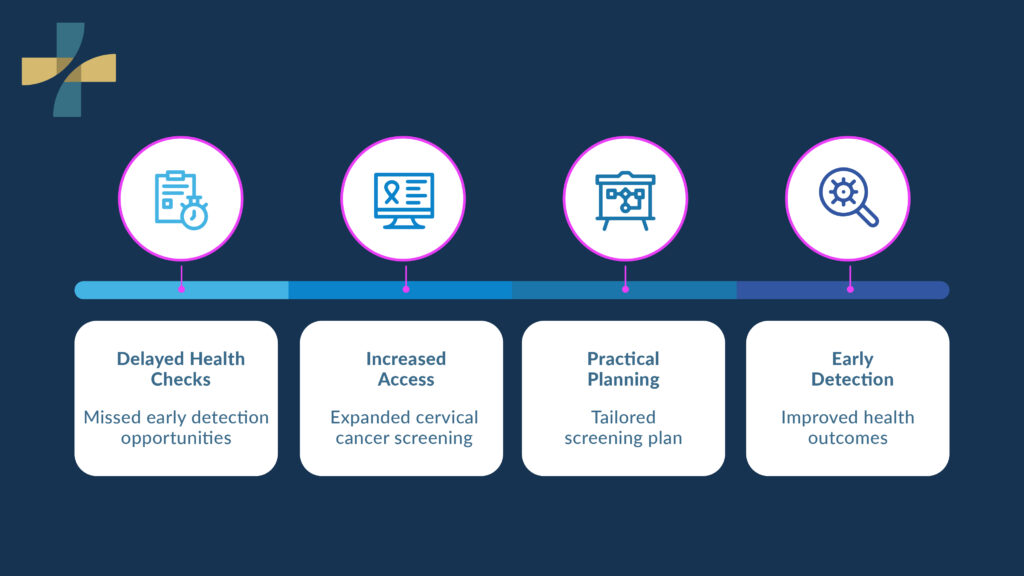
Women’s Preventive Health Screening helps detect medical conditions early, often before symptoms appear. Many health problems such as cancer, thyroid disease, iron deficiency, and heart disease develop gradually. Routine screening tests help doctors detect these issues earlier and guide treatment decisions. Many women delay routine health checks because they feel well or are busy with work and family responsibilities. Health checks at Vancouver clinics help identify risks early and create a practical screening plan. Recent health policy changes in British Columbia have expanded access to cervical cancer screening. According to the Canadian Partnership Against Cancer, British Columbia launched Canada’s first HPV self-screening program in January 2024, allowing eligible individuals to collect their own screening sample at home as part of the Cervical Screening BC program. These initiatives aim to increase screening participation and support early detection of cervical cancer. This guide explains essential health tests for women and when they should be performed according to preventive care guidelines Vancouver healthcare providers follow. Why Is Women’s Preventive Health Screening Important? Women’s preventive health screening is the process of identifying disease risk before symptoms appear. Preventive tests for women detect conditions such as cancer, heart disease, anemia, and hormone disorders early. Early detection improves treatment success and supports long term health through routine health checks. Many diseases develop without clear symptoms in early stages. A woman may feel healthy even when conditions such as high cholesterol or thyroid imbalance are present. Routine screening helps doctors monitor risk factors and recommend treatment before health problems worsen. Preventive screening also helps detect common health issues affecting women: breast cancer cervical cancer iron deficiency women thyroid disorders osteoporosis cardiovascular disease A large cancer mortality analysis published in JAMA Oncology estimated that 5.94 million cancer deaths were averted between 1975 and 2020 through prevention, screening, and treatment advances, with prevention and screening accounting for most of these reductions. Screening allows doctors to detect abnormal changes before disease progresses. Regular screening also helps doctors track long term health patterns such as weight changes, blood pressure, and cholesterol levels. What Preventive Health Tests Should Women Have Regularly? Essential health tests for women include cervical screening, breast cancer screening, blood pressure checks, cholesterol testing, thyroid testing, iron level testing, and bone density testing. These preventive tests for women detect cancer, hormone disorders, cardiovascular disease, and bone loss earlier. Doctors recommend a group of core preventive tests during routine health visits. Screening Test Purpose Typical Age to Start Cervical screening test Vancouver Detects abnormal cervical cells 25 Breast cancer screening Vancouver Detects breast tumors 40–50 Blood pressure test Identifies hypertension Adult Cholesterol test Assesses heart health Adult Thyroid test women Detects hormone imbalance Adult Iron deficiency screening Detects anemia Adult Bone density test Vancouver Detects osteoporosis 50+ These essential health tests for women are often reviewed during an annual health check women appointment. The exact schedule depends on age, family history, lifestyle factors, and medical history. A general practitioner or gp doctor for women’s health in Vancouver may adjust screening frequency when risk factors exist such as family history of cancer or metabolic disease When Should Women Start Preventive Health Screenings? Most women begin preventive health screening in their early twenties with cervical screening and routine medical exams. Additional screenings such as breast cancer screening Vancouver programs, heart health assessments, and bone density testing are introduced later based on age and risk factors. Preventive screening is usually organized by age group. Screening in Your 20s and 30s In early adulthood, doctors focus on reproductive health, hormone balance, and basic preventive care. Common screenings include: cervical screening program and testing in BC sexual health testing thyroid test or screening for women iron deficiency test for women blood pressure monitoring Iron deficiency can begin earlier in life. According to a 2025 PLOS One study, iron deficiency is common in adolescent girls because iron needs increase during puberty and menstrual blood loss can lower iron stores, especially in those with heavy periods. A simple blood test during routine health checks can detect anemia early. Screening in Your 40s and 50s During midlife, additional screening tests become important. Recommended screenings may include: breast cancer screening Vancouver mammography cholesterol testing for heart health monitoring for women in Vancouver diabetes screening colon cancer screening hormone testing when symptoms occur Breast cancer risk increases with age. Mammograms allow doctors to detect tumors before symptoms develop. Screening After Age 60 Older women benefit from additional screening tests that focus on aging related health risks. These screenings may include: bone density test and scans in Vancouver vision and hearing tests cognitive health screening Bone density testing detects osteoporosis before fractures occur. What Is Included in a Women’s Annual Health Check? An annual health check women appointment reviews overall health, lifestyle habits, and preventive screening needs. Doctors measure blood pressure, weight, and heart health indicators while reviewing medical history. This appointment helps determine which preventive tests for women should be scheduled. A routine health check often includes several evaluations. Typical assessments include: blood pressure check cholesterol blood test thyroid hormone test iron deficiency screening diabetes blood test reproductive health review Many conditions are first identified during routine blood work. Example scenario: A patient visits a clinic for a routine health exam. Blood tests reveal elevated thyroid stimulating hormone levels. The doctor orders further testing and diagnoses hypothyroidism early before severe symptoms appear. Routine exams also help doctors monitor long term trends such as weight change, metabolic health, and cardiovascular risk. How Do Cervical Screening Tests Work? A cervical screening test checks the cervix for changes linked to human papillomavirus, or HPV. In Vancouver, regular screening helps detect abnormal cells before they develop into cancer. The cervical screening program in BC recommends regular testing between ages 25 and 65. Two primary screening tests are used. Test Type Purpose Pap Test Identifies abnormal cervical cells HPV Test Detects virus linked to cervical cancer HPV
Men’s Health Screening Over 40 in Vancouver: Essential Tests Every Man Should Know (2026)
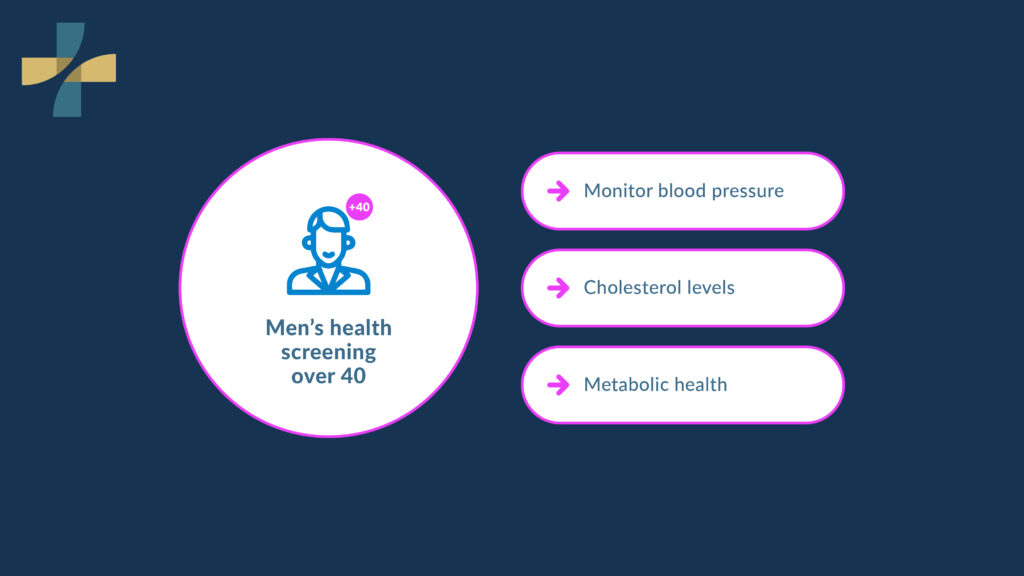
Men’s health screening over 40 helps detect medical conditions before symptoms appear. Many serious illnesses such as heart disease, diabetes, and prostate cancer develop slowly without clear warning signs. Preventive screening helps doctors identify risk factors and treat problems early. Across Canada, cardiovascular disease remains a major health concern for men. The Public Health Agency of Canada reports that heart disease is one of the leading causes of death among Canadian men. Routine health checks for men over 40 allow doctors to monitor blood pressure, cholesterol levels, and metabolic health while identifying early signs of disease. Men living in Vancouver often delay annual health checks due to busy work schedules or lack of symptoms. A structured health screening for men 40+ can identify hidden health issues and guide long term care. This guide explains the essential preventive tests for men Vancouver doctors recommend and how to schedule an annual checkup men Vancouver clinics provide. What Is Men’s Health Screening Over 40 and Why Does It Matter? Men’s health screening over 40 is a group of preventive medical tests designed to detect diseases early. These health checks for men over 40 monitor cardiovascular health, metabolic conditions, and cancer risk before symptoms appear. Early screening helps doctors treat health problems before complications develop. After age 40, the risk of chronic illness begins to increase. Many conditions remain silent for years. High blood pressure, diabetes, and high cholesterol often develop slowly without obvious symptoms. Routine screening identifies these risks through simple tests and physical examinations. Men who maintain regular screenings often detect health issues earlier than those who wait for symptoms. For example, a 45-year-old office worker may feel healthy but still have high cholesterol or early type 2 diabetes. A blood panel during a preventive exam can reveal abnormal markers long before symptoms appear. Common health risks for men over 40 include: cardiovascular disease prostate cancer type 2 diabetes stroke metabolic syndrome liver disease Doctors use screening data to create a personal health plan. This may include lifestyle adjustments, follow up testing, or medication if needed. What Health Checks Should Men Over 40 Have? Health checks for men over 40 include preventive tests that evaluate heart health, metabolic risk, and cancer screening. Doctors commonly recommend blood pressure monitoring, cholesterol testing, diabetes screening, prostate evaluation, and bowel cancer screening. These tests help detect health problems early when treatment is more effective. Routine preventive tests for men in Vancouver clinics often include basic physical assessments and laboratory testing. These evaluations help doctors monitor health trends over time. Core preventive screenings include: blood pressure check for men cholesterol test men type 2 diabetes screening in men prostate screening in Vancouver bowel cancer screening in Vancouver Additional preventive tests may be recommended based on risk factors. Additional screenings may include: testosterone test Vancouver andrology tests Vancouver liver and kidney function tests cardiovascular imaging or ECG infectious disease screening A patient with family history of diabetes may require earlier glucose testing. Another patient with elevated cholesterol may require more frequent cholesterol testing. These screenings are often part of an annual checkup men Vancouver clinics provide through a primary care visit. Why Is Heart Health Screening One of the Most Important Tests for Men Over 40? Heart health screening identifies cardiovascular risk factors such as high blood pressure, high cholesterol, and abnormal blood sugar levels. These conditions often develop without symptoms. Routine monitoring through blood pressure checks and cholesterol tests helps doctors reduce the risk of heart attack and stroke. Cardiovascular disease remains a leading cause of death among men. Heart disease and stroke affect about 6 million Canadians, according to the 2026 Heart Stroke report. The organisation also states that nearly 80 percent of premature heart disease and stroke cases can be prevented through healthy lifestyle habits. Blood pressure screening A blood pressure check men receive during routine screening measures the force of blood moving through arteries. Elevated blood pressure increases the risk of stroke, kidney disease, and heart attack. Doctors measure blood pressure using a simple cuff test during routine examinations. A patient may discover hypertension during a regular screening despite feeling healthy. Cholesterol testing A cholesterol test men receive measures LDL cholesterol, HDL cholesterol, and triglycerides. High LDL cholesterol contributes to plaque buildup in arteries. Regular cholesterol testing helps doctors monitor cardiovascular risk. Lifestyle changes such as diet and exercise can improve cholesterol levels. Diabetes screening Type 2 diabetes screening men receive usually involves fasting glucose tests or HbA1c blood testing. These tests measure blood sugar levels and detect early diabetes. Diabetes often develops without symptoms. Early detection allows treatment that reduces long term complications such as nerve damage and cardiovascular disease. Heart health screening tests often include: Test Purpose Blood pressure test Detect hypertension Cholesterol test Evaluate cardiovascular risk Blood glucose test Detect diabetes ECG Evaluate heart rhythm Some patients also receive a heart health check Medicare assessment in jurisdictions where preventive health programs provide coverage. What Cancer Screenings Should Men Over 40 Know About? Cancer screening identifies abnormal cells before cancer spreads. Men over 40 may benefit from screening for prostate cancer, colorectal cancer, and lung cancer. Early detection increases survival rates and often allows simpler treatment options. Prostate screening in Vancouver Prostate cancer is one of the most common cancers in men. Doctors often begin prostate screening Vancouver assessments around age 50 or earlier for men with higher risk. Prostate screening methods include: PSA blood test digital rectal examination prostate ultrasound According to the Canadian Cancer Society, about 1 in 9 men in Canada will develop prostate cancer during their lifetime, which is why regular prostate screening discussions with a doctor become more relevant after age 40. Bowel cancer screening in Vancouver Bowel cancer screening Vancouver programs detect colorectal cancer through stool tests or colonoscopy. Screening usually begins around age 45 for men at average risk. Common screening methods include: fecal immunochemical test (FIT)
Frequent Headaches Causes: When Should You See a GP in Vancouver? (2026 Guide)
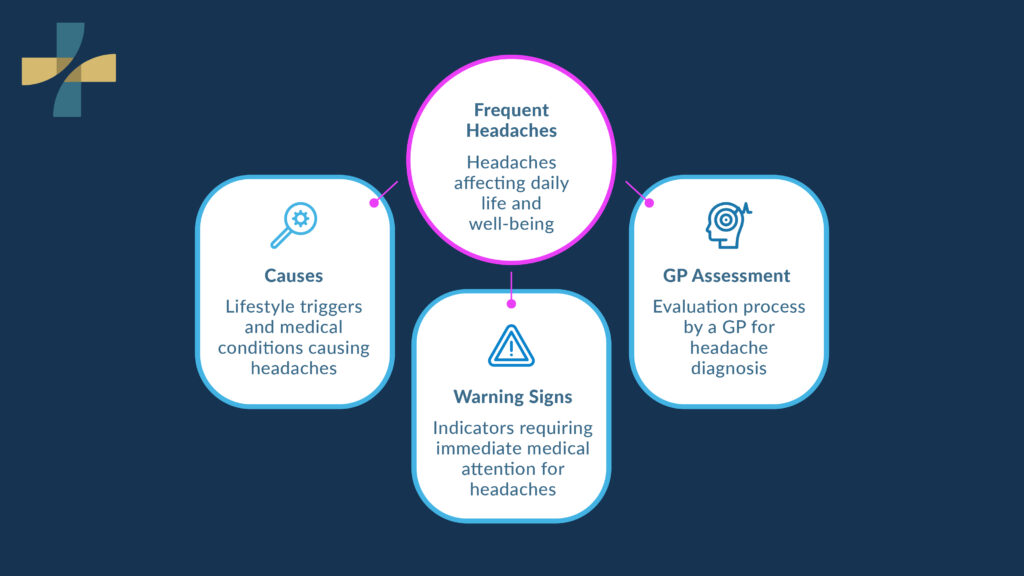
Frequent headache causes range from mild lifestyle triggers to medical conditions that require evaluation. Many adults experience headaches from stress, dehydration, poor sleep, or muscle tension. Others develop chronic headache symptoms that affect work, sleep, and daily activities. Understanding when to see a doctor for headaches helps prevent complications and leads to faster treatment. The World Health Organization reports that headache disorders affect about 40 percent of adults globally, making them one of the most common neurological conditions. Many patients delay care because they assume headaches are harmless. Yet repeated headaches can sometimes indicate migraine disorders, blood pressure issues, or neurological problems. This guide explains the causes of regular headaches, warning signs that require medical attention, and what happens during a primary care headache assessment with a general practitioner (GP) in Vancouver. What Are the Most Common Frequent Headaches Causes? Frequent headache causes usually include tension headaches, migraines, dehydration, and lifestyle triggers such as stress or sleep disruption. These headaches occur when nerves, blood vessels, and muscles in the head send pain signals to the brain. Identifying the type of headache helps determine the best treatment. Doctors classify headaches into two main categories. Headache Category Description Primary headaches Headaches that are the main condition, such as migraines or tension headaches Secondary headaches Headaches caused by another medical issue, such as an infection or high blood pressure Primary headaches account for most cases seen in general practice. Common headache types include Tension headaches Tension headache causes often include stress, muscle tension, and long periods of screen use. This type produces mild to moderate pressure around the forehead or back of the head. Typical symptoms include: dull, aching head pain tightness in the neck or shoulders pain on both sides of the head Many office workers in Vancouver experience tension headaches after several hours of computer work. Migraines Migraine symptoms in Vancouver that patients often report include throbbing pain on one side of the head, nausea, and sensitivity to light or sound. Migraines can last from four hours to three days. Some patients also experience visual disturbances called an aura. Common migraine triggers include: sleep disruption hormonal changes certain foods weather changes According to neurologist Dr Peter Goadsby of King’s College London, migraines involve abnormal signalling between brain cells and blood vessels that activate pain pathways. Dehydration headaches A dehydration headache occurs when the body loses too much fluid. Reduced blood flow to the brain may trigger pain signals. People may develop dehydration headaches after: intense exercise alcohol consumption inadequate water intake exposure to heat Many patients notice headaches during hot weather or after long outdoor activities without sufficient hydration. Can Blood Pressure and Other Medical Conditions Cause Frequent Headaches? Blood pressure and headaches may be connected when hypertension affects blood vessel function in the brain. While most headaches are not dangerous, recurring headaches may sometimes signal underlying medical conditions such as sinus infections, sleep disorders, or hormone changes. Medical causes of frequent headaches include: Medical Condition Possible Headache Pattern High blood pressure Morning headaches or pressure sensation Sleep apnoea Morning headaches with fatigue Sinus infection Pain around the forehead or cheeks Hormonal changes Migraines linked to menstrual cycles Medication overuse Daily headaches after frequent painkiller use Example scenario: A person who experiences headaches every morning may discover during a consultation that high blood pressure is contributing to the symptoms. The Heart and Stroke Foundation of Canada reports that uncontrolled hypertension can increase the risk of headache disorders in some patients. Doctors also evaluate lifestyle factors such as: caffeine intake alcohol consumption irregular sleep patterns long periods of screen exposure Addressing these factors often reduces headache frequency. What Are the Warning Signs or Headache Red Flags? Headache red flags are symptoms that may signal a serious medical condition such as stroke, meningitis, or bleeding in the brain. Recognising these warning signs helps patients decide when to seek urgent medical care. Emergency symptoms include: sudden severe headache described as the worst headache of your life confusion or difficulty speaking weakness on one side of the body high fever with stiff neck vision loss or double vision loss of consciousness Other concerning symptoms include: headaches after a head injury headaches that worsen quickly headaches with persistent vomiting Example scenario: A sudden thunderclap headache during exercise may indicate a vascular issue and requires urgent hospital evaluation. Patients who experience these symptoms should seek emergency medical care. When Should You See a Doctor for Headaches? When to see a doctor for headaches depends on the frequency, intensity, and pattern of symptoms. A general practitioner (GP) evaluation helps determine whether headaches are caused by lifestyle triggers or medical conditions. Doctors recommend medical consultation for headaches: occur several times per week become more severe over time Do not respond to common pain relief medications interfere with work or sleep Example scenario: A Vancouver resident experiencing headaches four days per week may benefit from a general practitioner’s appointment for headaches to identify triggers and treatment options. Patients with chronic headache symptoms may require further evaluation through diagnostic testing or specialist referral. What Happens During a General Practitioner Headache Diagnosis Process? The headache diagnosis process begins with a detailed discussion of symptoms followed by a physical and neurological examination. Doctors evaluate headache patterns, potential triggers, and medical history during a primary care headache assessment. A typical GP consultation includes: discussion of headache frequency review of medications blood pressure measurement neurological examination Doctors may ask patients to keep a headache diary. Information to Track Example Headache date Monday morning Pain severity 7 out of 10 Possible trigger skipped breakfast Associated symptoms nausea Tracking these details helps doctors identify patterns. Example scenario: A patient who records headaches after skipping meals may discover that low blood sugar triggers their symptoms. During the assessment, the GP may also evaluate: sleep quality hydration levels posture and muscle tension This information helps determine the causes of regular headaches. Do You Need a Brain Scan for Headaches? A brain scan for headaches is usually unnecessary for
Chronic Fatigue Causes: When Is It a Medical Condition? (Vancouver 2026 Guide)
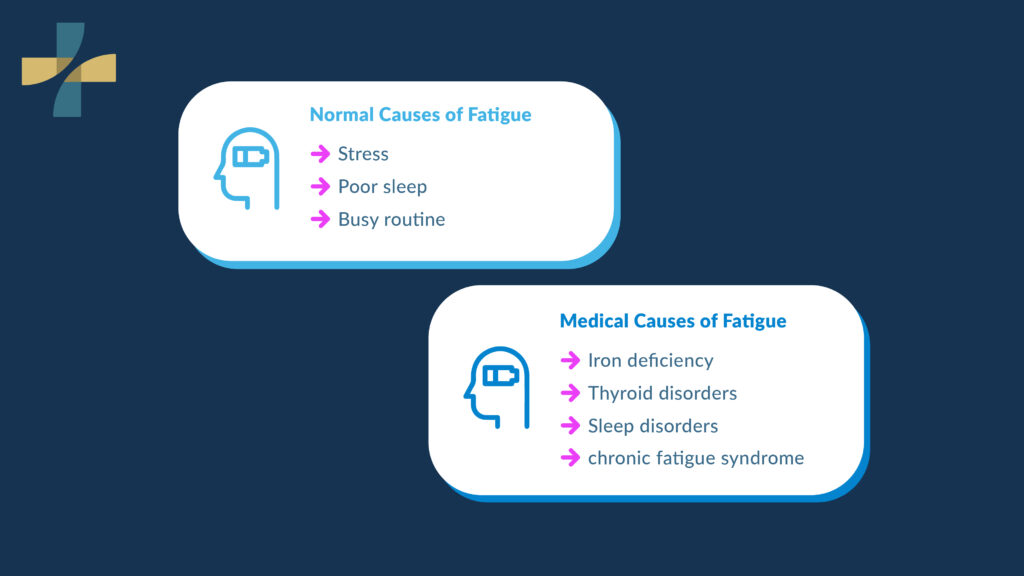
Persistent tiredness can affect work, concentration, and daily activities. Many adults assume fatigue comes from stress, poor sleep, or a busy routine. Yet ongoing exhaustion may signal medical conditions that require evaluation. Understanding chronic fatigue causes helps people recognise when tiredness may be linked to health problems rather than lifestyle habits. Doctors often investigate persistent tiredness, medical causes such as iron deficiency, thyroid disorders, sleep disorders, and chronic fatigue syndrome. Recent research highlights the importance of identifying fatigue early. The Public Health Agency of Canada reports that about 44 percent of Canadian adults live with at least one chronic disease, and many of these conditions can initially present with symptoms such as fatigue or low energy. This guide explains the causes of chronic fatigue, symptoms to watch for, and how a GP consultation Vancouver residents trust can help identify the underlying problem. What Is Chronic Fatigue and How Is It Different From Normal Tiredness? Chronic fatigue is persistent tiredness lasting weeks or months that does not improve with rest. Unlike normal tiredness after work or exercise, chronic fatigue affects daily function and concentration and may indicate medical conditions that require investigation. Normal fatigue occurs after physical activity, poor sleep, or stress. Energy usually returns after rest or recovery. Chronic fatigue behaves differently. It continues even after adequate sleep and may interfere with work, driving, or normal daily tasks. Normal fatigue vs chronic fatigue Feature Normal Fatigue Chronic Fatigue Duration Short term Weeks or months Relief Improves with rest Often persists Daily impact Mild Can affect work and focus Cause Lifestyle factors Possible medical causes Example scenario: A Vancouver office worker sleeps eight hours each night but still struggles with concentration and low energy during meetings. This pattern may indicate underlying medical reasons rather than simple tiredness. Common symptoms accompanying fatigue include: brain fog dizziness headaches muscle weakness difficulty concentrating These symptoms may suggest medical reasons for constant tiredness that need evaluation. What Are the Most Common Chronic Fatigue Causes? The most common causes of chronic fatigue include nutrient deficiencies, thyroid disorders, sleep disorders, chronic stress, infections, and metabolic conditions. Doctors evaluate fatigue through medical history, examination, and laboratory tests to identify underlying problems. Fatigue often develops from multiple factors rather than a single cause. Lifestyle contributors Lifestyle issues remain common triggers of fatigue. Examples include: poor sleep routines long work hours shift work high caffeine intake alcohol consumption chronic stress Research published in the journal Sleep Health indicates that irregular sleep schedules can disrupt the body’s circadian rhythm, leading to daytime fatigue, reduced alertness, and lower energy levels. Stress and fatigue Stress activates the body’s stress hormones. Long periods of stress may lead to exhaustion, poor sleep quality, and reduced concentration. For example, a shift worker working night rotations experiences stress and fatigue due to irregular sleep patterns and circadian rhythm disruption. When fatigue continues for several weeks despite rest, doctors usually investigate medical causes. Could Nutrient Deficiencies Be Causing Your Fatigue? Nutrient deficiencies are one of the most common causes of chronic fatigue. Low iron or vitamin B12 levels reduce oxygen delivery and nerve function, which leads to tiredness, weakness, and poor concentration. Two deficiencies frequently linked to fatigue include iron deficiency and vitamin B12 deficiency. Iron deficiency and fatigue Iron supports red blood cells that carry oxygen throughout the body. Low iron levels reduce oxygen supply to tissues. Common iron deficiency symptoms include: fatigue pale skin dizziness shortness of breath headaches cold hands and feet Iron deficiency remains one of the leading causes of chronic fatigue worldwide. Vitamin B12 deficiency and low energy Vitamin B12 supports nerve health and red blood cell production. Low B12 levels can affect both physical and cognitive energy. Symptoms of vitamin B12 deficiency include: fatigue brain fog memory issues numbness or tingling in hands and feet mood changes Groups at higher risk include: older adults vegetarians and vegans people with digestive disorders Doctors often detect these deficiencies through blood tests in Vancouver that clinics provide during routine evaluations. Can Thyroid Problems Cause Chronic Fatigue? Yes. Thyroid disorders can slow metabolism and reduce energy production in the body. Low thyroid hormone levels, known as hypothyroidism, commonly cause persistent tiredness and cognitive slowing. The thyroid gland regulates metabolism, heart rate, and body temperature. When hormone levels drop, the body’s energy production slows. Symptoms of hypothyroidism Common symptoms include: fatigue weight gain cold sensitivity dry skin depression slowed thinking A thyroid blood test in Vancouver that doctors order checks hormone levels such as TSH and T4 to diagnose thyroid disorders. Example scenario: A professional in Vancouver reports persistent fatigue, weight gain, and feeling cold even in warm environments. Blood tests reveal low thyroid hormone levels. Could a Sleep Disorder Be the Cause of Persistent Tiredness? Sleep disorders often cause persistent tiredness even when someone sleeps for many hours. Conditions such as sleep apnoea interrupt breathing during sleep and prevent restorative rest. Obstructive sleep apnoea affects millions of adults. Research from public health and cardiovascular organisations shows that untreated sleep apnoea increases the risk of heart disease, diabetes, and stroke because repeated breathing interruptions reduce oxygen levels and place stress on the cardiovascular system. Common sleep apnoea symptoms Typical sleep apnoea symptoms include: loud snoring morning headaches daytime sleepiness difficulty concentrating irritability dry mouth upon waking Example scenario: A patient sleeps eight hours each night but wakes feeling exhausted. A sleep study later confirms obstructive sleep apnoea. Treating sleep disorders often improves daytime energy levels. What Is Chronic Fatigue Syndrome (ME/CFS)? Chronic fatigue syndrome is a complex condition that causes severe fatigue lasting at least six months. The fatigue worsens after mental or physical activity and does not improve with rest. Medical researchers refer to the condition as myalgic encephalomyelitis or ME/CFS. According to Dr. Anthony Komaroff of Harvard Medical School, chronic fatigue syndrome is a serious biological illness that affects multiple body systems. Also, research from the National Library of Medicine suggests that the key chronic fatigue syndrome symptoms include severe fatigue lasting at least
Diabetes Screening Test in Vancouver: When Should Adults Get Checked? (2026 Guide
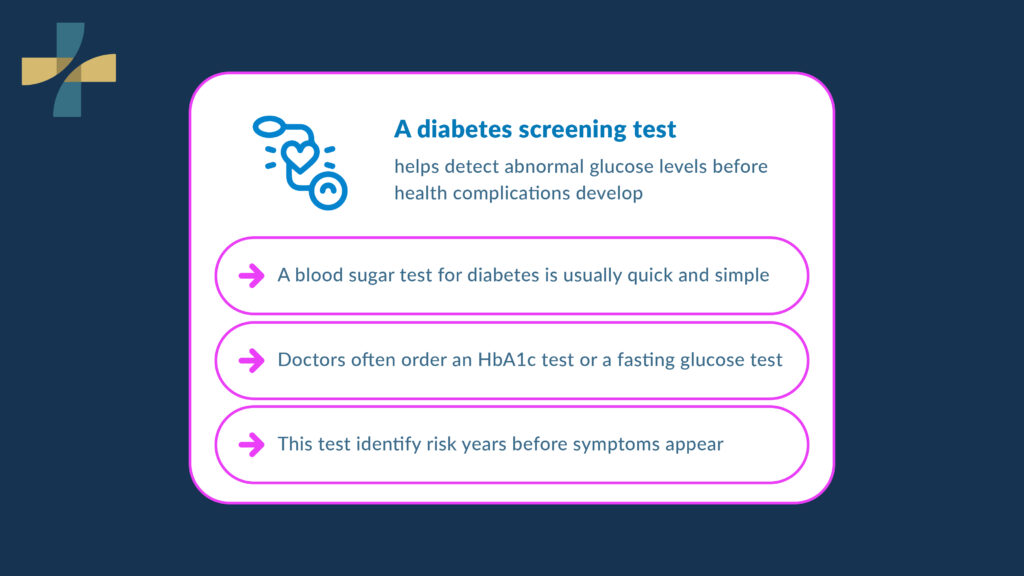
Many adults develop high blood sugar slowly and without clear symptoms. A diabetes screening test helps detect abnormal glucose levels before health complications develop. Early detection allows doctors to identify prediabetes and begin treatment or lifestyle changes. A blood sugar test for diabetes is usually quick and simple. Doctors often order an HbA1c test or a fasting glucose test to measure how the body processes sugar. These tests can identify risk years before symptoms appear. Diabetes remains a major public health issue in Canada. According to the Government of Canada, 3.9 million people aged 1 year and older were living with diagnosed diabetes in 2023 to 2024. The same report found that 6.3% of adults aged 20 to 79 had prediabetes and 1.9% had undiagnosed diabetes between 2007 and 2019. Early screening helps identify high blood sugar sooner, giving patients more time to start treatment or make lifestyle changes before complications develop. This guide explains when to get tested for diabetes, which blood tests detect the condition, common type 2 diabetes risk factors, early prediabetes symptoms, and how to book a general practitioner diabetes test appointment in Vancouver. What Is a Diabetes Screening Test and Why Do Doctors Recommend It? A diabetes screening test is a medical blood test that measures glucose levels to detect early signs of diabetes or prediabetes. Doctors recommend screening because many adults develop high blood sugar gradually and without symptoms. Early testing allows treatment to begin before complications develop. Type 2 diabetes often develops slowly over several years. During this time, glucose levels rise, but symptoms may not appear. A blood sugar test for diabetes helps detect changes in how the body processes glucose. Doctors can identify: normal blood sugar levels prediabetes type 2 diabetes Example scenario: A 41-year-old professional attends a routine check-up. The patient feels healthy but has gained weight during the past few years. A GP recommends a diabetes screening test. The test result shows prediabetes. Early detection allows lifestyle changes before diabetes develops. Doctors recommend routine screening because: diabetes often has no early symptoms Early treatment prevents complications Lifestyle changes may reverse prediabetes CDC guidance explains that early detection of prediabetes can help people prevent or delay type 2 diabetes. Identifying diabetes early also allows patients to begin treatment and reduce the risk of serious complications. When Should Adults Get Tested for Diabetes? Adults should usually begin diabetes screening around age 40 or earlier if risk factors are present. Most guidelines recommend testing every three years for healthy adults and more frequently for those at higher risk. Screening schedules vary based on age, lifestyle, and medical history. The Diabetes Canada clinical practice guidelines recommend screening for type 2 diabetes every three years in adults aged 40 and older, or earlier and more often for individuals with higher risk factors. Typical screening intervals are shown below. Risk Category Screening Frequency Adults age 40+ with no risk factors Every 3 years Moderate risk Every 1–3 years High risk Every year Example scenario: A 36-year-old patient visits a clinic because both parents have diabetes. Due to a family history of diabetes risk, a doctor recommends earlier testing. Adults may need earlier screening if they have: obesity or abdominal weight gain high blood pressure high cholesterol sedentary lifestyle history of gestational diabetes family history of diabetes Many doctors also assess diabetes risk using tools like CANRISK, a questionnaire developed by the Public Health Agency of Canada. Research published in the Canadian Journal of Diabetes describes CANRISK as a validated tool used across Canada to identify people at risk of prediabetes and type 2 diabetes. Understanding when to get tested for diabetes allows patients to detect abnormal glucose levels before symptoms begin. What Are the Main Blood Tests Used to Detect Diabetes? Doctors use several types of blood tests to detect diabetes and prediabetes. The most common tests include the HbA1c test, fasting glucose test, oral glucose tolerance test, and random blood sugar test. Each test measures glucose levels differently and helps confirm abnormal blood sugar. These tests form the foundation of screening for type 2 diabetes in primary care. HbA1c Test Vancouver The HbA1c test Vancouver clinics use measures average blood sugar levels over the past two to three months. Doctors often use this test because patients do not need to fast beforehand. HbA1c results are interpreted as follows: HbA1c Result Interpretation Below 5.7% Normal 5.7–6.4% Prediabetes 6.5% or higher Diabetes Example scenario: A patient completes an HbA1c test Vancouver clinic during an annual exam. The result shows 6.0 percent, indicating prediabetes. Fasting Glucose Test The fasting glucose test measures blood sugar after at least eight hours without food. Doctors commonly request this test during routine diabetes screening. Typical ranges are shown below. Fasting Glucose Level Interpretation Below 5.6 mmol/L Normal 5.6–6.9 mmol/L Prediabetes 7.0 mmol/L or higher Diabetes Many patients complete this test during a diabetes test for adults ordered by a GP. Oral Glucose Tolerance Test The oral glucose tolerance test measures how the body processes sugar after drinking a glucose solution. Doctors often request this test when earlier results fall near the diabetes threshold. The test measures blood sugar levels two hours after drinking the glucose solution. 2 Hour Result Interpretation Below 7.8 mmol/L Normal 7.8–11.0 mmol/L Prediabetes Above 11.1 mmol/L Diabetes Random Blood Sugar Test A random blood sugar test measures glucose at any time of the day without fasting. A reading above 11.1 mmol/L with symptoms may indicate diabetes. Doctors may order this test if a patient reports symptoms such as fatigue, thirst, or frequent urination. What Are the Early Signs of Prediabetes and Type 2 Diabetes? Early diabetes symptoms include fatigue, frequent urination, increased thirst, and blurred vision. Many people with prediabetes have no symptoms, which is why routine diabetes screening tests are recommended. Detecting high blood sugar early allows treatment before serious complications develop. Common prediabetes symptoms include: frequent thirst fatigue increased hunger slow wound healing blurred vision Example scenario: A patient notices persistent tiredness and increased