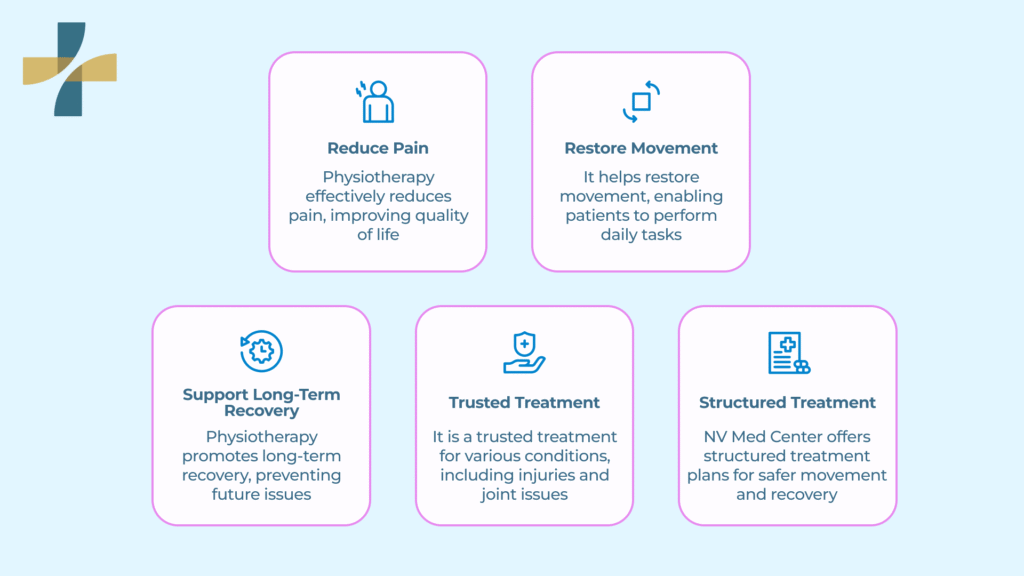
Physiotherapy helps reduce pain, restore movement, and support long-term recovery. It is one of the most trusted treatments for pain, injury, and reduced mobility. Many adults across Vancouver seek physiotherapy when discomfort limits work, exercise, or daily tasks. Others turn to care after surgery or ongoing joint issues that do not improve on their own.
Searches for physiotherapy in Vancouver often come from people who want practical answers. They want to know how treatment works, whether it fits their needs, and how to choose the right clinic. This guide explains the top reasons patients choose NV Med Center for physiotherapy care and how structured treatment supports safer movement and recovery.
1 – Expert Physiotherapists Who Focus on Individual Care
Physiotherapy works best when treatment is built around the individual rather than a fixed routine. Each body moves differently, and pain rarely comes from one cause alone.
Physiotherapy treatment at NV Med Center begins with a detailed review of how the body functions during daily movement.
What physiotherapists treat
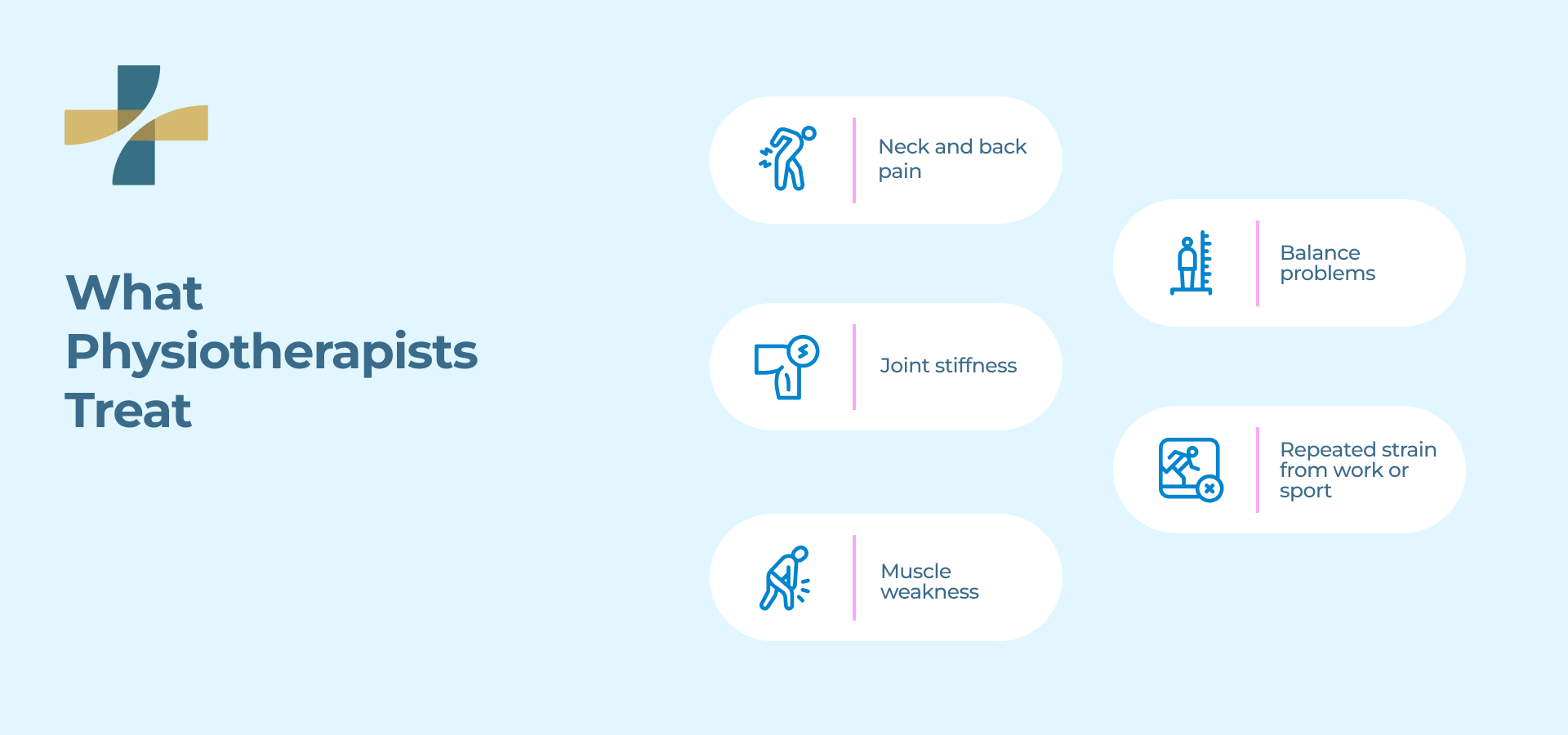
Physiotherapists work with muscles, joints, and movement control. Treatment often targets issues such as:
- Neck and back pain
- Joint stiffness
- Muscle weakness
- Balance problems
- Repeated strain from work or sport
Pain often develops when movement patterns change over time. Physiotherapy addresses those changes rather than only easing discomfort. Some patients also benefit from combining physiotherapy with massage therapy support to reduce muscle tension and improve movement comfort.
Why clinical experience matters
Two people may report the same pain but need different treatments.
| Pain Area | Common Contributing Factor |
| Shoulder | Poor upper-back strength |
| Knee | Weak hip stability |
| Lower back | Limited core control |
| Neck | Prolonged desk posture |
An experienced physiotherapist can identify these patterns early and guide treatment accurately.
Sample Scenario: Desk-Related Neck Pain
A working professional experienced daily neck and upper shoulder pain after long hours at a desk. The discomfort reduced focus at work and often led to headaches by the end of the day. Physiotherapy identified weak upper-back support and poor posture habits, then used targeted strengthening and movement guidance to reduce strain and improve comfort during prolonged sitting.
2 – Treatment Plans That Address Pain and Mobility Together
Physiotherapy supports recovery by improving how the body moves during real-life tasks. Treatment focuses on strength, control, and joint support rather than temporary symptom relief.
A systematic review in the British Journal of Sports Medicine found that exercise-based interventions provide meaningful improvements in pain and physical function for people with musculoskeletal conditions. This supports physiotherapy programs that focus on strength, mobility, and controlled movement rather than symptom relief alone.
Common conditions treated with physiotherapy
Physiotherapy supports adults managing:
- Persistent back or neck pain
- Sports injuries
- Workplace strain
- Reduced flexibility
- Difficulty walking or standing
Many people searching for the best physiotherapy near me are dealing with pain that keeps returning. This often occurs when movement patterns are not corrected.
How physiotherapy improves movement
Most physiotherapy programs include targeted strengthening, joint mobility work, manual therapy, and functional movement exercises. These methods help tissues tolerate daily loads more effectively.
Sample Scenario: Recurring Knee Pain With Activity
An active adult developed knee pain during jogging and stair use, which eased with rest but returned once activity resumed. Avoiding exercise reduced fitness and raised concern about long-term joint health. Physiotherapy found reduced hip strength affecting knee control and introduced a structured strengthening program that supported a gradual and pain-free return to activity.
3 – Evidence-Based Techniques and Structured Recovery Plans
Physiotherapy follows clinical guidelines supported by research. Treatment progresses in stages rather than sudden increases in activity. According to a 2022 systematic review published in PLOS ONE, structured exercise-based rehabilitation programs reduce reinjury risk and support better functional recovery compared with usual care, which often relies on rest alone.
Common physiotherapy techniques
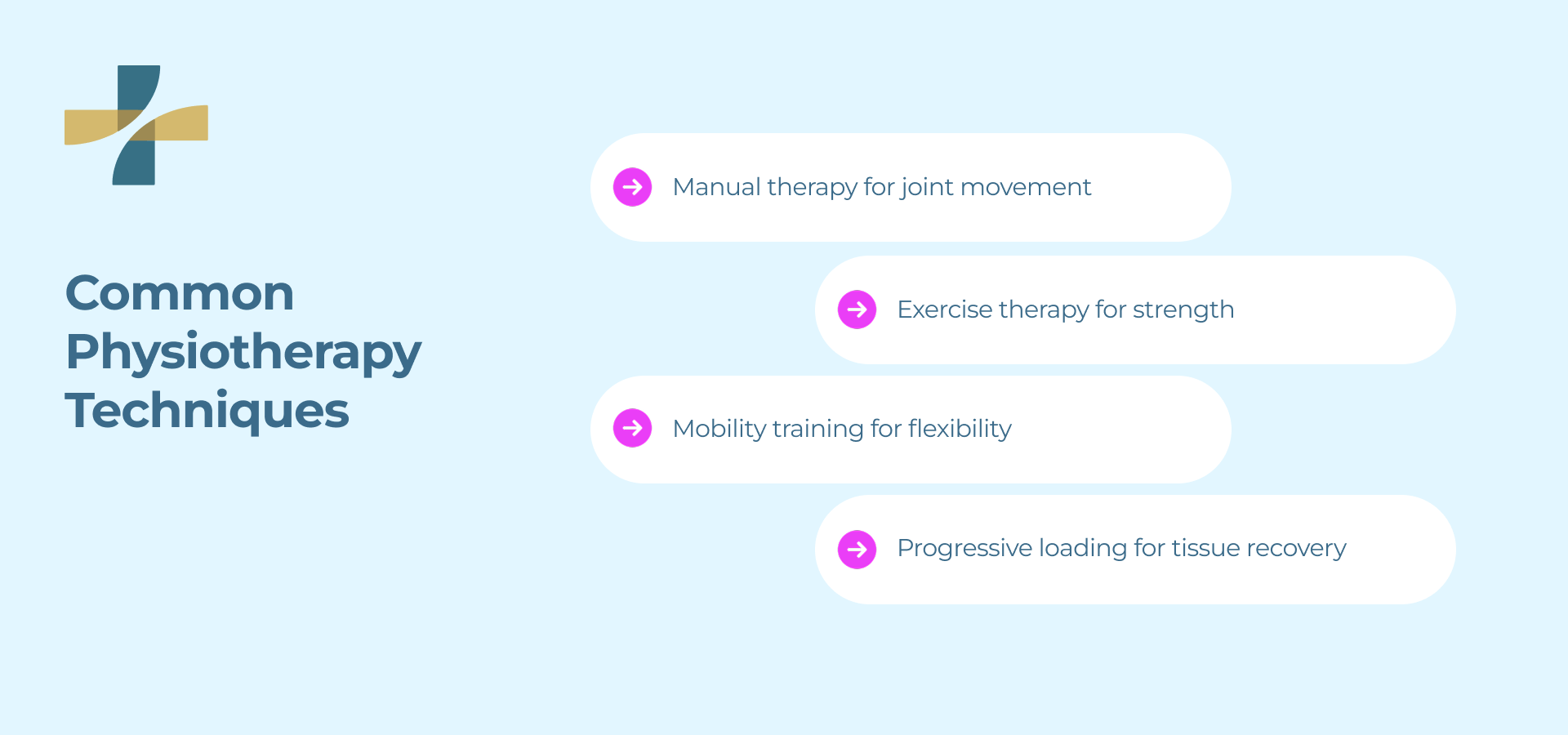
Physiotherapy clinics may use:
- Manual therapy for joint movement
- Exercise therapy for strength
- Mobility training for flexibility
- Progressive loading for tissue recovery
Each method serves a defined purpose within the recovery process.
Why gradual progress matters
Sudden return to activity often leads to flare-ups. Physiotherapy builds tolerance step by step.
| Recovery Phase | Focus |
| Early | Reduce pain and restore movement |
| Middle | Improve strength and control |
| Later | Prepare for work or sport demands |
This structure supports safer outcomes.
4 – Convenient Physiotherapy Access in Vancouver
Convenient physiotherapy access improves recovery by supporting consistent treatment, timely follow-ups, and early response to setbacks. When appointments are easy to attend, patients are more likely to complete their treatment plan and maintain steady progress.
Why local access improves physiotherapy results
Physiotherapy relies on regular progression. Gaps between sessions can slow strength gains, reduce movement control, and increase the risk of symptoms returning.
Local access supports better outcomes by allowing:
- Shorter time between injury and first appointment
- Regular review of movement progress
- Faster adjustment of exercises when pain changes
- Better adherence to treatment schedules
Patients who miss sessions often repeat early treatment stages rather than moving forward.
When local physiotherapy matters most
Many people begin searching for physiotherapy in Vancouver when symptoms start affecting their daily functioning. Early access helps prevent minor issues from becoming long-term problems.
Common reasons patients seek nearby care include:
- Sudden muscle or joint injury
- Pain lasting longer than two weeks
- Reduced range of motion during daily tasks
- Post-surgical recovery that requires frequent review
Early treatment often shortens overall recovery time.
Sample Scenario: Post-Surgery Mobility Limitations
After knee surgery, a patient reported stiffness, swelling, and weakness that limited walking and daily movement. Reduced confidence led to hesitation with normal tasks and slowed recovery. Physiotherapy followed a staged program focused on restoring movement first, then rebuilding strength and balance to support steady functional improvement.
5 – Integrated Care Within One Medical Centre
Physiotherapy often works best when coordinated with other health services. Pain and movement problems may relate to broader medical factors.
Why integrated care improves recovery
Movement issues may involve medical history, chronic joint conditions, age-related changes, and muscle imbalance. Care within a medical centre allows providers to communicate clearly and align treatment plans.
Services that may support physiotherapy include:
- Primary care review
- Massage therapy
- Kinesiology programs
- Diagnostic referrals
This approach reduces repeated assessments and treatment gaps.
Sample Scenario: Mobility and Balance Changes With Age
A senior noticed increasing hip stiffness and balance issues that made walking and standing more difficult. Limited mobility raised fall risk and reduced independence at home. Physiotherapy addressed joint mobility, leg strength, and balance control, helping support safer movement and improved daily confidence.
Understanding Physiotherapy Cost and Treatment Value
Physiotherapy cost varies based on care needs and treatment length. Below are the influences on physiotherapy cost:
| Factor | Impact |
| Session length | Longer visits cost more |
| Condition complexity | May require multiple visits |
| Recovery goals | Strength rebuilding takes time |
| Treatment method | Active rehab extends care |
Physiotherapy cost reflects professional expertise, planning time, and individualised treatment.
Long-term value of physiotherapy
Physiotherapy aims to reduce repeated pain episodes. Improved movement may lower future healthcare needs linked to inactivity or chronic discomfort.
What Happens During Your First Physiotherapy Appointment
A first physiotherapy visit follows a clear structure.
Typical appointment steps:
- Discussion of symptoms and history
- Movement and strength testing
- Identification of contributing factors
- Initial treatment and home guidance
Patients receive education and exercises to support progress between sessions. Clear planning helps patients track recovery and stay consistent.
Who Can Benefit From Physiotherapy
Physiotherapy supports adults at different stages of life and activity levels.
- Working professionals: Physiotherapy helps manage desk-related pain, repetitive strain, and reduced posture tolerance.
- Active adults: Physiotherapy supports recovery from sports injuries and guides a safe return to activity.
- Seniors: Physiotherapy helps improve joint mobility, balance, and walking confidence.
Physiotherapy adapts to physical ability and personal recovery goals.
Physiotherapy and Daily Life in Vancouver
Daily routines place stress on the body. Long commutes, outdoor activities, and extended sitting all affect movement health.
Physiotherapy supports:
- Safer exercise participation
- Improved walking tolerance
- Better joint stability
- Reduced daily discomfort
These needs align closely with common searches for physiotherapy in Vancouver.
When to Book a Physiotherapy Appointment
Booking physiotherapy early helps address movement problems before they become harder to manage. Delaying care can allow pain patterns, weakness, and joint stiffness to worsen over time.
Book soon if you notice:
- Pain lasting longer than two weeks
- Limited movement during daily tasks
- Repeated flare-ups in the same area
- Stiffness that returns after rest
Book promptly after:
- A sports or work-related injury
- Surgery that affects movement or strength
- A fall or sudden loss of balance
- New weakness that limits walking or lifting
Public health guidance from the Government of Canada recognises exercise and movement-based care as part of physical rehabilitation for managing pain and maintaining function. This supports early physiotherapy involvement when pain or movement limits daily activity.
Early physiotherapy helps restore movement, reduce strain on surrounding areas, and support safer recovery.

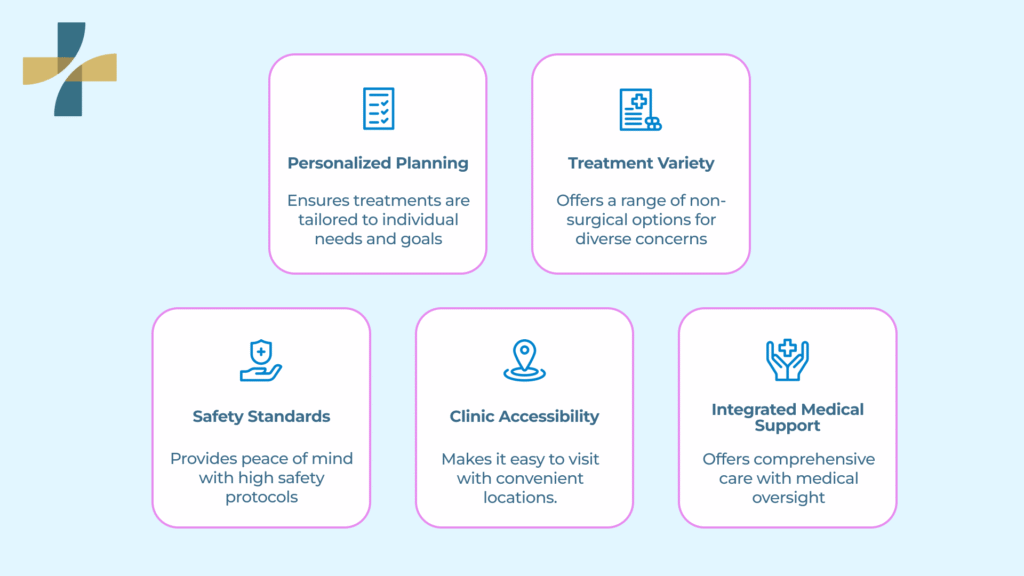
Why Patients Choose NV Med Center
NV Med Center provides physiotherapy within a coordinated medical setting that supports clear communication and continuity of care.
Patients choose care based on:
- Structured treatment plans that match recovery goals
- Convenient access within Vancouver
- Integrated health services under one centre
- A patient-focused approach to movement and function
Physiotherapy is delivered with attention to safety, progress tracking, and long-term mobility.
Summary
Physiotherapy supports pain relief, improved movement, and recovery through structured treatment and guided exercise. Care focuses on how the body moves rather than short-term symptom control. Local access and integrated services help patients stay consistent and confident throughout recovery.
At NV Med Center, physiotherapy is delivered within a coordinated medical setting that supports clear treatment planning and continuity of care. Patients benefit from structured programs, communication between services, and a focus on safe movement that aligns with daily needs and long-term function.
Book a Physiotherapy Appointment at NV Med Center
If pain, stiffness, or limited movement affects daily life, physiotherapy may help improve strength and mobility. Book a physiotherapy appointment at NV Med Center to begin a structured care plan focused on safe movement and recovery.
FAQs
Q1: What does physiotherapy help with?
Physiotherapy helps reduce pain, restore movement, and improve strength. It supports recovery from injury, surgery, and long-term joint issues. Treatment is adjusted to individual needs.
Q2: How many physiotherapy sessions are needed?
The number of sessions varies based on condition severity and recovery goals. Some people improve within a few visits, while others need ongoing care. Progress is reviewed regularly.
Q3: Is physiotherapy suitable for older adults?
Yes. Physiotherapy supports balance, joint mobility, and walking ability in older adults. Treatment is adapted to comfort and physical ability.
Q4: Does physiotherapy involve only exercises?
Physiotherapy includes exercises along with manual therapy, movement training, and education. Care focuses on improving how the body moves.
Q5: When should physiotherapy stop?
Physiotherapy continues until functional goals are met and movement improves. Discharge is guided by progress and stability.