Best Trigger Point Injection Clinics in Vancouver (2026) + How to Choose the Right Provider
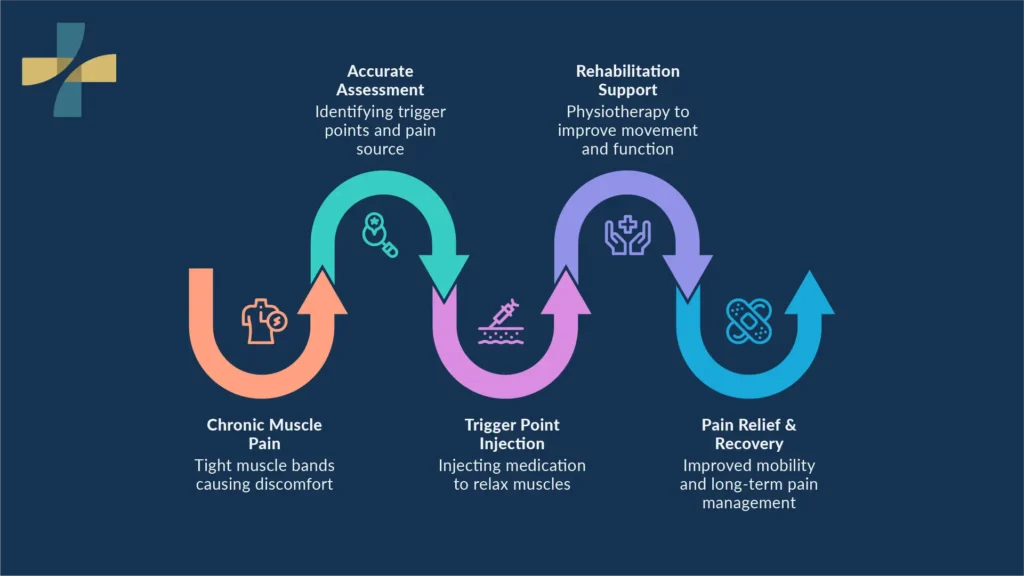
Choosing the best trigger point injection clinic in Vancouver involves more than finding a clinic that offers injections. The quality of the assessment, rehabilitation planning, and provider experience can influence not only treatment safety but also whether the underlying causes of persistent muscle tightness are properly addressed. Many patients in Vancouver and North Vancouver start researching trigger point injections after dealing with chronic neck stiffness, shoulder tension, upper back pain, or tension headaches that continue interfering with work, sleep, driving, exercise, or daily movement. Office workers often describe worsening discomfort after long hours at a desk. Tech professionals and commuters may experience chronic postural strain from prolonged sitting and screen use. Some patients seek treatment after ICBC-related injuries or repetitive gym-related muscle overload. The challenge is that not every clinic approaches trigger point injections the same way. Some clinics focus primarily on symptom relief, while others combine injections with movement assessment, physiotherapy coordination services, rehabilitation planning, and follow-up care designed to address why muscular pain developed in the first place. This matters because chronic muscle pain is rarely caused by a single issue alone. Ongoing myofascial discomfort may involve posture, movement mechanics, workstation setup, muscle imbalance, mobility restrictions, stress-related guarding, or compensation after previous injuries. The best trigger point injection clinics in Vancouver prioritize detailed assessment, rehabilitation integration, provider experience, and long-term recovery planning rather than offering injections alone. This guide explains how patients can evaluate trigger point injection clinics in Vancouver, what qualifications and treatment approaches matter most, what to expect during recovery, and why rehabilitation support often plays a major role in long-term outcomes. How to Choose the Best Trigger Point Injection Clinic in Vancouver The best trigger point injection clinics usually prioritize assessment quality, rehabilitation planning, provider qualifications, and long-term recovery support rather than treating injections as a quick, standalone procedure. This is one of the biggest differences between high-quality musculoskeletal care and injection-only treatment models. Patients dealing with chronic tension patterns often benefit most from clinics that evaluate: why pain keeps returning whether trigger point injections are appropriate whether physiotherapy or rehabilitation may also help how posture and movement patterns contribute to symptoms whether additional medical evaluation may be needed For example, a patient with chronic trapezius tightness may temporarily improve after massage therapy or injections, but symptoms may continue recurring if workstation ergonomics, neck mobility restrictions, shoulder mechanics, and muscle endurance are never addressed. Providers often see patients whose symptoms temporarily improve after massage therapy or stretching, but return within weeks once desk work, commuting, or gym activity resumes because underlying movement restrictions and muscle endurance deficits were never addressed. What Often Separates a Strong Vancouver TPI Clinic From a Generic Injection Clinic What to Look For Why It Matters Full musculoskeletal assessment Helps identify contributing factors behind recurring pain Licensed physicians or qualified medical providers with musculoskeletal assessment and injection experience Improves safety, screening, and treatment planning Differential diagnosis screening Helps rule out conditions that may require other care Rehabilitation integration Supports long-term recovery instead of short-term symptom relief Physiotherapy coordination Helps improve mobility, posture, and movement control Clear safety protocols Reduces avoidable complications Follow-up reassessment Helps monitor progress and treatment response Realistic treatment planning Avoids “quick fix” expectations Transparent consultation process Helps patients make informed decisions The best trigger point injection clinics in Vancouver usually explain not only what injections may help with, but also: when injections may not be appropriate when rehabilitation matters more why symptoms may return what long-term recovery may involve how movement retraining supports recovery Patients searching for long-term muscle pain relief often prefer clinics that combine medical treatment with rehabilitation because persistent muscular pain frequently involves workplace strain, posture issues, repetitive movement, mobility deficits, or chronic compensation patterns. Questions to Ask During a Trigger Point Injection Consultation Patients comparing Vancouver trigger point injection clinics may benefit from asking: What type of assessment is performed before injections? Who performs the injections, and what are their qualifications? How do you determine whether TPI is appropriate? Do you screen for other causes of pain before treatment? Is physiotherapy or rehabilitation recommended afterward? How do you evaluate recurring tension patterns? What happens if symptoms return after treatment? Do you coordinate care between medical providers and physiotherapy teams? What recovery expectations should patients realistically expect? These questions often help patients identify whether a clinic focuses on long-term musculoskeletal care or only short-term symptom management. Best Trigger Point Injection Clinic Checklist Before booking a consultation, patients may want to look for clinics that provide: detailed movement and posture assessment licensed providers experienced in musculoskeletal pain evidence-informed treatment planning rehabilitation and physiotherapy integration follow-up reassessment individualized recovery planning realistic discussions about treatment limitations clear explanation of risks and aftercare coordinated care for chronic or recurring pain conditions Patients with recurring neck pain, shoulder tightness, or myofascial pain often benefit from clinics that evaluate the entire movement system instead of focusing only on painful trigger points. What Are Trigger Point Injections? Trigger point injections are used to treat painful muscle knots, also called trigger points, that may develop from repetitive strain, poor posture, overuse, injury, or chronic muscular tension. The treatment involves injecting an anesthetic, saline, or another solution into tight muscle bands to help reduce pain, decrease muscular tension, and improve movement tolerance. Trigger points may contribute to: neck stiffness shoulder pain tension headaches upper back tightness lower back muscular pain restricted movement referred pain into nearby areas According to HealthLinkBC, myofascial pain syndrome may be treated with approaches such as physiotherapy, exercise, stretching, massage therapy, and trigger-point injections, depending on the patient’s condition and contributing factors. However, the best clinics generally avoid presenting trigger point injections as a permanent solution for chronic pain. Outcomes vary depending on: symptom duration rehabilitation participation workplace strain posture mobility limitations activity levels movement mechanics underlying medical conditions When comparing clinics in Vancouver, patients should ask whether trigger point injections are being recommended as part
Top 5 Reasons to Choose NV Med Center for Physiotherapy in Vancouver
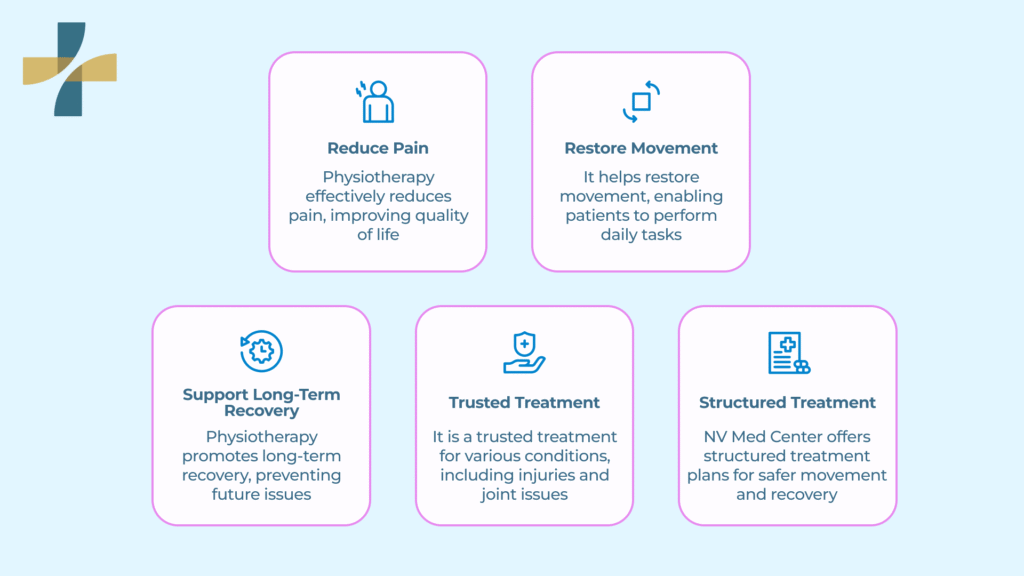
Physiotherapy helps reduce pain, restore movement, and support long-term recovery. It is one of the most trusted treatments for pain, injury, and reduced mobility. Many adults across Vancouver seek physiotherapy when discomfort limits work, exercise, or daily tasks. Others turn to care after surgery or ongoing joint issues that do not improve on their own. Searches for physiotherapy in Vancouver often come from people who want practical answers. They want to know how treatment works, whether it fits their needs, and how to choose the right clinic. This guide explains the top reasons patients choose NV Med Center for physiotherapy care and how structured treatment supports safer movement and recovery. 1 – Expert Physiotherapists Who Focus on Individual Care Physiotherapy works best when treatment is built around the individual rather than a fixed routine. Each body moves differently, and pain rarely comes from one cause alone. Physiotherapy treatment at NV Med Center begins with a detailed review of how the body functions during daily movement. What physiotherapists treat Physiotherapists work with muscles, joints, and movement control. Treatment often targets issues such as: Neck and back pain Joint stiffness Muscle weakness Balance problems Repeated strain from work or sport Pain often develops when movement patterns change over time. Physiotherapy addresses those changes rather than only easing discomfort. Some patients also benefit from combining physiotherapy with massage therapy support to reduce muscle tension and improve movement comfort. Why clinical experience matters Two people may report the same pain but need different treatments. Pain Area Common Contributing Factor Shoulder Poor upper-back strength Knee Weak hip stability Lower back Limited core control Neck Prolonged desk posture An experienced physiotherapist can identify these patterns early and guide treatment accurately. Sample Scenario: Desk-Related Neck Pain A working professional experienced daily neck and upper shoulder pain after long hours at a desk. The discomfort reduced focus at work and often led to headaches by the end of the day. Physiotherapy identified weak upper-back support and poor posture habits, then used targeted strengthening and movement guidance to reduce strain and improve comfort during prolonged sitting. 2 – Treatment Plans That Address Pain and Mobility Together Physiotherapy supports recovery by improving how the body moves during real-life tasks. Treatment focuses on strength, control, and joint support rather than temporary symptom relief. A systematic review in the British Journal of Sports Medicine found that exercise-based interventions provide meaningful improvements in pain and physical function for people with musculoskeletal conditions. This supports physiotherapy programs that focus on strength, mobility, and controlled movement rather than symptom relief alone. Common conditions treated with physiotherapy Physiotherapy supports adults managing: Persistent back or neck pain Sports injuries Workplace strain Reduced flexibility Difficulty walking or standing Many people searching for the best physiotherapy near me are dealing with pain that keeps returning. This often occurs when movement patterns are not corrected. How physiotherapy improves movement Most physiotherapy programs include targeted strengthening, joint mobility work, manual therapy, and functional movement exercises. These methods help tissues tolerate daily loads more effectively. Sample Scenario: Recurring Knee Pain With Activity An active adult developed knee pain during jogging and stair use, which eased with rest but returned once activity resumed. Avoiding exercise reduced fitness and raised concern about long-term joint health. Physiotherapy found reduced hip strength affecting knee control and introduced a structured strengthening program that supported a gradual and pain-free return to activity. 3 – Evidence-Based Techniques and Structured Recovery Plans Physiotherapy follows clinical guidelines supported by research. Treatment progresses in stages rather than sudden increases in activity. According to a 2022 systematic review published in PLOS ONE, structured exercise-based rehabilitation programs reduce reinjury risk and support better functional recovery compared with usual care, which often relies on rest alone. Common physiotherapy techniques Physiotherapy clinics may use: Manual therapy for joint movement Exercise therapy for strength Mobility training for flexibility Progressive loading for tissue recovery Each method serves a defined purpose within the recovery process. Why gradual progress matters Sudden return to activity often leads to flare-ups. Physiotherapy builds tolerance step by step. Recovery Phase Focus Early Reduce pain and restore movement Middle Improve strength and control Later Prepare for work or sport demands This structure supports safer outcomes. 4 – Convenient Physiotherapy Access in Vancouver Convenient physiotherapy access improves recovery by supporting consistent treatment, timely follow-ups, and early response to setbacks. When appointments are easy to attend, patients are more likely to complete their treatment plan and maintain steady progress. Why local access improves physiotherapy results Physiotherapy relies on regular progression. Gaps between sessions can slow strength gains, reduce movement control, and increase the risk of symptoms returning. Local access supports better outcomes by allowing: Shorter time between injury and first appointment Regular review of movement progress Faster adjustment of exercises when pain changes Better adherence to treatment schedules Patients who miss sessions often repeat early treatment stages rather than moving forward. When local physiotherapy matters most Many people begin searching for physiotherapy in Vancouver when symptoms start affecting their daily functioning. Early access helps prevent minor issues from becoming long-term problems. Common reasons patients seek nearby care include: Sudden muscle or joint injury Pain lasting longer than two weeks Reduced range of motion during daily tasks Post-surgical recovery that requires frequent review Early treatment often shortens overall recovery time. Sample Scenario: Post-Surgery Mobility Limitations After knee surgery, a patient reported stiffness, swelling, and weakness that limited walking and daily movement. Reduced confidence led to hesitation with normal tasks and slowed recovery. Physiotherapy followed a staged program focused on restoring movement first, then rebuilding strength and balance to support steady functional improvement. 5 – Integrated Care Within One Medical Centre Physiotherapy often works best when coordinated with other health services. Pain and movement problems may relate to broader medical factors. Why integrated care improves recovery Movement issues may involve medical history, chronic joint conditions, age-related changes, and muscle imbalance. Care within a medical centre allows providers to communicate clearly and align treatment