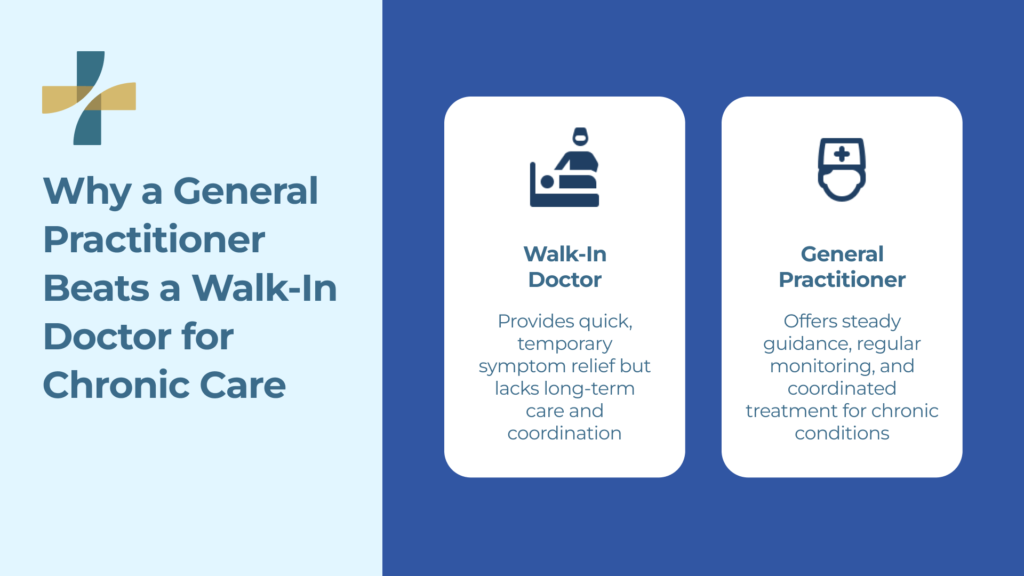
Many patients visit a walk-in doctor when they need quick help, but managing a chronic condition calls for steady guidance and long-term care. Recent Canadian reports show rising rates of conditions such as diabetes and high blood pressure among adults. Statistics Canada has also reported that between 25 percent and 45 percent of adults live with multimorbidity, meaning they manage two or more ongoing health issues. At the same time, UBC’s BC Primary Health Care Research Network highlights that stronger primary care systems improve outcomes for patients who rely on ongoing support, which includes newcomers adjusting to BC’s healthcare system.
With this trend in mind, patients are looking for support that goes beyond temporary symptom relief. A General Practitioner offers planned care, regular monitoring, and coordinated treatment that a simple drop-in visit cannot match. This article explains what chronic care involves, how a General Practitioner (GP) can support each step, and how NV Med Center provides accessible services for adults, seniors, and new immigrants seeking reliable, long-term medical oversight.
Understanding Chronic Conditions and Their Impact
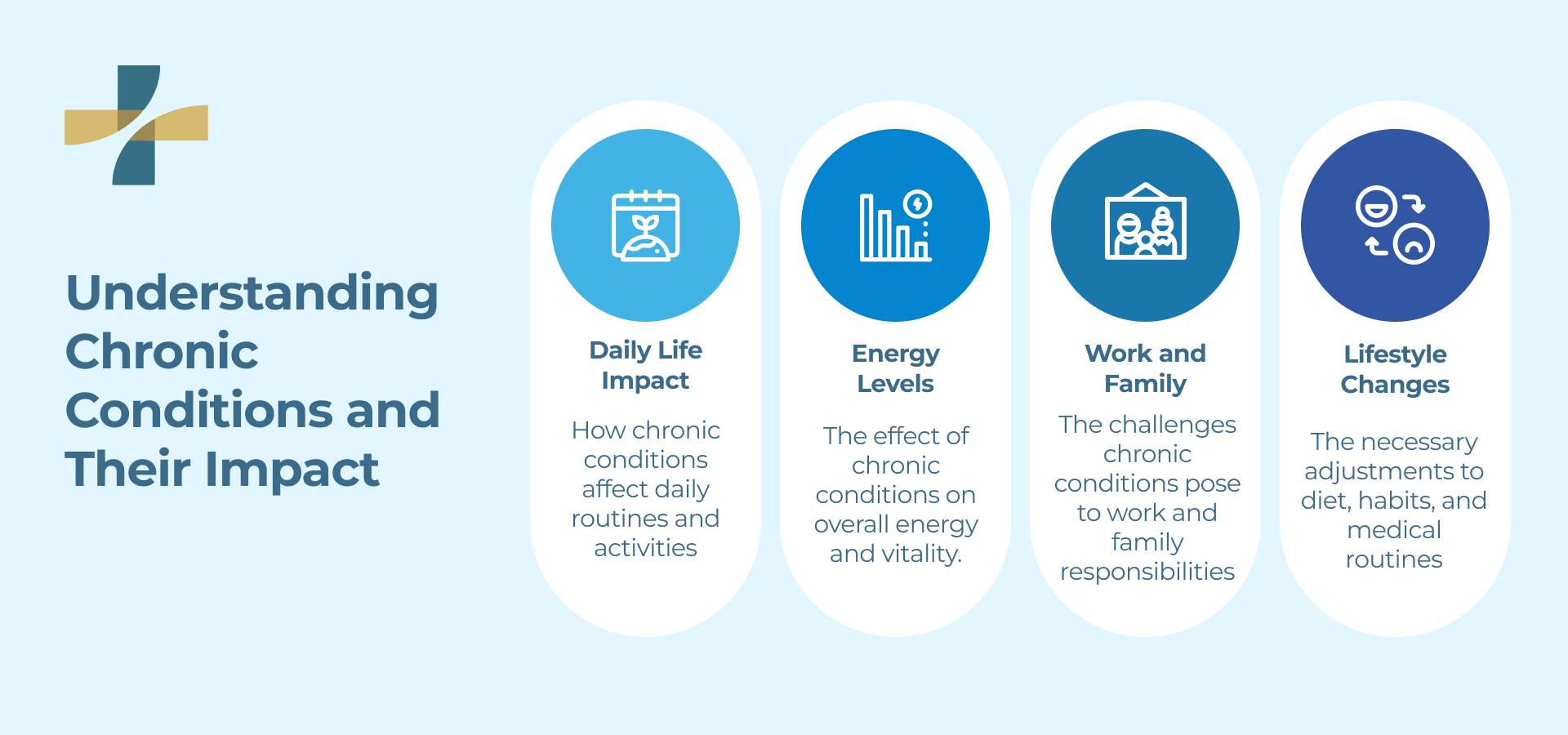
Chronic conditions include illnesses that last longer than three months and require continuous attention. Examples include diabetes, asthma, COPD, thyroid disorders, arthritis, and hypertension. These health issues affect daily life, energy levels, and the ability to work or care for family. They also require long-term changes to diet, habits, medication routines, and medical reviews.
Common Chronic Conditions and Their Health Impact
| Condition | Examples of Symptoms | Long Term Needs |
| Diabetes | Fatigue, thirst, blurry vision | Blood sugar management, medication, and foot care |
| Hypertension | Headaches, nosebleeds | Regular BP checks, diet changes, and medication checks |
| Asthma | Wheezing, shortness of breath | Inhaler updates, lung monitoring, trigger control |
| Thyroid Disease | Hair loss, temperature sensitivity | Blood tests, medication adjustments |
| Arthritis | Joint pain, stiffness | Pain management, mobility support, physio |
For new immigrants in Vancouver, these conditions feel even harder to manage. Many arrive with incomplete medical records or without a stable provider. Others are unsure how Canadian healthcare works or how often they should book reviews. This group often starts by visiting a walk-in doctor because it feels convenient, but chronic diseases require consistent oversight that only a GP can provide.
The Role of a General Practitioner in Chronic Care
A General Practitioner (GP) offers long-term medical support that gives patients structure and confidence. Unlike a walk-in doctor who focuses on short-term concerns, a GP builds an ongoing relationship through repeat visits, detailed health reviews, and continuity of records.
Mini Scenario: A patient with hypertension who visits multiple walk-in doctors may receive different advice, medication renewals, or test requests. A GP tracks their progress over time, reviews blood pressure logs, adjusts medication based on trends, and checks for side effects.
This approach helps prevent complications such as stroke or kidney damage.
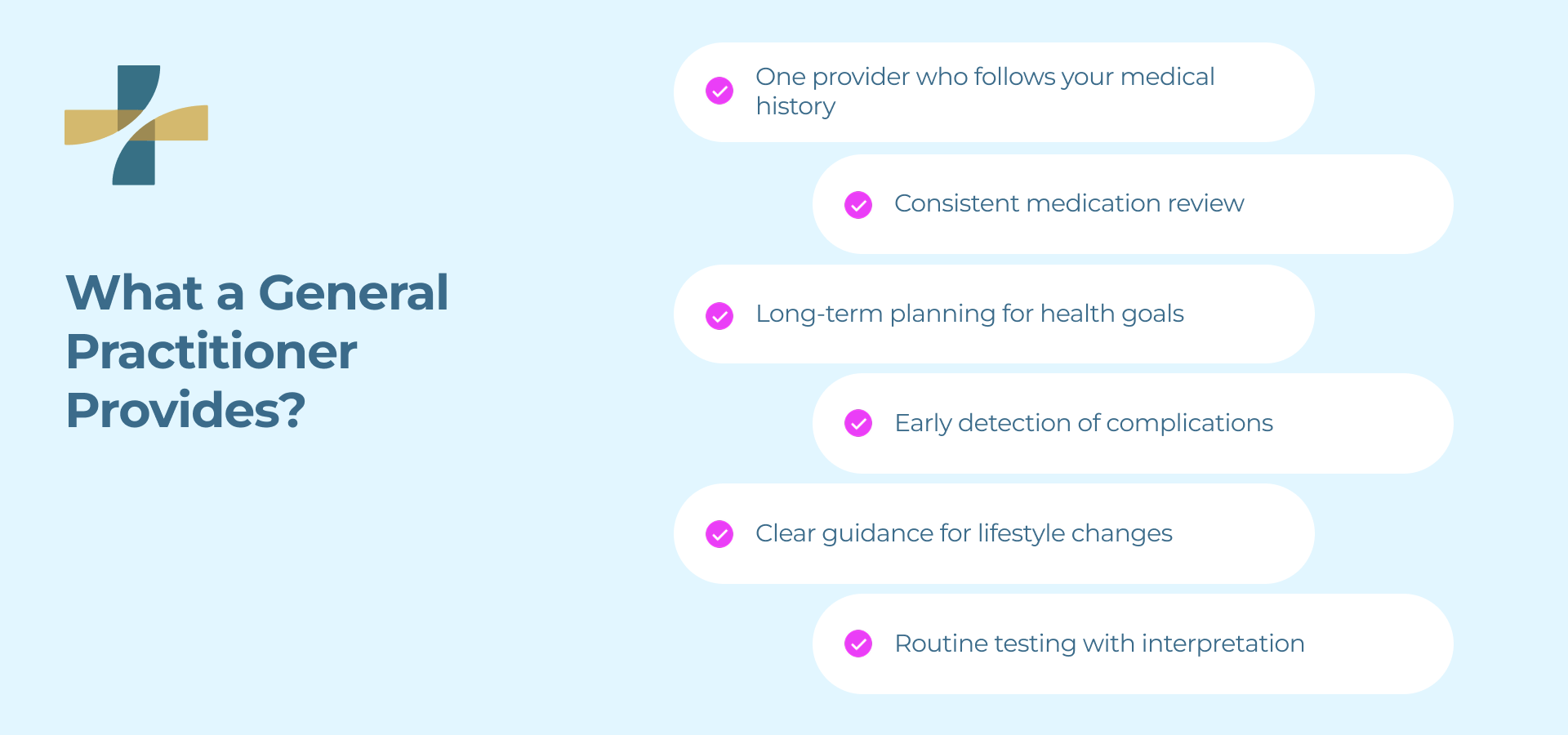
What a GP Provides?
- One provider who follows your medical history
- Consistent medication review
- Long-term planning for health goals
- Early detection of complications
- Clear guidance for lifestyle changes
- Routine testing with interpretation
This makes the GP model more reliable for chronic condition management in Vancouver.
Creating a Personalized Management Plan
A General Practitioner (GP) helps create a structured plan after learning about symptoms, triggers, habits, and family history. This plan becomes the roadmap for long-term health.
What a Personalized Plan May Include
- Lab tests such as A1C, thyroid panels, and cholesterol
- Medication schedules
- Referrals to counselling, physiotherapy, or dietetics
- A plan for reducing flare-ups
- Instructions for home monitoring
- Education on what symptoms require urgent care
For example, a new immigrant living in Vancouver experiences frequent asthma attacks. A walk-in doctor can provide an inhaler refill, but a GP can create a detailed plan that includes:
- Trigger identification
- Lung function testing
- Emergency action steps
- Environmental changes
- Regular follow-ups every three to six months
This structured support helps the patient feel more in control and reduces the need for emergency visits.
Monitoring and Regular Check Ups
Chronic conditions require frequent check-ins to track progress and spot problems early. A General Practitioner (GP) monitors these metrics at planned intervals, while a walk-in doctor only deals with what is happening that day.
According to CIHI, Canada’s 2024–2025 age-standardised rate of potentially avoidable hospitalisations for ambulatory care-sensitive conditions was 325 per 100,000, and people with these conditions do better when they have a regular primary care provider who sees them routinely to diagnose early, monitor, and adjust treatment.

Examples of Regular Monitoring
- Blood pressure readings
- Blood sugar trends
- Lung capacity and breathing patterns
- Medication side effects
- Weight changes
- Sleep patterns
- Stress levels or mental health changes
For instance, a patient with diabetes visits a walk-in doctor for a leg wound. The doctor treats the wound but does not know the patient’s A1C history or previous complications. A GP already understands their risk factors and can:
- Order a foot exam
- offer wound care guidance
- adjust their diabetes plan
- Discuss diet changes
- Monitor nerve damage
This prevents small issues from becoming serious complications.
Coordinating with Specialists and Allied Health Services
Chronic care often involves more than one health provider. A General Practitioner coordinates the entire network so patients do not have to figure out referrals, reports, or follow-up schedules on their own.
How GPs Coordinate Care
- Referrals to endocrinologists, cardiologists, dermatologists, or respiratory specialists
- Collaboration with physiotherapists, kinesiologists, and counsellors
- Reviewing shared test results
- Explaining specialist recommendations in plain language
- Ensuring recommended treatments fit the patient’s long-term plan
Well-known campaigns led by the Canadian Medical Association have urged patients to maintain a regular GP for this exact reason. Consistency leads to better outcomes and fewer emergency room visits.
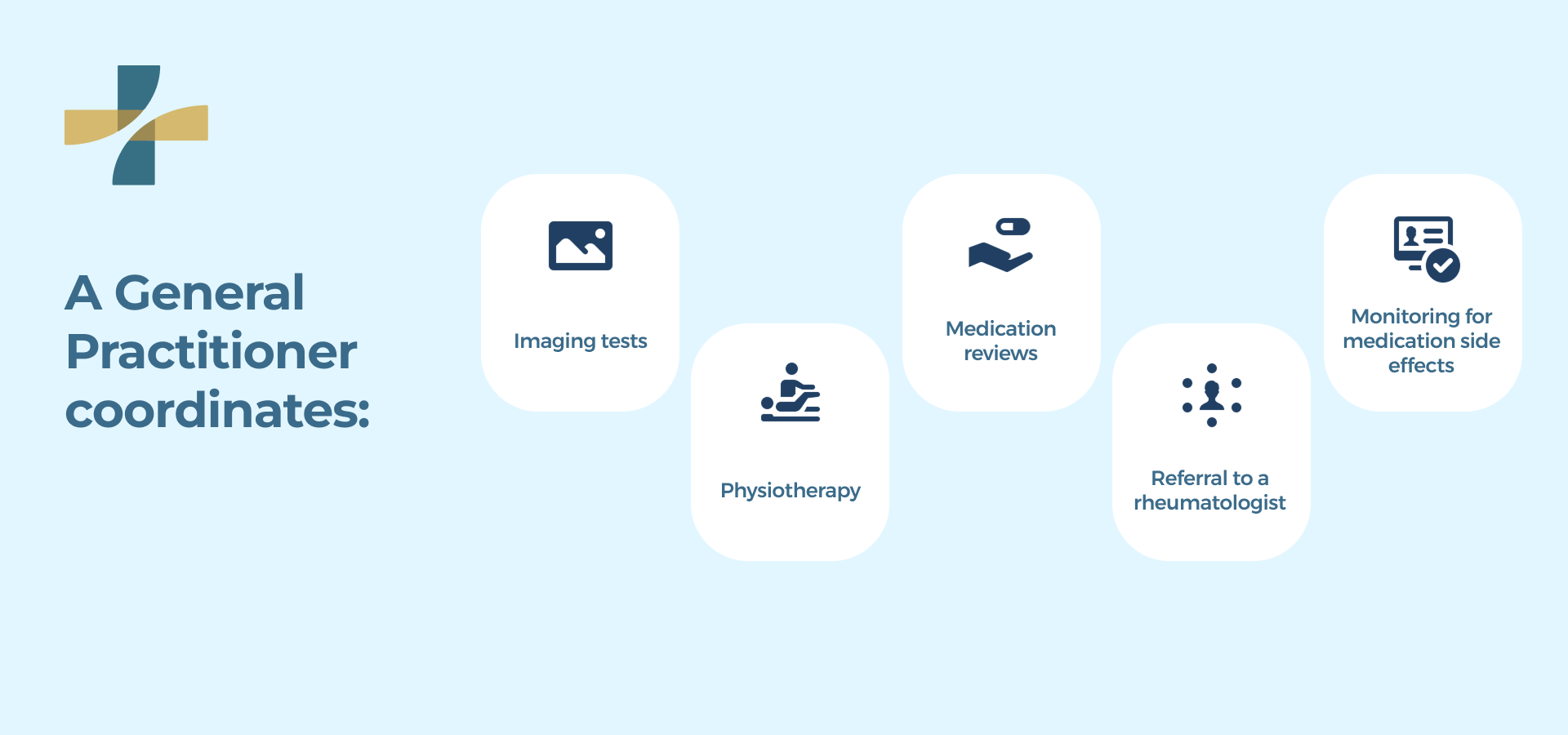
Let’s say a patient with arthritis may need pain management, mobility support, and periodic imaging. A GP coordinates:
- imaging tests
- physiotherapy
- medication reviews
- referral to a rheumatologist
- monitoring for medication side effects
A walk-in doctor does not offer this level of coordination because each visit is isolated.
Lifestyle Advice and Preventive Measures
Chronic conditions improve when patients make changes in diet, exercise, sleep, and stress. General Practitioners (GPs) help with lifestyle coaching that is realistic and based on medical evidence.
Examples of Preventive Measures
- Diet changes for diabetes or high cholesterol
- Exercise plans for arthritis or hypertension
- Weight management referrals
- Smoking reduction strategies
- Stress management through counselling
- Vaccines such as flu shots for high-risk patients
Mini Scenario: A patient with sleep apnea may require weight management support. A walk-in doctor can provide general tips, but a GP can:
- order sleep testing
- Monitor CPAP usage
- Refer to a weight loss specialist
- coordinate with a dietitian
- Follow progress every few months
Preventive work reduces complications and improves energy, mobility, and overall quality of life.
How NV Med Center Supports Chronic Condition Management in Vancouver
NV Med Center provides chronic care support with several in-house services that make treatment easier for patients, especially for newcomers looking for healthcare options for new immigrants in Vancouver.
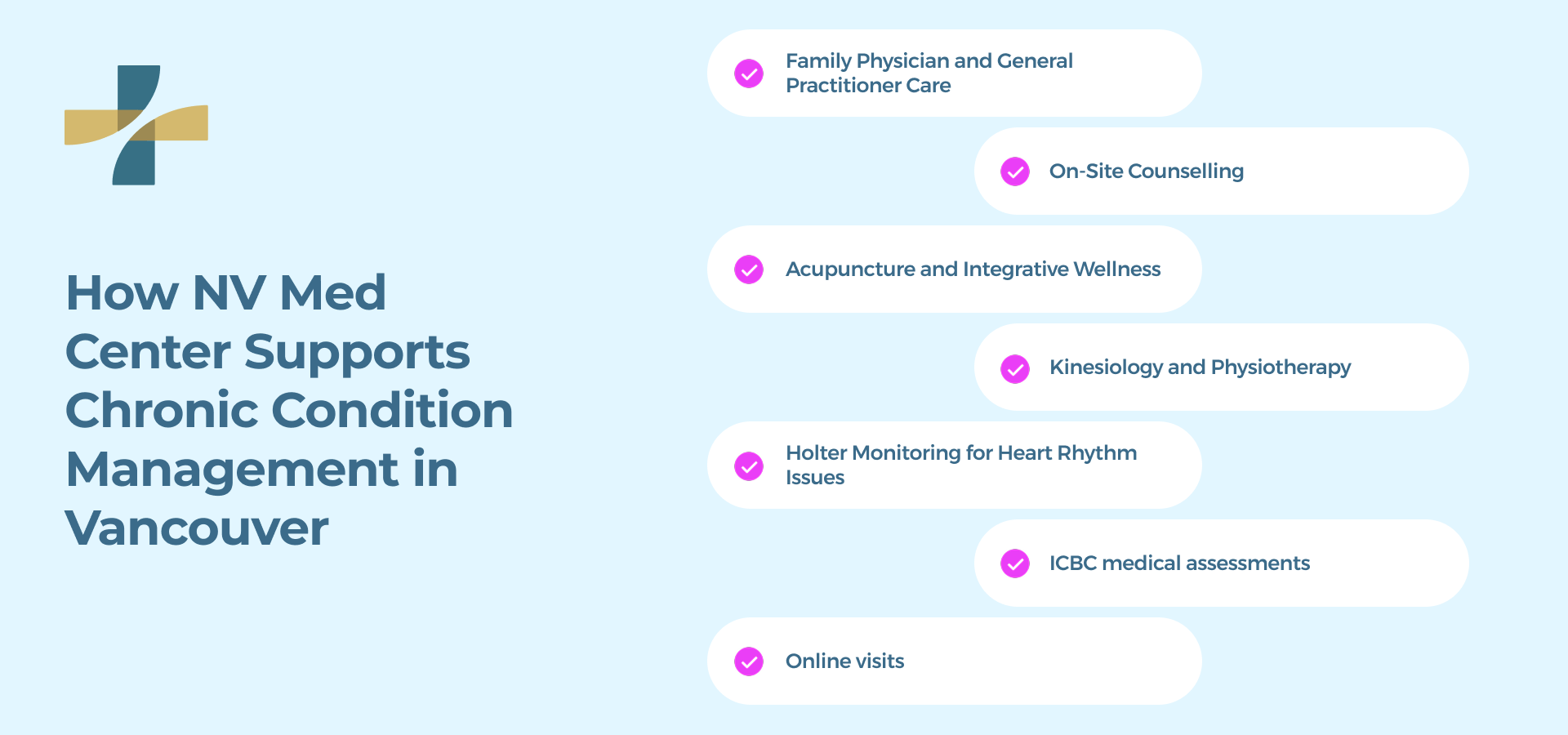
Key Services Supporting Chronic Care
- Family Physician and General Practitioner Care: Long-term oversight, structured plans, preventive screenings, and medication reviews.
- On-Site Counselling: Support for stress, anxiety, and lifestyle challenges linked to chronic illnesses.
- Acupuncture and Integrative Wellness: Helpful for chronic pain, inflammation, stress, digestive conditions, and sleep problems.
- Kinesiology and Physiotherapy: Mobility support, joint protection strategies, and chronic pain management.
- Holter Monitoring for Heart Rhythm Issues: Important for patients with palpitations, dizziness, or irregular heartbeats.
- ICBC medical assessments for patients who need documentation after accidents.
- Online visits for patients who need remote follow-ups.
Patients who currently rely on a walk-in doctor often realise that they need a GP once they see the difference in continuity, structure, and personalised planning. NV Med Center provides both walk-in access and long-term chronic care under the same roof, which helps patients move from short-term visits to organised care that supports their long-term health.
Summary
A walk-in doctor can help with a quick concern, but chronic conditions require regular monitoring, structured plans, and coordinated care. A General Practitioner provides personalised support, preventive strategies, and long-term guidance that improve stability and confidence. For adults, seniors, and newcomers managing long-term health issues in Vancouver, choosing a dedicated GP leads to better outcomes and a clearer path forward.
Book an appointment with a General Practitioner at NV Med Center to start a personalised chronic care plan that supports your long-term health. Online booking is available 24 hours a day.
Frequently Asked Questions
Q1. Can you see a doctor without an appointment?
Yes. Walk-in clinics in Vancouver allow patients to see a doctor without an appointment for minor or urgent issues. However, if you have a chronic condition, a General Practitioner appointment is better for long-term management and record-keeping.
Q2. Is it cheaper to go to a walk-in clinic or a doctor?
For residents covered by the BC Medical Services Plan (MSP), both walk-in and General Practitioner (GP) visits are billed the same way, so there’s no cost difference. The main benefit of a GP visit is continuity and consistent follow-up care.
Q3. How long is the wait for a GP appointment?
Wait times vary by clinic and patient volume. In North Vancouver, patients can often book same-week or next-week appointments for chronic care at clinics like NV Med Center, especially through online booking.
Q4. What are the disadvantages of a walk-in clinic?
Walk-in doctors treat immediate concerns but may not have access to your full medical history. This can lead to gaps in care, repeated tests, or missed follow-ups, especially for ongoing conditions like diabetes or hypertension.
Q5. Where do I go if I don’t have a GP?
If you don’t have a regular family doctor, you can visit a walk-in clinic for urgent needs or register with a medical center that accepts new patients, such as NV Med Center in North Vancouver. They offer both same-day visits and long-term GP care.