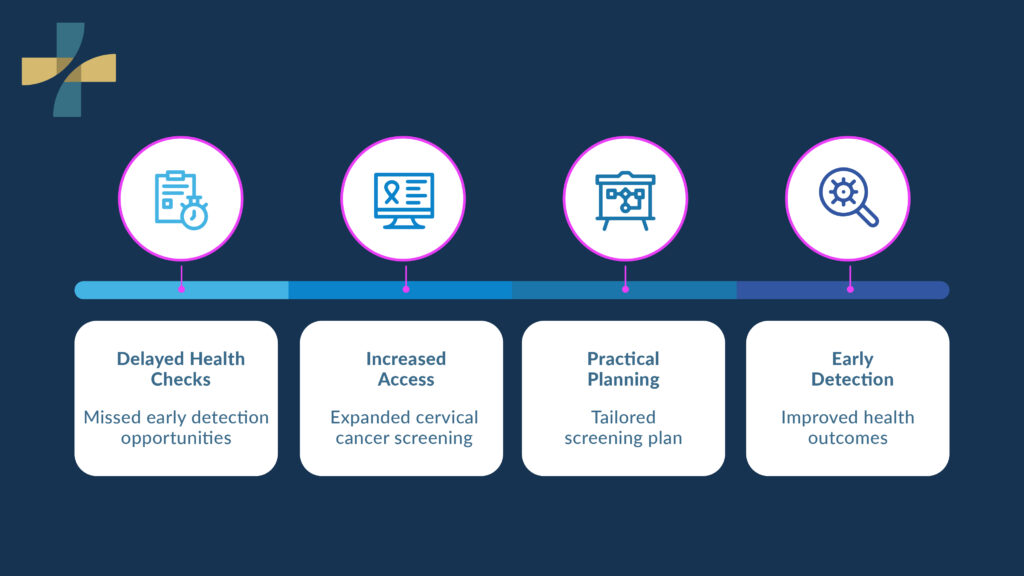
Women’s Preventive Health Screening helps detect medical conditions early, often before symptoms appear. Many health problems such as cancer, thyroid disease, iron deficiency, and heart disease develop gradually. Routine screening tests help doctors detect these issues earlier and guide treatment decisions.
Many women delay routine health checks because they feel well or are busy with work and family responsibilities. Health checks at Vancouver clinics help identify risks early and create a practical screening plan.
Recent health policy changes in British Columbia have expanded access to cervical cancer screening. According to the Canadian Partnership Against Cancer, British Columbia launched Canada’s first HPV self-screening program in January 2024, allowing eligible individuals to collect their own screening sample at home as part of the Cervical Screening BC program.
These initiatives aim to increase screening participation and support early detection of cervical cancer. This guide explains essential health tests for women and when they should be performed according to preventive care guidelines Vancouver healthcare providers follow.
Why Is Women’s Preventive Health Screening Important?
Women’s preventive health screening is the process of identifying disease risk before symptoms appear. Preventive tests for women detect conditions such as cancer, heart disease, anemia, and hormone disorders early. Early detection improves treatment success and supports long term health through routine health checks.
Many diseases develop without clear symptoms in early stages. A woman may feel healthy even when conditions such as high cholesterol or thyroid imbalance are present. Routine screening helps doctors monitor risk factors and recommend treatment before health problems worsen.
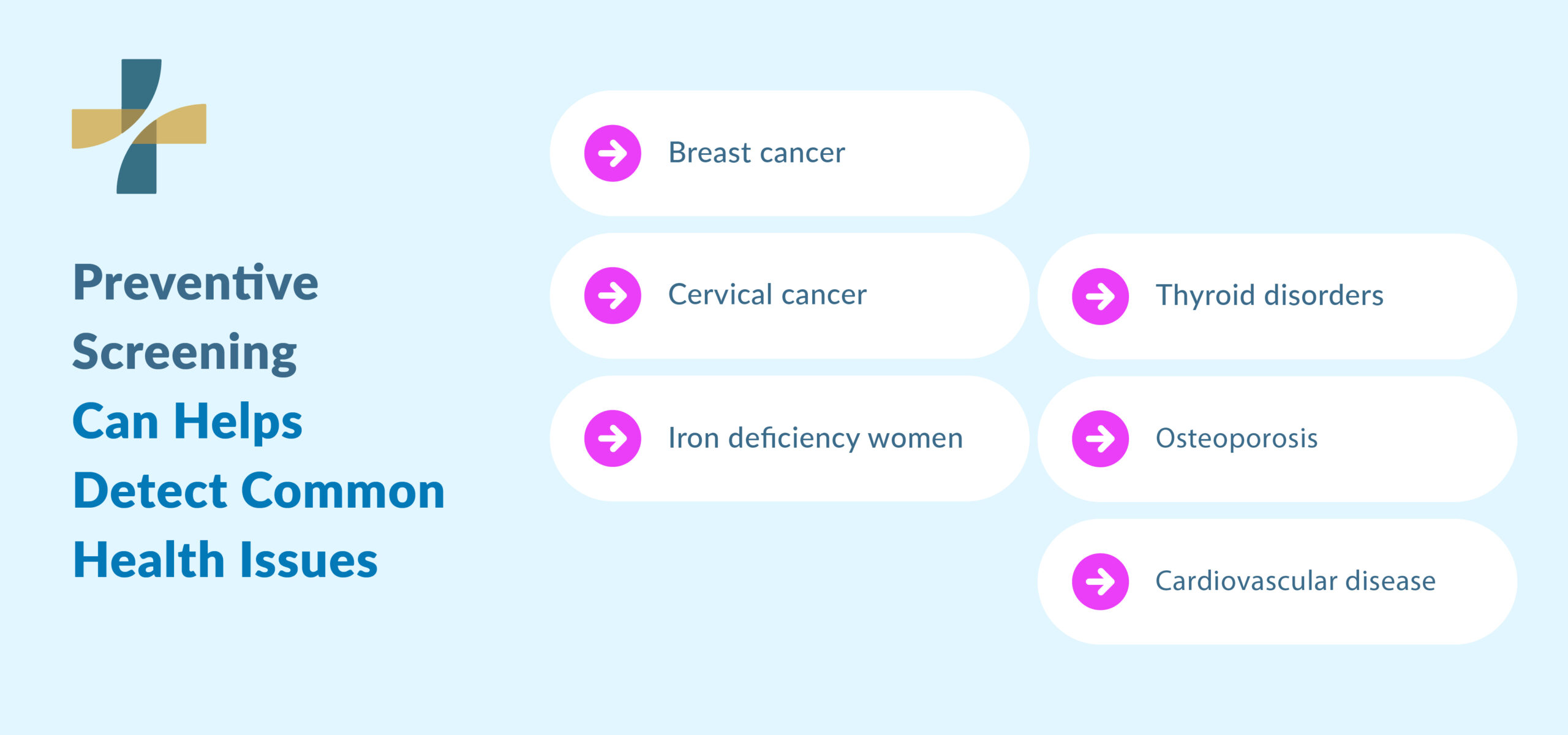
Preventive screening also helps detect common health issues affecting women:
- breast cancer
- cervical cancer
- iron deficiency women
- thyroid disorders
- osteoporosis
- cardiovascular disease
A large cancer mortality analysis published in JAMA Oncology estimated that 5.94 million cancer deaths were averted between 1975 and 2020 through prevention, screening, and treatment advances, with prevention and screening accounting for most of these reductions. Screening allows doctors to detect abnormal changes before disease progresses.
Regular screening also helps doctors track long term health patterns such as weight changes, blood pressure, and cholesterol levels.
What Preventive Health Tests Should Women Have Regularly?
Essential health tests for women include cervical screening, breast cancer screening, blood pressure checks, cholesterol testing, thyroid testing, iron level testing, and bone density testing. These preventive tests for women detect cancer, hormone disorders, cardiovascular disease, and bone loss earlier.
Doctors recommend a group of core preventive tests during routine health visits.
| Screening Test | Purpose | Typical Age to Start |
| Cervical screening test Vancouver | Detects abnormal cervical cells | 25 |
| Breast cancer screening Vancouver | Detects breast tumors | 40–50 |
| Blood pressure test | Identifies hypertension | Adult |
| Cholesterol test | Assesses heart health | Adult |
| Thyroid test women | Detects hormone imbalance | Adult |
| Iron deficiency screening | Detects anemia | Adult |
| Bone density test Vancouver | Detects osteoporosis | 50+ |
These essential health tests for women are often reviewed during an annual health check women appointment. The exact schedule depends on age, family history, lifestyle factors, and medical history.
A general practitioner or gp doctor for women’s health in Vancouver may adjust screening frequency when risk factors exist such as family history of cancer or metabolic disease
When Should Women Start Preventive Health Screenings?
Most women begin preventive health screening in their early twenties with cervical screening and routine medical exams. Additional screenings such as breast cancer screening Vancouver programs, heart health assessments, and bone density testing are introduced later based on age and risk factors.
Preventive screening is usually organized by age group.
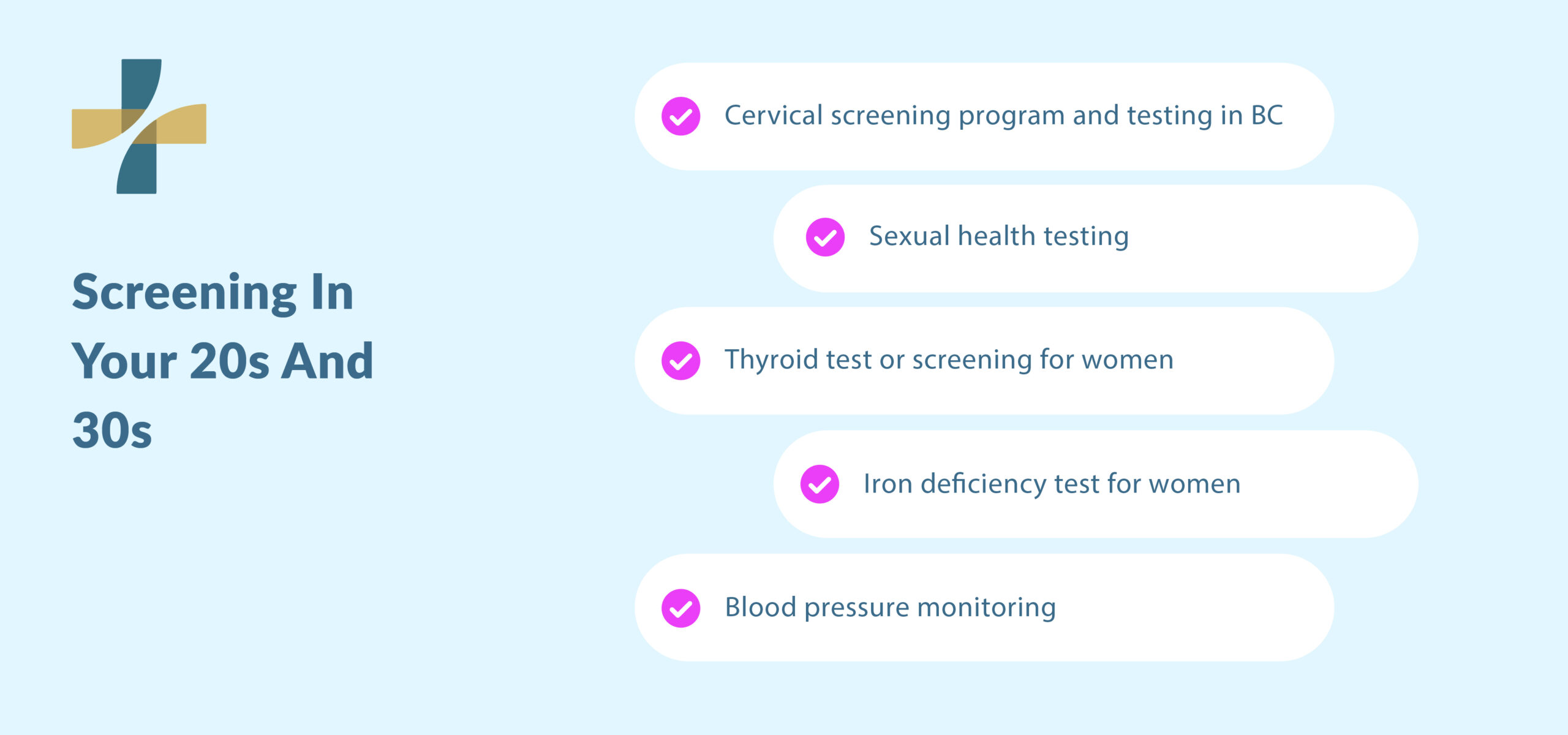
Screening in Your 20s and 30s
In early adulthood, doctors focus on reproductive health, hormone balance, and basic preventive care.
Common screenings include:
- cervical screening program and testing in BC
- sexual health testing
- thyroid test or screening for women
- iron deficiency test for women
- blood pressure monitoring
Iron deficiency can begin earlier in life. According to a 2025 PLOS One study, iron deficiency is common in adolescent girls because iron needs increase during puberty and menstrual blood loss can lower iron stores, especially in those with heavy periods. A simple blood test during routine health checks can detect anemia early.
Screening in Your 40s and 50s
During midlife, additional screening tests become important.
Recommended screenings may include:
- breast cancer screening Vancouver mammography
- cholesterol testing for heart health monitoring for women in Vancouver
- diabetes screening
- colon cancer screening
- hormone testing when symptoms occur
Breast cancer risk increases with age. Mammograms allow doctors to detect tumors before symptoms develop.
Screening After Age 60
Older women benefit from additional screening tests that focus on aging related health risks.
These screenings may include:
- bone density test and scans in Vancouver
- vision and hearing tests
- cognitive health screening
Bone density testing detects osteoporosis before fractures occur.
What Is Included in a Women’s Annual Health Check?
An annual health check women appointment reviews overall health, lifestyle habits, and preventive screening needs. Doctors measure blood pressure, weight, and heart health indicators while reviewing medical history. This appointment helps determine which preventive tests for women should be scheduled.
A routine health check often includes several evaluations.
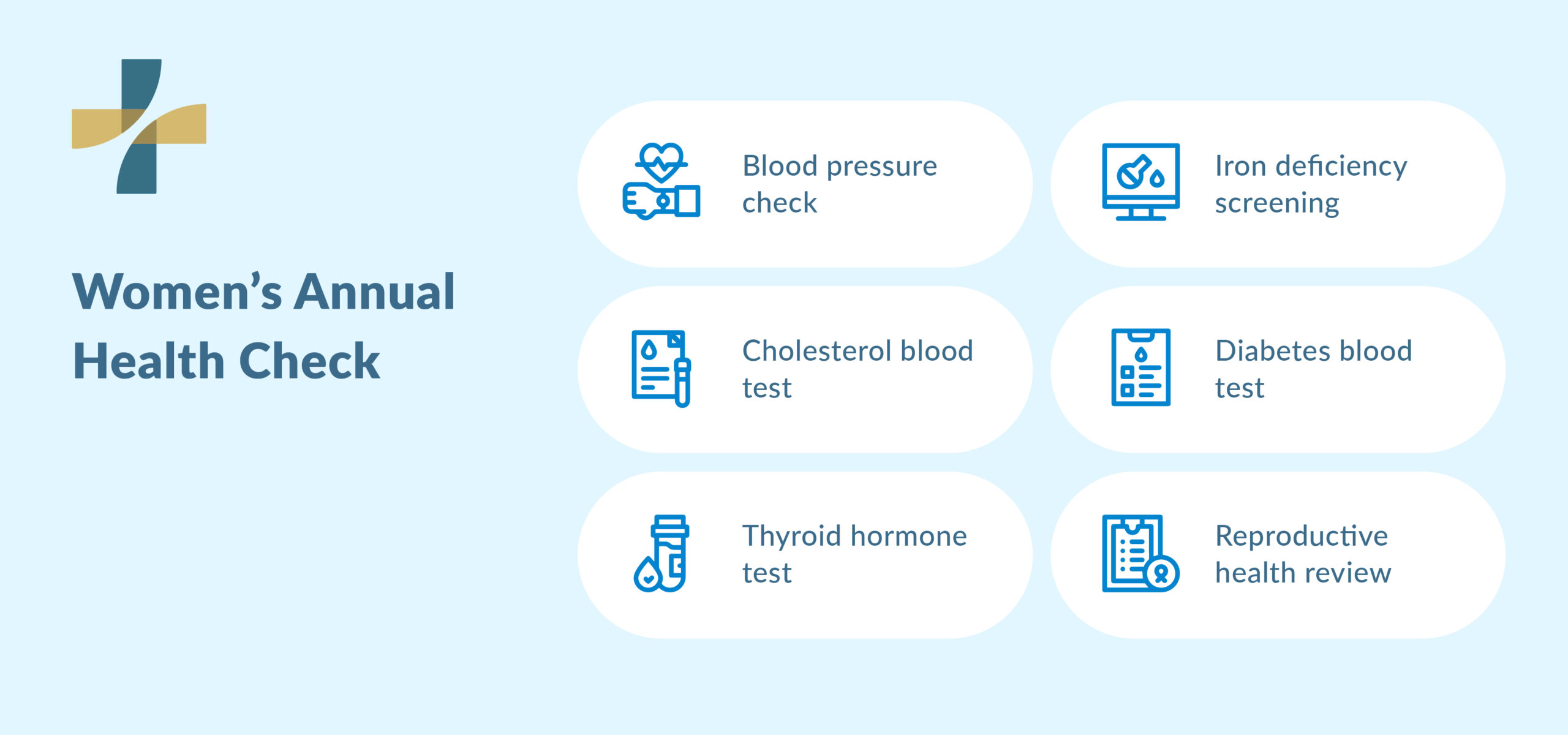
Typical assessments include:
- blood pressure check
- cholesterol blood test
- thyroid hormone test
- iron deficiency screening
- diabetes blood test
- reproductive health review
Many conditions are first identified during routine blood work.
Example scenario:
A patient visits a clinic for a routine health exam. Blood tests reveal elevated thyroid stimulating hormone levels. The doctor orders further testing and diagnoses hypothyroidism early before severe symptoms appear.
Routine exams also help doctors monitor long term trends such as weight change, metabolic health, and cardiovascular risk.
How Do Cervical Screening Tests Work?
A cervical screening test checks the cervix for changes linked to human papillomavirus, or HPV. In Vancouver, regular screening helps detect abnormal cells before they develop into cancer. The cervical screening program in BC recommends regular testing between ages 25 and 65.
Two primary screening tests are used.
| Test Type | Purpose |
| Pap Test | Identifies abnormal cervical cells |
| HPV Test | Detects virus linked to cervical cancer |
HPV infection causes most cervical cancers. Detecting HPV allows doctors to monitor risk and treat abnormal cells early.
British Columbia introduced HPV self screening kits to improve screening access. The program allows eligible individuals to complete the test privately at home. Early results from the provincial program show increased screening participation among people who previously skipped testing.
When Should Women Start Breast Cancer Screening?
Breast cancer screening programs in Vancouver detect tumors before symptoms appear. Mammography uses low dose imaging to identify early breast cancer. Most screening programs begin between ages 40 and 50 depending on personal risk factors.
The Breastscreen program in Vancouver invites eligible women for regular mammograms.
Typical screening recommendations include:
- begin screening between 40 and 50
- repeat mammograms every two years
- earlier screening when strong family history exists
Breast cancer remains one of the most common cancers affecting women. Early detection allows treatment while tumors are still small and easier to treat.
During a mammogram, the breast is placed between two plates that capture an X ray image. The process usually takes less than 30 minutes.
Which Blood Tests Are Recommended for Women?
Blood tests help detect health problems that may not cause symptoms early on. Common blood tests for women include iron studies, thyroid testing, cholesterol checks, and diabetes screening. These tests help doctors assess heart and metabolic health during preventive care visits.
Iron Deficiency Testing
Iron deficiency screening in women detects anemia, a condition that reduces oxygen delivery in the body.
Symptoms may include:
- fatigue
- weakness
- pale skin
- shortness of breath
Blood testing identifies low iron levels and helps guide treatment.
Thyroid Function Testing
A thyroid test and screening for women measures hormones that regulate metabolism.
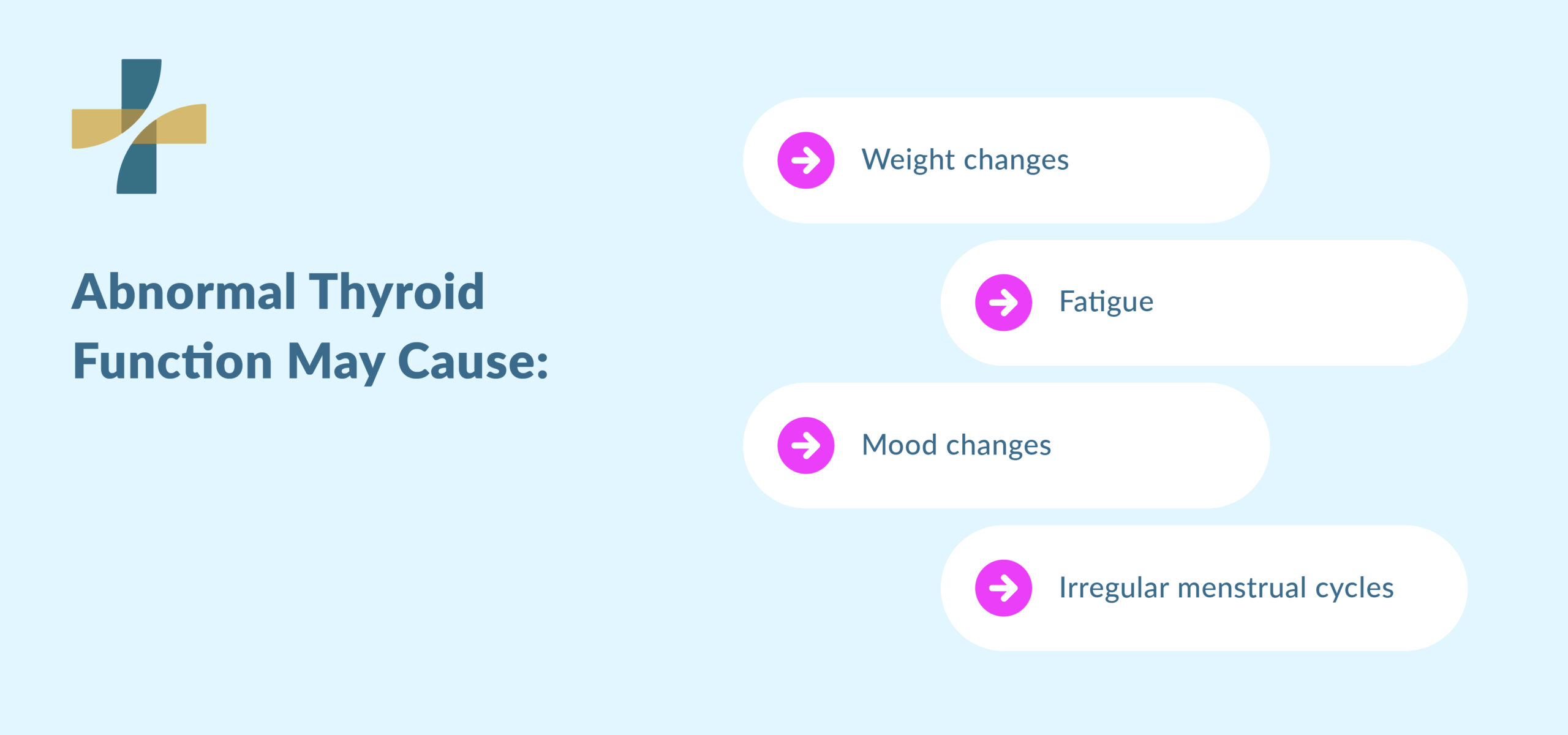
Abnormal thyroid function may cause:
- weight changes
- fatigue
- mood changes
- irregular menstrual cycles
Routine thyroid testing helps detect hormone imbalance early.
Cholesterol and Diabetes Testing
Cholesterol and blood sugar testing support heart health screening for women in Vancouver programs recommend.
Heart disease remains a leading cause of illness and death among women. Screening allows doctors to detect risk factors before heart disease develops.
Why Is Bone Density Testing Important for Women?
A bone density test measures bone strength and helps detect osteoporosis before fractures happen. In Vancouver, doctors often recommend this test for women after menopause or earlier if risk factors are present. Early screening allows doctors to recommend treatments that reduce fracture risk.
Bone density testing uses a dual energy X ray scan called DEXA.
Doctors recommend screening for women who have risk factors such as:
- menopause
- family history of osteoporosis
- smoking
- low body weight
- long term steroid use
Early screening helps doctors recommend lifestyle changes and medications that protect bone health.
How Can Women Schedule Preventive Health Screening in Vancouver?
Women can schedule preventive screening by visiting a gp clinic for women’s health in Vancouver. Doctors review medical history, discuss symptoms, and recommend appropriate preventive tests for women based on age and risk factors.
A typical screening appointment includes several steps.
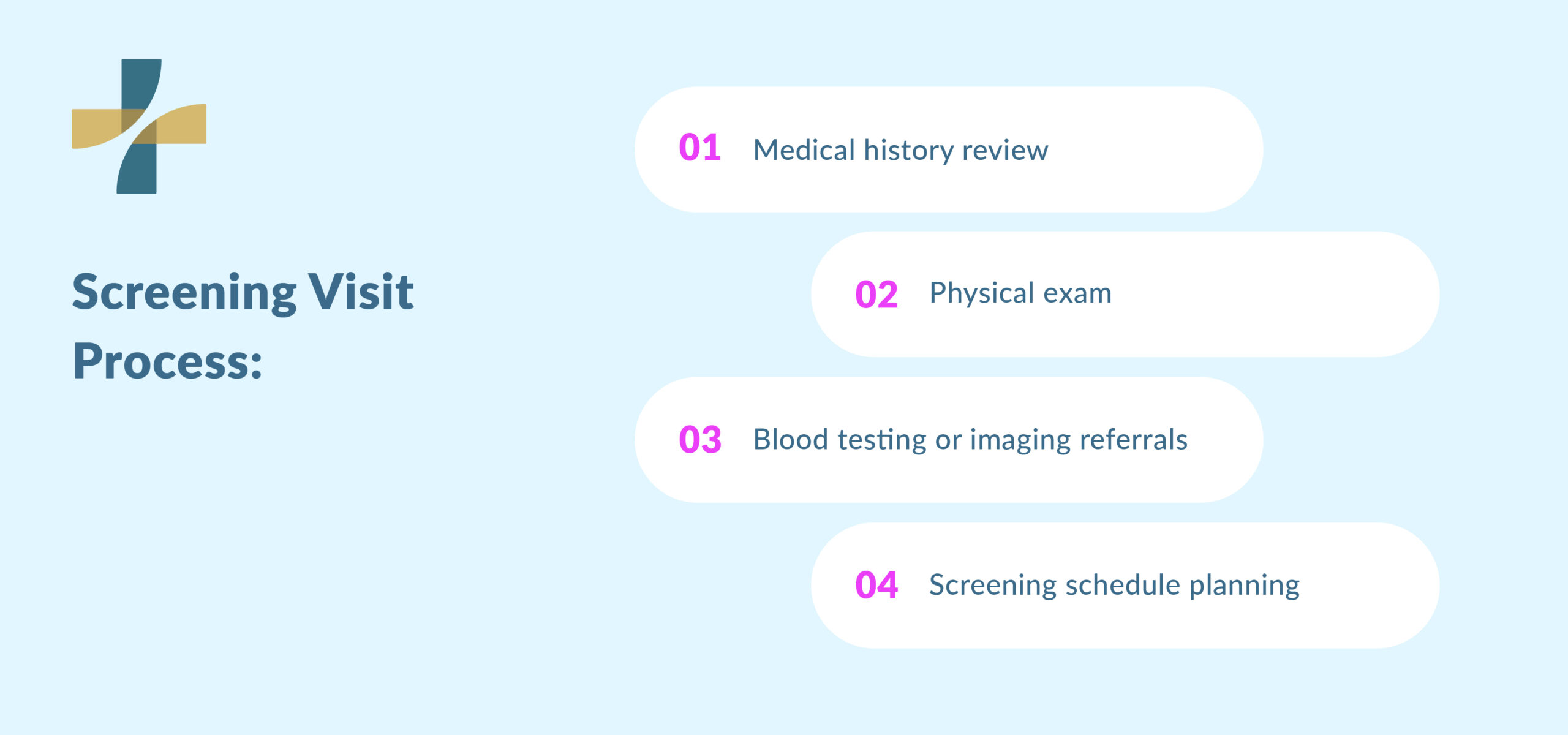
Screening visit process:
- medical history review
- physical exam
- blood testing or imaging referrals
- screening schedule planning
Regular health checks for women in Vancouver help detect medical conditions early and support long term health planning.
Patients who want to review their screening needs can book a screening appointment with primary care providers.
How NV Med Center Helps Women Stay Healthy With Preventive Health Screening
Women’s Preventive Health Screening helps detect cancer, heart disease, hormone disorders, and bone health problems earlier. Regular screening appointments allow doctors to monitor risk factors, guide treatment decisions, and support long term health through structured preventive care.
At NV Med Center, we help women in Vancouver review their risk factors, stay on track with screening schedules, and understand which tests are right for their age and health history. Our team provides support for cervical screening, breast screening, blood work, and other preventive checks in one primary care setting. Book your appointment today.
FAQs
What preventive tests should women have regularly?
Women should receive preventive screenings such as cervical screening, breast cancer screening, cholesterol testing, blood pressure monitoring, thyroid testing, and iron level testing. These tests help doctors detect disease early and monitor long term health risks.
Is cervical screening free in Vancouver?
Cervical screening in British Columbia is available through the provincial screening program for eligible patients. Exact access depends on age, screening history, and program criteria. Patients can speak with their healthcare provider to confirm available options.
When should women start breast screening?
Most women begin breast cancer screening between ages 40 and 50 depending on risk factors. Women with a family history of breast cancer may begin screening earlier based on physician recommendations.
What blood tests are recommended for women?
Common blood tests for women include iron testing, thyroid hormone testing, cholesterol testing, and blood glucose testing. These tests help doctors detect anemia, thyroid disorders, heart disease risk, and diabetes.