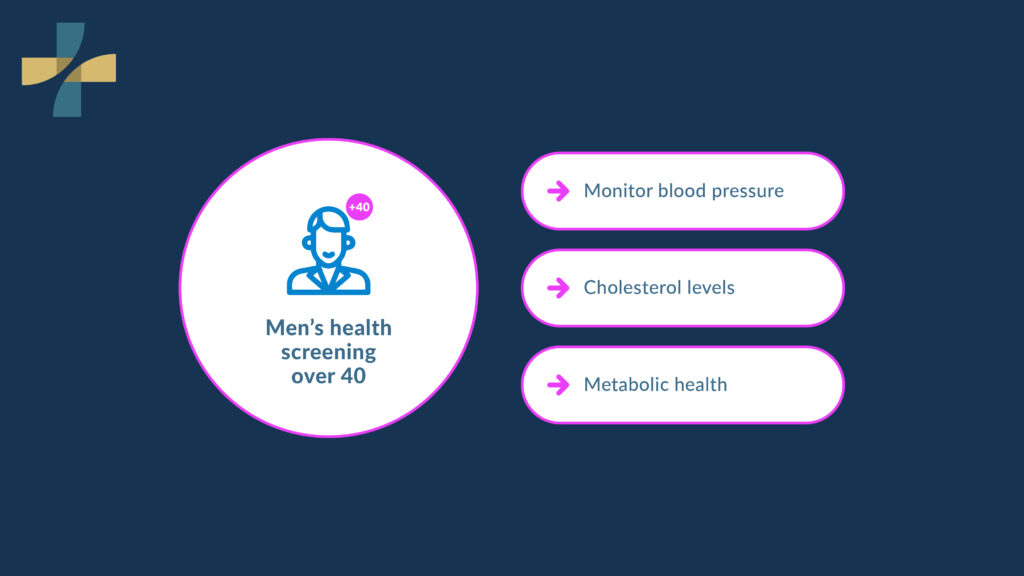
Men’s health screening over 40 helps detect medical conditions before symptoms appear. Many serious illnesses such as heart disease, diabetes, and prostate cancer develop slowly without clear warning signs. Preventive screening helps doctors identify risk factors and treat problems early.
Across Canada, cardiovascular disease remains a major health concern for men. The Public Health Agency of Canada reports that heart disease is one of the leading causes of death among Canadian men. Routine health checks for men over 40 allow doctors to monitor blood pressure, cholesterol levels, and metabolic health while identifying early signs of disease.
Men living in Vancouver often delay annual health checks due to busy work schedules or lack of symptoms. A structured health screening for men 40+ can identify hidden health issues and guide long term care. This guide explains the essential preventive tests for men Vancouver doctors recommend and how to schedule an annual checkup men Vancouver clinics provide.
What Is Men’s Health Screening Over 40 and Why Does It Matter?
Men’s health screening over 40 is a group of preventive medical tests designed to detect diseases early. These health checks for men over 40 monitor cardiovascular health, metabolic conditions, and cancer risk before symptoms appear. Early screening helps doctors treat health problems before complications develop.
After age 40, the risk of chronic illness begins to increase. Many conditions remain silent for years. High blood pressure, diabetes, and high cholesterol often develop slowly without obvious symptoms. Routine screening identifies these risks through simple tests and physical examinations.
Men who maintain regular screenings often detect health issues earlier than those who wait for symptoms. For example, a 45-year-old office worker may feel healthy but still have high cholesterol or early type 2 diabetes. A blood panel during a preventive exam can reveal abnormal markers long before symptoms appear.
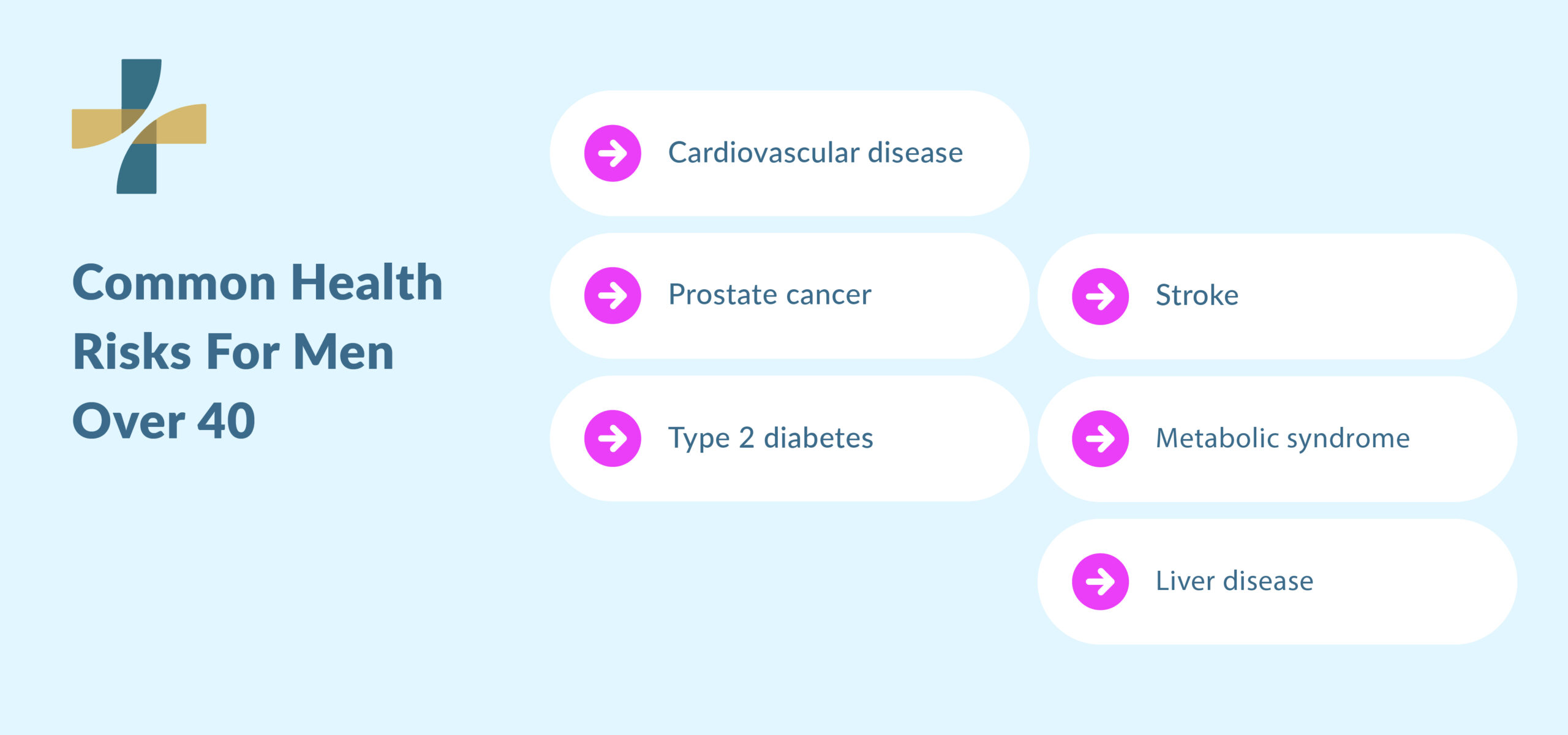
Common health risks for men over 40 include:
- cardiovascular disease
- prostate cancer
- type 2 diabetes
- stroke
- metabolic syndrome
- liver disease
Doctors use screening data to create a personal health plan. This may include lifestyle adjustments, follow up testing, or medication if needed.
What Health Checks Should Men Over 40 Have?
Health checks for men over 40 include preventive tests that evaluate heart health, metabolic risk, and cancer screening. Doctors commonly recommend blood pressure monitoring, cholesterol testing, diabetes screening, prostate evaluation, and bowel cancer screening. These tests help detect health problems early when treatment is more effective.
Routine preventive tests for men in Vancouver clinics often include basic physical assessments and laboratory testing. These evaluations help doctors monitor health trends over time.
Core preventive screenings include:
- blood pressure check for men
- cholesterol test men
- type 2 diabetes screening in men
- prostate screening in Vancouver
- bowel cancer screening in Vancouver
Additional preventive tests may be recommended based on risk factors.
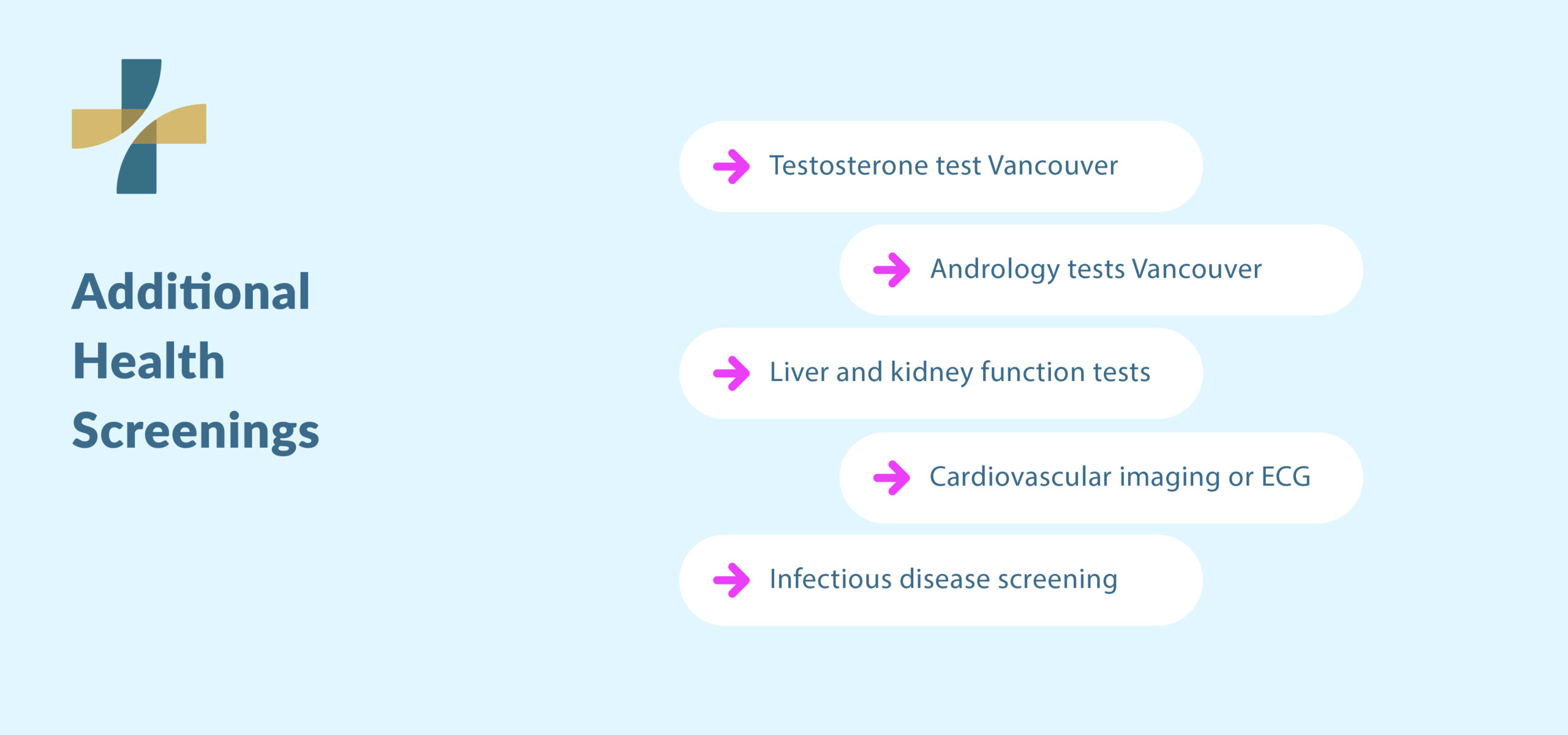
Additional screenings may include:
- testosterone test Vancouver
- andrology tests Vancouver
- liver and kidney function tests
- cardiovascular imaging or ECG
- infectious disease screening
A patient with family history of diabetes may require earlier glucose testing. Another patient with elevated cholesterol may require more frequent cholesterol testing.
These screenings are often part of an annual checkup men Vancouver clinics provide through a primary care visit.
Why Is Heart Health Screening One of the Most Important Tests for Men Over 40?
Heart health screening identifies cardiovascular risk factors such as high blood pressure, high cholesterol, and abnormal blood sugar levels. These conditions often develop without symptoms. Routine monitoring through blood pressure checks and cholesterol tests helps doctors reduce the risk of heart attack and stroke.
Cardiovascular disease remains a leading cause of death among men. Heart disease and stroke affect about 6 million Canadians, according to the 2026 Heart Stroke report. The organisation also states that nearly 80 percent of premature heart disease and stroke cases can be prevented through healthy lifestyle habits.
Blood pressure screening
A blood pressure check men receive during routine screening measures the force of blood moving through arteries. Elevated blood pressure increases the risk of stroke, kidney disease, and heart attack.
Doctors measure blood pressure using a simple cuff test during routine examinations. A patient may discover hypertension during a regular screening despite feeling healthy.
Cholesterol testing
A cholesterol test men receive measures LDL cholesterol, HDL cholesterol, and triglycerides. High LDL cholesterol contributes to plaque buildup in arteries.
Regular cholesterol testing helps doctors monitor cardiovascular risk. Lifestyle changes such as diet and exercise can improve cholesterol levels.
Diabetes screening
Type 2 diabetes screening men receive usually involves fasting glucose tests or HbA1c blood testing. These tests measure blood sugar levels and detect early diabetes.
Diabetes often develops without symptoms. Early detection allows treatment that reduces long term complications such as nerve damage and cardiovascular disease.
Heart health screening tests often include:
| Test | Purpose |
| Blood pressure test | Detect hypertension |
| Cholesterol test | Evaluate cardiovascular risk |
| Blood glucose test | Detect diabetes |
| ECG | Evaluate heart rhythm |
Some patients also receive a heart health check Medicare assessment in jurisdictions where preventive health programs provide coverage.
What Cancer Screenings Should Men Over 40 Know About?
Cancer screening identifies abnormal cells before cancer spreads. Men over 40 may benefit from screening for prostate cancer, colorectal cancer, and lung cancer. Early detection increases survival rates and often allows simpler treatment options.

Prostate screening in Vancouver
Prostate cancer is one of the most common cancers in men. Doctors often begin prostate screening Vancouver assessments around age 50 or earlier for men with higher risk.
Prostate screening methods include:
- PSA blood test
- digital rectal examination
- prostate ultrasound
According to the Canadian Cancer Society, about 1 in 9 men in Canada will develop prostate cancer during their lifetime, which is why regular prostate screening discussions with a doctor become more relevant after age 40.
Bowel cancer screening in Vancouver
Bowel cancer screening Vancouver programs detect colorectal cancer through stool tests or colonoscopy. Screening usually begins around age 45 for men at average risk.
Common screening methods include:
- fecal immunochemical test (FIT)
- colonoscopy
- stool DNA testing
Polyps found during colonoscopy can be removed before they develop into cancer.
Lung cancer screening
Lung cancer screening is recommended for adults with a long smoking history. Doctors may use low dose CT scans to detect early lung cancer.
Skin and general cancer screening
Skin examinations help detect suspicious moles or lesions. Patients with high sun exposure may require yearly skin exams.
Cancer screening programs vary depending on age and risk. Some men may qualify for a cancer screening program Vancouver health providers coordinate through regional services.
What Other Preventive Tests May Be Recommended for Men in Vancouver?
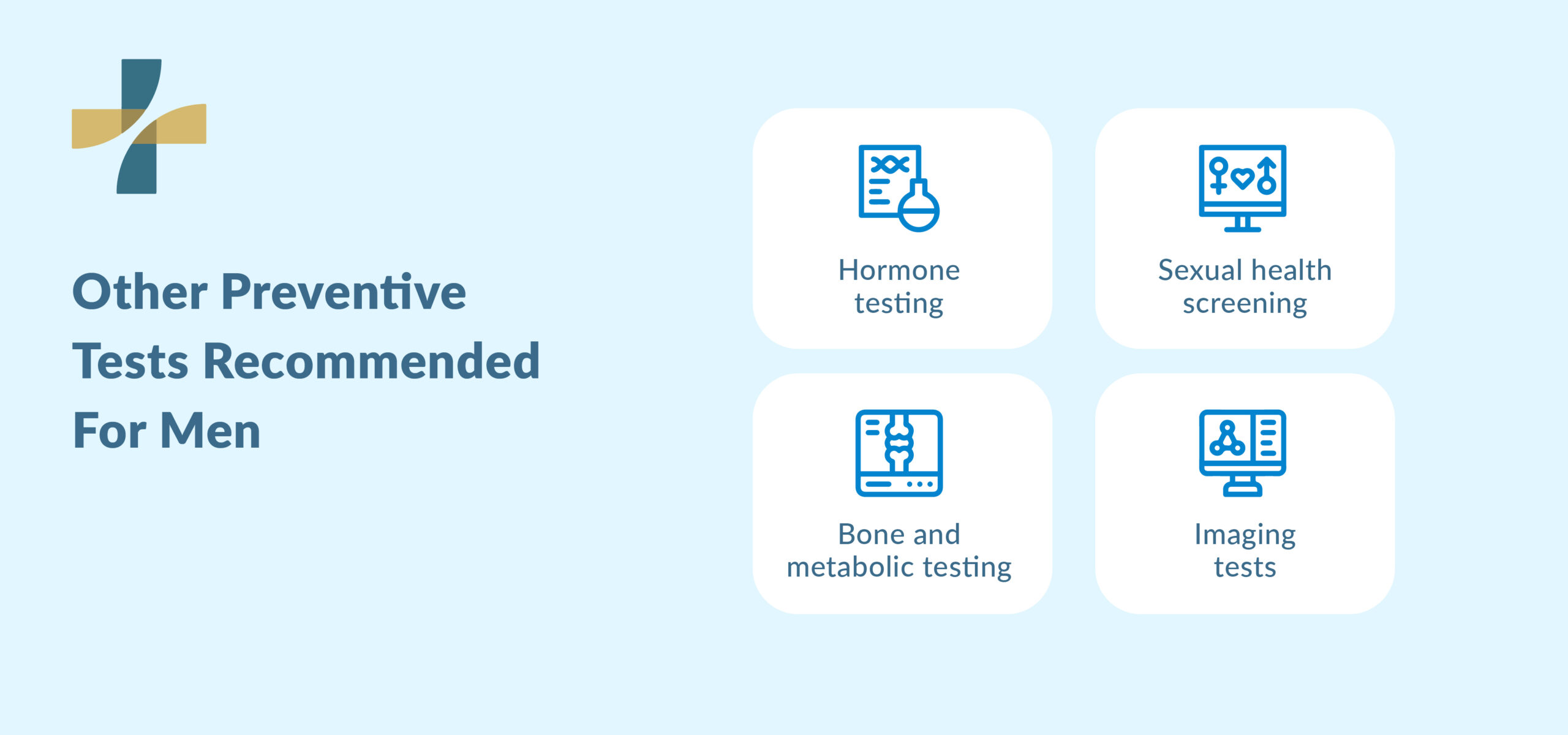
Preventive tests for men in Vancouver that doctors recommend may include hormone testing, infectious disease screening, and imaging exams. These evaluations depend on lifestyle, symptoms, and family history. Doctors tailor screening plans for each patient.
Hormone testing
A testosterone test that Vancouver clinics provide measures testosterone levels in blood. Low testosterone can cause fatigue, reduced muscle mass, and decreased libido.
Doctors may recommend hormone testing when symptoms suggest a hormone imbalance.
Sexual health screening
Sexual health screening helps detect infections such as HIV and other sexually transmitted infections. These tests protect both the patient and partners.
Bone and metabolic testing
Bone density scans detect early bone loss in older men. Blood tests may also measure vitamin D and thyroid function.
Imaging tests
Doctors may recommend imaging tests such as:
- abdominal ultrasound
- ECG
- cardiovascular stress testing
Some patients may also receive andrology tests in Vancouver, which specialists provide for reproductive or hormone-related conditions.
How Often Should Men Over 40 Schedule a Health Screening?
Most doctors recommend an annual health screening for men over 40. These yearly exams help monitor blood pressure, cholesterol levels, and metabolic health. Some tests, such as colonoscopy, occur less frequently depending on results and personal risk.
Typical screening frequency includes:
| Test | Frequency |
| Blood pressure | yearly |
| Cholesterol test | every 4 to 6 years |
| Diabetes screening | every 3 years |
| Colonoscopy | every 10 years |
Certain risk factors may require earlier screening.
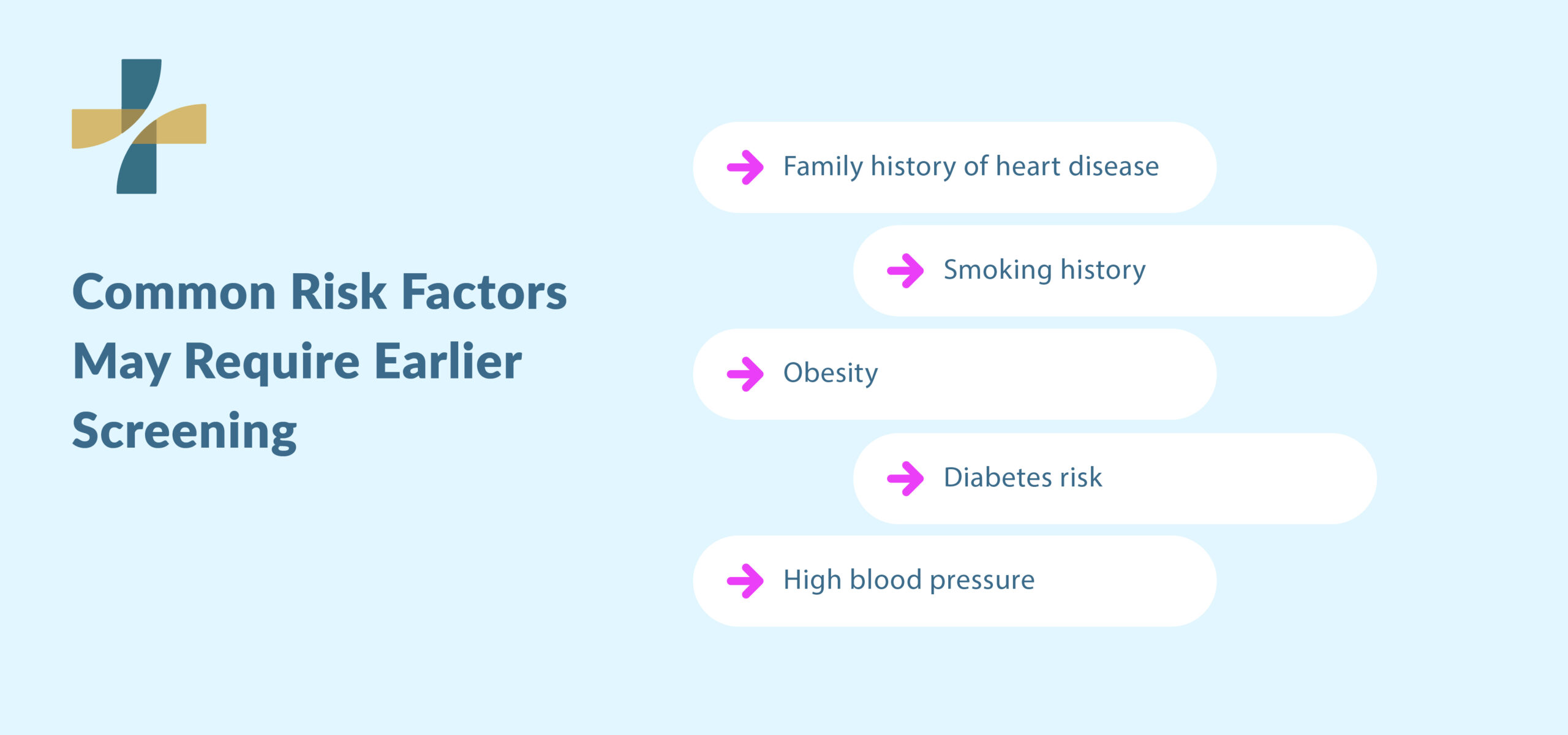
Common risk factors include:
- family history of heart disease
- smoking history
- obesity
- diabetes risk
- high blood pressure
Patients experiencing persistent headaches should seek evaluation as well. The importance of early assessment for persistent headaches relates to identifying possible neurological or cardiovascular causes.
A general practitioner men’s health clinic in Vancouver can evaluate symptoms and adjust screening schedules based on medical history.
How Does a Men’s Health Screening Appointment Work?
A men’s health screening appointment usually includes a physical examination, medical history review, and laboratory testing. Doctors evaluate vital signs, lifestyle habits, and symptoms before recommending preventive tests.
Typical screening visit steps include:
- medical history review
- blood pressure measurement
- weight and BMI assessment
- blood tests
- screening recommendations
Doctors may ask about diet, exercise, smoking history, and family medical conditions. This information helps determine which preventive tests are needed.
Patients should bring:
- medication list
- family health history
- previous test results
A structured annual checkup that Vancouver clinics offer allows doctors to track health changes over time.
Where Can Men Book a Health Screening in Vancouver?
Men can book health screening appointments through primary care clinics that provide preventive medicine services. A general practitioner (GP) men’s health clinic that Vancouver residents rely on can coordinate testing, evaluate risk factors, and guide long-term health management.
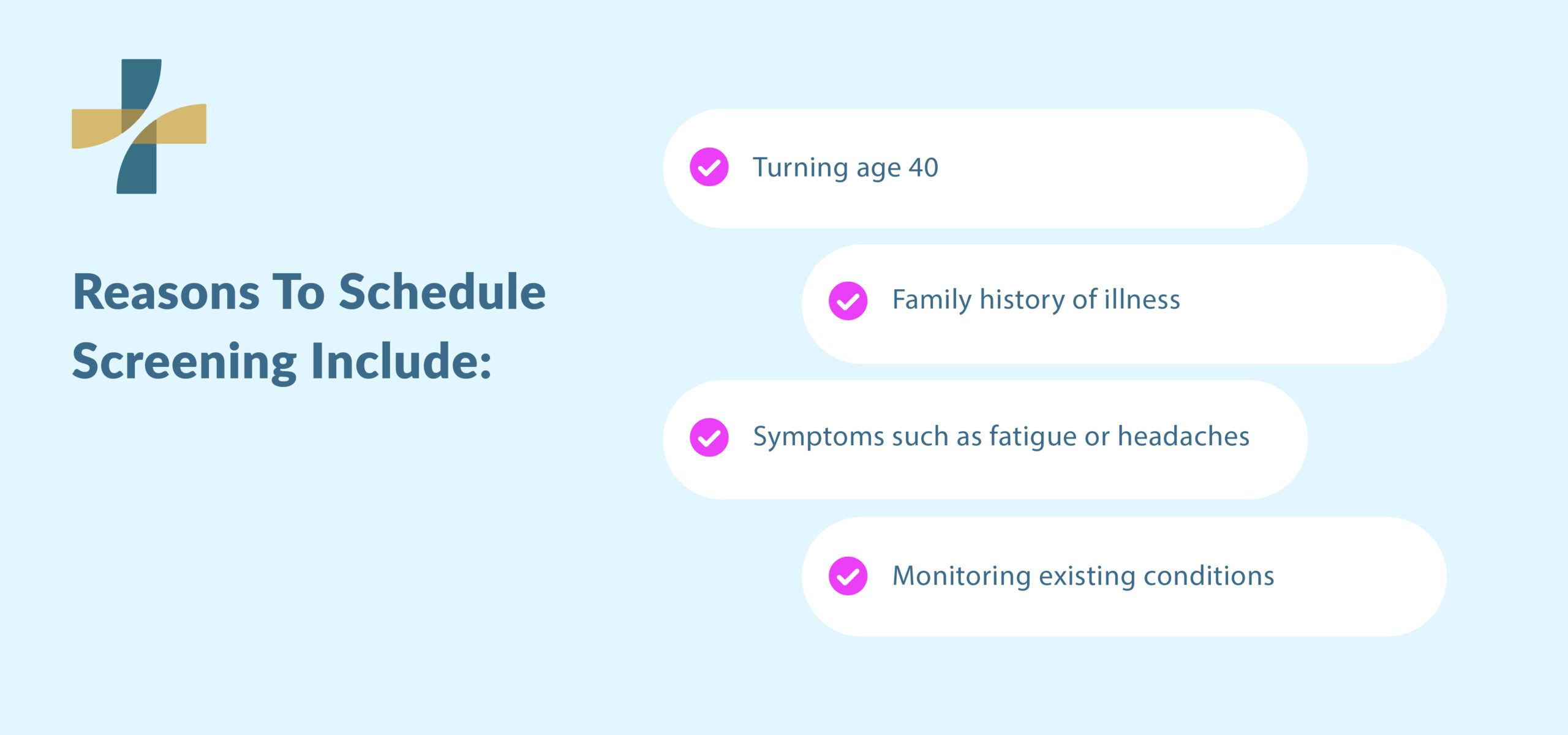
Reasons to schedule screening include:
- turning age 40
- family history of illness
- symptoms such as fatigue or headaches
- monitoring existing conditions
Preventive care allows early detection and better long term outcomes.
How NV Med Center Helps Men Book the Right Health Screening Over 40
Men’s health screening over 40 provides a clear view of current health and future risk. Routine testing allows doctors to detect early signs of heart disease, diabetes, hormone imbalance, and cancer. A structured screening plan supports long term health and reduces the risk of serious illness.
NV Med Center provides preventive care through medical evaluations, laboratory testing, and personalised screening plans. At NV Med Center, patients can schedule a health screening for men 40+ and receive guidance from experienced medical professionals. Book health screening appointments today or contact us to schedule your visit.
FAQs
What health checks should men over 40 have?
Health checks for men over 40 often include blood pressure tests, cholesterol screening, diabetes testing, and cancer screening such as prostate and colorectal evaluations. Doctors may also recommend hormone testing or imaging depending on personal risk factors and family history.
Is prostate screening recommended in Canada?
Prostate screening in Canada is usually discussed with men based on age and personal risk factors rather than recommended as a routine test for all men. Doctors often begin conversations about prostate screening around age 50, or earlier for men with a family history of prostate cancer or other risk factors. Screening may include a PSA blood test and sometimes a digital rectal examination, depending on the patient’s health history.
Are preventive men’s health checks covered in British Columbia?
Some preventive health services in British Columbia may be covered through the provincial Medical Services Plan (MSP) when they are ordered by a physician. Coverage may include doctor consultations and certain laboratory tests that are considered medically necessary. However, some preventive screenings or private health assessments may not be fully covered, so patients should confirm coverage details with their healthcare provider before scheduling a health screening.
How often should men get blood tests?
Many men over 40 benefit from routine blood testing every one to three years depending on risk factors. Doctors may recommend more frequent tests for patients with high cholesterol, diabetes risk, or existing medical conditions.