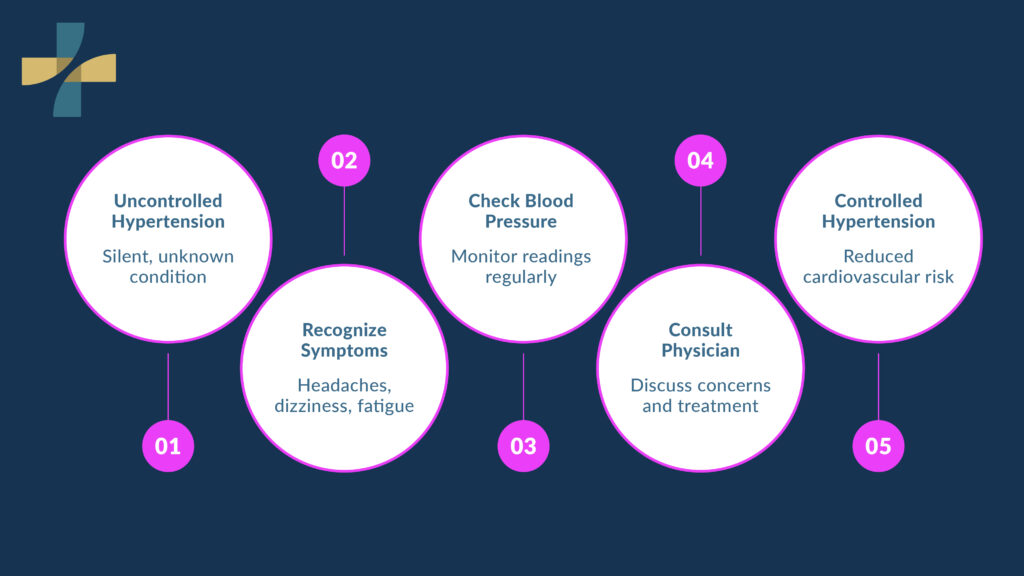
Many people search for high blood pressure symptoms when they experience headaches, dizziness, or fatigue. These symptoms can raise concern about hypertension. The difficulty is that high blood pressure often develops quietly and may not cause clear warning signs.
Hypertension affects millions of adults worldwide. According to the World Health Organization (WHO), an estimated 1.4 billion adults aged 30–79 live with hypertension worldwide, and about 44% do not know they have the condition.
This guide explains the early signs of hypertension, why the condition is often described as silent, and when a blood pressure check and a physician appointment may be needed. It also explains the normal blood pressure range in Vancouver and how routine health checks help reduce cardiovascular risk.
What Are the Early Signs of High Blood Pressure?
High blood pressure symptoms are usually mild and may include headaches, dizziness, fatigue, or blurred vision. However, many people experience no symptoms at all, which is why hypertension is often detected during routine blood pressure checks.
Early symptoms can vary between individuals. Some people notice small changes in how they feel during daily activities.
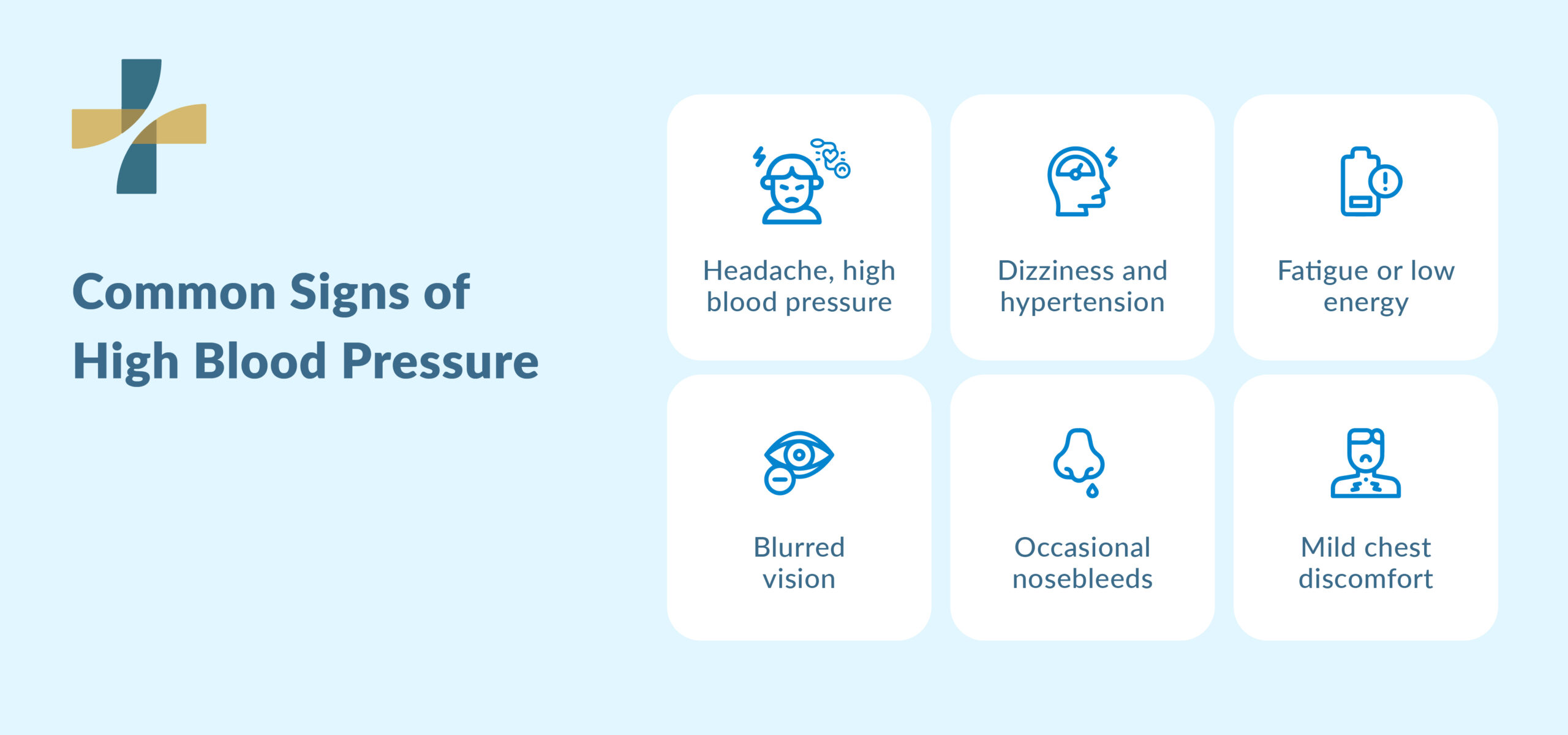
Common signs of high blood pressure may include:
- headache, high blood pressure
- dizziness and hypertension
- fatigue or low energy
- blurred vision
- occasional nosebleeds
- mild chest discomfort
Example scenario
A 42-year-old office worker reports recurring headaches and mild dizziness during the week. At a GP appointment, a blood pressure check shows 135/85 mmHg across repeated readings, which indicates early-stage hypertension.
Symptoms alone cannot confirm hypertension. Stress, dehydration, lack of sleep, and other health issues can cause similar symptoms. A clinical blood pressure measurement is required to confirm the condition.
Can High Blood Pressure Have No Symptoms?
High blood pressure can occur without noticeable symptoms. Many patients feel normal even when blood pressure readings are elevated. This is why doctors often describe hypertension as a silent condition.
Silent hypertension symptoms can allow damage to develop slowly in blood vessels and organs. Over time, high blood pressure can affect the heart, brain, kidneys, and eyes.
Medical organisations such as the American Heart Association explain that high blood pressure usually has no symptoms, which means many people only discover the condition during routine blood pressure checks or medical visits.
Silent hypertension may contribute to conditions such as:
- heart disease
- stroke
- kidney damage
- vascular disease
- vision problems
Example scenario
A 55-year-old patient attends a routine heart health check and Medicare screening, and learns their blood pressure is elevated despite having no symptoms.
This is why regular monitoring plays an important role in preventing complications.
What Is the Normal Blood Pressure Range in Vancouver?
The normal blood pressure range in Vancouver is generally below 120/80 mmHg. Readings above this level may indicate elevated blood pressure or hypertension, depending on the exact values.
Doctors classify blood pressure using systolic and diastolic numbers. The systolic number represents pressure when the heart beats. The diastolic number represents pressure when the heart rests between beats.
| Category | Systolic | Diastolic |
| Normal | Less than 120 | Less than 80 |
| Elevated | 120–129 | Less than 80 |
| Stage 1 Hypertension | 130–139 | 80–89 |
| Stage 2 Hypertension | 140 or higher | 90 or higher |
| Hypertensive Crisis | 180 or higher | 120 or higher |
Higher blood pressure increases cardiovascular risk in Vancouver, including the risk of heart attack and stroke.
Example scenario
A patient has blood pressure readings averaging 132/84 mmHg across two visits. Because this falls within stage 1 hypertension, the doctor may recommend lifestyle changes such as reducing salt intake, increasing physical activity, and scheduling follow-up monitoring over the next few months.
What Symptoms Occur When Blood Pressure Becomes Dangerous?
Severe hypertension can cause noticeable symptoms when blood pressure rises to very high levels. These hypertension symptoms and warning signs may indicate a hypertensive crisis and require urgent medical care.
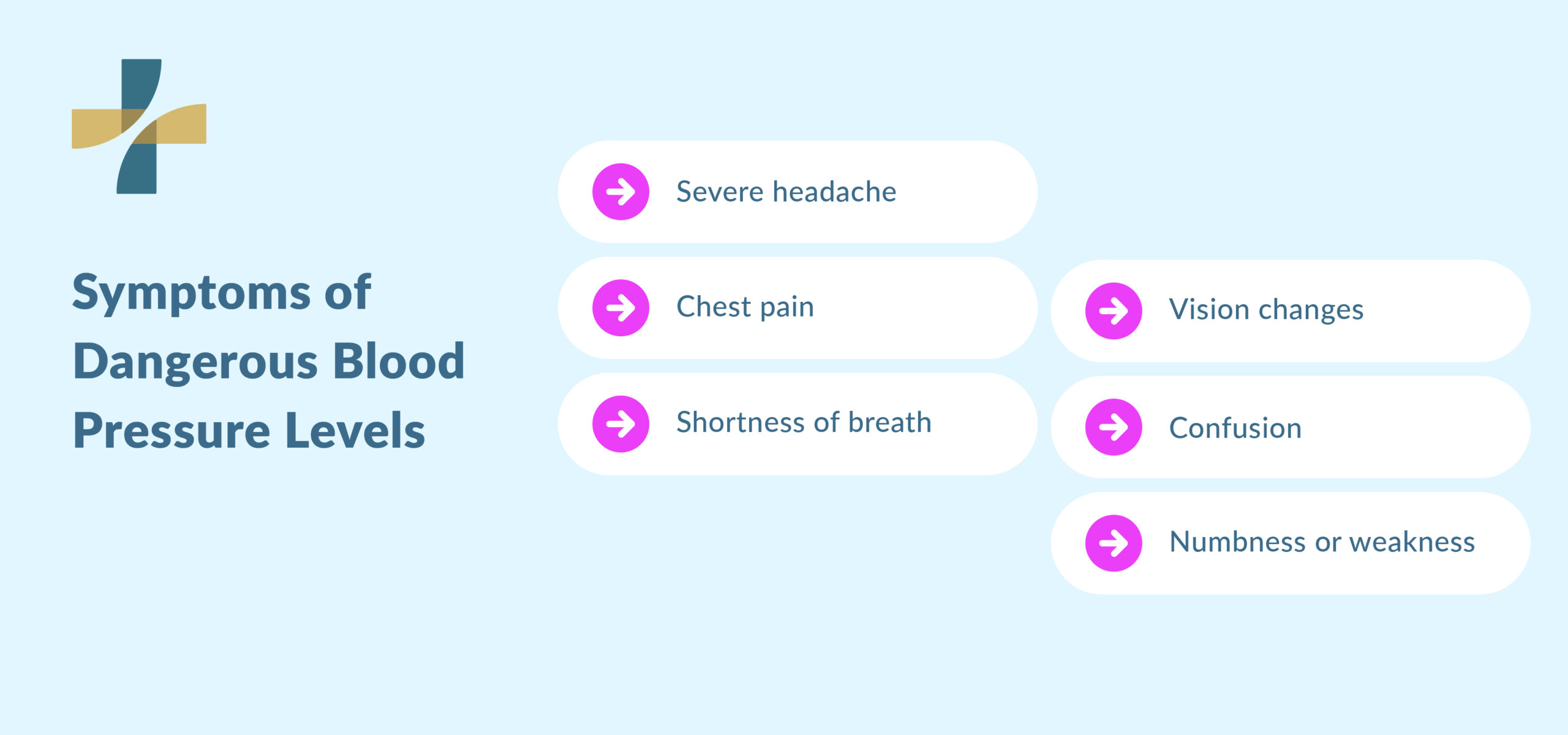
Symptoms of dangerous blood pressure levels may include:
- severe headache
- chest pain
- shortness of breath
- vision changes
- confusion
- numbness or weakness
Medical guidance suggests that readings above 180/120 mmHg with symptoms may indicate a hypertensive emergency. Severe hypertension can damage organs and increase stroke risk if not treated quickly.
What Are the Main Risk Factors for Hypertension?
The main risk factors for hypertension include age, genetics, diet, physical inactivity, smoking, and excess alcohol use. Certain health conditions, such as diabetes and kidney disease, can also increase the risk of developing high blood pressure.
Common risk factors for hypertension include:
Lifestyle factors
- high sodium diet
- physical inactivity
- smoking
- excessive alcohol consumption
- chronic stress
Health conditions linked to hypertension
- diabetes
- kidney disease
- sleep apnea
- obesity
- family history of high blood pressure
A large analysis published in cardiovascular research found that increases of 20 mmHg systolic blood pressure can double the risk of stroke or heart disease.
Example scenario
A 50-year-old patient with a family history of hypertension and several lifestyle risk factors records elevated blood pressure during a routine medical visit. The doctor recommends monitoring and lifestyle adjustments to help manage the readings.
When Should You See a Doctor for High BP?
You should see a doctor for high BP when symptoms persist, or home readings show elevated blood pressure. A medical evaluation can confirm whether hypertension is present and identify possible causes.
Common reasons to schedule a blood pressure check include:
- repeated headaches
- dizziness and hypertension symptoms
- chest discomfort
- family history of heart disease
- Abnormal readings from home monitoring
Emergency symptoms that require immediate care include:
- chest pain
- severe headache
- shortness of breath
- confusion
- blood pressure above 180/120
How Do GPs Diagnose and Manage Hypertension?
General practitioners in Vancouver diagnose hypertension by measuring blood pressure across multiple visits. Doctors review health history, risk factors, and other conditions before confirming the diagnosis.
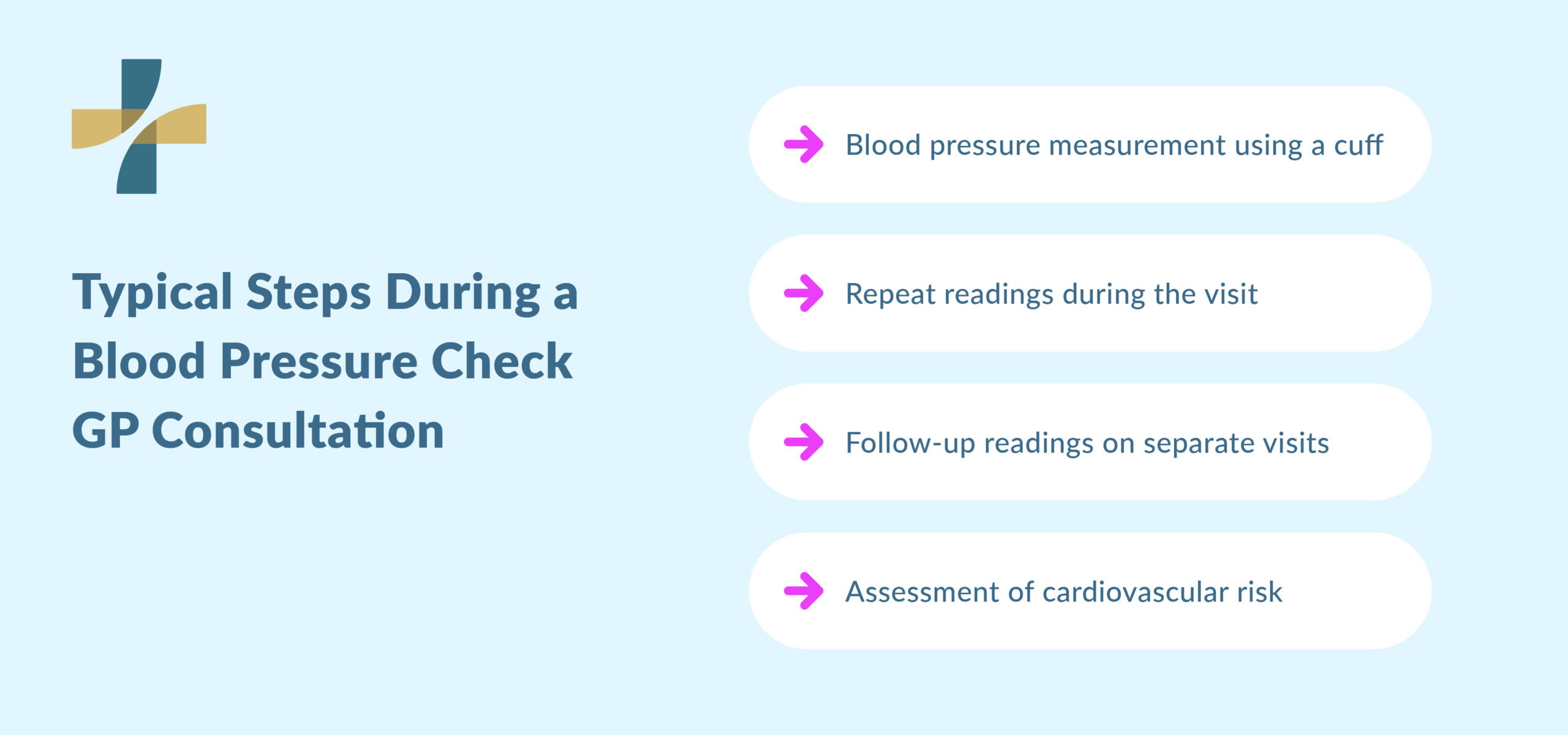
Typical steps during a blood pressure check GP consultation include:
- blood pressure measurement using a cuff
- Repeat readings during the visit
- follow-up readings on separate visits
- assessment of cardiovascular risk
Treatment options may include:
- lifestyle changes
- regular monitoring
- medication if required
Health authorities also recommend lifestyle measures as the first step in hypertension management in Vancouver, including:
- Reducing sodium intake
- Increasing physical activity
- Maintaining a healthy weight
- Stopping smoking
How Can Routine Health Checks Prevent High Blood Pressure Complications?
Routine health checks allow family doctors to detect hypertension before symptoms develop. Early diagnosis can reduce the risk of heart disease and stroke.
Preventive health care often includes:
- blood pressure screening
- cholesterol testing
- diabetes screening
- lifestyle counselling
Benefits of early detection include:
- lower cardiovascular risk
- earlier treatment
- improved long-term heart health
Example scenario
A person attending an annual heart health check learns their blood pressure is rising and begins treatment early.
Why Regular Blood Pressure Checks Matter for Adults Over 30
Regular blood pressure checks help identify hypertension early. Adults over 30 with risk factors should monitor their blood pressure during routine medical visits or through home monitoring.
Screening recommendations often include:
- blood pressure measurement every 2 years for healthy adults
- Annual checks for risk factors exist
Home monitoring can also help detect changes between doctor visits.
How NV Med Center Helps Patients Detect High Blood Pressure Early
High blood pressure symptoms are often mild or absent, which is why routine monitoring plays a major role in protecting long-term heart health. Early hypertension symptoms, such as headaches or dizziness, should prompt medical evaluation. Regular screening helps detect elevated blood pressure before serious complications develop.
At NV Med Center, our team provides blood pressure checks, cardiovascular risk assessment, and ongoing care for patients with hypertension. Our general practitioners support early detection and personalised treatment plans to reduce heart disease risk. Book your appointment to schedule a consultation or book your appointment for a blood pressure check. Recognising high blood pressure symptoms early and scheduling a blood pressure check can help prevent long-term complications.
FAQs
What are the first symptoms of high blood pressure?
Early symptoms may include headaches, dizziness, fatigue, or blurred vision. These symptoms do not occur in all patients and may appear gradually. Many people with hypertension experience no symptoms at all.
Can hypertension have no symptoms?
Yes. Hypertension often develops without noticeable symptoms. This is why doctors describe it as a silent condition. Routine blood pressure checks are often the only way to detect it early.
When should I see a doctor for high BP?
You should see a doctor if home readings repeatedly exceed 130/80 mmHg or if symptoms such as headaches, dizziness, or chest discomfort occur. Immediate care is required if blood pressure rises above 180/120 mmHg with symptoms.
What is normal blood pressure in Vancouver?
Normal blood pressure is generally below 120/80 mmHg. Elevated readings above this level may require monitoring or medical evaluation, depending on individual risk factors.