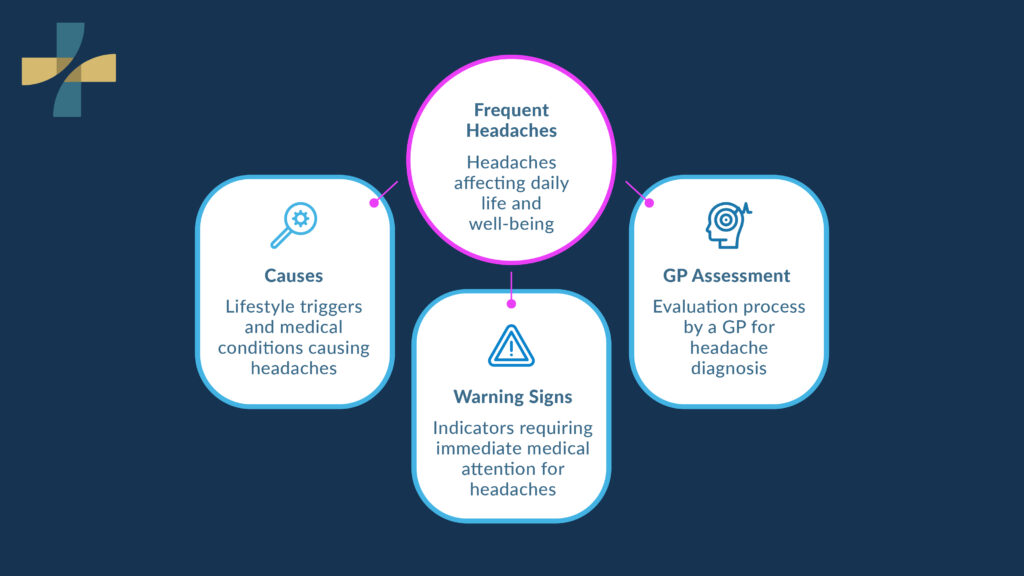
Frequent headache causes range from mild lifestyle triggers to medical conditions that require evaluation. Many adults experience headaches from stress, dehydration, poor sleep, or muscle tension. Others develop chronic headache symptoms that affect work, sleep, and daily activities.
Understanding when to see a doctor for headaches helps prevent complications and leads to faster treatment. The World Health Organization reports that headache disorders affect about 40 percent of adults globally, making them one of the most common neurological conditions.
Many patients delay care because they assume headaches are harmless. Yet repeated headaches can sometimes indicate migraine disorders, blood pressure issues, or neurological problems.
This guide explains the causes of regular headaches, warning signs that require medical attention, and what happens during a primary care headache assessment with a general practitioner (GP) in Vancouver.
What Are the Most Common Frequent Headaches Causes?
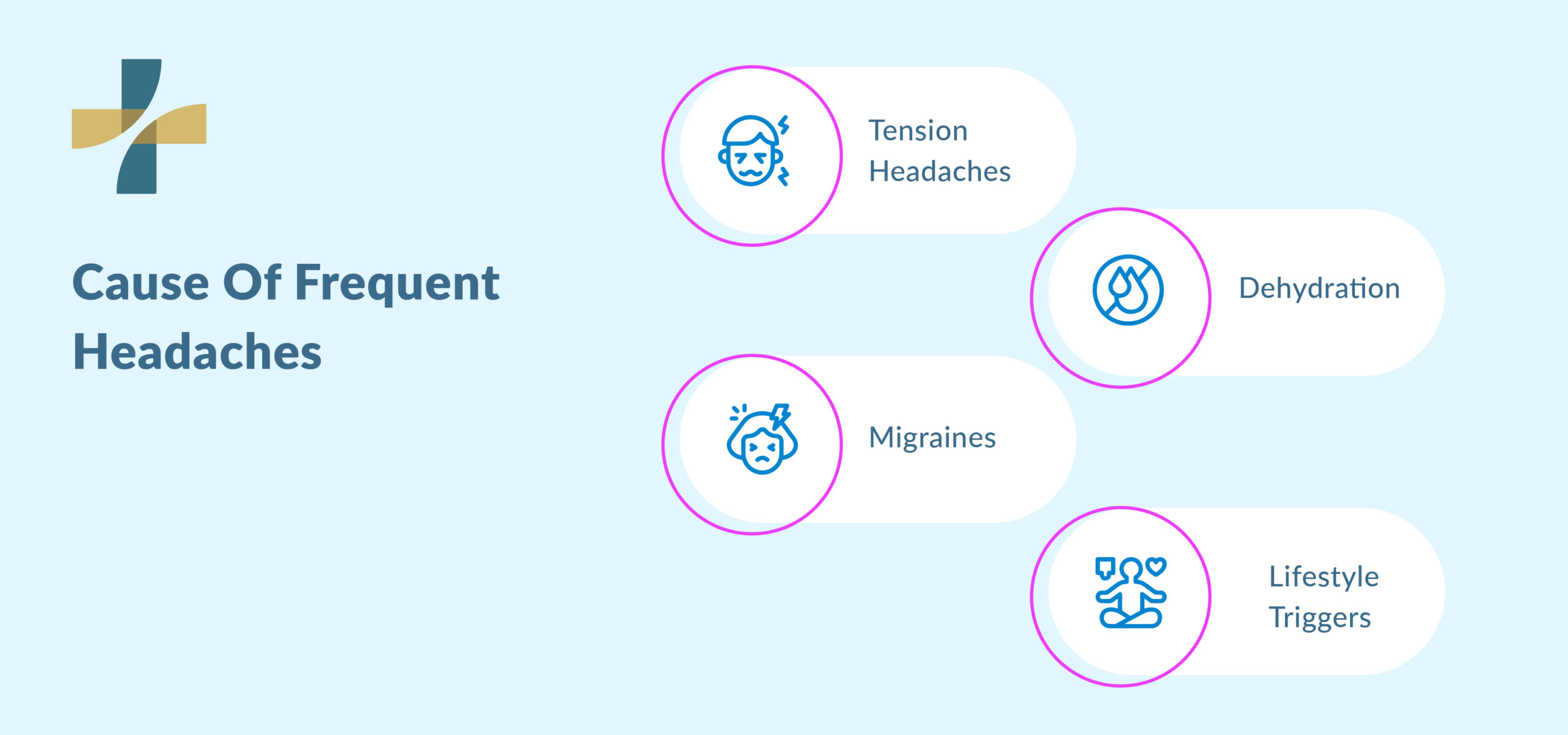
Frequent headache causes usually include tension headaches, migraines, dehydration, and lifestyle triggers such as stress or sleep disruption. These headaches occur when nerves, blood vessels, and muscles in the head send pain signals to the brain. Identifying the type of headache helps determine the best treatment.
Doctors classify headaches into two main categories.
| Headache Category | Description |
| Primary headaches | Headaches that are the main condition, such as migraines or tension headaches |
| Secondary headaches | Headaches caused by another medical issue, such as an infection or high blood pressure |
Primary headaches account for most cases seen in general practice.
Common headache types include
Tension headaches
Tension headache causes often include stress, muscle tension, and long periods of screen use. This type produces mild to moderate pressure around the forehead or back of the head.
Typical symptoms include:
- dull, aching head pain
- tightness in the neck or shoulders
- pain on both sides of the head
Many office workers in Vancouver experience tension headaches after several hours of computer work.
Migraines
Migraine symptoms in Vancouver that patients often report include throbbing pain on one side of the head, nausea, and sensitivity to light or sound.
Migraines can last from four hours to three days. Some patients also experience visual disturbances called an aura.
Common migraine triggers include:
- sleep disruption
- hormonal changes
- certain foods
- weather changes
According to neurologist Dr Peter Goadsby of King’s College London, migraines involve abnormal signalling between brain cells and blood vessels that activate pain pathways.
Dehydration headaches
A dehydration headache occurs when the body loses too much fluid. Reduced blood flow to the brain may trigger pain signals.
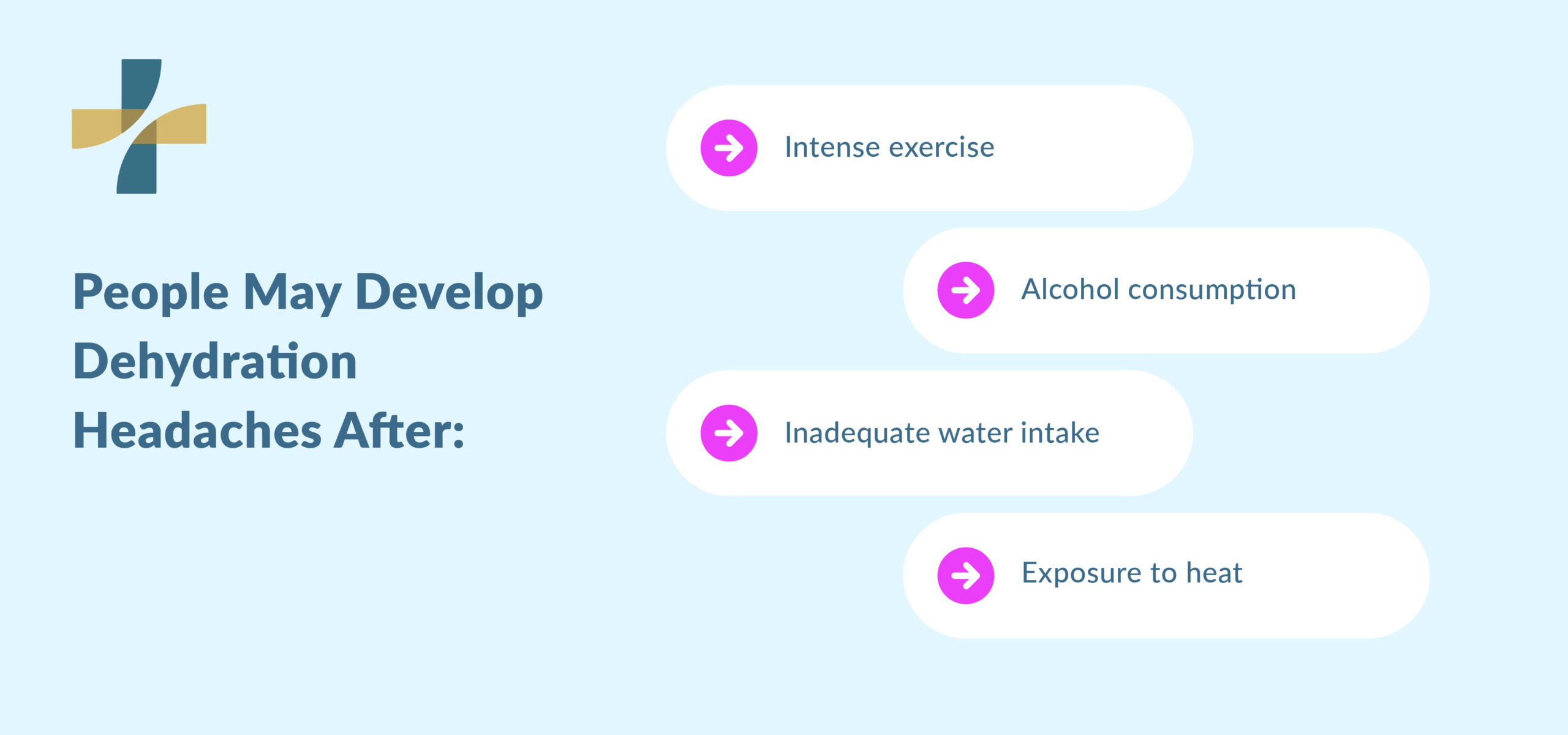
People may develop dehydration headaches after:
- intense exercise
- alcohol consumption
- inadequate water intake
- exposure to heat
Many patients notice headaches during hot weather or after long outdoor activities without sufficient hydration.
Can Blood Pressure and Other Medical Conditions Cause Frequent Headaches?
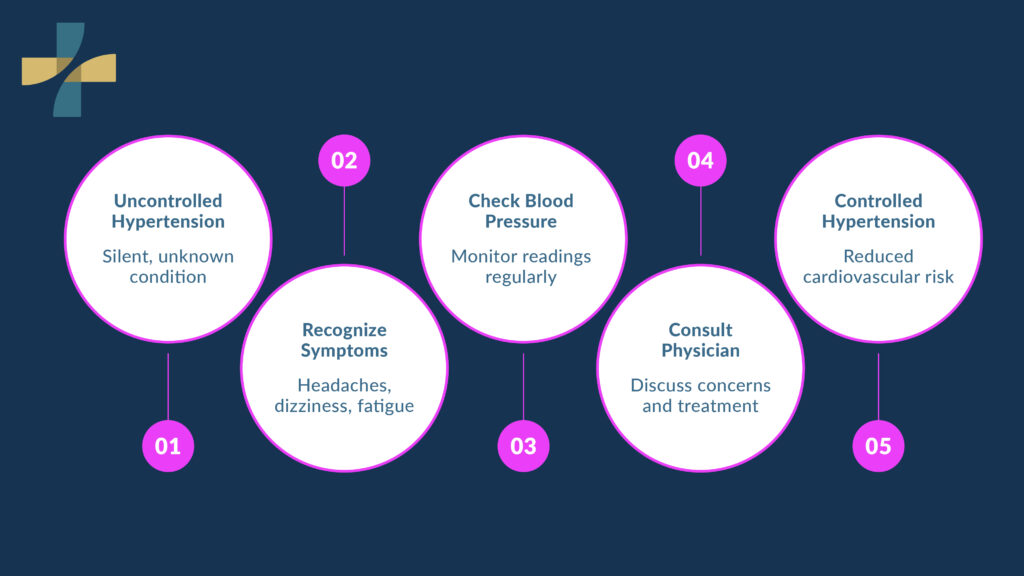
Blood pressure and headaches may be connected when hypertension affects blood vessel function in the brain. While most headaches are not dangerous, recurring headaches may sometimes signal underlying medical conditions such as sinus infections, sleep disorders, or hormone changes.
Medical causes of frequent headaches include:
| Medical Condition | Possible Headache Pattern |
| High blood pressure | Morning headaches or pressure sensation |
| Sleep apnoea | Morning headaches with fatigue |
| Sinus infection | Pain around the forehead or cheeks |
| Hormonal changes | Migraines linked to menstrual cycles |
| Medication overuse | Daily headaches after frequent painkiller use |
Example scenario:
A person who experiences headaches every morning may discover during a consultation that high blood pressure is contributing to the symptoms.
The Heart and Stroke Foundation of Canada reports that uncontrolled hypertension can increase the risk of headache disorders in some patients.
Doctors also evaluate lifestyle factors such as:
- caffeine intake
- alcohol consumption
- irregular sleep patterns
- long periods of screen exposure
Addressing these factors often reduces headache frequency.
What Are the Warning Signs or Headache Red Flags?
Headache red flags are symptoms that may signal a serious medical condition such as stroke, meningitis, or bleeding in the brain. Recognising these warning signs helps patients decide when to seek urgent medical care.
Emergency symptoms include:
- sudden severe headache described as the worst headache of your life
- confusion or difficulty speaking
- weakness on one side of the body
- high fever with stiff neck
- vision loss or double vision
- loss of consciousness
Other concerning symptoms include:
- headaches after a head injury
- headaches that worsen quickly
- headaches with persistent vomiting
Example scenario:
A sudden thunderclap headache during exercise may indicate a vascular issue and requires urgent hospital evaluation.
Patients who experience these symptoms should seek emergency medical care.
When Should You See a Doctor for Headaches?
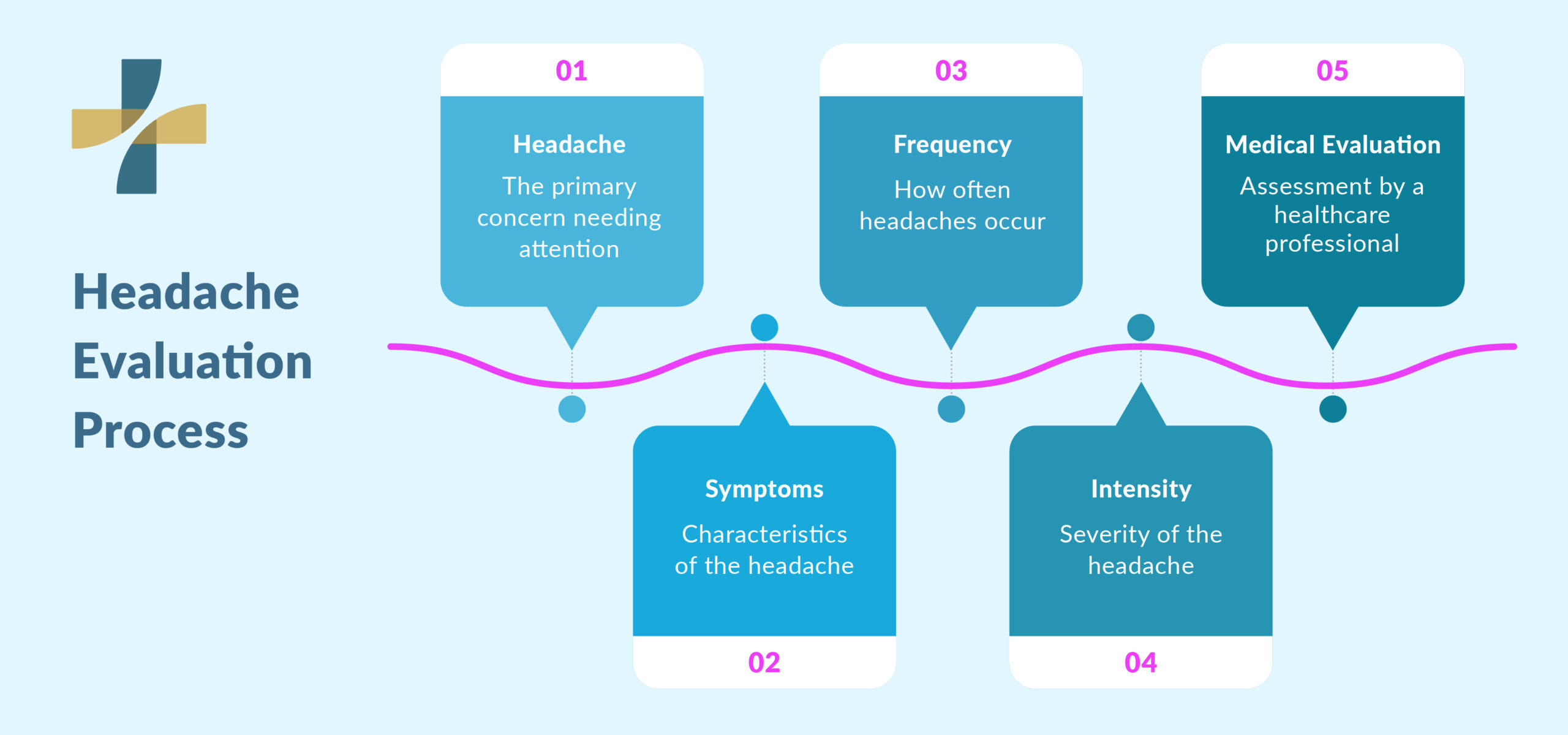
When to see a doctor for headaches depends on the frequency, intensity, and pattern of symptoms. A general practitioner (GP) evaluation helps determine whether headaches are caused by lifestyle triggers or medical conditions.
Doctors recommend medical consultation for headaches:
- occur several times per week
- become more severe over time
- Do not respond to common pain relief medications
- interfere with work or sleep
Example scenario:
A Vancouver resident experiencing headaches four days per week may benefit from a general practitioner’s appointment for headaches to identify triggers and treatment options.
Patients with chronic headache symptoms may require further evaluation through diagnostic testing or specialist referral.
What Happens During a General Practitioner Headache Diagnosis Process?
The headache diagnosis process begins with a detailed discussion of symptoms followed by a physical and neurological examination. Doctors evaluate headache patterns, potential triggers, and medical history during a primary care headache assessment.
A typical GP consultation includes:
- discussion of headache frequency
- review of medications
- blood pressure measurement
- neurological examination
Doctors may ask patients to keep a headache diary.
| Information to Track | Example |
| Headache date | Monday morning |
| Pain severity | 7 out of 10 |
| Possible trigger | skipped breakfast |
| Associated symptoms | nausea |
Tracking these details helps doctors identify patterns.
Example scenario:
A patient who records headaches after skipping meals may discover that low blood sugar triggers their symptoms.
During the assessment, the GP may also evaluate:
- sleep quality
- hydration levels
- posture and muscle tension
This information helps determine the causes of regular headaches.
Do You Need a Brain Scan for Headaches?
A brain scan for headaches is usually unnecessary for most patients. Doctors typically recommend imaging only when headache red flags or neurological symptoms are present.
Imaging tests may include:
- CT scan
- MRI scan
These tests help detect conditions such as:
- brain tumours
- bleeding in the brain
- structural abnormalities
Research published in The Lancet Neurology shows that headache disorders affect about 2.9 billion people worldwide, making them one of the most common neurological conditions globally.
Example scenario:
A patient with new severe headaches and vision changes may undergo an MRI scan to rule out neurological conditions.
Doctors use imaging selectively to avoid unnecessary testing.
When Is a Neurology Referral Needed?
A general practitioner referral to a neurologist in Vancouver usually occurs when headaches are severe, persistent, or difficult to diagnose. Neurologists specialise in disorders of the brain and nervous system.
A neurology referral in Vancouver may be recommended when patients experience:
- chronic migraines that do not respond to treatment
- unusual neurological symptoms
- worsening headache patterns
Specialist care may involve:
- advanced neurological testing
- specialised migraine treatments
- targeted medication plans
Neurologists work closely with primary care doctors to manage complex headache conditions.
How Can You Prevent Frequent Headaches?
Preventing frequent headaches often involves identifying triggers and improving lifestyle habits. Many patients reduce headache frequency by making simple changes to hydration, sleep, and stress management.
Common prevention strategies include:
- drinking adequate water daily
- maintaining consistent sleep schedules
- limiting caffeine intake
- taking breaks from screens
- managing stress levels
Example scenario:
An employee who adjusts workstation posture and schedules regular breaks may notice fewer tension headaches.
Doctors often recommend preventive strategies alongside medication when needed.
How NV Med Center Helps Patients Manage Frequent Headaches
Frequent headaches can range from lifestyle triggers to medical conditions that require treatment. Identifying the cause early helps reduce pain, prevent complications, and improve quality of life. A structured headache diagnosis process allows doctors to evaluate symptoms, rule out serious conditions, and develop a personalised treatment plan.
At NV Med Center, doctors provide primary care headache assessment for patients experiencing chronic headache symptoms, migraine symptoms Vancouver residents commonly report, or unexplained recurring headaches. The clinic offers evaluation, treatment guidance, and specialist referrals when necessary. Contact us today to book your appointment for headaches and receive personalised medical care.
FAQs
What causes frequent headaches?
Frequent headache causes often include tension headaches, migraines, dehydration, stress, and sleep disruption. Some headaches may also be linked to medical issues such as high blood pressure, sinus infections, or medication overuse. A GP can evaluate symptoms to determine the cause.
When are headaches serious?
Headaches are serious when they occur suddenly, are extremely severe, or appear with symptoms such as confusion, weakness, or vision changes. These symptoms may indicate neurological problems that require urgent medical care.
Do I need a brain scan for headaches?
Most headaches do not require imaging. Doctors usually recommend a brain scan for headaches only when neurological symptoms or warning signs appear.
Should I see a GP or neurologist?
Patients should usually start with a GP appointment for headaches. A GP can diagnose common headache conditions and provide treatment. If headaches remain difficult to treat, the doctor may arrange a neurology referral for Vancouver patients.