Many adults develop high blood sugar slowly and without clear symptoms. A diabetes screening test helps detect abnormal glucose levels before health complications develop. Early detection allows doctors to identify prediabetes and begin treatment or lifestyle changes.
A blood sugar test for diabetes is usually quick and simple. Doctors often order an HbA1c test or a fasting glucose test to measure how the body processes sugar. These tests can identify risk years before symptoms appear.
Diabetes remains a major public health issue in Canada. According to the Government of Canada, 3.9 million people aged 1 year and older were living with diagnosed diabetes in 2023 to 2024. The same report found that 6.3% of adults aged 20 to 79 had prediabetes and 1.9% had undiagnosed diabetes between 2007 and 2019. Early screening helps identify high blood sugar sooner, giving patients more time to start treatment or make lifestyle changes before complications develop.
This guide explains when to get tested for diabetes, which blood tests detect the condition, common type 2 diabetes risk factors, early prediabetes symptoms, and how to book a general practitioner diabetes test appointment in Vancouver.
What Is a Diabetes Screening Test and Why Do Doctors Recommend It?
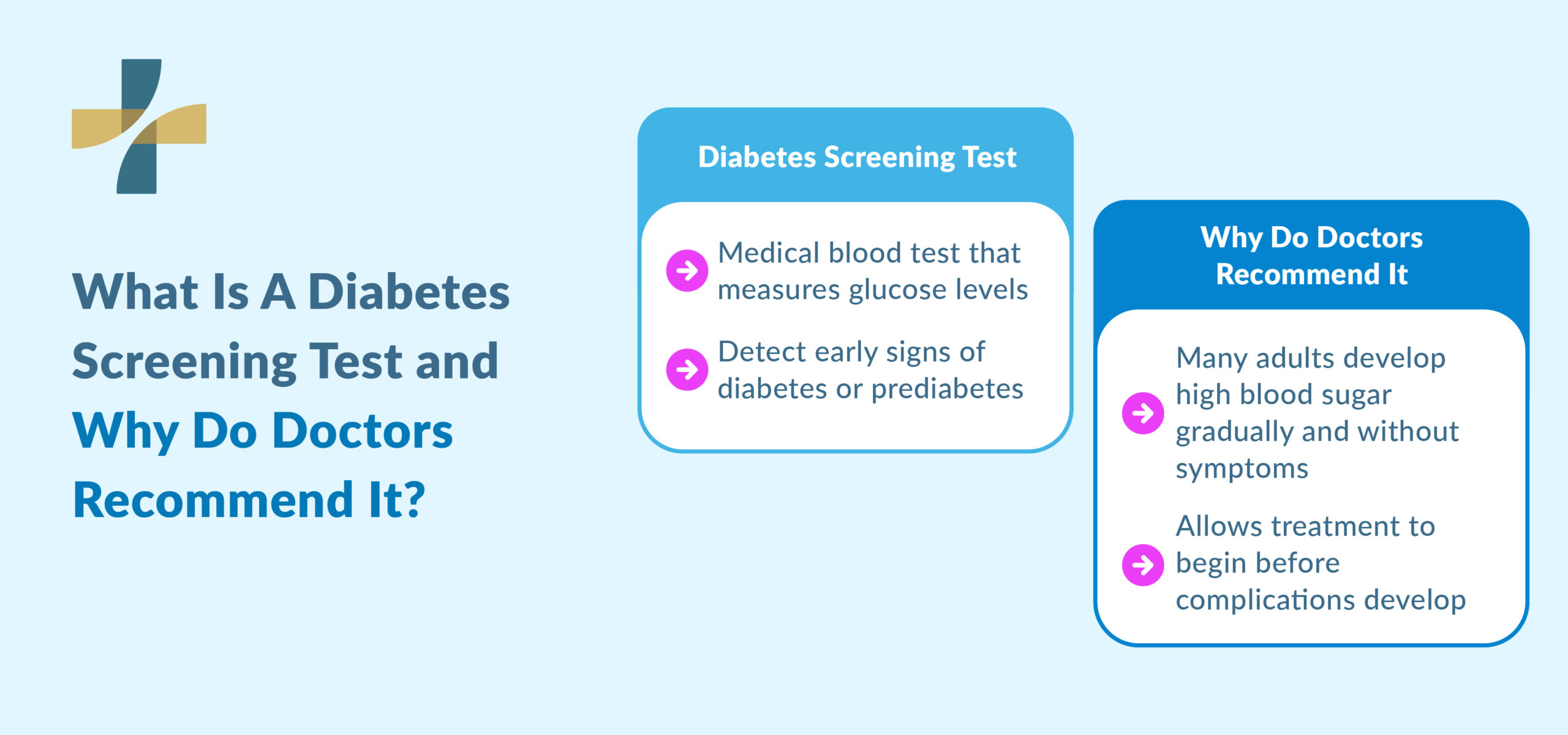
A diabetes screening test is a medical blood test that measures glucose levels to detect early signs of diabetes or prediabetes. Doctors recommend screening because many adults develop high blood sugar gradually and without symptoms. Early testing allows treatment to begin before complications develop.
Type 2 diabetes often develops slowly over several years. During this time, glucose levels rise, but symptoms may not appear.
A blood sugar test for diabetes helps detect changes in how the body processes glucose.
Doctors can identify:
- normal blood sugar levels
- prediabetes
- type 2 diabetes
Example scenario:
A 41-year-old professional attends a routine check-up. The patient feels healthy but has gained weight during the past few years. A GP recommends a diabetes screening test. The test result shows prediabetes. Early detection allows lifestyle changes before diabetes develops.
Doctors recommend routine screening because:
- diabetes often has no early symptoms
- Early treatment prevents complications
- Lifestyle changes may reverse prediabetes
CDC guidance explains that early detection of prediabetes can help people prevent or delay type 2 diabetes. Identifying diabetes early also allows patients to begin treatment and reduce the risk of serious complications.
When Should Adults Get Tested for Diabetes?
Adults should usually begin diabetes screening around age 40 or earlier if risk factors are present. Most guidelines recommend testing every three years for healthy adults and more frequently for those at higher risk. Screening schedules vary based on age, lifestyle, and medical history.
The Diabetes Canada clinical practice guidelines recommend screening for type 2 diabetes every three years in adults aged 40 and older, or earlier and more often for individuals with higher risk factors.
Typical screening intervals are shown below.
| Risk Category | Screening Frequency |
| Adults age 40+ with no risk factors | Every 3 years |
| Moderate risk | Every 1–3 years |
| High risk | Every year |
Example scenario:
A 36-year-old patient visits a clinic because both parents have diabetes. Due to a family history of diabetes risk, a doctor recommends earlier testing.
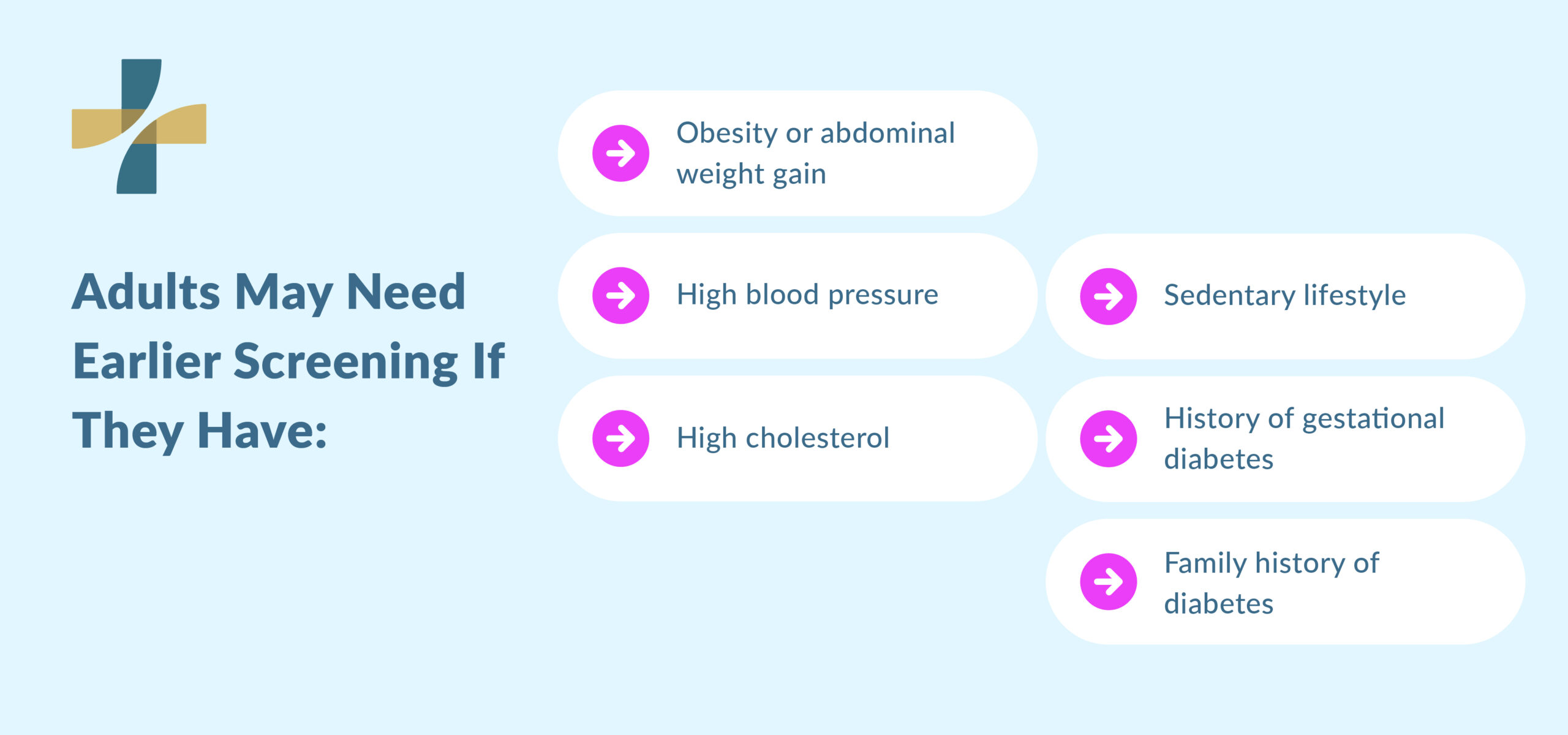
Adults may need earlier screening if they have:
- obesity or abdominal weight gain
- high blood pressure
- high cholesterol
- sedentary lifestyle
- history of gestational diabetes
- family history of diabetes
Many doctors also assess diabetes risk using tools like CANRISK, a questionnaire developed by the Public Health Agency of Canada. Research published in the Canadian Journal of Diabetes describes CANRISK as a validated tool used across Canada to identify people at risk of prediabetes and type 2 diabetes.
Understanding when to get tested for diabetes allows patients to detect abnormal glucose levels before symptoms begin.
What Are the Main Blood Tests Used to Detect Diabetes?
Doctors use several types of blood tests to detect diabetes and prediabetes. The most common tests include the HbA1c test, fasting glucose test, oral glucose tolerance test, and random blood sugar test. Each test measures glucose levels differently and helps confirm abnormal blood sugar.
These tests form the foundation of screening for type 2 diabetes in primary care.
HbA1c Test Vancouver
The HbA1c test Vancouver clinics use measures average blood sugar levels over the past two to three months. Doctors often use this test because patients do not need to fast beforehand.
HbA1c results are interpreted as follows:
| HbA1c Result | Interpretation |
| Below 5.7% | Normal |
| 5.7–6.4% | Prediabetes |
| 6.5% or higher | Diabetes |
Example scenario:
A patient completes an HbA1c test Vancouver clinic during an annual exam. The result shows 6.0 percent, indicating prediabetes.
Fasting Glucose Test
The fasting glucose test measures blood sugar after at least eight hours without food. Doctors commonly request this test during routine diabetes screening.
Typical ranges are shown below.
| Fasting Glucose Level | Interpretation |
| Below 5.6 mmol/L | Normal |
| 5.6–6.9 mmol/L | Prediabetes |
| 7.0 mmol/L or higher | Diabetes |
Many patients complete this test during a diabetes test for adults ordered by a GP.
Oral Glucose Tolerance Test
The oral glucose tolerance test measures how the body processes sugar after drinking a glucose solution. Doctors often request this test when earlier results fall near the diabetes threshold.
The test measures blood sugar levels two hours after drinking the glucose solution.
| 2 Hour Result | Interpretation |
| Below 7.8 mmol/L | Normal |
| 7.8–11.0 mmol/L | Prediabetes |
| Above 11.1 mmol/L | Diabetes |
Random Blood Sugar Test
A random blood sugar test measures glucose at any time of the day without fasting. A reading above 11.1 mmol/L with symptoms may indicate diabetes.
Doctors may order this test if a patient reports symptoms such as fatigue, thirst, or frequent urination.
What Are the Early Signs of Prediabetes and Type 2 Diabetes?
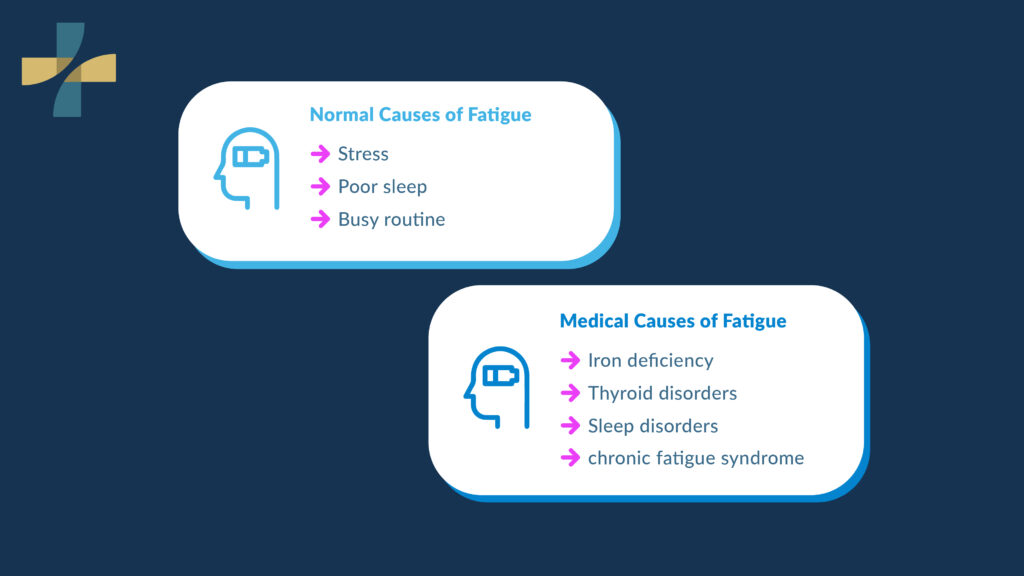
Early diabetes symptoms include fatigue, frequent urination, increased thirst, and blurred vision. Many people with prediabetes have no symptoms, which is why routine diabetes screening tests are recommended. Detecting high blood sugar early allows treatment before serious complications develop.
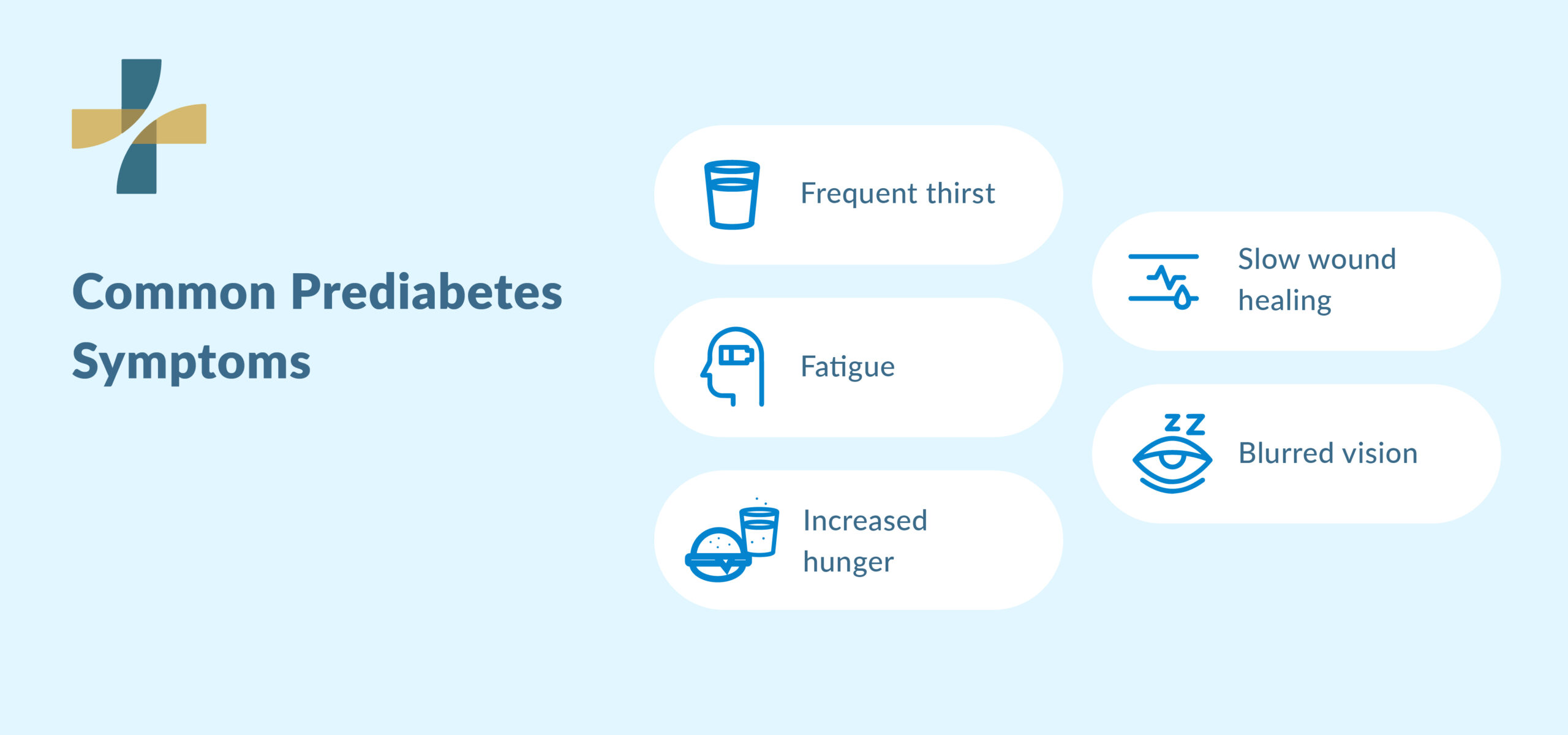
Common prediabetes symptoms include:
- frequent thirst
- fatigue
- increased hunger
- slow wound healing
- blurred vision
Example scenario:
A patient notices persistent tiredness and increased thirst. A family doctor recommends a blood sugar test for diabetes, which reveals elevated glucose levels. Routine screening helps identify these changes early.
What Risk Factors Increase the Chance of Developing Type 2 Diabetes?
Type 2 diabetes risk increases with age, obesity, family history, and a sedentary lifestyle. Several medical conditions also increase the risk of developing diabetes. Identifying risk factors helps doctors decide when patients need earlier diabetes screening tests.
Major type 2 diabetes risk factors in Vancouver and Canada share similar patterns.
Common risk factors include:
- overweight or obesity
- family history diabetes risk
- high blood pressure
- high cholesterol
- sedentary lifestyle
- gestational diabetes history
- polycystic ovary syndrome
Example scenario:
A patient with high blood pressure and abdominal weight gain visits a GP clinic. These risk factors prompt the doctor to recommend a diabetes test for adults.
Where Can Adults Get a Diabetes Screening Test in Vancouver?
Adults can obtain a diabetes screening test through a general practitioner (GP) clinic or referral to a pathology laboratory. Screening usually begins with a medical consultation where the doctor reviews symptoms and risk factors before ordering blood tests.
The typical process includes:
- Schedule a GP diabetes test appointment
- Discuss symptoms and risk factors with a doctor
- Receive a referral for blood testing
- Complete testing at a pathology clinic in Vancouver
- Review results with the doctor
Example scenario:
A patient schedules a routine exam at a local clinic. The general practitioner identifies risk factors and orders an HbA1c test at Vancouver laboratory.
Some patients may qualify for a bulk-billed blood sugar test depending on eligibility. Preventive screening is part of broader diabetes prevention Vancouver healthcare strategies.
How Can Early Screening Help Prevent Diabetes Complications?
Early diabetes screening identifies abnormal blood sugar before damage occurs. Detecting prediabetes allows patients to adopt lifestyle changes that reduce the chance of developing type 2 diabetes. Early treatment can also reduce complications affecting the heart, kidneys, and nervous system.
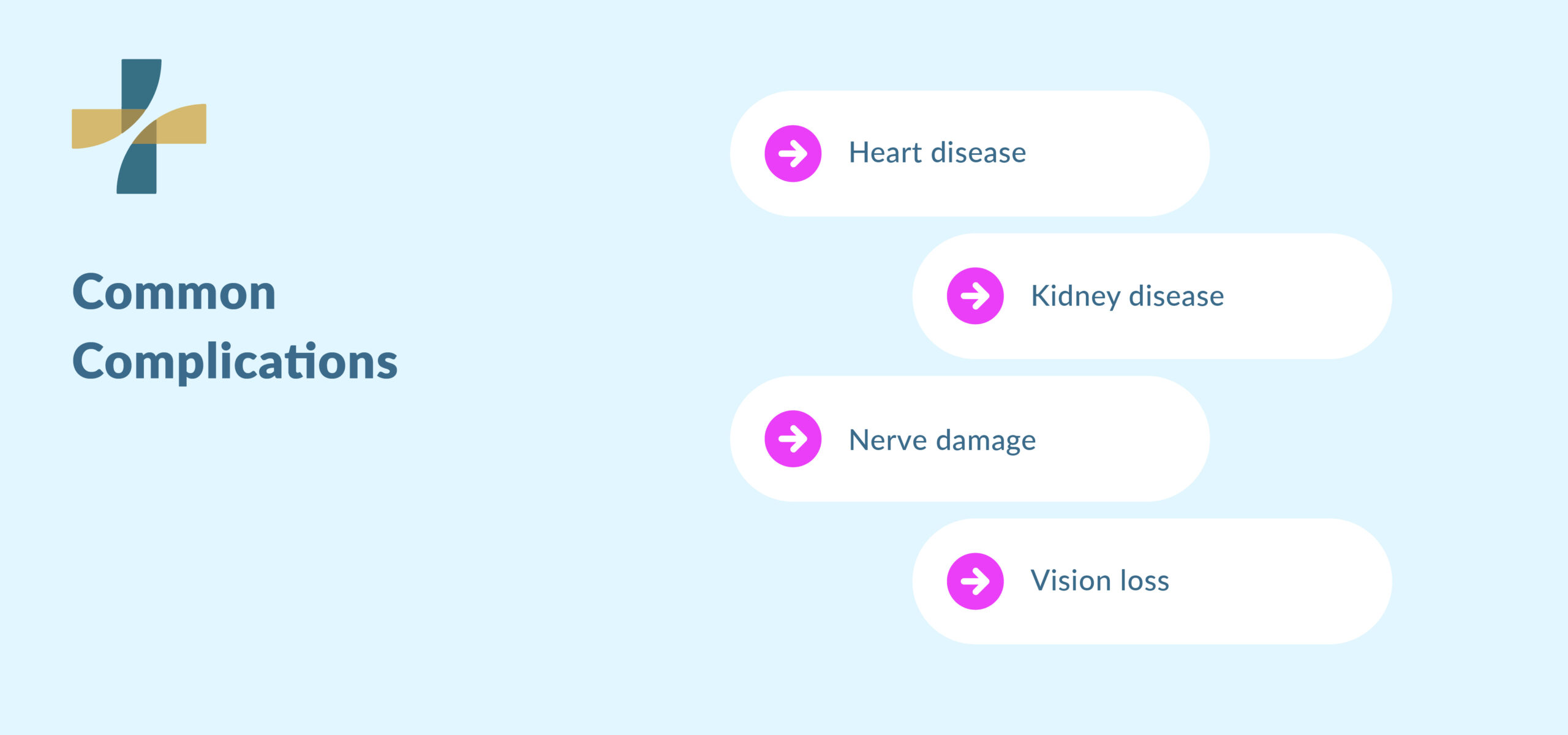
Untreated diabetes can lead to several serious conditions.
Common complications include:
- heart disease
- kidney disease
- nerve damage
- vision loss
Example scenario:
A patient diagnosed with prediabetes adopts healthier eating habits and begins walking daily. Within twelve months, blood sugar levels return to a normal range.
This demonstrates the value of preventive care and diabetes prevention programs in Vancouver.
What Lifestyle Steps Can Reduce Diabetes Risk?
Healthy lifestyle habits reduce the risk of developing type 2 diabetes. Regular exercise, balanced nutrition, and weight management help control blood sugar levels and improve insulin function.
Doctors commonly recommend the following strategies.
| Lifestyle Change | Benefit |
| 150 minutes of exercise per week | Improves insulin sensitivity |
| Balanced diet with fibre | Supports stable glucose levels |
| Weight management | Reduces insulin resistance |
| Reduced processed sugar intake | Prevents glucose spikes |
| Routine health screening | Detects problems early |
Example scenario:
A patient diagnosed with prediabetes joins a walking program and improves diet quality. Follow-up testing shows improved glucose levels after six months. Preventive care remains a central part of screening for type 2 diabetes strategies.
When Should You See a GP for Diabetes Testing?
You should see a general practitioner (GP) for a diabetes screening test if you have symptoms, risk factors, or have not been tested after age 40. A doctor can review your health history and recommend the most appropriate blood sugar tests.
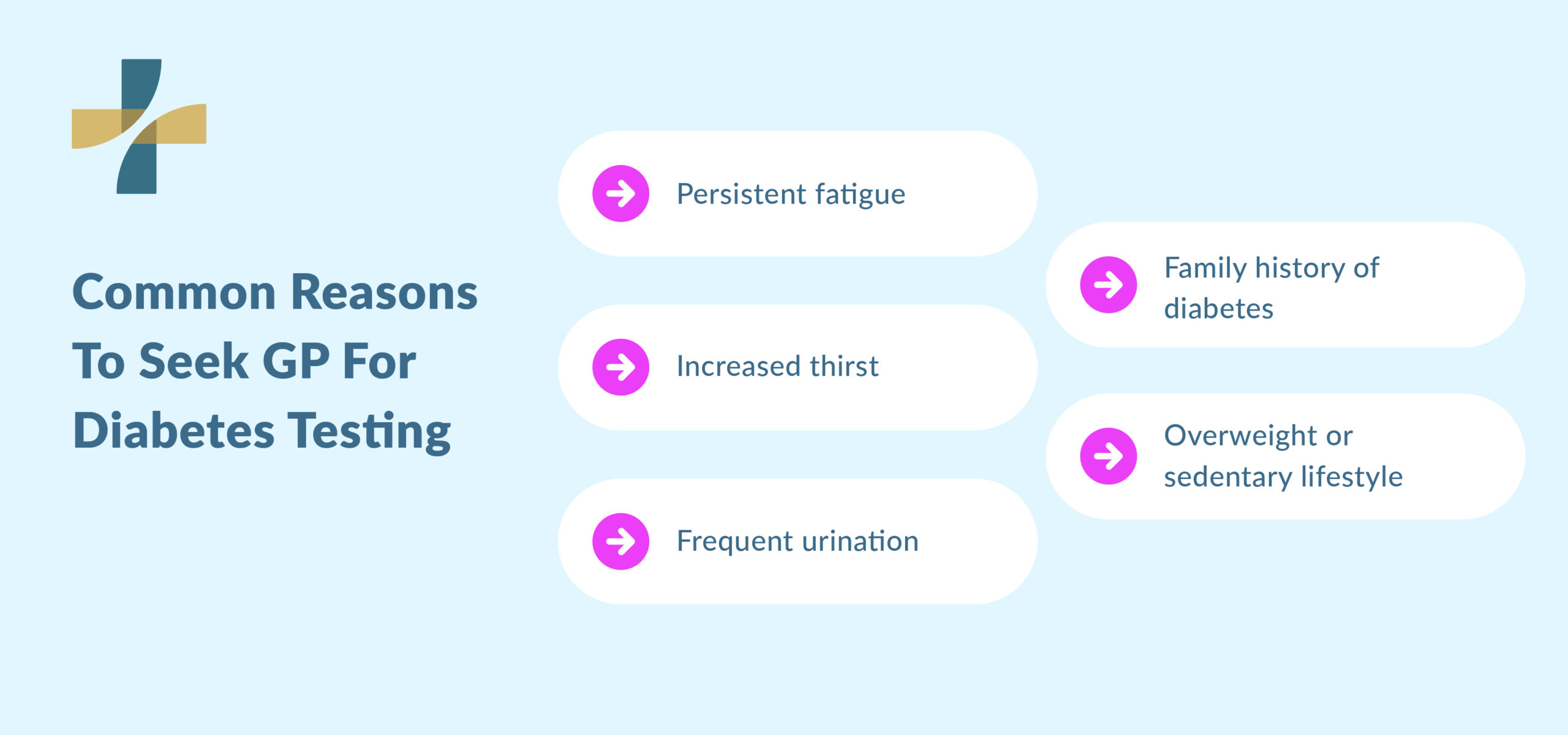
Common reasons to seek testing include:
- persistent fatigue
- increased thirst
- frequent urination
- family history of diabetes
- overweight or sedentary lifestyle
Example scenario:
A patient schedules a diabetes test appointment after experiencing persistent fatigue. The doctor orders both an HbA1c test and a fasting glucose test to evaluate blood sugar. Routine health screening helps identify early signs of diabetes and supports long-term health.
How NV Med Center Helps Patients Detect Diabetes Early
A diabetes screening test helps identify high blood sugar before serious health complications occur. Early testing allows doctors to detect prediabetes, recommend lifestyle changes, and begin treatment if necessary. Routine screening remains one of the most effective ways to protect long-term health.
At NV Med Center, patients can schedule a diabetes screening test or a general practitioner consultation to review blood sugar levels and risk factors. Our team supports preventive health care and early detection through evidence-based screening. Book your appointment today to assess your blood sugar levels and overall health.
FAQs
At what age should adults get screened for diabetes?
Most health guidelines recommend diabetes screening beginning at age 40. Adults with risk factors such as obesity, family history, or high blood pressure may need testing earlier. Doctors usually repeat screening every three years unless the risk increases
Is an HbA1c test covered by Medicare?
Coverage varies depending on location and eligibility. Some patients may receive a subsidised or bulk-billed blood sugar test if ordered by a doctor. A GP consultation can confirm whether the test qualifies for coverage.
How often should I check my blood sugar?
Healthy adults usually require screening every three years after age 40. Patients with prediabetes or higher risk factors may require yearly testing. A doctor can recommend a personalised screening schedule.
What are the early signs of type 2 diabetes?
Early symptoms include fatigue, increased thirst, frequent urination, blurred vision, and slow wound healing. Many people experience no symptoms at all. Routine diabetes screening tests help detect abnormal blood sugar before symptoms appear.