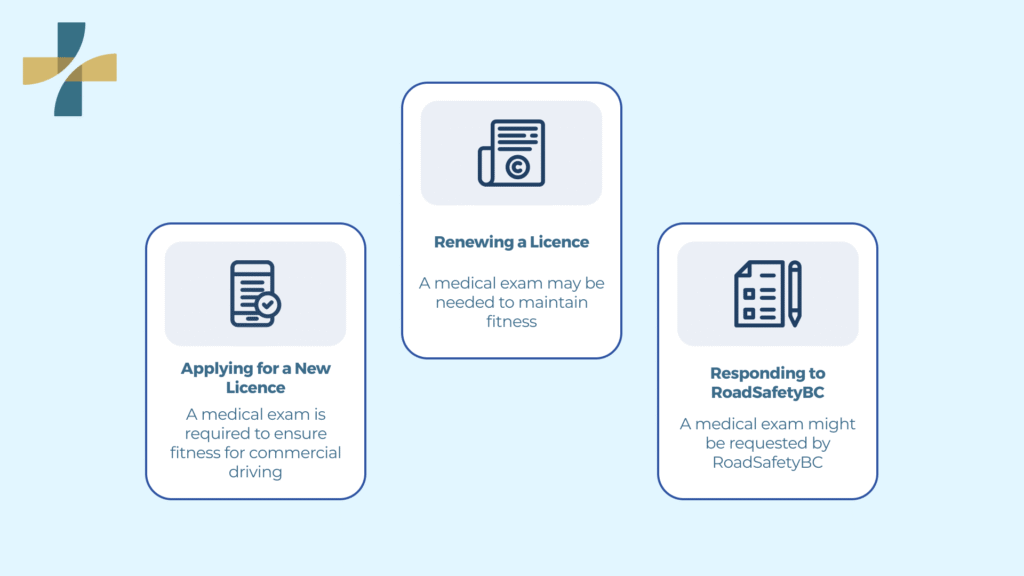
Commercial driving in British Columbia requires higher medical fitness standards than those for a standard passenger licence. If you are applying for a commercial licence, renewing one, or responding to a request from RoadSafetyBC, you may need a Driver’s Medical Examination Report.
This guide explains Commercial Driver ICBC Medical Exam Requirements in Vancouver, what triggers the exam, the schedule for repeat exams, what the appointment involves, and what happens after you submit your form. The aim is to help you book the right appointment and complete your paperwork on time.
Overview of ICBC medical exams for commercial drivers
An ICBC commercial medical exam is a medical assessment used to support licensing decisions for commercial drivers. In British Columbia, RoadSafetyBC uses the Driver’s Medical Examination Report (DMER) to decide whether a person is medically fit to drive.
Who sets the standards?
Medical fitness standards for commercial drivers in British Columbia are based on the National Safety Code. The Province follows this code to decide when medical exams are required and how often they must be completed. RoadSafetyBC uses these standards when reviewing commercial driver medical reports.
Who does what in this process
Many drivers assume the clinic decides if they keep their licence. That is not how the system works.
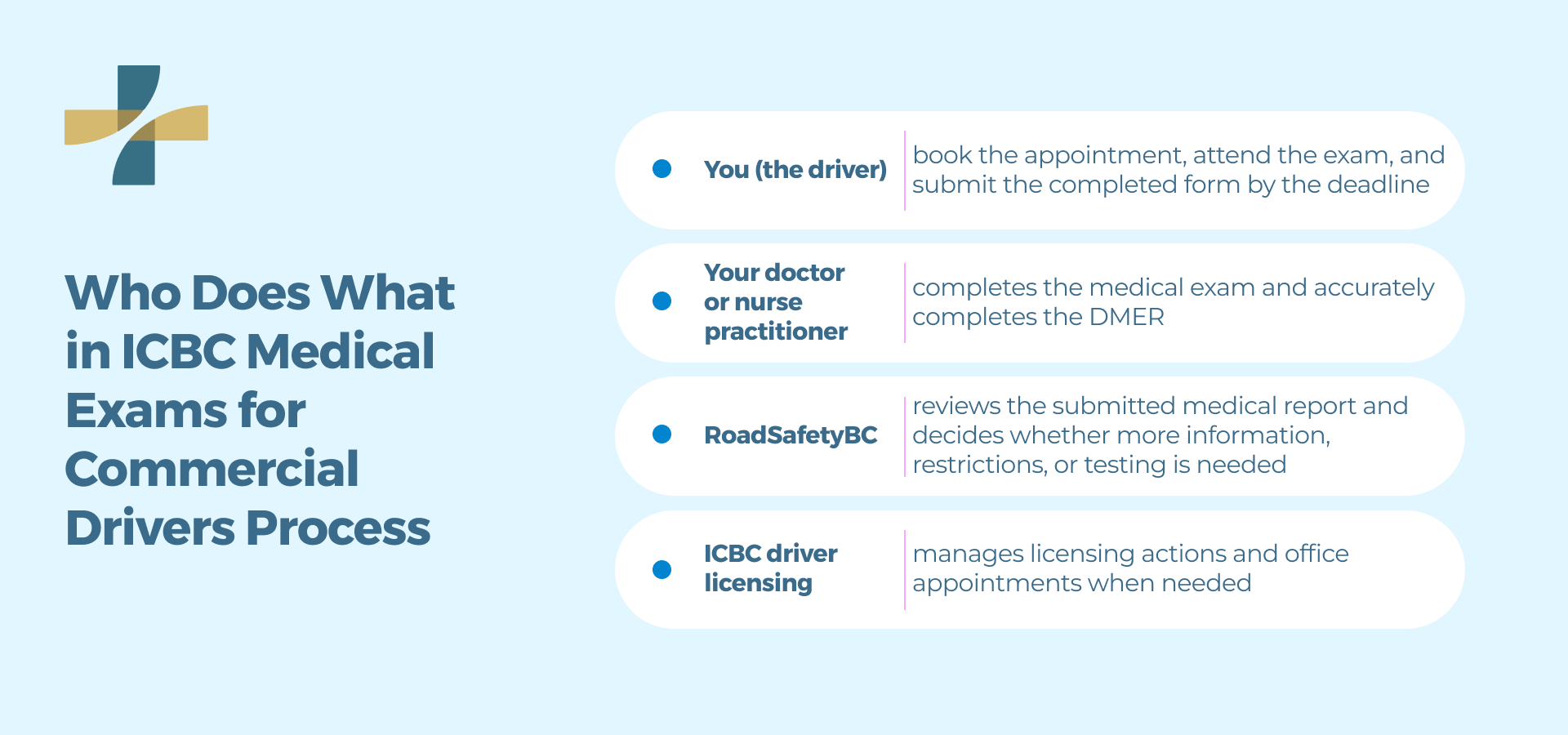
- You (the driver): book the appointment, attend the exam, and submit the completed form by the deadline.
- Your doctor or nurse practitioner completes the medical exam and accurately completes the DMER.
- RoadSafetyBC: reviews the submitted medical report and decides whether more information, restrictions, or testing is needed.
- ICBC driver licensing: manages licensing actions and office appointments when needed.
This split matters because it sets expectations. The clinic’s role is accurate medical reporting, not licensing decisions
Who Needs a Commercial Driver Medical Exam in Vancouver
You may need a commercial driver medical exam if you hold, or want to hold, a commercial licence class, or if you have a medical condition that may affect safe driving.
H3: Licence classes and endorsements that trigger the DMER
The Province lists the DMER requirement for applicants for:
- Class 1, 2, 3, or 4 licence
- Class 5 with endorsements 18, 19, 20
ICBC provides the report to applicants in these cases.
Common triggers that lead to a medical exam request
ICBC outlines several common reasons drivers are required to complete a driver’s medical exam:
- Commercial drivers applying for a licence, and on a scheduled basis after that
- Seniors aged 80 and older (separate program, but many commercial drivers also fall into this age group)
- Ongoing or reported medical conditions that might affect driving, with frequency set by RoadSafetyBC
The routine commercial schedule in BC (age-based)
RoadSafetyBC uses an age-based schedule for licensed commercial drivers.
Commercial driver DMER schedule (BC)
| Driver age | How often does the DMER require |
| 25 to 45 | Every 5 years (25, 30, 35, 40, 45) |
| 48 to 63 | Every 3 years (48, 51, 54, 57, 60, 63) |
| 66+ | Every year |
RoadSafetyBC also states it mails the report about two months before your birthday, and that instructions are on the back of the form.
Code W and cross-border restrictions
RoadSafetyBC describes Code W as an identifier on a commercial driver’s licence showing the driver is prohibited from driving a commercial vehicle in the United States due to profound hearing impairment or epilepsy.
If cross-border driving is part of your work, ask about how Code W may apply to your situation.
Key Health Requirements and Standards for Commercial Drivers
ICBC driver medical requirements for commercial drivers focus on whether a condition could affect safe vehicle operation over long shifts, in traffic, and in complex driving environments. RoadSafetyBC uses the medical report to understand whether a medical condition affects driving.
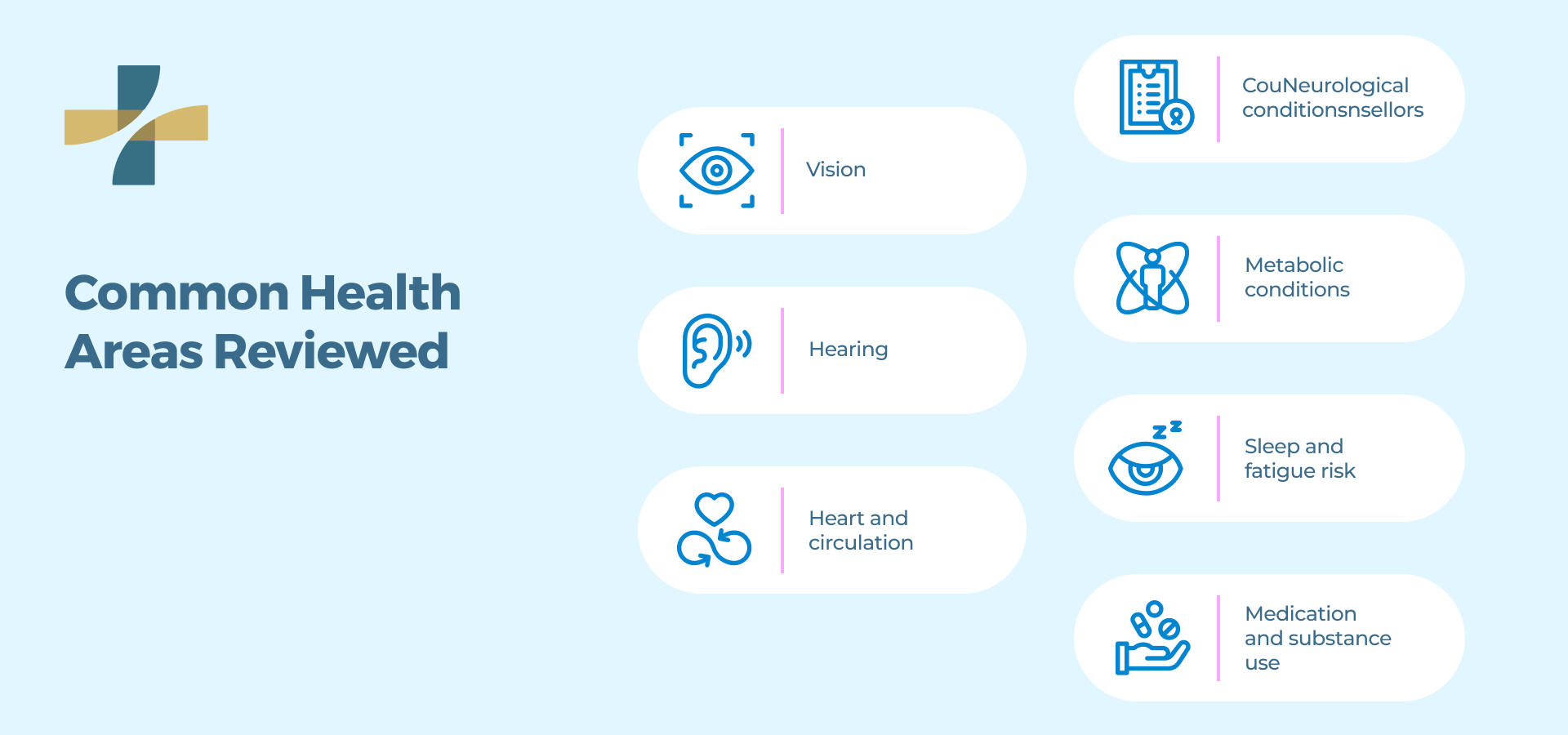
Below are the main areas usually reviewed during an ICBC commercial medical exam. Your examiner may not test every item the same way for every driver, but these categories commonly drive follow-up requests.
Common health areas reviewed
Vision
- Visual acuity and corrective lenses are needed
- Field of vision concerns
- Eye disease history that could affect driving
Hearing
- Functional hearing issues that affect hazard detection and communication
- Use of hearing aids when relevant
Heart and circulation
- High blood pressure history
- Heart disease history, chest pain, fainting, or prior cardiac events
- Symptoms that affect alertness or reaction time
Neurological conditions
- Seizure history, blackout episodes, fainting
- Conditions that affect coordination, strength, or judgement
Metabolic conditions
- Diabetes management
- Hypoglycaemia history
- Medications that may affect alertness
Sleep and fatigue risk
- Sleep apnoea symptoms
- Daytime sleepiness
- Shift work fatigue patterns
Medication and substance use
- Prescription and over-the-counter medicines that cause sedation
- Use patterns that could affect safe driving
What often leads to extra information requests
After you submit your form, RoadSafetyBC may ask for more information if there are concerns about a medical condition.
Examples of common extra steps:
- Specialist letters for complex diagnoses
- Recent test results (for example, cardiac testing, sleep study reports, or vision reports)
- A follow-up exam if information is missing or unclear
A condition does not automatically mean a failed medical. Many drivers keep their certification with stable treatment and clear documentation. The quality of the paperwork and supporting evidence can shape how quickly RoadSafetyBC can review your file.
Preparing for Your Commercial Driver Medical Exam
Preparation saves time and reduces repeat visits.
What to bring
Bring the items below so the clinician can complete the DMER with fewer gaps:
- Your Driver’s Medical Examination Report form (the one ICBC or RoadSafetyBC sent you)
- Government photo ID
- A current medication list, including doses
- Glasses or contact lenses if you drive with them
- Hearing aids, if used for daily communication
- Any recent specialist letters or medical summaries that relate to your condition
- A list of recent tests and dates (blood work, ECG, sleep study, imaging)
Quick checklist before the appointment
- Sleep normally the night before if possible
- Eat and hydrate as you normally would
- Take regular medications as prescribed, unless your prescriber told you otherwise
- If you use a home blood pressure log or glucose records, bring recent readings
- Tell the clinic when booking that this visit is for an ICBC commercial medical exam, so the correct appointment type is scheduled
Fees and MSP coverage
RoadSafetyBC states that the Medical Services Plan (MSP) does not cover the cost of the examination report, and that your doctor or nurse practitioner may charge you for it.
If you are comparing clinics, ask about:
- The fee range for completing the DMER
- What is included in the appointment
- Whether a follow-up form review is billed separately if RoadSafetyBC requests more information
What Happens During the Exam
A commercial driver medical exam is structured. It is not a road test. It is a medical visit focused on fitness to drive.
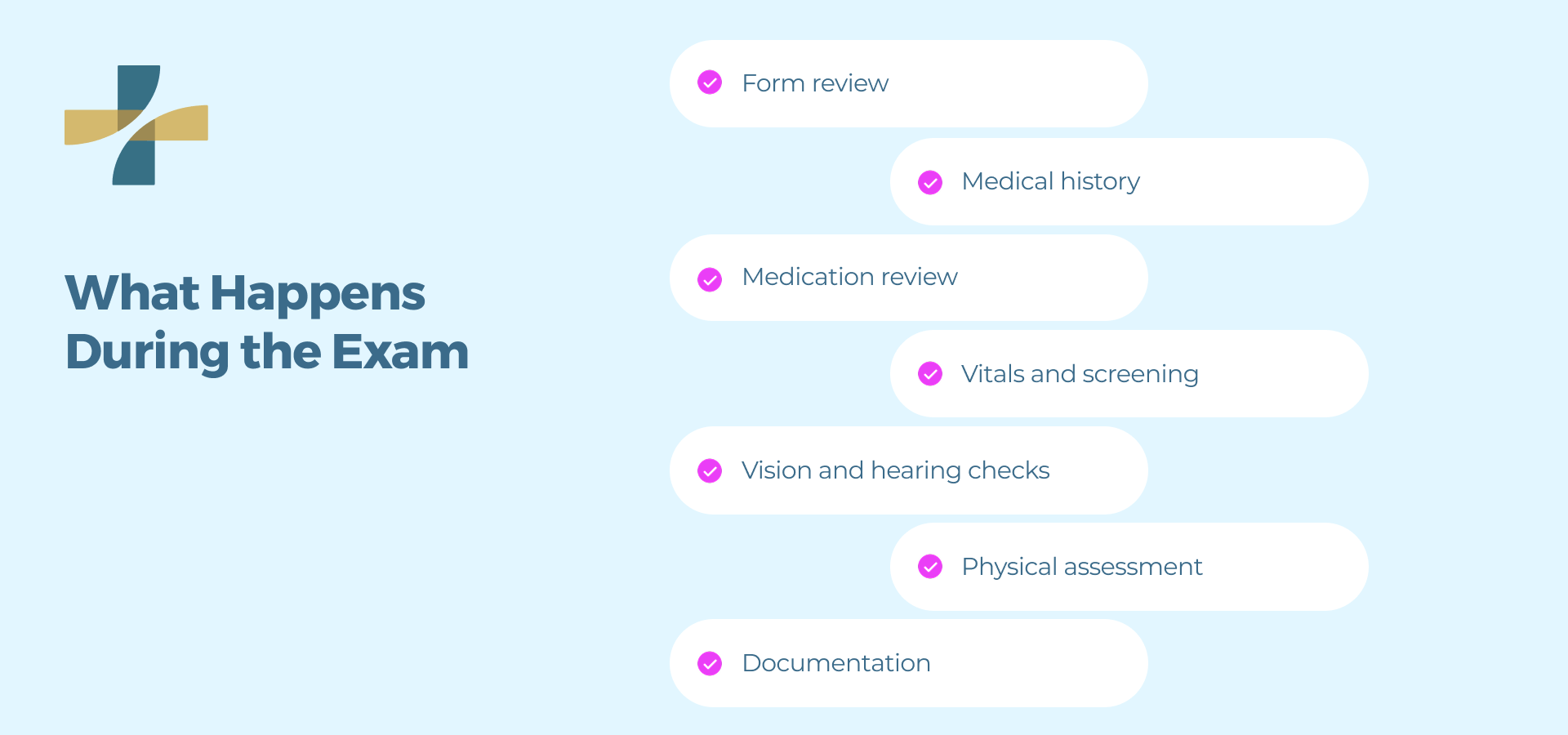
Step-by-step: What usually happens
Form review
- The clinician confirms why the form was issued and which licence class applies.
Medical history
- Past diagnoses, surgeries, hospitalisations
- Symptoms that could affect driving, including fainting, blackouts, seizures, chest pain, shortness of breath, or severe sleepiness
Medication review
- Current prescriptions and side effects relevant to driving
- Any changes since your last medical
Vitals and screening
- Blood pressure and pulse
- Weight and general functional observations
Vision and hearing checks
- Basic screening relevant to safe driving tasks
Physical assessment
- Targeted exam based on your history and reported symptoms
Documentation
- The clinician completes the DMER with findings and supporting notes
How long does the appointment take
Time varies by case complexity. Commercial drivers with stable health and full documentation are often quicker than drivers with multiple conditions, specialist care, or missing test results. Book a longer slot if you have:
- Diabetes with medication changes
- A cardiac history
- Neurological history
- Sleep apnoea management paperwork
- Multiple specialist reports to review
Understanding Your Results and Certification
Your submission deadline
ICBC states that after receiving your Driver Medical Examination form, you have 45 days to complete and submit it, and missing the deadline may lead to licence cancellation.
This is one of the most common reasons commercial drivers run into problems. The safest approach is to book early, complete the exam, and submit the form well before day 45.
What happens after you submit the form
ICBC explains that RoadSafetyBC will review your form, and if there are concerns about a medical condition, they may request additional information.
Depending on the licence class and the concern, RoadSafetyBC may request further evaluation:
- For Class 5/7 drivers, they may ask for an Enhanced Road Assessment
- For Class 1 to 4 or Class 6 drivers, a road test re-examination may be required
Common outcomes after review
RoadSafetyBC’s decision can include:
- No change, medical accepted
- Request for additional medical information
- Time-limited certification with a scheduled re-check
- Licence restrictions tied to specific risks
- Requirement for further assessment or testing
If you receive a request for more information, respond quickly. Many delays come from incomplete specialist details or missing documentation.
Commercial Drivers Who No Longer Need Their Licence
Some drivers are asked to complete their routine commercial medical exam even though they no longer drive professionally.
Downgrading your licence
ICBC states that if you have been asked to complete your routine commercial medical exam but no longer need your commercial licence, you may choose to downgrade and opt out of the exam.
Downgrading is handled through ICBC. It is not a clinical process.
Getting your commercial licence back later
ICBC notes that if you downgraded your commercial licence less than three years ago, you may be able to get it back without taking tests other than the medical examination.
If you are unsure, confirm with ICBC before making changes, especially if work opportunities may return.
Choosing the Best ICBC Medical Exam Doctor in Vancouver
Searching for the best ICBC medical exam doctor usually means you want an appointment that runs on time, paperwork that is completed correctly, and clear direction on next steps.
Here is what to look for when booking an ICBC medical assessment appointment in Vancouver for commercial driving.
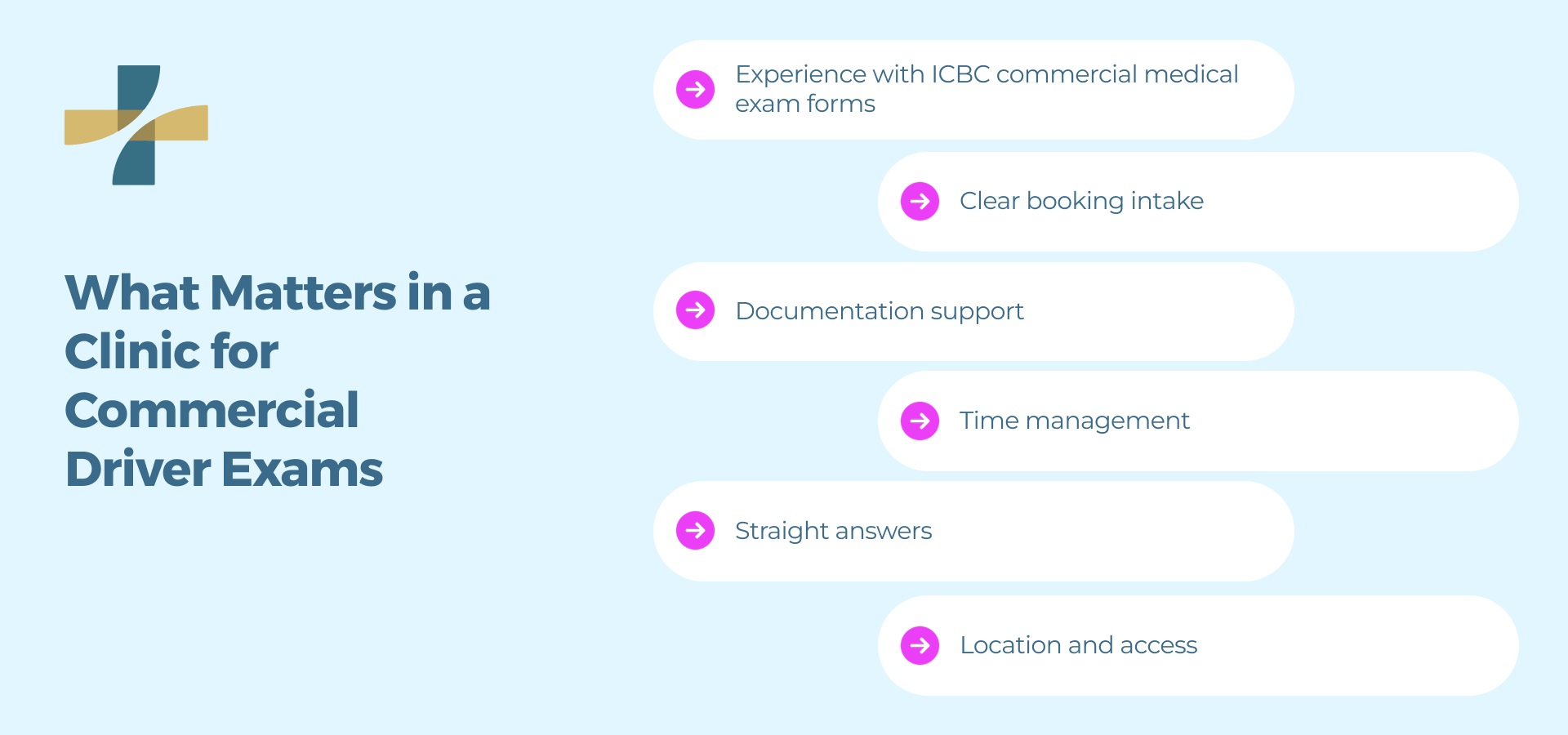
What matters in a clinic for commercial driver exams
- Experience with ICBC commercial medical exam forms: Familiarity with what RoadSafetyBC often flags for follow-up
- Clear booking intake: Staff who confirm which form you have and which licence class it relates to
- Documentation support: A process for reviewing specialist letters and test results
- Time management: Appointment types that allow enough time for complex histories
- Straight answers: Clear explanation of what the clinic can do and what only RoadSafetyBC can decide
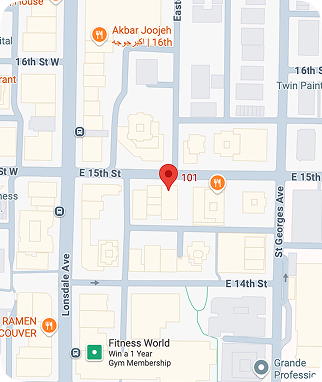
Location and access: Easy to reach from Vancouver routes and commercial hubs
Common mistakes that delay approval
These are issues that often trigger follow-up requests:
- Missing medication list or unclear doses
- Leaving sections blank on the form
- Not including relevant specialist information when a condition is known
- Booking too late and running out of time before the 45-day deadline
Why NV Med Center is a Trusted Choice for ICBC Commercial Driver Exams in Vancouver
Commercial drivers need speed, accuracy, and clear steps. NV Med Center supports drivers by completing ICBC medical assessment forms with a structured process that fits RoadSafetyBC expectations, while keeping the appointment straightforward and respectful.
What drivers can expect at NV Med Center?
- Appointments are designed for the ICBC commercial driver medical exam paperwork
- Clear instructions on what to bring so the form can be completed with fewer gaps
- Care that focuses on medical accuracy and practical next steps
- A patient-focused approach that respects your work schedule
If you need an ICBC commercial medical exam for licensing, renewal, or compliance, booking early helps you meet the 45-day submission deadline and reduces the risk of last-minute stress.
Book an ICBC Medical Exam Appointment at NV Med Center
If you received a Driver’s Medical Examination Report for a commercial licence, book your appointment as soon as you can. Bring your form, ID, medication list, and any relevant specialist notes. After your appointment, submit the completed form within 45 days to avoid licensing issues.
Book an ICBC medical exam appointment at NV Med Center to complete your commercial driver medical exam in Vancouver with clear steps and accurate paperwork.
FAQS
Q1: Can I complete my ICBC commercial driver medical exam online or remotely?
ICBC commercial driver medical exams must be completed in person. Virtual or online visits are not accepted because physical measurements and clinical screening are required.
Q2: What is the oldest age you are allowed to drive in BC?
There is no maximum driving age in British Columbia. Drivers may continue to drive as long as RoadSafetyBC confirms they meet medical and safety standards.
Q3: What is the best time to renew an existing licence?
The best time to renew a licence is as soon as ICBC sends your renewal notice. Booking early helps avoid delays, especially if a medical exam or additional review is required.
Q4: Can a commercial driver continue working while the medical is under review?
In some cases, drivers may continue working while RoadSafetyBC reviews the medical report. This depends on the licence class and whether any immediate safety concerns were identified.
Q5: Can you fail a commercial driver medical exam?
A commercial driver does not pass or fail at the clinic level. The doctor only reports medical findings. RoadSafetyBC makes the licensing decision after reviewing the completed medical report and any supporting information.