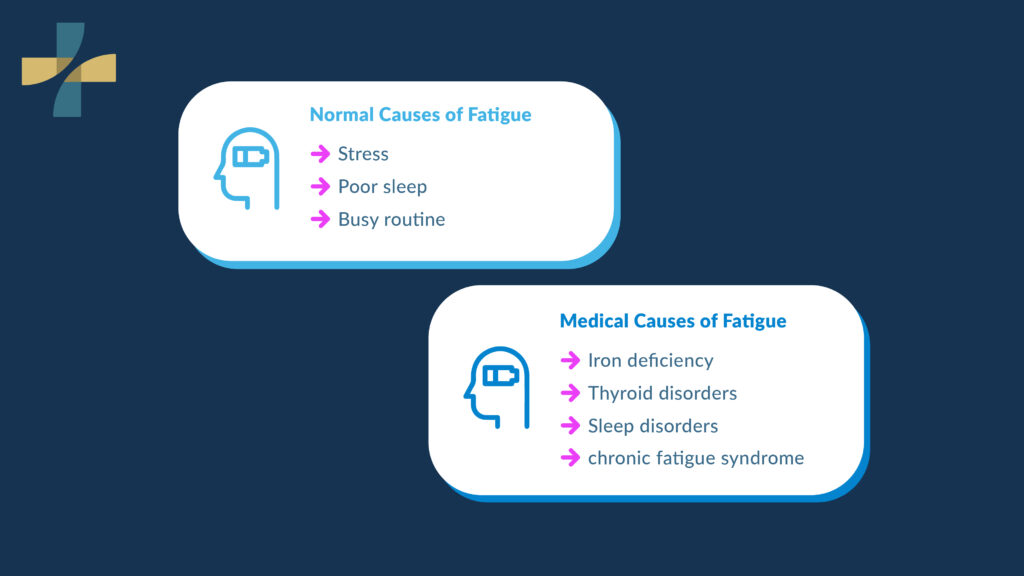
Persistent tiredness can affect work, concentration, and daily activities. Many adults assume fatigue comes from stress, poor sleep, or a busy routine. Yet ongoing exhaustion may signal medical conditions that require evaluation.
Understanding chronic fatigue causes helps people recognise when tiredness may be linked to health problems rather than lifestyle habits. Doctors often investigate persistent tiredness, medical causes such as iron deficiency, thyroid disorders, sleep disorders, and chronic fatigue syndrome.
Recent research highlights the importance of identifying fatigue early. The Public Health Agency of Canada reports that about 44 percent of Canadian adults live with at least one chronic disease, and many of these conditions can initially present with symptoms such as fatigue or low energy.
This guide explains the causes of chronic fatigue, symptoms to watch for, and how a GP consultation Vancouver residents trust can help identify the underlying problem.
What Is Chronic Fatigue and How Is It Different From Normal Tiredness?
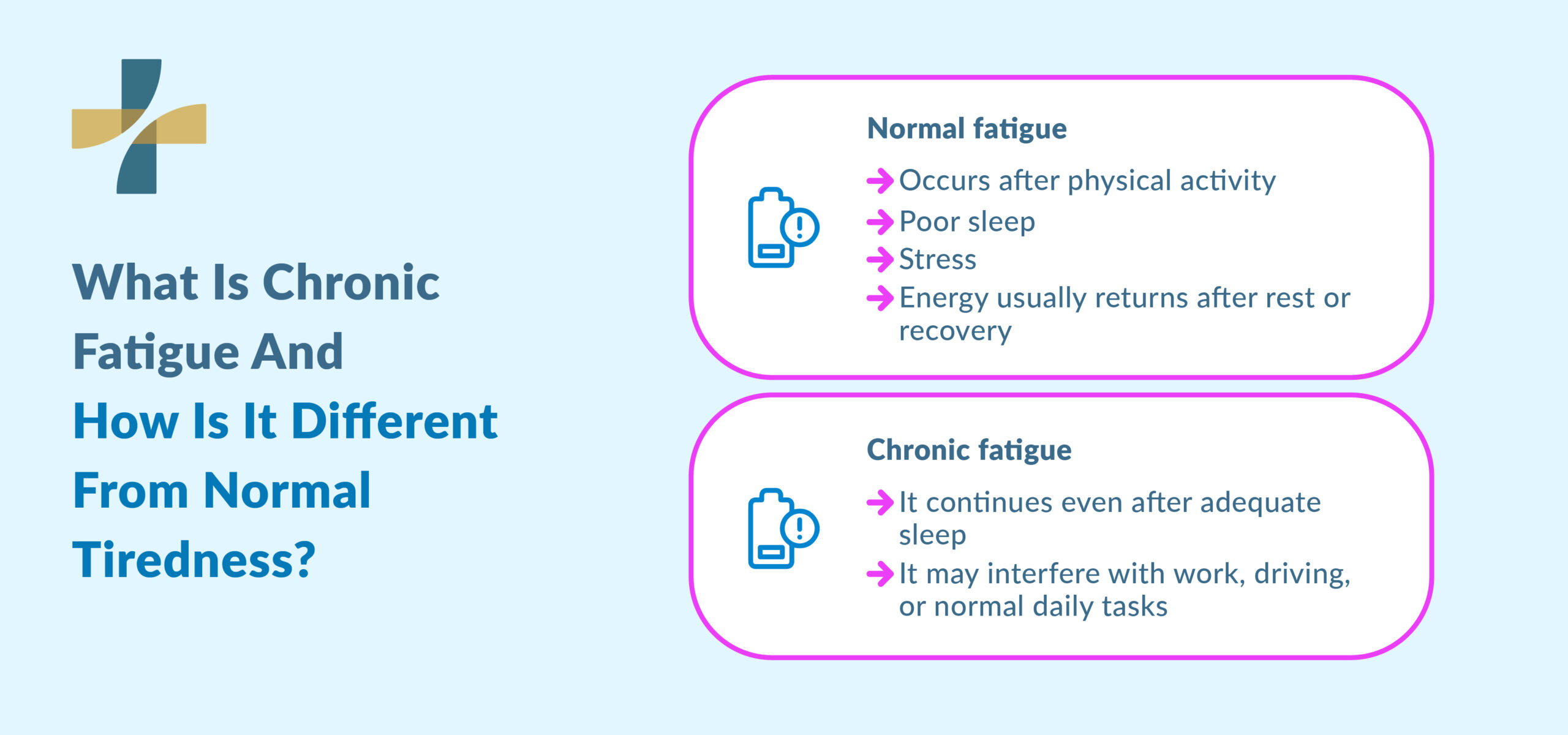
Chronic fatigue is persistent tiredness lasting weeks or months that does not improve with rest. Unlike normal tiredness after work or exercise, chronic fatigue affects daily function and concentration and may indicate medical conditions that require investigation.
Normal fatigue occurs after physical activity, poor sleep, or stress. Energy usually returns after rest or recovery.
Chronic fatigue behaves differently. It continues even after adequate sleep and may interfere with work, driving, or normal daily tasks.
Normal fatigue vs chronic fatigue
| Feature | Normal Fatigue | Chronic Fatigue |
| Duration | Short term | Weeks or months |
| Relief | Improves with rest | Often persists |
| Daily impact | Mild | Can affect work and focus |
| Cause | Lifestyle factors | Possible medical causes |
Example scenario:
A Vancouver office worker sleeps eight hours each night but still struggles with concentration and low energy during meetings. This pattern may indicate underlying medical reasons rather than simple tiredness.
Common symptoms accompanying fatigue include:
- brain fog
- dizziness
- headaches
- muscle weakness
- difficulty concentrating
These symptoms may suggest medical reasons for constant tiredness that need evaluation.
What Are the Most Common Chronic Fatigue Causes?
The most common causes of chronic fatigue include nutrient deficiencies, thyroid disorders, sleep disorders, chronic stress, infections, and metabolic conditions. Doctors evaluate fatigue through medical history, examination, and laboratory tests to identify underlying problems.
Fatigue often develops from multiple factors rather than a single cause.
Lifestyle contributors
Lifestyle issues remain common triggers of fatigue.
Examples include:
- poor sleep routines
- long work hours
- shift work
- high caffeine intake
- alcohol consumption
- chronic stress
Research published in the journal Sleep Health indicates that irregular sleep schedules can disrupt the body’s circadian rhythm, leading to daytime fatigue, reduced alertness, and lower energy levels.
Stress and fatigue
Stress activates the body’s stress hormones. Long periods of stress may lead to exhaustion, poor sleep quality, and reduced concentration.
For example, a shift worker working night rotations experiences stress and fatigue due to irregular sleep patterns and circadian rhythm disruption. When fatigue continues for several weeks despite rest, doctors usually investigate medical causes.
Could Nutrient Deficiencies Be Causing Your Fatigue?
Nutrient deficiencies are one of the most common causes of chronic fatigue. Low iron or vitamin B12 levels reduce oxygen delivery and nerve function, which leads to tiredness, weakness, and poor concentration.
Two deficiencies frequently linked to fatigue include iron deficiency and vitamin B12 deficiency.
Iron deficiency and fatigue
Iron supports red blood cells that carry oxygen throughout the body. Low iron levels reduce oxygen supply to tissues.
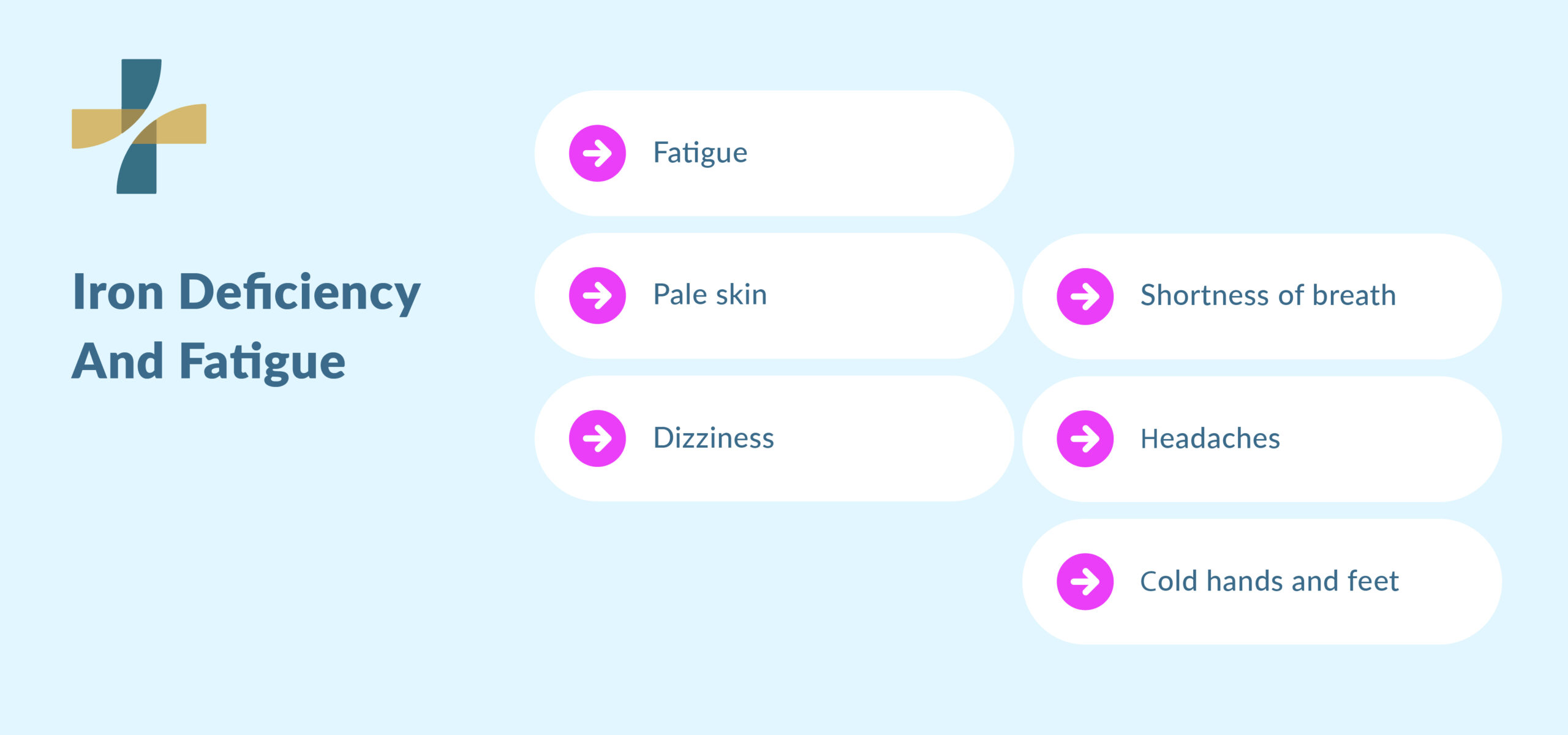
Common iron deficiency symptoms include:
- fatigue
- pale skin
- dizziness
- shortness of breath
- headaches
- cold hands and feet
Iron deficiency remains one of the leading causes of chronic fatigue worldwide.
Vitamin B12 deficiency and low energy
Vitamin B12 supports nerve health and red blood cell production. Low B12 levels can affect both physical and cognitive energy.
Symptoms of vitamin B12 deficiency include:
- fatigue
- brain fog
- memory issues
- numbness or tingling in hands and feet
- mood changes
Groups at higher risk include:
- older adults
- vegetarians and vegans
- people with digestive disorders
Doctors often detect these deficiencies through blood tests in Vancouver that clinics provide during routine evaluations.
Can Thyroid Problems Cause Chronic Fatigue?
Yes. Thyroid disorders can slow metabolism and reduce energy production in the body. Low thyroid hormone levels, known as hypothyroidism, commonly cause persistent tiredness and cognitive slowing.
The thyroid gland regulates metabolism, heart rate, and body temperature. When hormone levels drop, the body’s energy production slows.
Symptoms of hypothyroidism
Common symptoms include:
- fatigue
- weight gain
- cold sensitivity
- dry skin
- depression
- slowed thinking
A thyroid blood test in Vancouver that doctors order checks hormone levels such as TSH and T4 to diagnose thyroid disorders.
Example scenario:
A professional in Vancouver reports persistent fatigue, weight gain, and feeling cold even in warm environments. Blood tests reveal low thyroid hormone levels.
Could a Sleep Disorder Be the Cause of Persistent Tiredness?
Sleep disorders often cause persistent tiredness even when someone sleeps for many hours. Conditions such as sleep apnoea interrupt breathing during sleep and prevent restorative rest.
Obstructive sleep apnoea affects millions of adults. Research from public health and cardiovascular organisations shows that untreated sleep apnoea increases the risk of heart disease, diabetes, and stroke because repeated breathing interruptions reduce oxygen levels and place stress on the cardiovascular system.
Common sleep apnoea symptoms
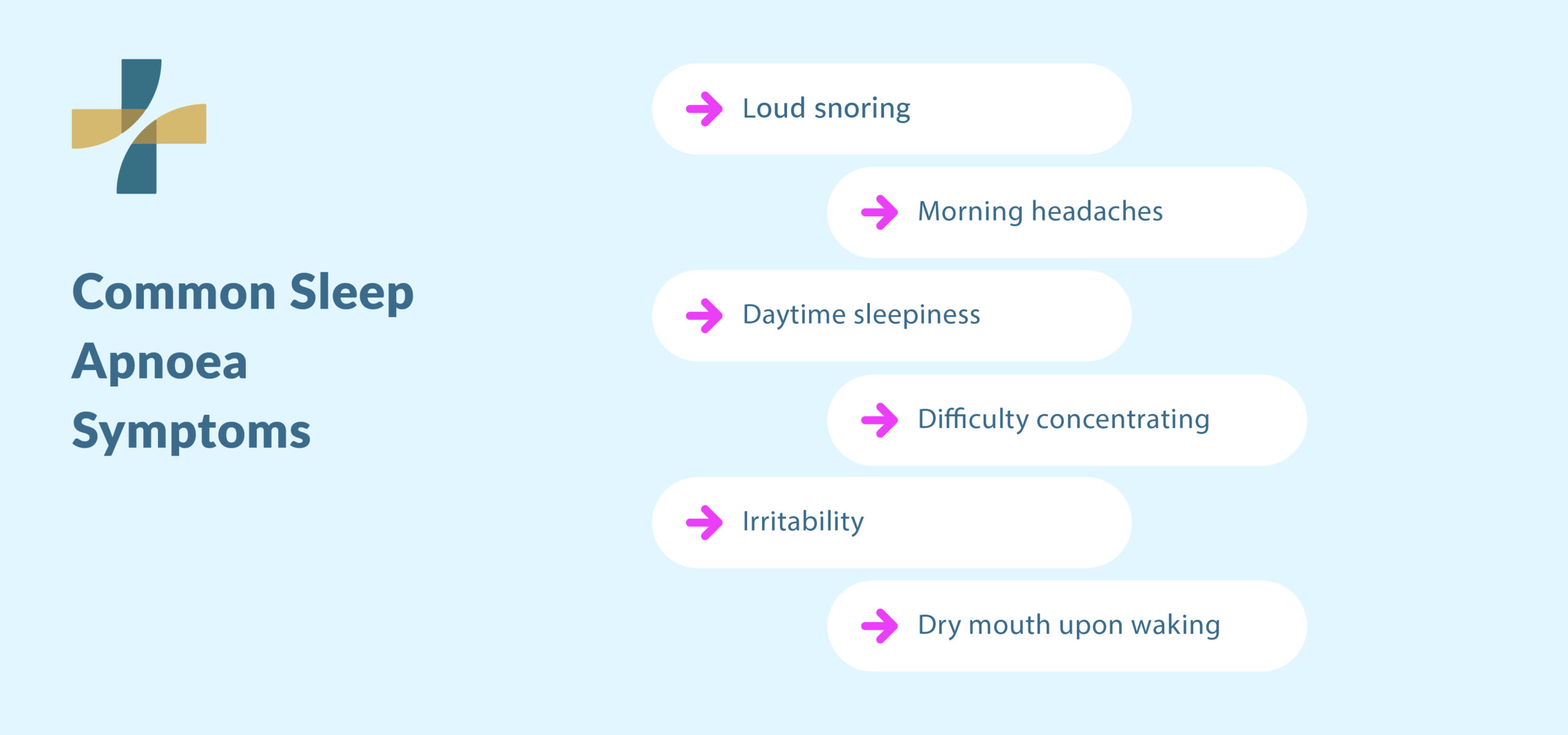
Typical sleep apnoea symptoms include:
- loud snoring
- morning headaches
- daytime sleepiness
- difficulty concentrating
- irritability
- dry mouth upon waking
Example scenario:
A patient sleeps eight hours each night but wakes feeling exhausted. A sleep study later confirms obstructive sleep apnoea. Treating sleep disorders often improves daytime energy levels.
What Is Chronic Fatigue Syndrome (ME/CFS)?
Chronic fatigue syndrome is a complex condition that causes severe fatigue lasting at least six months. The fatigue worsens after mental or physical activity and does not improve with rest.
Medical researchers refer to the condition as myalgic encephalomyelitis or ME/CFS. According to Dr. Anthony Komaroff of Harvard Medical School, chronic fatigue syndrome is a serious biological illness that affects multiple body systems.
Also, research from the National Library of Medicine suggests that the key chronic fatigue syndrome symptoms include severe fatigue lasting at least six months, post-exertional malaise, unrefreshing sleep, and cognitive impairment or dizziness when standing.
- severe fatigue lasting six months or more
- unrefreshing sleep
- brain fog
- post-exertional malaise
- dizziness when standing
Doctors diagnose ME/CFS only after ruling out other conditions.
Example symptoms pattern:
| Core Symptoms | Additional Symptoms |
| Severe fatigue | Muscle pain |
| Brain fog | Headaches |
| Unrefreshing sleep | Sore throat |
| Post-exertional fatigue | Dizziness |
Because there is no single diagnostic test, a CFS diagnosis in Vancouver that physicians perform often requires careful symptom review and laboratory testing.
What Medical Conditions Can Cause Constant Tiredness?
Many medical conditions can cause ongoing fatigue. These include anaemia, thyroid disorders, diabetes, autoimmune disease, chronic infections, and mental health conditions.
Doctors often look for these medical reasons for constant tiredness during a clinical evaluation.
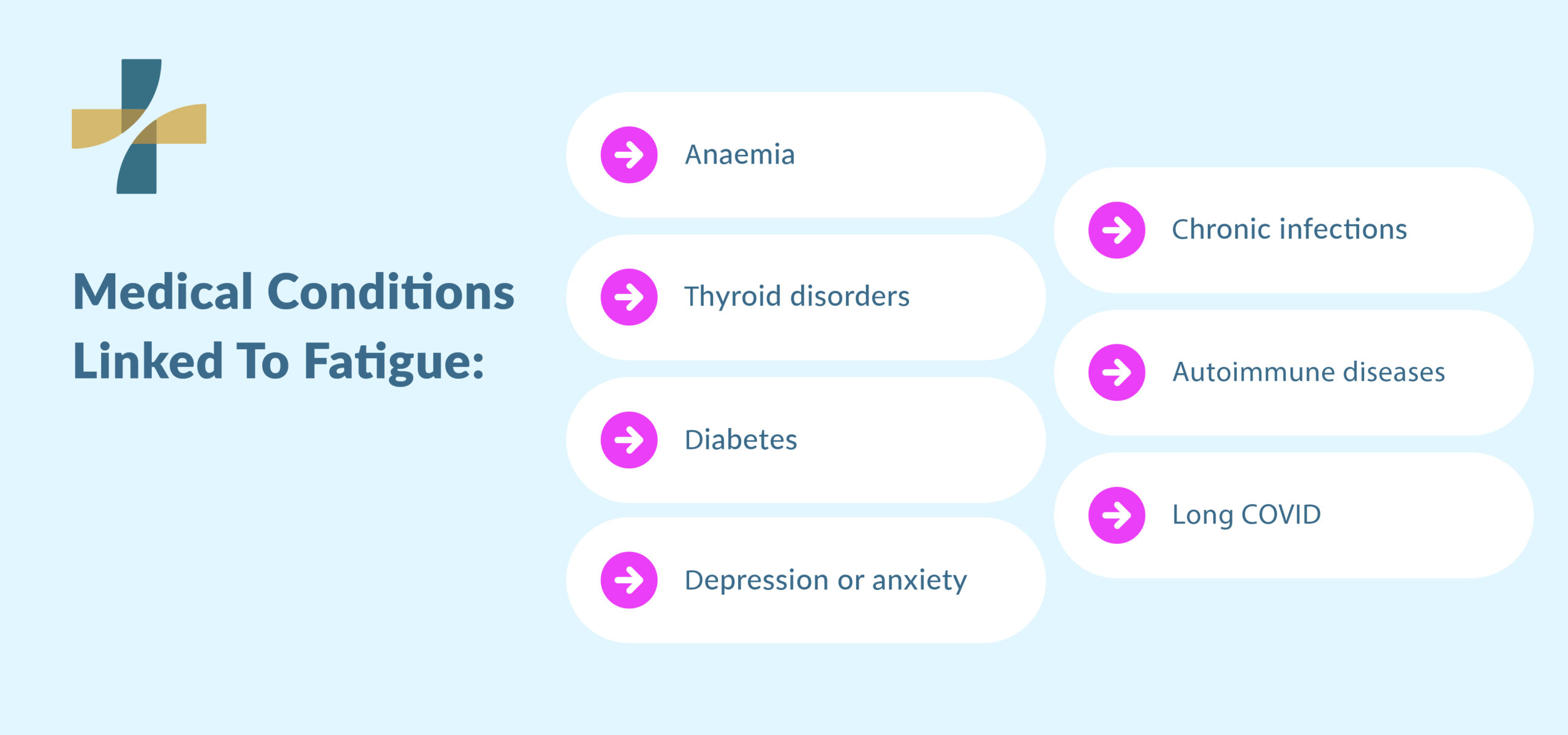
Examples of medical conditions linked to fatigue:
- anaemia
- thyroid disorders
- diabetes
- depression or anxiety
- chronic infections
- autoimmune diseases
- long COVID
Example scenario:
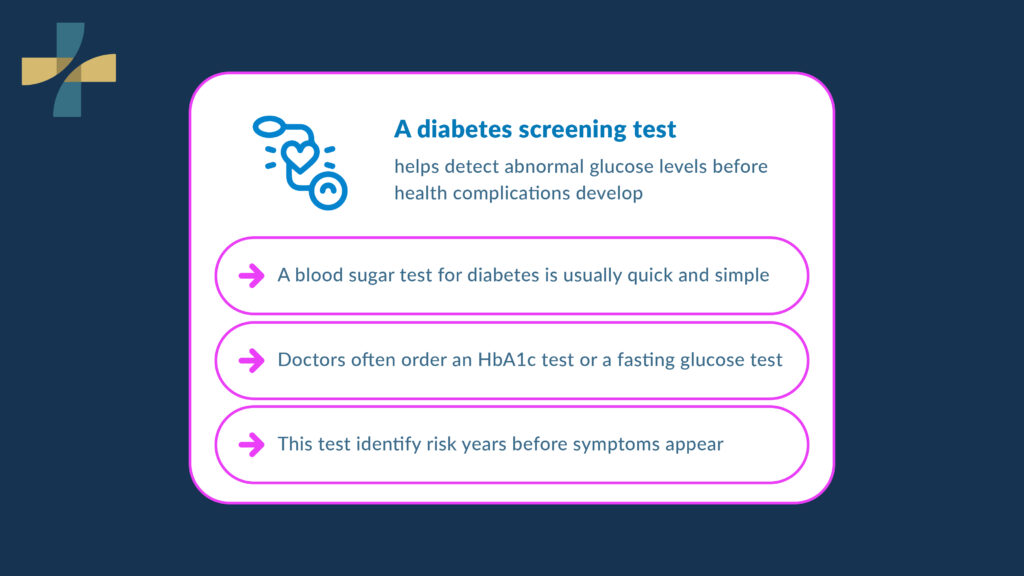
A patient experiences fatigue, increased thirst, and frequent urination. Blood testing reveals elevated glucose levels consistent with diabetes. These conditions often appear during investigations for causes of chronic fatigue.
What Blood Tests Help Identify the Causes of Chronic Fatigue?
Doctors use several laboratory tests to investigate the causes of chronic fatigue. These tests evaluate red blood cells, nutrient levels, hormones, and metabolic markers that may contribute to tiredness.
Many clinics offer fatigue blood tests in Vancouver during medical assessments.
Common pathology tests for fatigue
Typical pathology tests for fatigue include:
| Test | Purpose |
| Complete blood count | Detect anaemia |
| Iron studies | Identify iron deficiency |
| Vitamin B12 levels | Detect vitamin deficiency |
| Thyroid hormone tests | Assess thyroid function |
| Blood glucose | Screen for diabetes |
| Inflammatory markers | Identify chronic illness |
These tests are often included in a health screening blood test that evaluates overall metabolic health.
When Should You See a General Practitioner (GP) for Persistent Tiredness?
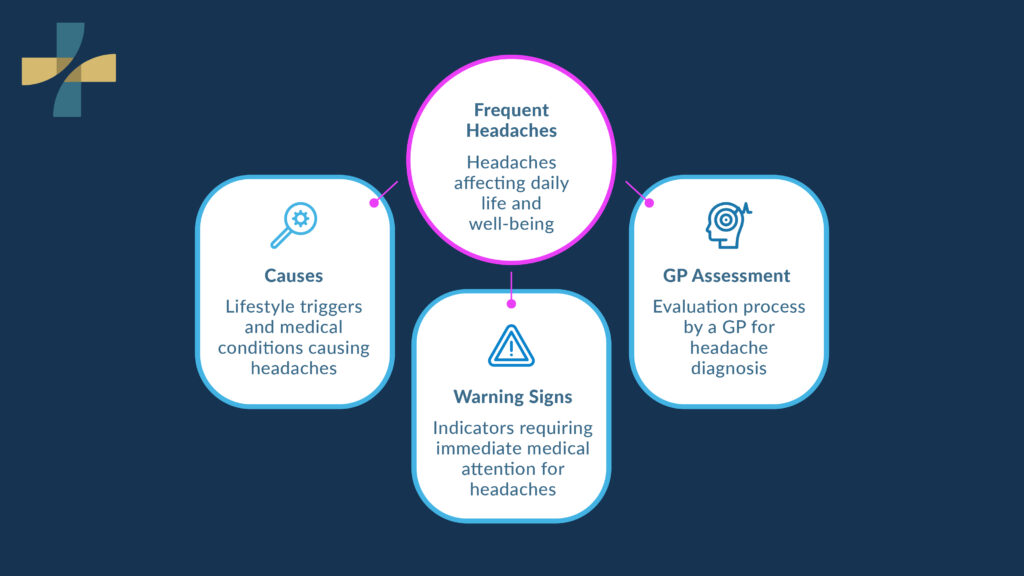
You should see a doctor if fatigue lasts longer than several weeks or interferes with daily activities. Medical evaluation helps identify treatable causes such as nutrient deficiencies, hormone imbalance, or sleep disorders.
Knowing when to see a GP for fatigue is important for early diagnosis.
Warning signs that require medical evaluation
Seek medical advice if fatigue occurs with:
- dizziness
- unexplained weight loss
- shortness of breath
- persistent headaches
- difficulty concentrating
- sleep disturbances
A physician assessment for tiredness consultation often includes a medical history review, physical examination, and laboratory tests.
How Can a General Practitioner (GP) Consultation Help Diagnose Chronic Fatigue Causes?
A general practitioner consultation helps determine chronic fatigue causes through clinical evaluation, symptom review, and laboratory testing. Doctors assess medical history, lifestyle factors, and potential underlying illnesses that may contribute to persistent tiredness.
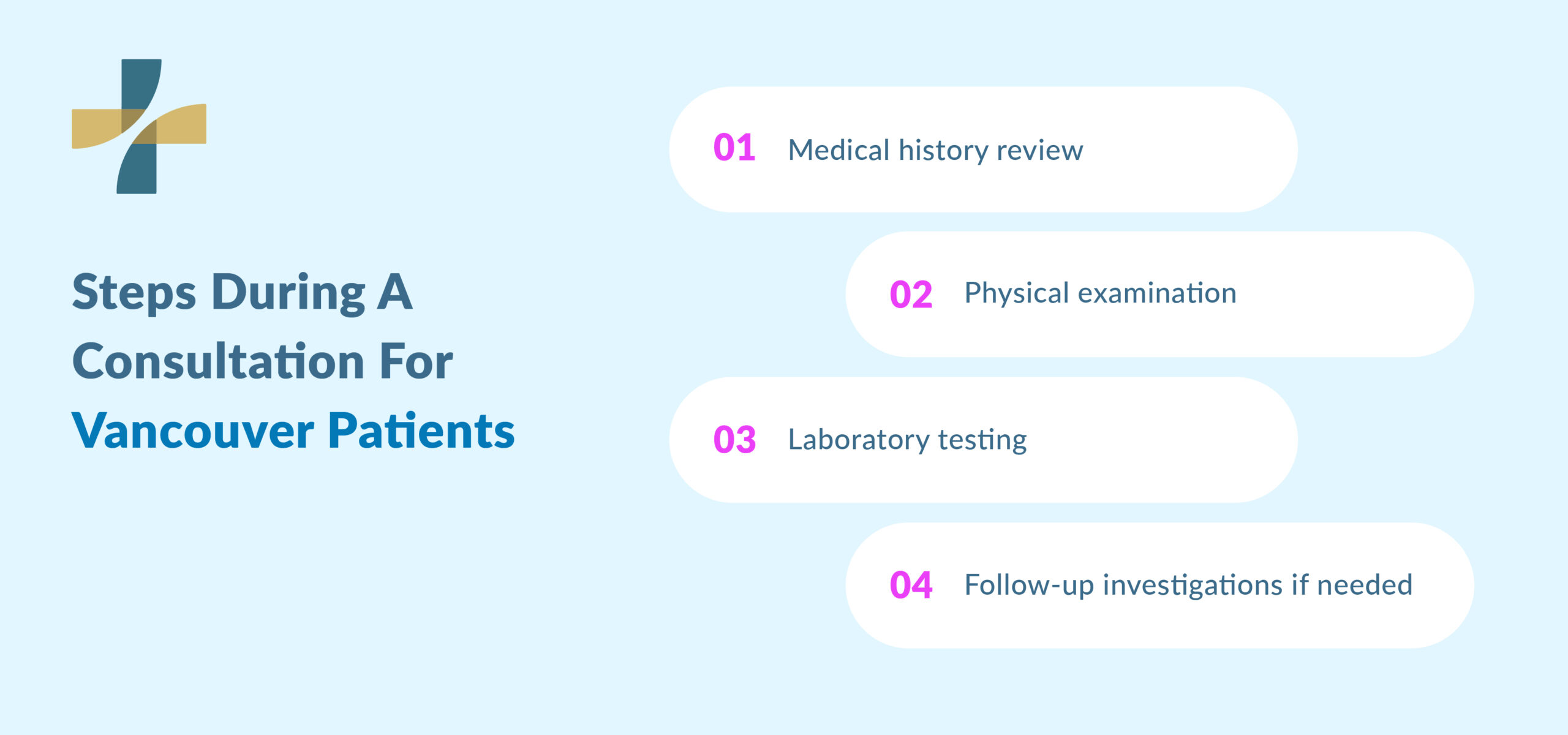
Steps during a consultation for Vancouver patients often include:
- Medical history review
- Physical examination
- Laboratory testing
- Follow-up investigations if needed
Doctors may also review medications, sleep patterns, and stress levels to identify possible contributors.
How NV Med Center Helps Investigate Chronic Fatigue Causes
Chronic fatigue can result from many underlying health issues, including nutrient deficiencies, thyroid disorders, sleep disorders, and chronic illness. Identifying the exact cause requires careful medical evaluation, laboratory testing, and clinical assessment. Early diagnosis helps prevent complications and allows patients to begin appropriate treatment sooner.
At NV Med Center, patients receive thorough evaluation for persistent tiredness medical causes through GP consultations, laboratory testing, and preventive screening. Our team provides medical assessments, fatigue blood tests that Vancouver patients need, and personalised care plans to identify the cause of fatigue. Book your appointment with NV Med Center today to investigate ongoing fatigue and restore your energy.
FAQs
What causes chronic fatigue?
Chronic fatigue can result from several medical conditions, including iron deficiency, thyroid disorders, vitamin B12 deficiency, sleep disorders, infections, and chronic illnesses. Lifestyle factors such as stress and poor sleep may also contribute. Doctors often perform medical evaluations and blood tests to determine the cause.
When should I see a GP for tiredness?
You should see a GP if fatigue lasts longer than several weeks, interferes with daily activities, or occurs with symptoms such as dizziness, brain fog, or sleep problems. Medical assessment can help rule out underlying conditions.
What blood tests check for fatigue?
Doctors often order blood tests such as a complete blood count, iron studies, vitamin B12 levels, thyroid hormone tests, and blood glucose tests. These pathology tests help identify nutrient deficiencies, hormone disorders, and metabolic problems that may cause fatigue.
Is chronic fatigue syndrome common in Vancouver?
Chronic fatigue syndrome is considered relatively uncommon but may be underdiagnosed. Many patients first undergo evaluation for other causes of fatigue before receiving a diagnosis. Doctors assess symptoms and rule out other medical conditions before confirming ME/CFS.