
Top 5 Reasons to Choose NV Med Center Microneedling Services in Vancouver
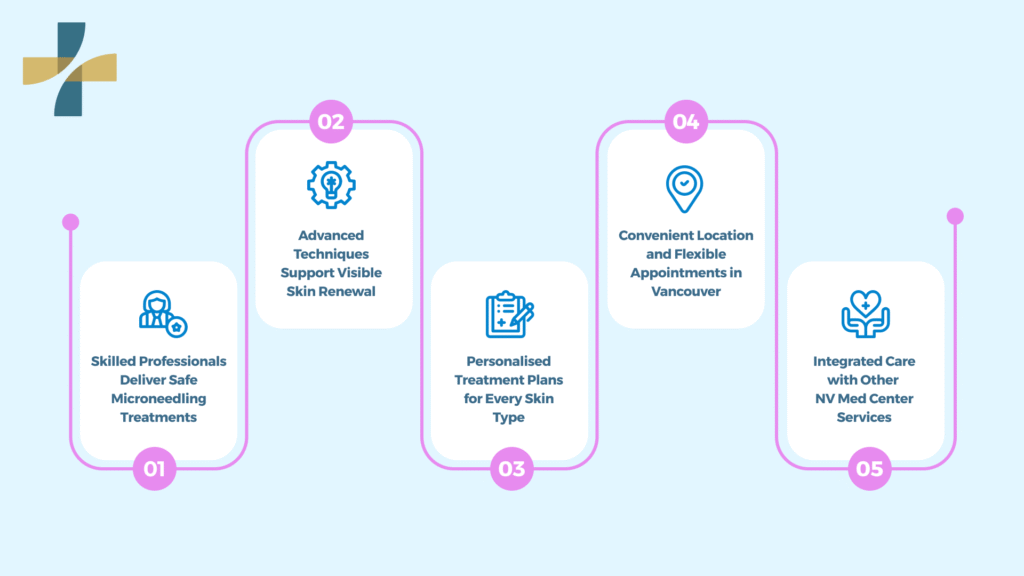
Microneedling is a popular skin treatment for texture, tone, and scars. Many adults search “best microneedling near me” after seeing fast claims online. The better move is simple. Pick a clinic that uses safe methods, trained staff, and a plan that fits your skin. Search and social trends help explain the rising interest in microneedling. Industry reporting shows growing demand for non-invasive skin treatments, including microneedling and Ultherapy, as more adults look for options with minimal downtime. This visibility has also increased interest in at-home microneedling tools. Clinical research on adverse events linked to home-use microneedling devices shows that improper hygiene, needle depth, and technique can raise the risk of infection and skin injury, especially without professional oversight. This guide explains five clear reasons adults choose NV Med Center for microneedling in Vancouver. Each reason links back to safety, skill, and a clear plan. Microneedling in Vancouver: What It Is and Why Professional Care Matters Microneedling is a minimally invasive skin treatment used to improve texture, tone, and scars by supporting collagen production. It uses fine needles to create tiny channels in the skin. These controlled micro-injuries can support new collagen and a smoother texture over time. Professional care matters because needle depth, device control, and hygiene reduce risk and improve results. Microneedling is sometimes called collagen induction therapy. The idea is simple. Your skin responds to controlled injury by starting a repair process. Over a series of sessions, many people notice a smoother texture and a more even look. Professional delivery matters for three key reasons when it comes to microneedling. Controlled needle depth improves outcomes because incorrect settings can limit results or increase risk. Hygiene and sterile technique reduce infection risk, which is a documented concern with skin procedures. Pre-treatment skin screening helps guide safer timing and treatment planning for conditions like active irritation or recent sun damage. Each of these practices aligns with guidance from the American Academy of Dermatology on microneedling for scars and skin concerns. Mini scenario: You buy an at-home microneedling pen after a viral post. You use it twice in one week. Your skin stays red and stings for days. A clinic consultant would usually adjust timing, depth, and aftercare. It would also check for irritation triggers. Quick comparison table Factor Clinic microneedling At-home tools Needle depth control Set by a trained provider Often guessed by the user Hygiene standards Sterile protocols Varies by user setup Skin screening Done before treatment Often skipped Aftercare plan Given and adjusted Often generic Risk profile Lower with proper protocols Higher if the technique is poor Reason 1: Skilled Professionals Deliver Safe Microneedling Treatments Choosing NV Med Center means microneedling is delivered by trained providers, with a clinical approach to safety. A skilled provider can match needle depth to your skin and goals. They can also screen for active irritation and reduce avoidable risks like infection and pigment change. Medical setting and provider training Many people want results but worry about safety. That concern is valid. Microneedling is a procedure, not a basic facial. A medical clinic environment supports safer practice. It also supports clear escalation if your skin reacts unusually. Competitor clinics highlight this point for a reason. They name tools, they explain sterile technique, and they stress provider skill. Safety checks that protect your skin At NV Med Center, the decision starts with a consult and skin review. That matches what leading dermatology sources recommend: proper assessment plus clear aftercare. Key safety checks to cover in a consult: Active acne flare with broken skin Open cuts, sunburn, or strong irritation Recent strong exfoliation or peel at home History of poor healing or pigment marks after procedures Mini scenario: You have redness and sensitivity but want a smoother texture. A trained provider may start with a gentler plan. They may also adjust spacing between sessions. That lowers flare risk and improves comfort. Reason 2: Advanced Techniques Support Visible Skin Renewal NV Med Center offers microneedling options that match different needs, including RF microneedling listed within its Beauty and Rejuvenation services. Advanced techniques matter because device control and energy settings can target texture and firmness goals. Better control supports steadier progress across sessions. Microneedling is not one fixed thing. Technique changes the outcome. Competitor content often names device platforms and explains how controlled punctures can support collagen. Standard microneedling versus RF microneedling Standard microneedling focuses on mechanical stimulation and skin repair. RF microneedling pairs needling with radiofrequency energy in the skin. RF microneedling is often used for texture and firmness goals. Downtime can still be short, but redness may last longer for some people. What “advanced” should mean in real terms Advanced care is not marketing. It should show up as: Clear depth ranges based on the area treated A consistent pass pattern across the face A plan for sensitive zones like the under-eyes A written aftercare plan and product guidance Mini scenario: You want help with fine lines and early laxity. A basic facial gives a short glow. A microneedling plan with the right settings can support longer-term change across several sessions. Reason 3: Personalised Treatment Plans for Every Skin Type NV Med Center uses a consult-first model, which helps match microneedling settings to your skin and goals. A personalised plan matters because acne scars, fine lines, and uneven tone respond differently. Your plan should cover session count, spacing, and aftercare steps, not just the treatment day. For adults in North Vancouver and nearby areas, this approach supports realistic planning based on lifestyle, work schedules, and sun exposure throughout the year. Microneedling is often planned as part of Beauty and Rejuvenation Care at NV Med Center, where treatment choices are adjusted over time based on how your skin responds. One of the biggest reasons people feel stuck is confusion. They do not know if microneedling is right for their skin. A skin rejuvenation expert can explain fit, limits, and safer options before treatment begins. What gets customised A plan should be
Preparing for Your First Beauty and Rejuvenation Appointment in Vancouver
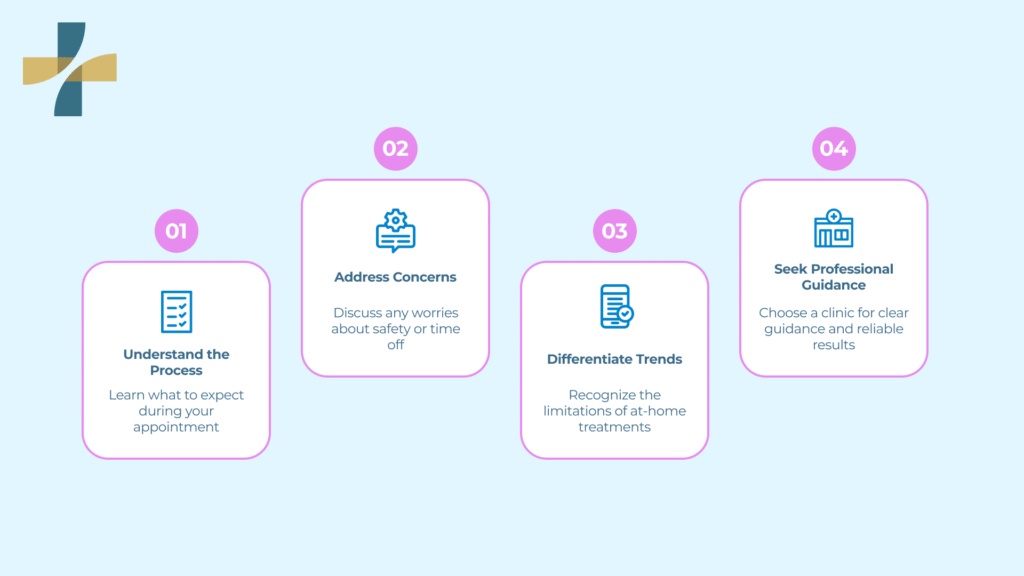
Skin rejuvenation can feel confusing when it is your first time. You might not know what happens in the room. You might worry about safety, redness, or time off work. At-home trends can add to the confusion. LED masks from brands like Therabody and Omnilux are all over social media and beauty news. They can be useful for some people, but they do not replace an in-clinic plan when you want clear guidance and reliable outcomes. This guide gives clear steps so you can prepare well, ask better questions, and book with confidence. Why Preparation Matters for Your First Appointment Preparation matters because it helps your provider choose safer options, set a clear plan, and reduce avoidable side effects. When you share your routine, meds, and goals, your first visit becomes a structured consult rather than guesswork. You also avoid timing mistakes, like booking too close to an event. What preparation changes in real life Better product choices: Your provider can spot common triggers, like harsh acids. More realistic timing: You plan around redness, peeling, or swelling. Fewer surprises: You know what your first visit will include. Mini scenario: You want a “glow,” but you also get stinging and redness. If you show your product list, your provider can start with a gentler approach, then add stronger options later. This often feels better than picking the strongest treatment on day one. Minimally invasive aesthetic treatments are popular worldwide, which means more people are booking “first visits” than ever. International Society of Aesthetic Plastic Surgery (ISAPS) reported 8.88 million botulinum toxin procedures in 2023 and 5.56 million hyaluronic acid procedures. That demand increases the need for clear planning, not rushed decisions. Understanding the Services You’ll Receive Beauty and rejuvenation care includes services that aim to improve tone, texture, hydration, and signs of ageing. Your first visit usually focuses on assessment and planning, not pressure to treat the same day. A consult-first approach helps match options to your skin and your schedule. This approach is common at the best beauty and rejuvenation clinic that Vancouver patients choose for consult-led care. What “beauty and rejuvenation care” often covers This varies by clinic, but first-timers usually ask about: Skin texture and dull tone Dryness and fine lines Uneven pigment or sun spots Enlarged pores and rough patches Early laxity or tired-looking skin Common categories of rejuvenation treatments Vancouver patients ask about Skin-resurfacing options (light peels or deeper peels, based on skin and goals) Device-based options (skin tightening, light-based treatments, or other clinic tools) Hydration and barrier support (often paired with gentle in-clinic care) Injectables (for lines and volume, when appropriate) You do not need to know the “right treatment” before you book. Your job is to explain your goal and your limits. The provider’s job is to guide the plan. Why plans are often phased Most people do better when care is staged. This is common in facial rejuvenation planning. Step one: calm irritation and build tolerance Step two: treat tone and texture Step three: target lines or laxity if needed Step four: maintenance visits Mini scenario: A busy professional wants brighter skin for work photos and also wants help with texture. A staged plan can start with a gentle skin reset first, then add targeted steps. It lowers the chance of irritation and helps timing. Documents and Information to Bring Bring your health details, skincare routine, and your goal in plain terms. This helps your provider rule out risks, choose a safer approach, and give clearer aftercare. It also helps you avoid treatments that clash with your meds, sun exposure, or skin sensitivity. What to bring in a simple checklist Health and treatment history Current medications, including topical prescriptions Supplements (especially ones linked with bruising) Allergies and past reactions Past aesthetic treatments, even if years ago Pregnancy or breastfeeding status, if relevant to you Skin routine Photos of product labels, or a written list How often do you exfoliate Any retinoids, acne products, or brighteners Any tools you use at home, like LED masks Lifestyle and timing Upcoming events in the next 2 to 4 weeks Recent sun exposure or tanning plans Work limits (time off, video calls, or travel) Mini scenario: You take fish oil and vitamin E “for health.” You forgot to mention it. You then book a treatment where bruising is a known side effect. Sharing supplements early helps your provider guide timing and prep steps. What to bring and why it helps What you bring Why it helps your plan Medication and supplement list Reduces the risk of bruising or reactions Skincare product list Spots irritants and helps prep timing Photos of your skin in daylight Helps track progress over time Your goal in one sentence Keeps the plan focused Event date or deadline Helps choose treatments with the right downtime What to Expect During Your First Appointment Your first appointment usually includes a consult, a skin review, and a clear plan. You will discuss goals, timing, risks, and aftercare. Some people do the treatment on the same day. Others start with a plan first, then book the best timing for results. Step 1: A goal-focused conversation Expect questions like: What bothers you most right now? What does “better” look like for you? What is your deadline, if you have one? What have you tried already? A good provider will help you describe goals in plain terms. You do not need perfect words. Step 2: Skin review and product review Your provider may look at: Dryness, redness, oil levels, and texture Pigment patterns and sun exposure signs Current irritation and barrier health Past scars or active acne Your product list matters here. Many first-time issues come from overuse of actives. Step 3: A plan with clear timing A solid plan should cover: What treatment is suggested and why What changes to expect and when What downtime might look like How many sessions might be needed What home care supports results ISAPS data shows
Top 5 Reasons to Choose NV Med Center Beauty & Rejuvenation Services in Vancouver
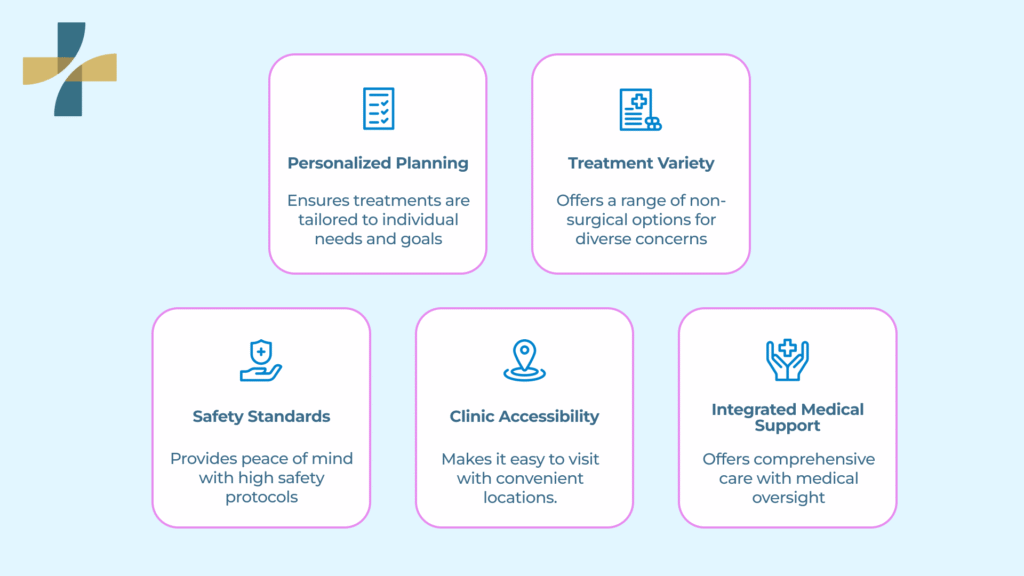
Beauty and rejuvenation care focuses on non-surgical approaches that support skin health, texture, and overall appearance. In Vancouver, interest in these services has increased as more adults seek gradual improvement rather than dramatic cosmetic change. Many people also want clear guidance, predictable care, and treatment options that fit daily routines. This article explains the main factors that influence how people choose beauty and rejuvenation care. It outlines the role of personalised planning, treatment variety, safety standards, clinic accessibility, and integrated medical support within a local care setting. Why More Adults are Choosing Beauty and Rejuvenation Care in Vancouver Many people turn to clinic-based care after trying products or routines that did not deliver clear results. Skin concerns such as uneven tone, congestion, and sensitivity often need more than topical products alone. This has led more adults to seek structured treatment plans guided by trained professionals. Social media has also raised demand, but it has raised confusion, too. At-home LED masks and “skin hacks” trend fast, yet the quality of advice varies. A recent study reviewing TikTok content notes that these devices are heavily promoted, while the reliability of health information is still a concern. For many individuals, clinic-based care offers clearer guidance and fewer unknowns. A consultation allows skin concerns to be reviewed properly, rather than relying on general advice shared online. This approach helps people make decisions based on their own skin needs instead of trends. Reason 1: Personalised Care Led by Trained Aesthetic Professionals Personalised beauty and rejuvenation care starts with your skin and your goals, not a menu. The goal is to match the right treatment to your skin type, sensitivities, and timeline. This reduces guesswork and helps you avoid treatments that do not suit you. What personalised care looks like in real life A trusted beauty clinic will usually do three things early: Ask what you want to change and what you want to keep the same Check your skin history and current routine Explain options in plain language, including limits and aftercare This matters because skin responds differently based on age, hormones, sun exposure, stress, and product use. A plan for a 35-year-old with acne and oil is not the same as a plan for a 60-year-old with dryness and fine lines. Advanced skin and hair analysis supports smarter choices NV Med Center offers advanced skin and hair analysis as part of its approach. This helps guide treatment selection and home care advice. Mini scenario: A client wants brighter skin but also notices frequent redness and irritation. After trying stronger treatments, the skin becomes more reactive instead of clearer. With clinician guidance, the approach can shift to gentler treatments first, allowing the skin to settle before adding targeted options later. Reason 2: Wide Range of Rejuvenation Treatments in One Clinic A strong beauty clinic in Vancouver often offers multiple treatment types in one place. That matters because skin goals change over time, and many people need more than one approach. When you can combine services, you spend less time shopping around and more time following a plan. NV Med Center lists a broad set of services under its Beauty & Rejuvenation Care offering, including facials, scalp and hand treatments, RF microneedling, and LED light therapy. What NV Med Center offers (grouped by goal) Below is a simple way to understand the menu. The point is not to self-diagnose. The point is to see that you have options. Skin cleansing and hydration Organic Signature Facial Hydro Diamond Facial Oxygen Fusion Facial Oxygen Dome Therapy Targeted areas Hydro Diamond Scalp Treatment Hydro Diamond Hand Treatment Targeted Eye & Lip Revitalisation Texture and firmness support RF Micro needling Redness and blemish support LED Light Therapy Puffiness and circulation support Vacuum Lymphatic Drainage Common concerns and clinic treatment options This table helps readers connect concerns to categories. Final selection should happen in a consultation. Concern you notice What people often ask for Common in-clinic categories Dull tone, dry feel “I want glow.” Hydration facials, oxygen-based options Congestion or pimples “I want fewer breakouts.” LED light therapy, gentle cleansing options Uneven texture “My skin feels rough.” Exfoliation-focused facials, RF microneedling Puffiness “My face looks swollen.” Lymphatic drainage style treatments Mini scenario: A busy professional wants a smoother tone for work photos and meetings, but also wants help with uneven texture. Booking different services at separate clinics becomes time-consuming and hard to maintain. When treatments are planned together in one clinic, care stays consistent and easier to follow. This is one reason people choose rejuvenation treatments in Vancouver clinics that offer a variety under one roof. Reason 3: Safety, Hygiene, and Medical Oversight The safest aesthetic care in Vancouver is with trained providers, proper screening, and clear hygiene standards. Many treatments are low risk, but “low risk” is “no risk.” A medical clinic setting adds structure, documentation, and safer decision-making for clients with health needs or sensitive skin. Why safety matters more in 2026 than it did a few years ago There is rising attention on unlicensed providers and misleading ads in cosmetic services. Media coverage has highlighted crackdowns in some markets due to poor practices and unsafe promotions. Patients tend to feel more confident when clinics are clear about who provides care and how treatments are managed. What good screening looks like A trusted beauty clinic should ask about: Active skin infections or open wounds Pregnancy or breastfeeding (for some services) Recent strong actives (like prescription retinoids) History of pigment issues or melasma (relevant for heat and light devices) Evidence-based guidance beats hype At-home LED devices are popular, but the evidence is mixed by goal. The American Academy of Dermatology notes that visible light devices (blue, red, or both) can treat pimples, but they are less powerful than in-clinic devices and are not effective for all acne types. A recent Guardian article on red light masks quotes Professor Afshin Mosahebi from UCL, warning that evidence for wrinkle prevention is limited and long-term effects are
What Is the Difference Between a Dermatologist and a Skincare Clinic in Vancouver?
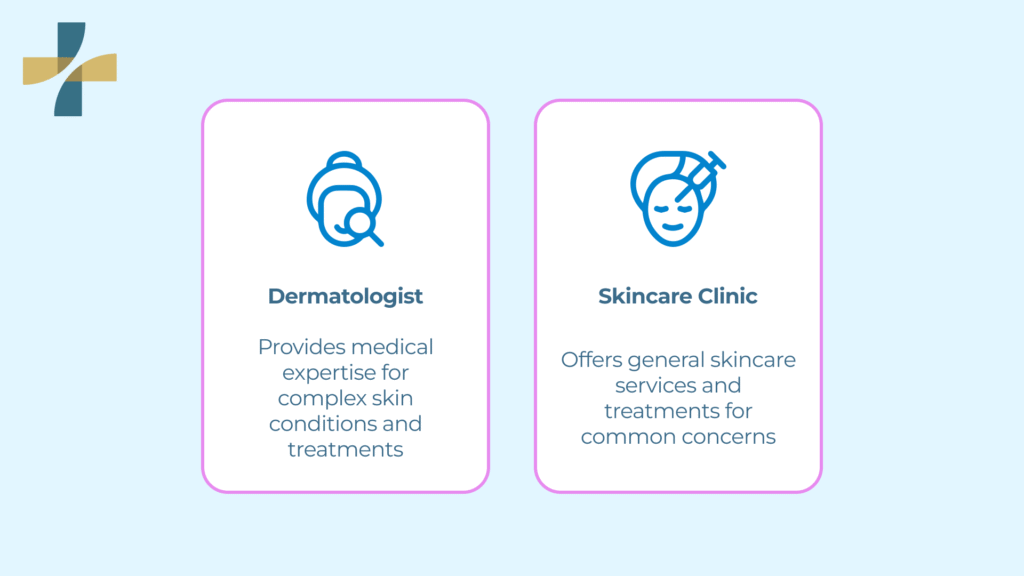
Skin advice is everywhere right now. TikTok routines, celebrity brands, and “skin cycling” trends can make it hard to know what you need. A recent study published in Pediatrics found that many social media skincare routines include multiple active products and often omit sunscreen, which may increase irritation risk. That trend is one reason people search dermatologist vs skincare clinics more than ever. This guide explains the difference between a dermatologist and a skincare clinic so you can choose the right care in Vancouver for acne, ageing, dark spots, or general skin health. Who Is a Dermatologist and What Do They Do? A dermatologist is a medical doctor trained to diagnose and treat skin, hair, and nail conditions. They can prescribe medicine, perform medical procedures, and check for serious issues like skin cancer. If a skin problem is painful, spreading, bleeding, or not improving, a dermatologist is often the safest next step. H3: Medical training and scope Dermatologists are doctors. Their work is medical care, not just cosmetic care. They can: Diagnose skin disease Prescribe topical and oral medicines Order tests when needed Perform procedures like biopsies and lesion removal Common problems dermatologists treat A dermatologist may be the right choice if you have: Acne that is severe, cystic, or scarring Eczema, psoriasis, or long-term rashes Repeated hives or allergic skin reactions A mole that changes shape, colour, or bleeds A sore that does not heal Hair loss patterns that start fast Nail infections or nail changes Dermatology treatments you may get Depending on the problem, a dermatologist may use: Prescription retinoids, antibiotics, or other acne medicines Steroid creams for inflammation Antifungals for skin or nail infections Biopsy for a suspicious spot Cryotherapy for some lesions Removal of cysts or growths Mini-scenario You notice a new dark spot on your skin that looks uneven and keeps changing in colour or size. Treating pigment without a medical check can delay the diagnosis of a serious skin condition, including skin cancer. Cosmetic treatments may mask warning signs rather than address the cause. A medical skin exam should come first, with a biopsy if needed, before any cosmetic treatment is started. What Services Skincare Clinics Provide A skincare clinic provides non-surgical skin treatments and routine support for skin goals like tone, texture, breakouts, and early ageing. Many people use a professional skincare clinic for maintenance, product guidance, and treatment plans that target surface-level concerns. The best results often come from clear goals and safe treatment choices. What a skincare clinic focuses on A skincare clinic usually focuses on: Skin appearance and daily skin health habits Preventive care, like sun protection planning Cosmetic concerns that do not look like a disease Routine support for results over time In the skincare clinic in Vancouver, many people want help with acne, dullness, dark spots, and fine lines without long waits or complex referrals. Common skin care services you may see Skincare clinics vary, but common skin care services in Vancouver that patients look for include: Skin consults and routine planning Facials and skin barrier support Superficial peels (mild exfoliation) Treatments for texture and congestion Pigment support plans Guidance on actives like vitamin C, niacinamide, and retinoids Some skincare clinics also support cosmetic injectables such as Botox and dermal fillers when appropriate, following a structured consultation and treatment process. Who you might see at a skincare clinic You may be treated by: Aesthetic clinicians or skin therapists Medical aestheticians in a clinic setting Staff trained in device-based cosmetic care, where allowed Mini-scenario You have mild acne and blackheads that come and go without pain or scarring. Using random products or harsh treatments can irritate the skin and make breakouts harder to control. A skincare clinic can help build a simple routine with gentle exfoliation, clear product steps, and follow-up visits to keep breakouts manageable over time. Key Differences: The Difference Between a Dermatologist and a Skincare Clinic The difference between a dermatologist and a skincare clinic comes down to medical scope, prescribing rights, and the type of problems they can treat safely. Dermatologists diagnose and treat disease. Skincare clinics treat cosmetic concerns and support routines. Many people use both, but they start in different places. H3: Quick comparison table Feature Dermatologist Skincare clinic Core role Medical diagnosis and treatment Cosmetic care and routine support Can diagnose disease Yes No Can prescribe medicine Yes No Can do biopsies Yes No Best for Rashes, severe acne, and suspicious lesions Mild acne care, texture, tone, maintenance Typical setting Medical clinic, specialist practice Skin clinic, medical aesthetics clinic, wellness clinic Medical care vs cosmetic care Dermatologist: treats medical problems first. They manage risk, diagnosis, and treatment plans. Skincare clinic: supports skin goals like glow, texture, and early ageing, when red flags are not present. Prescribing and procedure limits If you need prescription medicine, a skincare clinic cannot provide it. If you need a biopsy or mole check for cancer risk, that is a medical job. Canada’s melanoma rates highlight why new or changing skin lesions should be checked by a medical professional. Where confusion happens Many concerns sit in the middle. Acne is a common example: Mild acne may fit a skincare clinic plan. Severe acne, scarring acne, or acne with pain often needs medical care first. Dermatologist vs Skincare Clinic for Common Skin Concerns Dermatologist vs skincare clinic choices become clearer when you match the provider to the problem. Medical symptoms usually call for a clinician-led assessment. Cosmetic goals can fit a skincare clinic plan. If you are unsure, start with medical screening and then move to cosmetic care. Acne Start with a dermatologist when: Acne is deep, painful, or cystic You have scarring You have tried basic products for 8–12 weeks without change A skincare clinic may help when: Acne is mild and mostly clogged pores You need help with routine steps and product choice Your skin barrier is irritated from too many actives Mini-scenario: You copied a TikTok
Beauty Clinic Vancouver: Step-by-Step Botox and Fillers Guide
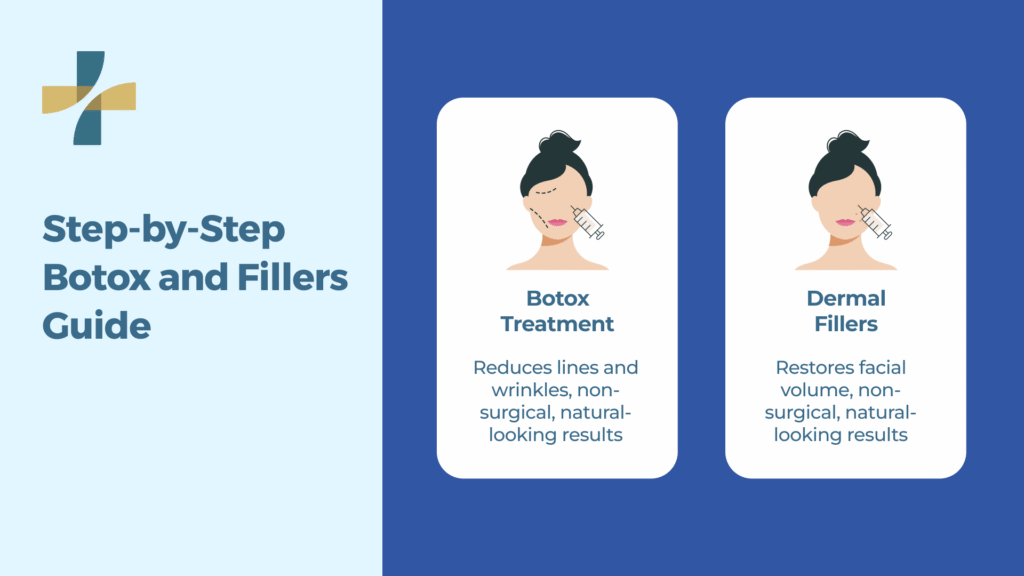
Botox and dermal fillers are two of the most requested cosmetic treatments in Vancouver. They are widely chosen for their ability to reduce lines, restore facial volume, and create natural-looking results without surgery. In 2024, aesthetic procedures worldwide reached 38 million, with non-surgical treatments like Botox and fillers driving much of that growth. If you are planning your first visit to a beauty clinic in Vancouver, you may feel uncertain about the process. Patients often ask about treatment steps, how long results last, and what aftercare involves. This guide explains what to expect during your consultation, procedure, and recovery. This will give you a clear view of how Botox and fillers work in a skin rejuvenation clinic. Step 1 — Booking an Aesthetic Consultation The journey starts with an aesthetic consultation. This appointment sets the foundation for safe and effective care. At this stage, your provider will review your health history, any medications you take, and your goals. This matters because Botox and fillers interact with the body in specific ways, and your plan must be customized. During the consultation, expect a discussion about your main concerns. Some patients focus on reducing frown lines, while others are interested in fuller lips or lifting the mid-face. The provider may take baseline photos and create a personalised treatment plan that matches your budget and expectations. For example, a patient in her early 40s may want Botox for forehead lines and fillers to restore cheek volume. Another in her 30s may choose a light filler for lip enhancement combined with Botox to soften frown lines. A clear plan gives you an accurate roadmap. Step 2 — What to Expect During Your First Visit When you arrive for your first treatment at a beauty clinic in Vancouver, the visit usually begins with preparation. The provider will clean the skin and may apply a numbing cream if needed. Some clinics use facial mapping software or draw small marks to show injection points. This helps guide placement for symmetry and balance. At this stage, you will have another chance to ask questions. Good clinics explain the benefits and limitations of each option. For instance, Botox works well for dynamic wrinkles caused by muscle movement, while fillers address lost volume and structure. Understanding this difference helps set realistic expectations. Dr Jean Carruthers, a well-known ophthalmologist based in Vancouver, is credited with pioneering the use of Botox for cosmetic purposes. Her work established the medical credibility of these anti-aging procedures, which are now standard across Canada. Step 3 — The Botox Procedure Explained Botox is injected into targeted muscles using a fine needle. It works by temporarily blocking signals that cause muscle contractions, leading to smoother skin. Common areas include the forehead, crow’s feet around the eyes, and frown lines between the brows. The procedure is quick and clear: It takes about 10–15 minutes. Pain is minimal, often described as small pinches. You can return to work or daily tasks right away. Results begin to show within 3–7 days and reach their peak at about two weeks. They usually last 3–4 months before a repeat session is needed. According to the American Society of Plastic Surgeons (ASPS) 2024 Procedural Statistics Report, Botox remains one of the most common cosmetic procedures in the United States. In 2024, there were 9.88 million injections, a 4% increase from 2023. This growth shows how widely trusted and popular Botox has become when performed by licensed providers in a beauty clinic in Vancouver. Step 4 — The Fillers Procedure Explained Dermal fillers are injectable gels made from substances like hyaluronic acid. They restore lost volume, smooth folds, and improve facial contours. Fillers are often used for the lips, cheeks, under-eye hollows, jawline, and nasolabial folds. In a clinical study, over 90% reported noticeable improvement following filler treatment. This shows how effective fillers can be when performed by trained professionals. Here is what to expect: The procedure takes 20–30 minutes. Results are immediate, though mild swelling is normal at first. Depending on the product, results last 6–18 months. Well-known brands include Juvederm and Restylane, both approved by Health Canada. These products are trusted because they have been tested for safety and effectiveness. For example, someone who feels their mid-face looks tired might choose cheek filler to restore lift, while another person may want lip filler to improve symmetry and definition. These treatments can be tailored to individual goals and are often combined as part of a wider facial rejuvenation plan. Step 5 — Post-Treatment Care After treatment, care is simple but important. Following the right steps helps maintain results and reduce side effects. What to do: Apply a cold compress to reduce swelling. Stay upright for 4 hours after injections. Follow all written aftercare instructions. What to avoid: Do not rub or massage treated areas. Skip strenuous exercise for 24 hours. Avoid alcohol or saunas on the same day. These steps support healing and lower the chance of bruising or uneven results. Your provider may also schedule a check-in call or recommend a follow-up visit if needed. Many patients appreciate clear guidance on before and after care, as it makes recovery more predictable. Step 6 — Follow-Up and Maintenance Most clinics schedule a review visit two weeks later. This follow-up allows the provider to check results against your baseline photos. Adjustments can be made, such as adding a small amount of filler or topping up Botox in one area. Here is a quick reference chart: Treatment Results Start Results Peak Duration Botox 3–7 days 2 weeks 3–4 months Fillers Immediate 1 week 6–18 months Maintenance plans often include regular injectables combined with skincare. Many patients also use facials, light therapy, or medical-grade skincare to extend results. Risks and Safety Considerations While Botox and fillers are widely used, no procedure is completely risk-free. The most common side effects are temporary. These include bruising, swelling, or redness