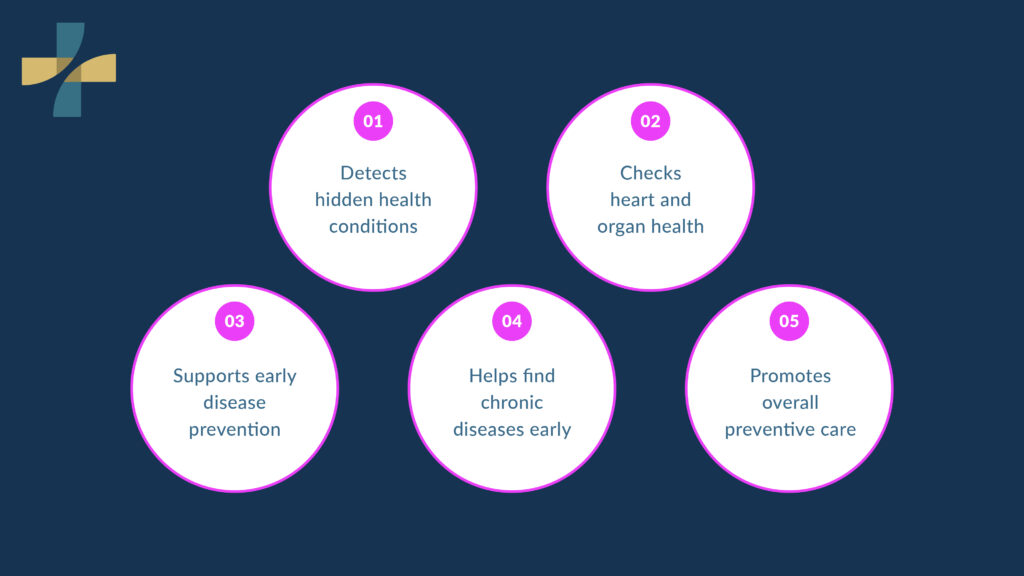
Many adults delay routine health checks because they feel well. Yet conditions such as diabetes, high cholesterol, and liver disease often develop without early symptoms. An annual physical exam helps detect changes in blood markers before problems become serious.
In Canada, primary care physicians use routine screening to evaluate heart health, metabolic function, and organ performance. These health checks and blood tests performed in Canadian clinics provide measurable data that support preventive care and early treatment.
Public health experts continue to emphasise preventive screening. According to the Public Health Agency of Canada, chronic diseases such as heart disease, cancer, diabetes, and respiratory illness are the leading causes of death and disability in the country. These conditions account for about 67 percent of all deaths in Canada, and approximately 44 percent of Canadian adults live with at least one chronic disease. Many of these conditions can be detected early through routine preventive screenings, including blood tests during an annual physical exam.
This guide explains what blood tests are included in a yearly checkup, how they support preventive healthcare, and when adults should schedule a routine health assessment with a GP clinic.
What Happens During an Annual Physical Exam in Canada?
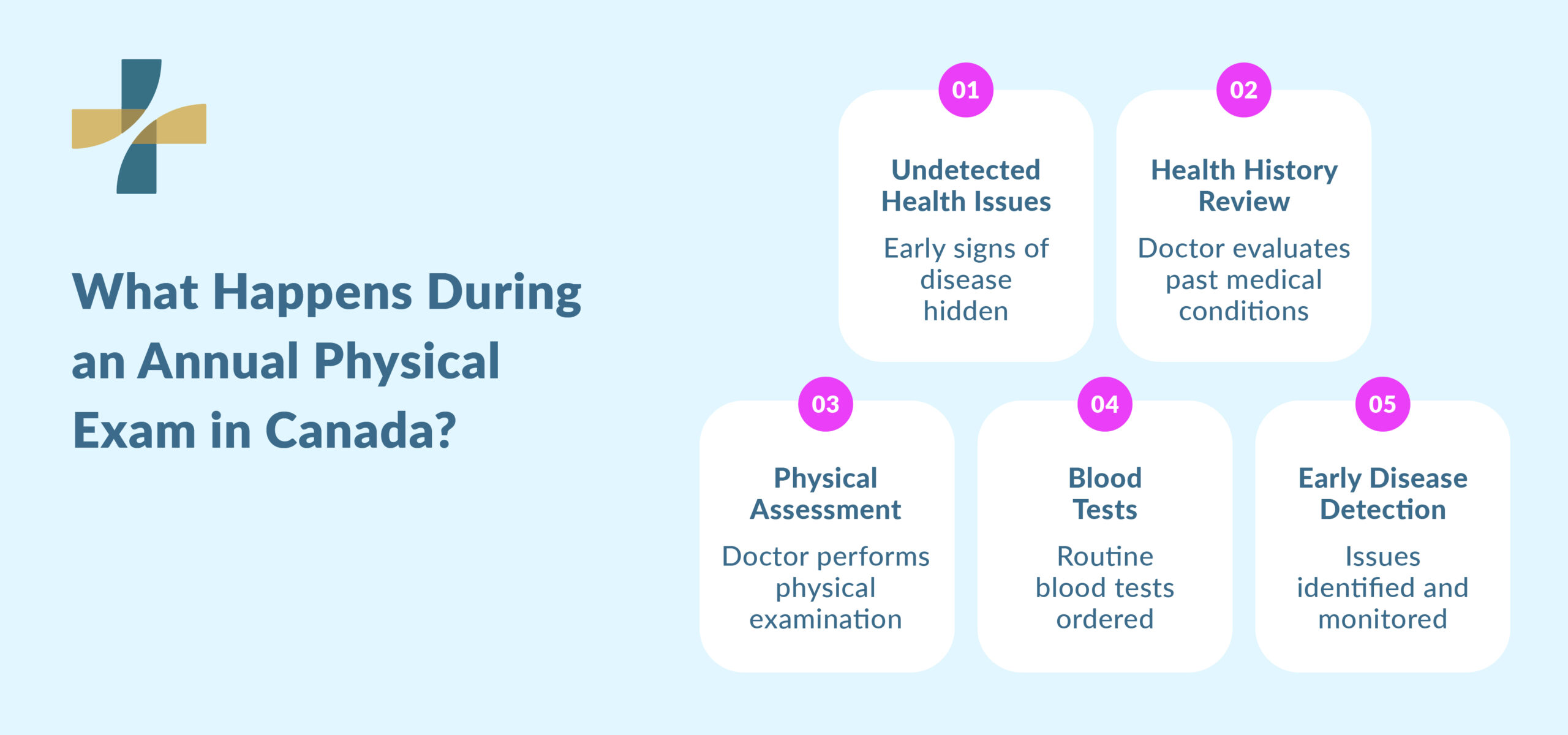
An annual physical exam is a preventive medical appointment where a doctor or a family physician reviews health history, performs a physical assessment, and orders routine blood tests to detect early signs of disease.
The purpose is to detect conditions such as diabetes, cholesterol disorders, or liver disease before symptoms appear.
During a yearly physical exam in Canada, the doctor evaluates both current health and long-term risk factors. This helps identify issues early and supports ongoing monitoring through routine screening.
Typical steps in a yearly health assessment
A standard general practitioner health assessment in Canada usually includes:
- Review of medical history
- Discussion of lifestyle habits
- Physical examination
- Blood pressure measurement
- Blood tests for health screening
- Preventive screening recommendations
A simple example shows how routine screening helps patients. A 38-year-old professional schedules a routine checkup and learns their cholesterol levels are elevated. Early lifestyle changes help reduce long-term cardiovascular risk.
What Blood Tests are Included in an Annual Physical Exam?
The most common blood tests in an annual physical exam in Canada include a full blood count test, cholesterol panel, blood glucose test, kidney function test, and liver function test. These tests help doctors detect early signs of diabetes, heart disease, infection, and organ dysfunction before symptoms appear.
Doctors may order additional tests depending on age, family history, or existing medical conditions. Routine screening allows early treatment and better long-term health outcomes.
Common Blood Tests Included in an Annual Physical Exam
| Blood Test | What It Measures | Why Doctors Order It |
| Full Blood Count Test | Red and white blood cells, platelets | Detects infection and anaemia |
| Cholesterol Test Canada | LDL, HDL, triglycerides | Assesses cardiovascular risk |
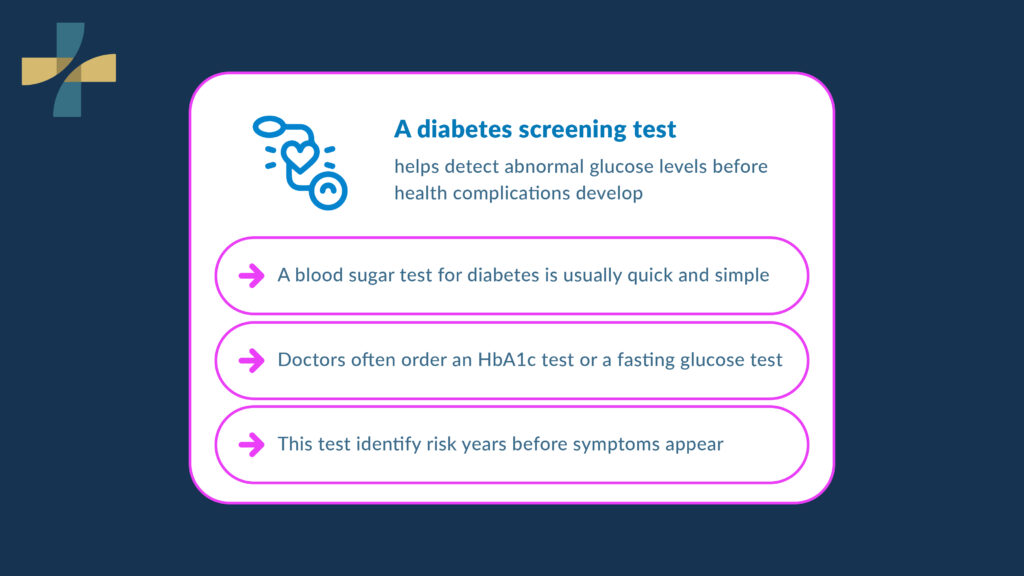
| Blood Glucose or HbA1c | Blood sugar levels | Screens for diabetes |
| Liver Function Test Canada | Liver enzymes such as ALT and AST | Identifies liver stress or damage |
| Kidney Function Panel | Creatinine and electrolytes | Monitors kidney performance |
These routine blood tests, commonly performed in Canadian clinics, help doctors monitor several body systems at once.
For example, a full blood count test can identify infection or blood disorders. A liver function test that doctors in Canada order can detect early signs of liver inflammation caused by medication use, fatty liver disease, or metabolic issues.
Why Are Blood Tests Important for Preventive Healthcare?
Blood tests measure internal markers that show how organs and metabolic systems are functioning. These markers can detect disease risk long before symptoms appear.
Routine blood testing helps doctors identify conditions such as diabetes, high cholesterol, liver disease, and kidney dysfunction early. Preventive screening allows treatment to begin sooner and reduces the likelihood of serious complications later.
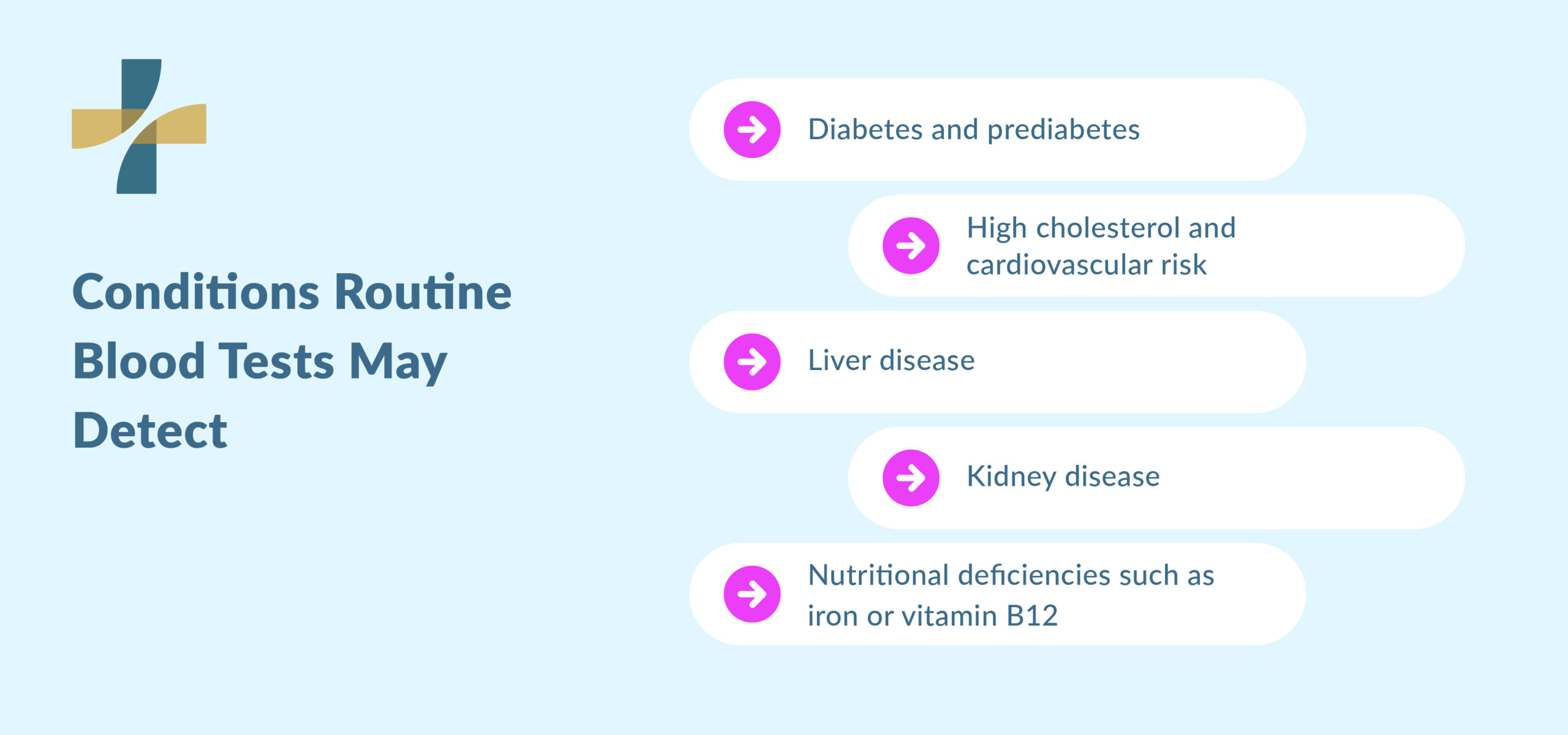
Conditions that routine blood tests may detect
Routine blood testing may identify:
- Diabetes and prediabetes
- High cholesterol and cardiovascular risk
- Liver disease
- Kidney disease
- Nutritional deficiencies, such as iron or vitamin B12
According to Statistics Canada, chronic conditions remain common among Canadian adults, and cancer and heart disease together accounted for 43.7 percent of deaths in 2023. Routine cholesterol screening and preventive blood tests help doctors identify cardiovascular risk factors early.
A patient with no symptoms may learn through routine screening that their glucose levels indicate early prediabetes. Early lifestyle changes, such as improved diet and increased activity, may prevent diabetes from developing.
This is why preventive health screening programs in Canada encourage routine testing through primary care providers.
Why Doctors Emphasise Preventive Screening
Medical experts consistently stress the importance of routine screening. Early testing helps identify risk markers years before symptoms develop.
Longevity physician Dr.Peter Attia emphasises the importance of prevention and early detection in modern medicine. In a 60 Minutes interview, he explained that many of the conditions people die from today, including heart disease, stroke, cancer, dementia, and Type 2 diabetes, require a much longer prevention strategy rather than waiting for the disease to appear.
Chronic diseases such as heart disease, cancer, stroke, and diabetes are major causes of illness worldwide. The U.S. Centers for Disease Control and Prevention reports that conditions such as heart disease, cancer, stroke, and diabetes are leading causes of illness and death.
Routine annual health check blood tests help doctors detect these conditions earlier and guide patients toward lifestyle changes or treatment when needed.
How Does a GP Health Assessment in Canada Support Long-Term Health?
A GP health assessment in Canada identifies health risks early through screening, medical history evaluation, and routine blood tests. These tests allow doctors to track trends in cholesterol, blood sugar, and organ function over time.
Monitoring health data across several years helps doctors detect patterns and guide treatment decisions.
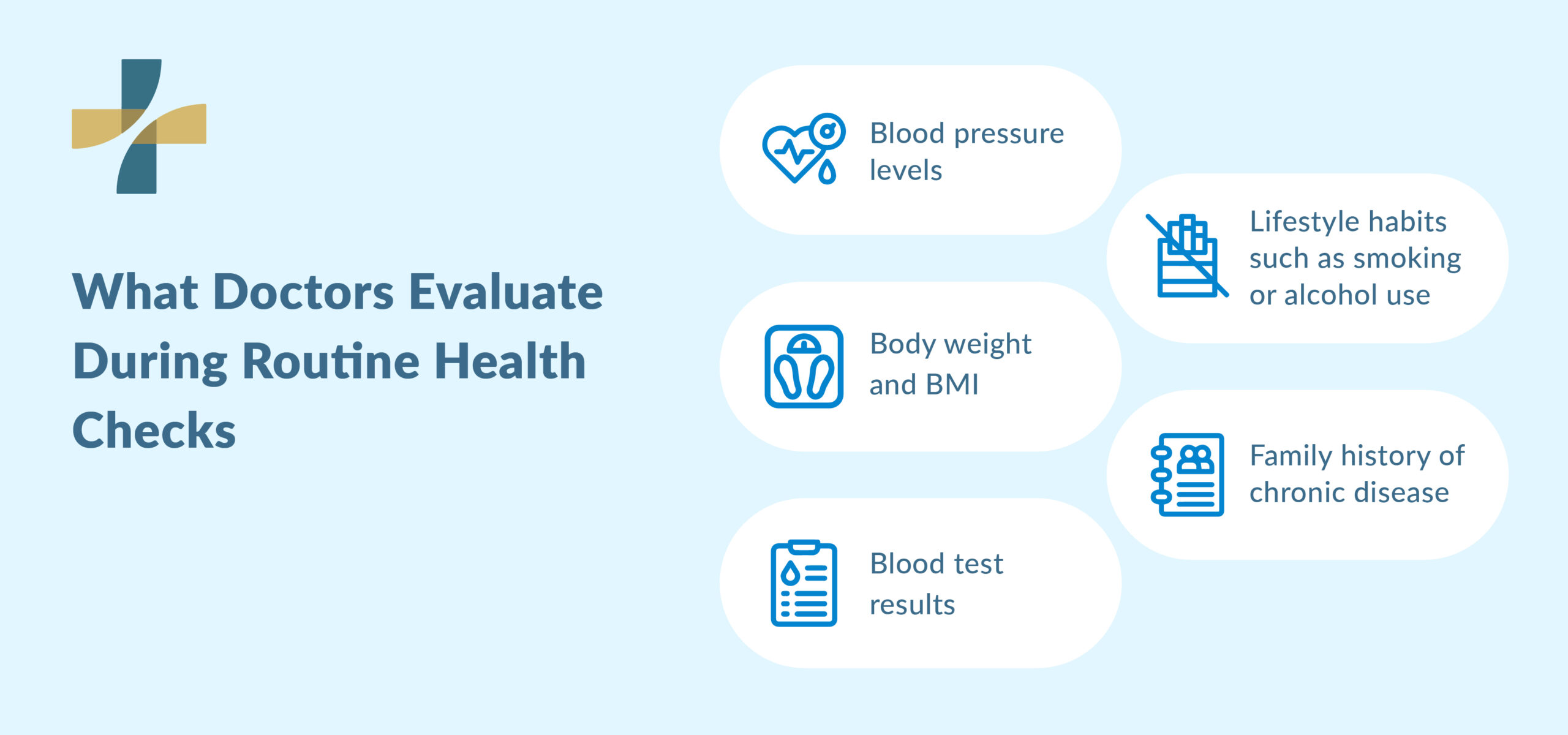
What doctors evaluate during routine health checks
During a typical preventative care and health checks in Canada, doctors review:
- Blood pressure levels
- Body weight and BMI
- Blood test results
- Lifestyle habits such as smoking or alcohol use
- Family history of chronic disease
For example, if a patient’s cholesterol increases steadily over several years, the doctor may recommend diet changes or medication before heart disease develops.
This ongoing relationship between patient and doctor allows routine screening to become part of long-term health planning.
How Often Should Adults Get Routine Blood Tests?
Most healthy adults should complete routine blood tests every one to three years. Patients with chronic conditions, family history of disease, or risk factors may need annual testing.
Doctors recommend regular screening because many chronic illnesses develop slowly and often remain undetected without laboratory testing.
Screening frequency varies based on age and health history.
Typical screening intervals
| Age Group | Suggested Blood Test Frequency |
| 20 to 40 | Every 2 to 3 years |
| 40 to 60 | Every 1 to 2 years |
| Over 60 | Annually |
Patients managing chronic conditions such as diabetes, hypertension, or high cholesterol may require testing every six to twelve months.
Routine monitoring allows doctors to detect small changes before complications occur.
Do You Need to Fast Before Routine Blood Work?
Some blood tests require fasting to produce accurate results. Cholesterol and glucose tests may require avoiding food for 8 to 12 hours before the test, while still allowing water.
Your doctor or primary care clinic will provide specific preparation instructions before your blood test.
Blood tests that may require fasting
- Lipid panel cholesterol testing
- Fasting glucose test
- Some metabolic panels
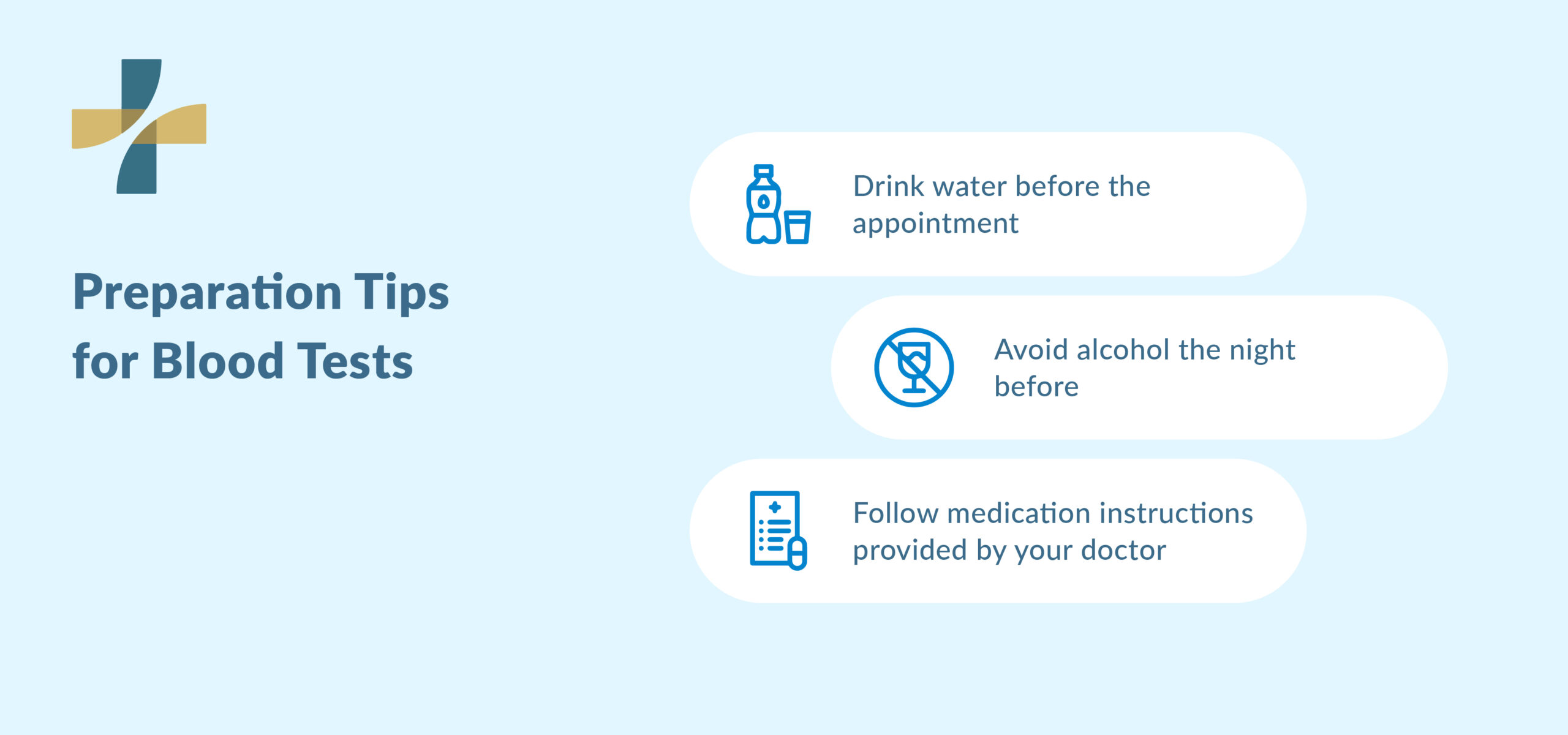
Preparation tips for blood tests
- Drink water before the appointment
- Avoid alcohol the night before
- Follow the medication instructions provided by your doctor
These steps help produce accurate results and reduce the need for repeat testing.
How NV Med Center Helps Patients Manage Annual Physical Exams and Preventive Health Screening
Routine health screening allows patients to detect chronic conditions early and monitor key health indicators over time. An annual physical exam combined with regular blood testing helps identify risk factors for heart disease, diabetes, and liver disorders before symptoms appear.
At NV Med Center, our medical team supports patients through structured preventive health assessments that include routine blood testing, physical exams, and personalised health planning. Our clinic helps patients understand test results, monitor long-term health trends, and schedule appropriate follow-up care. Book your health check appointment today to stay informed about your health and receive expert medical guidance.
FAQs
What blood tests are included in an annual physical in Canada?
Most annual health check blood tests include a full blood count test, cholesterol panel, blood glucose screening, and liver function test, which Canadian doctors commonly order. These tests evaluate blood health, metabolic function, and organ performance. Additional tests may be ordered based on symptoms or family history.
Are routine health checks covered in Canada?
Coverage depends on provincial healthcare programs and medical necessity. Many blood tests ordered by a doctor as part of preventive screening are covered under provincial health insurance plans.
How often should adults get blood tests?
Healthy adults usually need blood tests every one to three years. Patients with chronic health conditions or risk factors may require annual testing through a yearly physical exam in Canada.
Do I need to fast before routine blood work?
Fasting may be required before cholesterol or glucose testing. Doctors typically recommend avoiding food for 8 to 12 hours before the blood test while still allowing water.