
Commercial Driver ICBC Medical Exam Requirements in Vancouver
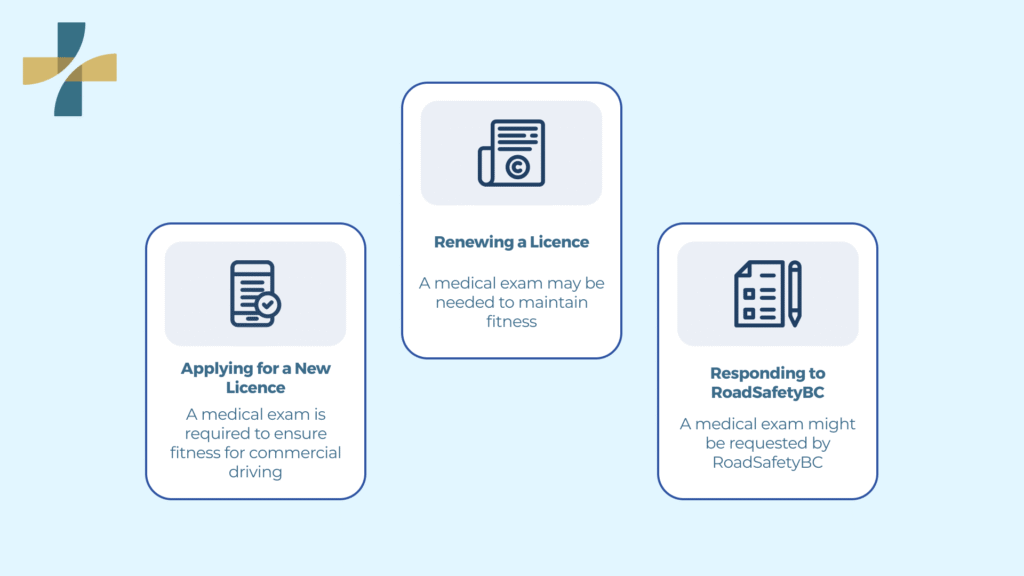
Commercial driving in British Columbia requires higher medical fitness standards than those for a standard passenger licence. If you are applying for a commercial licence, renewing one, or responding to a request from RoadSafetyBC, you may need a Driver’s Medical Examination Report. This guide explains Commercial Driver ICBC Medical Exam Requirements in Vancouver, what triggers the exam, the schedule for repeat exams, what the appointment involves, and what happens after you submit your form. The aim is to help you book the right appointment and complete your paperwork on time. Overview of ICBC medical exams for commercial drivers An ICBC commercial medical exam is a medical assessment used to support licensing decisions for commercial drivers. In British Columbia, RoadSafetyBC uses the Driver’s Medical Examination Report (DMER) to decide whether a person is medically fit to drive. Who sets the standards? Medical fitness standards for commercial drivers in British Columbia are based on the National Safety Code. The Province follows this code to decide when medical exams are required and how often they must be completed. RoadSafetyBC uses these standards when reviewing commercial driver medical reports. Who does what in this process Many drivers assume the clinic decides if they keep their licence. That is not how the system works. You (the driver): book the appointment, attend the exam, and submit the completed form by the deadline. Your doctor or nurse practitioner completes the medical exam and accurately completes the DMER. RoadSafetyBC: reviews the submitted medical report and decides whether more information, restrictions, or testing is needed. ICBC driver licensing: manages licensing actions and office appointments when needed. This split matters because it sets expectations. The clinic’s role is accurate medical reporting, not licensing decisions Who Needs a Commercial Driver Medical Exam in Vancouver You may need a commercial driver medical exam if you hold, or want to hold, a commercial licence class, or if you have a medical condition that may affect safe driving. H3: Licence classes and endorsements that trigger the DMER The Province lists the DMER requirement for applicants for: Class 1, 2, 3, or 4 licence Class 5 with endorsements 18, 19, 20 ICBC provides the report to applicants in these cases. Common triggers that lead to a medical exam request ICBC outlines several common reasons drivers are required to complete a driver’s medical exam: Commercial drivers applying for a licence, and on a scheduled basis after that Seniors aged 80 and older (separate program, but many commercial drivers also fall into this age group) Ongoing or reported medical conditions that might affect driving, with frequency set by RoadSafetyBC The routine commercial schedule in BC (age-based) RoadSafetyBC uses an age-based schedule for licensed commercial drivers. Commercial driver DMER schedule (BC) Driver age How often does the DMER require 25 to 45 Every 5 years (25, 30, 35, 40, 45) 48 to 63 Every 3 years (48, 51, 54, 57, 60, 63) 66+ Every year RoadSafetyBC also states it mails the report about two months before your birthday, and that instructions are on the back of the form. Code W and cross-border restrictions RoadSafetyBC describes Code W as an identifier on a commercial driver’s licence showing the driver is prohibited from driving a commercial vehicle in the United States due to profound hearing impairment or epilepsy. If cross-border driving is part of your work, ask about how Code W may apply to your situation. Key Health Requirements and Standards for Commercial Drivers ICBC driver medical requirements for commercial drivers focus on whether a condition could affect safe vehicle operation over long shifts, in traffic, and in complex driving environments. RoadSafetyBC uses the medical report to understand whether a medical condition affects driving. Below are the main areas usually reviewed during an ICBC commercial medical exam. Your examiner may not test every item the same way for every driver, but these categories commonly drive follow-up requests. Common health areas reviewed Vision Visual acuity and corrective lenses are needed Field of vision concerns Eye disease history that could affect driving Hearing Functional hearing issues that affect hazard detection and communication Use of hearing aids when relevant Heart and circulation High blood pressure history Heart disease history, chest pain, fainting, or prior cardiac events Symptoms that affect alertness or reaction time Neurological conditions Seizure history, blackout episodes, fainting Conditions that affect coordination, strength, or judgement Metabolic conditions Diabetes management Hypoglycaemia history Medications that may affect alertness Sleep and fatigue risk Sleep apnoea symptoms Daytime sleepiness Shift work fatigue patterns Medication and substance use Prescription and over-the-counter medicines that cause sedation Use patterns that could affect safe driving What often leads to extra information requests After you submit your form, RoadSafetyBC may ask for more information if there are concerns about a medical condition. Examples of common extra steps: Specialist letters for complex diagnoses Recent test results (for example, cardiac testing, sleep study reports, or vision reports) A follow-up exam if information is missing or unclear A condition does not automatically mean a failed medical. Many drivers keep their certification with stable treatment and clear documentation. The quality of the paperwork and supporting evidence can shape how quickly RoadSafetyBC can review your file. Preparing for Your Commercial Driver Medical Exam Preparation saves time and reduces repeat visits. What to bring Bring the items below so the clinician can complete the DMER with fewer gaps: Your Driver’s Medical Examination Report form (the one ICBC or RoadSafetyBC sent you) Government photo ID A current medication list, including doses Glasses or contact lenses if you drive with them Hearing aids, if used for daily communication Any recent specialist letters or medical summaries that relate to your condition A list of recent tests and dates (blood work, ECG, sleep study, imaging) Quick checklist before the appointment Sleep normally the night before if possible Eat and hydrate as you normally would Take regular medications as prescribed, unless your prescriber told you otherwise If you use a home blood pressure
ICBC Medical Exam for Seniors in Vancouver: Everything You Need to Know
Many seniors in Vancouver receive a letter from ICBC requesting a medical exam. This often creates worry, especially when driving is part of daily life and staying mobile helps with routine tasks. More than 70,000 seniors in British Columbia receive these Driving Forms each year, which shows how common the process is. Recent news stories across Canada have highlighted senior road safety and the ongoing need for fair and supportive medical assessments. Most seniors continue driving with no changes after the exam, which helps reduce the stress people feel when they receive the letter. With more families searching for clear guidance and trusted clinics, NV Med Center aims to help seniors feel confident and prepared. This guide explains the process in simple terms so you can attend your appointment with confidence. What Is an ICBC Medical Exam and Why Does It Matter The ICBC medical exam, also known as the BC Driver Medical Exam, is used to check if a person is medically fit to continue driving. RoadSafetyBC sends more than 70,000 Driving Forms every year to British Columbians aged 80 and older. These figures are reported directly by the Government of British Columbia, showing how common the process is. Why the exam exists The exam helps ICBC identify if a medical condition might affect safe driving. These conditions may include: changes in eyesight memory or decision-making challenges mobility limitations heart conditions neurological or chronic illnesses In 2024, the Canadian Automobile Association (CAA) released a national study showing that medical fitness is a major factor in senior driving safety. The report was widely shared on CBC, Global News, and CTV. This public interest has made drivers more aware of the medical fitness review process. This article supports that same need for clarity by giving Vancouver seniors reliable information. A 79-year-old Vancouver resident is a good example. He received his Driving Form and worried he would immediately lose his licence. After his exam, he learned that many seniors keep driving with no restrictions. The form simply confirms medical fitness and helps catch issues early. Who Needs an ICBC Medical Exam in Vancouver Not every senior needs an ICBC medical exam. In British Columbia, RoadSafetyBC sends the Driving Form to specific groups of drivers based on age, health changes, or medical reports. The goal is to make sure drivers can handle common road situations safely. Age-based requirements Seniors are asked to complete the BC driver medical exam at: age 80 age 85 every two years after that This schedule is the same across the province. It is not based on a driving record. It is simply a routine health check linked to ageing. Many seniors in Vancouver receive their first letter a few months before their 80th birthday. Medical conditions Sometimes the exam is needed earlier. This happens when a doctor, specialist, or hospital reports a medical condition that could affect driving. Some examples include: vision loss or rapid eyesight changes memory concerns or early cognitive changes heart disease, stroke history, or fainting episodes mobility problems that make it hard to turn, shoulder-check, or brake diabetes with frequent low blood sugar incidents neurological conditions such as Parkinson’s disease side effects from the new medication These forms are meant to support drivers, not punish them. Many health issues can be managed well with treatment, therapy, or medication changes. Commercial licence holders Commercial drivers must meet higher medical standards. They complete medical reviews more often, regardless of age. If a commercial driver no longer needs the licence, they can downgrade to a non-commercial class and avoid the extra exams. Reports from others In some cases, RoadSafetyBC may request an exam if a credible concern is reported. This can happen after a collision, repeated confusion on the road, or noticeable physical difficulty while driving. These reports are reviewed carefully. They are not automatic triggers for losing a licence. A daughter may call her father’s doctor after noticing slow reaction times. The doctor may recommend a medical review to keep the driver safe. Preparing for Your ICBC Medical Exam Getting ready for your ICBC medical exam is simple, and a little preparation can make the appointment smoother. Many seniors in Vancouver say they feel more relaxed when they know what to bring and what will happen. The goal is a calm, clear, and stress-free visit. What to bring Most clinics, including NV Med Center, ask seniors to bring a few basic items: the Driving Form / ICBC Form sent by RoadSafetyBC your current driver’s licence your BC Services Card glasses or contact lenses if you use them a list of your medications information about recent hospital visits, falls, or specialist appointments Bringing everything helps the doctor complete the Vancouver driving medical form accurately during the visit. Practical tips Before the appointment, take a moment to write down: recent health changes any new diagnoses concerns you have about memory, vision, balance, or energy medications that make you dizzy or tired Short notes make it easier to answer questions during the exam. How caregivers can help Many seniors attend the exam with a spouse, adult child, or caregiver. A support person can: help gather medical information Describe any recent changes the senior may not notice offer comfort during the appointment assist with booking follow-up tests if needed This is especially helpful if the senior has mild memory issues or takes several medications. Sample timeline to stay organised This simple timeline shows how the process usually looks: Day 1: Receive the ICBC letter and Driving Form. Day 1–3: Book your appointment at NV Med Center. Day 3–10: Collect medication lists and health information. Appointment day: Bring all documents and complete the exam. After the visit: The clinic submits the form to RoadSafetyBC. This preparation helps avoid delays, especially because RoadSafetyBC gives a deadline for returning the form. What to Expect During the Exam The exam checks several parts of your health. The goal is not to fail seniors.
General Practitioner vs Walk-In Clinic in Vancouver: What’s Best for Your Health?
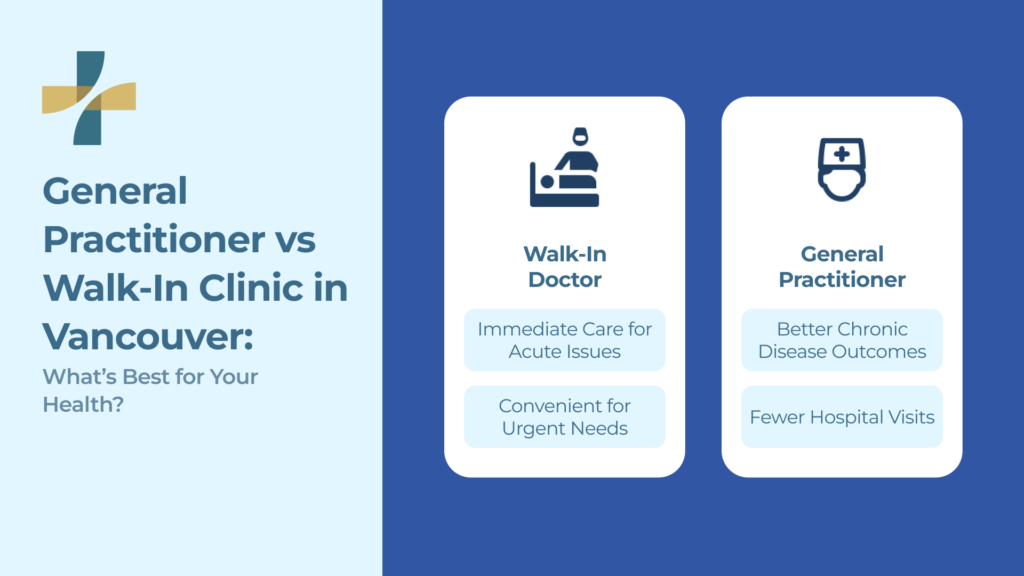
Finding trusted healthcare in Vancouver can feel overwhelming. Many residents wonder whether to visit a General Practitioner (GP) or drop by a walk-in clinic when health issues arise. Both options serve important roles, yet they differ greatly in how they manage your long-term health. With BC’s healthcare system evolving, especially as more clinics adopt online booking and telehealth, understanding the differences matters more than ever. According to the BC College of Family Physicians, people who see the same GP regularly have better chronic disease outcomes and fewer hospital visits. In this guide, we’ll explain how GPs and walk-in clinics compare, when each is appropriate, and why continuity of care at NV Med Center can make a lasting difference. Understanding the Difference: General Practitioner vs Walk-in Clinic A General Practitioner (GP) provides ongoing medical care for individuals and families. They know your medical history, track your health over time, and coordinate specialist referrals when needed. A walk-in clinic, on the other hand, offers quick access for immediate or minor concerns, no appointment necessary. These clinics are ideal when you can’t see your GP quickly or when you’re traveling and need short-term care. Example: A 35-year-old from Vancouver wakes up with flu symptoms. If she needs fast relief, a walk-in clinic can help that day. But if she experiences repeated respiratory infections, seeing a General Practitioner helps identify underlying causes and prevention strategies. Benefits of Seeing a Family Physician in Vancouver Choosing a General Practitioner (GP) means choosing long-term, personalised healthcare. Regular visits allow your GP to understand not just your medical record but your lifestyle, family background, and emotional health. Top Benefits: Continuity of Care: Your GP follows your health journey over the years, managing conditions, reviewing medications, and anticipating risks. Preventive Health: Regular screening and check-ups prevent illness rather than simply reacting to it. Whole-Person Approach: GPs consider physical, mental, and social factors that affect wellness. Chronic Condition Management: From diabetes to hypertension, consistent monitoring reduces complications. Referrals You Can Trust: GPs maintain reliable connections with specialists and hospitals. According to a 2024 report from the Canadian Institute for Health Information (CIHI), about 1 in 7 emergency department visits in Canada were for conditions that could have been managed in primary care. This finding highlights how limited access to a regular family doctor often pushes patients toward emergency care for non-urgent needs, reinforcing the importance of having a consistent General Practitioner in Vancouver who knows your medical history and can provide timely, preventive support. When a Walk-in Clinic is Appropriate Walk-in clinics provide convenient solutions for non-emergency health issues that can’t wait for a General Practitioner (GP) appointment. They’re ideal for: Colds, flu, and sore throats Minor infections (e.g., ear or urinary tract) Prescription renewals Sprains, strains, or minor injuries Immunisations or quick health forms However, because these visits are often one-time encounters, walk-in doctors may not have access to your full medical history. This can make it difficult to track trends or detect chronic issues early. Mini Scenario: A new immigrant in Vancouver visits a walk-in clinic for high blood pressure. The doctor treats the symptom, but he doesn’t receive follow-up care. If he had a General Practitioner at NV Med Center, the doctor could monitor his readings, adjust medication, and help him manage lifestyle changes over time. Continuity of Care and Medical History Tracking Continuity is what separates a General Practitioner (GP) in Vancouver from a walk-in visit. Your GP maintains detailed health records, including allergies, past treatments, and ongoing conditions. This continuity helps detect patterns that might otherwise go unnoticed. For example, Health Canada’s report on primary care continuity confirms that consistent GP relationships improve medication safety and patient satisfaction. Chronic conditions like asthma or diabetes require regular monitoring, something walk-in clinics cannot provide effectively. With BC’s healthcare system under reform, continuity of care has become a central focus. Following initiatives like the BC Health Connect Registry and Dr. Bonnie Henry’s call for preventive care prioritisation, family practices that combine innovation with personalised support, like NV Med Center, are redefining what effective, modern primary care looks like. “The best medical care comes from understanding a patient’s story over time, not just a single visit,” says Dr. Bonnie Henry, BC’s Provincial Health Officer, reinforcing the importance of trusted GP relationships. Services Offered at NV Med Center vs Typical Walk-in Clinics At first glance, walk-in clinics and general practices might seem similar, but the scope of care differs greatly. To help you decide which fits your health needs, here’s a clear comparison of the services and advantages offered by NV Med Center versus a typical walk-in clinic in Vancouver. Service Type NV Med Center (GP Care) Typical Walk-in Clinic Continuity Ongoing relationship with one provider One-time visits, rotating doctors Appointments Online or same-day booking Drop-in may involve long waits Preventive Care Annual physicals, screening, immunisations Focus on immediate symptoms Chronic Disease Long-term monitoring and medication management Short-term fixes Women’s Health Prenatal, menopause, contraception Basic contraceptive prescriptions Mental Health In-house counselling and referrals Basic referrals only Diagnostics Holter monitoring, ICBC exams, and lab coordination Limited or external referrals Global brands such as Telus Health and Maple Virtual Care have made telehealth more accessible, yet many patients still value an ongoing relationship with a doctor who knows their full health history. NV Med Center bridges that gap by offering both in-person and virtual General Practitioner (GP) appointments, ensuring that patients receive consistent care, anytime, anywhere. At NV Med Center, patients also benefit from allied services like clinical counselling, acupuncture, weight management, and aesthetic rejuvenation, all in one coordinated clinic. Factors to Consider Before Choosing Before deciding between a General Practitioner (GP) and a walk-in clinic, consider these factors: Health Complexity: Do you have chronic conditions or recurring symptoms? If yes, a GP is essential. Availability: NV Med Center offers same-day GP appointments in Vancouver, combining convenience with continuity. Budget: If you’re looking for an affordable general practitioner in Vancouver, services covered by MSP are
Where to Find Doctors Accepting ICBC Forms in Vancouver
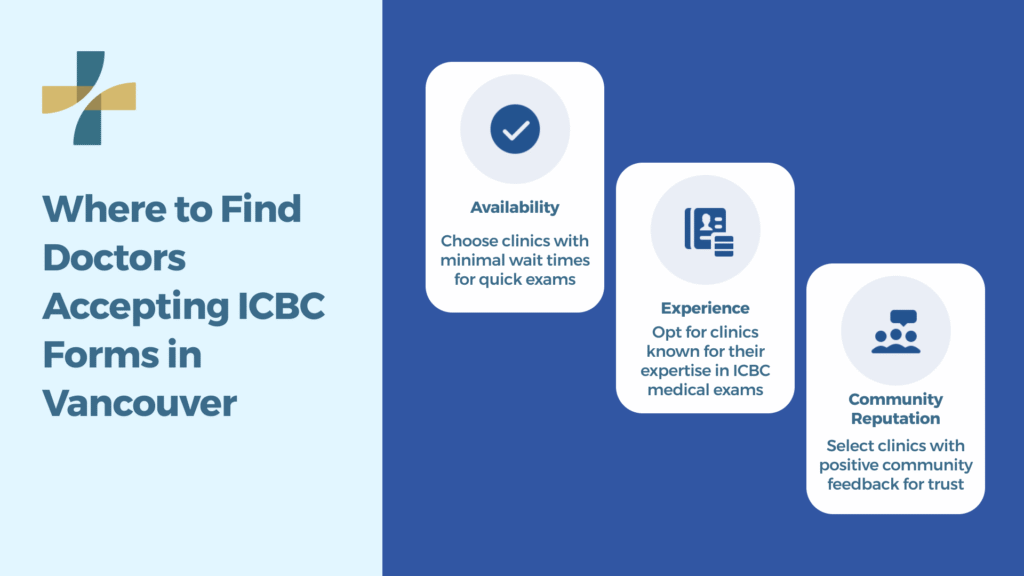
When ICBC asks you to complete a medical form, the first question isn’t how to do it, but it’s where to go. Many drivers struggle to find doctors accepting ICBC forms who can complete the exam quickly, correctly, and affordably. The good news? Several reputable clinics across Vancouver and the North Shore offer these assessments with minimal wait times. This 2025 update highlights the top clinics for ICBC medical exams in Vancouver, based on availability, experience, and community reputation. Whether you’re a senior driver renewing at age 80 +, a commercial driver needing an annual check, or someone flagged by RoadSafetyBC, this list helps you find a trusted local doctor easily. Why Choosing the Right ICBC Clinic Matters Your ICBC medical exam isn’t just a formality; it determines your ability to keep driving legally and safely. That’s why choosing the right clinic makes a real difference. A qualified clinic ensures: The Driver’s Medical Examination Report (DMER) is filled out correctly the first time. You get accurate vision and health assessments that meet RoadSafetyBC standards. Your report is submitted on time, avoiding costly delays or licence suspensions. Many drivers in British Columbia have learned the hard way that incomplete or incorrect DMER forms can cause processing delays. In 2024, RoadSafetyBC faced a significant backlog, still processing medical forms from May 2024, with nearly 196,000 documents as of mid-2025. As more seniors and commercial drivers are asked to provide medical updates, demand for ICBC-qualified clinics continues to rise. Example: When an 82-year-old received an ICBC notice, she first visited a general walk-in clinic, only to learn the doctor didn’t complete ICBC forms. She lost a week before finding a clinic that did. Choosing the right one from the start saves both time and stress. Recent Update on ICBC’s Age-Based DMERs In 2023, RoadSafetyBC resumed age-based Driver’s Medical Examination Reports (DMERs) after pausing them during the COVID-19 pandemic. This means drivers aged 80 and older once again receive medical examination requests based on age, not only when health concerns arise. This policy change has led to a noticeable increase in demand for doctors accepting ICBC forms, especially among seniors needing timely appointments. With many clinics still catching up after previous processing delays, it’s more important than ever to book with an experienced clinic that understands ICBC and RoadSafetyBC requirements. What to Look For When Choosing Doctors Accepting ICBC Forms Before booking your appointment, consider these essential criteria to ensure your experience is smooth and compliant: Experience with ICBC DMER forms – Clinics familiar with RoadSafetyBC standards can guide you through the form correctly. Transparent pricing – Because ICBC exams aren’t covered by MSP, costs can vary, so always confirm upfront. Short wait times – Look for clinics offering online booking or walk-in slots. Comprehensive service – The best clinics can refer you for vision, heart, or neurology testing if required. Convenient location – Accessibility is key, especially for seniors or professional drivers on tight schedules. Tip: Always call ahead to confirm that the clinic accepts ICBC driver medical exams and specify that you need the Driver’s Medical Examination Report (DMER) completed. Top 5 Clinics for ICBC Medical Exams in Vancouver (2025 Rankings) Below are clinics in Vancouver and nearby areas known to accept ICBC driver’s medical forms. Use these as options, but keep reading to see why NV Med Center is a strong choice for many. Clinic Location / Coverage Strengths / Notes Example Use Case NV Med Center North Vancouver Multidisciplinary care, telehealth, walk-in + bookings Jane can walk in or schedule online and get her DMER done locally CityMed Clinic White Rock, Surrey (serving wider area) Explicit ICBC DMER service, vision & physical evaluation For those in the south or border communities seeking consistency South Vancouver Medical Clinic Vancouver Performs in-person medicals, accepts ICBC forms Ideal if you live in South Vancouver Kensington Medical Clinic Vancouver Walk-in + bookings; includes ICBC & work physicals Good for people needing flexibility TriMedical Assessment Centre Multiple BC Full driver medical exams, including hearing, vision, and physical tests Useful for commercial drivers needing all tests in one place Let’s go deeper into how to pick among these. 1. NV Med Center (North Vancouver) Why it stands out: Located on the North Shore, and is ideal for many local drivers. Offers online booking 24/7 and virtual care when suitable. Doctors understand ICBC / RoadSafetyBC rules; they fill out and guide the submission of forms. Because NV Med Center is a full-service clinic (physio, acupuncture, counselling), they can address underlying health factors that might affect driving fitness. 2. CityMed Clinic They clearly advertise ICBC Driver’s Medical Examinations (DMER). They discuss assessing cognition, vision, and physical health in their process. Good for drivers in the south or border areas of Greater Vancouver. 3. South Vancouver Medical Clinic They offer driver’s medical examinations and accept the ICBC form. Best if you live in or near South Vancouver. 4. Kensington Medical Clinic They mention ICBC and private driver physicals in their service list. Good for those who need walk-in flexibility or short notice. 5. TriMedical Assessment Centre Their service includes the full battery of tests (vision, hearing, etc.) for driver medicals. Useful for commercial drivers who need all tests in one session. Quick Comparison: Which Clinic Fits Your Needs? Choosing the right ICBC medical clinic depends on your specific needs, location, and schedule. Here’s a quick overview to help you decide which option may fit best: Best for seniors: NV Med Center – Offers a calm, accessible North Vancouver location, patient-focused care, and experience with age-related driver exams. Best for commercial drivers: TriMedical Assessment Centre – Provides full driver medical testing, including vision, hearing, and physical fitness in one visit. Best for South Vancouver residents: South Vancouver Medical Clinic – Convenient location for residents in the southern area of Vancouver with consistent ICBC form handling. Best for flexibility: Kensington Medical Clinic – Accepts walk-ins and same-day appointments, ideal for
How to Complete Your ICBC Driver Medical Exam in Vancouver
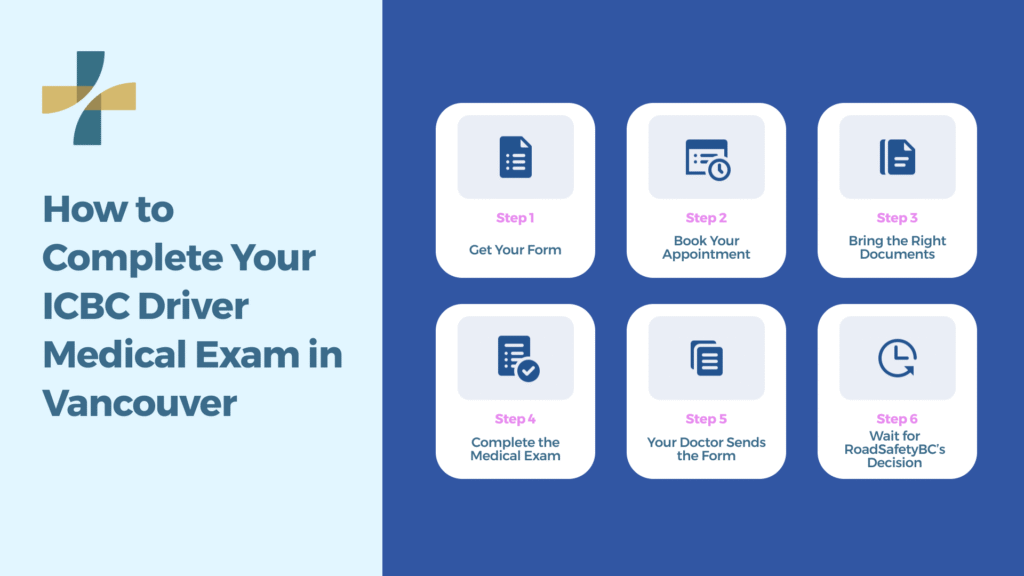
If you’ve recently received a notice from ICBC or RoadSafetyBC asking you to submit a medical form, you’re probably feeling unsure: Which form do you use? What tests will your doctor need, and where should you go in North Vancouver? This guide walks you through completing your ICBC driver medical exam in Vancouver, from gathering documents to submitting your report. By the end, you’ll know exactly what to expect and how NV Med Center can make your assessment smooth and stress-free. Whether you’re turning 80, renewing a commercial licence, or ICBC flagged a health concern, this is your one-stop resource. What Is an ICBC Driver Medical Exam and Why You Might Need One ICBC, short for Insurance Corporation of British Columbia, is the government-owned organisation that handles driver licensing, vehicle registration, and auto insurance in British Columbia. It works with RoadSafetyBC to make sure all drivers are medically fit to operate a vehicle safely. The ICBC driver medical exam is a health assessment completed by a doctor or nurse practitioner to confirm that your medical condition, vision, reflexes, and overall fitness meet BC’s driving standards. You might need one if: You’re a senior driver turning 80 or older You’re a commercial driver (Class 1–4 licence) You’ve reported or been diagnosed with a medical condition that could affect driving ICBC or RoadSafetyBC has asked you to submit a Driver’s Medical Examination Report (DMER) This process helps protect both you and others on the road by ensuring you’re physically and mentally capable of driving safely. Note: The DMER does not include a road test. It’s strictly a medical/fitness assessment. Step-by-Step: How to Complete the ICBC Medical Form Here’s a clear walkthrough to help you navigate the process. Step 1: Get Your Form ICBC or RoadSafetyBC will send you a Driver’s Medical Examination Report (DMER), also known as the ICBC driving form, in the mail. It includes all instructions and deadlines. If you lose it, you can contact ICBC to request a replacement copy. Step 2: Book Your Appointment Make an appointment at a medical clinic that can complete ICBC medical assessments, like NV Med Center. These clinics have doctors or nurse practitioners who know how to fill out the DMER correctly. If you can’t visit in person right away, you can use our online visits and telehealth options for general medical advice or to prepare for your upcoming ICBC exam. Step 3: Bring the Right Documents Bring these items with you to your appointment. Item Notes / Tips The DMER form itself The form must be completed by the physician or nurse practitioner. If you’d like ongoing medical support beyond this exam, explore our family physician care. Government-issued ID Bring accepted primary and secondary ID (e.g., driver’s licence + passport). See the ICBC accepted ID list for details. Medical history/records Any reports for heart, vision, neurological, diabetes, or other conditions. Medication list List of current prescriptions, dosage, and prescribing physician. Eyeglasses or lenses If you use corrective lenses for vision. Any specialist reports If relevant (cardiologist, neurologist), to avoid repeat work. Step 4: Complete the Medical Exam Your provider will assess several key areas. Below are typical components with mini-scenarios: Physical & cardiovascular Check your blood pressure, pulse, and cardiovascular health. For instance, if you’ve had palpitations or dizziness, the provider may ask for an ECG or cardiology referral. Vision & visual field You’ll test visual acuity. For non-commercial licences, BC requires 6/15 (20/50) or better combined vision as outlined in the official BC driver vision standards. If you fall below the threshold, a functional assessment or on-road test may be requested. Cognition, reflexes, and motor function Especially for drivers over 80 or those with a neurological history, cognitive screening (memory, judgment) can be required. Other systems Depending on your health history, tests for hearing, glucose tolerance, pulmonary function, etc., may be part. Step 5: Your Doctor Sends the Form After the exam, your doctor completes and signs the DMER. They’ll send it directly to RoadSafetyBC, usually within about 45 days. If you need more time, you or your doctor can ask RoadSafetyBC for an extension. Step 6: Wait for RoadSafetyBC’s Decision Once your ICBC form is submitted, RoadSafetyBC reviews the medical information to confirm that you meet the province’s fitness-to-drive standards. They may: Approve your licence continuation or renewal Request Enhanced Road Assessment (ERA) (for Class 5 or 7 drivers needing further on-road evaluation) Order a re-exam for commercial drivers (Class 1–4 or Class 6) if needed If approved, your licence status continues. If not, you may face restrictions, additional tests, or licence suspension. Common Scenarios & Practical Tips Here are some of the most common reasons why people need a driver medical exam, and what you can do to make the process easier. Senior Drivers (Age 80 and Over) If you’re turning 80, you’ll receive a Driver’s Medical Examination Report (DMER) from RoadSafetyBC. You’ll need to complete this form again at age 85 and then every two years after that. Book your appointment early, especially if you have eyesight, memory, or reaction-time concerns. Getting it done ahead of time helps you avoid any licence delays. Commercial Drivers If you drive for work, for example, a Class 1–4 licence or a Class 5 with commercial endorsements, you’ll need regular medical exams to keep your licence active. Make sure you book these exams on time. Missing a deadline can lead to a temporary suspension or downgrade of your licence until the medical form is submitted. Drivers with Health Conditions If you’ve had a medical condition such as diabetes, a heart issue, or a stroke, ICBC or your doctor may ask for extra details. Bring reports from your specialists (for example, your cardiologist or neurologist). These documents can speed up the process and reduce the chance of extra follow-ups. Vision Concerns If your vision isn’t clear even with glasses or contacts, you may need extra testing. Drivers whose corrected vision falls between 6/15 and 6/60 might be asked to complete