Diabetes Screening Test in Vancouver: When Should Adults Get Checked? (2026 Guide
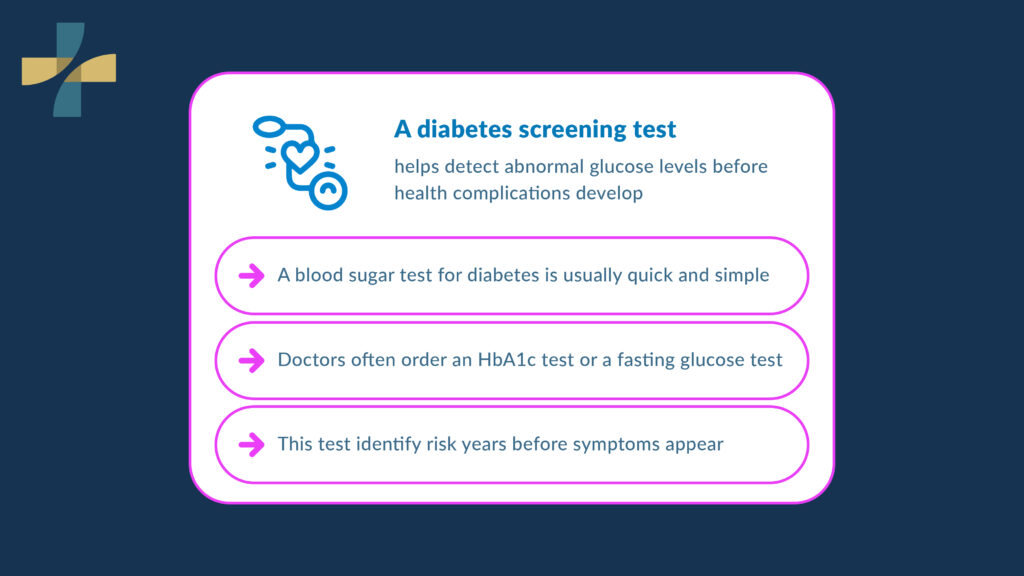
Many adults develop high blood sugar slowly and without clear symptoms. A diabetes screening test helps detect abnormal glucose levels before health complications develop. Early detection allows doctors to identify prediabetes and begin treatment or lifestyle changes. A blood sugar test for diabetes is usually quick and simple. Doctors often order an HbA1c test or a fasting glucose test to measure how the body processes sugar. These tests can identify risk years before symptoms appear. Diabetes remains a major public health issue in Canada. According to the Government of Canada, 3.9 million people aged 1 year and older were living with diagnosed diabetes in 2023 to 2024. The same report found that 6.3% of adults aged 20 to 79 had prediabetes and 1.9% had undiagnosed diabetes between 2007 and 2019. Early screening helps identify high blood sugar sooner, giving patients more time to start treatment or make lifestyle changes before complications develop. This guide explains when to get tested for diabetes, which blood tests detect the condition, common type 2 diabetes risk factors, early prediabetes symptoms, and how to book a general practitioner diabetes test appointment in Vancouver. What Is a Diabetes Screening Test and Why Do Doctors Recommend It? A diabetes screening test is a medical blood test that measures glucose levels to detect early signs of diabetes or prediabetes. Doctors recommend screening because many adults develop high blood sugar gradually and without symptoms. Early testing allows treatment to begin before complications develop. Type 2 diabetes often develops slowly over several years. During this time, glucose levels rise, but symptoms may not appear. A blood sugar test for diabetes helps detect changes in how the body processes glucose. Doctors can identify: normal blood sugar levels prediabetes type 2 diabetes Example scenario: A 41-year-old professional attends a routine check-up. The patient feels healthy but has gained weight during the past few years. A GP recommends a diabetes screening test. The test result shows prediabetes. Early detection allows lifestyle changes before diabetes develops. Doctors recommend routine screening because: diabetes often has no early symptoms Early treatment prevents complications Lifestyle changes may reverse prediabetes CDC guidance explains that early detection of prediabetes can help people prevent or delay type 2 diabetes. Identifying diabetes early also allows patients to begin treatment and reduce the risk of serious complications. When Should Adults Get Tested for Diabetes? Adults should usually begin diabetes screening around age 40 or earlier if risk factors are present. Most guidelines recommend testing every three years for healthy adults and more frequently for those at higher risk. Screening schedules vary based on age, lifestyle, and medical history. The Diabetes Canada clinical practice guidelines recommend screening for type 2 diabetes every three years in adults aged 40 and older, or earlier and more often for individuals with higher risk factors. Typical screening intervals are shown below. Risk Category Screening Frequency Adults age 40+ with no risk factors Every 3 years Moderate risk Every 1–3 years High risk Every year Example scenario: A 36-year-old patient visits a clinic because both parents have diabetes. Due to a family history of diabetes risk, a doctor recommends earlier testing. Adults may need earlier screening if they have: obesity or abdominal weight gain high blood pressure high cholesterol sedentary lifestyle history of gestational diabetes family history of diabetes Many doctors also assess diabetes risk using tools like CANRISK, a questionnaire developed by the Public Health Agency of Canada. Research published in the Canadian Journal of Diabetes describes CANRISK as a validated tool used across Canada to identify people at risk of prediabetes and type 2 diabetes. Understanding when to get tested for diabetes allows patients to detect abnormal glucose levels before symptoms begin. What Are the Main Blood Tests Used to Detect Diabetes? Doctors use several types of blood tests to detect diabetes and prediabetes. The most common tests include the HbA1c test, fasting glucose test, oral glucose tolerance test, and random blood sugar test. Each test measures glucose levels differently and helps confirm abnormal blood sugar. These tests form the foundation of screening for type 2 diabetes in primary care. HbA1c Test Vancouver The HbA1c test Vancouver clinics use measures average blood sugar levels over the past two to three months. Doctors often use this test because patients do not need to fast beforehand. HbA1c results are interpreted as follows: HbA1c Result Interpretation Below 5.7% Normal 5.7–6.4% Prediabetes 6.5% or higher Diabetes Example scenario: A patient completes an HbA1c test at a Vancouver clinic during an annual exam. The result shows 6.0 percent, indicating prediabetes. Fasting Glucose Test The fasting glucose test measures blood sugar after at least eight hours without food. Doctors commonly request this test during routine diabetes screening. Typical ranges are shown below. Fasting Glucose Level Interpretation Below 5.6 mmol/L Normal 5.6–6.9 mmol/L Prediabetes 7.0 mmol/L or higher Diabetes Many patients complete this test during a diabetes test for adults ordered by a GP. Oral Glucose Tolerance Test The oral glucose tolerance test measures how the body processes sugar after drinking a glucose solution. Doctors often request this test when earlier results fall near the diabetes threshold. The test measures blood sugar levels two hours after drinking the glucose solution. 2 Hour Result Interpretation Below 7.8 mmol/L Normal 7.8–11.0 mmol/L Prediabetes Above 11.1 mmol/L Diabetes Random Blood Sugar Test A random blood sugar test measures glucose at any time of the day without fasting. A reading above 11.1 mmol/L with symptoms may indicate diabetes. Doctors may order this test if a patient reports symptoms such as fatigue, thirst, or frequent urination. What Are the Early Signs of Prediabetes and Type 2 Diabetes? Early diabetes symptoms include fatigue, frequent urination, increased thirst, and blurred vision. Many people with prediabetes have no symptoms, which is why routine diabetes screening tests are recommended. Detecting high blood sugar early allows treatment before serious complications develop. Common prediabetes symptoms include: frequent thirst fatigue increased hunger slow wound healing blurred vision
High Blood Pressure Symptoms in Vancouver: Early Warning Signs & When to See a General Practitioner (2026)
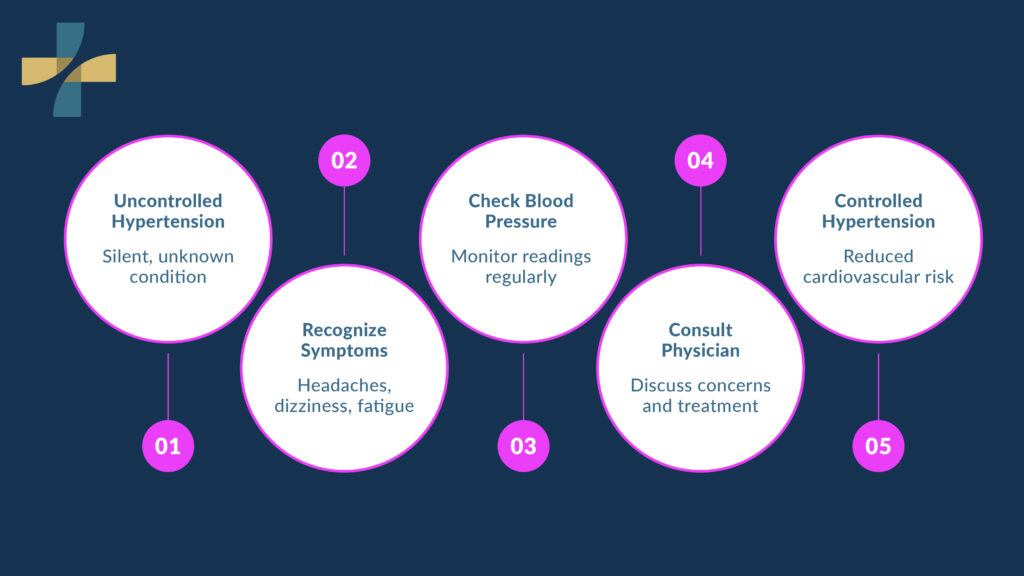
Many people search for high blood pressure symptoms when they experience headaches, dizziness, or fatigue. These symptoms can raise concern about hypertension. The difficulty is that high blood pressure often develops quietly and may not cause clear warning signs. Hypertension affects millions of adults worldwide. According to the World Health Organization (WHO), an estimated 1.4 billion adults aged 30–79 live with hypertension worldwide, and about 44% do not know they have the condition. This guide explains the early signs of hypertension, why the condition is often described as silent, and when a blood pressure check and a physician appointment may be needed. It also explains the normal blood pressure range in Vancouver and how routine health checks help reduce cardiovascular risk. What Are the Early Signs of High Blood Pressure? High blood pressure symptoms are usually mild and may include headaches, dizziness, fatigue, or blurred vision. However, many people experience no symptoms at all, which is why hypertension is often detected during routine blood pressure checks. Early symptoms can vary between individuals. Some people notice small changes in how they feel during daily activities. Common signs of high blood pressure may include: headache, high blood pressure dizziness and hypertension fatigue or low energy blurred vision occasional nosebleeds mild chest discomfort Example scenario A 42-year-old office worker reports recurring headaches and mild dizziness during the week. At a GP appointment, a blood pressure check shows 135/85 mmHg across repeated readings, which indicates early-stage hypertension. Symptoms alone cannot confirm hypertension. Stress, dehydration, lack of sleep, and other health issues can cause similar symptoms. A clinical blood pressure measurement is required to confirm the condition. Can High Blood Pressure Have No Symptoms? High blood pressure can occur without noticeable symptoms. Many patients feel normal even when blood pressure readings are elevated. This is why doctors often describe hypertension as a silent condition. Silent hypertension can allow damage to develop slowly in blood vessels and organs. Over time, high blood pressure can affect the heart, brain, kidneys, and eyes. Medical organisations such as the American Heart Association explain that high blood pressure usually has no symptoms, which means many people only discover the condition during routine blood pressure checks or medical visits. Silent hypertension may contribute to conditions such as: heart disease stroke kidney damage vascular disease vision problems Example scenario A 55-year-old patient attends a routine heart health check and Medicare screening, and learns their blood pressure is elevated despite having no symptoms. This is why regular monitoring plays an important role in preventing complications. What Is the Normal Blood Pressure Range in Vancouver? The normal blood pressure range in Vancouver is generally below 120/80 mmHg. Readings above this level may indicate elevated blood pressure or hypertension, depending on the exact values. Doctors classify blood pressure using systolic and diastolic numbers. The systolic number represents pressure when the heart beats. The diastolic number represents pressure when the heart rests between beats. Category Systolic Diastolic Normal Less than 120 Less than 80 Elevated 120–129 Less than 80 Stage 1 Hypertension 130–139 80–89 Stage 2 Hypertension 140 or higher 90 or higher Hypertensive Crisis 180 or higher 120 or higher Higher blood pressure increases cardiovascular risk in Vancouver, including the risk of heart attack and stroke. Example scenario A patient has blood pressure readings averaging 132/84 mmHg across two visits. Because this falls within stage 1 hypertension, the doctor may recommend lifestyle changes such as reducing salt intake, increasing physical activity, and scheduling follow-up monitoring over the next few months. What Symptoms Occur When Blood Pressure Becomes Dangerous? Severe hypertension can cause noticeable symptoms when blood pressure rises to very high levels. These hypertension symptoms and warning signs may indicate a hypertensive crisis and require urgent medical care. Symptoms of dangerous blood pressure levels may include: severe headache chest pain shortness of breath vision changes confusion numbness or weakness Medical guidance suggests that readings above 180/120 mmHg with symptoms may indicate a hypertensive emergency. Severe hypertension can damage organs and increase stroke risk if not treated quickly. What Are the Main Risk Factors for Hypertension? The main risk factors for hypertension include age, genetics, diet, physical inactivity, smoking, and excess alcohol use. Certain health conditions, such as diabetes and kidney disease, can also increase the risk of developing high blood pressure. Common risk factors for hypertension include: Lifestyle factors high sodium diet physical inactivity smoking excessive alcohol consumption chronic stress Health conditions linked to hypertension diabetes kidney disease sleep apnea obesity family history of high blood pressure A large analysis published in cardiovascular research found that increases of 20 mmHg systolic blood pressure can double the risk of stroke or heart disease. Example scenario A 50-year-old patient with a family history of hypertension and several lifestyle risk factors records elevated blood pressure during a routine medical visit. The doctor recommends monitoring and lifestyle adjustments to help manage the readings. When Should You See a Doctor for High BP? You should see a doctor for high BP when symptoms persist, or home readings show elevated blood pressure. A medical evaluation can confirm whether hypertension is present and identify possible causes. Common reasons to schedule a blood pressure check include: repeated headaches dizziness and hypertension symptoms chest discomfort family history of heart disease Abnormal readings from home monitoring Emergency symptoms that require immediate care include: chest pain severe headache shortness of breath confusion blood pressure above 180/120 How Do GPs Diagnose and Manage Hypertension? General practitioners in Vancouver diagnose hypertension by measuring blood pressure across multiple visits. Doctors review health history, risk factors, and other conditions before confirming the diagnosis. Typical steps during a blood pressure check GP consultation include: blood pressure measurement using a cuff Repeat readings during the visit follow-up readings on separate visits assessment of cardiovascular risk Treatment options may include: lifestyle changes regular monitoring medication if required Health authorities also recommend lifestyle measures as the first step in hypertension management in Vancouver, including: Reducing sodium intake Increasing